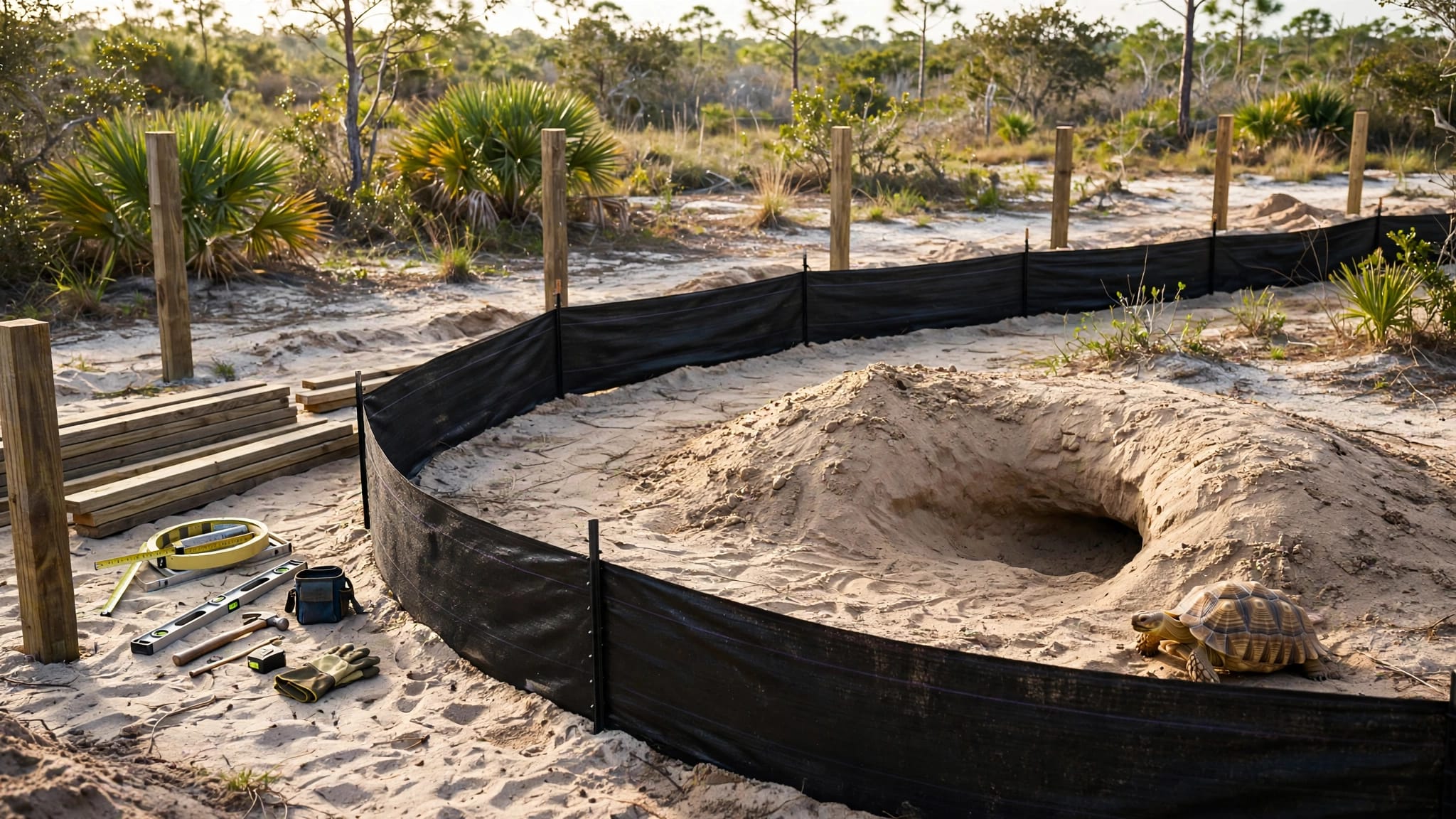
Why Fence Permits Get Rejected in Southwest Florida
A fence project can look simple on paper, then get sent back for one missing detail. That happens a lot in Southwest Florida, where fence permit rejection often comes down to location, paperwork, or local rules that change from one city to the next.
If you're planning a new fence or replacing an old one, the safest move is to check the rules before you submit anything. A clean application saves time, money, and a lot of back-and-forth with the building office.
The most common fence permit problems start with the site plan
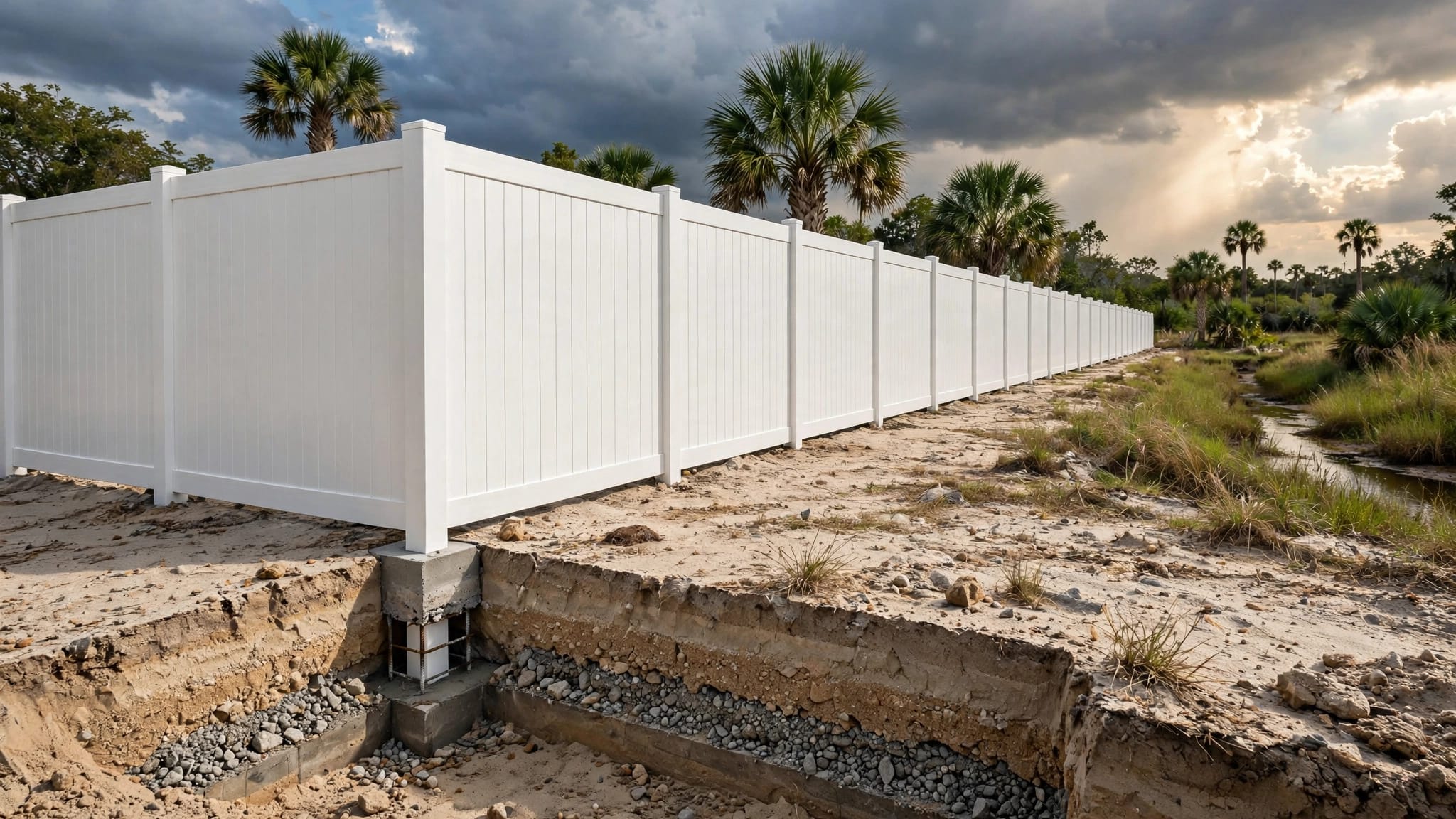
Most rejected fence applications fail for the same reason, the reviewer can't tell exactly where the fence will go. A permit office wants to see property lines, setbacks, easements, drainage areas, and the full fence route. If any of that is unclear, the file usually comes back for correction.
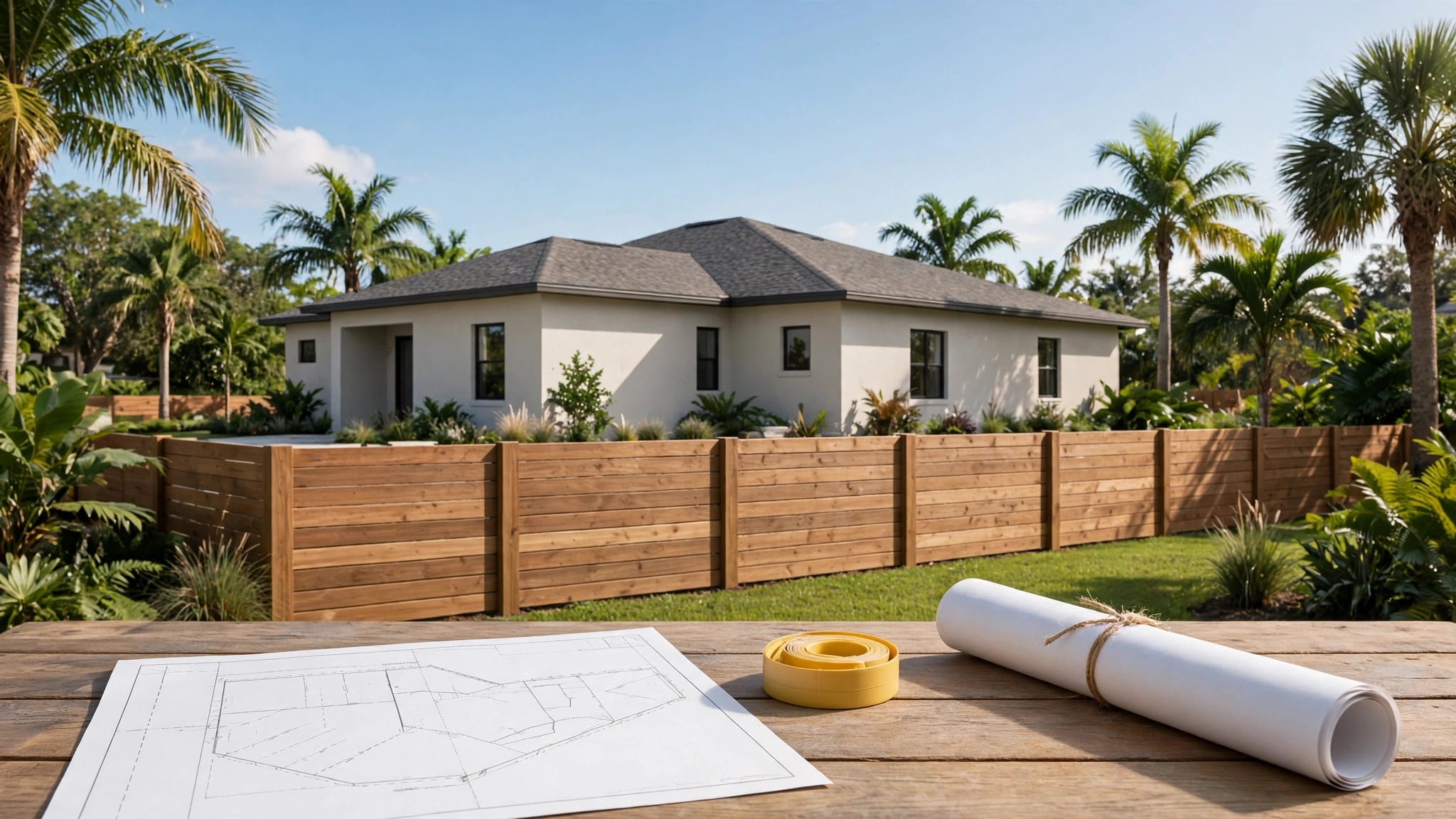
That's why a survey matters so much. A hand-drawn sketch often leaves out something important. A proper site plan should show the lot shape, existing structures, the proposed fence line, gate locations, and measurements from the fence to the property lines.
In many cases, the problem isn't the fence itself. It's the lack of proof that the fence stays on your land and out of restricted areas. Utility easements, drainage swales, and side-street visibility areas can all affect approval.
Reviewers don't guess. If they can't confirm the placement on the page, they won't approve the permit.
Height is another big issue. Southwest Florida cities and counties often treat front yards, backyards, corner lots, and canal lots differently. A fence that works in a backyard may fail in a front yard or along a street corner. If you're in Cape Coral, Cape Coral residential fence height limits are worth checking before you settle on a design.
If you want a good place to start, Cape Coral fence permit checklist covers the kind of details reviewers expect to see before they move a file forward.
Paperwork mistakes that slow approval
A strong site plan helps, but paperwork still matters just as much. Missing forms, unsigned pages, and incomplete contractor details can stop a permit just as fast as a bad fence layout.
One common issue is a package that leaves out the contractor's license, insurance, or contact information. Another is a homeowner trying to act as the builder without following the local owner-builder rules. Some departments also want notarized forms, disclosure statements, or notice of commencement documents, depending on the scope of work and the jurisdiction.
Replacing a fence can also trigger the same document requirements as a brand-new fence. Homeowners often think, "The old fence was already there, so this should be easy." The city or county may see it differently. If the replacement changes height, material, location, or support posts, the permit reviewer may want the full set of documents again. For Cape Coral homeowners, fence replacement guidelines in Cape Coral explain why replacements still need careful review.
A few small errors create a long delay:
- The form is signed in the wrong place.
- The fence material doesn't match the plan.
- The drawing uses vague notes like "approximate line."
- The address or parcel number is wrong.
- The submittal skips a required attachment.
These look minor, but they make a reviewer stop. Once that happens, your permit sits until you fix the packet and send it back. In Lee County, the county's fence guide gives a clear picture of what the permit office wants, and Lee County permit requirements for fences can help you compare your plan with local expectations.
Local rules can change the answer, even for the same fence
Southwest Florida is not one-size-fits-all. A fence that passes in one neighborhood can fail a mile away. City limits, unincorporated county areas, and HOA rules can all apply at the same time.
That layering causes a lot of confusion. The city may allow a fence height that your HOA does not. The county may approve a material that your waterfront lot still can't use in a certain location. A permit reviewer also wants to know whether the fence affects drainage, sidewalk access, or visibility at a corner.
This matters most on lots with extra constraints. Front yards often have lower height limits than side and rear yards. Corner lots may need clear sight lines near the street. Canal lots can have added rules because of drainage, seawall access, and waterfront visibility. Fence placement near a swale can also raise red flags if it blocks water flow.
When people rush through this part, rejection is common. They measure the yard, choose a fence style, and assume the rest will fit. Unfortunately, the permit office looks at the lot much more closely.
For homeowners in unincorporated areas, the county rules are a better starting point than a general internet search. The process is easier when you match your plan to the local fence guide before you file. If you live in or near Cape Coral, Lee County, Fort Myers, or another Southwest Florida community, verify the current rules with the local building department and your HOA before you start digging post holes.
Replacement fences need the same care as new fences
A lot of homeowners are surprised by how often replacement jobs get delayed. They assume a new fence can follow the old fence line without much review. That can cause a permit denial if the old fence sat too close to an easement, crossed a boundary, or ignored a current rule.
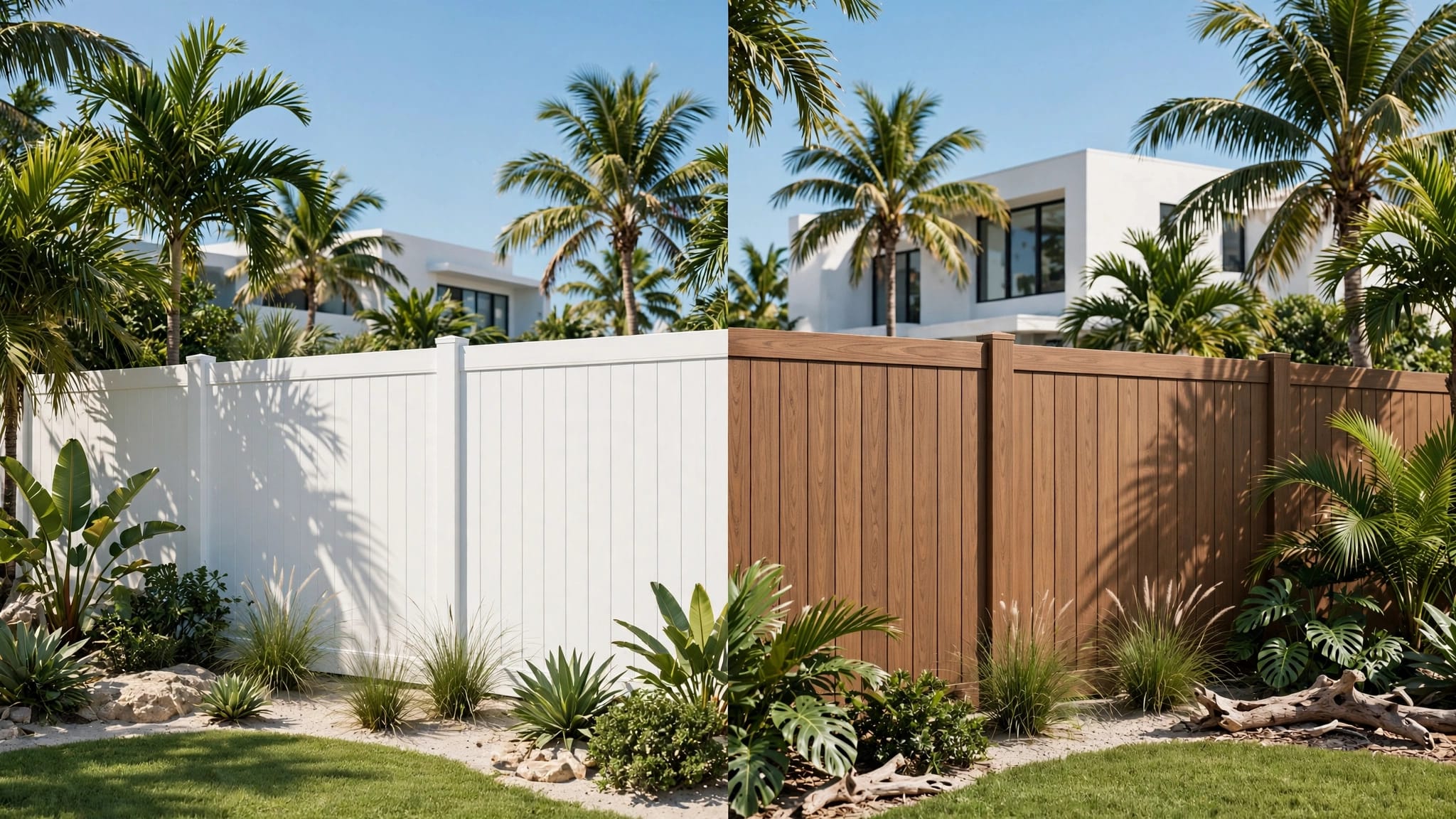
Replacement work also draws attention to details people forget. Maybe the original fence was shorter than the new one. Maybe the old gate opened one way, but the new design creates a safety issue. Maybe the fence material changed from chain link to solid vinyl, which affects visibility, drainage, or pool barrier rules.
That's why replacement reviews deserve the same care as a fresh install. The application should show the exact location of the new fence, not just say "replace existing." If the layout shifts even a little, the reviewer may treat it as a new placement issue.
In Cape Coral, it helps to review the city's permit expectations before you remove the old fence. A replacement can move faster when the documents match the actual project instead of the memory of what used to be there. Small differences matter, especially when a fence sits near a side street, canal, or property line.
How to reduce delays before you submit
A few simple habits can cut the risk of a rejection. Start with the property line, then work outward.
- Confirm which office has jurisdiction, city, county, or HOA.
- Use a current survey or a clear site plan.
- Mark easements, drainage areas, and utilities before drawing the fence line.
- Match the height and style to the lot type and local rules.
- Check whether a replacement needs the same documents as a new fence.
- Ask the building department about any form they expect with the packet.
The biggest mistake is guessing. If the fence office in your city wants a clean plan, give them one. If the HOA wants a separate approval, get that first. If the property sits in a tricky spot, like a corner lot or canal lot, have the layout reviewed before you buy materials.
A licensed fence contractor can help here because local permit rules often change the job plan. That matters in Southwest Florida, where a fence near one neighborhood entrance can face a different review than the same fence in a backyard across town.
Conclusion
Most fence permit rejections in Southwest Florida come from the same few issues, unclear site plans, missing documents, wrong placement, or a fence style that doesn't fit the lot. The material matters, but the paper trail matters just as much.
Before you apply, verify the rules with your city, county, and HOA. A little prep now can keep your project moving and keep your fence from getting stuck in review.