Matlacha Fence Permit Guide for 2026 Homeowners
A Matlacha fence permit can look simple until the details hit the paper. One lot may need a basic county review, while another can run into setback, height, or easement issues.
That matters in Matlacha, where waterfront conditions, corner lots, and HOA rules can change the path fast. Before you buy materials or set posts, it helps to know what the local permit office is likely to ask for in 2026.
Start with the rules that shape most fence projects.
Why Matlacha fence permits are rarely one-size-fits-all
Most Matlacha homes fall under unincorporated Lee County rules, so the county permit office is the place to confirm current requirements. That sounds simple, but the actual review depends on your lot, your fence height, and where the fence sits on the property.
A straight backyard fence on a large interior lot is one thing. A fence near a canal, an easement, or a road corner is another. The permit office will usually want to see that the fence stays on your property and does not block public access or sight lines.
Matlacha lots can look similar from the street, but the survey often tells a different story.
If your property is in a nearby city instead, the process can change again. A good local comparison is the Cape Coral fence permit checklist for 2026, which shows how city rules can differ from county rules.
The local rules that shape most fence projects
A few permit questions come up again and again in Matlacha. The table below gives you a quick view of what usually matters most.
| Situation | What usually applies in Matlacha | What to confirm |
|---|---|---|
| Fence inside your lot lines | A county permit is commonly required before work starts | Ask if your project is new, replacement, or repair |
| Front yard near the street | Height is often limited, sometimes around 3 feet near street frontage | Check the exact frontage, especially on corner lots |
| Side or rear yard fence | Taller fencing is often allowed, but zoning still matters | Verify setbacks and any nearby easements |
| Fence taller than 6 feet | Signed and sealed plans may be required | Ask whether an engineer or architect must review it |
| Waterfront, flood-prone, or corner lot | Extra visibility, setback, or site conditions may apply | Confirm the rule set before you order materials |
| HOA neighborhood | HOA approval may be needed in addition to the county permit | Get HOA approval separately from county signoff |
The big takeaway is simple. A fence that looks routine can still need extra review if the lot has special conditions. That is common in coastal areas, where water, roads, and recorded easements can change the layout.
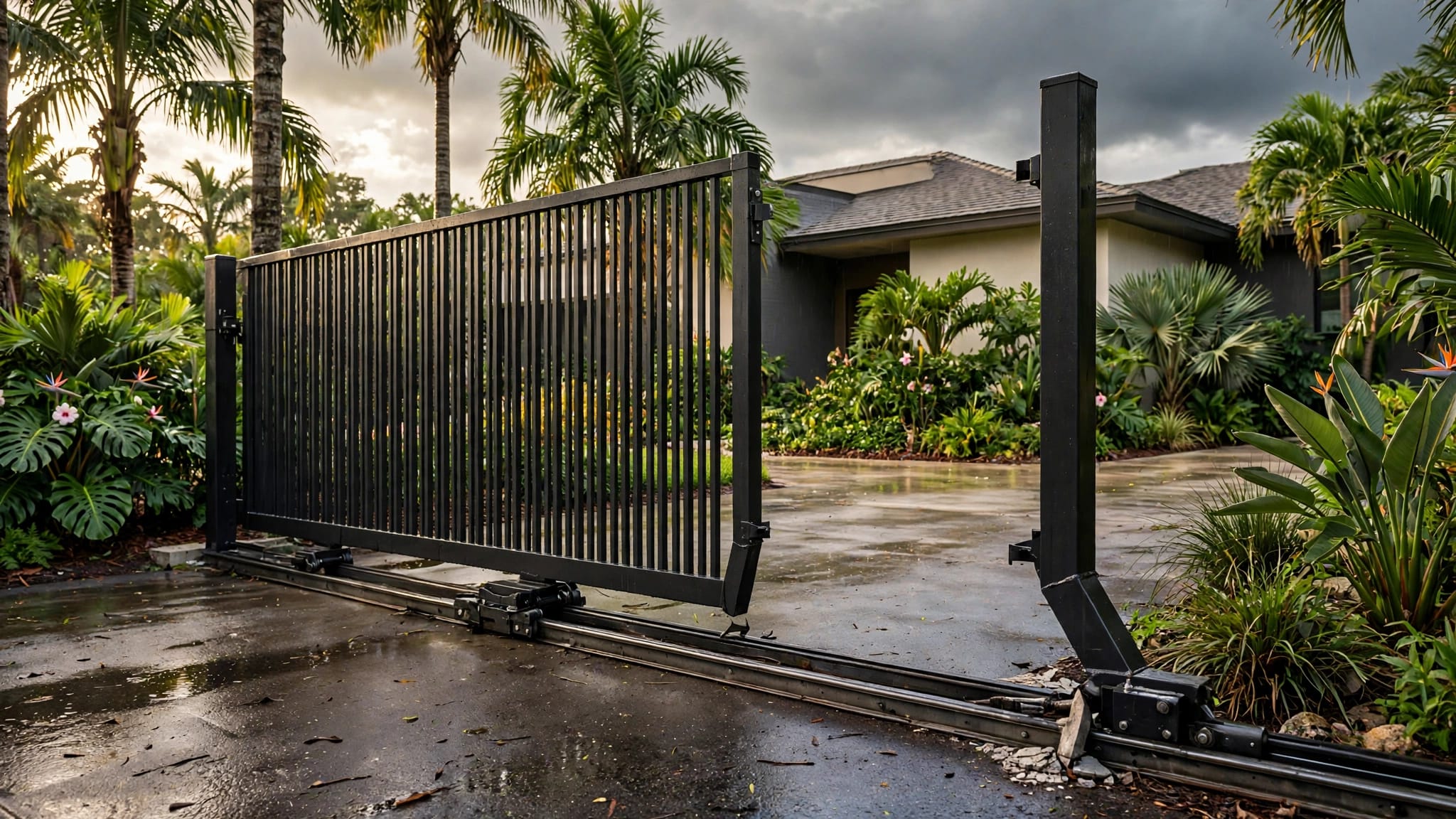
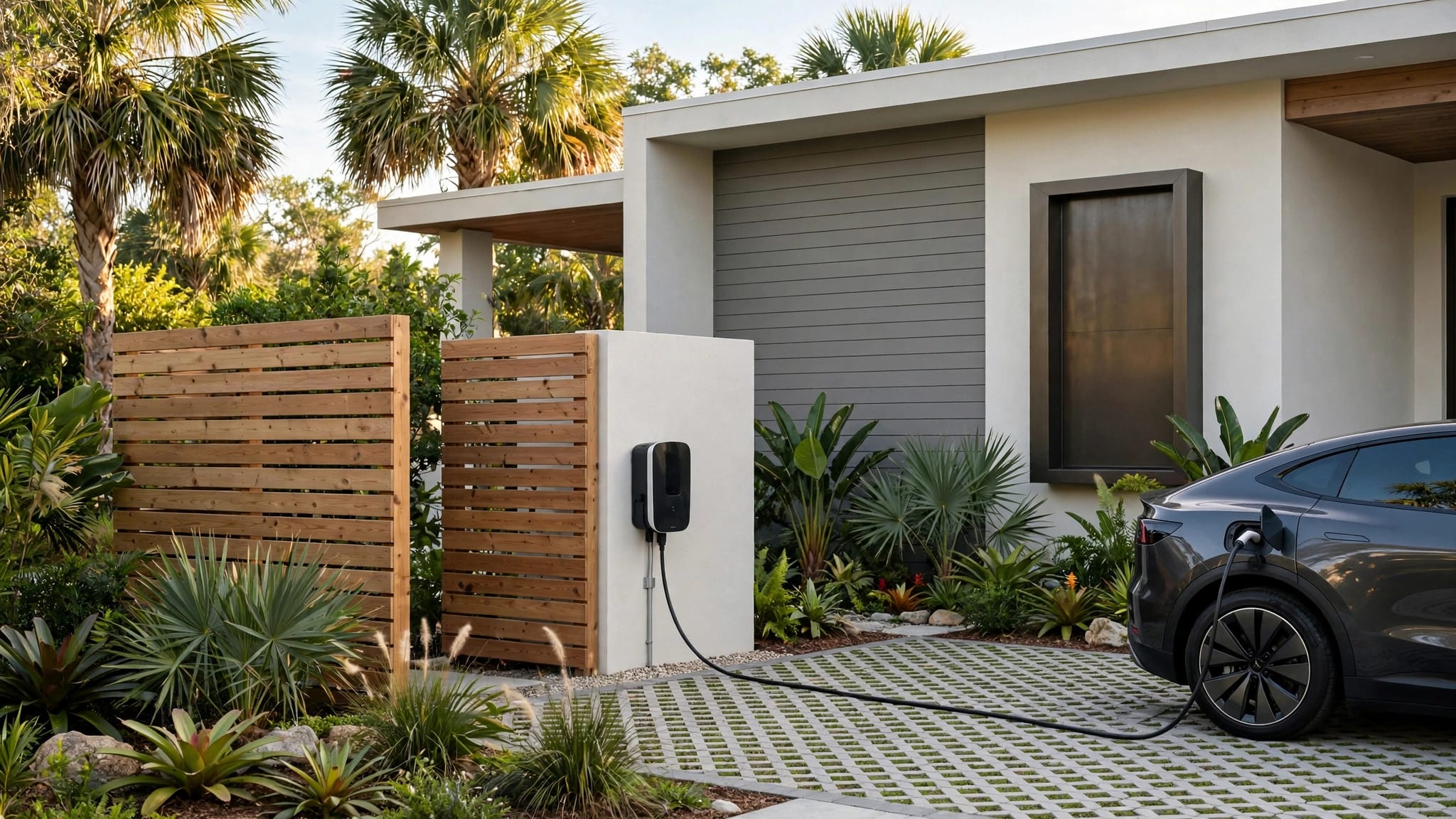
Lee County commonly allows materials like wood, chain link, decorative aluminum, iron or steel, brick, block, and approved composite products. Still, the best material for your yard depends on the site, your budget, and how close the fence sits to salt air or standing water.
What to gather before you submit paperwork
A clean permit packet can save time. It also cuts down on back-and-forth if the county asks questions.
Have these items ready before you apply:
- A recent survey or plot plan with property lines marked
- The fence location drawn on the site plan
- Fence height, style, and material details
- Gate locations, if you plan to install them
- Contractor license information, if you hire a pro
- HOA approval, if your community requires it
- Notes about easements, drainage areas, or waterfront edges
If the property line is hard to read, get a fresh copy of the survey before you guess. Guessing is where a lot of fence problems begin.
Some homeowners also mark streets, canals, and utility areas on the drawing. That extra detail can help when the lot has more than one setback issue. For homeowners comparing paperwork across local jurisdictions, the same kind of organized approach appears in the Cape Coral fence permit checklist for 2026.
A simple 2026 permit process for Matlacha homeowners
The process is easier when you handle it in order. Skipping steps usually creates delays later.
- Confirm who has jurisdiction.
Make sure your lot is under Lee County rules and not another local authority. - Check your survey and lot lines.
Confirm that the fence stays on your property and clear of any easement or right-of-way. - Review height and location limits.
Front-yard, side-yard, and rear-yard fences can follow different rules. - Collect the paperwork.
Gather the site plan, fence specs, HOA approval if needed, and contractor details. - Submit the permit before work begins.
Do not start posts, panels, or digging until the permit is approved. - Respond quickly if the county asks for changes.
Small corrections are common, especially on waterfront or corner lots. - Build exactly as approved.
If the final fence changes in height, location, or material, check before making the change.
A permit review can move quickly when the documents are clear. It can slow down when the sketch is vague or the fence line sits near a boundary question. That is why the site plan matters as much as the fence itself.
Mistakes that slow down approval
Most permit problems in Matlacha come from the same few issues. They are easy to avoid when you know what to watch for.
- Putting the fence where a recorded easement already exists
- Forgetting HOA approval in a deed-restricted community
- Estimating height instead of measuring it on paper
- Starting work before the permit is issued
- Overlooking waterfront, corner-lot, or visibility rules
- Using a fence line that does not match the survey
These mistakes can cost time, and they can also force changes after materials are already ordered. That is frustrating on any project, especially when posts are in the ground and the weather is moving fast.
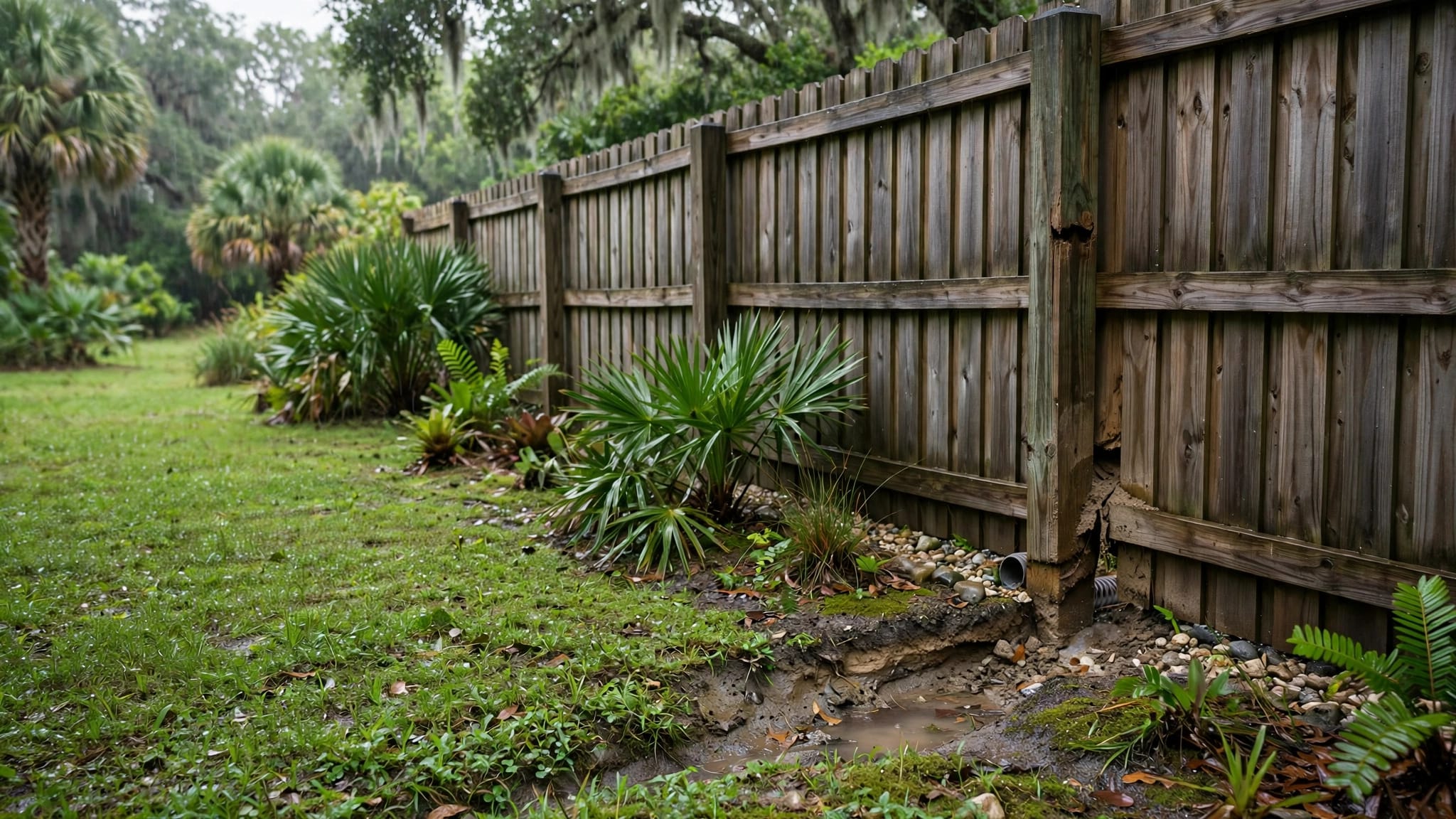
A local fence contractor should ask about these items before the first hole is dug. That is even more important in coastal areas, where salt, wind, drainage, and lot shape all affect the final result.
Picking a fence that fits the lot and the rule set
The permit is only part of the job. The fence still needs to match the property and the conditions around it.
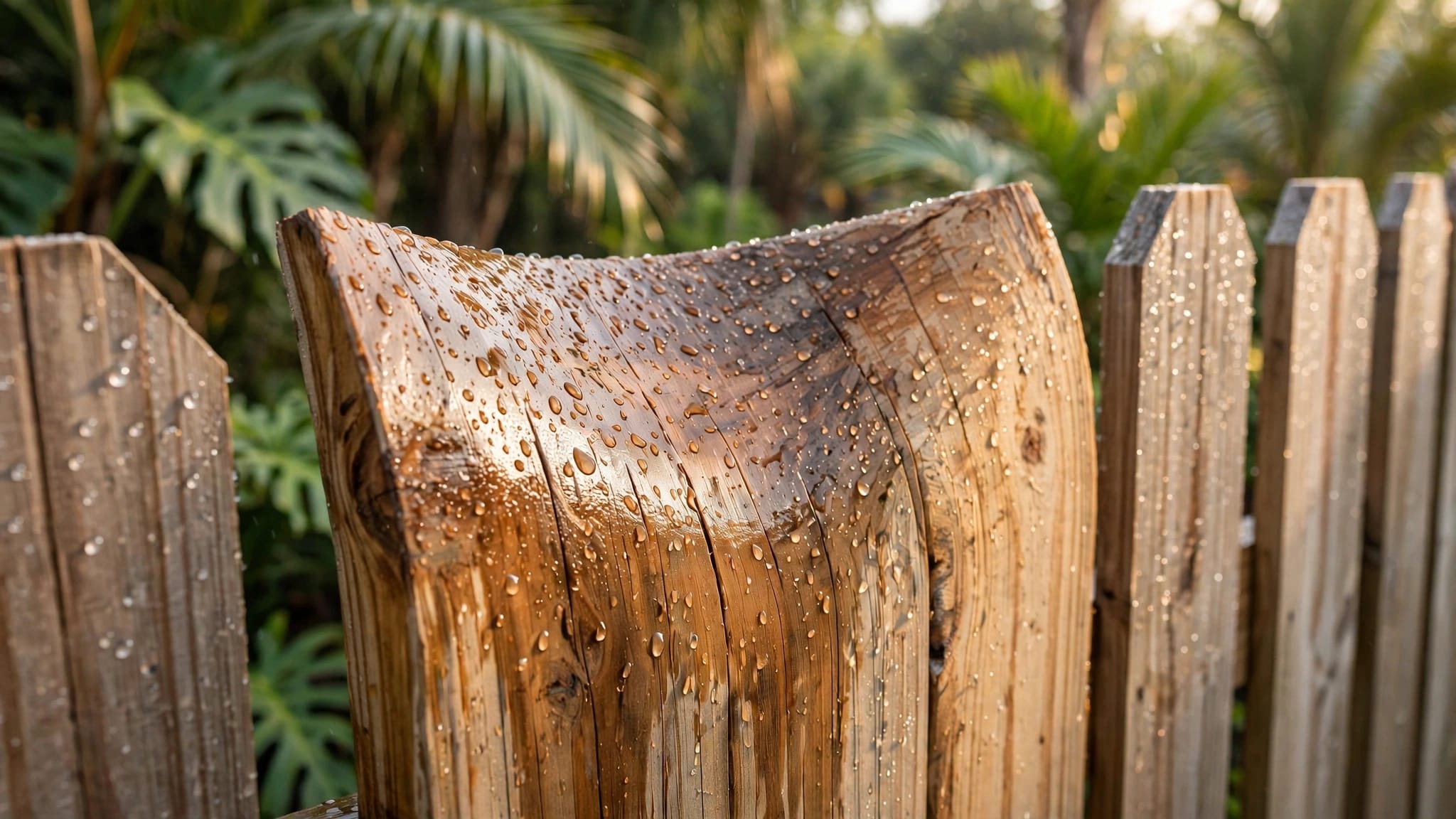
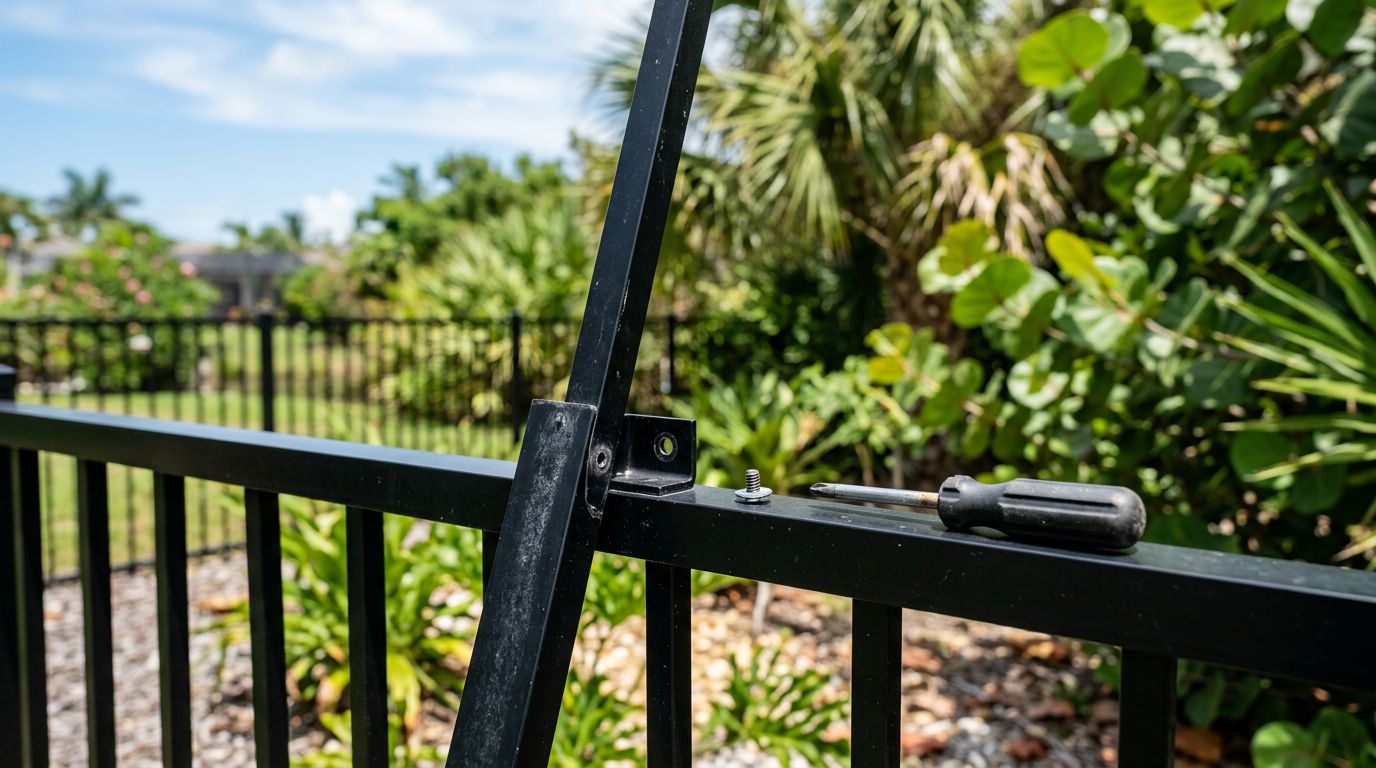
Wood can work well for privacy, but it needs care in humid weather. Chain link is practical and common on many lots. Aluminum and steel often fit coastal settings better because they handle moisture well. Composite products can be a strong option when the product is approved for the project and the site plan supports it.
The best choice depends on how the yard is used. A side yard that needs privacy may call for a taller fence. A front yard near the street may need a lower profile. A waterfront lot may need a style that keeps the view open while still marking the property line.
That is why the permit review and the fence design should happen together. When the plan fits the lot from the start, the install usually moves more smoothly.
A few questions worth asking before you build
Before you commit to a design, ask the permitting authority a few direct questions. Keep them short and clear.
- Do I need a permit for this exact fence location?
- Does my lot have any easements or setbacks that affect the line?
- What is the height limit for the front yard and side yard?
- Do I need signed and sealed plans if the fence is over 6 feet?
- Does my HOA need to approve the fence before I submit?
Those answers can save you from ordering the wrong material or setting posts in the wrong spot. They also help your contractor quote the job more accurately.
Conclusion
A fence project in Matlacha goes smoother when the paper trail is clean and the lot details are clear. The safest move is to confirm the current 2026 rules, check your survey, and keep the fence on your property lines.
That first step matters most when your lot has water, an easement, or an HOA. A careful start keeps a simple fence from turning into a costly redo, and that is time well spent.