Venice Fence Permit Guide for 2026 Homeowners
A new fence looks simple until the permit question gets in the way. In Venice, that question depends on where your property sits, how tall the fence is, and what the fence touches .
That means two homes on the same street can face different rules. City limits, county lines, easements, and zoning all matter, so the safest first move is to check before you buy materials or dig post holes.
In Venice, fence rules follow the parcel, not the neighborhood name.
Start with the right jurisdiction
The first job is finding out who regulates your lot. If your home is inside the City of Venice , the city's building department handles the permit process. The official City of Venice permitting page is the right place to begin.
If your address is outside city limits, the rules may come from Sarasota County instead. For that situation, these Sarasota County fence permit basics give homeowners a useful county-side starting point.
Zoning adds another layer. Even when a fence does not need a building permit, it still has to meet setback rules, visibility rules, and easement limits. Corner lots often need extra attention because drivers need clear sight lines. Pool enclosures and fences near drainage areas can also trigger more review.
If you live in an HOA, that approval is separate from the city or county process. A fence can pass a permit review and still fail the HOA rules. That is why homeowners should treat the permit check and the HOA check as two different steps.
Which fences usually need a permit in Venice
Many standard residential fences do not need a building permit when they stay within local height limits. In practice, the common trigger points are easy to remember. Front-yard fences are usually more restricted than side or rear yard fences, and taller or heavier fences bring more scrutiny.
Here is a simple snapshot for homeowners:
| Fence type | Typical permit need in Venice | What to verify |
|---|---|---|
| Front-yard fence at 4 feet or less | Often no building permit | Setbacks, corner visibility, HOA rules |
| Side or rear fence at 6 feet or less | Often no building permit | Property line, easements, drainage |
| Fence over 6 feet | Permit required | Height, structure, location |
| Masonry, block, or concrete fence | Permit required | Design, footing, code review |
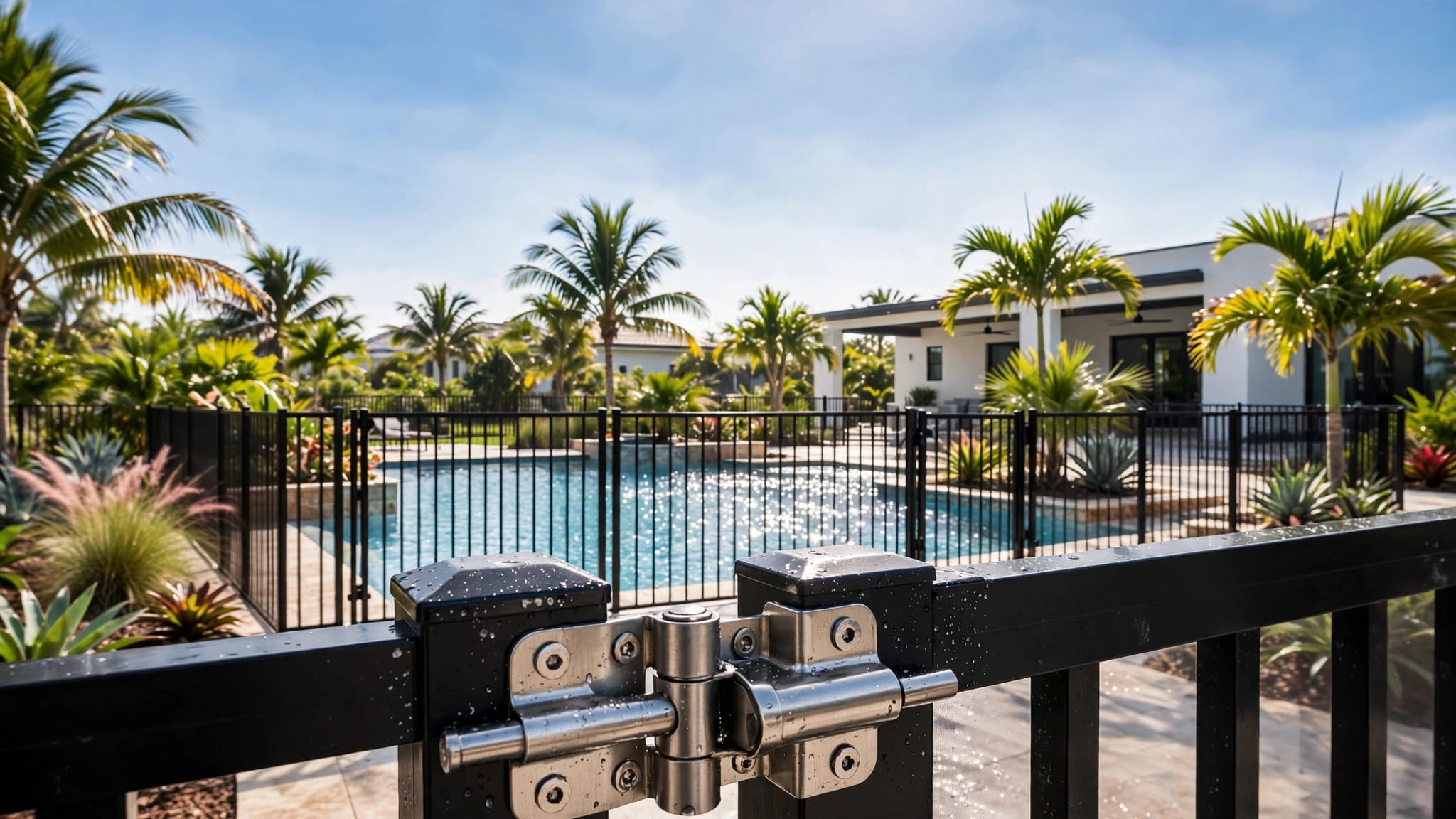
| Pool or spa barrier | Permit required | Safety code compliance |
| Fence in an easement | May need approval or redesign | Utility access and location |
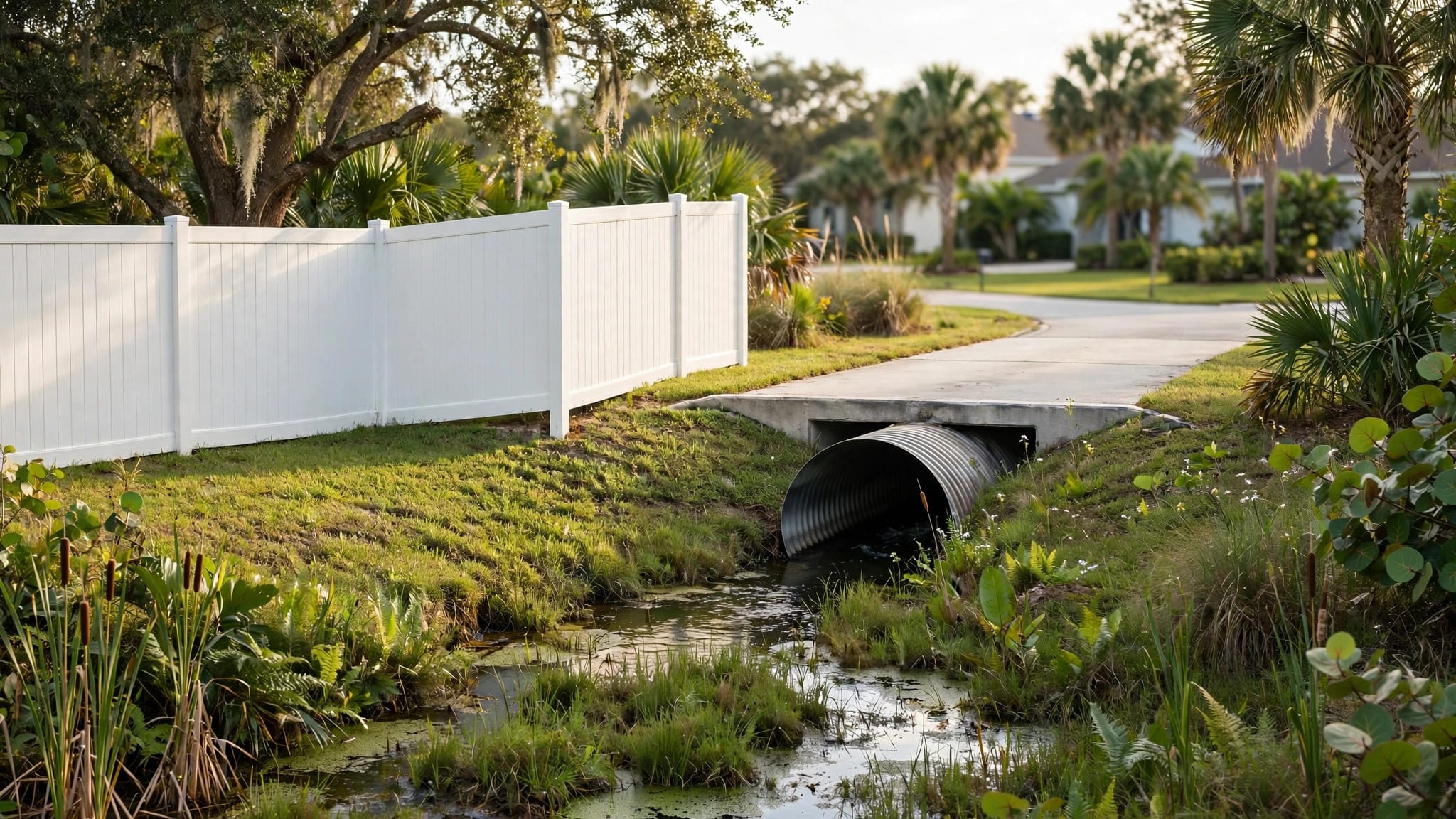
The biggest trap is assuming "no permit" means "no rules." That is rarely true. A fence can stay under the permit threshold and still fail because it crosses an easement or blocks a drainage swale.
The city also treats some site types differently. On vacant properties, or properties with no active use, the fence rules can be tighter along street frontages. The city's ordinance text is posted in the fence rule amendment document, which is worth checking if your lot is unusual.
What to gather before you apply
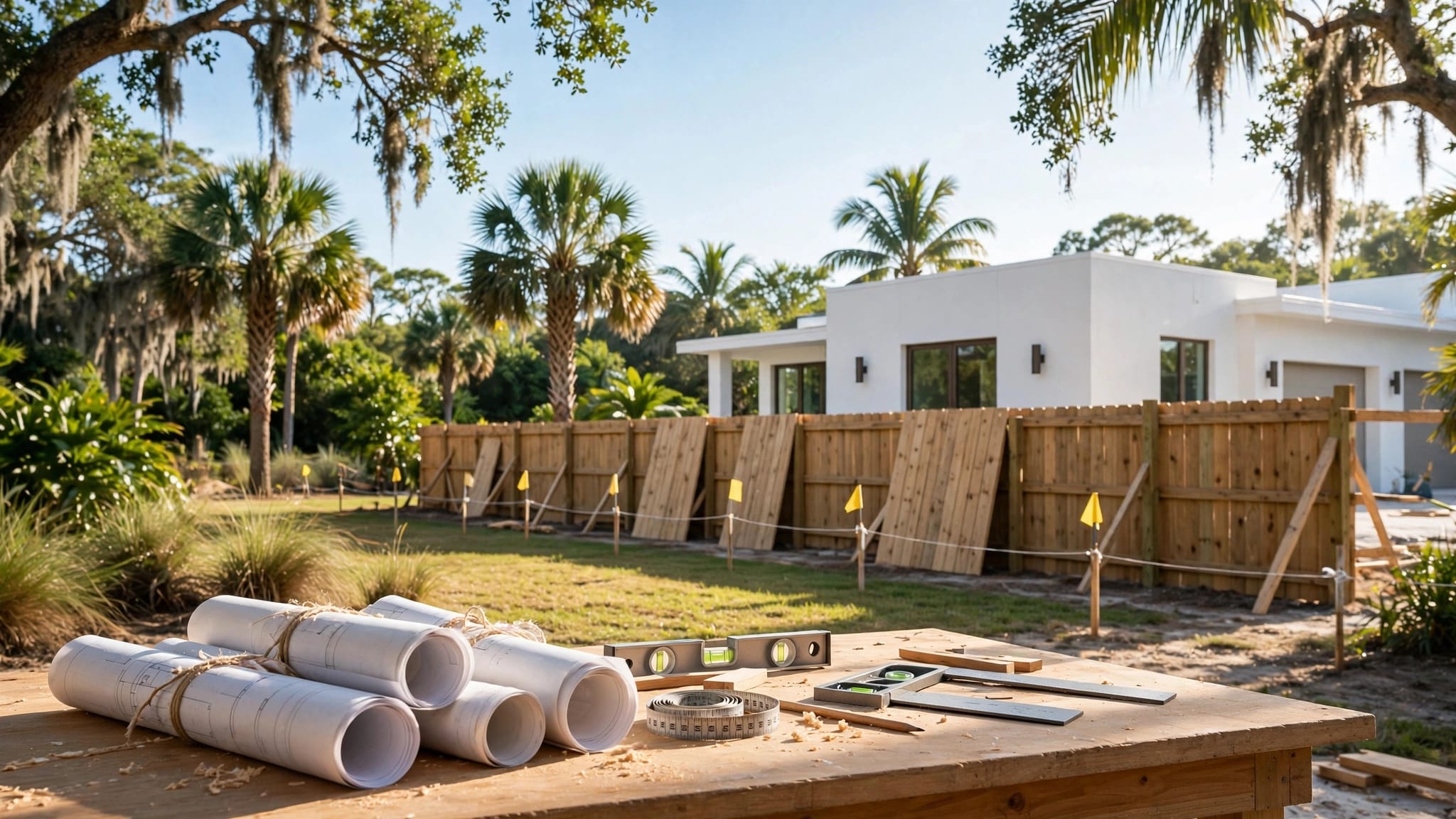
A smooth permit packet starts with a good survey. A recent survey shows property lines, easements, and any odd corners that matter. If you do not have one, it is smart to order or locate it before you plan the fence layout.
The city also wants a clear site plan. It does not need to look fancy, but it should show the fence location, the height, the material, and the distance from property lines. If a fence wraps around a pool, gate placement matters too.
Most homeowners should have these items ready:
- A completed permit application.
- A site plan with the fence location marked.
- Fence specs, including material and height.
- Proof of ownership or authorization.
- Contractor license details, if you hire a pro.
- HOA approval, if your community requires it.
The city's permit forms and applications page is the best place to confirm current paperwork and submission steps. Fees vary by project, so check the current schedule before you budget.
If you hire a contractor, ask who handles the permit filing. Some homeowners prefer to manage it themselves. Others want the installer to prepare the plans and submit the packet. Either path can work, as long as the details are clean.
Mistakes that slow down a fence permit
Most delays come from simple errors. A fence crew can install fast, but the permit office still needs accurate information.
The most common problems are these:
- The fence sits too close to an easement.
- The plan shows the wrong property line.
- The fence height on paper does not match the fence in the yard.
- The homeowner skipped HOA approval.
- The project started before the permit was approved.
- The fence style needs extra review, but no one asked first.
Survey mistakes cause some of the biggest headaches. An old neighbor fence is not proof of your boundary. Neither is a guess based on grass lines or hedge rows. If the line matters, the survey matters.
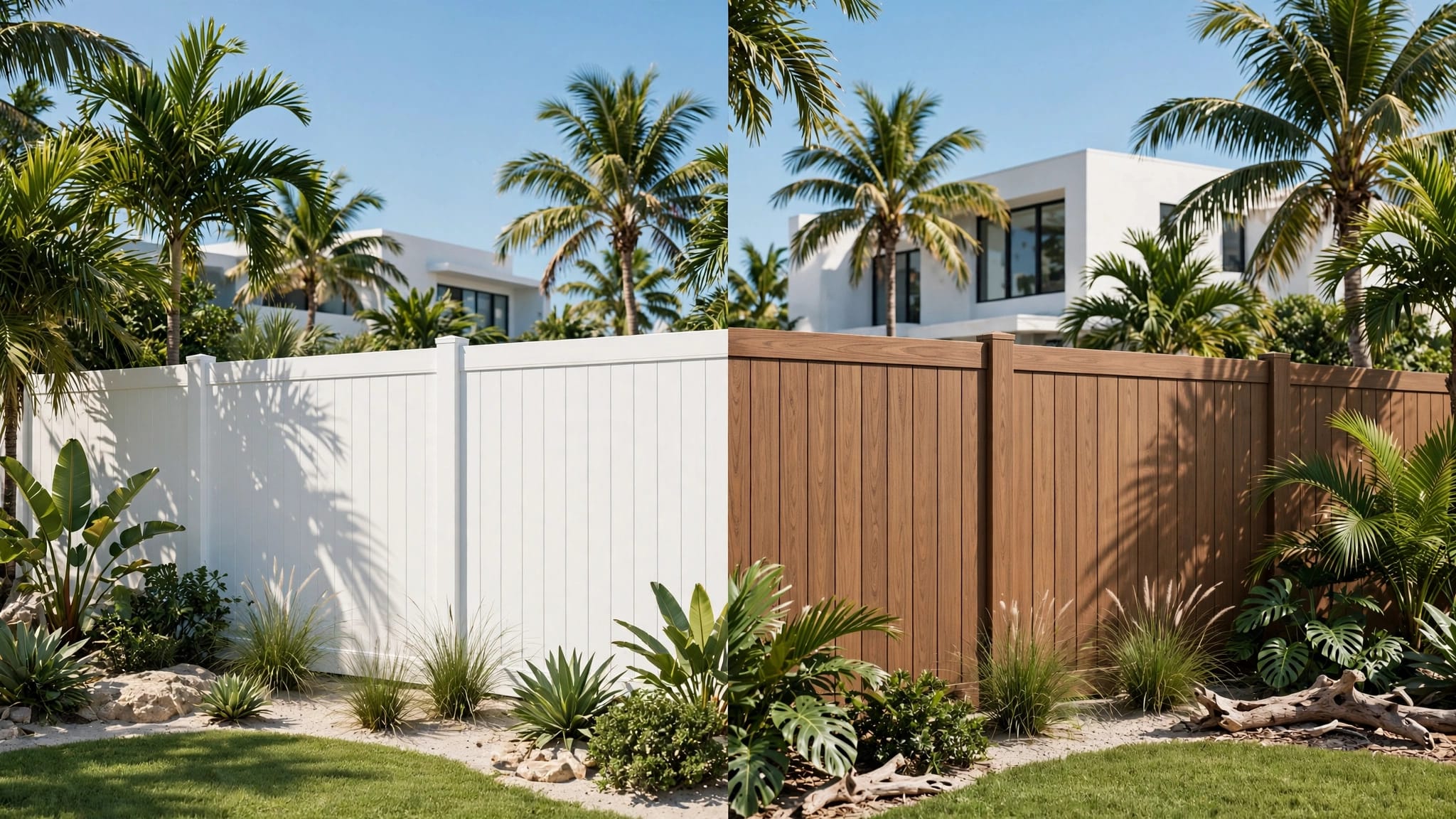
Material choice matters too. In Venice's coastal weather, vinyl and aluminum usually hold up well. Wood can still work, but it needs more care over time. For homeowners who want lower upkeep, that detail can matter as much as the permit itself.
If you want a one-call check before building, the City of Venice Building Department lists current contact details and permit guidance on its official site. A short call can save days of back-and-forth later.
Conclusion
A Venice fence permit is not hard once you know who regulates the parcel and what the fence will do. Most problems start when homeowners skip the jurisdiction check or assume one neighborhood rule fits every lot.
Before you build, confirm your address, review the height and placement rules, and check for easements or HOA limits. That small step can keep your project on schedule and prevent a fence from becoming an expensive do-over.