Babcock Ranch Fence Permit Guide for 2026 Homeowners
A fence can feel like a simple backyard project until the paperwork starts. In Babcock Ranch, the hard part usually is not picking vinyl, wood, or aluminum. It's figuring out who has to approve the job before the first post goes in.
For most homeowners, a Babcock Ranch fence permit is a two-step process, not a one-step one. You usually need neighborhood design approval first, then county permit approval. That's where many delays start, so it's smart to sort that out before you order materials.
Start with the real approval chain, not the fence style
Most Babcock Ranch homes are in unincorporated Charlotte County. Still, the community reaches near county lines, so some owners should confirm whether their lot falls under Lee County rules instead. In either case, county permitting and community approval are separate.
This quick chart keeps the roles straight:
| Approval layer | What it usually covers | Why it matters |
|---|---|---|
| Neighborhood ARC or FRC | Style, color, material, placement, community look | A county permit does not replace this |
| Babcock Ranch community review | Site plan compliance, recorded plat, design criteria | Some current community documents require an approval letter before county filing |
| County permit office | Code, zoning, safety, inspections | You can still fail here after HOA approval |
| Florida 811 | Utility locates before digging | Prevents expensive line hits |
The community side often uses names like ARC, FRC, or design review, depending on your neighborhood. Current Babcock Ranch materials also point owners to community review documents and an online permitting portal. For many neighborhoods, homeowners submit a site plan, fence details, color or material information, photos, and contractor info. A $50 community review fee is commonly listed, but that can vary by sub-association, so confirm it before you apply.
HOA approval and county approval are different approvals. You usually need both.
That difference matters more than people think. A six-foot privacy fence may meet county height limits and still get rejected by your neighborhood because of material, color, or location. Chain link is a common example. Community fence criteria in Babcock Ranch often favor vinyl, aluminum, or wood, while chain link is often restricted in residential areas.
If your parcel turns out to be on the Lee County side, review a county-based comparison like this Lee County fence permitting guide for homeowners before you submit.
What a Babcock Ranch fence permit application usually needs in 2026
Once community approval is in motion, the county side gets much easier. For most Babcock Ranch homes, that means Charlotte County Community Development. Current county guidance says most residential fences need a permit, with a narrow exception for small three-panel garbage or mechanical enclosures behind the front building line.
In plain terms, a normal yard fence usually needs a permit.
A typical application package often includes these items:
- A residential fence permit application.
- A site plan or survey with the proposed fence line marked.
- The ARC or FRC approval letter, if your neighborhood requires it.
- Owner-builder paperwork if you're doing the work yourself.
- Easement or right-of-way details when the fence runs near utility or drainage areas.
Charlotte County's public guidance points homeowners to the permit office at 18400 Murdock Circle. Contractors can often apply online, while owners may need to confirm the best filing method first. Zoning review should also happen early. The current zoning contact published by the county is 941-743-1964, and that call can save days of back-and-forth.
Fees are where homeowners should slow down. Current Charlotte County materials show a $30 zoning review fee and a state surcharge tied to the building fee, with a $4 minimum surcharge. However, a simple 2026 homeowner fee chart for a standard fence was not clearly verified. Because of that, call the county before you lock in your budget.
Timelines also vary. Community review can take a few weeks, especially if you need revisions. County permit review often lands around one to four weeks. In real life, many Babcock Ranch fence projects take four to eight weeks , sometimes longer, from first application to permit in hand.
Also, call 811 before any digging. Permit approval does not tell you where underground lines sit.
The fence situations that cause the most rework
Most fence denials are not about the fence itself. They happen because the fence is in the wrong place.
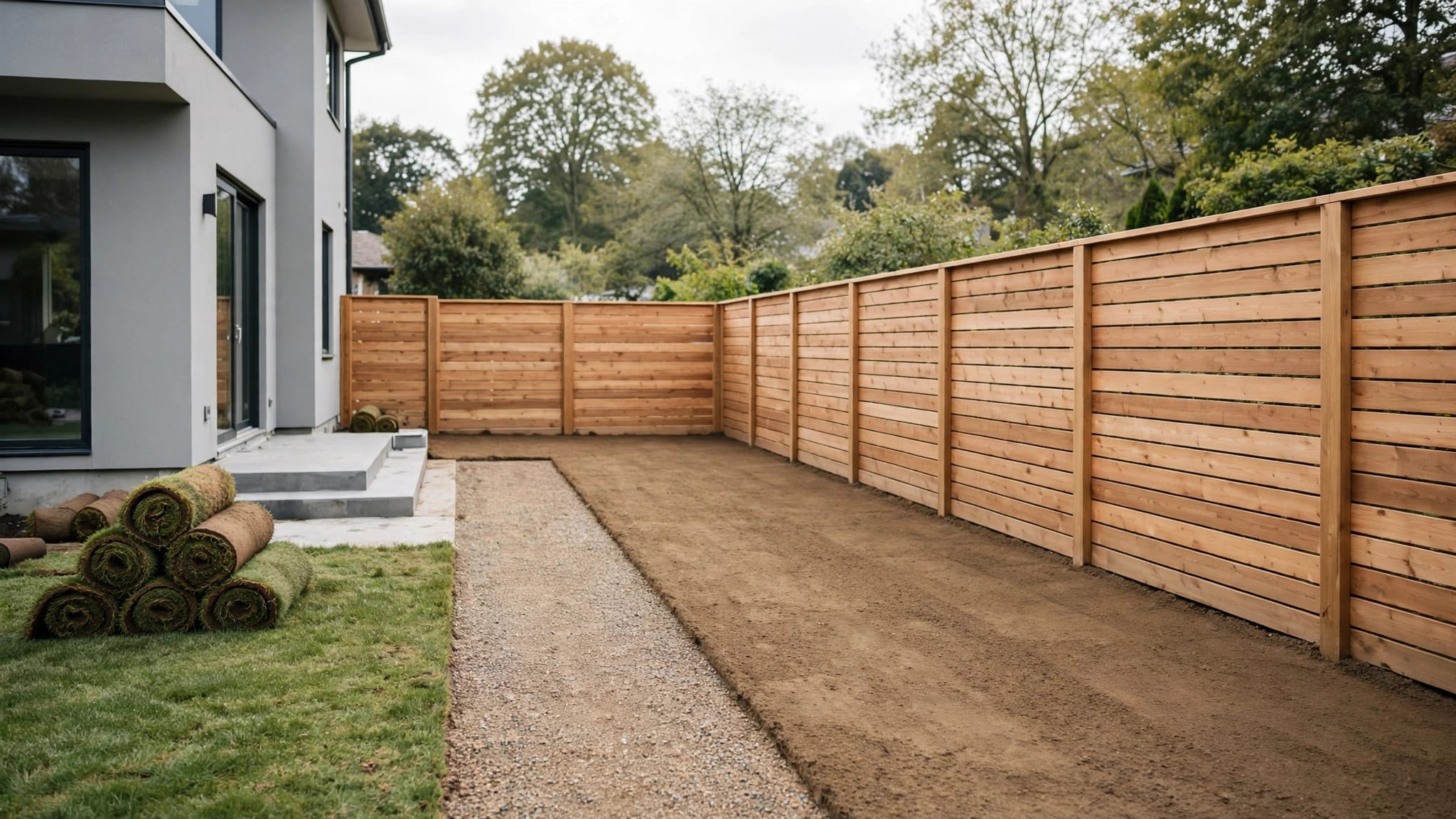
A standard rear-yard privacy fence is the easiest example. In current Charlotte County guidance, front-yard fences are commonly capped at 4 feet, while side and rear-yard fences commonly go to 6 feet. So a six-foot privacy fence may work in the backyard, but not in the part of the lot that faces the street.
Corner lots trip people up fast. In many cases, the side yard facing the street gets treated like a front yard. That means a tall solid fence along that side can become a problem even if the rear section is allowed. If you're comparing layouts, these corner-lot fence ideas for Southwest Florida homes show why many owners use a lower, more open street-facing section with a taller rear section.
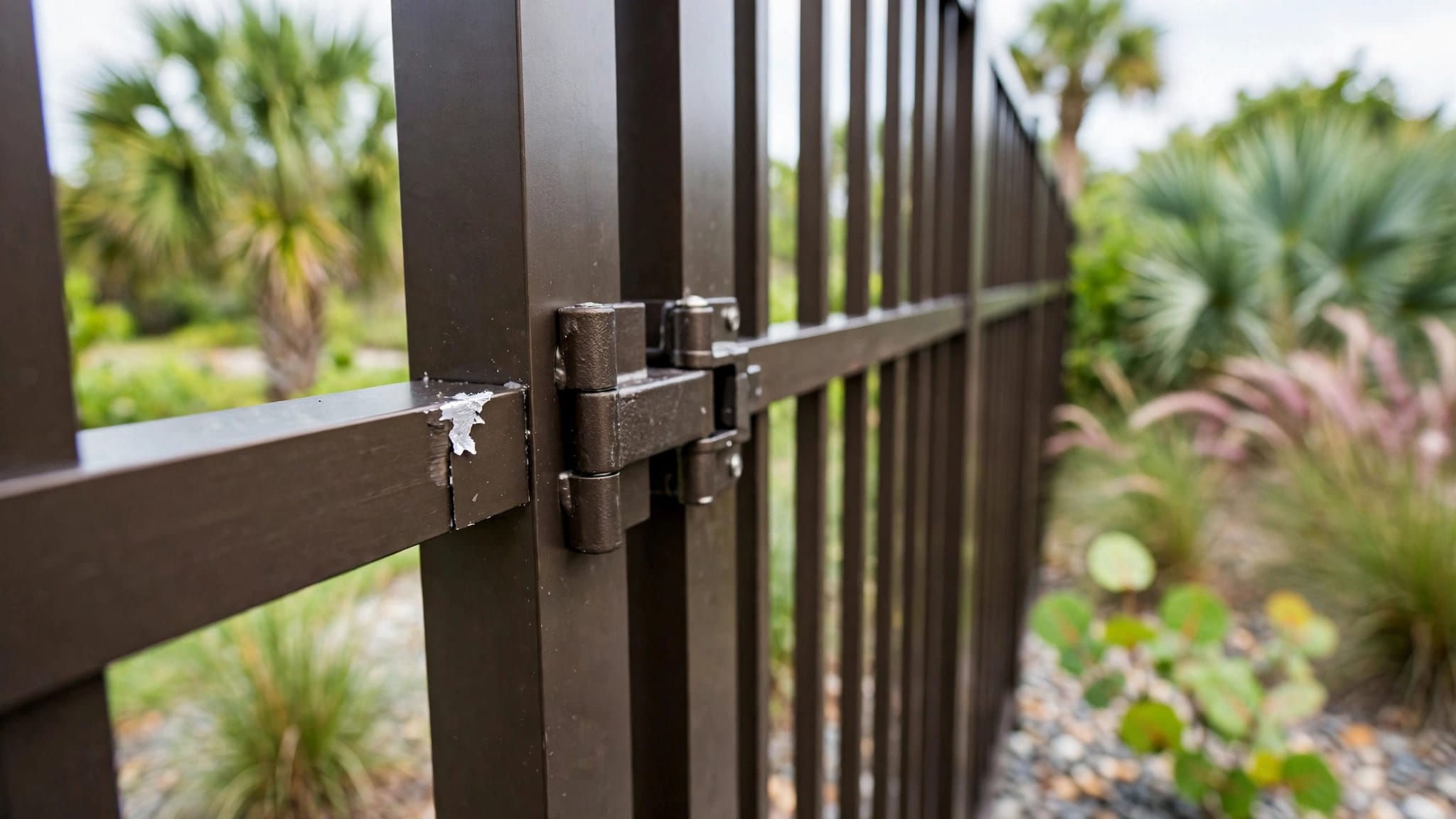
Pool fencing is a separate category. If the fence acts as a pool barrier, expect tighter rules and inspections. Current code-based guidance points to self-latching gates, self-closing hardware, and minimum barrier heights in the 4 to 5-foot range. That review is about safety, not curb appeal, so don't treat it like a normal privacy fence.
Easements are another classic headache. A fence can sit inside your property line and still violate a utility or drainage easement. That is common near rear lot lines, side utility strips, and drainage features. The same caution applies near preserve areas. If your lot backs to preserve land, a wetland edge, or another protected area, show that clearly on the site plan and confirm whether fencing is limited there. Current community guidance also warns owners not to block drainage, utility access, or protected zones.
Finally, pay attention to the "finished side out" rule. In many Southwest Florida jurisdictions and communities, the cleaner side of the fence should face the street or neighbor. It sounds minor, but reviewers do notice it.
A fence project goes smoother when the paperwork matches the yard. In Babcock Ranch, that means the survey, HOA submittal, county permit, and field layout all need to tell the same story.
Getting a Babcock Ranch fence permit right is mostly about order. Get neighborhood approval first, confirm county rules second, and only then schedule the install.
That extra patience up front usually saves the bigger headache later, a stop-work notice, a failed inspection, or a fence that has to move.