Routed Vinyl Posts vs. Bracketed Panels: Best Choice for Florida Fences?
Hurricane season looms large for Southwest Florida homeowners. You want a vinyl fence in Florida that stands up to fierce winds, salty air, and blazing sun without constant fixes. Routed posts and bracketed panels both offer low-maintenance appeal, but they handle our climate differently.
Many pick vinyl for its clean look and no-rot durability. Yet the real test comes during gusts over 100 mph or years of UV pounding. Which system fits your yard, budget, and peace of mind?
Let's break down how each works, then compare them head-to-head for local conditions.
What Makes Routed Vinyl Posts Stand Out?
Routed vinyl posts have channels cut directly into the post. Rails slide right in and lock tight. No extra hardware needed. This creates a seamless connection that feels solid from day one.
Installers set posts in concrete footings first. Then panels or rails insert into those grooves. The design mimics a tongue-and-groove joint. It distributes force evenly across the whole structure.
In practice, this means fewer weak spots. Rails can't pop out easily. Posts flex as a unit instead of rattling apart. Homeowners notice the quiet ride even in breezy afternoons.
For Florida yards, this setup shines. It resists the constant push-pull from trade winds. Plus, water drains freely without pooling in joints.
Bracketed Vinyl Panels Explained
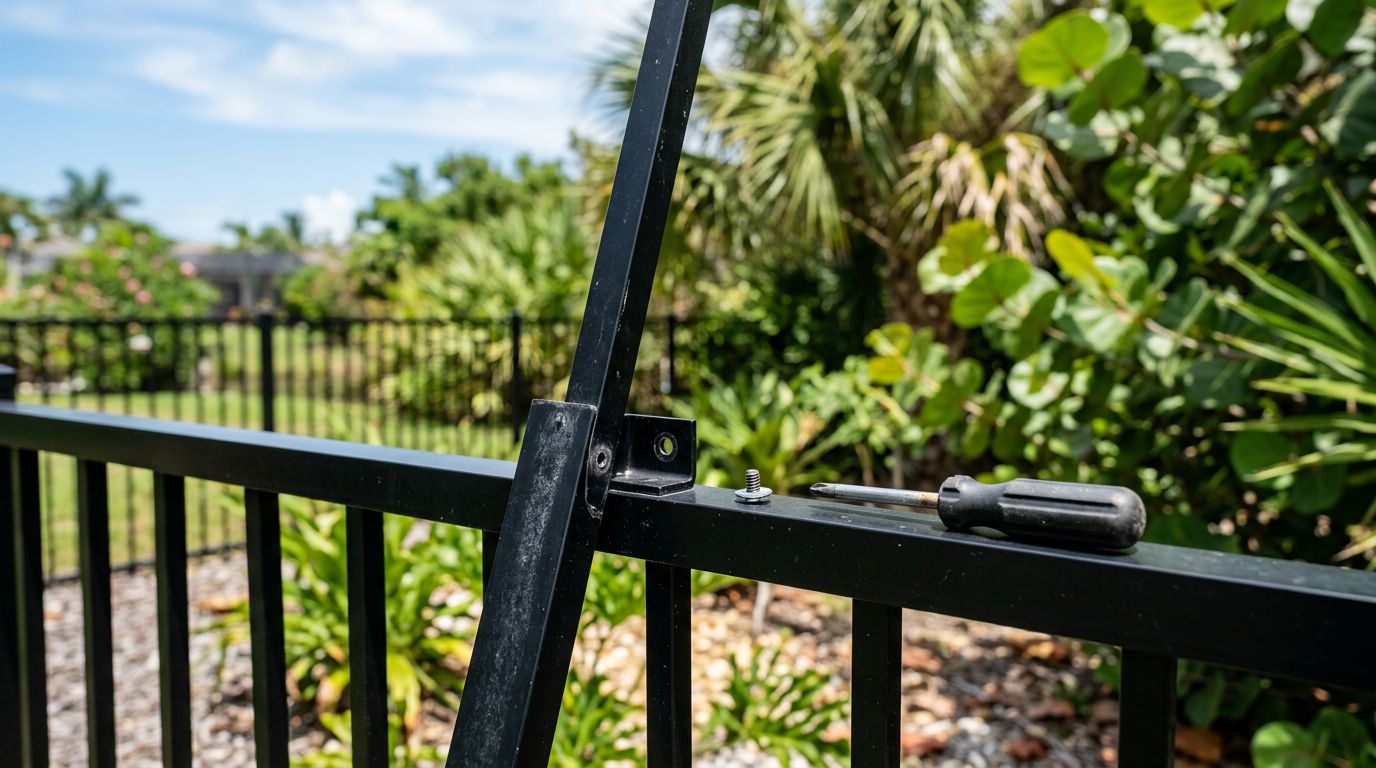
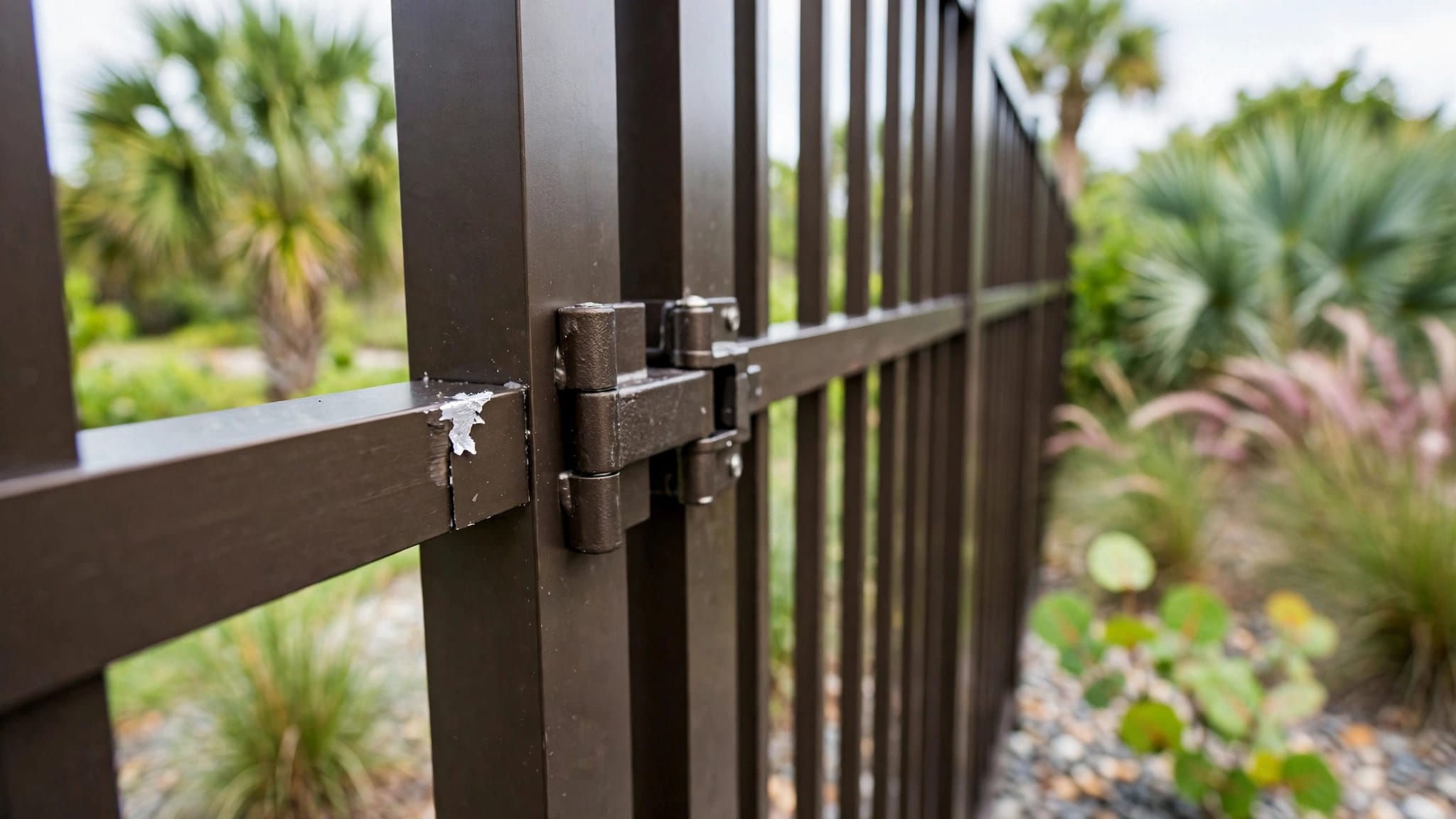
Bracketed systems use panels that snap or screw onto posts with metal or plastic brackets. Each end gets a U-channel or clip. Screws secure everything.
Contractors pour post footings, then attach brackets. Panels slot in last. It's quicker for some jobs because pieces arrive pre-assembled.
The look stays crisp with straight lines. Gaps stay minimal if installed right. However, brackets add visible lines at connections.
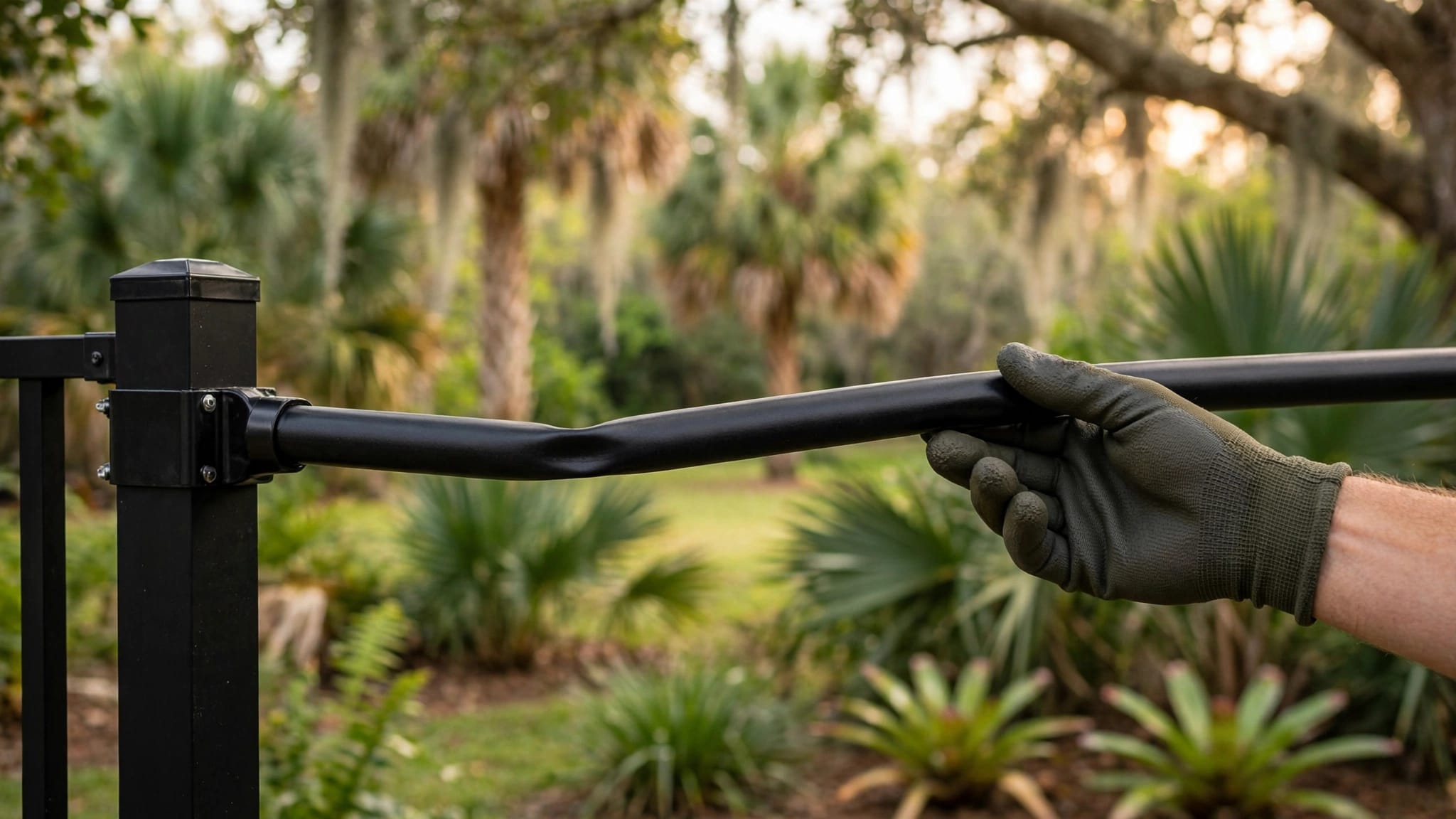
Over time, screws can loosen from vibration. Brackets might crack under UV exposure. Panels shift slightly in heat, creating rattles.
This method suits flat, calm sites. But in gusty spots, those fasteners bear the brunt.
Strength Comparison: Wind and Impact Resistance
Routed systems win on strength . Rails interlock directly, so wind pressure spreads out. No single screw takes all the hit. Tests show they handle 130-150 mph gusts better when reinforced.
Bracketed panels rely on hardware. Screws strip or back out after storms. Brackets trap moisture, leading to hidden rot or corrosion. One hard blow, and sections blow apart.
Consider a Cape Coral fence wind ratings guide for 2026. It notes reinforced posts matter most. Routed designs often include metal stiffeners inside for extra bend resistance.
| Feature | Routed Posts | Bracketed Panels |
|---|---|---|
| Wind Load | High (interlocked) | Medium (hardware-dependent) |
| Joint Security | Locked grooves | Screws/brackets |
| Failure Point | Post flex | Fastener looseness |
Routed fences stay put longer. Bracketed ones need checks after big blows.
Tackling Florida's UV, Moisture, and Storms
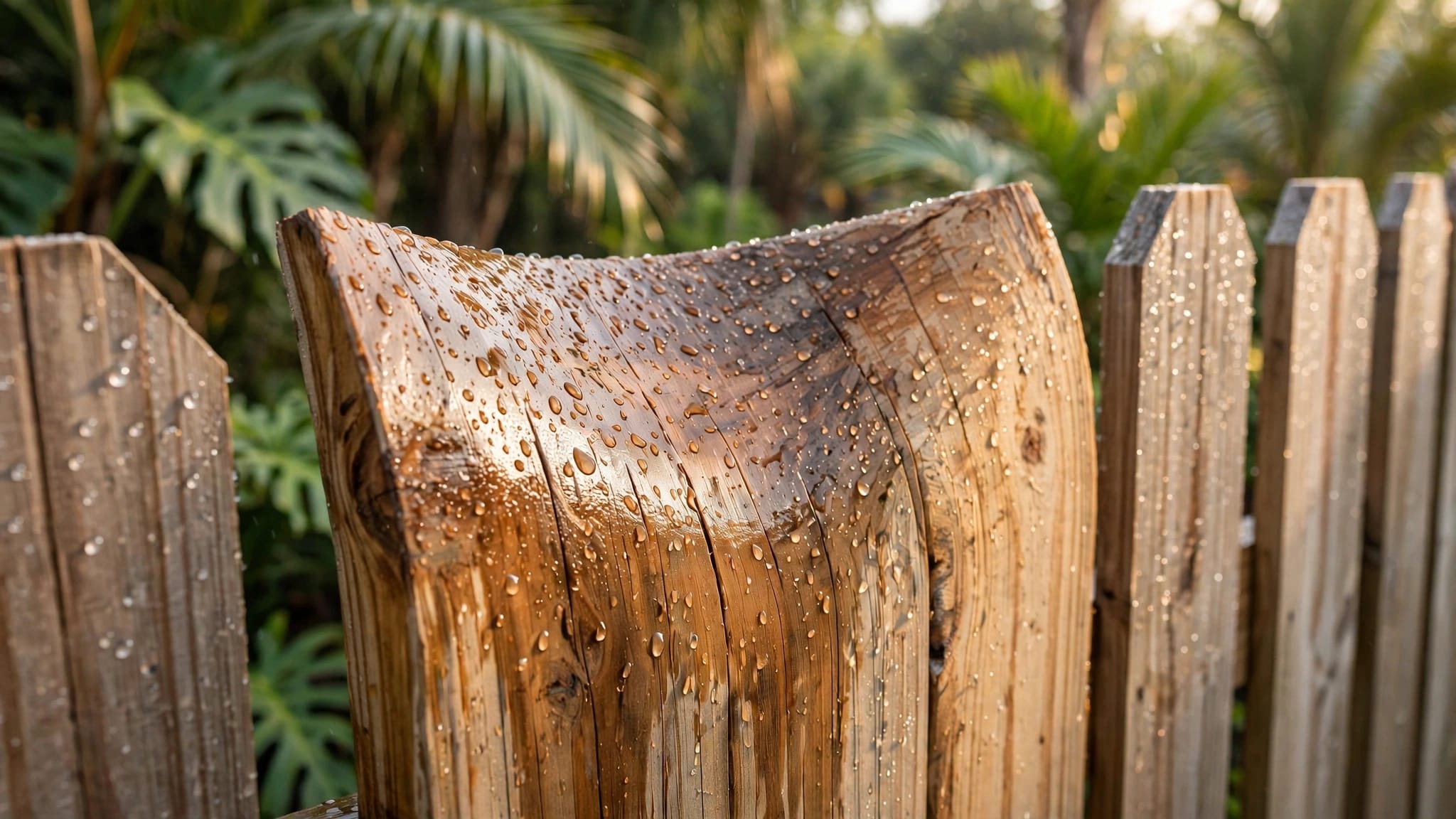
Sun bakes fences here. UV makes cheap vinyl brittle. Routed posts use thicker walls and inhibitors to fight fading. Fewer joints mean less water entry.
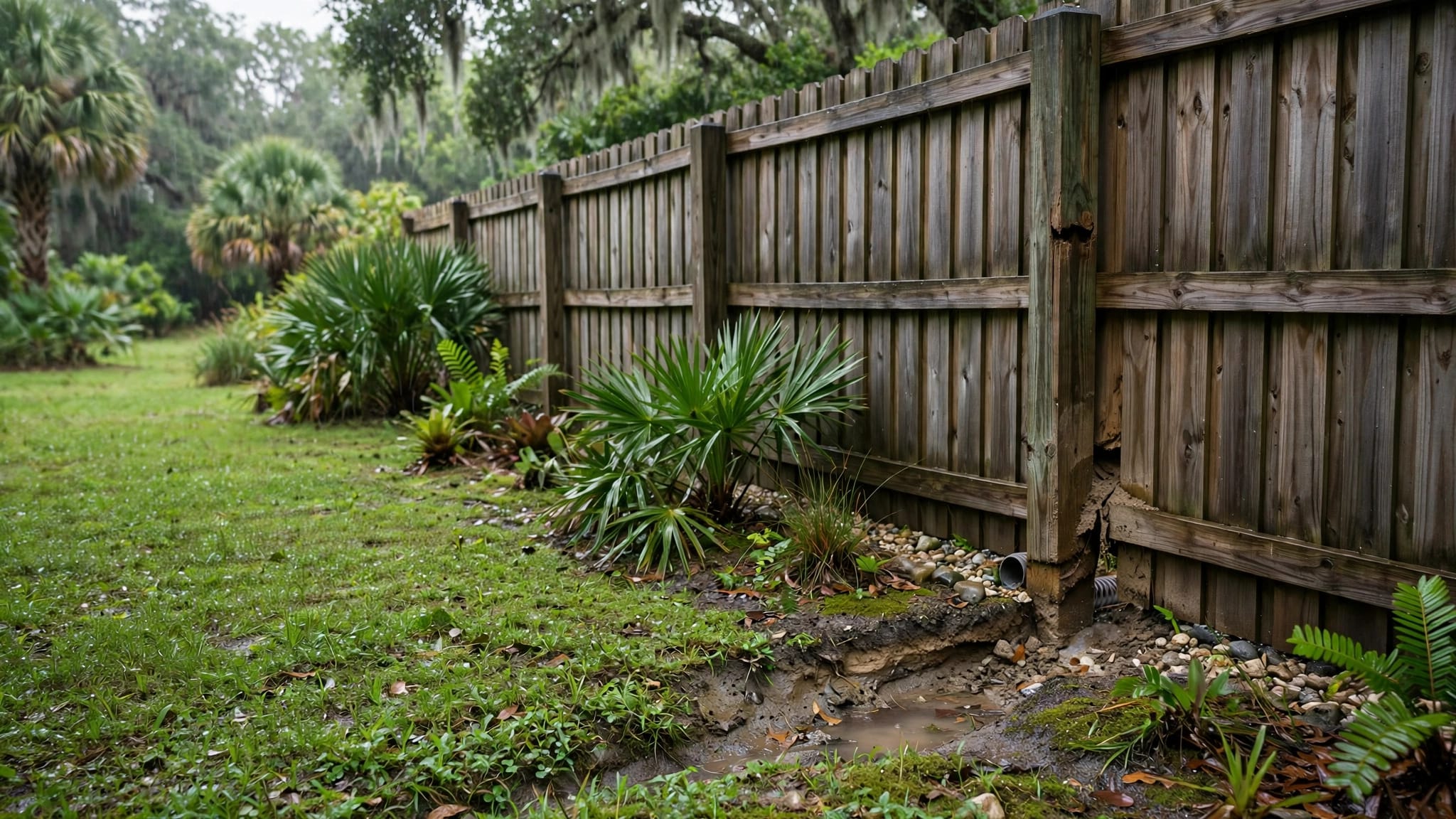
Coastal salt spray eats metal brackets fast. Routed avoids that by going all-vinyl. Moisture drains through channels, cutting mold risk.
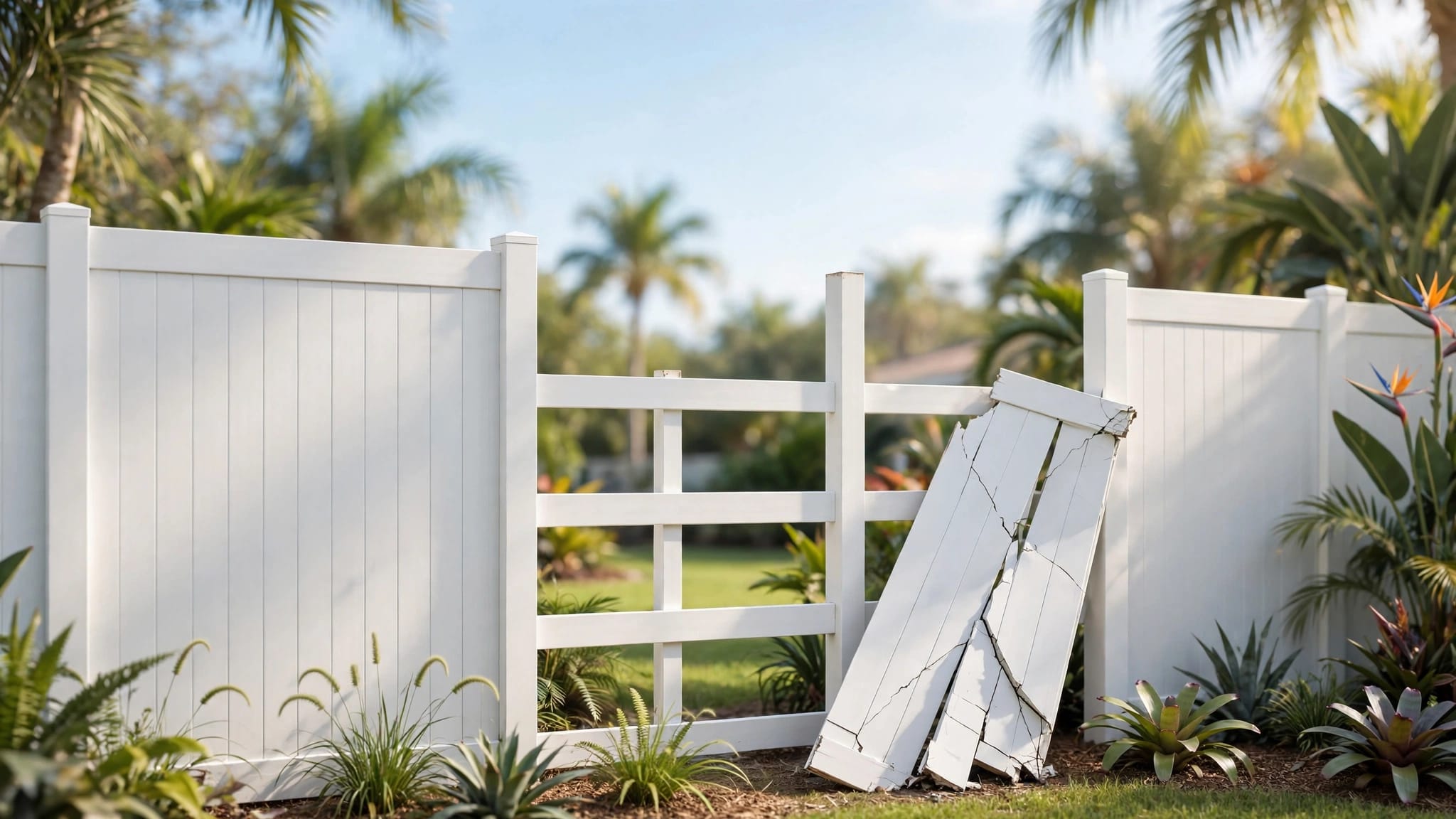
Storms test everything. Solid panels sail in wind, but routed holds tighter. Bracketed gaps widen, letting debris smash through.
Check vinyl fence lifespan in Southwest Florida. Expect 20-30 years from quality routed if sited right. Bracketed might sag sooner near canals.
High-velocity zones demand deeper footings. Routed adapts easier with internal braces.
Codes, Permits, and Installation Basics
Florida Building Code (8th Edition, current in April 2026) sets wind standards. Local rules vary by county. Cape Coral often requires permits for replacements over 4 feet front, 6 feet back.
Verify with your city. Pools need 4-foot barriers with tight gaps. HOAs push beige or white vinyl.
Routed installs take skill but last. Bracketed goes faster, yet pros check brackets yearly.
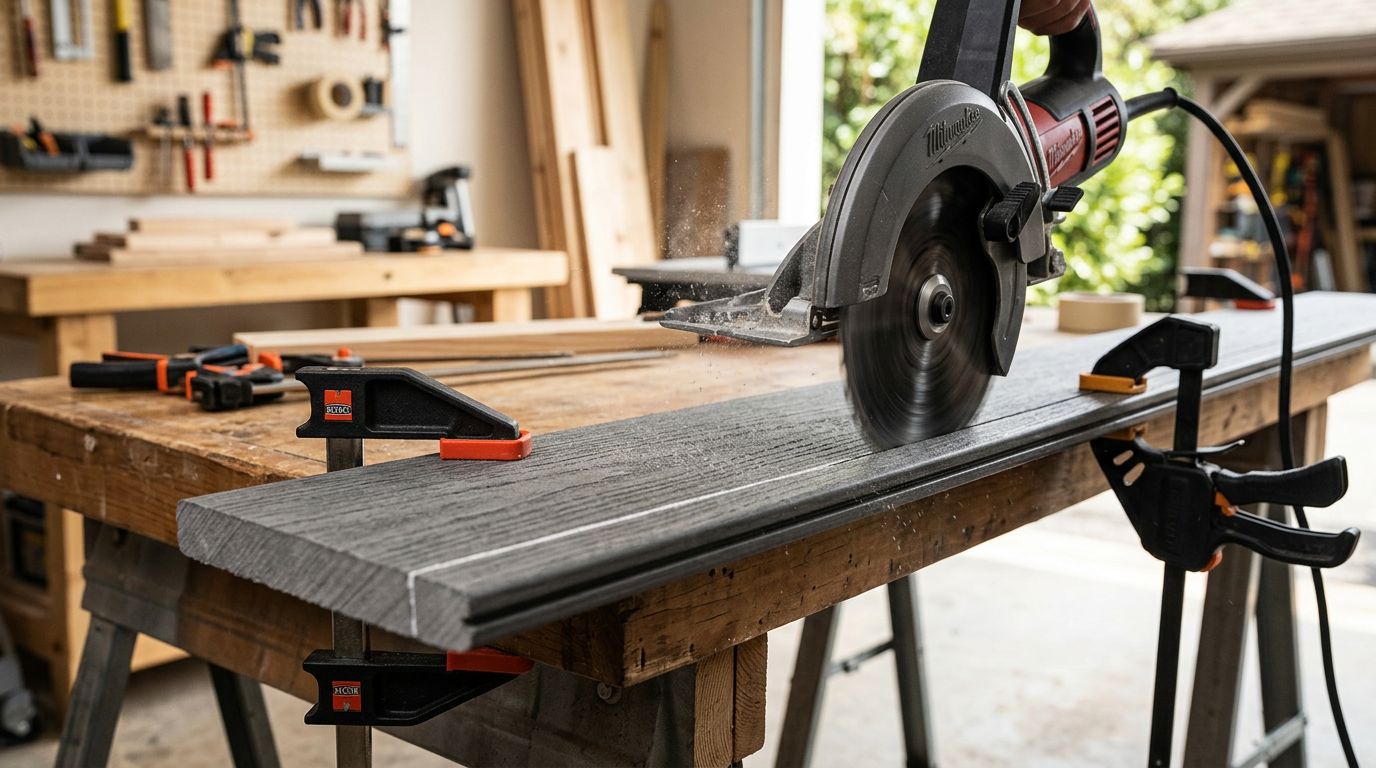
See Cape Coral fence permit rules. Always pull permits to avoid fines. Hire licensed crews for footings 30-42 inches deep in wind zones.
Costs, Maintenance, and Smart Buying Tips
Routed costs more upfront, $25-40 per foot installed. Bracketed runs $20-35. Long-term, routed saves on repairs.
Maintenance stays low for both: hose off salt and pollen. Routed needs less tweaking.
Buy from pros using premium vinyl. Ask for UV docs and wind ratings. Get multiple quotes.
For SWFL, check vinyl fence installers in Cape Coral. Look at warranties, 20+ years best.
Match to your needs. Budget yard? Bracketed works inland. Storm-prone? Go routed.
Conclusion
Routed vinyl posts edge out bracketed panels for Florida's brutal weather. They grip tighter in winds, shrug off UV, and cut maintenance headaches.
Your pick depends on site and spend. Coastal or windy? Routed delivers reliability. Flat budget? Bracketed still beats wood.
Talk to local installers. Verify codes county-by-county. A strong fence boosts security and style for years.