Sarasota County Fence Permit Basics For 2026 Homeowners
A fence feels like a simple upgrade until the permit question hits. Do you need approval, a survey, or an inspection, or can you just start setting posts this weekend?
For 2026, the safest approach is to assume you'll need a Sarasota County fence permit (or a city permit, depending on your address). The good news is that most delays are avoidable if you confirm jurisdiction, verify your parcel details, and submit clean plans the first time.
This guide walks through what to check, where to apply, what to gather, and the common issues that slow people down.
Start with your address: County rules vs city rules (it matters)
Fence permits in Sarasota area aren't one-size-fits-all because rules depend on who has jurisdiction . Many homeowners live in unincorporated Sarasota County, but others fall inside city limits (or a town) with a different permitting office.
First, confirm whether your property is in unincorporated Sarasota County or inside a municipality. If you pay city taxes or vote in city elections, that's a clue, but don't guess. Use official permitting pages to route yourself correctly:
- For unincorporated county properties, start on Sarasota County's building permits page.
- If your address is inside the City of Sarasota, use the city's Building and Permitting page.
Next, verify the basics tied to your parcel. Think of it like measuring twice before you cut wood. A fence plan that ignores a zoning note or easement is the fastest way to get a correction notice.
Here's what to confirm before you draw anything:
- Zoning or future land use : This can affect height limits, corner visibility, and allowed placement.
- Platted lot vs acreage : Larger parcels sometimes have different expectations for setbacks and frontage treatment.
- Easements : Utility, drainage, or access easements can restrict where posts can go, even if it's "your yard."
- HOA rules : An HOA can be stricter than the county or city. Approval letters often prevent back-and-forth later.
A fence permit review is mostly a location review. The county wants proof your fence sits where it's allowed.
Once you've confirmed jurisdiction and parcel constraints, you're ready to prep the paperwork that makes approvals faster.
What you'll need for a Sarasota County fence permit application in 2026
Permitting staff can't approve what they can't see. That's why fence permit submittals usually come down to clear documents, drawn to match your property records.
In most cases, plan to gather:
- A boundary survey or plat (recent is better, especially if pins are missing or there's been past work)
- A site plan showing the fence line, gates, and distances to boundaries
- Basic fence specs (material type, height, post spacing notes if relevant, and gate locations)
- Owner and contractor information (if you hire a contractor, licensing and insurance details matter)
- A Notice of Commencement if your total project cost meets Florida's threshold (commonly applied at $2,500 and up)
To make this practical, here's a quick reference table of what tends to help most.
| Item you submit | Why it matters | Common reason it gets kicked back |
|---|---|---|
| Boundary survey or recorded plat | Proves the fence isn't on the wrong line | Survey is outdated, unreadable, or doesn't match the address |
| Site plan (to scale or clearly dimensioned) | Shows placement, gates, and lot layout | Missing distances, unclear corners, fence drawn through easements |
| Fence description (height, type, style) | Lets reviewers check code limits | Height not listed, material not stated, gate not shown |
| Contractor license and insurance (if applicable) | Confirms legal authority to pull permits | License info missing or doesn't match the contractor name |
| Notice of Commencement (when required) | Protects owner and supports permitting compliance | Filed late, not recorded, or not uploaded to the permit file |
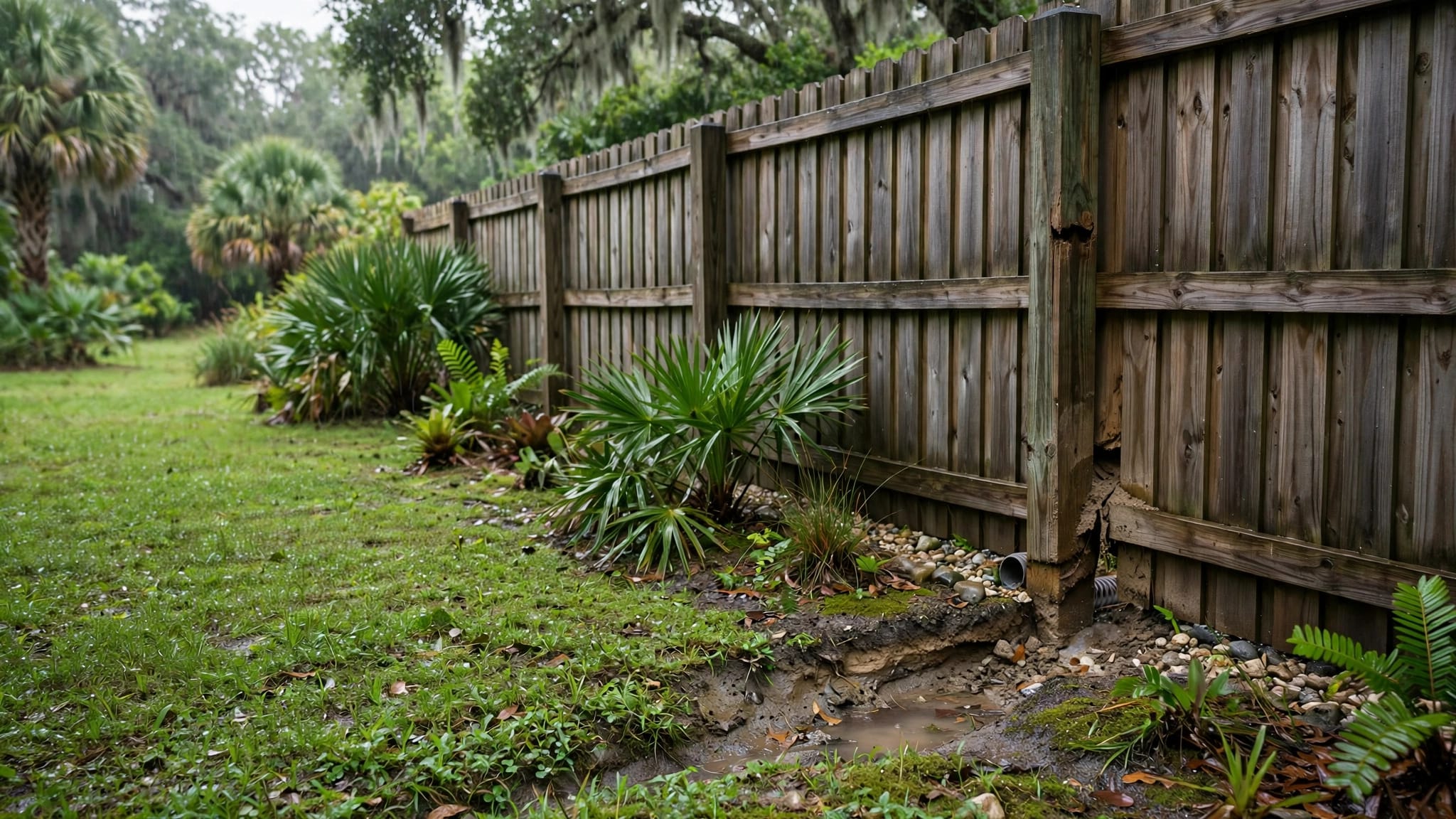
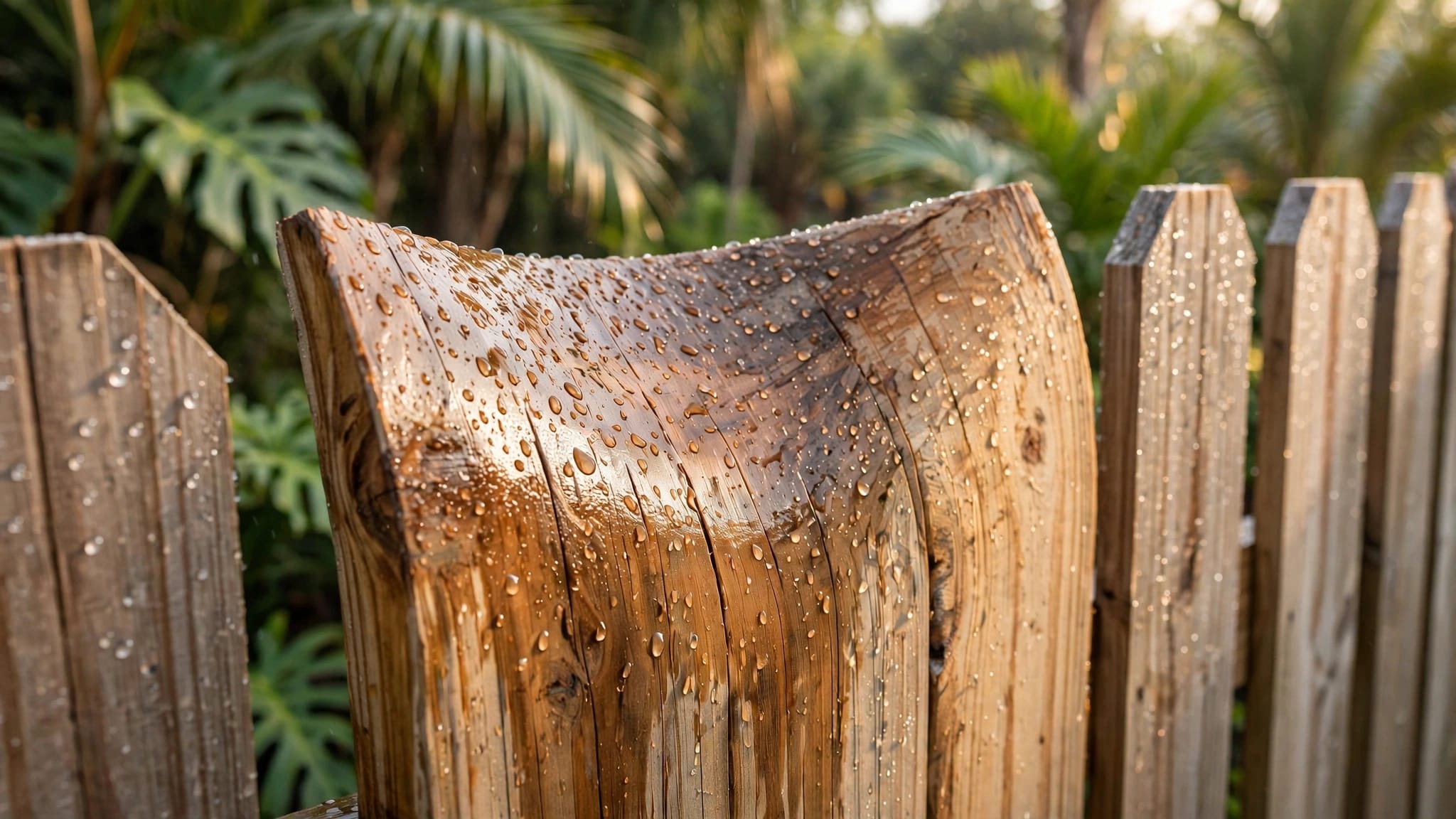
Material choice affects your plan details too. For example, wood privacy fences and their maintenance needs can change how you design gate openings and pick hardware, see wood fence lifespan in Southwest Florida if you're weighing wood vs low-maintenance options.
When you're ready to apply, you typically have two paths: online submission (often through an ePlan style portal) or in-person service at the permitting office. The exact steps can change, so confirm current instructions on the county page before you upload anything.
A simple order of operations keeps things moving:
- Confirm jurisdiction (county vs city) and check parcel notes (easements, corner lot conditions).
- Mark your intended fence line on a copy of the survey or plat.
- Decide fence height, material, and gate locations, then add them to your site plan.
- Submit through the county's online process or permitted in-person option.
- Respond quickly to comments, and re-upload corrected sheets as a matched set.
If you treat the submittal like a "mini construction plan," your review usually goes smoother.
How to avoid fence permit delays (setbacks, easements, pool barriers, and inspections)
Most permit slowdowns aren't about the fence itself. They're about where it's going, and whether your drawing proves it fits.
One frequent issue is building too close to a constraint line. In Sarasota County, constraints often include drainage features, utility corridors, and corner visibility areas. Even if a neighbor's fence sits in a spot, yours still needs to comply based on your lot and today's rules.
Another common snag is the property line assumption. Many homeowners "know" where the line is until a gate ends up a foot off. If you're replacing an older fence, don't assume the existing fence was correctly placed. Treat replacement like a new layout unless you can verify it.
Neighbor coordination can also prevent headaches. If a fence runs along a shared boundary, it helps to agree on location and responsibilities before permitting and install. This overview of Florida shared fence law basics explains why assumptions about cost sharing and "whose fence it is" can cause disputes.
Pool areas deserve extra attention. Florida has statewide pool safety requirements, and Sarasota County may apply local interpretation during review and inspections. If your fence will act as a pool barrier, confirm current barrier rules with the permitting office before you finalize gate details. Florida's Residential Swimming Pool Safety Act is commonly referenced under Florida Statutes Section 515.29 , and requirements can change with code updates, so don't rely on an old diagram from a neighbor.
A few final details can keep your project from stalling late:
- Call for utility locates before digging . Even with a permit, hitting a line can stop a job and add costs.
- Keep your approved plans consistent . If you change gate width or move a run, update the plan before inspection.
- Schedule required inspections as soon as you're eligible. Waiting adds days you can't get back.
The fastest fence projects start with the clearest site plan. Clean paperwork beats rushed digging.
Because rules can change, always confirm the latest requirements with Sarasota County (or your city) before you buy materials or schedule installation.
Conclusion
A Sarasota County fence permit usually comes down to three things: correct jurisdiction, accurate placement on a survey-based site plan, and complete submittal documents. Get those right, and your project is far less likely to hit delays.
Before any posts go in the ground, confirm current rules with Sarasota County (or the City of Sarasota) and make sure your plan matches your parcel realities. Then you can focus on the fun part, choosing a fence that improves security, privacy, and curb appeal.