Best Termite-Resistant Fence Materials for Southwest Florida Homes
Termites swarm in Southwest Florida right now. In April 2026, subterranean types peak after warm rains. They chew through wood fences fast in our humid air.
You face constant threats from heat, moisture, and salt near the coast. A fence hit by termites loses strength, sags, or collapses during storms. Pick the right materials to avoid repairs.
This guide covers top options that resist termites best. You'll see how they handle local weather too.
Termite Challenges in Southwest Florida Yards
Subterranean termites thrive here. They tunnel from soil into wood. Drywood types infest above ground. Both stay active year-round, but spring brings heavy swarms.
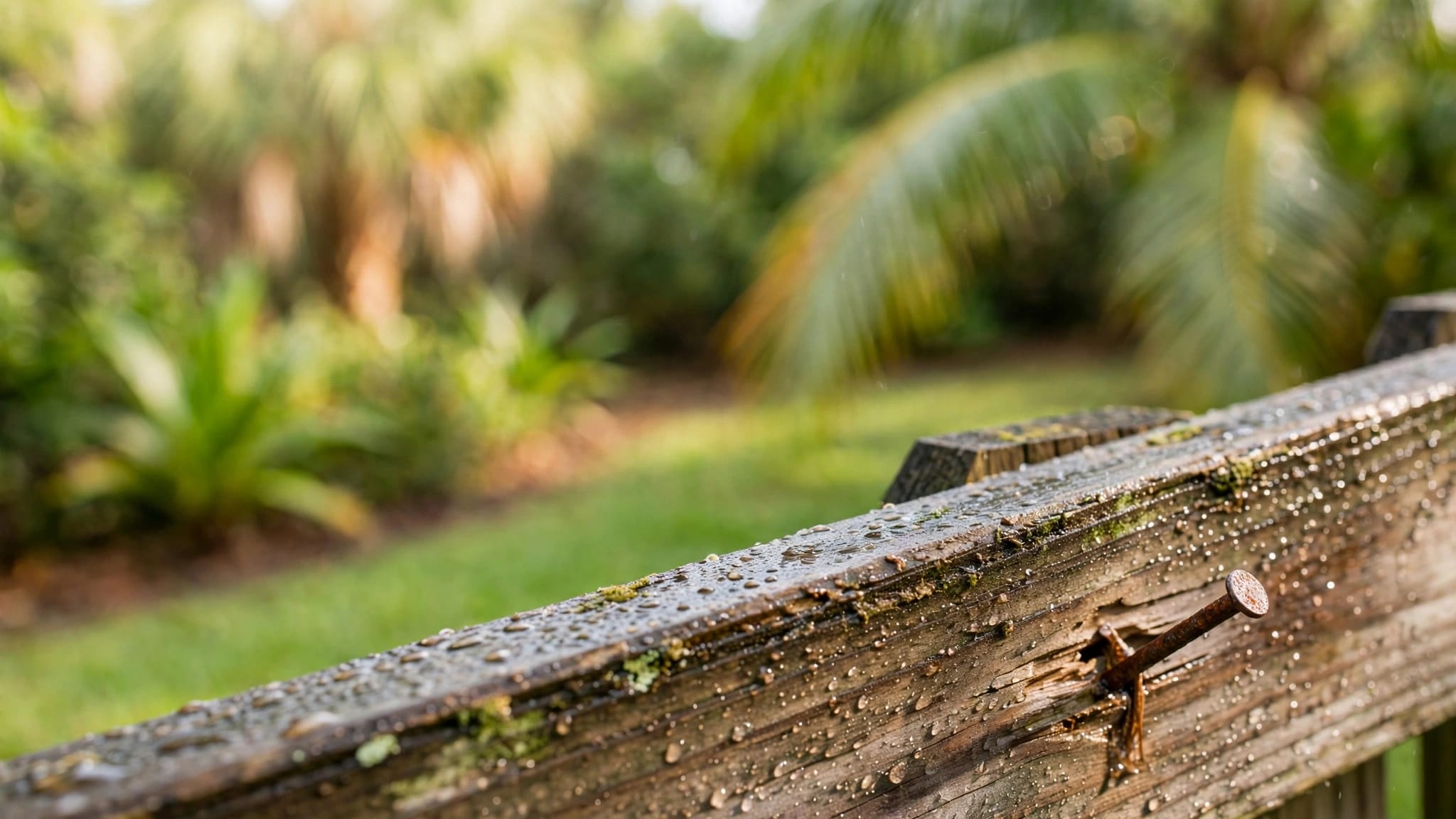
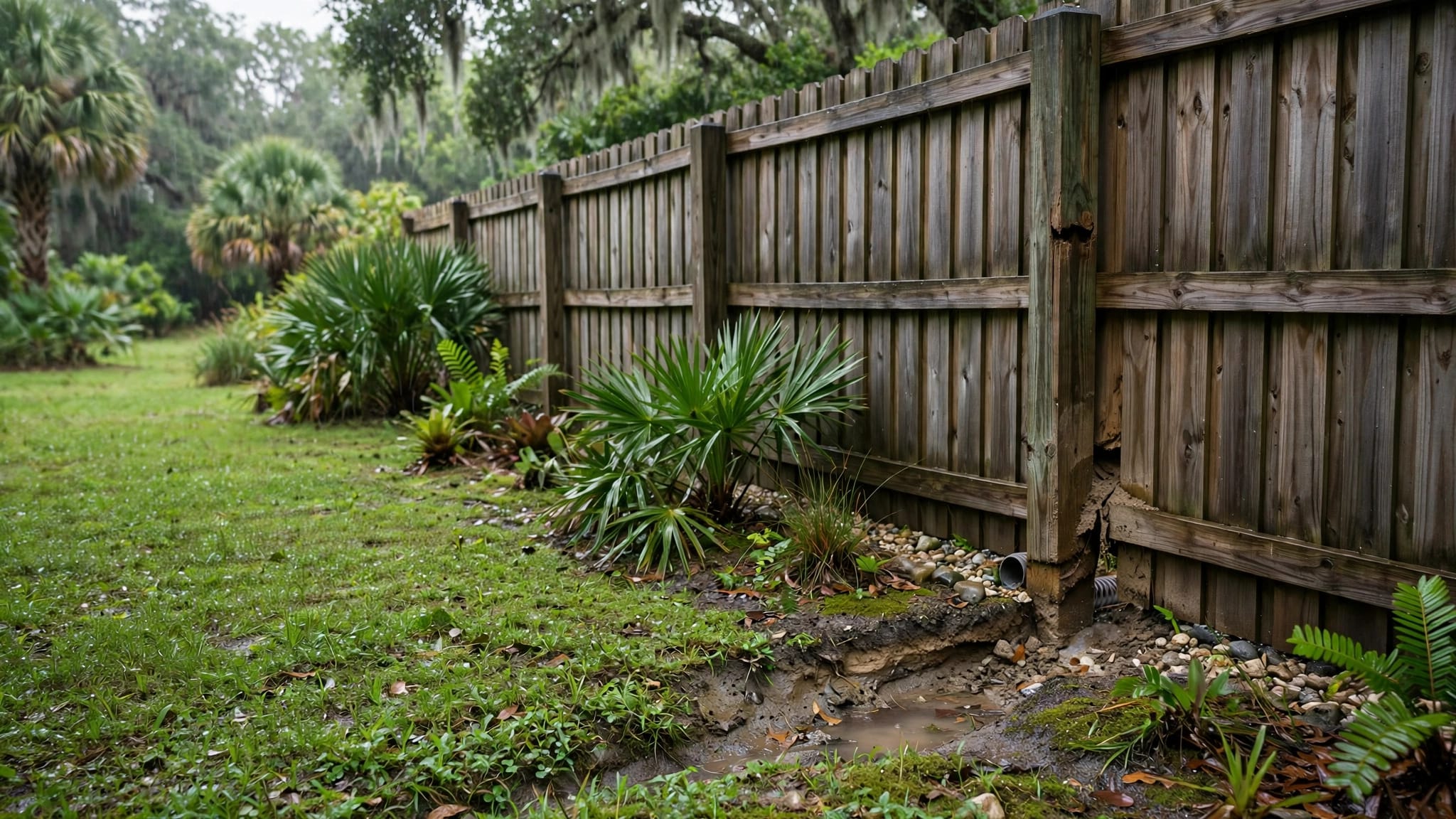
Our sandy soil holds moisture. That draws termites close to fence posts. Storms add water, worsening the problem. Heat fades finishes fast, so untreated wood fails quick.
Pressure-treated pine fights back better than raw lumber. Still, no wood stays safe forever. Keep posts in concrete. Raise rails off soil by six inches at least.
Coastal spots near Fort Myers Beach or Marco Island see more salt. It speeds rot alongside termites. Check for mud tubes or frass pellets early.
Vinyl Fences Stand Strong Against Termites
Vinyl, or PVC, tops lists for termite resistance. Termites can't eat plastic. It won't rot or warp in humidity.
Homes in Cape Coral love vinyl for privacy. Solid panels block views. They clean with a hose. No paint or stain needed.
Local storms test fences hard. Reinforced vinyl holds wind if posts space right. It shrugs off UV fade too.
For part-time owners, vinyl fits low-upkeep needs. See how it pairs with best low-maintenance fences for snowbirds. Costs run higher upfront, but savings add up over 20 years.
Drawbacks? Solid styles catch gusts. Opt for scalloped tops in windy yards.
Aluminum Fences Ignore Termites Completely
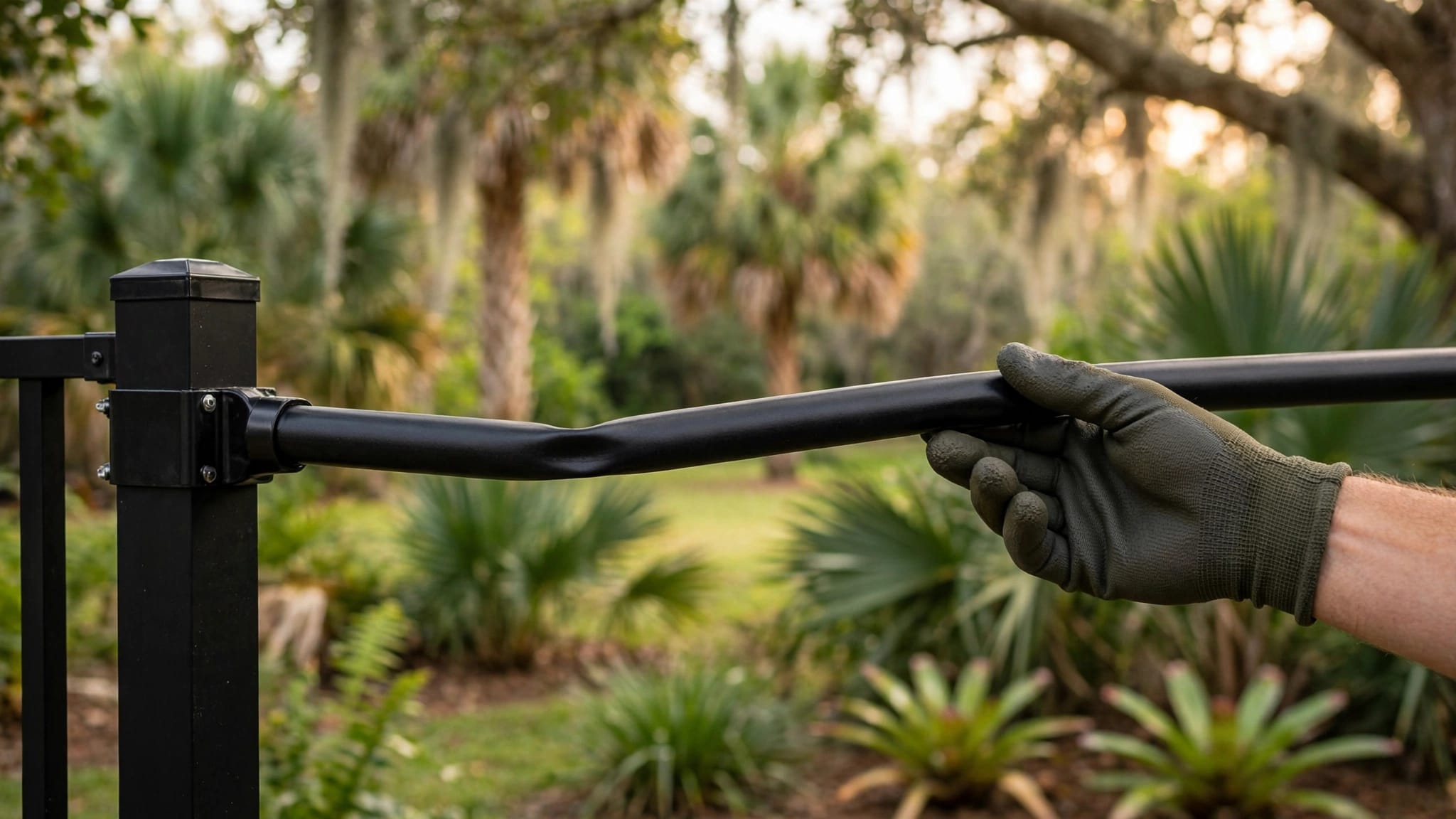
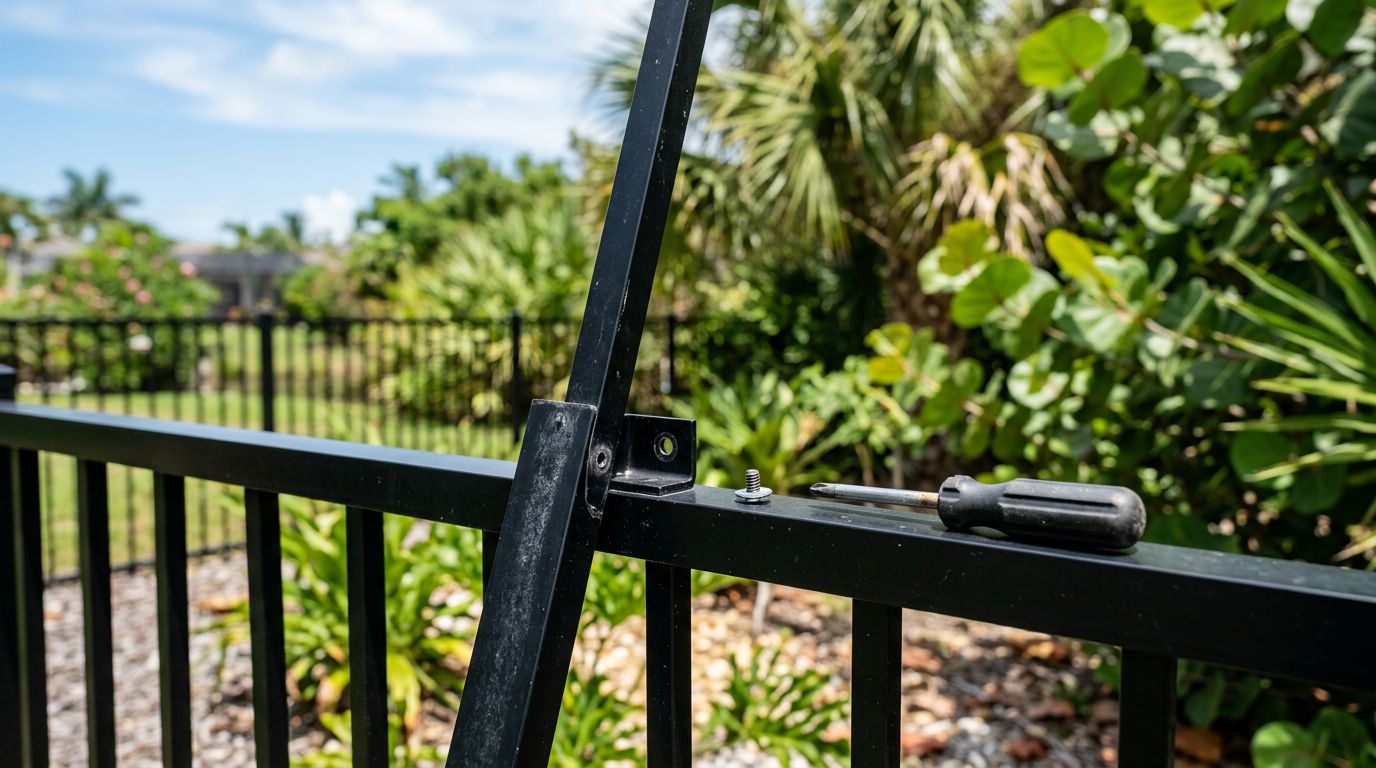
Aluminum offers full termite proofing. Bugs skip metal. Powder-coated versions resist salt and rust near the Gulf.
Picket styles let air flow. That cuts wind load during hurricanes. Open views suit pool areas or front yards.
In flood-prone spots like Lee County, aluminum drains fast. No wood means no termite worry. Check details on fence materials for flood-prone yards.
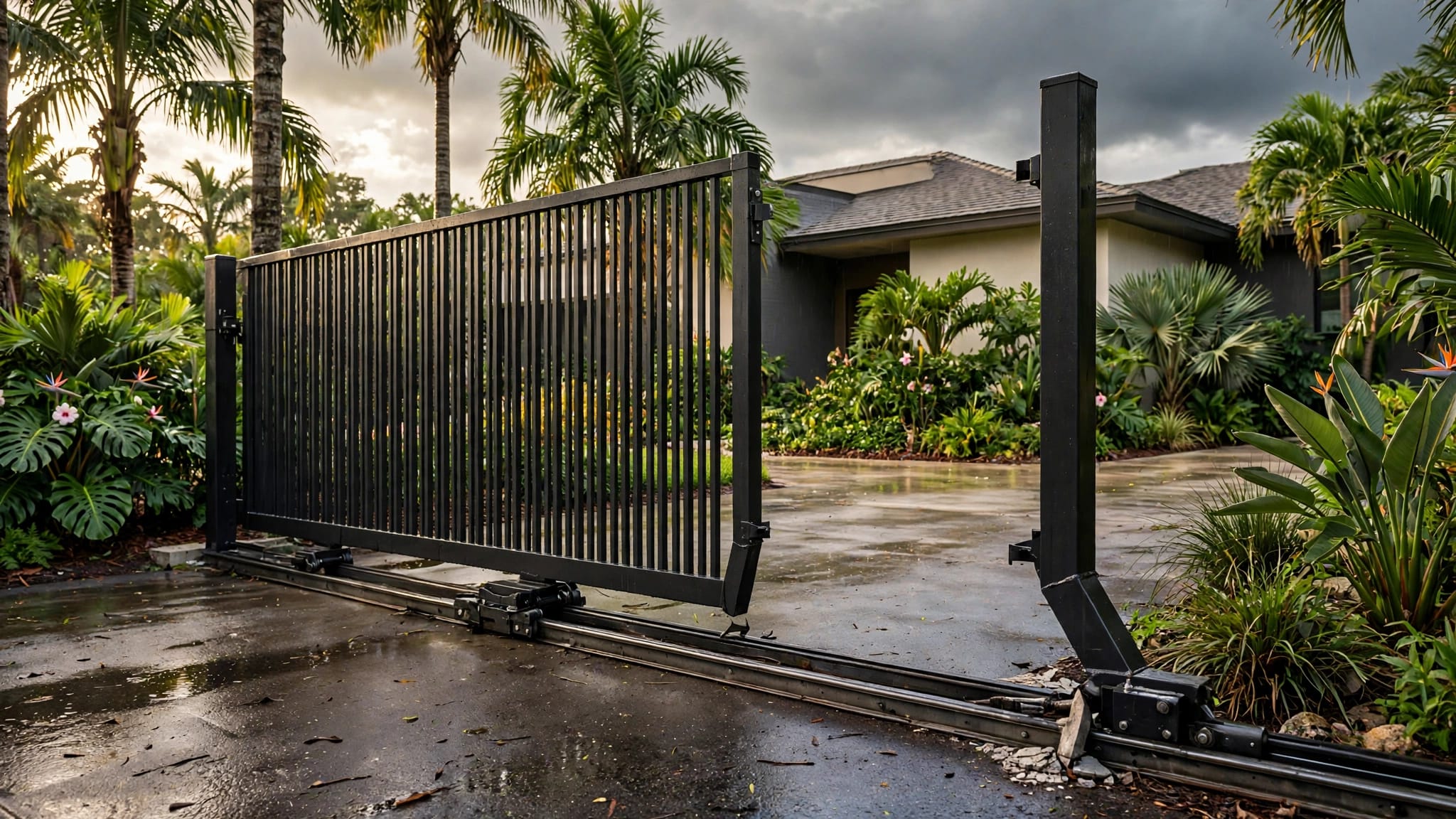
It lasts decades with little care. Wash it yearly. Gates swing smooth if hardware rates for coast use.
Privacy lags behind vinyl. Add climbers for screens. Price sits mid-range, better than custom iron.
Composite Boards Mimic Wood Without Feeding Termites
Composite mixes plastic and fibers. No real wood draws termites. Caps seal out moisture.
It looks like cedar or redwood. Textures feel natural. Colors stay true in sun.
Humidity tests it less than pine. Boards won't splinter or crack. Stains resist mold.
For premium yards in Collier County, composite boosts curb appeal. It handles storms if braced well.
Upfront cost tops vinyl. But no sealing cuts long-term work. Space boards for drainage.
Chain Link and Steel as Budget-Resistant Picks
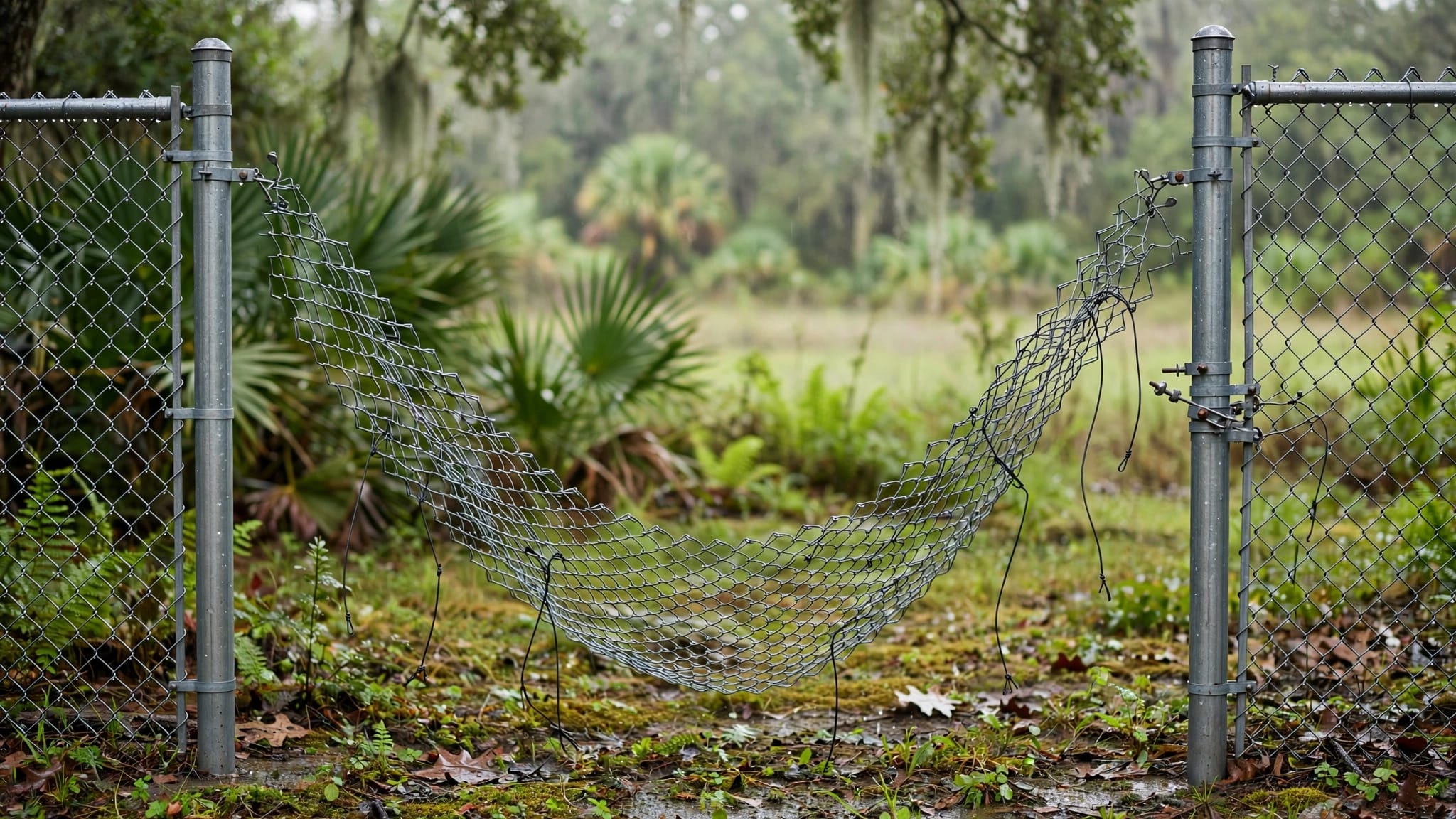
Chain link uses coated steel. Termites pass it by. Galvanized wires fight rust in wet air.
Open weave passes wind and water. Pets stay in easy. Large lots save money.
Black vinyl coats add style. They hide better than silver. For side yards, it meets codes.
Steel posts sink deep in concrete. That blocks subterranean paths. Inspect fittings after rains.
Not private, but tough. Pairs with hedges. Low price fits tight budgets.
Can Wood Fences Survive Termites Here?
Wood tempts with classic style. Cedar or redwood resist better than pine. Pressure treatment adds chemicals that kill on contact.
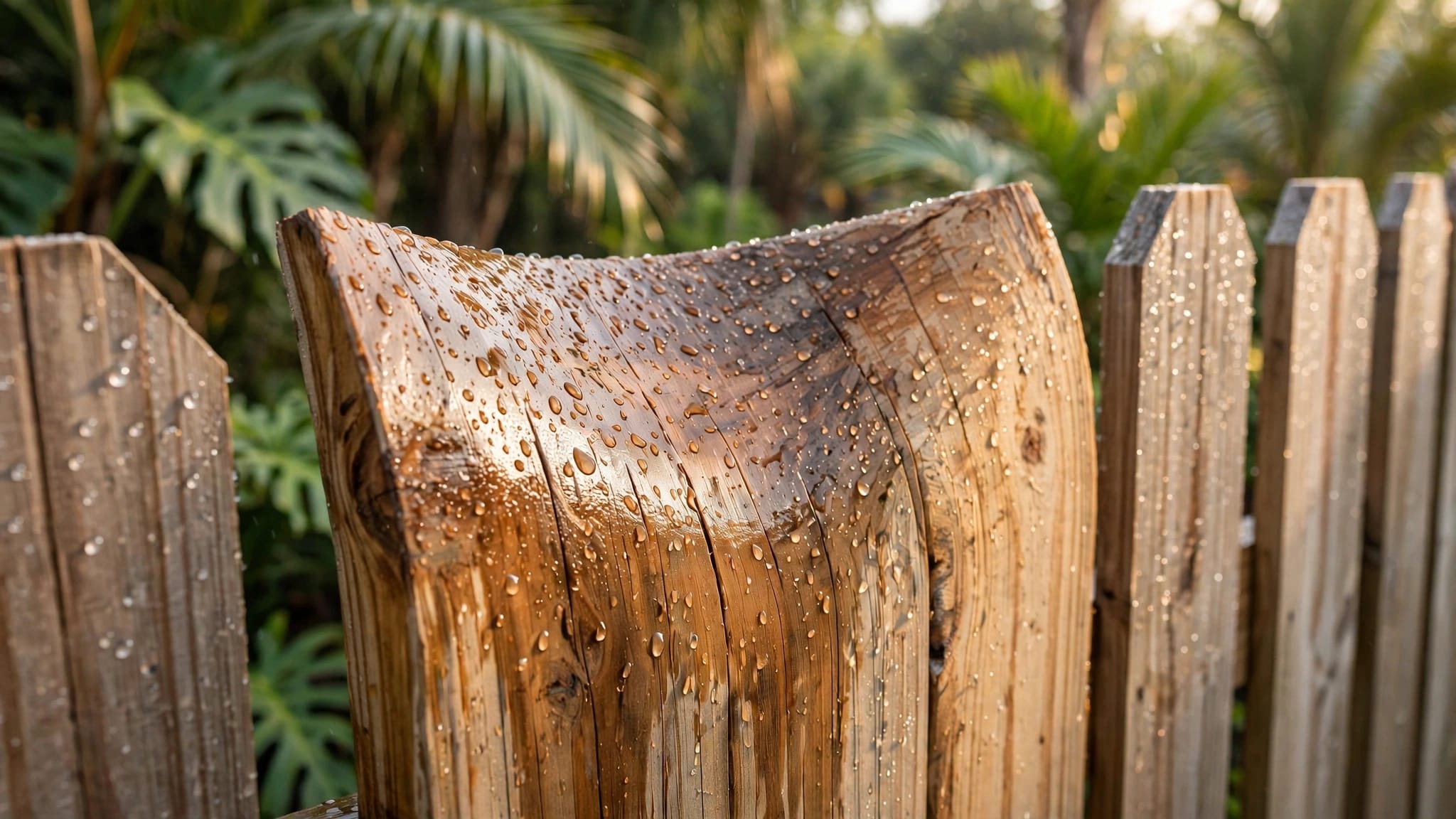
Still, termites win over time. Subterranean types tunnel past barriers. Drywood hit rails direct.
Choose ground-contact rated posts. Set them in concrete footings. Hang pickets off soil.
Stain yearly. Pick marine-grade finishes for salt. In low-risk yards, it works.
Upkeep spikes costs. Rot joins termite damage in storms. Weigh style against hassle.
See wood fences in humid Cape Coral for protection tips.
Installation Choices That Reduce Termite Risks
Material matters, but setup seals success. Dig posts below frost, but add gravel for drain. Concrete keeps soil away.
Use metal sleeves inside wood posts. They block tunnels. Space footings wide in sand.
Avoid mulch piles near bases. Trim trees back six feet. That cuts bridges.
Time installs for dry months. Crews set vinyl or aluminum fast then. Learn more on best time for fence installation.
Pro crews match wind ratings. Check 2026 codes in your county.
Compare Termite-Resistant Fence Options
Here's a quick look at key picks for our area.
| Material | Termite Resistance | Humidity Handling | Storm Performance | Yearly Upkeep | Cost Range |
|---|---|---|---|---|---|
| Vinyl | Excellent | Excellent | Good (reinforced) | Hose off | Mid-High |
| Aluminum | Excellent | Excellent | Excellent | Wash | Mid |
| Composite | Excellent | Very Good | Good | Minimal | High |
| Chain Link | Excellent | Good | Excellent | Inspect | Low |
| Treated Wood | Good | Fair | Fair | Stain/seal | Low-Mid |
Aluminum and vinyl lead for balance. Wood suits budgets with effort.
Key Takeaways
Vinyl and aluminum beat termites hands down in Southwest Florida. They handle our heat, wet, and winds too.
Match your pick to yard needs. Add smart installs for extra protection.
Your fence lasts longer with these choices. Spot swarms early. Call pros for checks.
Ready for a durable yard edge? Local installers fit options to your spot.