Chain Link Privacy Slats in Southwest Florida: Pros and Cons
You stare at your chain link fence in Cape Coral. It keeps pets in and intruders out, but neighbors peek through the gaps. Chain link privacy slats offer a quick fix for that. They slide into the mesh for instant screening.
Yet Southwest Florida throws curveballs. High winds, blazing sun, and salty air test every upgrade. Homeowners often wonder if slats boost privacy without big headaches. This guide weighs the upsides against real-world downsides so you pick smart.
What Chain Link Privacy Slats Bring to Your Yard
Chain link privacy slats fit right into the fence's weave. They block views while keeping the basic structure intact. Most come in plastic or vinyl, in colors like green, white, or tan to match local landscaping.
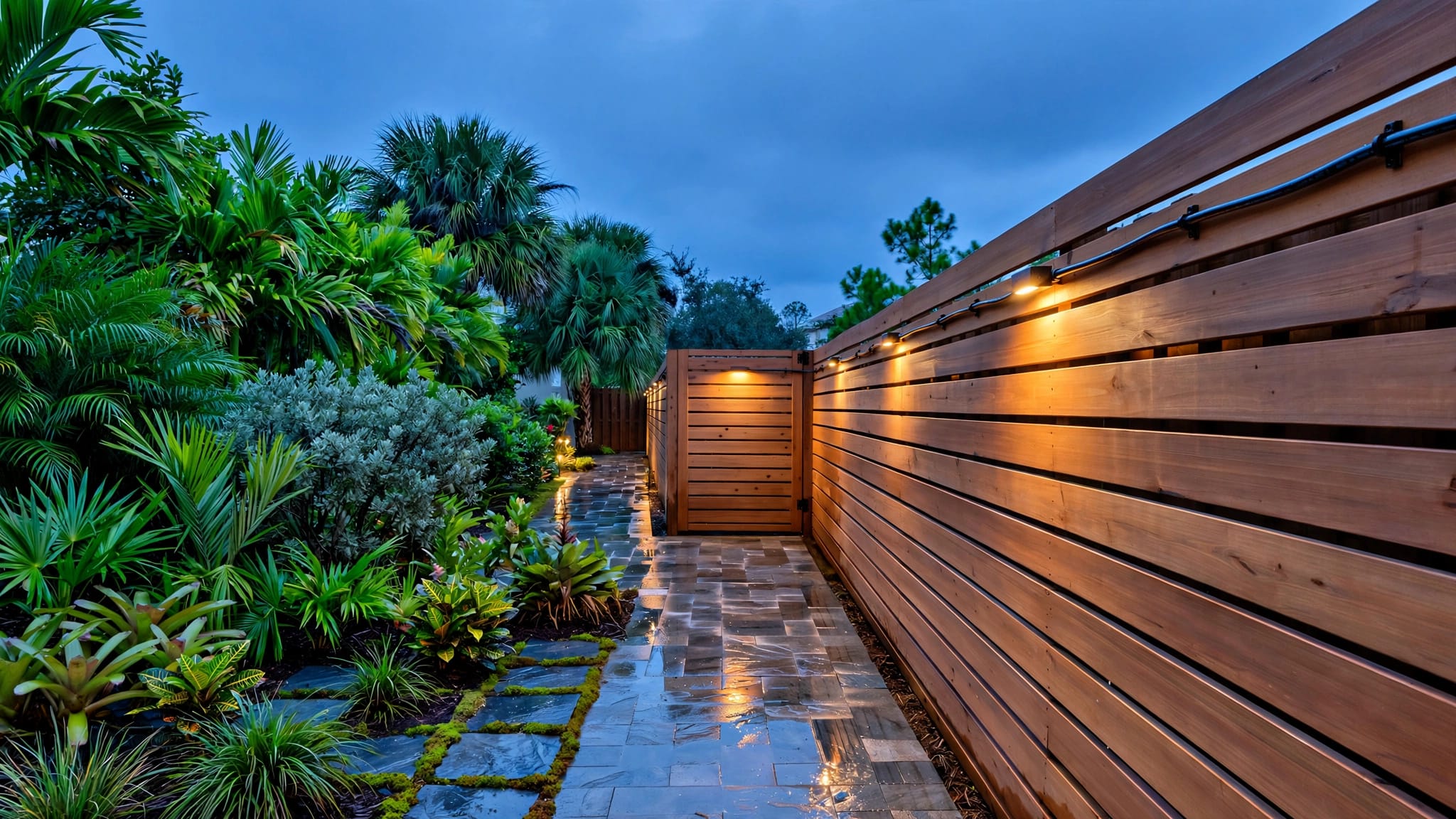
In Southwest Florida, these slats turn a basic fence into a private oasis. You gain seclusion for poolside lounging or backyard barbecues. Air still flows through, unlike solid wood panels that trap heat.
Slats install fast. Crews weave them in during a half-day job. That speed appeals to busy families in Fort Myers or Naples. Plus, they add little weight, so your posts stay stable.
However, quality varies. Thicker slats hold up better than thin ones. Always check gauge and UV rating before buying.
Top Advantages for Local Homeowners
Privacy tops the list. Slats cut visibility by 80 to 100 percent. Neighbors see less of your yard, and you enjoy peace without rebuilding.
Cost stays low. A basic chain link fence with slats runs $15 to $25 per foot installed. That's half the price of vinyl privacy fences. Budget matters in places like Lehigh Acres where every dollar counts.
Durability shines in open designs. Slats let wind pass easier than solid barriers. During gusts, pressure drops, so fences lean less. For example, inland homes in Hendry County benefit from this airflow.
Curb appeal improves too. Colors blend with palms and stucco homes. Slats hide the industrial mesh look, making yards feel polished.
Pets and kids stay safer. Slats stop small animals from squeezing through. They also deter climbers by filling gaps.
In short, slats upgrade chain link without the full swap cost. They suit rentals or quick fixes perfectly.
Common Drawbacks You Should Know
Slats don't block everything. Gaps at the top or bottom let light and partial views through. Full privacy needs tight fits and matching heights.
Wind load rises with slats. Open chain link flexes in storms. Filled mesh catches more air, stressing posts and rails. In coastal spots like Collier County, this strains older fences.
UV exposure fades colors fast here. Florida sun brittles plastic over 3 to 5 years. Slats turn chalky white, losing appeal. Replacement adds upkeep costs.
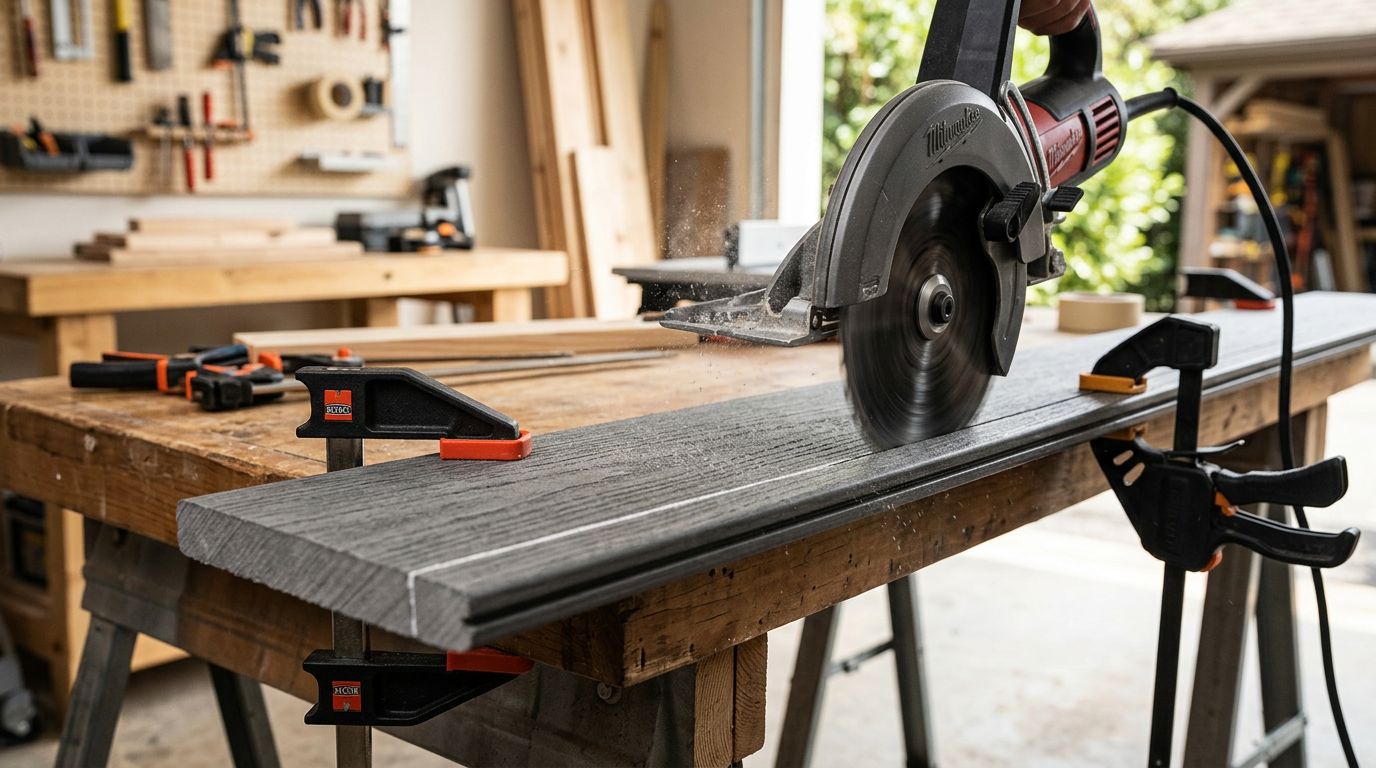
Installation snags happen. Slats weave one by one, so long runs take time. Poor jobs leave gaps or sags.
Noise carries through. Slats muffle wind whistle but not voices or traffic. If quiet matters, solid fences work better.
HOA rules vary. Some in Sarasota ban slats for looks or wind reasons. Check guidelines first.
Southwest Florida Weather's Real Impact
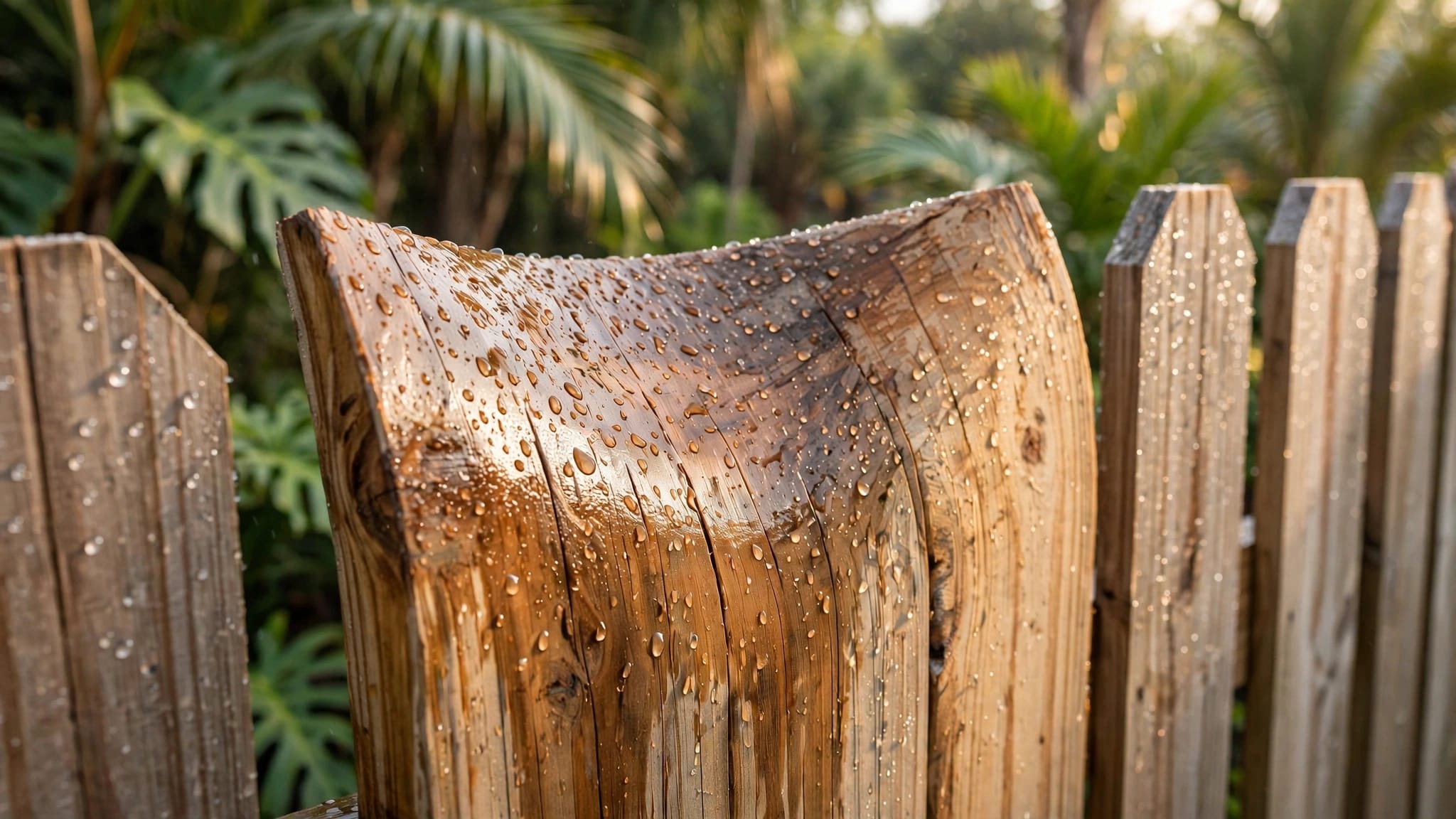
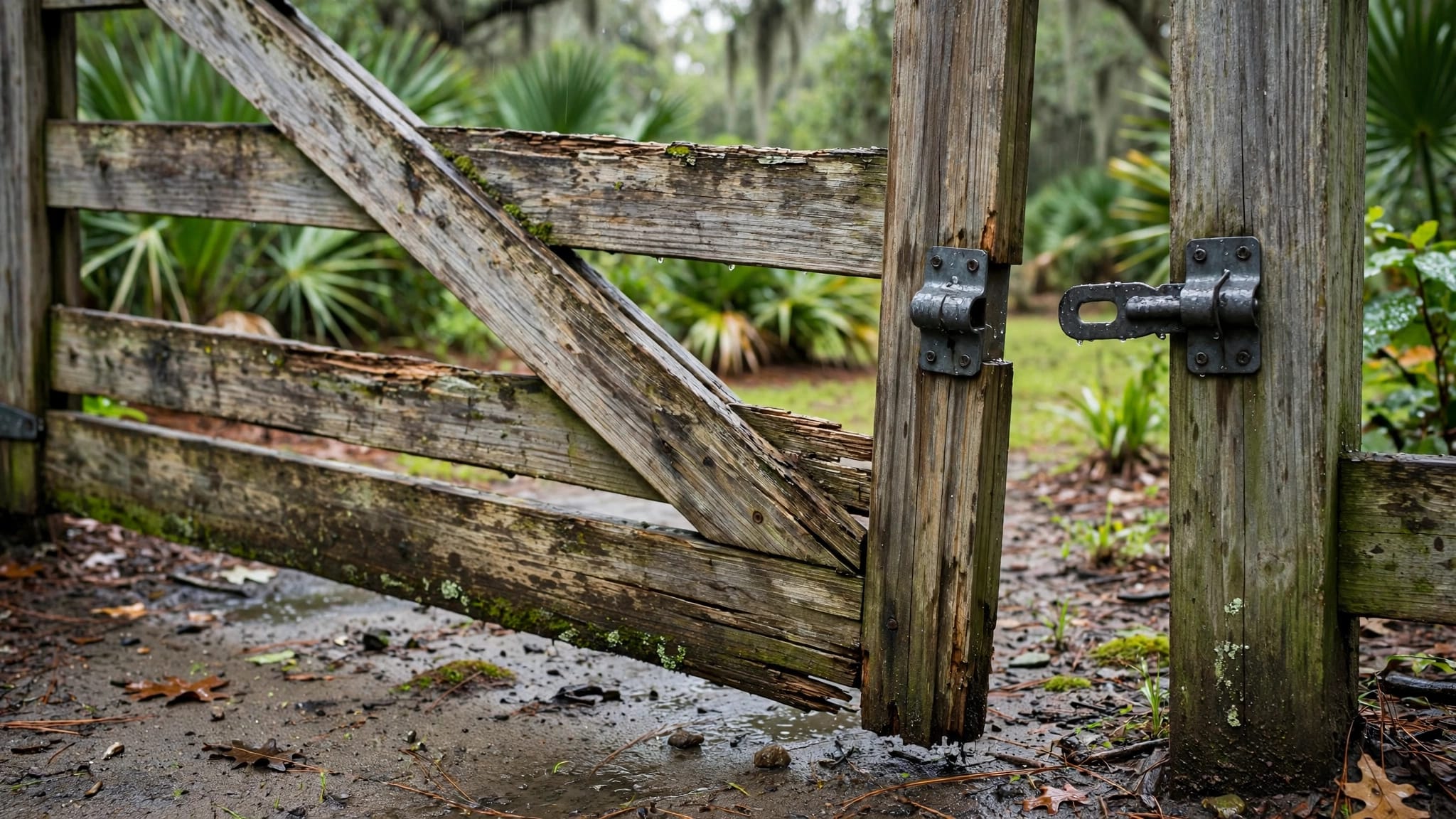
Salt air corrodes chain link fast near the Gulf. Humidity traps moisture on slats, speeding rust at ties and frames. Coastal Cape Coral homes see pitting in 2 years without rinses.
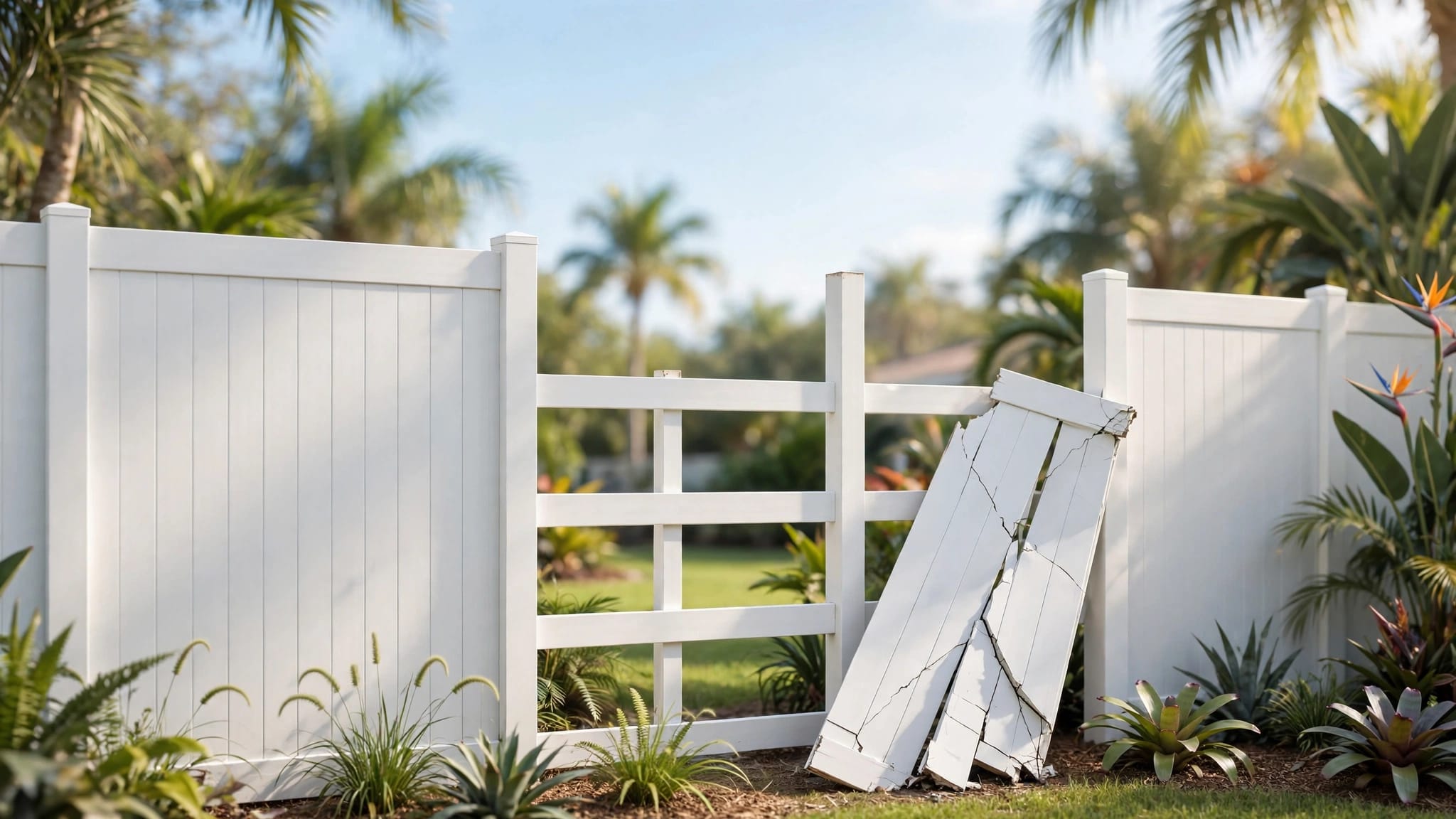
UV rays hit hard. Constant sun degrades plastic slats, making them brittle. Cracks form, then pieces fly in winds.
Storms test limits. The 2026 hurricane season looks below average thanks to El Niño. Still, one direct hit packs force. Slats increase sail effect, so hurricane prep for chain link slats means removing them early.
Inland areas fare better. Less salt means longer life. Yet sprinklers add moisture, mimicking coastal woes.
Posts matter most. Slats add no strength. Weak footings fail first in saturated soil.
Smart Installation and Care Tips
Pick pros for the job. They match slats to gauge and tension fabric right. See chain link privacy slats installation options from local teams.
Choose galvanized or black-coated chain link first. Chain link slats in SW Florida pair best with corrosion fighters.
Rinse monthly. Hose off salt and dirt to slow fade and rust.
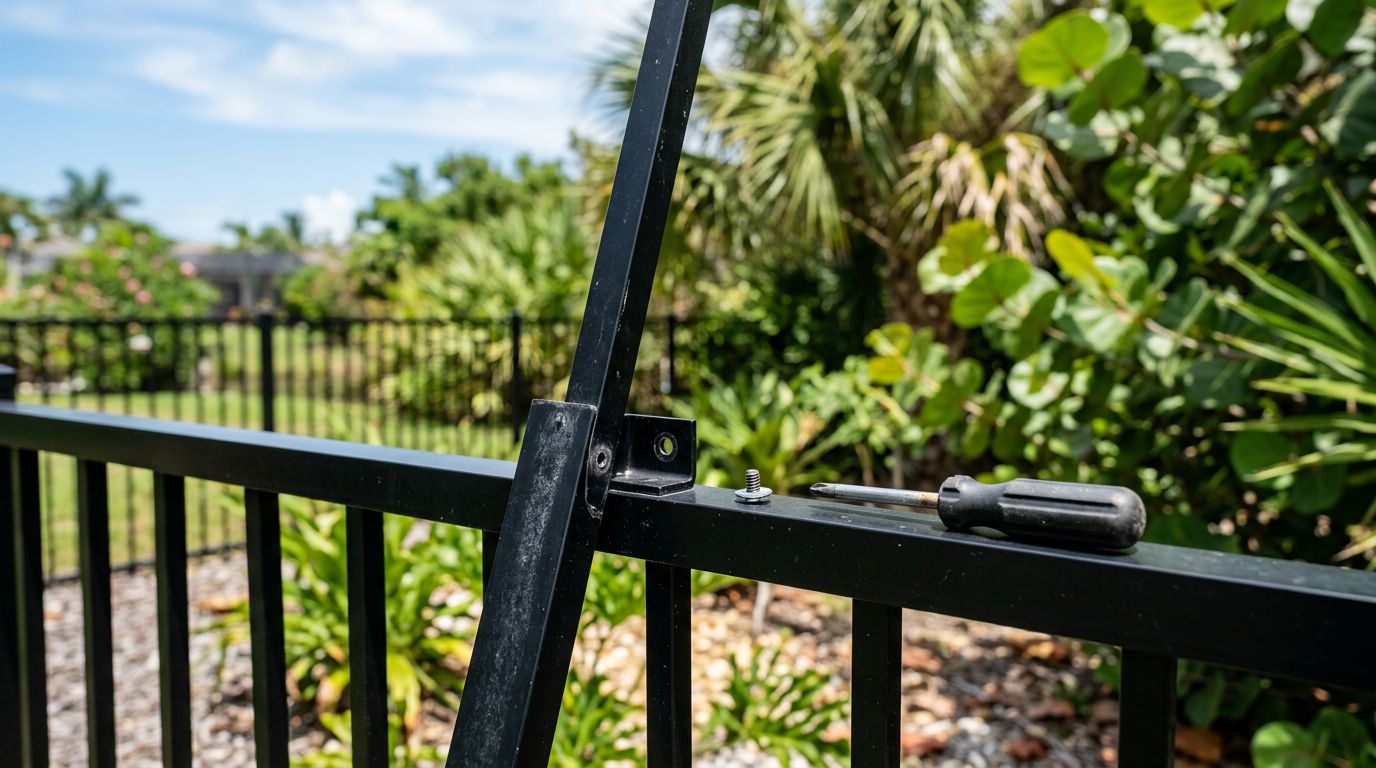
Inspect yearly. Tighten ties, replace cracked slats. Budget $200 to $500 annually for touch-ups.
Verify codes. Lee and Charlotte Counties limit heights to 6 feet. Pools need self-closing gates.
Slats last 5 to 10 years with care. That's solid value before refresh.
Chain link privacy slats fit Southwest Florida yards well. They deliver affordable screening with good airflow. Yet wind, sun, and salt demand honest prep.
Weigh your spot. Coastal? Lean open or solid alternatives. Inland? Slats shine for budget privacy.
The right choice boosts your home without regrets. Talk to licensed installers, check HOA specs, and plan for our weather. Your fence stays strong season after season.