Wood Fence Lifespan In Southwest Florida And How To Extend It
A wood fence in Southwest Florida has a tougher job than most people think. It's not just "outside." It's outside in wet heat, strong sun, salty air near the water, and storm season winds that find every weak fastener.
The good news is this: wood fence lifespan isn't only about the wood you buy. It's also about how you manage moisture, block UV, prevent termites, and use the right hardware. With a realistic plan, you can keep a wood fence looking sharp and standing straight for years longer than the neighborhood average.
What wood fence lifespan looks like in Southwest Florida (real ranges)
In SWFL, most wood fences fall into a wide lifespan range because conditions vary block by block. A shaded yard with wet sprinklers hitting the boards daily ages wood fast. Meanwhile, a fence that dries out after rain and gets re-sealed on schedule can surprise you.
Here's a practical way to set expectations.
| Fence situation in SWFL | Typical wood fence lifespan | What's driving the result |
|---|---|---|
| Pressure-treated pine, minimal maintenance | 5 to 8 years | Sun damage, moisture cycling, early warp, fastener corrosion |
| Pressure-treated pine, maintained on a schedule | 10 to 15 years | Stain/seal protection, fewer rot pockets, fewer loose rails |
| Higher-exposure lots (canals, constant wind, salty air) | 6 to 12 years | Hardware corrosion, faster drying and cracking, storm stress |
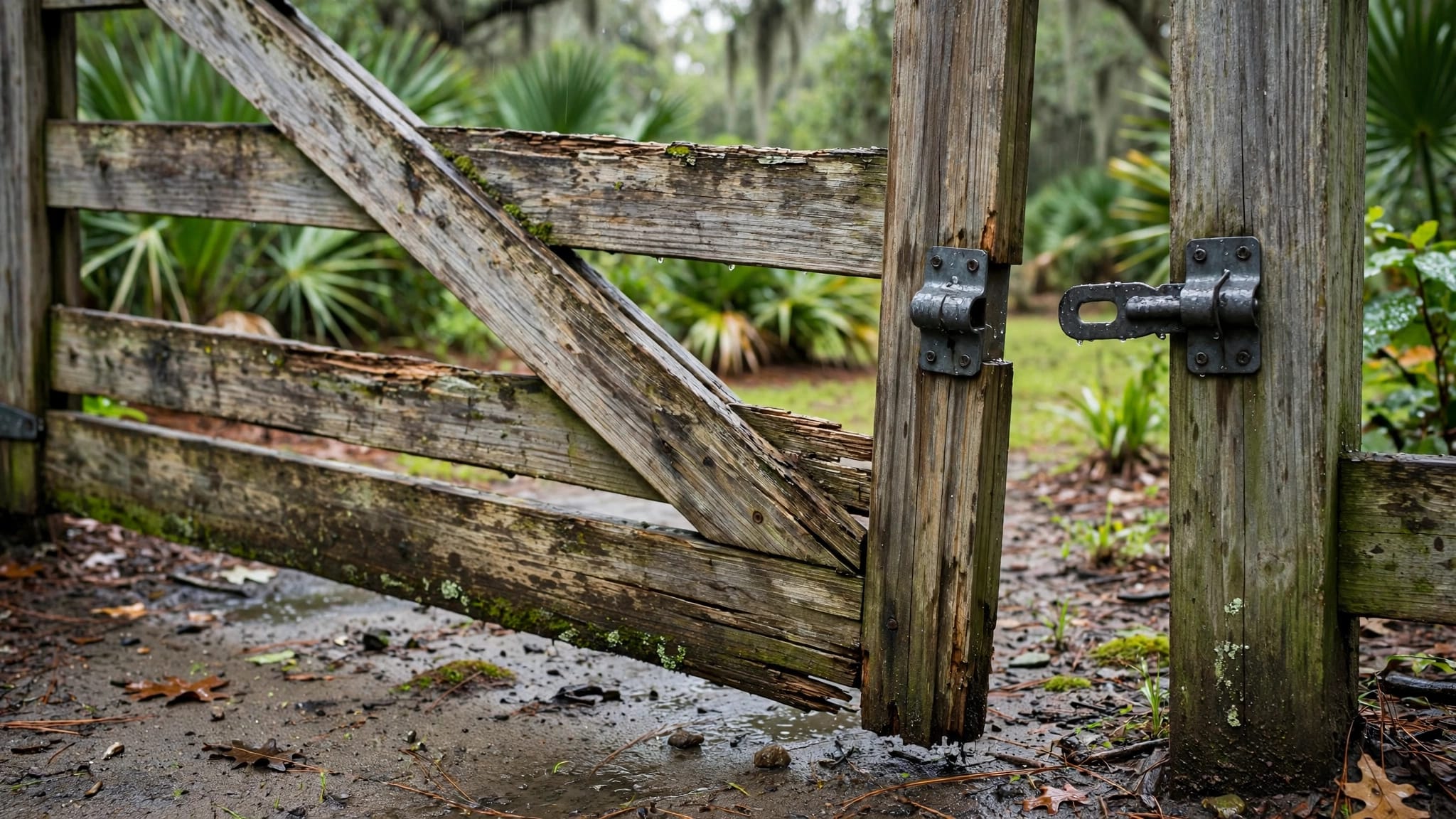
| Shaded, damp yards (mildew, poor airflow) | 5 to 10 years | Slow drying, fungal growth, rot at picket bottoms and posts |
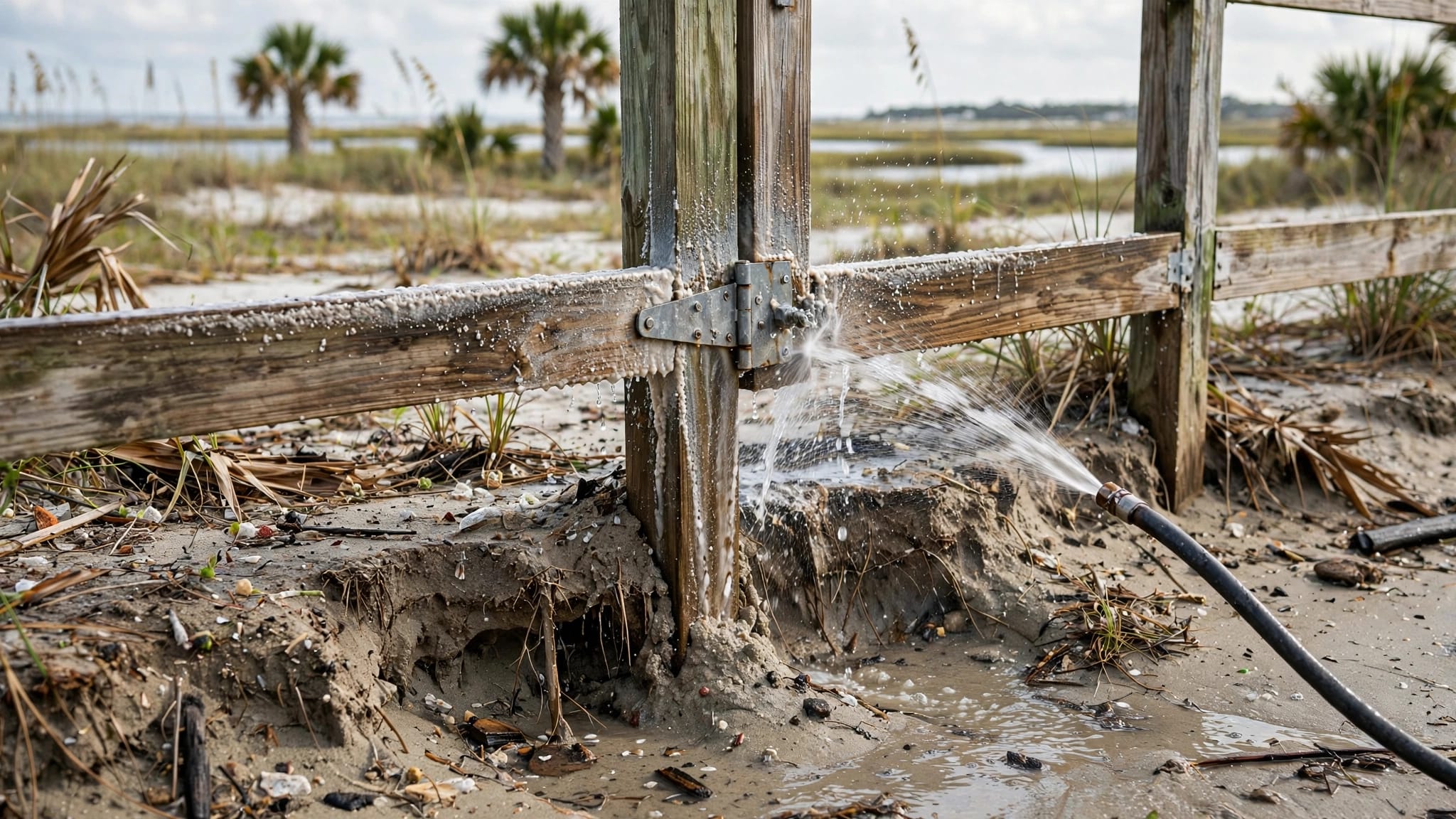
A big note about posts: posts usually fail first in SWFL, not the pickets. Ground contact, trapped water in the hole, and soil that stays wet after storms can shorten the whole fence's life. If your fence looks "fine" up top but leans after heavy rain, the posts are often telling the real story.
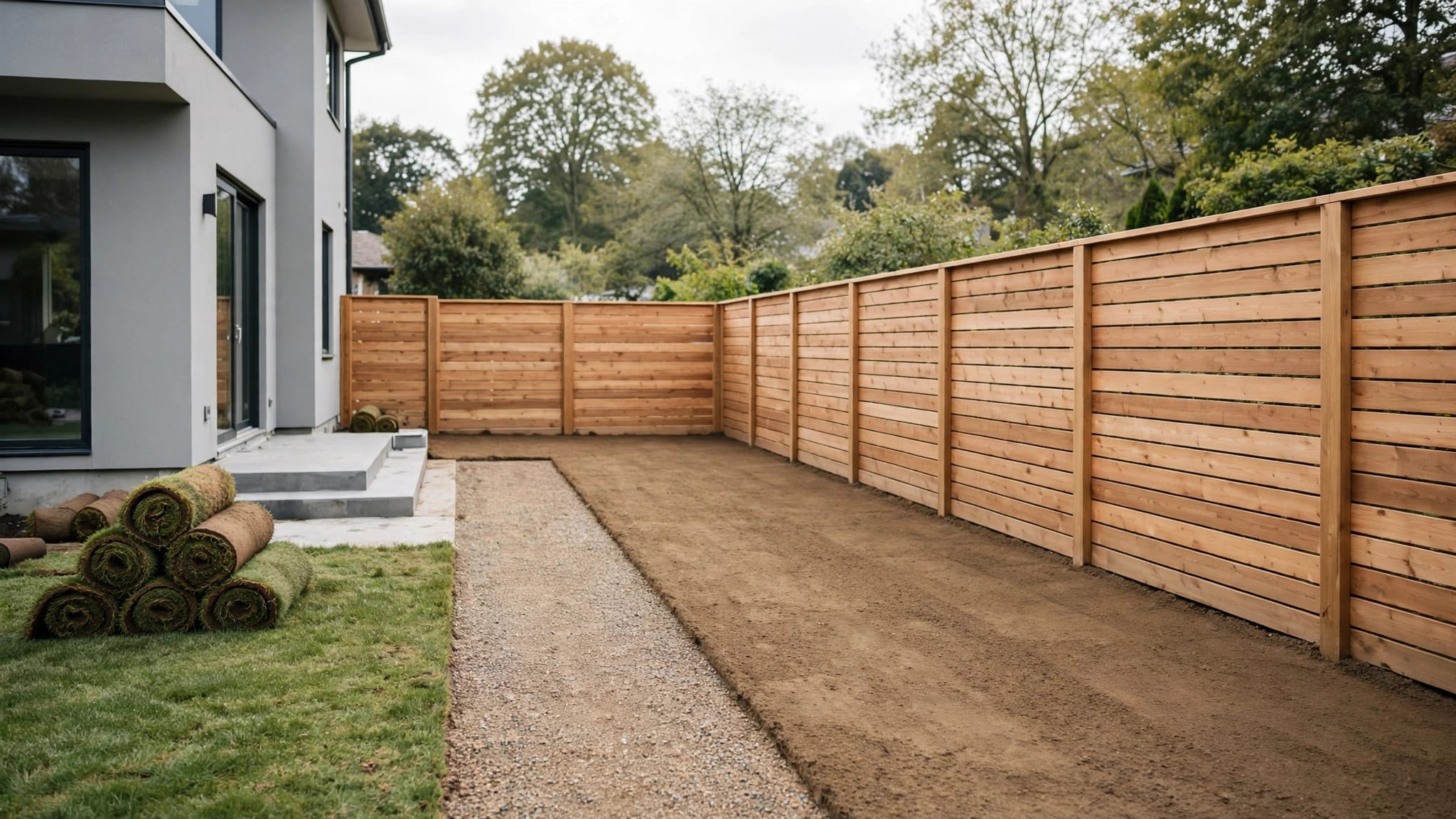
If you're starting from scratch, professional layout and fastening make a difference right away. If you want a local baseline for materials and build options, see wood fence installer Cape Coral.
Why wood fences age faster here: moisture, UV, termites, and metal corrosion
Think of a wood fence like a sponge wrapped in sunscreen. When the "sunscreen" wears off, the sponge swells, dries, cracks, and starts holding water in the wrong places.
In Southwest Florida, four issues shorten wood fence lifespan the most:
- Moisture that can't escape : Wet soil, mulch piled against boards, and grass clippings packed along the bottom edge keep wood damp. That feeds rot and fungi. Also, sprinklers that hit the fence daily can undo good sealing work.
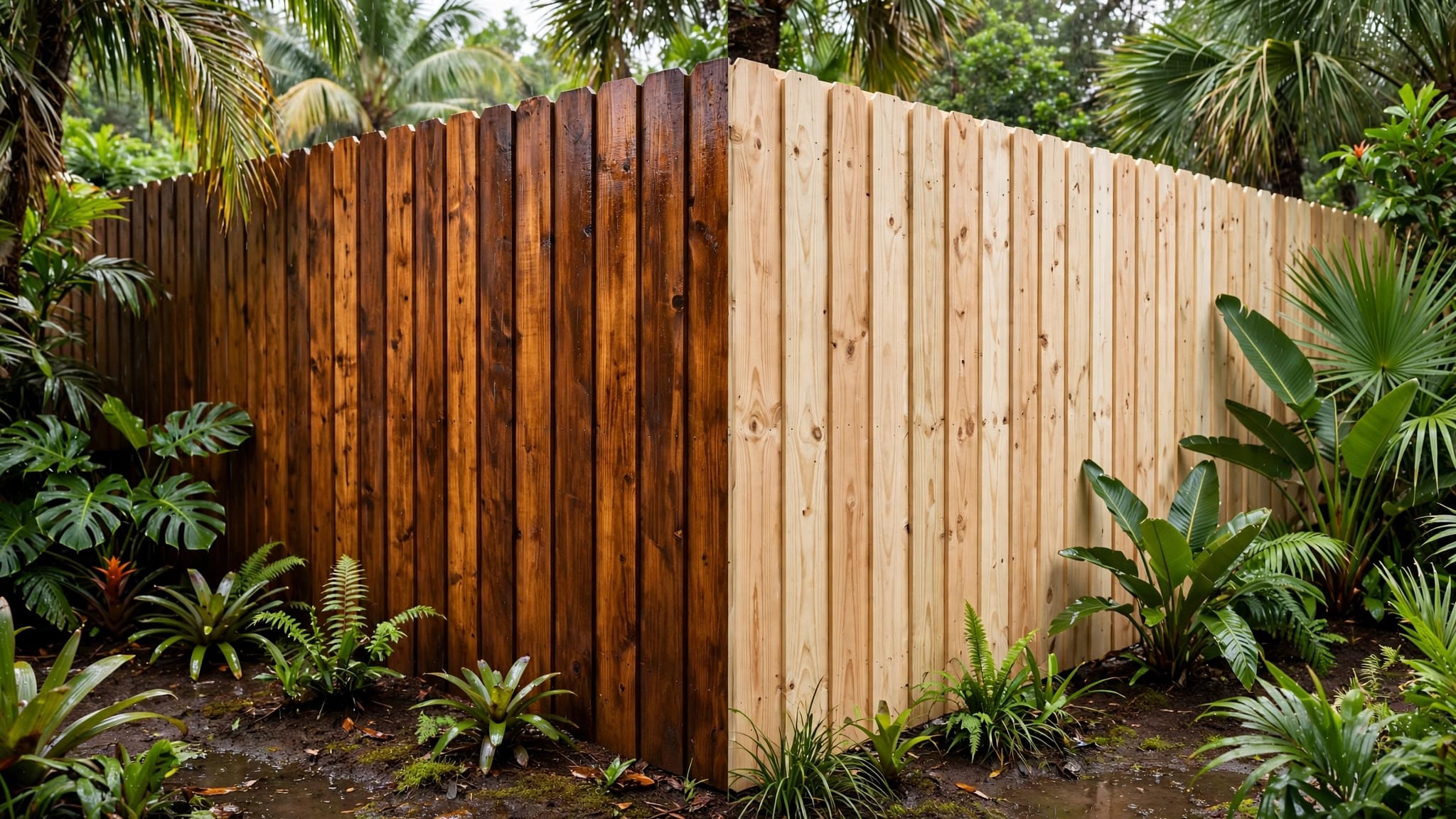
- UV and heat : Strong sun breaks down exposed fibers, even when the fence still "feels solid." After that, stain won't soak evenly, and boards split more easily.
- Termites and other wood-destroying insects : Pressure-treated wood helps, but it isn't a magic shield. Termites often start at hidden spots, like where a rail meets a post.
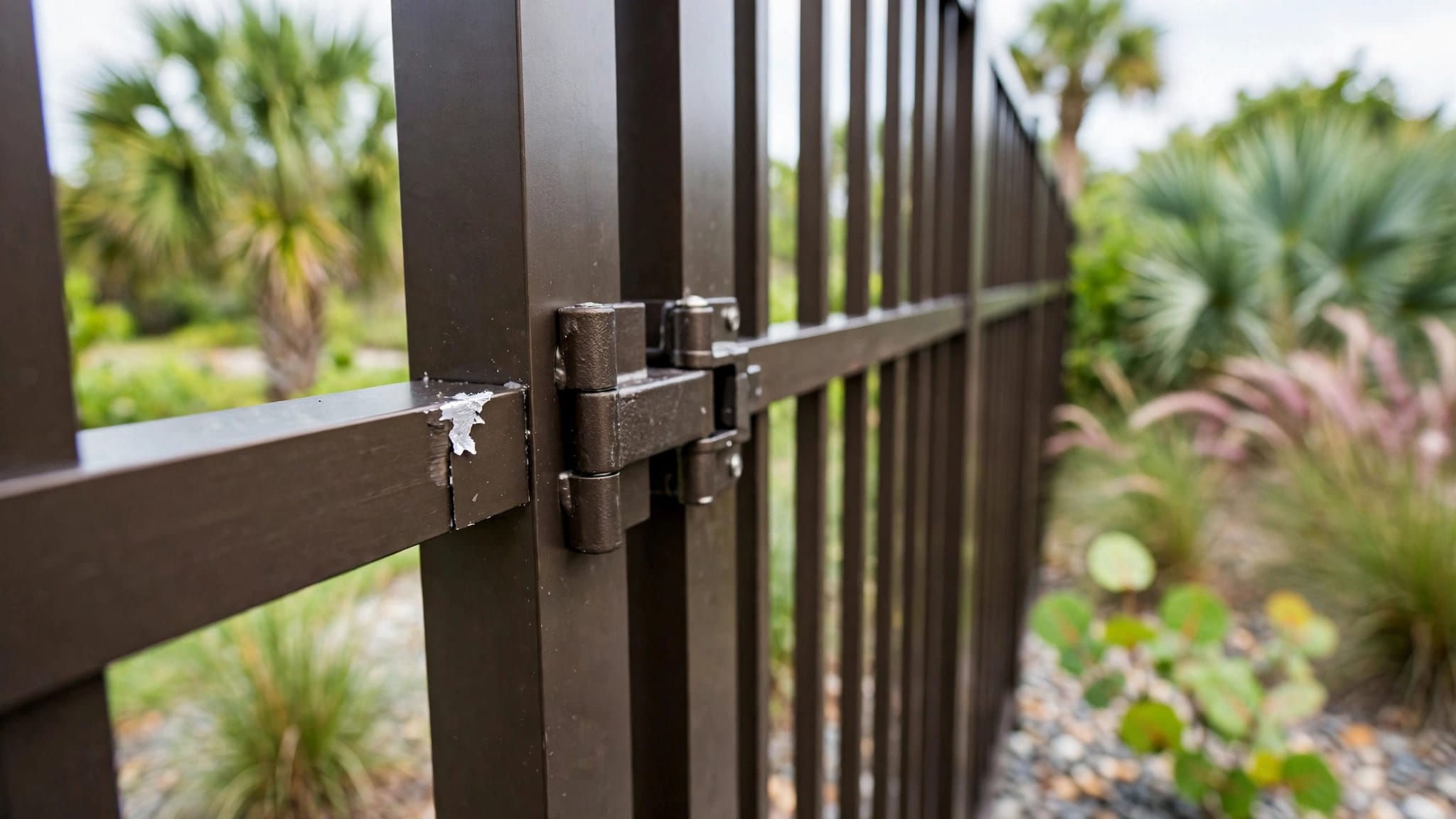
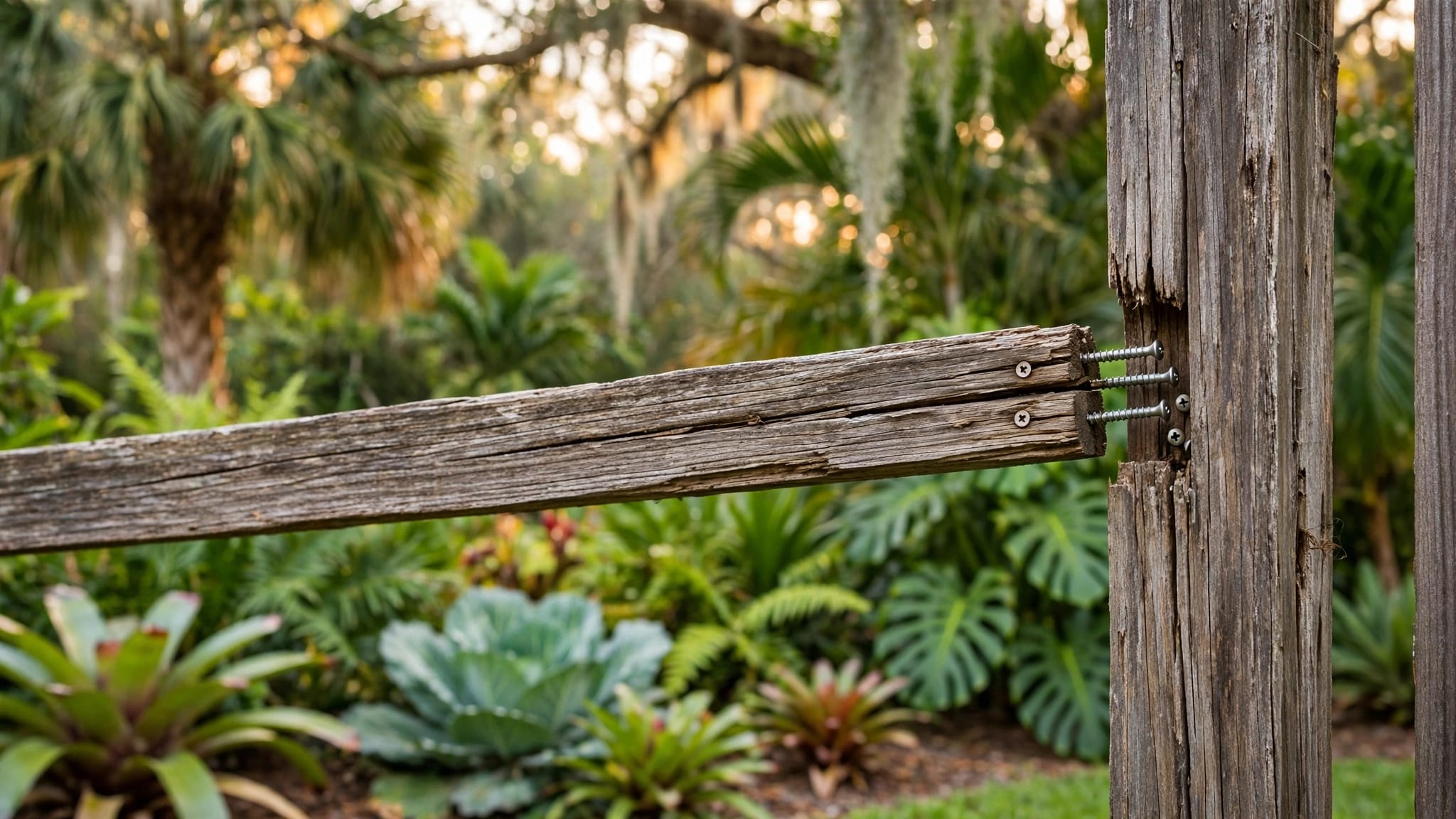
- Hardware and fastener failure : In humid, coastal air, cheap screws and nails corrode early. Rust expands, loosens joints, stains boards, and invites more water into the holes.
If you remember one thing, remember this: a wood fence lasts longer when it can dry quickly after rain.
Installation choices also matter. Tight board-to-ground contact, no drainage around posts, and poor airflow behind a fence can turn "new fence" into "repair project" fast. Gates add stress too. A sagging gate pulls on posts and rails, which speeds up loosening across the run.
How to extend wood fence lifespan in SWFL (a simple routine that works)
You don't need to baby a wood fence, but you do need a rhythm. In SWFL, "set it and forget it" usually becomes "repair it every year."
A realistic re-stain and re-seal cadence for Southwest Florida
For most homes, plan on re-staining or re-sealing every 12 to 24 months . The tighter end of that range fits fences in full sun, near canals, or exposed to sprinklers. The longer end fits fences with good airflow and decent shade.
Also, don't seal wet wood. After heavy rain, give the fence time to dry before you apply any coating. Trapping moisture under stain or sealer can lead to peeling, blotchy color, and faster rot.
Safer cleaning (and what to avoid)
A clean surface helps coatings stick, but aggressive washing can do real damage.
- Avoid high-pressure washing that fuzzes the wood or carves lines into soft grain. If you must use a pressure washer, keep pressure low, use a wider fan tip, and don't get close.
- Skip chlorine bleach on wood in most cases. It can lighten color unevenly and weaken surface fibers, especially with repeat use.
- Choose gentler options first: a garden hose rinse, mild soap and water, and a soft-to-medium brush. For mildew, an oxygen-based cleaner (often sold for exterior wood) is usually a safer starting point than harsh bleach. Always follow the product label and protect plants.
The SWFL wood fence maintenance checklist (simple and repeatable)
Use this quick routine twice a year: once in late spring before storm season, and once in early fall after the heaviest rains.
- Walk the line : Look for leaning posts, wobbly rails, and boards that move when you push them.
- Clear the bottom edge : Remove soil, mulch, vines, and piled clippings. Aim for a small gap so air can move.
- Fix sprinkler spray : Adjust heads so they don't soak the fence every morning.
- Spot-check for termites : Watch for mud tubes on posts, soft spots near joints, or hollow-sounding sections.
- Inspect hardware : Replace rusting fasteners with hot-dip galvanized or stainless steel options when possible, especially on gates.
- Clean gently : Remove green buildup and dirt so the surface can breathe.
- Touch up exposed areas : Pay attention to end grain, cut edges, and places where stain looks thin.
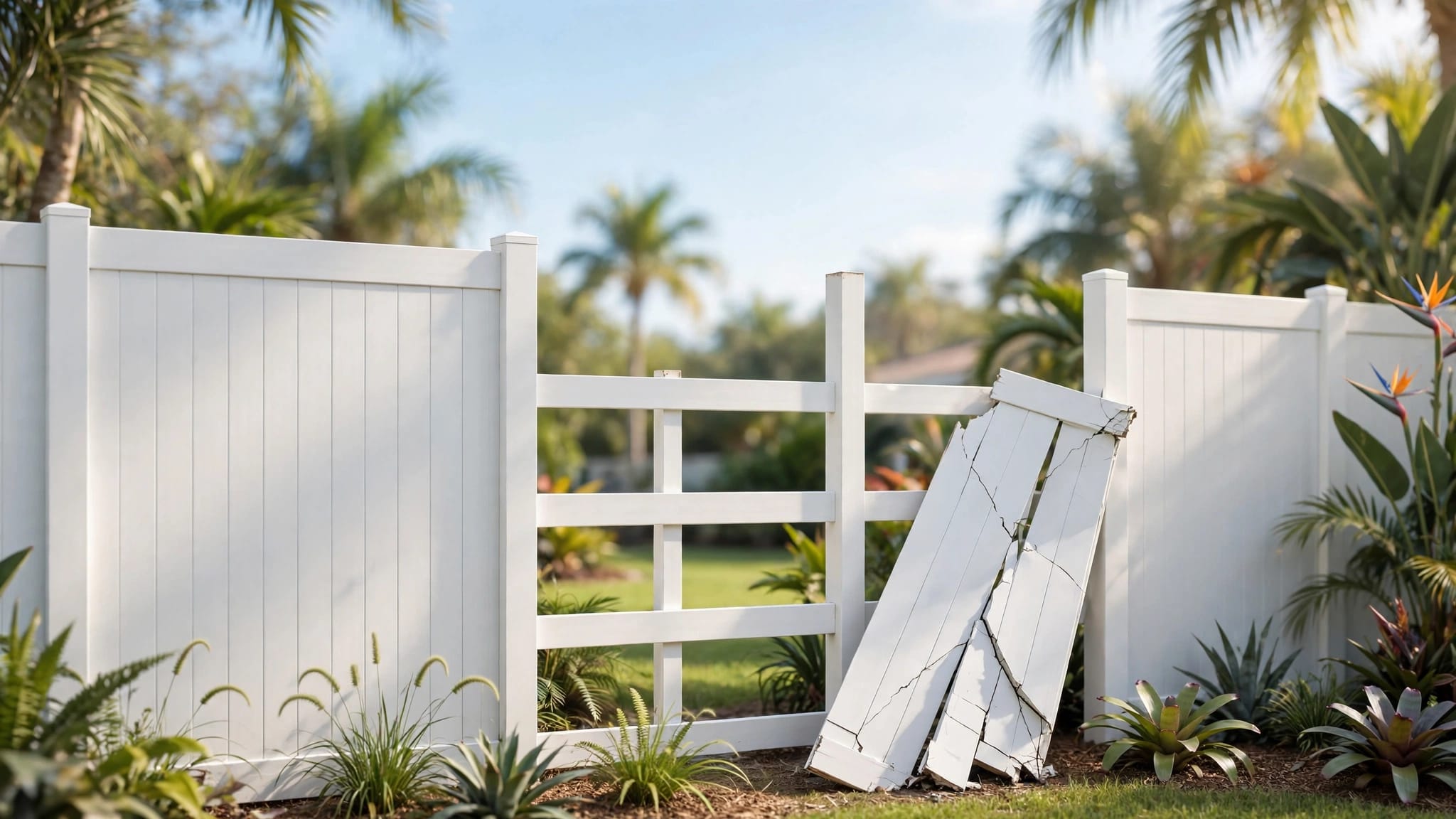
When boards crack or rails loosen, small repairs early keep water out of places it shouldn't be. If your fence is already leaning, missing fasteners, or dropping at the gate, it may be time for professional help. A targeted fix can extend wood fence lifespan without a full replacement, see fence repair Cape Coral.
When maintenance isn't enough (signs you're past "extend the life")
At some point, coating and spot fixes stop paying off. In SWFL, these warning signs usually mean the structure is failing:
Rot at the post base is the big one. If posts feel soft near the ground, the fence won't stay straight for long. Repeated re-setting after storms is another red flag, because the holes get wider and the fence gets weaker each time.
Widespread warping matters too. A few twisted pickets are normal, but long runs that bow or pull fasteners loose often point to rail and post stress, not just cosmetics.
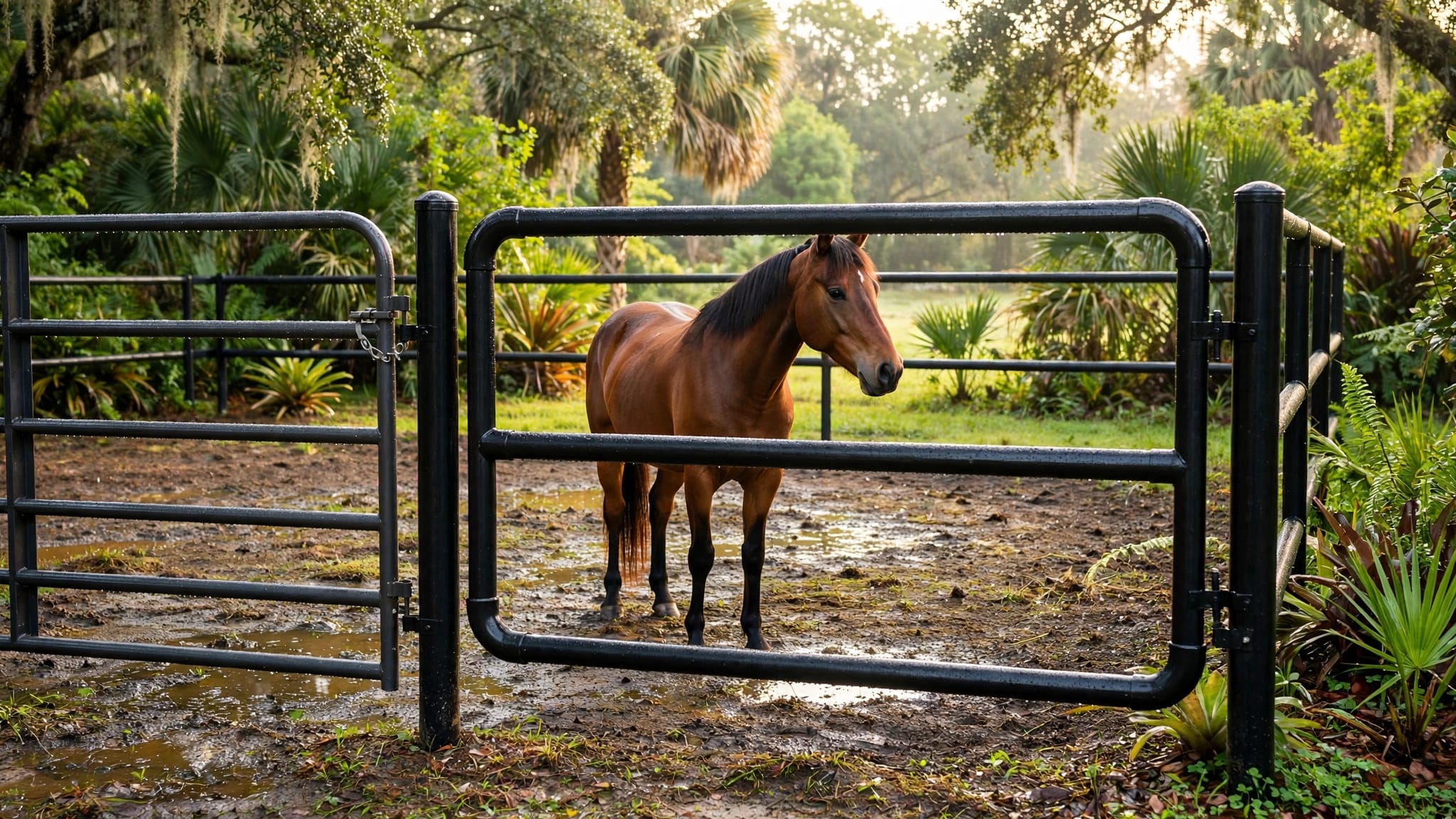
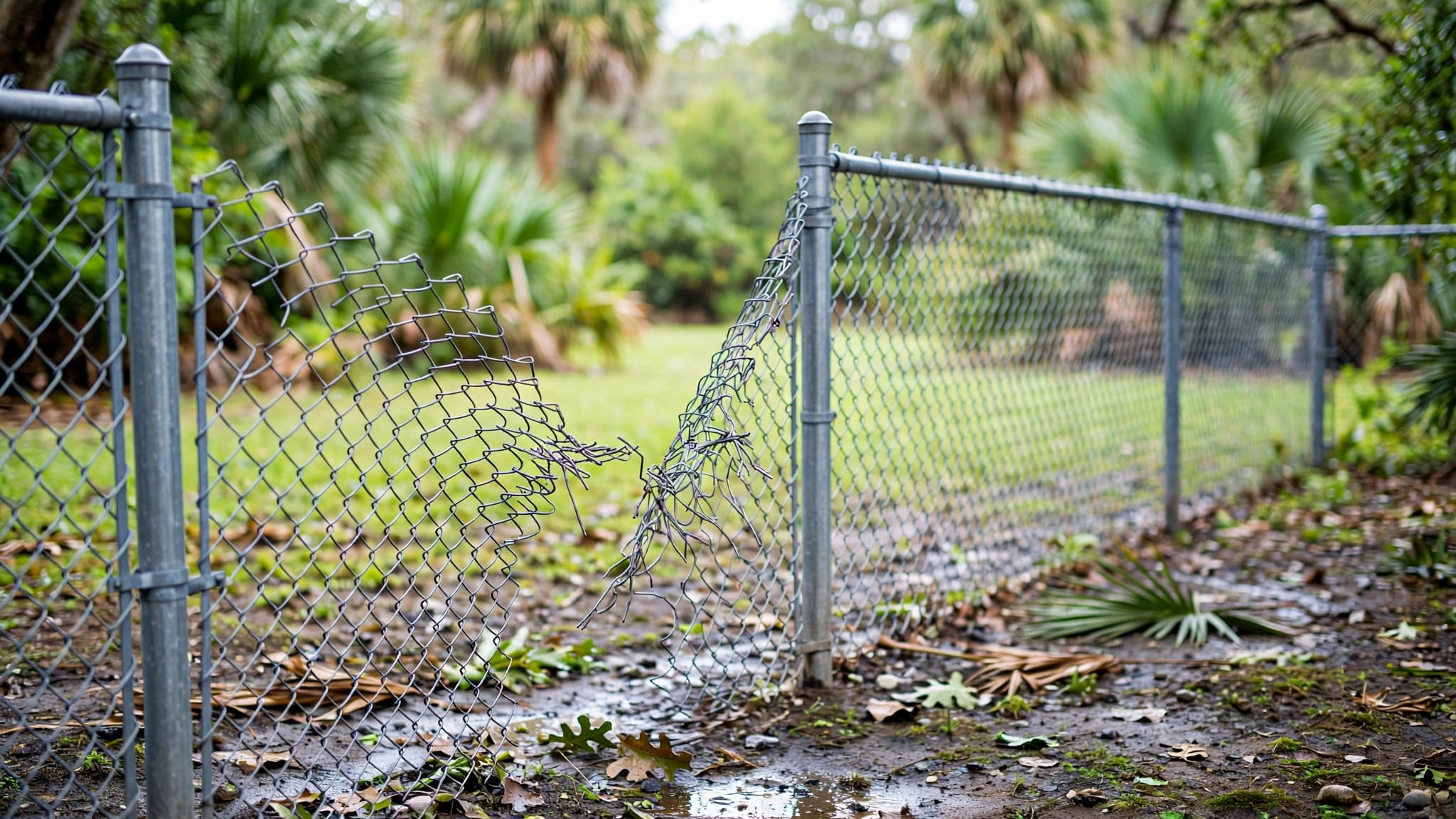
Finally, watch the gates. If a gate keeps sagging after adjustments, the hinge post may be moving, and that movement tends to spread.
Conclusion
A realistic wood fence lifespan in Southwest Florida depends on how well you control moisture, sun exposure, insects, and hardware corrosion. Most homeowners get better results when they clean gently, keep the bottom edge clear, and re-stain or re-seal on a steady 12 to 24-month cadence. If your posts or gate are already failing, repairs now can prevent a full replacement later. The fence that lasts isn't the one with the fanciest boards, it's the one that stays dry, tight, and maintained.