How To Choose Fence Colors That Stay Cooler In Florida
A dark fence in July can feel like a cast-iron skillet. In Southwest Florida, that heat doesn't just make the yard less comfortable, it can also stress certain materials over time.
The good news is that fence colors Florida homeowners choose can make a real difference. Color isn't the only factor, but it's one of the easiest to control, as long as you pick it the right way.
Below is a practical, Florida-first approach to selecting fence colors that stay cooler in full sun, plus material-specific tips for wood, vinyl, and powder-coated aluminum.
Why fences get so hot in Southwest Florida (and what color really changes)
Florida sun hits hard, and it hits often. High UV levels fade finishes faster, and humidity slows down "cooling off" once the surface heats up. If you're near the coast or a canal, salt air can also wear coatings and make chalking and dulling show sooner.
Color matters because it affects how much sunlight a surface reflects versus absorbs. You'll sometimes see this as LRV (Light Reflectance Value) , or as solar reflectance if a manufacturer provides it. Higher numbers usually mean the fence reflects more light and stays cooler to the touch. Lower numbers tend to run hotter.
Here's a quick way to think about common choices in Florida yards:
| Color family | Typical sun feel | Tradeoffs to expect |
|---|---|---|
| White and near-white | Coolest | Glare, shows dirt and mildew sooner |
| Light gray | Cool | Hides dust better than white |
| Sand, tan, "almond" | Cool to moderate | Can look warm next to cool-toned homes |
| Medium gray, greige | Moderate | More heat than light shades |
| Dark bronze, black | Hottest | Great style, but hotter to touch |
The takeaway: If comfort is the goal, pick lighter shades first, then fine-tune the exact tone for your home. Also remember glare is real. A bright white fence in full sun can bounce light into windows and patio seating.
A simple rule: lighter colors run cooler , but the "best" light color is the one you can live with after rainy season grime shows up.
How to compare fence color samples in full sun (the Florida way)
Looking at a color chip indoors is like judging sunglasses at night. To choose cooler fence colors with confidence, test samples where the fence will live.
Start by getting the largest sample you can. A small chip hides undertones and makes everything look cleaner than it will outside.
Next, test like this:
- Check at two times : late morning and late afternoon. Florida light shifts fast, especially with cloud build-up.
- Hold the sample vertical . Fences don't lie flat like decks, and vertical surfaces read differently.
- Stand near your "heat spots" : pool deck, west-facing side yard, areas with pavers, or next to a white stucco wall.
- Look from the street and from the patio . A color that feels calm from inside can look washed out from the curb.
- Touch test carefully after 10 to 15 minutes in sun. Compare a light and a dark option side-by-side.
If you're coastal, add one more step. Lightly mist the sample with water, let it dry, and see what water spots and salt residue might look like. It's not a lab test, but it's closer to real life than a showroom wall.
For homes on waterfront lots, color is only part of the puzzle. Layout, wind, and salt exposure change what "low maintenance" really means. This Cape Coral waterfront fence guide breaks down those canal-front tradeoffs in plain English.
Cooler color recommendations by fence material (wood, vinyl, aluminum)
Different materials react to heat in different ways, so the smartest choice is color plus material, not color alone.
Wood fences: stains and paints that handle heat better
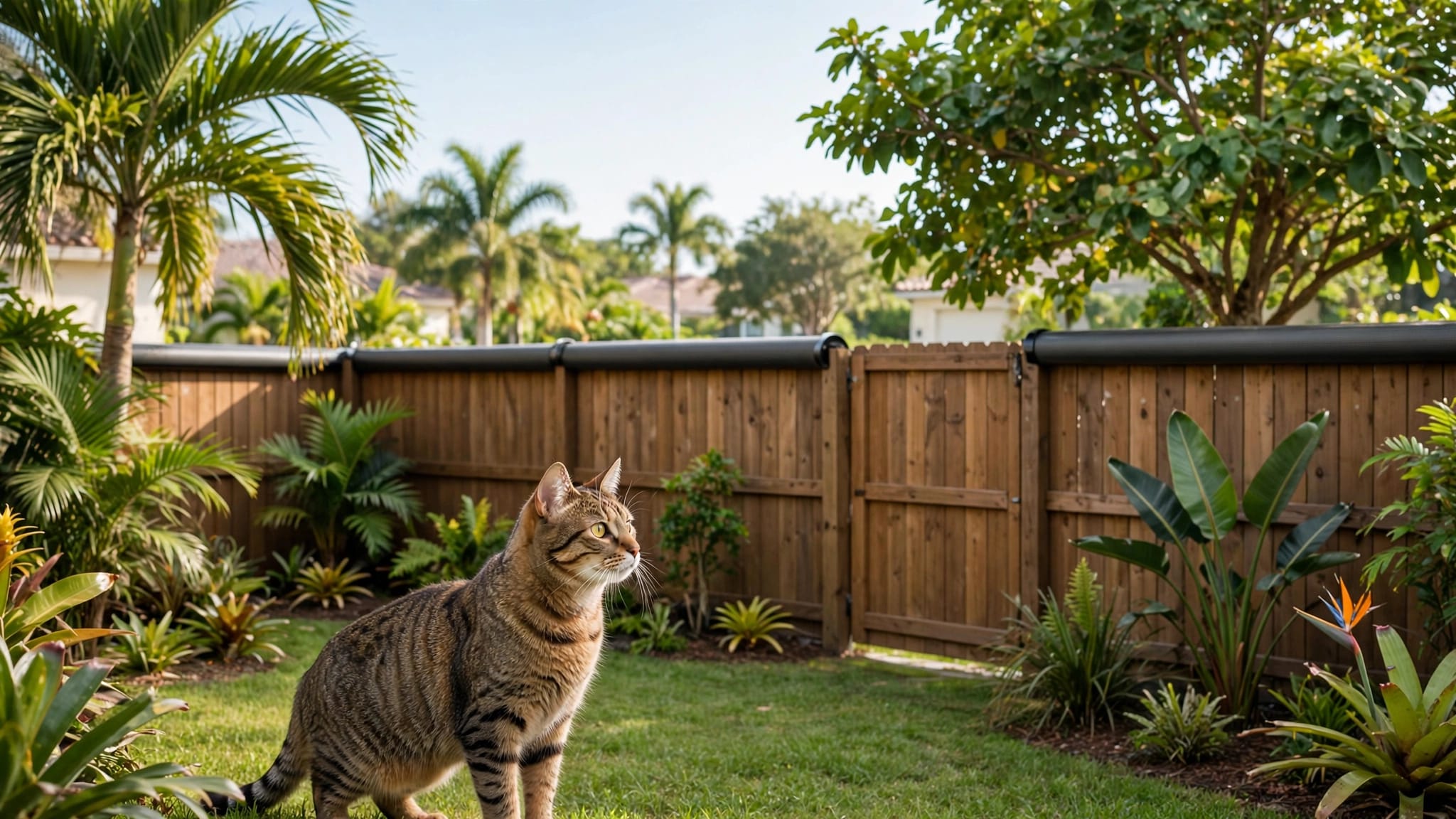
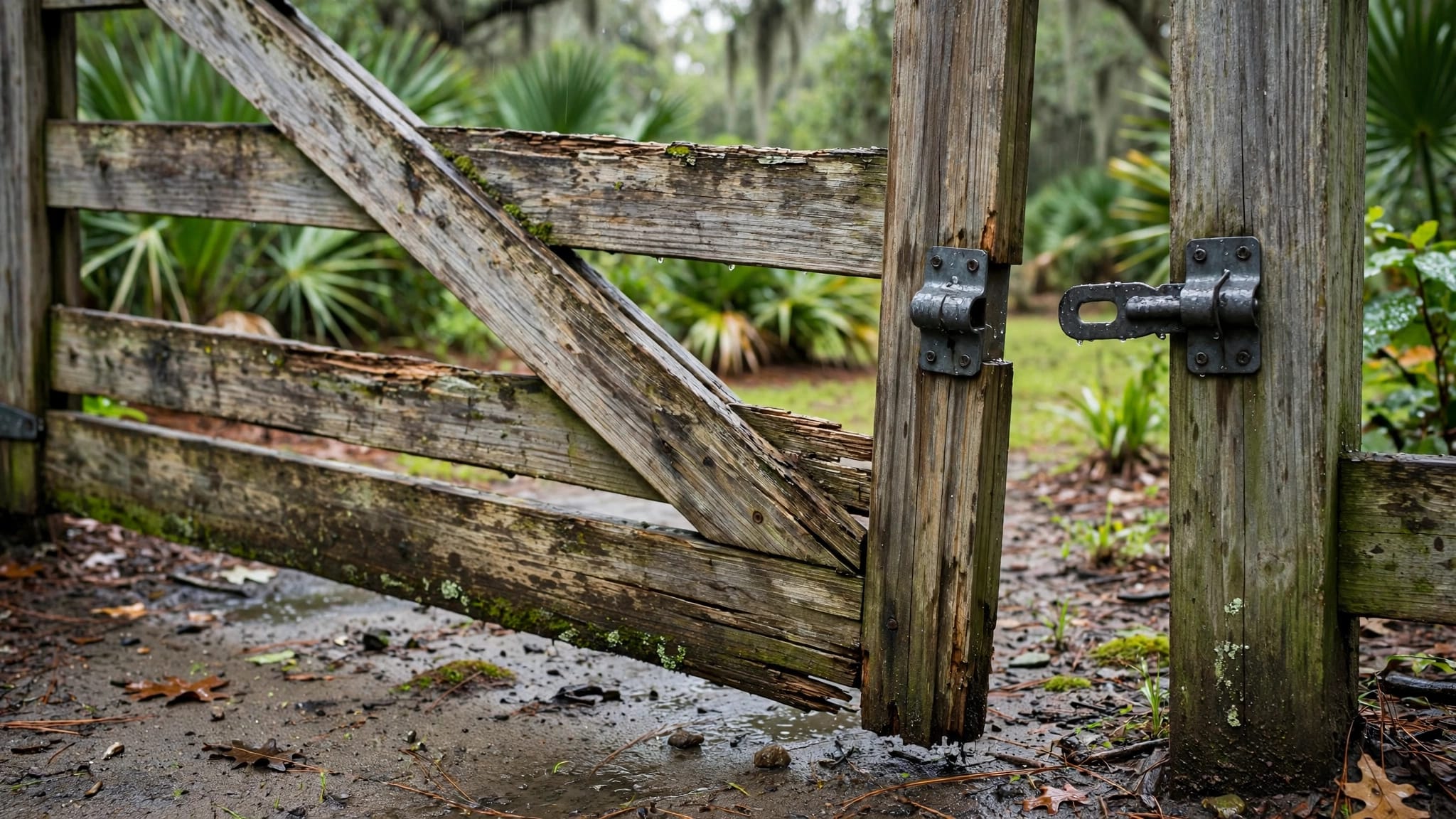
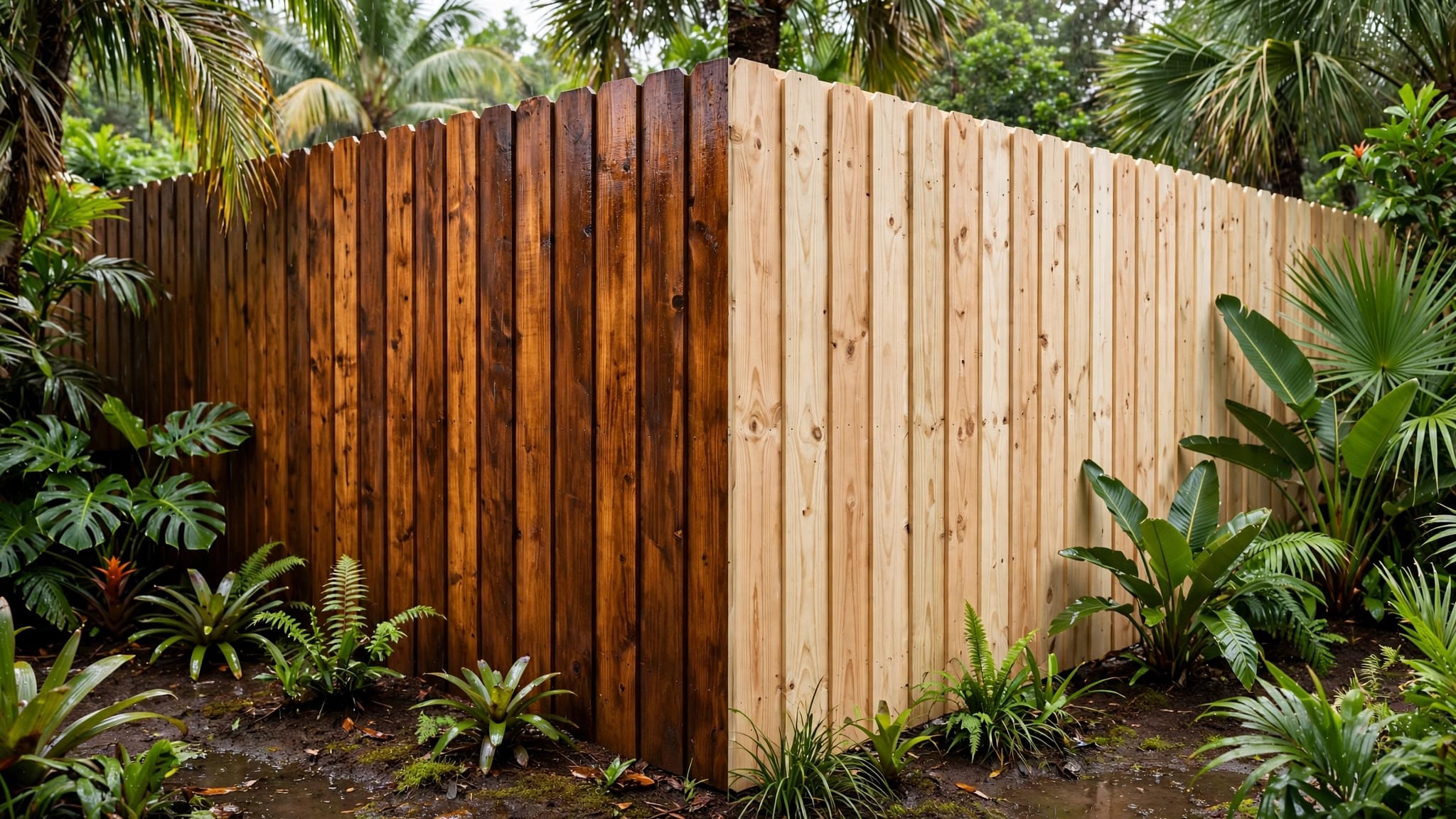
With wood, darker stains heat up fast and can speed up drying, checking, and fading. Lighter stains and paints usually run cooler and keep boards more stable through the hottest months.
Good "cool" directions for SWFL wood fences include light cedar tones, driftwood grays, and soft tans. If you love a richer look, aim for a medium tone rather than a deep espresso.
Finish matters, too. A slight sheen can make cleaning easier, but high-gloss can add glare. For many homes, a low-sheen exterior paint or a quality exterior stain with UV protection is the sweet spot.
If you're planning a new build or replacement, it helps to talk through stain versus paint before installation. Local conditions and fence style both play a role. Here's what to expect with a wood fence installer in Cape Coral when you want color options that still make sense in Florida sun.
Vinyl fences: cooler colors are usually the safest choice
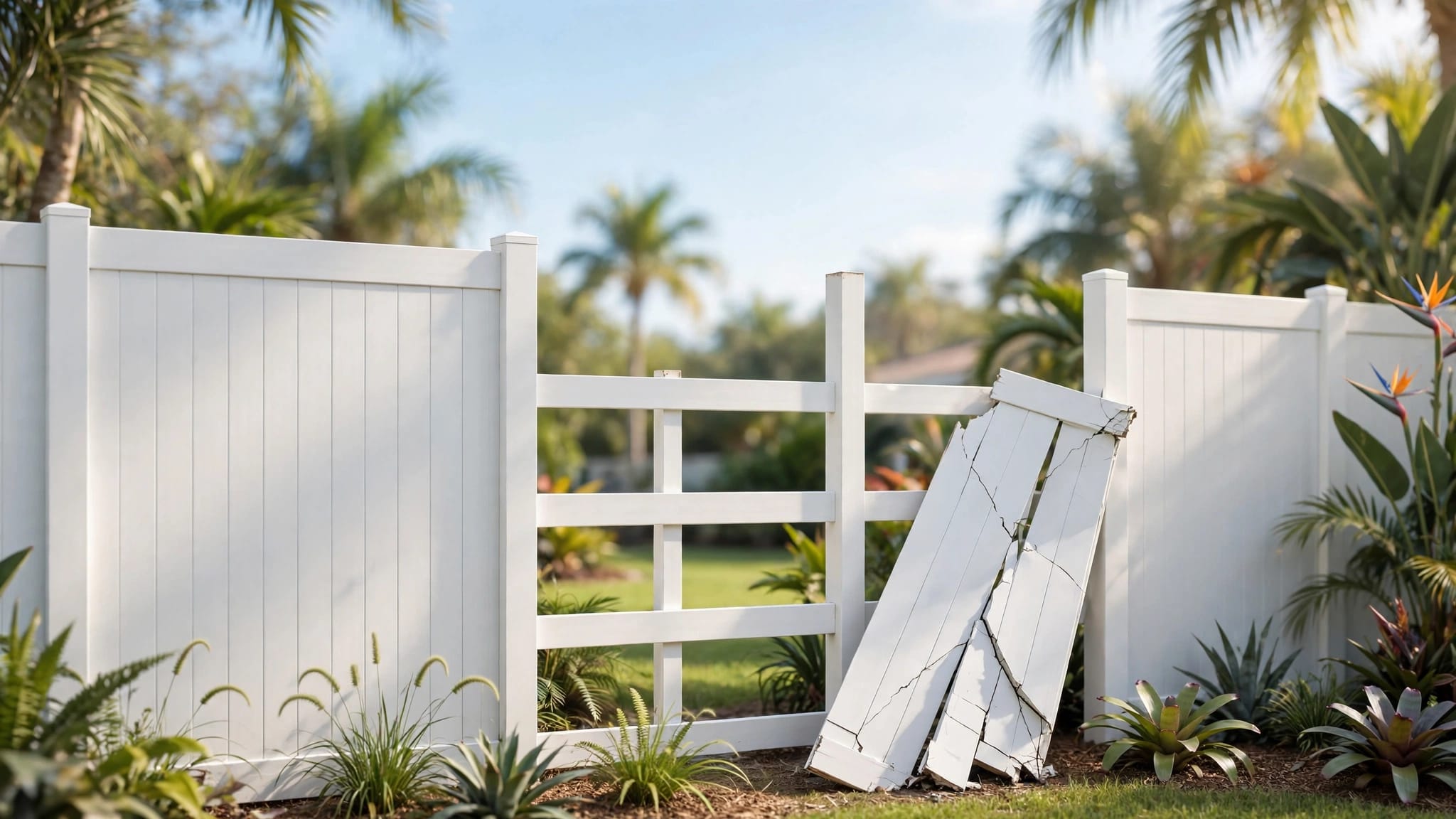
Vinyl is popular in Florida because it's simple to wash and it won't rot. Still, heat is a real consideration. Darker vinyl can get hot enough to soften slightly, which increases the risk of movement and waviness, especially on long runs in direct sun.
That's why many manufacturers limit darker colors or require special formulations. If you want the fence to stay cooler, stick with whites, light tans, and light grays when they're available.
Also plan for what you'll see after summer rains. Very light vinyl can show dirt, sprinkler staining, and mildew sooner, so a quick rinse schedule matters.
Powder-coated aluminum: color choice still matters, but airflow helps
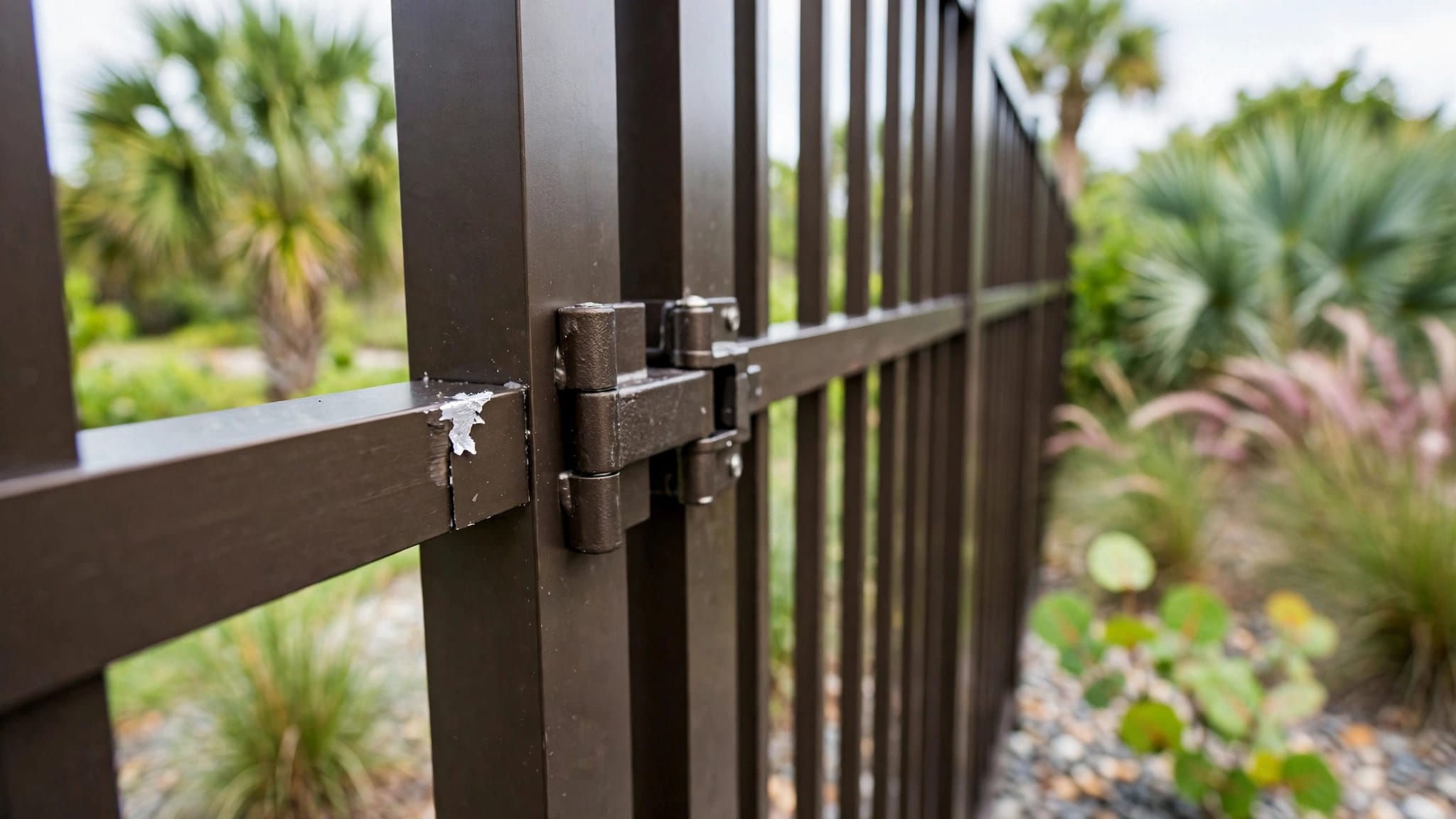
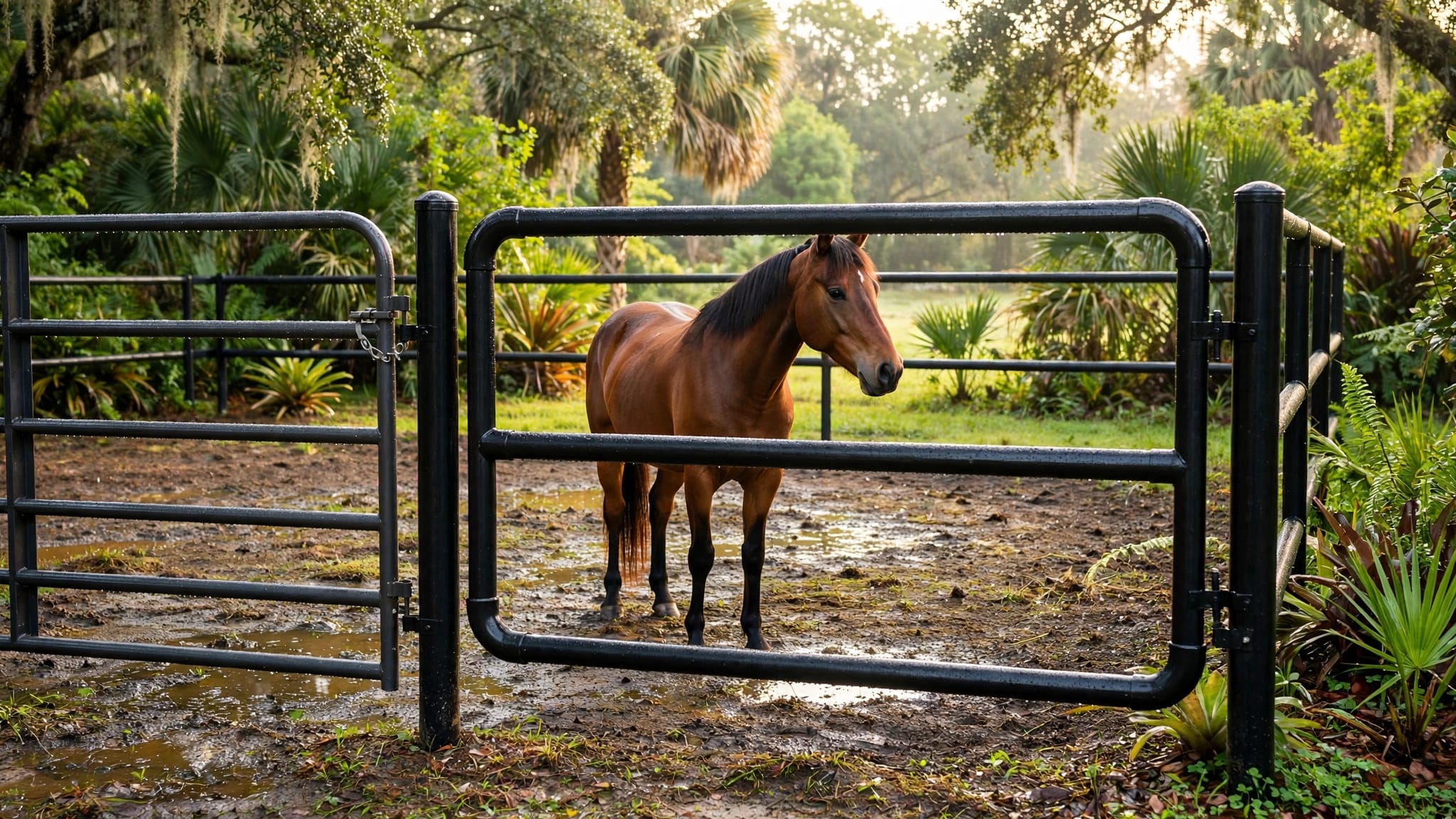
Aluminum fences are naturally "open," so they don't trap heat the way solid privacy panels can. Dark bronze and black will still feel hotter in direct sun, yet they often cool down faster once the sun moves off them.
If staying cooler is priority one, look for white, light bronze, or sand tones in a matte or low-glare finish. If style is priority one, black can still work, just keep it away from places where kids and pets rest their hands and paws.
For coastal and canal areas, powder coating quality and hardware choices matter as much as color. If you want an option that holds up well in salt air, start with a Cape Coral aluminum fence installer who's used to Southwest Florida exposure.
How to reduce fence heat without changing the color
Sometimes the HOA has strict rules, or you already own the fence you own. In that case, focus on shade and airflow.
A few practical options that help in Florida:
- Add strategic shade : a small tree, palms placed to block the west sun, or a pergola over the patio side.
- Use non-contact screening : a shade sail near the fence line, or a lattice panel set a few inches off the fence to reduce direct sun on the hottest stretch.
- Keep airflow in mind: solid "wind wall" designs can feel hotter near pavers. Open pickets often feel cooler nearby.
- Rethink sprinklers: constant spray can increase staining and encourage algae on light colors.
Quick checklist before you order fence color
- View samples in full sun , not indoors.
- Ask for LRV or reflectance info if the brand provides it.
- Avoid bright white if glare will hit windows or a pool deck.
- Expect very light colors to show dirt sooner, plan simple rinses.
- For vinyl, treat dark colors as a risk unless the maker approves them.
- Near salt air, favor coatings and finishes that clean easily.
Common questions about cooler fence colors in Florida
Will white vinyl turn yellow in Florida?
Over time, some vinyl can shift slightly, especially with years of UV exposure and surface buildup. Regular washing helps, and higher-quality vinyl formulas tend to hold color better. If you're deciding between white and off-white, "almond" often hides aging and dirt better while still staying cool.
Does gloss paint run cooler than matte?
Gloss can reflect more light, but it can also increase glare. Temperature changes are usually minor compared to switching from dark to light. If you want cooler, prioritize lighter color first, then pick a finish you'll enjoy looking at every day.
How can I reduce heat without changing fence color?
Shade is the fastest fix. Landscaping, shade sails, and pergola placement can cut surface temperatures a lot. Improving airflow around hot pavers also helps.
Do pool fences have special rules that affect color or material?
Color usually isn't the issue, but fence style, height, and gate hardware often are. Before you commit to a design around a pool, review these Cape Coral pool fence rules for 2026 so the look you pick also passes inspection.
Conclusion
Choosing fence colors Florida homeowners love is partly about style, and partly about comfort you'll feel every day. Lighter shades usually stay cooler, but sample testing in full sun keeps surprises away. Match the color to the material, then plan for Florida's dirt, humidity, and salt air. The right choice should look good at noon, feel better at 4 pm, and still make sense after a long summer.