Best Corner Lot Fences In Cape Coral
Corner lots in Cape Coral expose your yard on two sides. Drivers need clear views at intersections. You want privacy without blocking sight lines. Corner lot fences Cape Coral homeowners install must handle these challenges plus Florida's sun, rain, and wind.
Pick the wrong fence, and you face permit denials or HOA complaints. The right one boosts security and curb appeal. It fits local rules while lasting years in coastal conditions.
Let's explore top options that work well here.
Corner Lot Challenges and Fence Basics
Corner lots act like two front yards in Cape Coral. Both street sides follow front-yard rules. Fences stay behind your home's forward-most point. They max out at 3 feet tall along streets.
Visibility triangles matter most. These clear zones at intersections prevent blind spots. Solid fences can't enter them. Drivers must see cross traffic from 30 inches to 8 feet high.
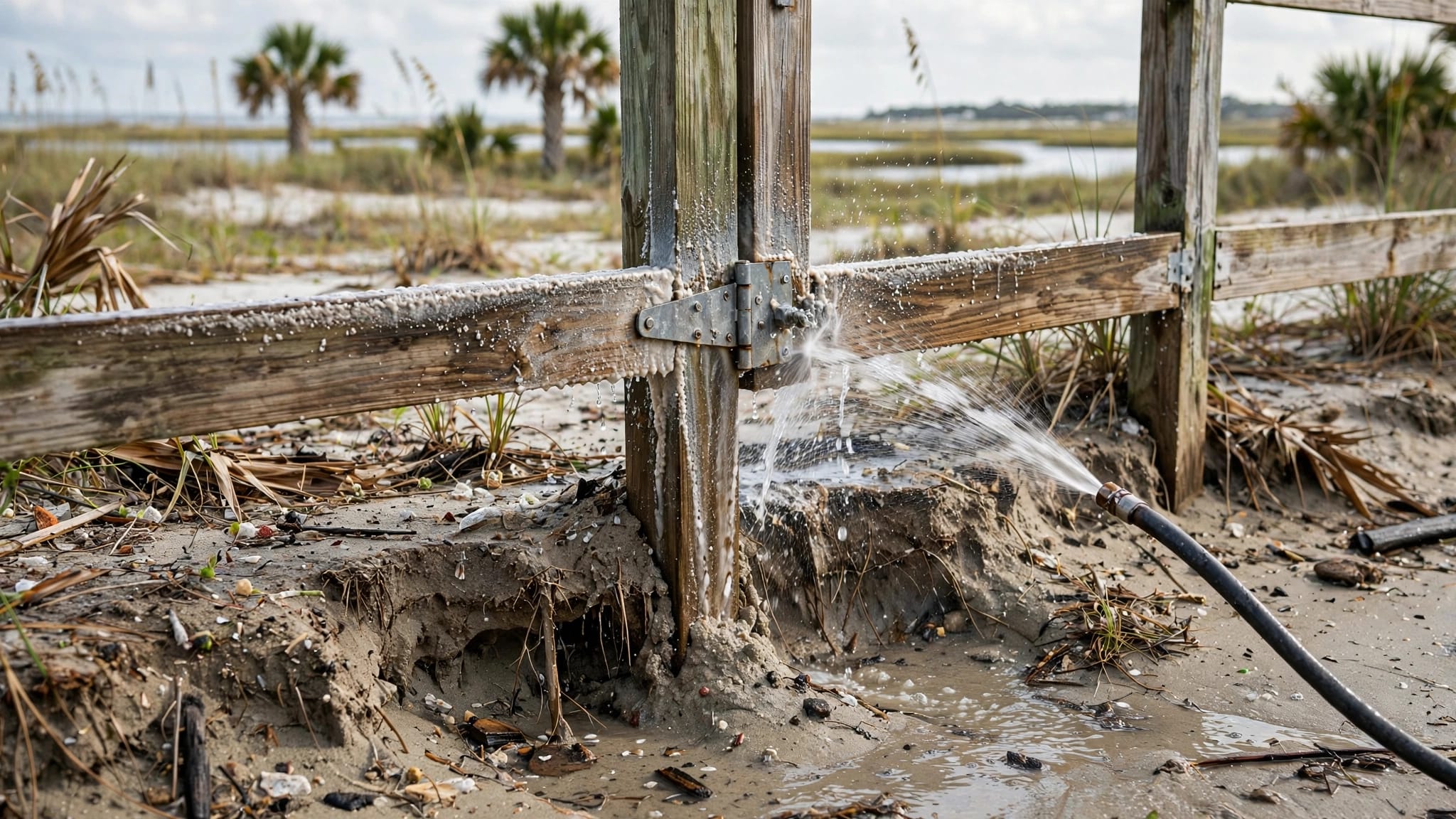
Wind hits corners harder. Rain pools near streets. Salt air corrodes metal fast. Choose fences that resist these forces. Open designs let breeze pass through. They reduce stress on posts.
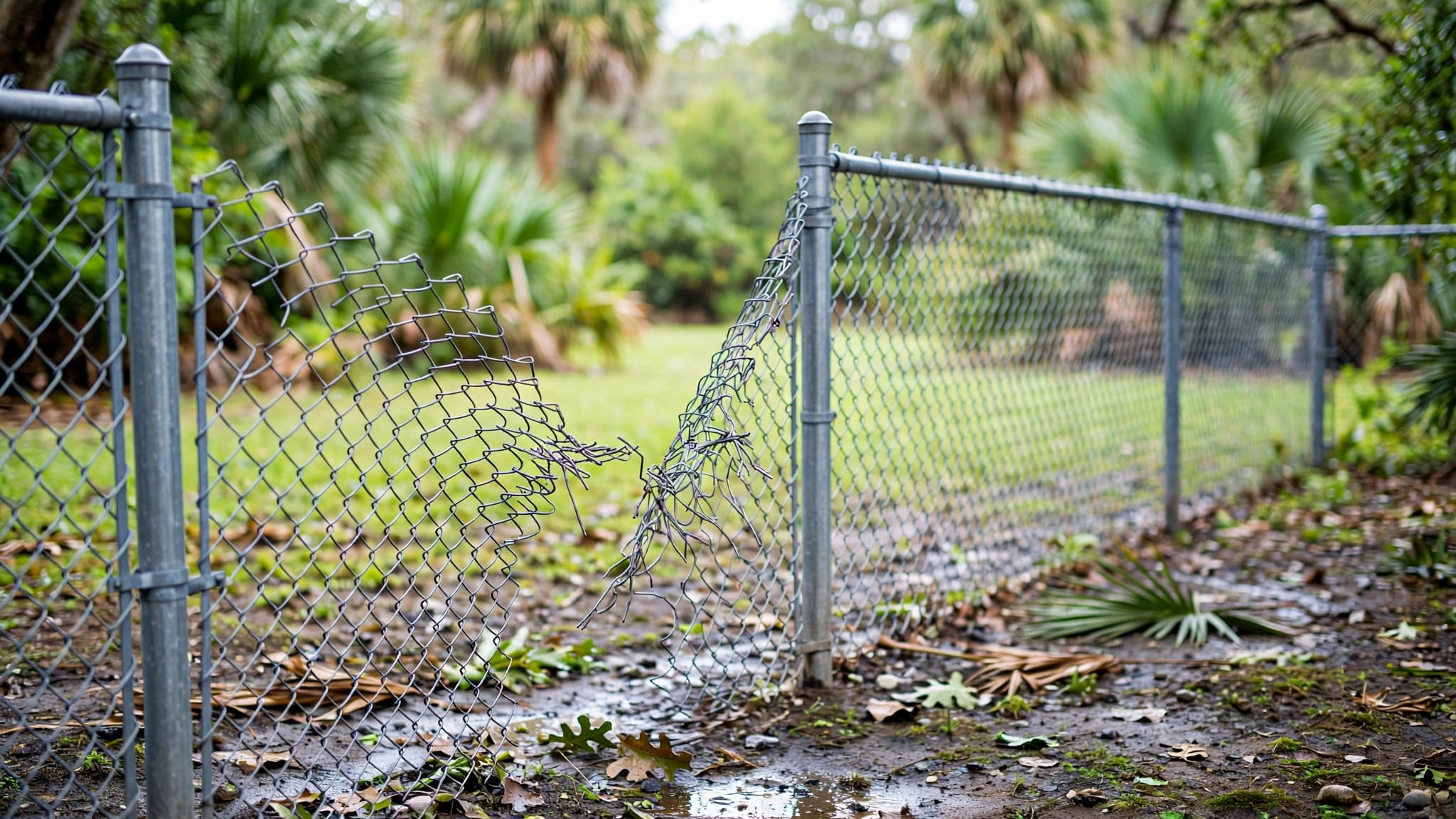
Durability starts with materials. Aluminum or vinyl hold up best. Wood needs treatment. Chain link works on budgets but shows wear quicker.
Homeowners often overlook easements. Utility lines run along sides. Fences can't block access. A survey shows these spots first.
Cape Coral Codes and Sight Triangle Rules
Cape Coral requires permits for all fences. Submit a site plan, survey, and gate details. Corner lots trigger extra review. Both streets count as frontages.
Front areas limit height to 3 feet. Side and rear yards allow 6 feet. Next to commercial property? Go up to 8 feet. Always check your zoning.
Sight triangles demand open fencing near corners. Measure from right-of-way lines. Connect points to form the zone. Keep it clear up to 8 feet.
For details on these, read our guide to Cape Coral fence setback rules for corner lots. It covers front, side, and corner specifics.
HOAs add layers. Some cap heights lower or ban certain styles. Verify rules early. City codes change, like recent talks on Section 5.2.7. Call permitting to confirm April 2026 standards.
A pro tip: Sketch your plan. Overlay the triangle. Adjust tall sections back. This saves rework.
Durable Materials That Beat Florida Weather
Cape Coral's heat fades colors. Storms test posts. Pick materials built for it.
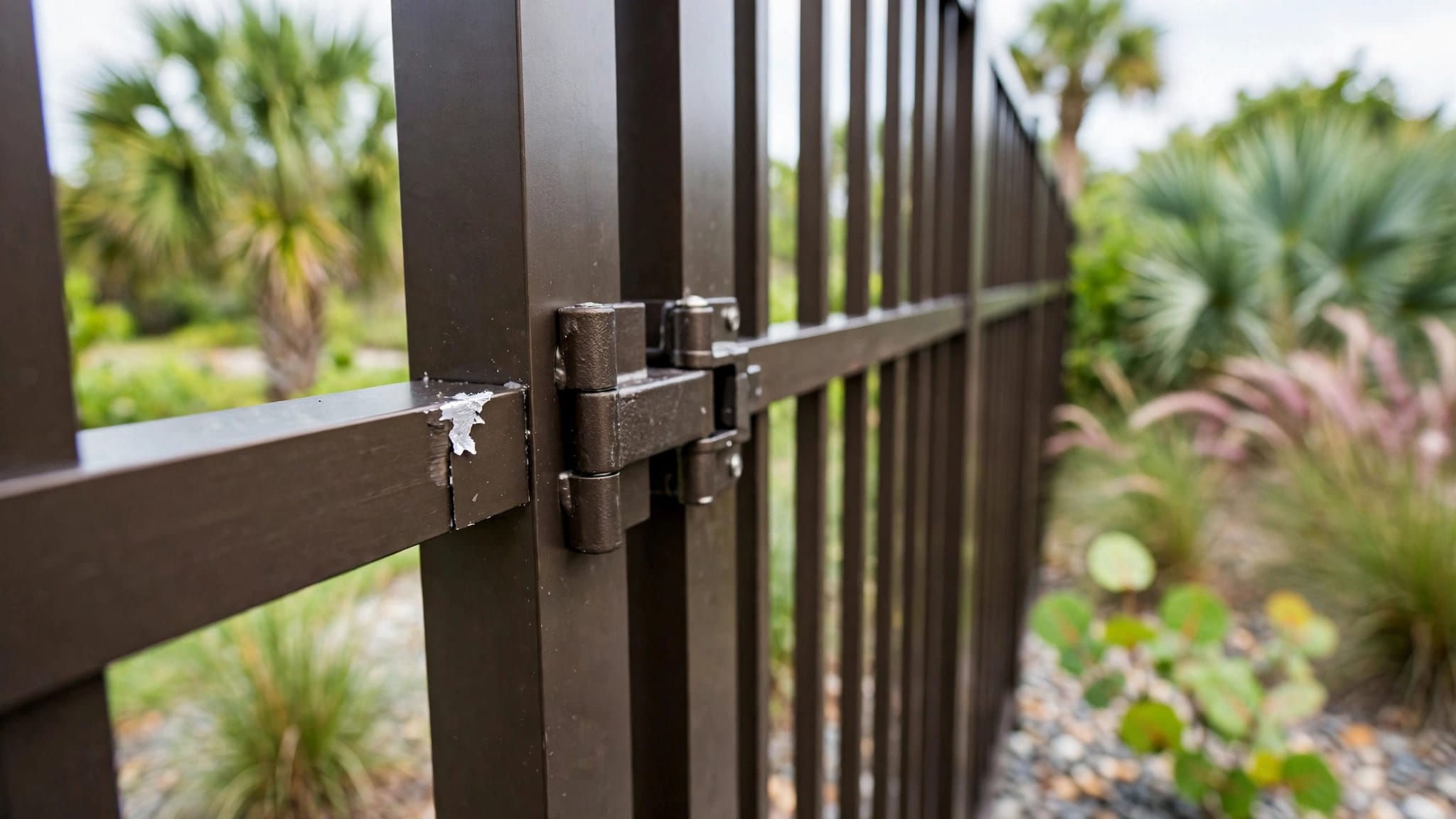
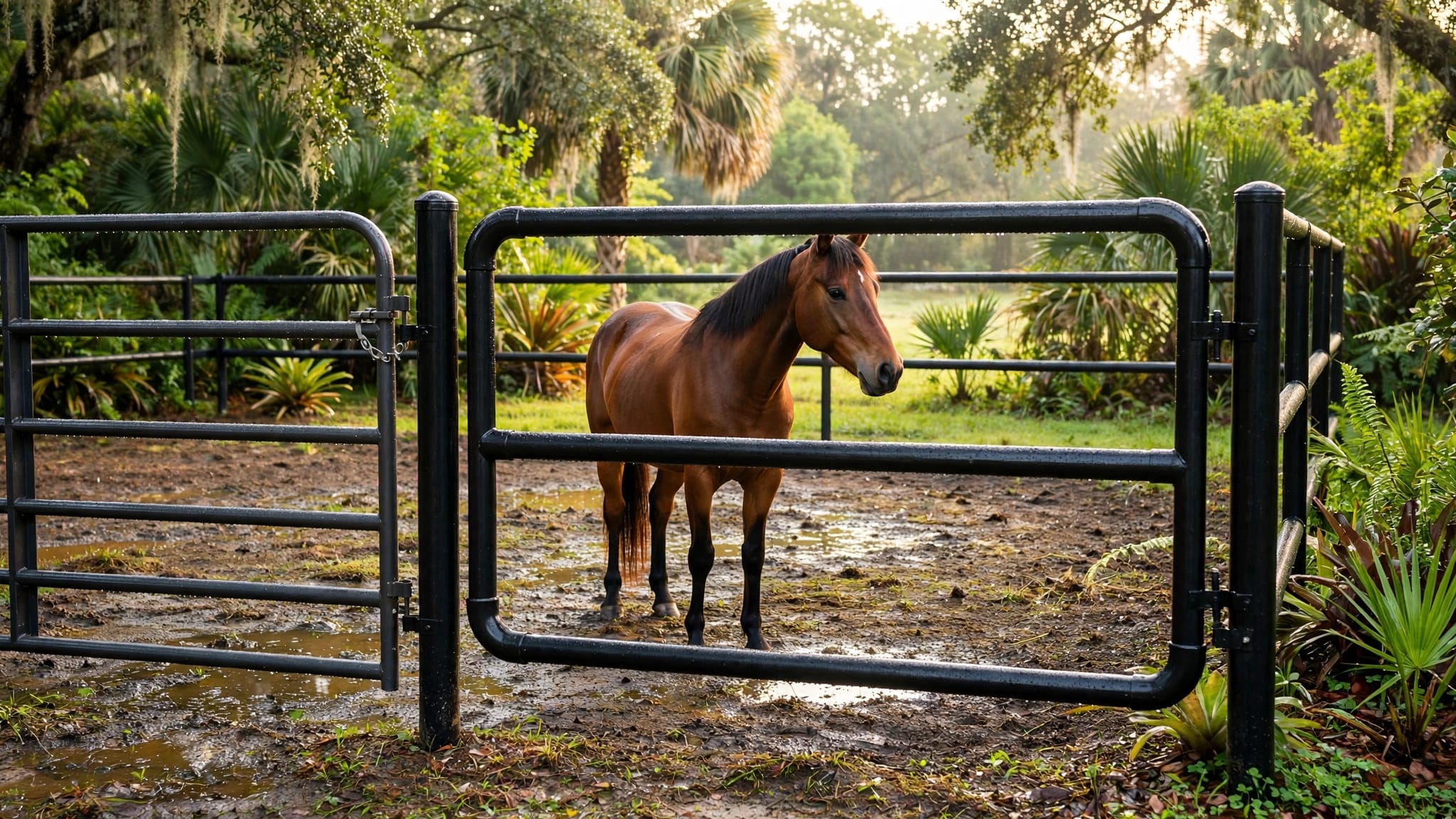
Aluminum fences shine here. Powder-coated finishes resist rust. Open pickets meet sight rules. They look upscale from the street. Wind slips through slats, so posts stay firm.
Vinyl offers privacy. Solid panels block views, but use them away from corners. Low-maintenance boards won't rot or splinter. UV protection keeps white crisp.
Chain link fits budgets. Dark-coated versions blend better than silver. Add privacy slats later if codes allow. It flexes in gusts without breaking.
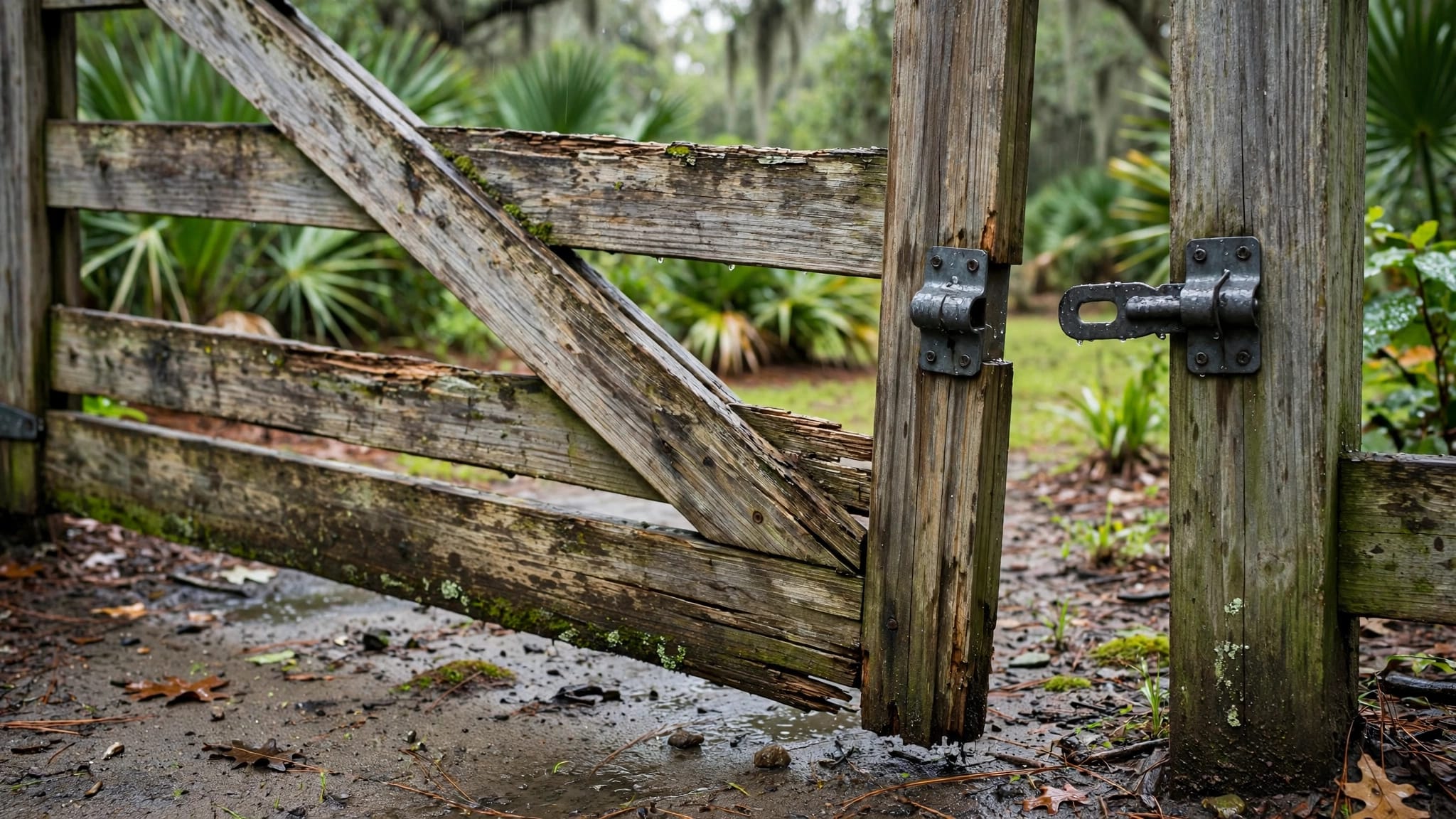
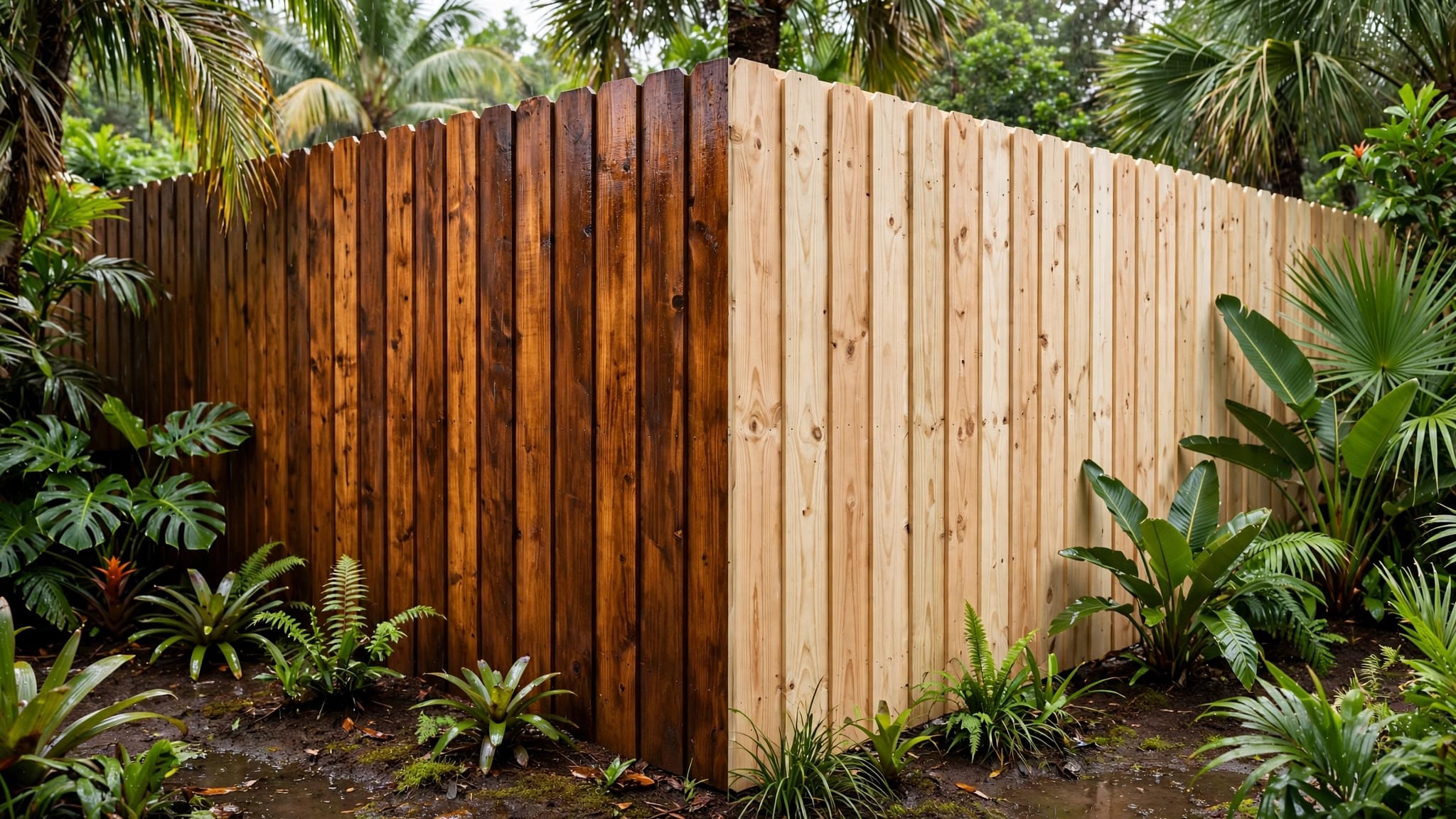
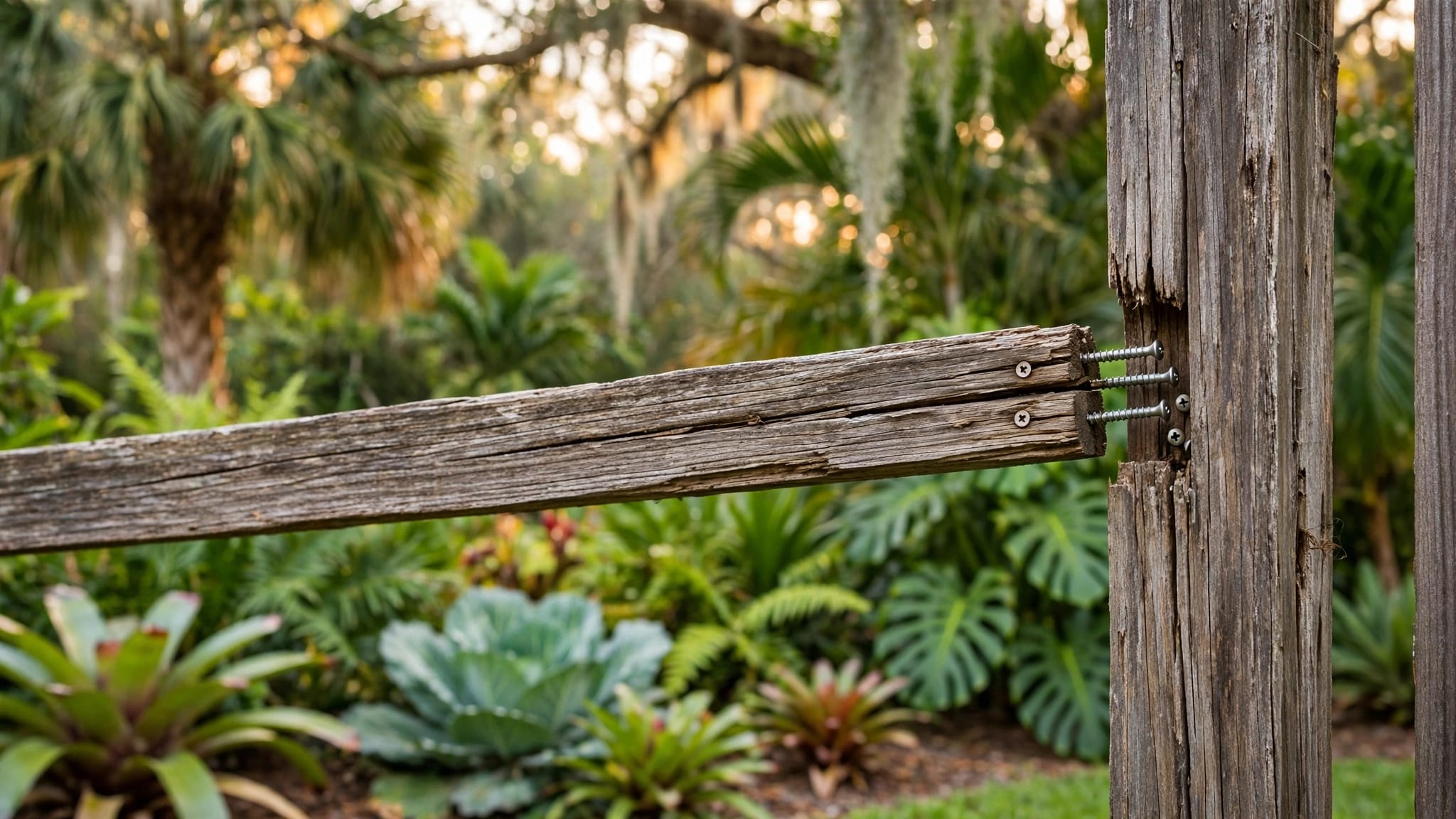
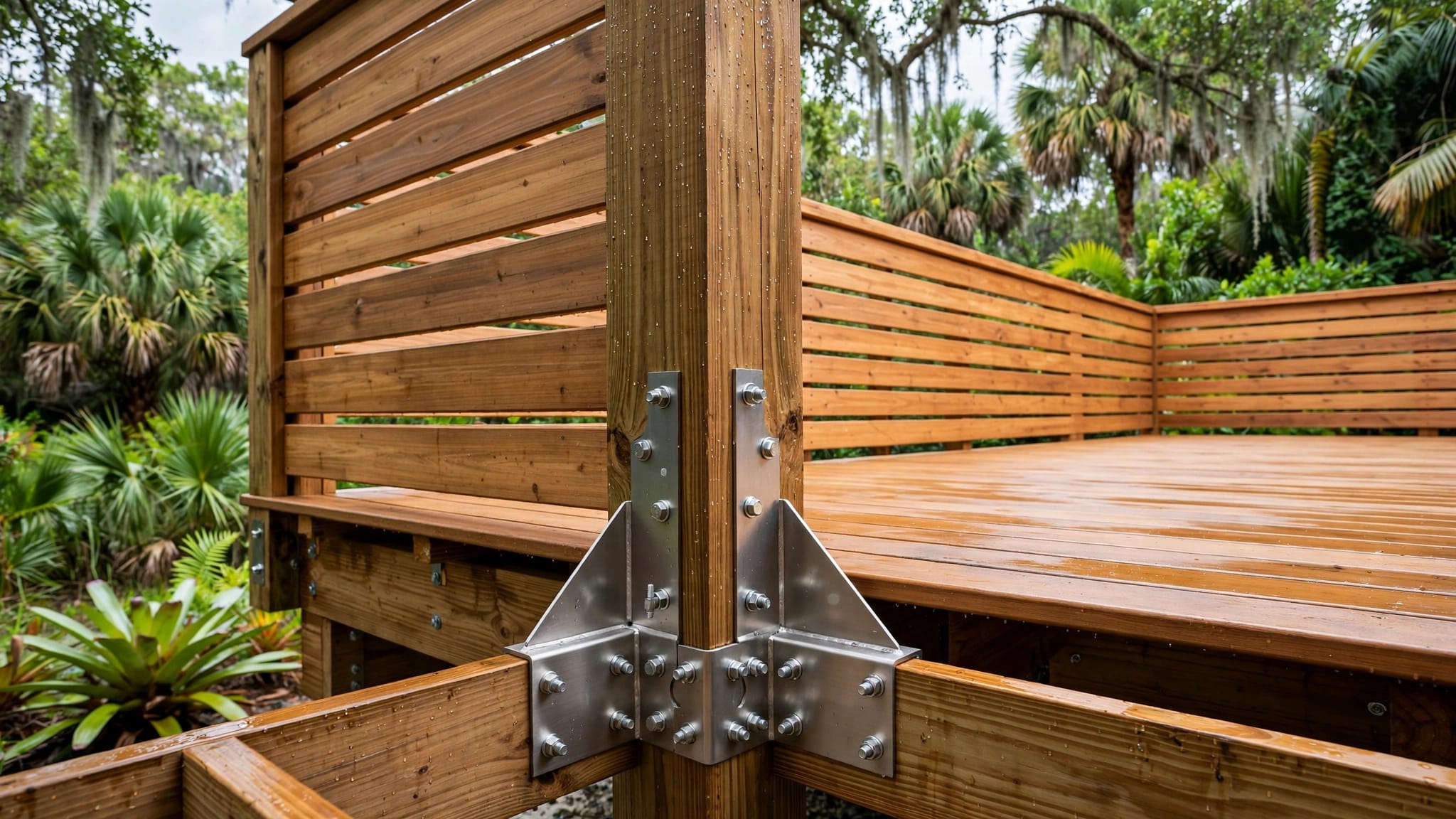
Wood provides charm. Pressure-treated pine handles moisture. Stain it yearly for sun protection. Avoid it near canals; salt accelerates decay.
Compare options this way:
| Material | Wind Resistance | Maintenance | Cost Fit |
|---|---|---|---|
| Aluminum | High (open design) | Low | Mid-high |
| Vinyl | Good (if spaced) | Very low | Mid |
| Chain Link | Excellent | Low | Low |
| Wood | Fair | High | Low-mid |
Aluminum wins for corners. It balances openness and strength.
Styles for Privacy, Safety, and Curb Appeal
Privacy tempts on corners, but safety first. Mix low front sections with taller backs.
Picket fences suit streets. 3-foot heights with wide gaps pass triangles. They frame your home nicely.
Semi-privacy works mid-yard. Alternating boards give glimpses but block peeks. Vinyl versions clean easy after rains.
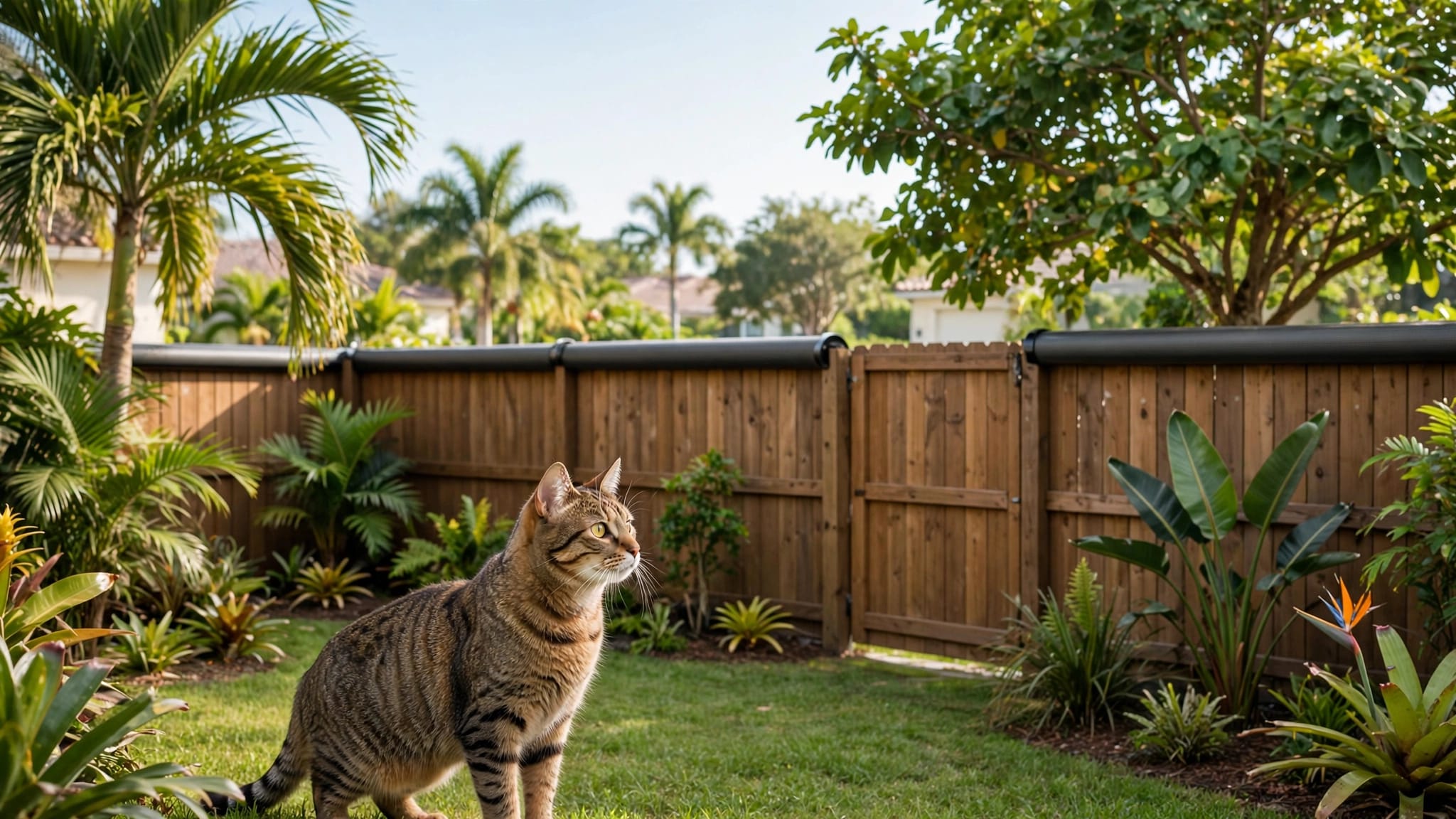
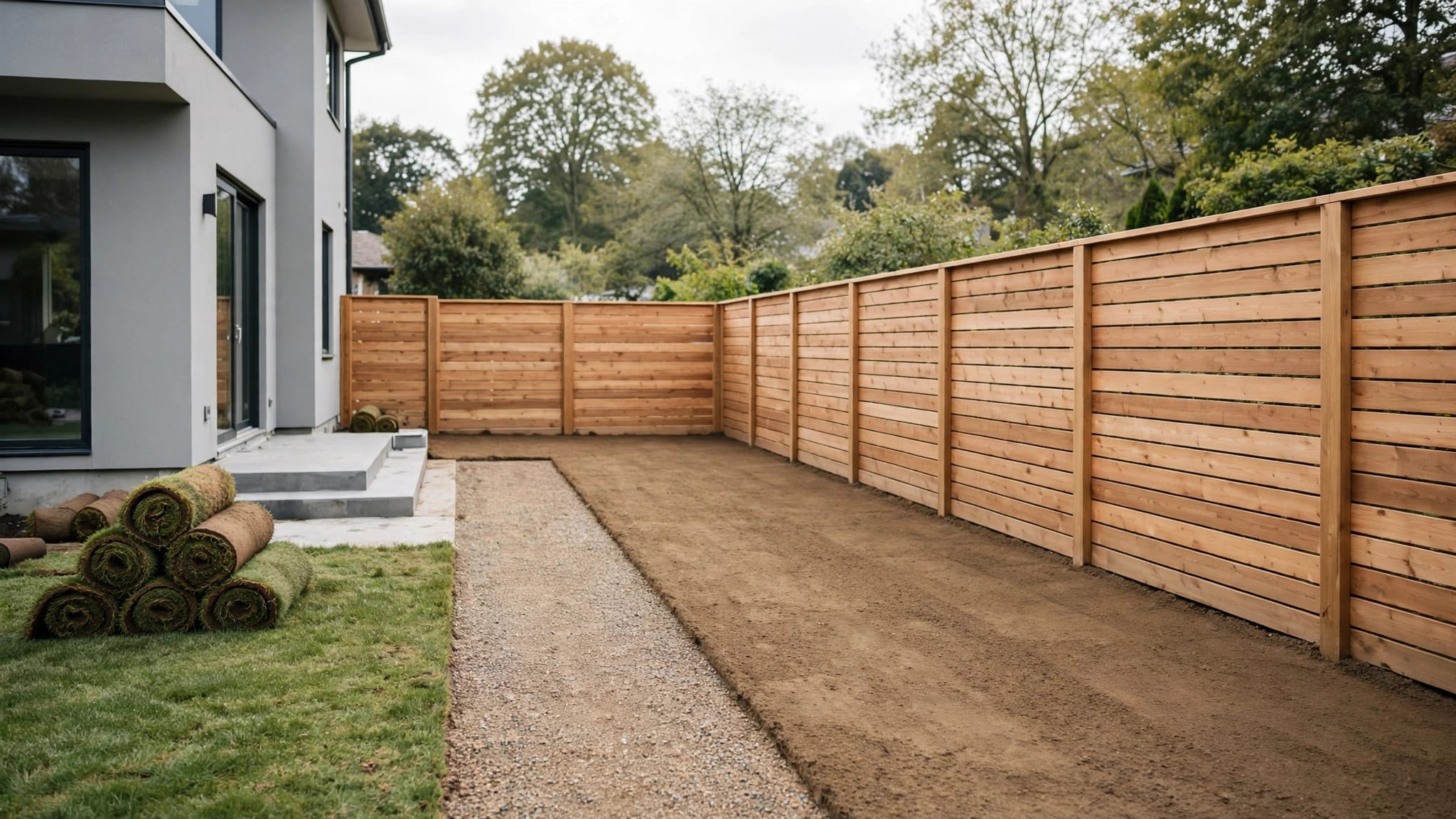
For full privacy, step back from corners. Use 6-foot panels parallel to the house. Add gates with self-closers for pools.
Curb appeal comes from alignment. Level tops draw the eye. Match house trim colors. Dark bronze hides dust.
See our Cape Coral fence styles for curb appeal for layout ideas.
Landscaping helps. Low shrubs stay under 30 inches near triangles. Palms add height without blocking.
Balance openness up front. Privacy grows deeper in. This setup pleases neighbors and inspectors.
Permit Process and HOA Tips for Success
Start with a survey. Mark lines and easements. No guesswork.
Contact Cape Coral's Permit Center. They list needed docs. Expect review time.
HOAs review plans too. Submit colors, heights, and sketches. Get approval in writing.
Hire licensed installers. They know local quirks. Insurance covers mishaps.
Budget for concrete footings. They anchor against wind. Gates need sturdy hinges.
Common pitfall: Forgetting growth. Trim hedges yearly. They encroach on triangles fast.
Verify rules yourself. City sites update often. Your lot might differ.
Our Cape Coral sight triangle rules for corner fences breaks down measurements.
Pick Your Fence and Get Started
Corner lot fences in Cape Coral demand smart choices. Prioritize sight lines, durability, and codes. Aluminum or vinyl often fit best. They handle weather while boosting style.
You gain peace of mind. Safer streets. Better privacy. Stronger curb appeal.
Ready for yours? Check local rules. Then request a free estimate. Your yard deserves a fence that lasts.