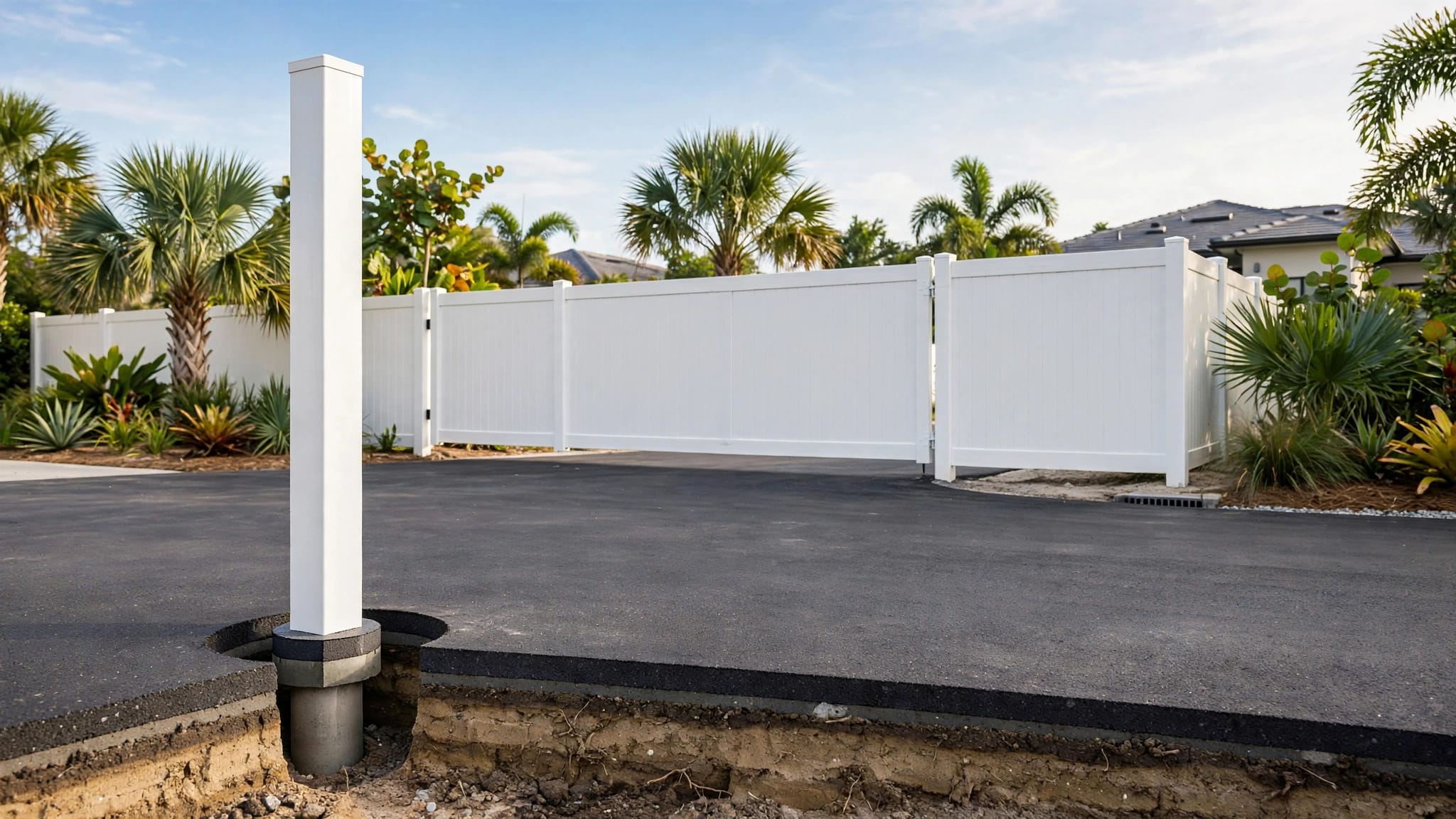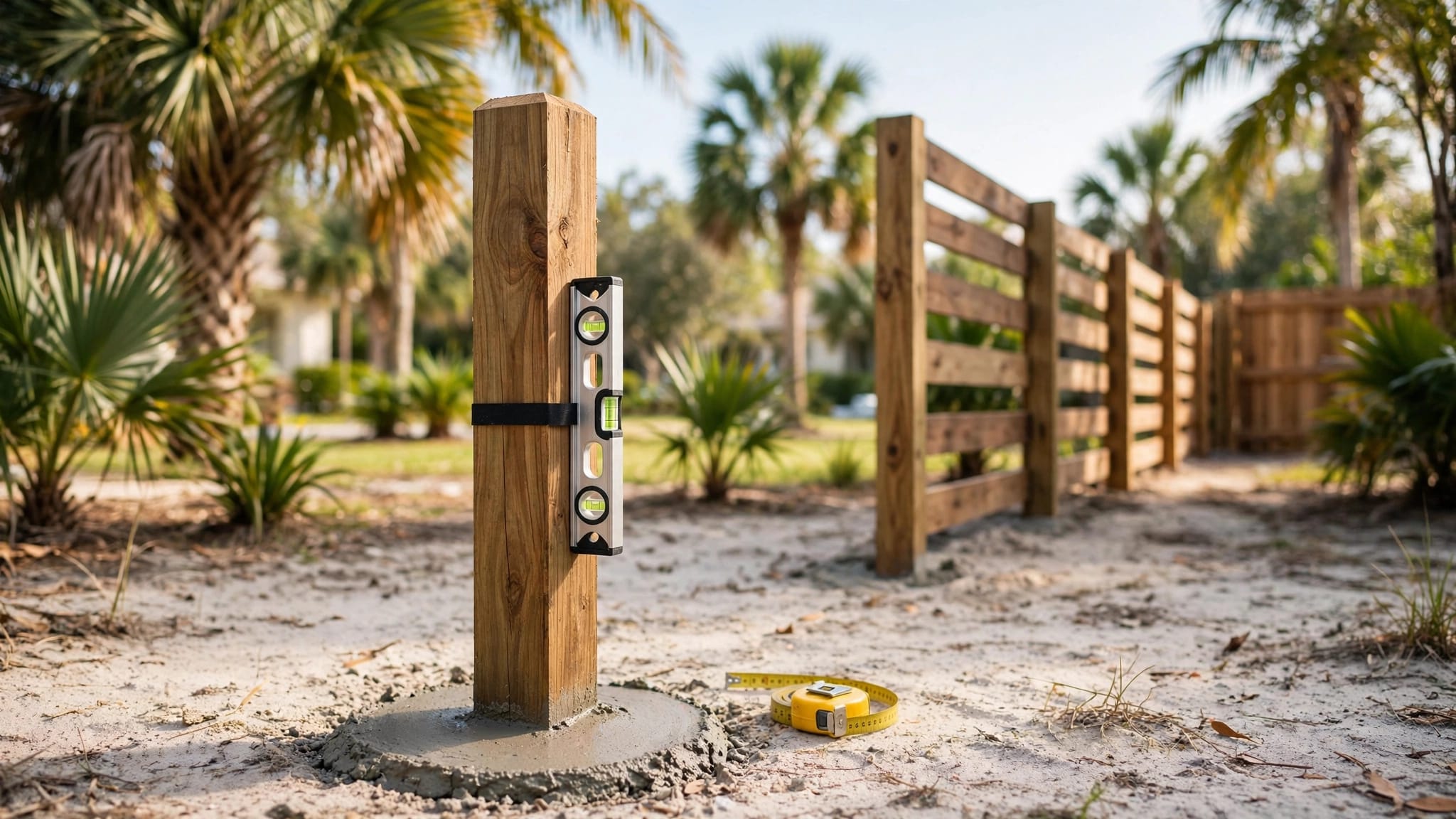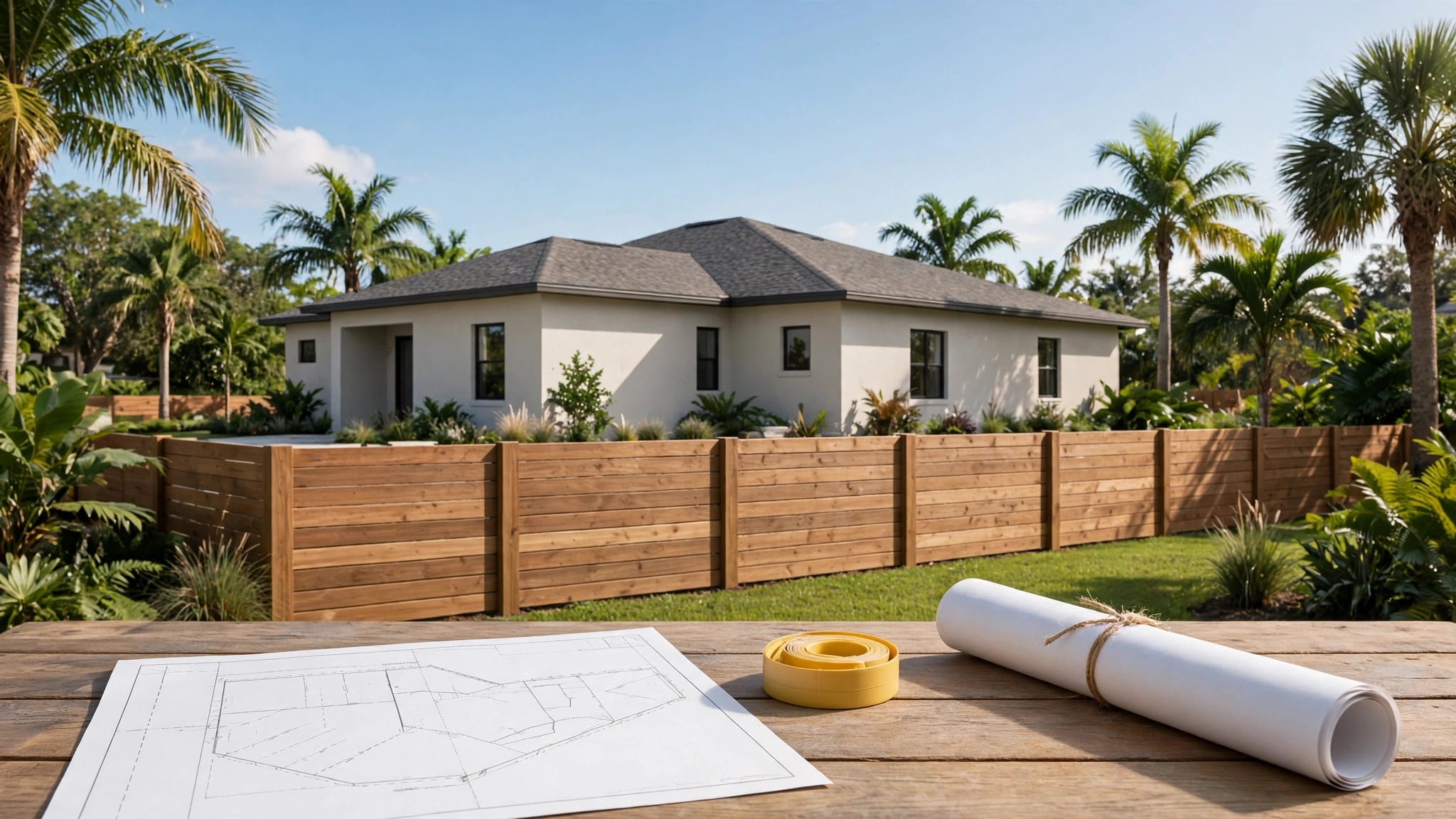
Lehigh Acres Fence Permit Guide for 2026 Homeowners
A fence looks simple until the county asks for a site plan, a permit number, and proof you are not building in an easement. If you are planning a new fence this year, the safe move is to assume a Lehigh Acres fence permit is part of the job.
That does not mean the process has to be painful. It means you need the right order, the right paperwork, and a clear picture of where your fence can actually go.
Lehigh Acres follows Lee County rules, not a city code
Lehigh Acres is generally in unincorporated Lee County , so most homeowners work through Lee County Community Development for fence permits. In 2026, county guidance still points homeowners to a building permit for every new residential fence or wall. Large replacements often trigger review too, while small repairs may be treated differently. Because project scope matters, it is smart to check before replacing long runs of old fence.
County rules are only one part of the picture. Zoning and placement rules decide height, setback, and corner visibility. Then, if your neighborhood has an HOA, the HOA can still limit color, material, style, or gate placement.
A county permit, zoning approval, and HOA approval are three separate things. One does not replace the others.
Lee County is still reviewing these projects under the current Florida Building Code and local land development rules used in 2026. So, before you order panels or rent an auger, confirm the basics for your lot. If you want a county-focused breakdown, this guide on Lee County fence permit rules for unincorporated areas is a helpful companion.
Height and placement rules that change the design fast
Most permit problems do not start with the fence material. They start with location . A six-foot vinyl fence may be fine in one part of the yard and a problem in another.
This quick table shows the limits homeowners run into most often:
| Fence area | Typical height limit | What to watch |
|---|---|---|
| Front, street-facing area | 3 feet | Visibility near roads, corners, and right-of-way |
| Side and rear yard | 6 feet | Easements, property line accuracy, canals or ponds |
| Wall or fence over 6 feet | Varies | May need engineered or sealed plans |
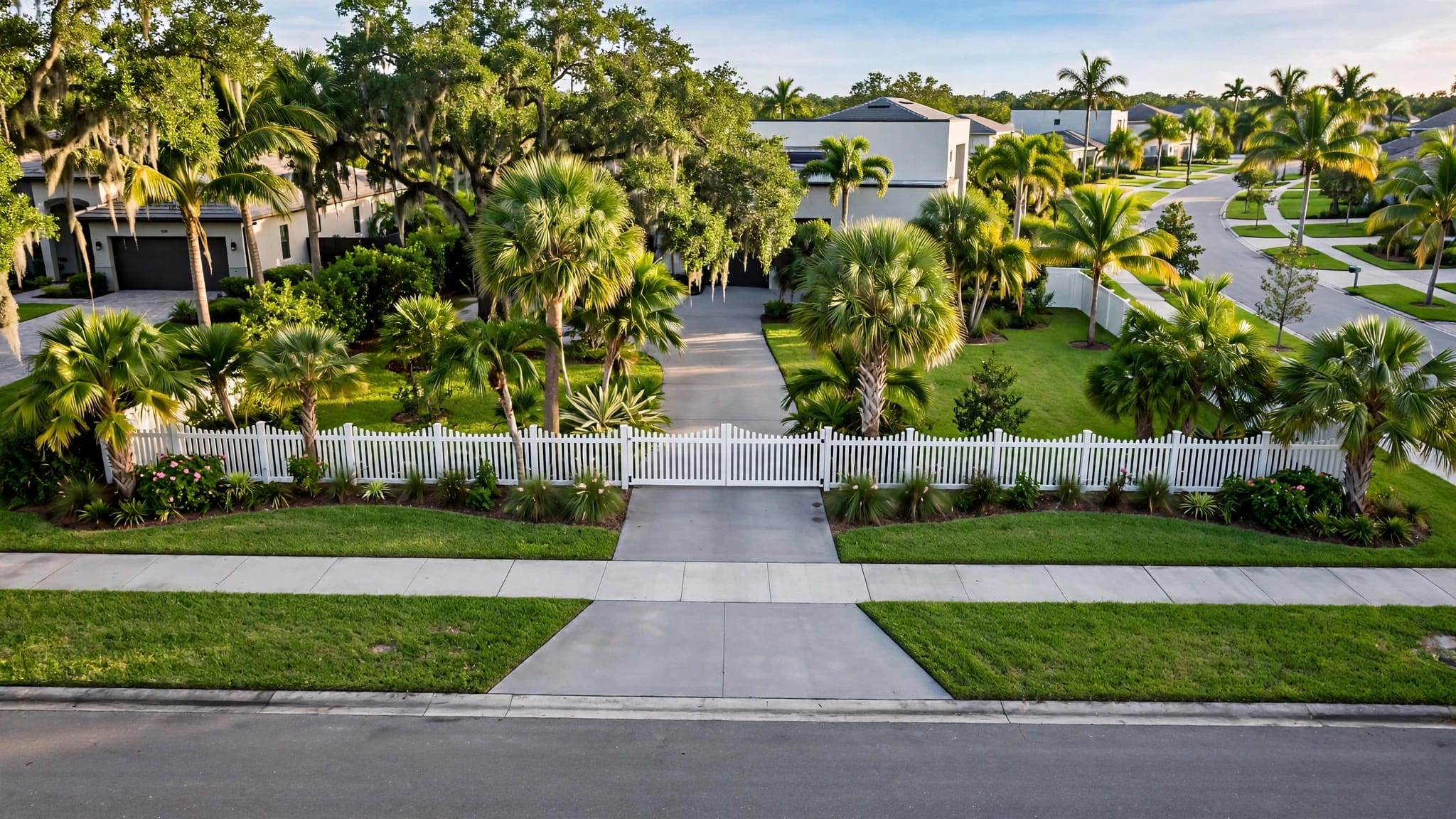
The big surprise for many homeowners is the street strip. You may mow it, but that does not always mean you can build there. A fence must stay on your property and out of public right-of-way , recorded easements, and street easements. Corner lots also need a clear view for drivers, so the county may flag a tall fence near an intersection or driveway.
Waterfront lots need extra care too. If your lot backs up to a canal, pond, or lake, show that on the site plan. The county often wants distances clearly marked because waterfront setbacks and safety concerns can affect approval.
Another common detail is the "finished side" rule. In many cases, the cleaner side of the fence should face the street or your neighbor, with posts and rails on the inside.
If your home sits in a flood zone, expect the county to want that shown as well. In other words, a fence plan is less like drawing a line in the yard and more like showing the county a clean map of how the fence fits your lot.
How to apply for a Lehigh Acres fence permit in 2026
The permit process is easier when you treat it like a small construction job, not a weekend side project. Lee County lets homeowners apply online through eConnect, and in-person help is available at 1500 Monroe St. in Fort Myers. The main permitting phone number listed in county materials is 239-533-8329.
Here is the basic flow most homeowners follow:
- Confirm your lot details
Start with your address, STRAP number, and a readable survey or plot plan. If the old survey is faded or the corners are unclear, fix that first. - Prepare the site plan
Show property lines, streets, the house, driveway, easements, any nearby water, and the full fence layout. Add setbacks and flood information if it applies. - Add construction details when needed
Standard residential fences are usually simple. However, masonry walls or fence walls over 6 feet often need footing, rebar, and block details, and the county may ask for a Florida engineer or architect seal. - Submit the application and wait for review
The county checks zoning, code items, and placement. If anything is missing, you may get comments back for correction. - Pay fees after approval and schedule inspections
County guidance says fees are paid after approval through the permit system. Exact 2026 fence permit fees are not posted in one simple homeowner chart, so confirm the current amount with the county before buying materials. Inspections may include posts before backfill and a final inspection.
Do not start digging because the fence seems simple. A wrong fence line can cost more to move than the permit would have cost in the first place.
Also, call 811 before any digging. Utility lines do not care whether your fence is permitted.
Pool barriers, HOA rules, and other delay points
If the fence will act as a pool barrier , the rules get tighter. Gate hardware, latch height, self-closing action, and opening sizes matter. That review is different from a standard backyard fence because safety code comes into play. For a plain-English look at details inspectors often flag, see this guide to pool barrier height and gate latch basics.
HOAs are the other big delay. Many Lehigh Acres communities have rules about material, color, and where a fence can start on the lot. Get HOA approval in writing before the county review if your neighborhood requires it.
The most common slowdowns are old surveys, unclear easements, corner lot visibility issues, and fence lines drawn too close to water or the street. If your parcel is unusual, such as a corner lot, oversized lot, mixed-use parcel, or canal lot, ask zoning staff to confirm the exact rule for your address before you submit.
Final homeowner checklist
Before you build, run through this short list:
- Confirm the home is in unincorporated Lee County and not under a separate city process
- Check HOA rules before buying materials
- Use a current survey or clear plot plan
- Keep the fence out of right-of-way and easements
- Match the height to the fence location, especially near the street
- Call 811 before digging
- Wait for permit approval before installation
- Schedule all required inspections
A good fence should add privacy, security, and curb appeal, not paperwork headaches. In Lehigh Acres, the best first step is simple: verify the lot rules before the first post goes in.
If you are unsure about your layout, permit path, or fence style, get clarity early. A few careful checks now can save you from rework later.