Cape Coral Sight Triangle Rules for Fences Near Intersections 2026 Homeowner Guide
A fence can look perfect in your backyard and still be a problem at the corner of your lot. Near intersections and some driveways, the City expects a clear view for drivers, cyclists, and pedestrians. That's where Cape Coral sight triangle rules come in.
If you're planning a new fence in 2026, this is one of the fastest ways to trigger a plan review comment. The good news is that the concept is simple once you picture it: the corner needs a "clear window" so people can see cross traffic in time to stop.
This guide explains what the sight triangle is, how it affects fence height and placement, and how to measure it without guessing. It's general information, not legal advice, and you should confirm your exact requirements with the City because zoning, road type, and lot layout can change the details.
What a "sight triangle" means in Cape Coral (and where it applies)
A sight triangle (also called a visibility triangle) is a defined area near an intersection or driveway where obstructions are restricted. Think of it like keeping the corner of the property see-through, even if the rest of your yard is private.
In Cape Coral, the usual standard is a vertical "clear zone" inside the triangle. As a practical rule, objects can't block visibility between 30 inches and 8 feet in height within that area. That window matters because it lines up with what drivers need to see from a car, including smaller vehicles and pedestrians.
This rule is not aimed only at fences. It also affects:
- Shrubs and hedges that grow taller over time
- Privacy walls and columns
- Signs, decorative features, and berms
- Fence add-ons like lattice toppers (even if the fence itself is lower)
Most homeowners first run into Cape Coral sight triangle restrictions in three spots:
- Street intersections , especially corner lots and side-street returns.
- Driveways , where a driver needs to see traffic before pulling out.
- Multi-street frontage lots , where two sides can act like "front" conditions.
Road classification can matter too. A corner on a collector or higher-speed roadway may be reviewed more strictly than a quiet neighborhood street. Because of that, always verify the current triangle dimensions and review approach with the City's Land Development Code and Engineering Design Standards for your address.
A simple way to avoid rework is to treat every corner like a safety window, then design privacy around it, not through it.
How the Cape Coral sight triangle affects fence height, style, and landscaping
The biggest misconception is that "open" fences always pass. A picket or aluminum fence may feel see-through, but if the pickets, posts, or panels still block the view within that 30-inch to 8-foot window, it can still be flagged.
Here's the practical takeaway for most residential installs: inside the sight triangle, plan for very low features . Many projects treat 30 inches as the max for anything solid, including fence sections, planter walls, and dense shrubs. Outside the triangle, normal residential fence height rules typically apply (often up to 6 feet in many neighborhoods), but the corner carve-out stays.
Before you choose a design, it helps to separate "privacy goals" from "corner safety." You can still get privacy. You just might need to pull the tall fence back a bit, then transition with a low section near the corner.
This table shows how common items tend to be treated when they sit inside the sight triangle (final approval still depends on the City's interpretation and your site plan):
| Item near the corner | Usually OK inside the triangle? | Why it matters |
|---|---|---|
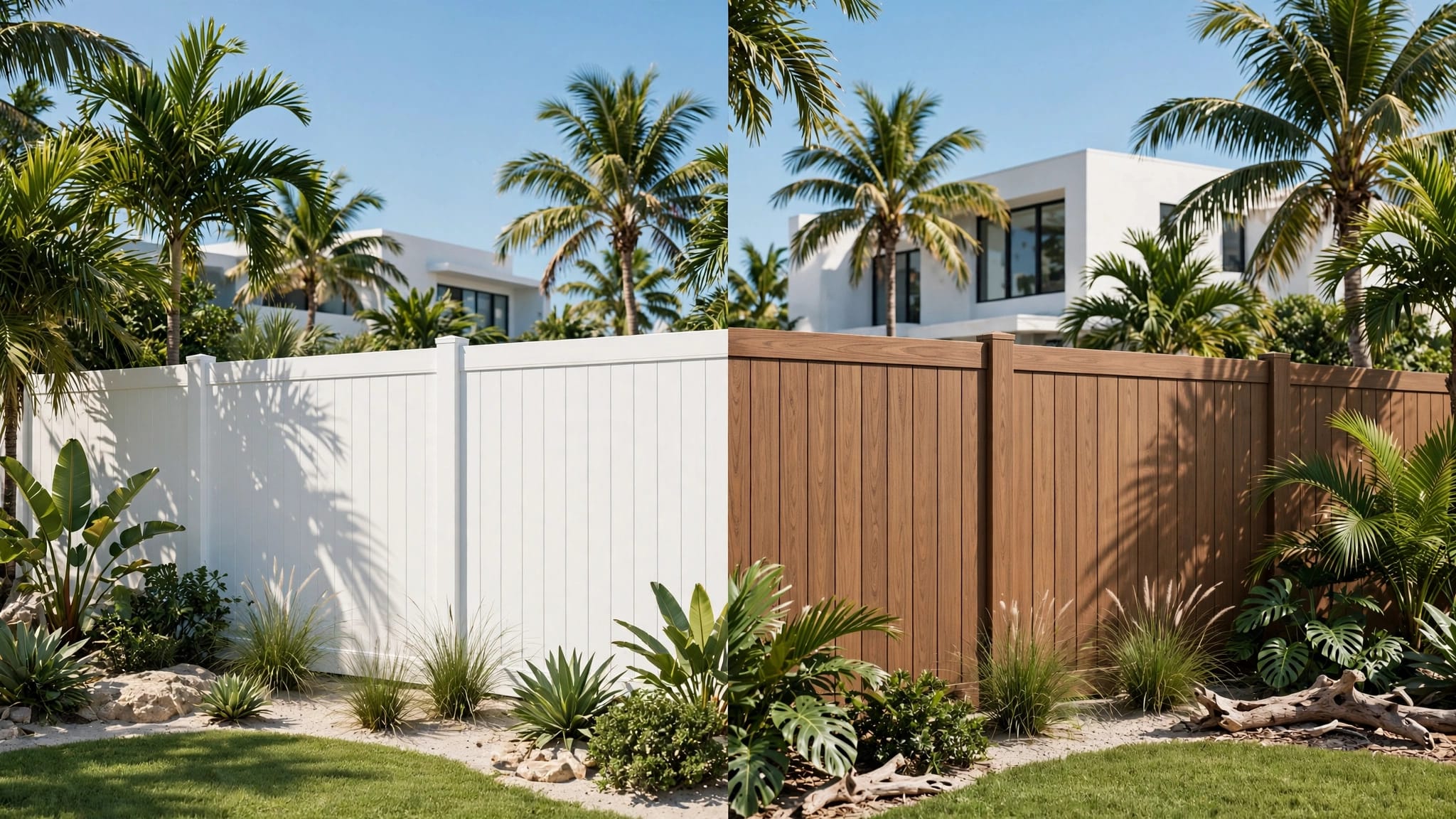
| 6-foot vinyl privacy panel | No | Blocks the clear view window |
| 6-foot wood shadowbox | No | Still blocks sight, even with gaps |
| 24 to 30-inch low fence/rail | Often | Stays below the typical visibility window |
| Aluminum/picket fence at 4 to 6 feet | Often not | Posts and pickets still create obstructions |
| Tall hedge | No | Grows into the visibility window fast |
| Low groundcover | Often | Doesn't block driver sight lines |
Also remember maintenance. Even if your plan passes, landscaping can "fail later" when it grows. Keeping bushes trimmed is part of keeping the corner compliant.
Measuring a sight triangle on your lot without guessing distances
The hard part is not drawing the triangle. The hard part is knowing the correct measurements for your location. Cape Coral publishes triangle standards in its Engineering Design Standards (roadway intersection and driveway visibility details). The Land Development Code also references keeping visibility areas clear. As of early 2026, the City code is codified through Ordinance 64-25 (December 3, 2025), but details can still change with updates, interpretations, and road projects.
So don't copy a neighbor's layout. Use your survey and confirm the triangle dimensions with the City for your street and driveway conditions.
Once you have the correct dimensions, the field method is straightforward:
- Identify the corner reference point (often where right-of-way lines meet, not always your property corner).
- Measure along each right-of-way line from that point using the City's required distance.
- Mark both points , then connect them with a straight line. That line is the "hypotenuse," and the area inside is the triangle you must keep clear in the 30-inch to 8-foot height band.
- Overlay your fence line and check whether any part enters the triangle.
Simple measurement example (numbers for illustration only)
Say the City tells you the sight triangle legs are 20 feet along each street edge from the corner point.
- Measure 20 feet down Street A's right-of-way line and mark it.
- Measure 20 feet down Street B's right-of-way line and mark it.
- Connect those marks. The triangle formed at the corner is your restricted visibility area.
Now apply the height rule. If you planned a 6-foot privacy fence, it can't cross into that triangle. A low 24 to 30-inch section might work, depending on plan review.
If your lot is a corner lot, also watch for the "double frontage" effect. Many corner lots effectively have two street-facing sides, which can tighten where taller fencing can start. For a deeper explanation of how corners and front yard limits often interact in Cape Coral, see Cape Coral fence sight triangle rules.
When a fence plan gets rejected, it's often not the fence itself. It's one panel that sits six inches too far into the clear corner area.
A homeowner checklist before installing a fence near an intersection
Use this quick checklist before you buy materials or schedule an install. It helps prevent expensive changes after posts are set.
- Confirm the current triangle dimensions with the City : Ask what standard applies to your road type and driveway. Don't assume one size fits all.
- Use a readable survey : A faded survey leads to bad measurements. If pins are missing, consider having them located.
- Mark right-of-way and easements : The corner reference point may relate to right-of-way lines, not your landscaping edge.
- Plan a "transition" at the corner : Keep tall privacy sections outside the triangle, then use a low section near the corner if allowed.
- Account for gate swing and hardware : A gate that swings into the triangle can create the same visibility problem as a fence panel.
- Think about future growth : Shrubs that look small today can block the view next year.
- Expect permit review : Requirements can vary by zoning and location. If an HOA applies, you may need both approvals.
If you want the corner to feel less exposed, one common strategy is a taller fence set back from the corner, plus low, well-trimmed landscaping that stays under the visibility window.
Conclusion: keep the corner clear, and the rest gets easier
Cape Coral sight triangle rules are about safety, not style. When you respect the clear corner window (especially the 30-inch to 8-foot visibility band), your fence plan is far more likely to pass review the first time. Confirm the latest requirements with the City for your address, measure from the correct reference lines, then build privacy where it's actually allowed.
A fence should add comfort, not create a blind corner.