Bokeelia Fence Permit Guide for 2026 Homeowners
A fence project can feel simple until the permit questions start. In Bokeelia, that delay usually comes from one thing, the rules around where the fence goes, how tall it is, and what it touches.
If you're planning a new fence or replacing an old one, don't guess. A Bokeelia fence permit is often part of the process in unincorporated Lee County, and the county may also look at setbacks, easements, and HOA rules before work begins.
The good news is that the process gets much easier when you know what to check first. Start there, and the rest of the job becomes a lot less stressful.
Why Bokeelia fences often need a permit
For many homeowners, the surprise is that a permit can apply even when the project seems small. In Bokeelia, Lee County commonly reviews residential fences before installation, replacement, or rebuild work moves ahead.
That review is about more than the fence itself. The county may want a site plan, a survey, fence height details, and the material type. It may also check whether the fence sits near a street, sidewalk, canal, drainage path, or recorded easement.
A permit also gives you a paper trail. If a question comes up later, you have proof that the fence was reviewed before construction started.
When a fence sits in the wrong place, the fix is usually harder than the permit.
Before you buy materials or call for post holes, confirm the current Lee County requirements. Permit rules, zoning rules, setback rules, and height limits can change, so the office that handles your address should have the final word.
New fence, replacement, or repair, what changes the permit picture
Not every project gets treated the same way. A simple repair may need less review than a full replacement, but that depends on the scope and location.
Use this quick guide as a starting point, then confirm the details with Lee County before you build.
| Project type | Likely permit question | What to check first |
|---|---|---|
| New fence on open property line | Usually needs county review | Property lines, setbacks, height |
| Full replacement in the same spot | Often needs a permit too | Whether the new fence matches the approved location |
| Replacement with a taller design | Higher chance of extra review | Height limits and sealed plans |
| Minor repair, like a few boards or panels | May or may not need a permit | How much of the fence changes |
| New gate or widened opening | Can trigger permit review | Access, swing direction, and setback space |
The pattern is simple. The more the project changes the fence location, height, or structure, the more likely the county will want a permit. If you're unsure, ask before work starts, not after the first post is set.
Height, style, and placement rules that matter most
Height is one of the first things that gets attention. Front yard fences are often limited to about 3 feet, while taller fences usually belong in the side or rear yard. That said, the exact rule for your parcel may vary, so it pays to verify before you order panels.
The 6-foot mark matters too. If your fence goes above that height, ask whether Lee County wants signed and sealed plans from a Florida architect or engineer. That step doesn't apply to every project, but it's easy to overlook.
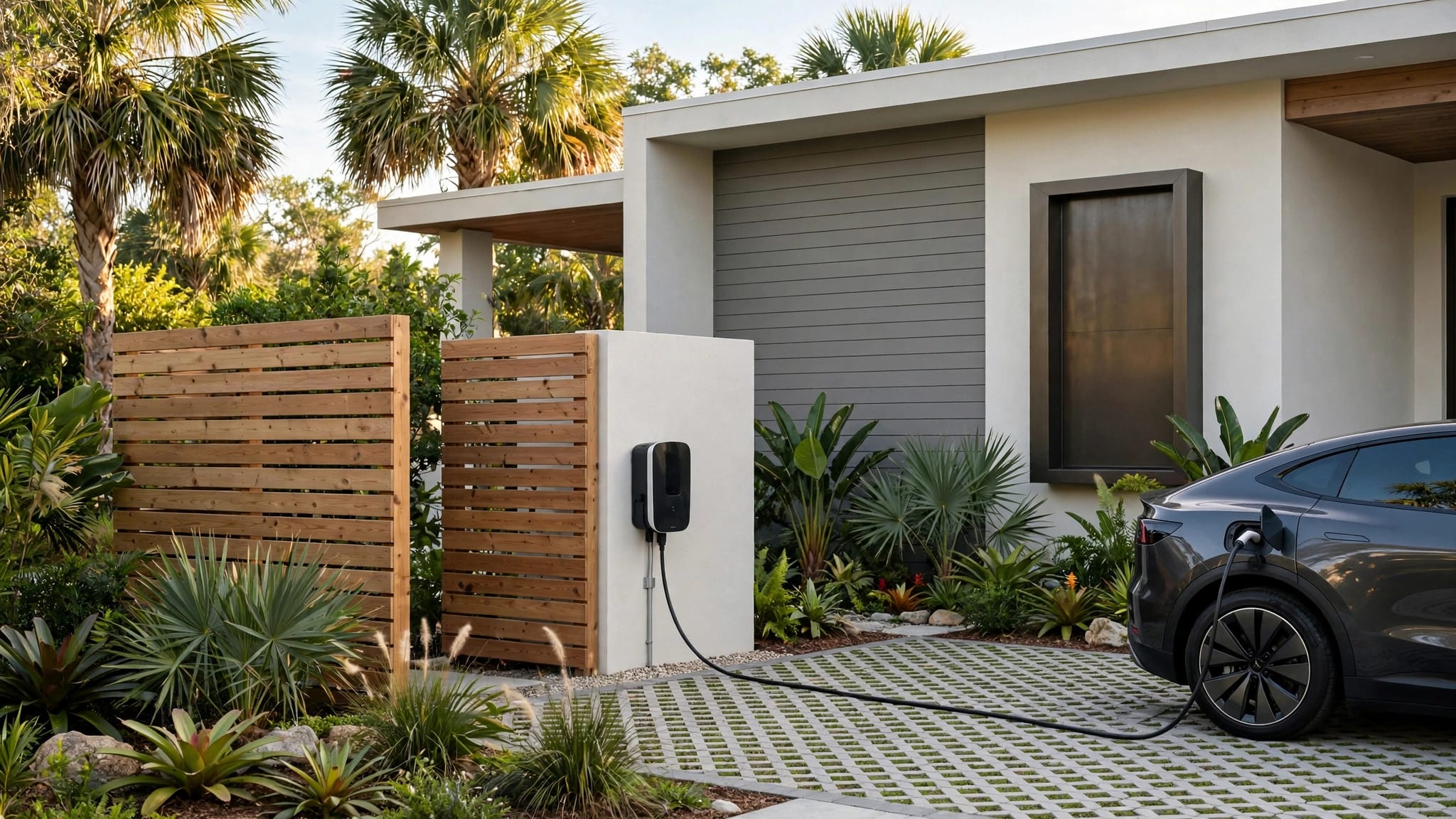
Style and material matter as well. Commonly reviewed materials include wood, vinyl, composite, decorative aluminum, iron, steel, chain link, brick, and block. Some residential areas also have limits on barbed wire, sharp tips, or electric fencing.
Here are the details homeowners should confirm before installing:
- Front-yard height limits for your lot
- Side and rear yard height rules
- Whether the fence can sit on the property line or must move inward
- Material limits in your neighborhood
- Gate height, latch placement, and swing clearance
A fence that looks fine in a catalog can still fail local rules. The shape is one part of the job, but the placement is what usually causes trouble.
Corner lots, waterfront lots, and easements need extra care
Some Bokeelia lots call for more caution than a standard rectangular yard. Corner lots are one example. Sight lines matter there, because a tall fence can block views near an intersection, driveway, or sidewalk.
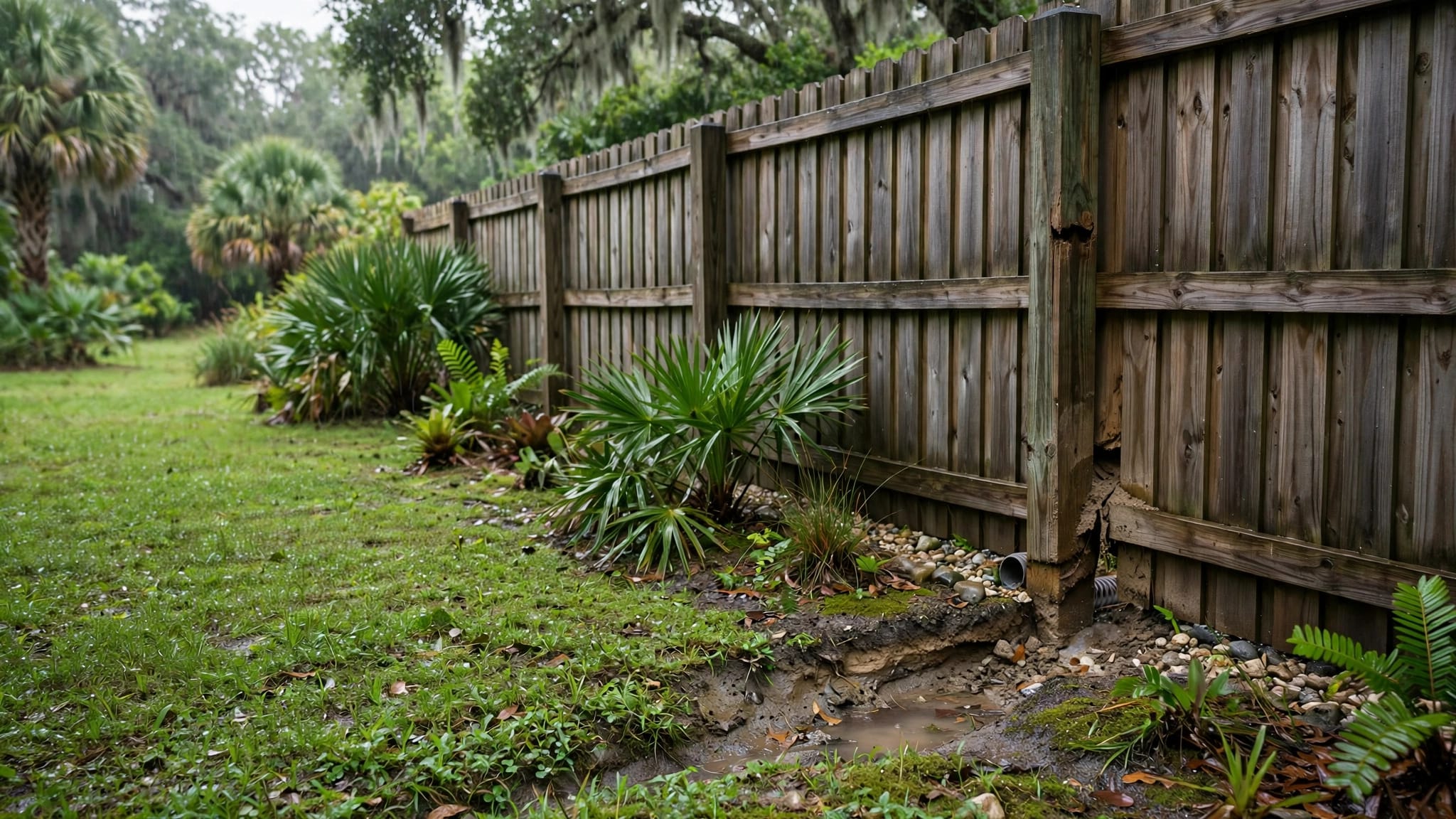
Waterfront properties can raise different questions. If your fence is near a canal, drainage path, or shoreline area, the county may look more closely at access and runoff. A fence should not block water flow or make maintenance harder for utility crews or property access.
Easements are another common snag. A recorded easement can limit where you place posts, even when the fence would otherwise fit neatly on the lot. Utility lines, drainage strips, and shared access areas can all affect the final layout.
A current survey or accurate site plan helps a lot here. It shows property lines, streets, water bodies, and easements in one place. That makes it easier to spot a problem before you spend money on materials.
HOA approval and county approval should follow the right order
If your neighborhood has an HOA, start there. Many communities want to review fence style, color, height, and placement before the county permit moves ahead.
A clean order of operations saves time:
- Read the HOA rules for fences.
- Confirm your property lines and easements.
- Check Lee County permit requirements for your address.
- Finalize the fence design.
- Submit the county permit.
- Wait for approval before digging.
That order matters because HOA rules and county rules can both apply. When they differ, the stricter rule usually controls your project. It's better to settle those details early than to redo a design after approval is already in motion.
Contractor or DIY, who should handle the permit?
Some homeowners want the contractor to pull the permit. Others prefer to handle it themselves. Either route can work, but the responsibilities should be clear before you start.
If you're hiring a pro, ask who files the permit, who responds to county questions, and who schedules inspections. That is also a good time to compare bid details. The questions to ask before hiring a fencing contractor can help you sort out who is handling what before you sign.
A contractor-led permit process often works best for busy homeowners, because the installer already knows the local paperwork. Still, you should confirm that the contractor is using the right site plan and the correct fence specs for your lot.
If you choose the DIY route, keep the paperwork organized. You may need to gather the survey, sketch the layout, list the materials, and follow up on inspections. You also need to wait for approval before any digging starts.
A few questions are worth asking no matter who files the permit:
- Who is responsible for the permit submission?
- Who handles county corrections if the application is incomplete?
- What inspection, if any, comes after installation?
- Will the final fence match the approved drawing?
Clear answers here prevent delays later. They also help you avoid a mismatch between what was approved and what got built.
A practical Bokeelia fence permit checklist for 2026
Use this as a simple pre-build checklist before you spend money on posts, panels, or gates.
- Confirm your parcel boundaries with a recent survey or plat.
- Check for easements, drainage areas, and right-of-way issues.
- Review HOA rules if your neighborhood has an association.
- Ask Lee County about the current Bokeelia fence permit requirements for your address.
- Verify fence height limits for front, side, and rear yards.
- Confirm whether your materials and design are allowed.
- Submit the permit before any digging or demolition begins.
- Keep the approval, plans, and inspection records with your home files.
That checklist sounds basic, but it catches most of the mistakes that slow homeowners down. When the permit, survey, and fence design all line up, the project usually moves much smoother.
Conclusion
A fence project in Bokeelia starts with paperwork, not posts. Once you know the lot lines, height limits, and HOA rules, the rest of the job becomes much easier to manage.
The safest move is to confirm every permit, zoning, setback, and height requirement with the Lee County office before building. That extra step can spare you from a costly change later.
A good fence should fit the property as well as the yard. When the approval is clean, the finished result looks better and lasts longer.