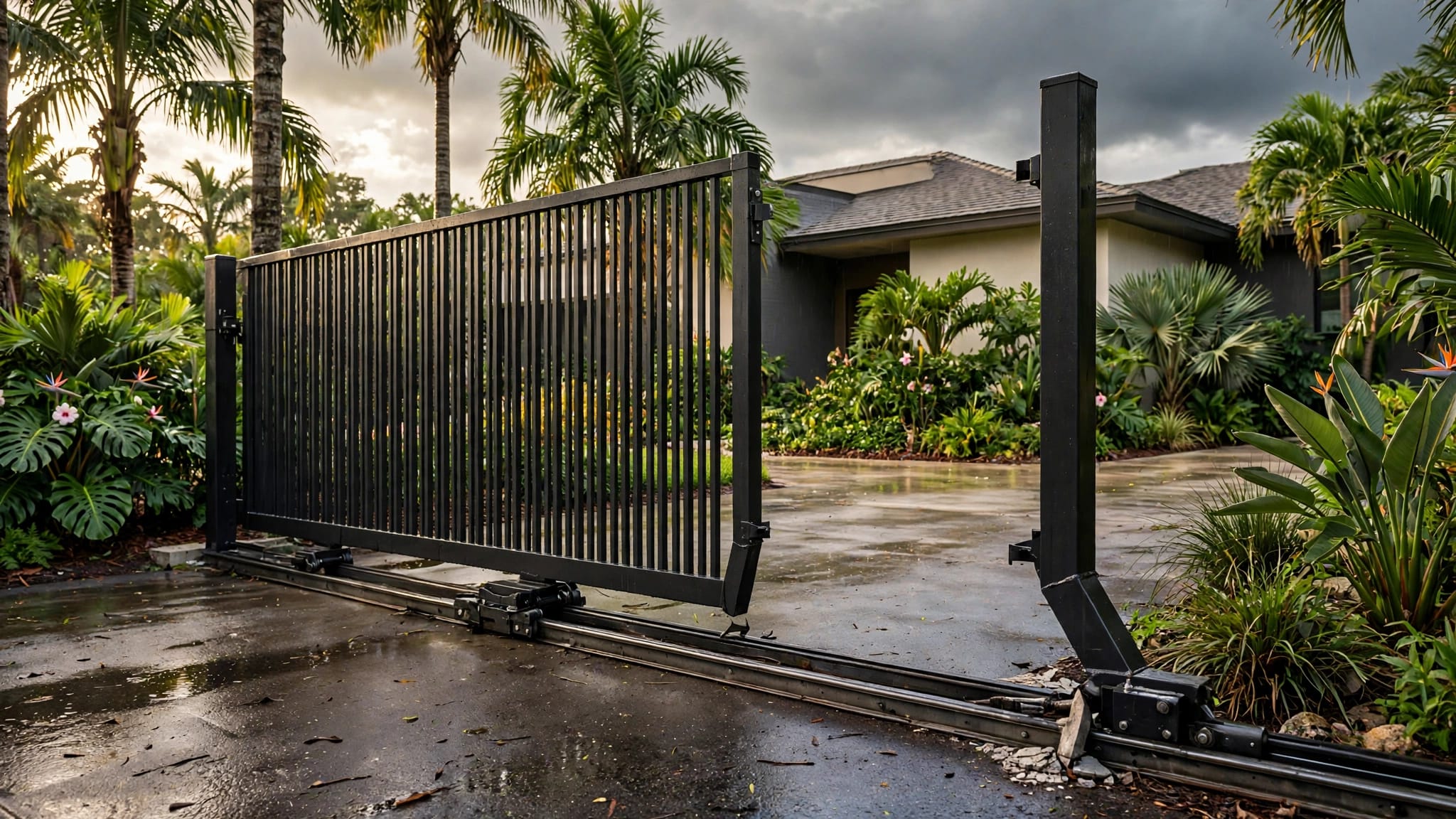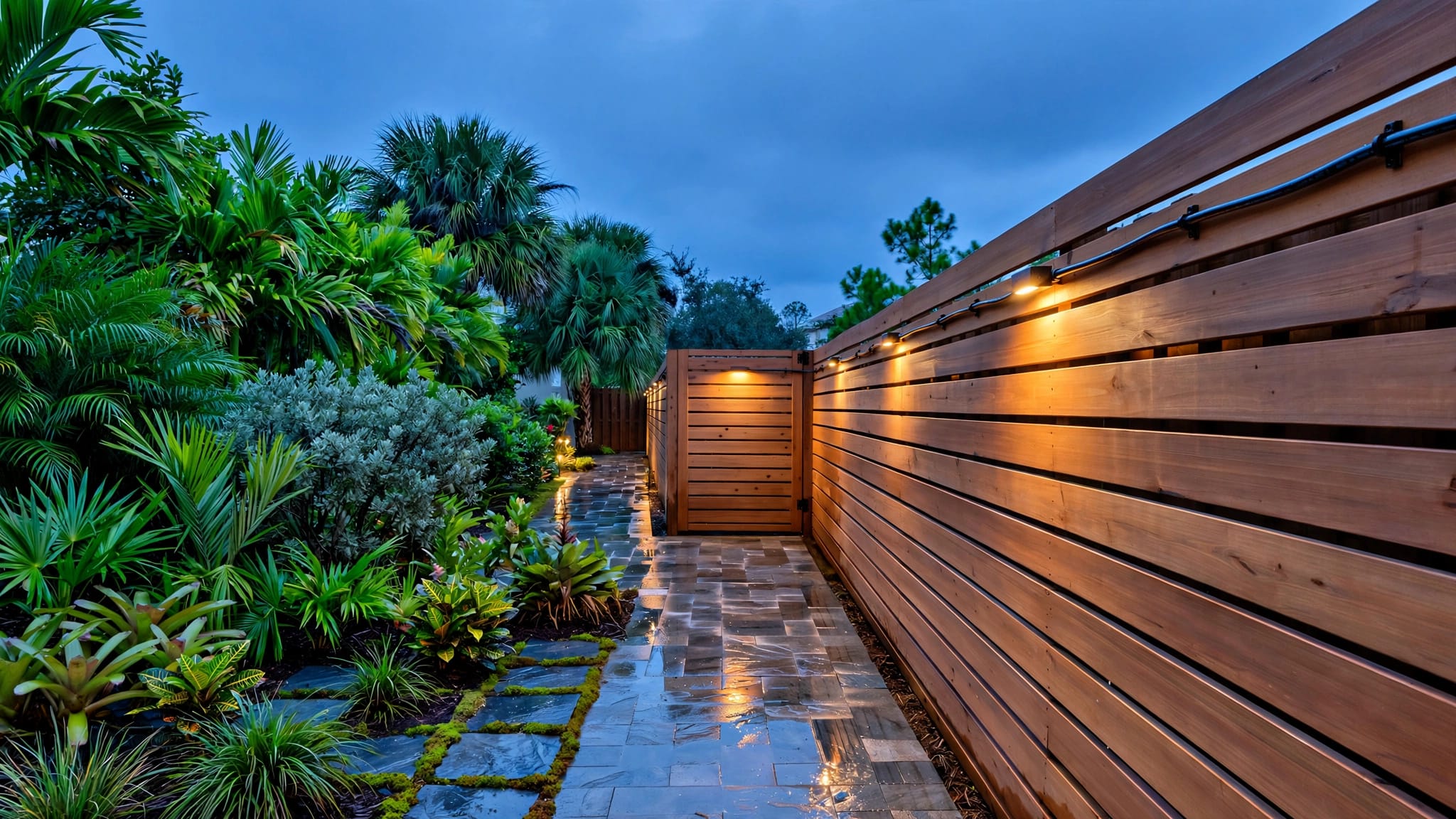
North Naples Fence Permits: 2026 Homeowner Guide
A new fence can improve privacy, protect pets, and finish your yard, but North Naples fence permits depend on more than the fence material. Your address, zoning district, easements, setbacks, fence height, and project value can all affect the approval process.
Most fence and wall projects in unincorporated Collier County require a building permit. However, a new county exemption for certain qualifying work valued under $7,500 takes effect July 1, 2026. That exemption still requires a written request and does not remove zoning, setback, easement, or property-line requirements.
Before ordering materials, confirm which authority controls your property and what documents it wants. A small planning step can prevent a rejected application, a delayed installation, or an expensive fence relocation.
Key Takeaways
- Unincorporated North Naples properties generally go through Collier County's Building Plan Review & Inspection division.
- Homes inside the City of Naples follow city requirements, which can differ from county rules.
- A fence permit application may require a site plan showing location, height, materials, gates, and distances to septic systems.
- Easements, drainage areas, preserves, corner lots, and front-yard locations need extra review.
- The 2026 under-$7,500 exemption is not automatic. Confirm eligibility with the applicable permitting office before construction.
How North Naples Fence Permits Work in 2026
North Naples includes properties under different jurisdictions. Many neighborhoods are in unincorporated Collier County, while others fall within the City of Naples. Your mailing address alone may not tell you which rules apply.
For an unincorporated property, Collier County routes residential fence applications through its building permit system. The county identifies the work type as "Fence - Res/Non-Res" under building, remodel, and accessory permits. The county's general guidance says homeowners must obtain a building permit before erecting a fence on their property.
The City of Naples has its own fence and wall permit packet. Its requirements include a boundary survey and different height rules for front, side, and rear areas. A fence contractor should verify the jurisdiction before preparing the application because a county-compliant plan may not satisfy city requirements.
Collier County also published a 2026 notice for certain qualifying work valued below $7,500. The notice does not create a blanket exemption for every fence project. You must submit a written request to the Building Plan Review & Inspection division, and the work must meet the stated conditions.
A project can qualify for a permit exemption and still violate an easement, setback, HOA rule, or property line. Permit status and location approval are separate issues.
For questions about a county property, the Division of Building Plan Review & Inspection lists 239-252-2400 as its contact number. Ask about the current 2026 process before relying on an exemption.
Documents to Prepare Before Applying
A clear plan gives the reviewer enough information to evaluate the fence without requesting repeated corrections. Collier County's wall and fence application requirements call for a site plan that identifies the proposed work.
Your plan should show:
- The property lines and existing structures
- The fence location and proposed height
- Materials, such as vinyl, wood, aluminum, metal, or chain link
- Gate locations and the direction of each gate swing
- Distances to property lines, structures, roads, and other relevant features
- The septic system and the distance from the fence, if the property uses septic
Florida rules cited by Collier County require at least five feet of separation from a septic system in the applicable situation. Do not assume a fence can cross a drainfield or septic area because the line appears clear from the street.
A recent survey is useful even when the county does not request one for every application. Fences installed from a mistaken property line can create disputes with neighbors and may need removal. A survey also helps identify drainage and utility easements that are not visible from the surface.
Properties in drainage easements may require additional paperwork. Collier County's drainage easement submission materials can call for an HOA Letter of No Objection, a recorded plat, and a recorded deed. Requirements vary by easement owner and location, so request written confirmation before placing posts.
Setbacks, Heights, and Easements in North Naples
Fence height and placement are two of the most common causes of permit questions. The correct answer depends on whether the property is in unincorporated Collier County or the City of Naples.
Collier County code materials include provisions stating that fences and walls have no required setback from the back of the curb or edge of pavement in the listed situations. Other code provisions address exterior property-line setbacks, including a one-half-height rule for structures in applicable zoning contexts. County guidance also says a fence may be erected on a property line with a permit.
These rules should not be reduced to one universal measurement. Zoning district, road type, corner-lot visibility, easements, preserves, and the exact fence design can change the review. Ask the county to confirm the proposed location on your site plan.
Front-yard fences face additional limits. Collier County code provisions describe a maximum front-yard height of 42 inches in the applicable setting, along with material standards such as wood picket or wrought iron, or a similar appearance and durability.
City of Naples rules list a maximum height of six feet for many side and rear yard locations. They also list six feet for a front yard inside the building envelope and three feet for a front yard outside the building envelope. Those measurements apply to the city rules, not automatically to every North Naples address.
Easements need special attention. In the City of Naples, a public right-of-way permit is required for work in a public drainage or public utility easement. The city's permit materials state that permanent structures are not permitted within a public drainage or utility easement and may require Letters of No Objection.
Preserve boundaries also matter. Collier County materials state that fences may have no setback from preserves in certain permitted situations, while decorative walls must be set back at least five feet from a preserve boundary. A decorative masonry wall and a standard fence may receive different treatment.
The North Naples Fence Permit Process
Once you know the jurisdiction and location, the application process becomes easier to manage.
- Confirm the governing authority. Determine whether the parcel is in unincorporated Collier County or the City of Naples. Also check whether another municipality, HOA, or community association controls design approval.
- Review the property records. Locate the recorded plat, survey, deed, and any drainage or utility easements. If you have a septic system, identify its tank and drainfield locations.
- Choose the fence design. Decide on material, height, gate placement, post locations, and finish. A six-foot privacy fence may not fit a front-yard location, while an open aluminum fence may meet a visibility requirement.
- Prepare the site plan. Mark the fence with clear lines and dimensions. Include gates, gate swings, existing buildings, roads, easements, septic features, and the distance from property boundaries.
- Submit the application. Collier County uses its Growth Management Online Portal for building permit applications. The county portal may request a primary contractor, qualifier, subcontractor information, and private-provider inspection details when applicable.
- Answer review comments. The permitting office may request a revised plan, easement approval, ownership documentation, or additional information. Address each comment before scheduling installation.
- Schedule inspections. Your contractor should confirm which inspections apply and when they must occur. Do not cover posts, footings, or other inspected work before receiving direction from the authority having jurisdiction.
A licensed contractor can prepare the plan and submit the permit, but the property owner should still review the proposed fence line. You are the person most likely to know about a neighbor's agreement, an old survey, a private drainage feature, or an HOA restriction.
What Does a Fence Permit Cost?
Permit charges vary by jurisdiction, valuation, application type, and additional reviews. Collier County's 2026 exemption notice may affect whether a qualifying project needs a building permit, but it does not automatically eliminate every fee or approval.
For a practical overview of possible charges, review this guide to Southwest Florida fence permit costs. Treat any published figure as a starting point, then confirm the current amount with the county or city.
Your total project cost can also include a survey, HOA review, easement documentation, engineering, permit administration, and inspection-related services. A simple rear-yard fence on a clear lot usually requires less preparation than a corner-lot project near a drainage easement.
Ask for a written estimate that separates fence installation from permit, survey, demolition, disposal, and repair charges. That format makes it easier to compare bids and identify costs that could change after site review.
Homeowner Checklist Before Fence Installation
Use this short checklist before approving the work:
- Confirm whether Collier County or the City of Naples issues your permit.
- Check your HOA or community association's fence rules.
- Locate property lines, recorded easements, and preserve boundaries.
- Identify septic tanks and drainfields, if applicable.
- Decide on height, material, gates, and fence alignment.
- Obtain a current survey when the boundary is unclear or the lot has easements.
- Ask the permitting office whether your project qualifies for the 2026 under-$7,500 exemption.
- If claiming the exemption, submit the required written request before construction.
- Confirm whether a drainage or utility easement needs a Letter of No Objection.
- Make sure the permit plan shows the fence, gates, height, materials, and measurements.
- Keep the approved permit and plans available during installation.
- Schedule required inspections before covering inspected work.
Choose a Contractor Who Knows the Area
North Naples lots often include features that are easy to miss during a quick estimate. Stormwater swales, canals, preserve edges, narrow side yards, corner visibility areas, and recorded easements can affect the fence line.
Ask a contractor whether the estimate includes permit coordination and who will respond to review comments. Confirm the company carries the required license and insurance, and request details about the material, height, posts, gates, removal, and cleanup.
Local experience also helps with material selection. Vinyl handles privacy needs with low routine maintenance. Aluminum and ornamental metal provide visibility and a lighter appearance. Wood offers a traditional look but needs more maintenance in Southwest Florida's heat, humidity, and storms. Chain link can provide a practical boundary where full privacy is not needed.
The right design still has to fit the approved location. A reputable installer will measure the property, identify obvious conflicts, and tell you when a survey or county confirmation is necessary.
Conclusion
A fence project in North Naples starts with the parcel's jurisdiction, not the material catalog. Confirm the permitting authority, check easements and property lines, prepare an accurate site plan, and verify whether the 2026 under-$7,500 rule applies to your work.
When the fence location is clear before installation begins, you reduce the risk of delays and relocation costs. Careful permit planning helps your new fence protect the property without creating a new problem at the boundary.