Florida Flood Zone Rules for Fence Permit Plans
A fence project can look simple until a flood map, drainage easement, or canal changes the permit plan. Florida flood zone rules may affect the fence location, materials, gate design, site plan, and supporting documents.
Evaluating your property flood risk early helps determine the specific building requirements that apply to your site. Requirements vary by city, county, flood zone, and property conditions. Before ordering materials, verify current requirements with your local building department and floodplain manager. The right plan can prevent a fence from blocking floodwater, collecting debris, or crossing a restricted easement.
Key Takeaways
- A fence in a Special Flood Hazard Area may require local floodplain approval in addition to a standard fence permit.
- Floodways receive closer review because fences can redirect water or increase flood levels relative to the Base Flood Elevation.
- Site plans may need flood map information, waterways, easements, setbacks, fence sections, gates, and materials.
- Lee and Collier counties have different requirements under local building requirements, and incorporated cities may follow separate rules.
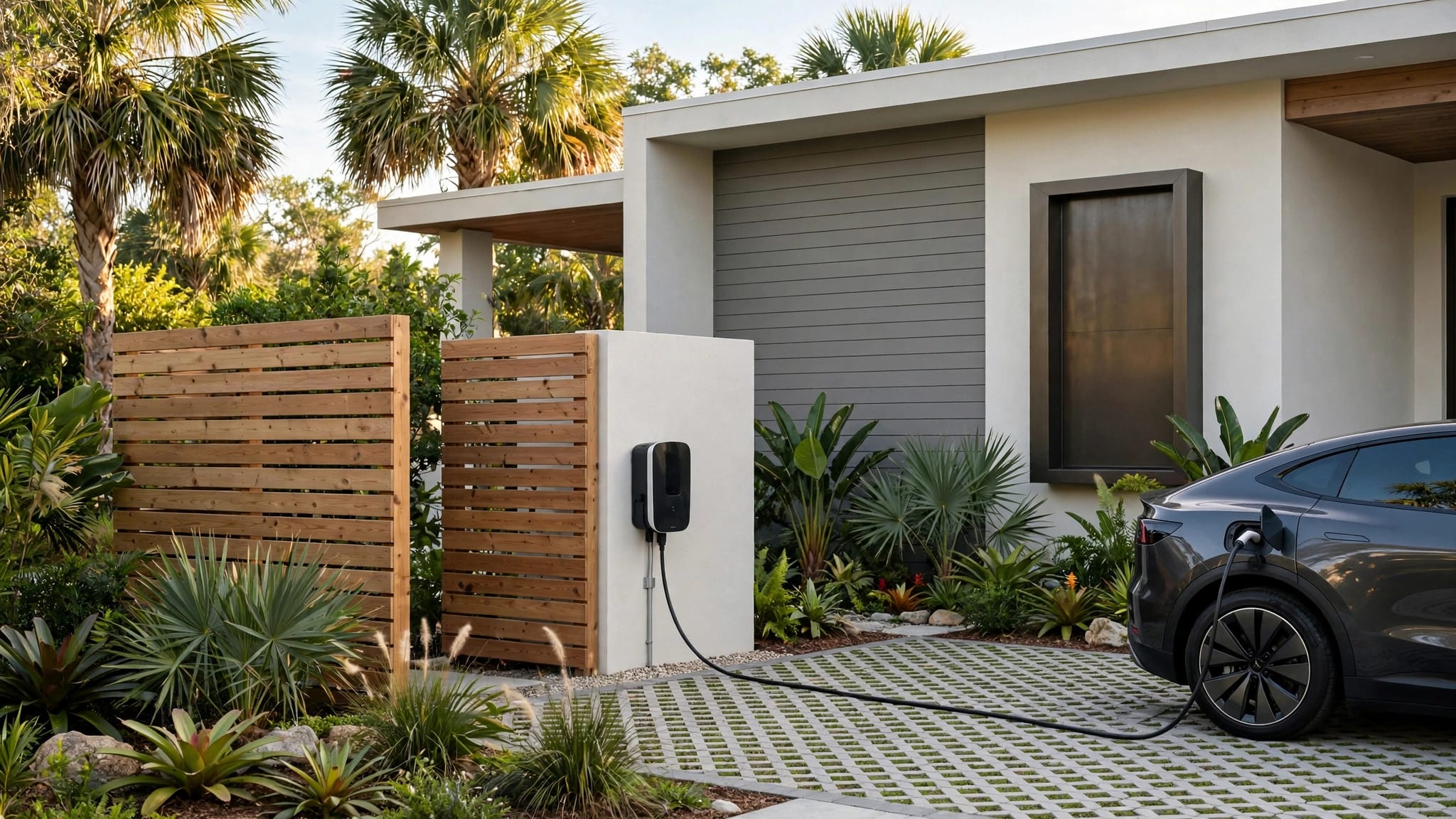
- Open, water-permeable designs often create fewer flood-flow concerns than solid panels, but local officials must approve the final design.
Why Flood Zone Status Matters Before You Design a Fence
Flood zones show the level of flood risk and the conditions that may affect development. The Federal Emergency Management Agency uses a Flood Insurance Rate Map to help determine a parcel's specific flood zone designation, with common map identifiers including AE, VE, A, and X. The local floodplain office uses these maps, along with Base Flood Elevation information, to review work in regulated areas.
A property in a Special Flood Hazard Area, or SFHA, usually receives more review than a property outside that area. When dealing with a high-risk flood zone or a coastal high hazard area like a VE zone, strict regulations apply. Conversely, an X zone typically functions as a moderate-risk flood zone with fewer restrictions. Lee County states that all development in its floodplain requires a local permit. A fence may count as development when it changes the site, crosses a drainage feature, or affects the movement of floodwater.
The flood zone designation alone doesn't answer every question. Your lot may also include a floodway, drainage easement, canal setback, natural water body, or recorded utility easement. Each one can change where the fence may go.
A floodway is the portion of a floodplain reserved for carrying floodwater. Because a fence can act as an obstruction, floodway work often requires technical documentation. Lee County ordinance language prohibits fencing in floodways unless the applicant demonstrates that the project won't increase the Base Flood Elevation and provides the required analysis, sometimes supported by an elevation certificate, with the Floodplain Development Permit.
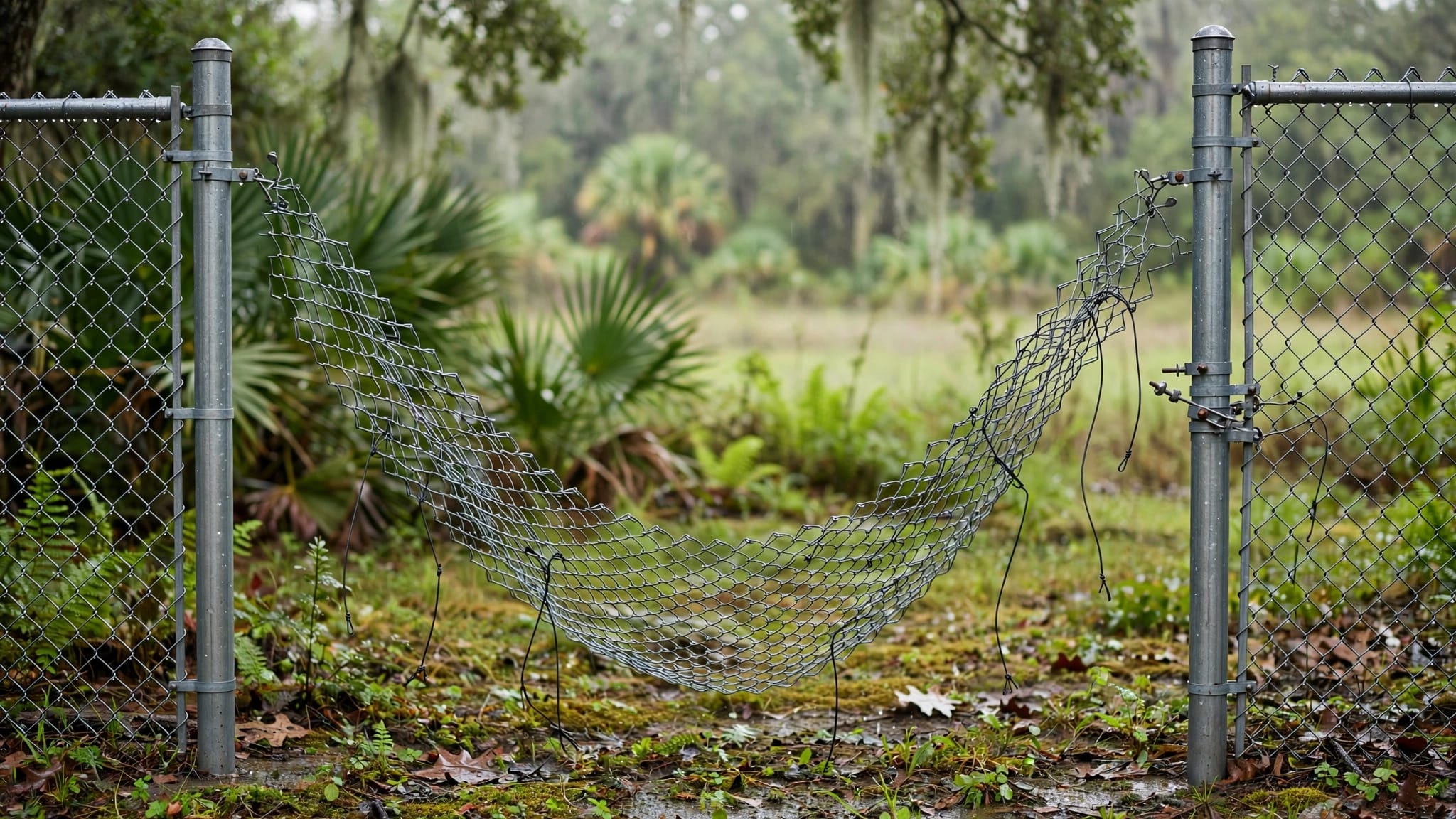
A fence that looks open from the street can still restrict floodwater if its posts, rails, mesh, or panels collect debris.
The safest starting point is to identify the property's flood zone, floodway status, Base Flood Elevation, and recorded easements before choosing a fence style. Ask the local building department whether a separate floodplain development review applies, especially if your project sits within a Special Flood Hazard Area.
How Florida flood zone rules change fence permit plans
Navigating Florida flood zone rules means a standard fence drawing must go far beyond property lines, proposed fence layouts, gates, heights, and materials. A flood-prone property requires detailed information so reviewers can understand how the structure interacts with moving water.
Lee County's residential fence guide calls for a site or plot plan that shows:
- Property lines, streets, buildings, and existing fences
- Bodies of water on or next to the property
- Easements and recorded access areas
- The proposed fence location and section lengths
- Setbacks from property lines and water bodies
- FEMA flood map information and Flood Insurance Rate Map data
- Whether the project is in a regulatory floodway or VE Zone based on current flood hazard mapping
Lee County also requires a No Rise Certificate for floodway-related review. This document supports the claim that the proposed work won't raise the Base Flood Elevation or violate local building requirements. A property owner shouldn't assume a contractor can skip this review because the fence has open spaces. The county decides what documentation is appropriate for the site, design, and Base Flood Elevation standards.
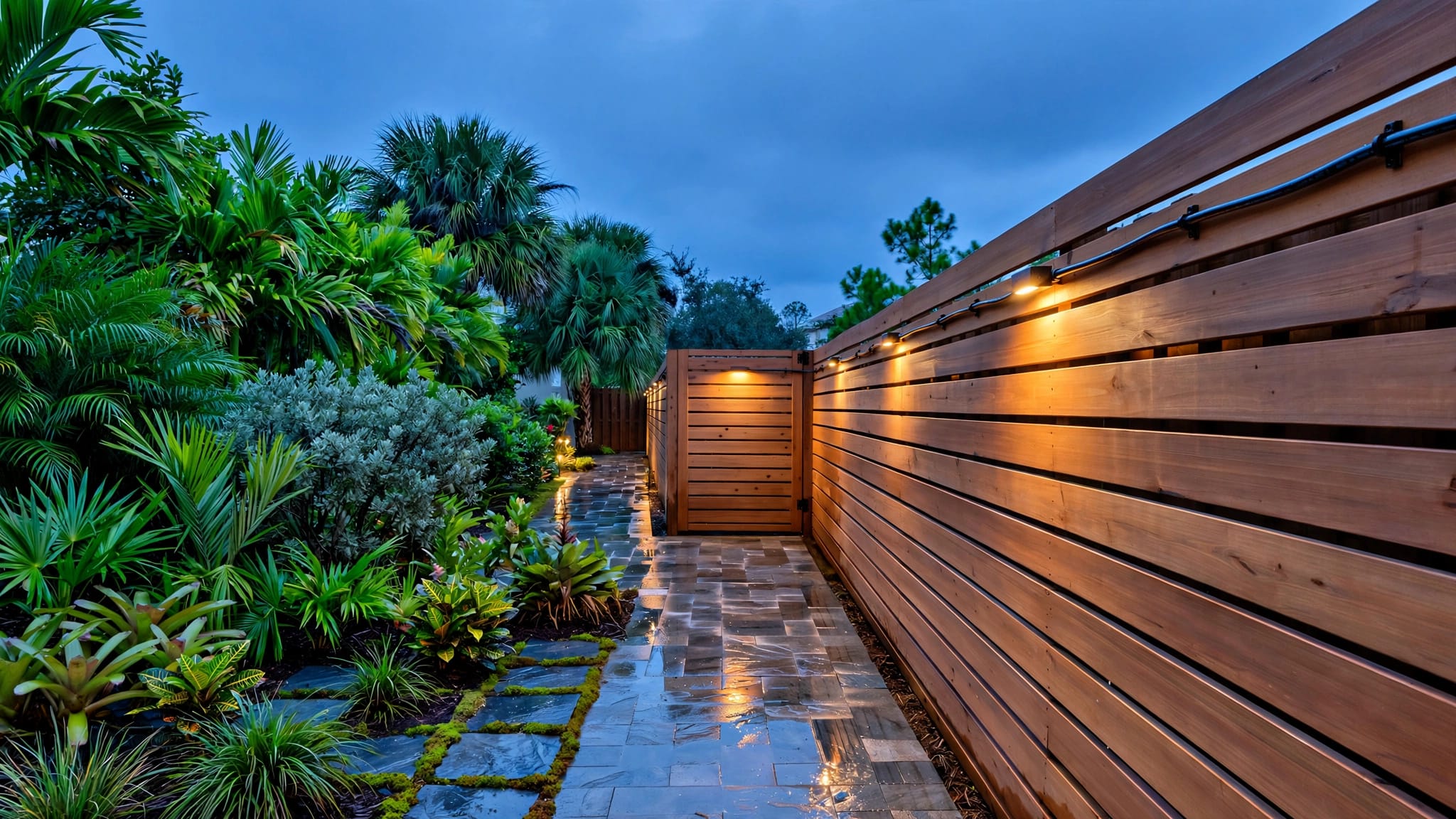
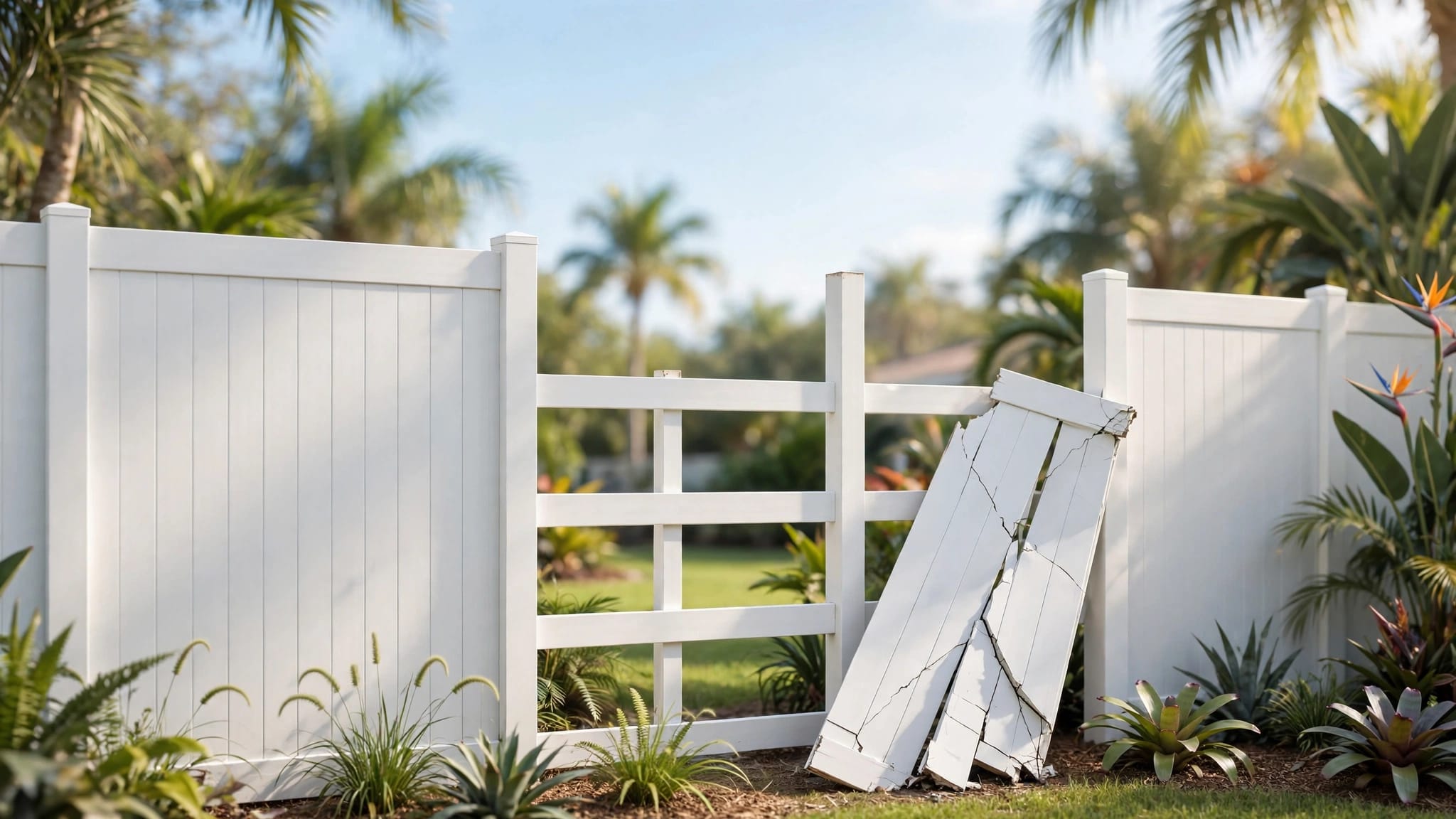
Material selection also matters. Solid stockade fencing, tightly woven wire mesh, and other designs with small openings can catch floating limbs, trash, and other debris. That debris can turn the fence into a temporary barrier during a storm. Open mesh or other water-permeable designs may reduce that concern, but they still must meet local zoning, structural, and building requirements.
Coastal properties may face added review in VE or other high-risk areas due to coastal flood risk. Officials may request details about post connections, failure points, elevation, or breakaway performance, and they may ask for an elevation certificate. Those requirements can vary by jurisdiction and by whether the fence sits near the shoreline, a seawall, or a channel.
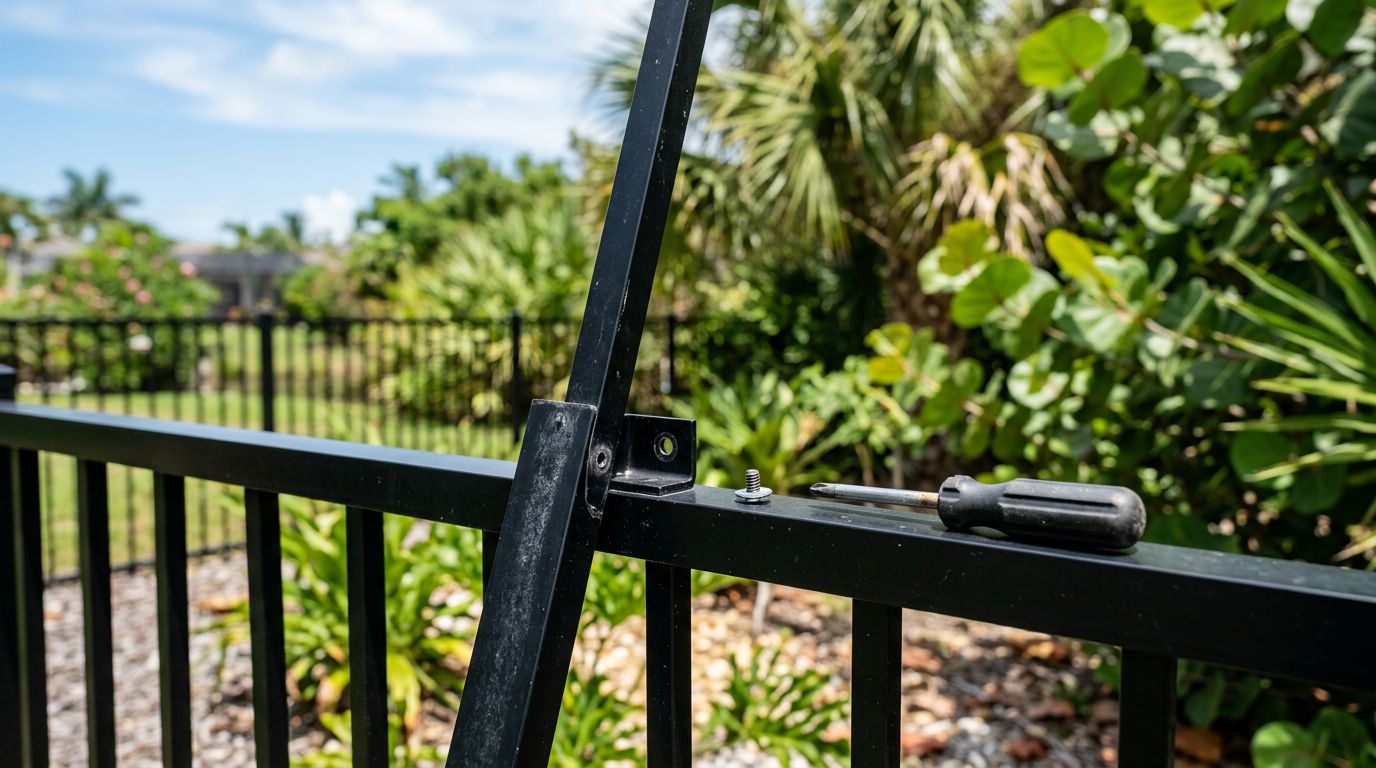
Your plan should also show gates clearly. A gate can restrict flow just as a fence panel can, particularly when it swings into a drainage path or closes a narrow access area. Include gate width, swing direction, height, and materials rather than drawing only a line around the property.
Lee and Collier County examples for Southwest Florida homeowners
Southwest Florida homeowners often assume county rules apply everywhere in the county. That isn't always true. Cape Coral, Fort Myers, Naples, Bonita Springs, Sarasota, and other municipalities may have their own building requirements, zoning procedures, and specific floodplain rules tied to each local flood zone designation.
In unincorporated Lee County, the residential fence guide requires a paper application package submitted in person to the Building Department at the Lee County Public Works Building in Fort Myers. When you prepare these documents, checking FEMA's flood map service center helps verify your exact flood zone designation before submitting the site plan. That plan must include flood map details, water bodies, setbacks, and easements, and the county also places limits on fence placement and height in certain areas.
For example, Lee County's land development code limits a fence between a street right-of-way or easement and the required street setback line to 3 feet. An open mesh screen may reach 4 feet when it doesn't interfere with visibility at vehicle access points. A fence between a side or rear lot line and the minimum setback line for accessory buildings is limited to 6 feet. Within 25 feet of a waterway or natural body of water, fencing above 3 1/2 feet must use open mesh screening.
Those measurements apply to the situations described in the county code. They don't automatically apply inside a city. Homeowners in unincorporated areas can review these Lee County fence permit rules, then confirm the current requirements with county staff.
Collier County requires a Building Permit before constructing a fence or wall. Its PRFW application asks for a site plan showing the fence location, gate swing, height, and proposed materials. If the property uses septic, the plan must show the distance from the fence or structure to the septic system. Collier County's application requirements cite a minimum distance of 5 feet under the stated state rule.
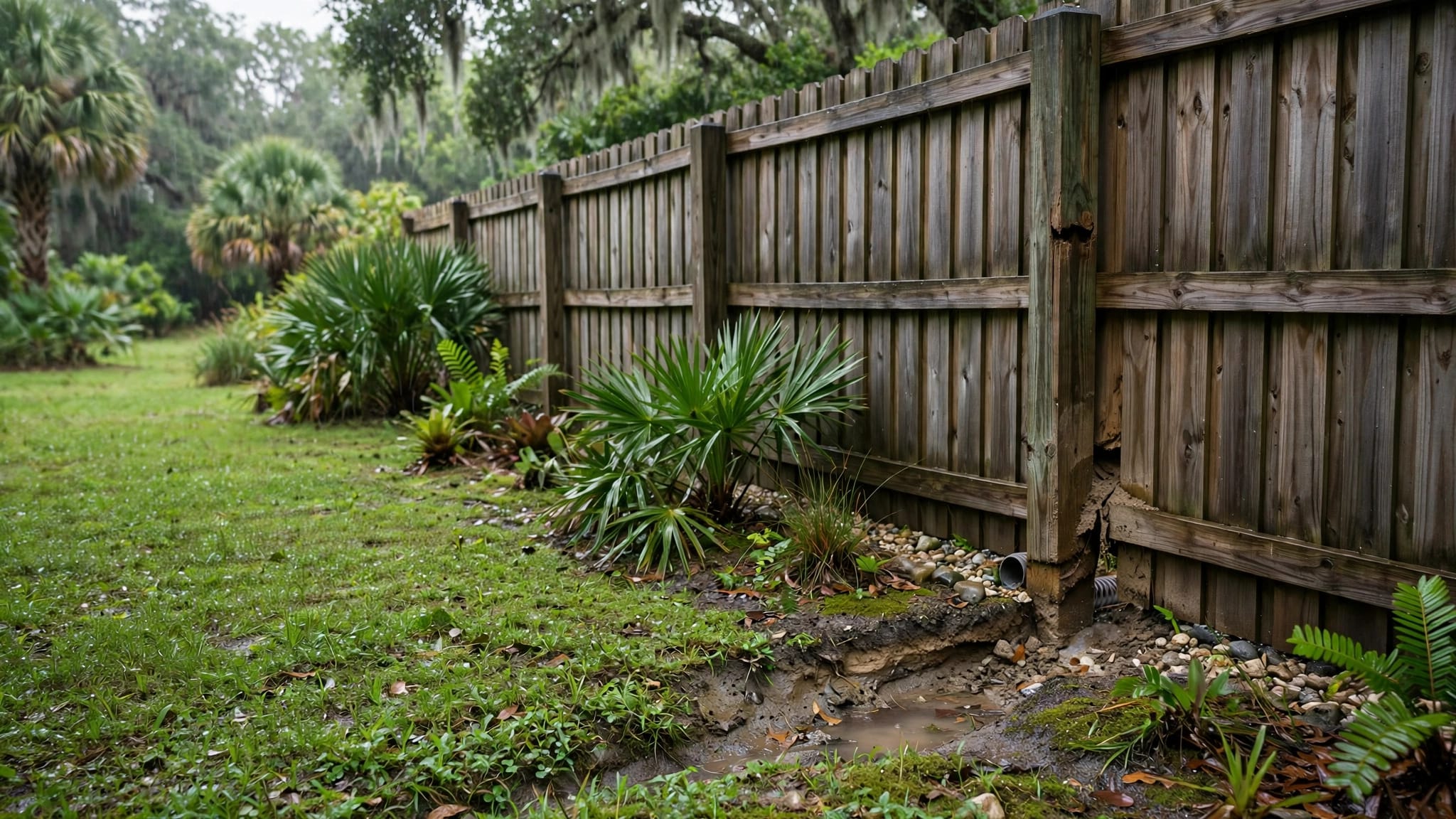
A drainage easement creates another layer of review in Collier County, especially if the parcel lies within a Special Flood Hazard Area. Local building requirements and community rating system participation guidelines also shape how staff evaluate these requests. The county may require an Easement Use Agreement package with a plat, recorded deed, and letter of no objection from the homeowners association. A fence placed across an easement can interfere with drainage maintenance or emergency access, even when it sits near the apparent property line.
Collier County also published a 2026 document about certain qualifying work valued under $7,500 that may qualify for an exemption beginning July 1, 2026. Properties located in a Special Flood Hazard Area often face stricter scrutiny, so don't assume a low-cost fence automatically avoids review. Ask the county whether your exact project qualifies.
Build a fence plan that floodplain reviewers can understand
A clear plan reduces back-and-forth with the permitting office. Start with an accurate survey or plot plan. Mark the home, driveway, pool, shed, septic system, canals, drainage structures, easements, and existing fences. If property pins are uncertain, confirm the boundary before placing posts.
Next, add the proposed fence line and label each section. Show the height, material, post spacing, gate locations, and gate swing. Mark setbacks from property lines and waterways. Include the FEMA map panel or flood zone information requested by the local jurisdiction, making sure your plans reflect the correct flood zone designation.
Use the following process before installation:
- Confirm jurisdiction. Determine whether the property is in an incorporated city or an unincorporated county area.
- Check flood status. Ask whether the lot is in an SFHA, floodway, VE Zone, or another regulated area by checking your flood zone designation through the flood map service center.
- Identify easements. Review the recorded plat, deed, and utility or drainage documents.
- Ask about extra documents. Find out whether the project needs a floodplain development permit, an elevation certificate, a No Rise Certificate, engineering, or an easement agreement based on local building requirements.
- Submit before construction. Obtain written approval, an elevation certificate if requested, and the required permit before digging post holes to satisfy all building requirements.
The fence contractor can help prepare measurements and material details, but the property owner remains responsible for confirming local requirements. A contractor also shouldn't promise that one county's approval process applies to a neighboring city.
Common fence permit problems in flood zones
The most common problem is placing the fence on the apparent edge of the yard instead of the legal property line, especially when property flood risk is a factor. Water bodies, canals, drainage easements, and irregular lots make visual estimates unreliable. A few feet can determine whether the fence crosses a restricted area.
Another problem is submitting a site plan without flood information. A basic sketch may show the house and fence, but omit the floodway, Base Flood Elevation, waterway setback, or flood zone designation. Reviewers then have to request missing details, which delays the project.
Material choice can also cause trouble regarding coastal flood risk. A solid fence may fit your privacy goals but create a drainage concern under strict building requirements. In other cases, a fence with narrow openings may collect debris. Ask the floodplain manager whether the proposed design needs open mesh, breakaway features, engineering, or a different placement to manage property flood risk.
Pool fencing adds another review point governed by specific building requirements. Collier County lists pool fence specifications among the requirements that may apply to a PRFW application. A fence around a pool must satisfy both local fence rules and applicable pool safety regulations depending on your flood zone designation.
Finally, don't rely on an old permit or a neighbor's fence as proof of compliance. Flood maps, codes, and local procedures can change. A fence installed years ago may also predate current floodplain standards or have received approval for different conditions.
Frequently Asked Questions
Do I need a special permit for a fence in a Florida flood zone?
Yes, if your property is located in a Special Flood Hazard Area or a regulatory floodway, you may need local floodplain approval or a Floodplain Development Permit in addition to a standard fence permit. Requirements vary significantly by city, county, and specific flood zone designation.
Why are solid fences often restricted near water or in floodways?
Solid panels and tightly woven materials can catch debris and act as a temporary barrier during a storm, potentially redirecting water or increasing flood levels. Open mesh or water-permeable designs are often preferred by local officials to maintain proper floodwater flow.
Can I place a fence across a drainage easement on my property?
Placing a fence across a recorded drainage easement is usually restricted because it can interfere with stormwater maintenance and emergency access. Many jurisdictions require specialized approvals, such as an Easement Use Agreement or a letter of no objection, before any installation can occur.
Conclusion
A fence permit plan in Florida depends on more than fence height and property lines. Florida flood zone rules can affect the location, materials, gate design, drainage access, and technical documents required for approval.
Check the property's jurisdiction, flood zone designation, floodway status, waterways, and easements before choosing a fence. Account for your property flood risk and local building requirements before finalizing the design. Then verify the current requirements with the local building department and floodplain manager. A complete plan gives your contractor and the permitting office the information needed to review the project without guesswork.