Burnt Store Marina Fence Permit Guide for 2026 Homeowners
A fence project can look simple until permits, HOA rules, and setback lines all land on the same table. In Burnt Store Marina, that mix matters, because a fence that fits your yard may still miss community rules.
For 2026 homeowners, the safest path is to check Charlotte County zoning , your HOA or deed restrictions, and your property survey before you buy materials. That first round of checks can save a lot of rework.
Why Burnt Store Marina fence rules need two checks
A lot of homeowners focus on the county permit first. That makes sense, but it's only half the story in Burnt Store Marina.
If your lot is in a deed-restricted section, the community rules can be just as important as county approval. A fence can pass one review and still fail another. That's why the Burnt Store Marina fence permit process should start with both layers at once.
The county looks at zoning, setbacks, and site details. The HOA looks at community design rules, fence type, height, and placement. If your lot sits near an easement, a corner, or a boundary that's hard to verify, that review can get stricter.
A county permit does not replace HOA approval, and HOA approval does not replace county review.
That simple point saves many fence jobs from delays. It also helps you choose the right fence style before you spend money on materials.
What a Burnt Store Marina fence permit usually needs
The exact paperwork can change by property and by current local rules. Still, most fence reviews in this area start with the same core items.
| Item | Why it matters | What to confirm |
|---|---|---|
| Property survey | Shows the real lot lines and helps avoid mistakes | Check whether pins are visible and current |
| Site plan | Shows where the fence, gates, and gaps will go | Mark property lines, setbacks, and easements |
| HOA approval | May be required in deed-restricted areas | Ask for current community approval steps |
| County zoning approval | Confirms the fence fits local land-use rules | Verify whether a permit, review, or both are needed |
| Fence details | Lets reviewers check height and material | List style, color, height, and gate locations |
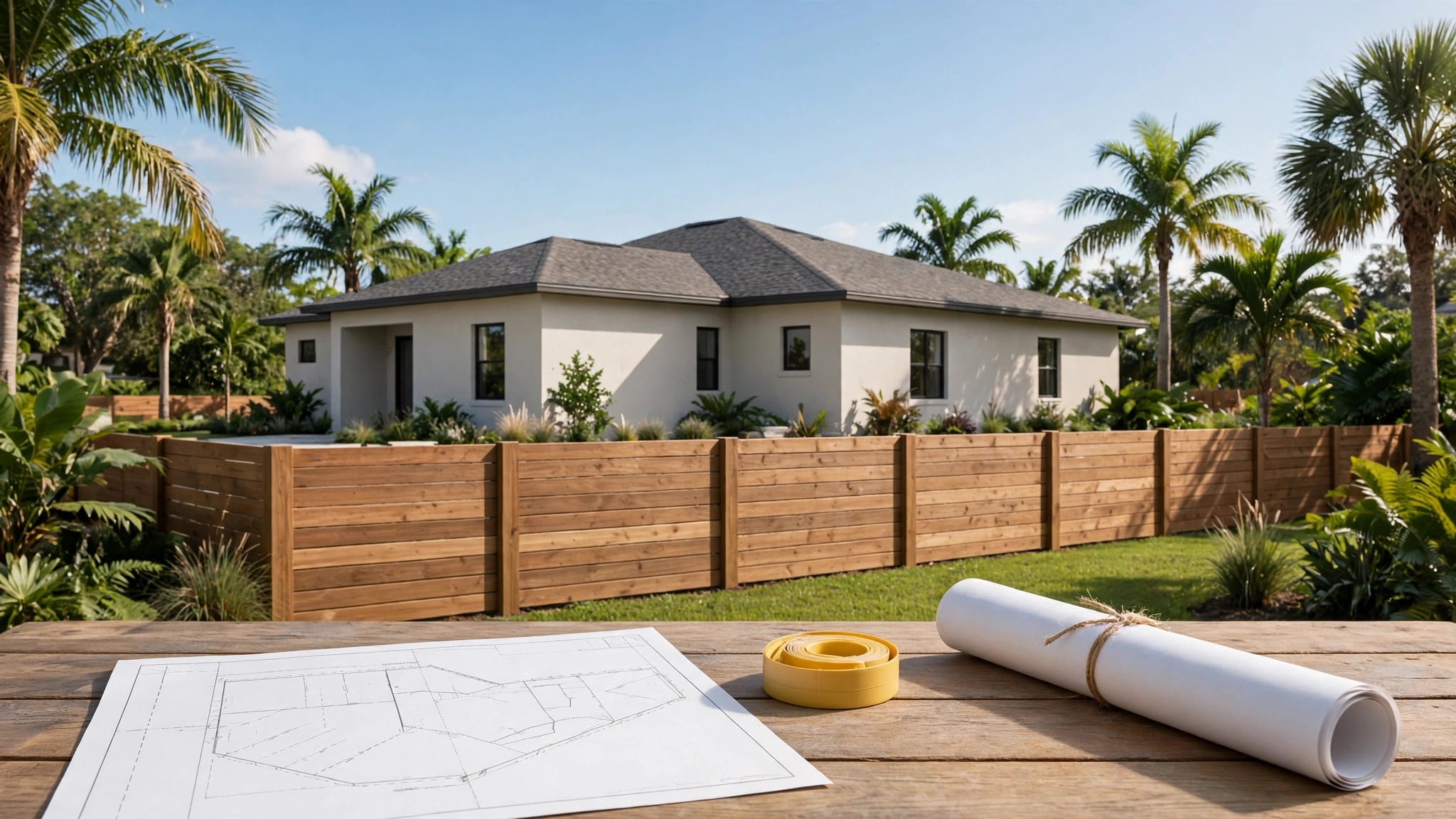
A clear site plan is one of the most useful documents you can have. It does not need to look fancy. It just needs to show the fence line, the house, driveways, gates, and any spots where the fence stops.
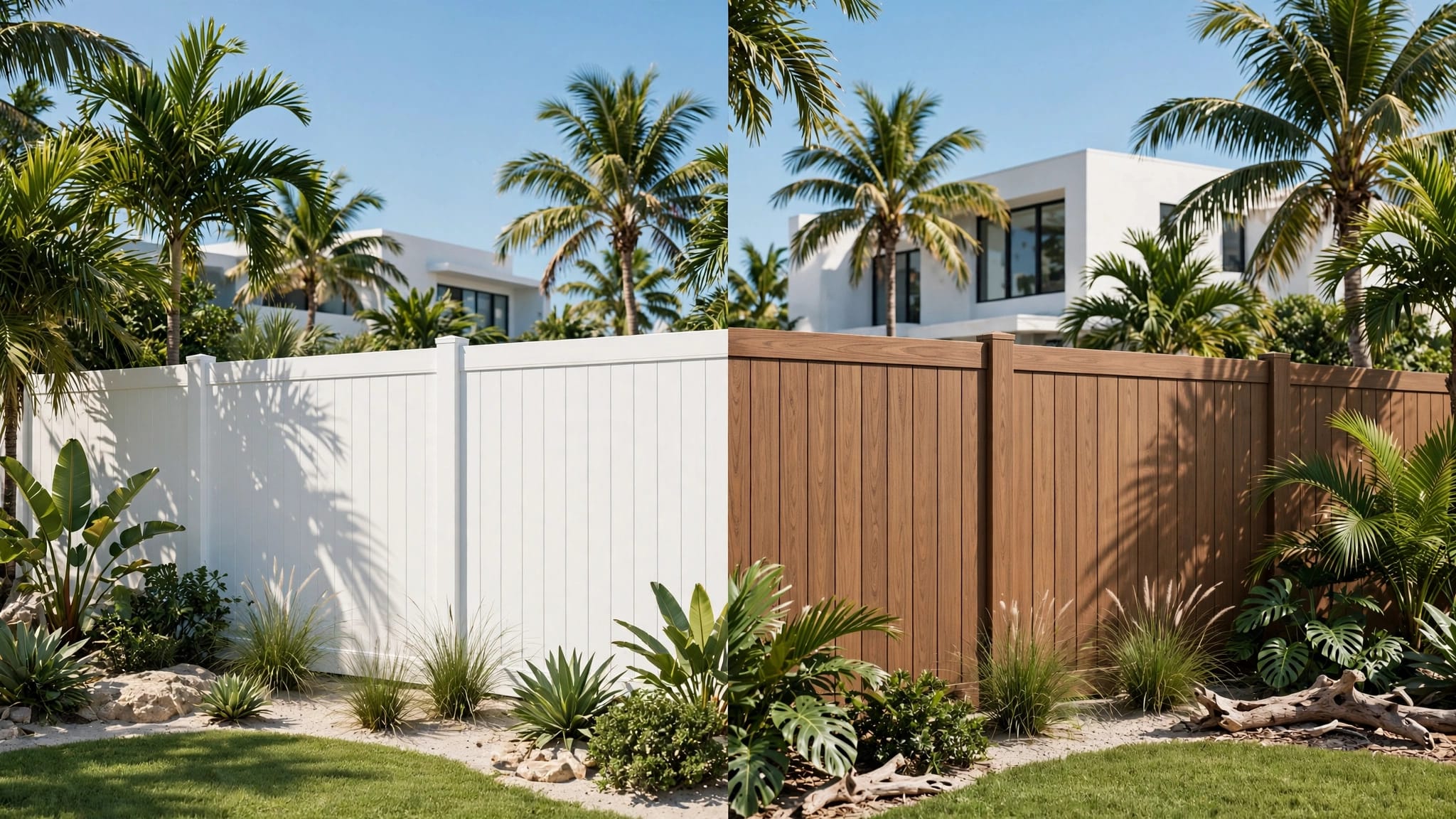
If your lot is in the Burnt Store Lakes/Marina community, current guidance also points to a few practical limits. Reported rules include a maximum height of 4 feet, no chain-link fences, and the use of vinyl or aluminum as allowed options. Some guidance also calls for at least 3 feet of setback inside the property line in certain cases.
That said, rules can change. So the best approach is to confirm the current community documents before ordering panels or posts.
Common fence rules homeowners should expect
Burnt Store Marina homeowners often run into the same handful of issues. None of them are rare, and all of them are easier to handle before construction starts.
- Height limits matter early. Current community guidance reports a 4-foot cap in some areas.
- Fence material can be limited. Chain-link is reported as not allowed, while vinyl and aluminum are allowed in the current guidance.
- Setbacks can be tighter than expected. A fence may need space inside the lot line, not on it.
- Vacant lots can face stricter rules. Current guidance says no fences on vacant lots.
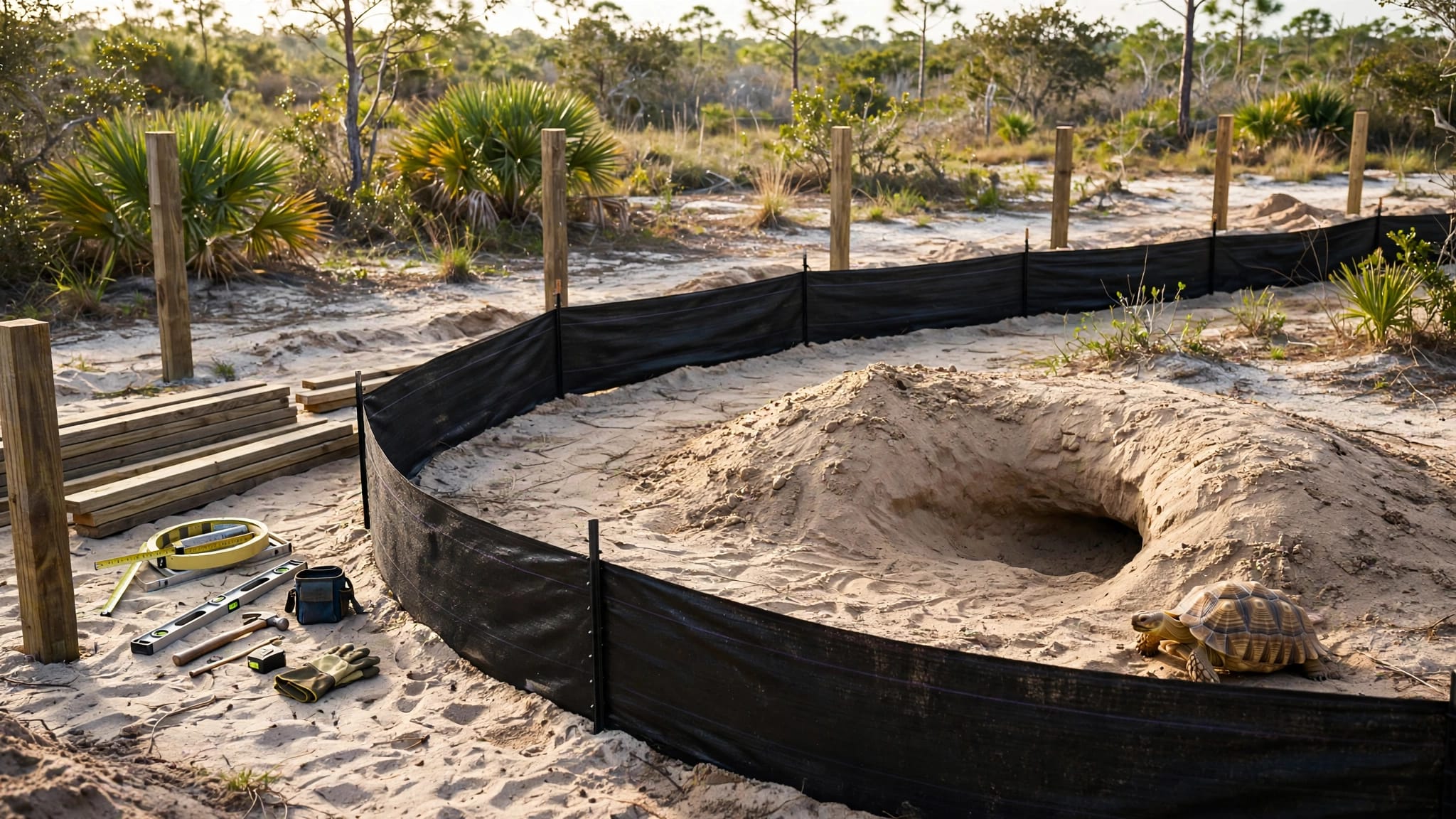
- Easements can block a fence line. Utility access and drainage areas may change the layout.
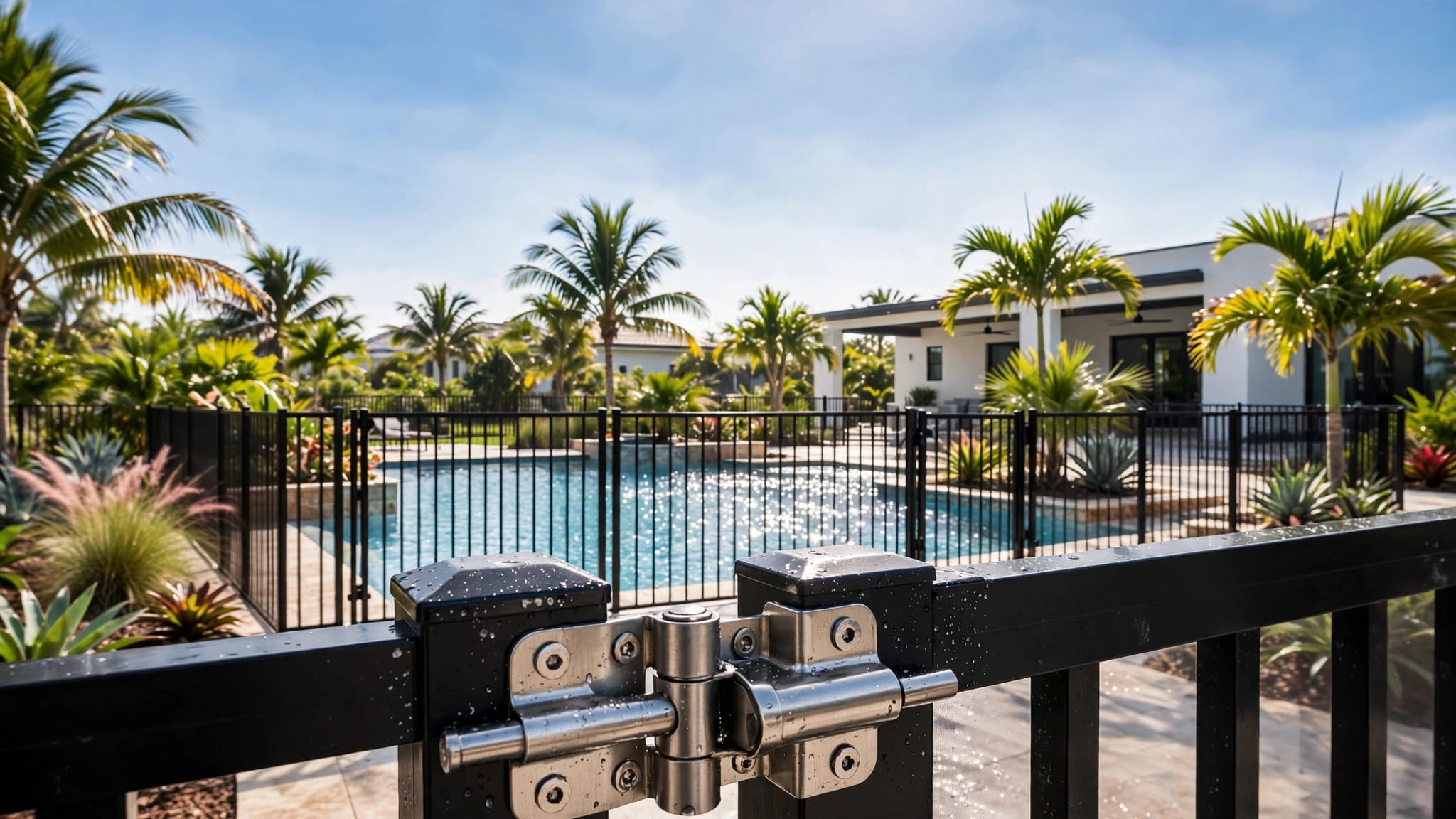
- Pool barriers may trigger extra rules. A pool fence often follows different safety requirements than a regular yard fence.
The biggest mistake is guessing. A fence that works in one neighborhood can fail in the next street over. Even inside the same community, one lot may have an easement or survey issue that changes the plan.
If you're unsure about your address, ask the association first. If you're dealing with a deed-restricted property, the Burnt Store Lakes Office can be a useful first call at (941) 639-5881 . Charlotte County can also confirm what they need from the permit side.
A simple permit path for 2026
The cleanest fence project usually follows a short, steady sequence. Rushing the order is where many homeowners get stuck.
- Verify your lot boundaries first.
A recent survey is best, especially if the property pins are not easy to spot. If the lines are uncertain, stop and confirm them before design work starts. - Check the HOA or community rules next.
Ask for the current approval process, fence limits, and any drawings they want to see. If your property is deed-restricted, this step matters as much as the county review. - Sketch the fence plan before you buy materials.
Mark the fence line, gate spots, setbacks, and any utility or drainage areas. A simple site plan can reveal problems fast. - Ask Charlotte County what review is needed.
Some projects may need a permit, while others may need zoning approval or another type of review. The rules depend on the current code and the exact location. - Wait for approval before installation starts.
This is the part many people skip. Even if the fence seems straightforward, starting early can create headaches if the plan needs changes. - Save every approval document.
Keep the permit, HOA approval, site plan, and any survey copies. You may need them if questions come up later.
A small example helps here. If you want a 4-foot aluminum fence around a backyard, you still need to know whether the line sits near an easement and whether the HOA accepts that style for your lot. The material may be allowed, but the placement can still block approval.
What the July 2026 Florida law could change
A new Florida law is set to take effect on July 1, 2026, and it may exempt some single-family fence work under $7,500 from a building permit. That sounds simple, but the details matter.
The possible permit exemption does not remove HOA rules, zoning rules, flood-zone rules, or pool-barrier rules. It also does not mean every fence is free to install without review. A fence in a deed-restricted community can still need association approval even if the state no longer requires a building permit for that job.
That is why homeowners should not use the new law as a green light by itself. Instead, treat it as one more rule to confirm. The right question is not only, "Do I need a building permit?" It is also, "What does my community and county require for this exact property?"
Before you move ahead, check the current status of the law, the county process, and the HOA approval steps. A quick confirmation now is far easier than changing a fence after posts are in the ground.
When a local fence contractor helps most
Some fence jobs are simple. Others need a careful eye on lines, setbacks, and approval forms. A local fence contractor helps most when the lot has any of these issues:
- unclear property lines
- easements near the fence route
- a corner lot or tight setback area
- pool barrier concerns
- HOA design limits
- a fence style that needs exact height control
A contractor who works in Southwest Florida can also help you avoid material mistakes. That matters in Burnt Store Marina, where vinyl, aluminum, and layout details may be reviewed closely. Just as important, a good contractor can build the fence to match the approved plan, which keeps the job on track.
When you hire help, ask whether they have worked with Charlotte County reviews and community approvals before. That local experience can save time and reduce back-and-forth.
Conclusion
Fence work in Burnt Store Marina gets easier when you treat it like a two-part check. You need the county side, and you need the HOA side. Miss either one, and a simple backyard project can slow down fast.
For 2026, the smartest move is still the same one, verify your lot lines, confirm current community rules, and check Charlotte County before installation starts. If your project falls under the new Florida law later this year, remember that approval rules can still apply at the community and county level.
A clear plan, a current survey, and the right permit path make the whole job smoother. That is the real shortcut.