Deep Creek Fence Permit Guide for 2026 Homeowners
A fence can change a yard in a day, but the permit question can slow the whole job down. In Deep Creek, the address matters more than the neighborhood name, because Deep Creek is a community in Punta Gorda, not a city.
That usually means Charlotte County rules, plus any HOA or deed-restriction review. If you want a smooth project in 2026, start with the paperwork before you buy materials or set posts.
Which office handles a Deep Creek fence permit?
For most Deep Creek homes in Punta Gorda, Charlotte County is the place to start. Since Deep Creek is a neighborhood, not a separate city, there usually is no standalone "Deep Creek city permit" office.
The county handles the building side of the review, while your HOA or POA may set extra limits on style, height, color, and placement. That means one project can need two approvals before work begins.
The fastest permit path starts with the parcel address, not the neighborhood sign at the entrance.
If your property record, survey, or tax bill shows anything unusual, confirm the jurisdiction before you file. A fence in one part of Southwest Florida can follow different rules from a fence a few miles away.
When a fence permit is likely needed in 2026
Fence rules usually tighten when a project changes the property line, the height, or the material. A new fence almost always gets more attention than a small repair.
Here is a simple way to think about it.
| Project type | What to check first | Why it matters |
|---|---|---|
| New fence installation | Height, location, and fence material | New work usually needs county review and HOA approval |
| Fence replacement | Same layout or a new layout | Changes to the line or height can trigger a new review |
| Fence near an easement or drainage area | Setbacks and clearances | These areas can limit where posts and gates go |
| Fence tied to pool safety | Barrier height and latch rules | Pool barriers often bring extra safety checks |
The main point is simple. The more your plan changes the lot, the more likely it needs review.
HOA approval can still be required even when the county process looks simple. That is why many homeowners get stuck. They assume one approval covers everything, then learn the community has its own rules.
What Charlotte County and the HOA usually ask for
A permit review goes faster when the paperwork matches the yard. Missing details cause delays more often than the fence itself.
Most homeowners should expect to prepare some version of the following:
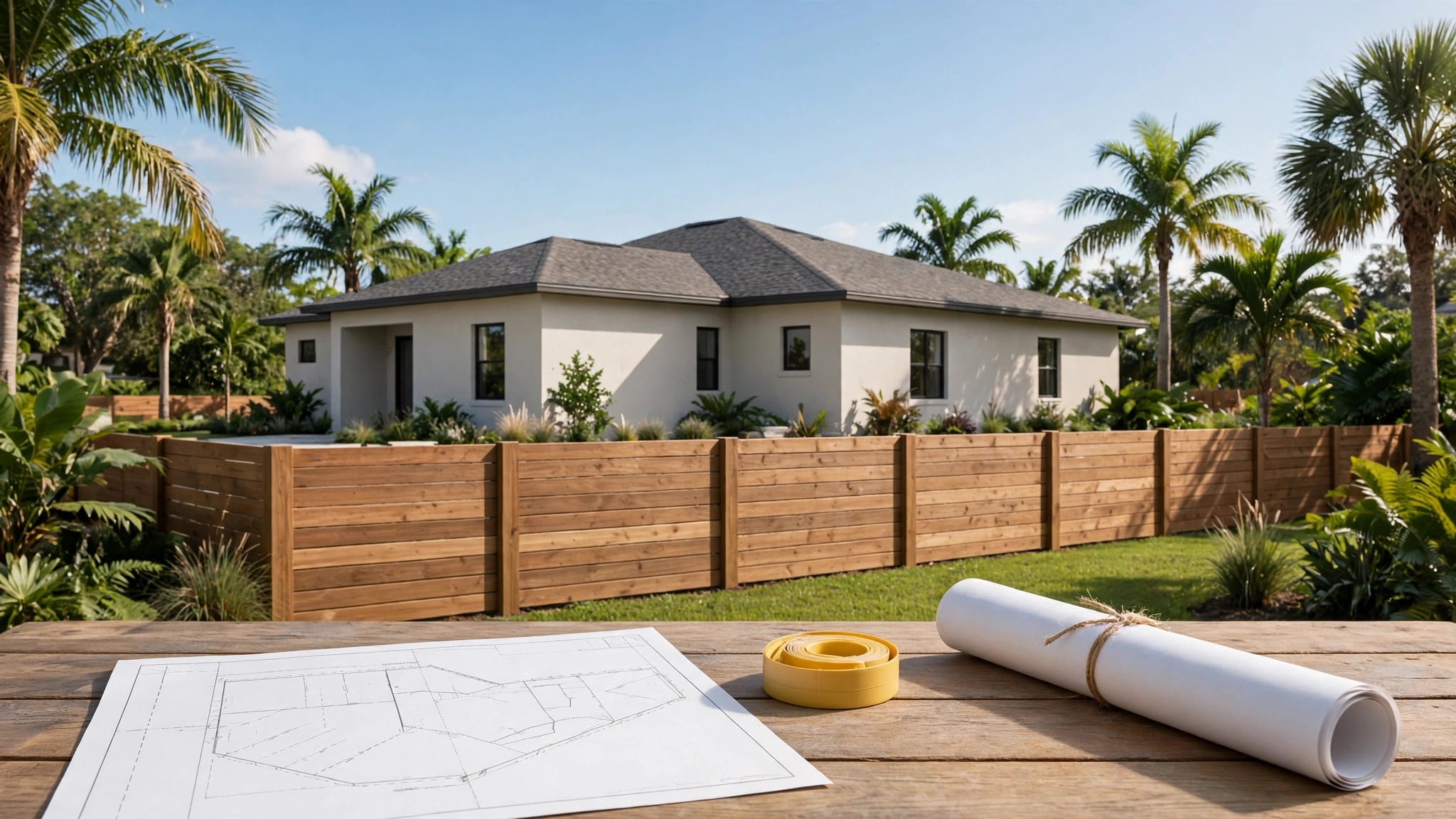
- A site plan that shows the fence line, gates, and distances to property edges.
- A survey or plat, especially if corner pins are missing or the lot line is unclear.
- Fence details, including material, height, color, and gate direction.
- HOA approval, if your community requires it before county filing.
- Contractor information, if you hire the work out.
- Photos of the area, when the lot has trees, slopes, or other site limits.
A clear drawing does more than satisfy a form. It shows the reviewer exactly where the fence will sit.
If the old fence does not match the survey, trust the survey. If the lot corners are hard to find, get that solved before you file. A few extra minutes with a surveyor can prevent a costly move later.
A simple step-by-step process for Deep Creek homeowners
A clean process keeps the project moving. It also helps you spot problems before anyone drills a hole.
- Confirm your jurisdiction. Deep Creek is in Charlotte County, so start there unless your property record shows something different. If your home falls under a special community rule, note that too.
- Read the HOA rules first. Community rules can be stricter than county rules. A fence that passes county review can still fail HOA review.
- Check the property line and easements. Use a recent survey or plat. Do not guess based on an old fence, a hedge, or a straight row of posts.
- Choose the fence layout. Decide on material, height, gate spots, and which side of the yard gets the new fence. Keep the plan simple if you want fewer revisions.
- File the permit package. Submit the application, drawings, and any supporting documents the county asks for. Pay the fee, then wait for approval before work starts.
- Schedule installation after approval. Once the permit clears, your contractor can set the fence and arrange any inspection that applies.
A homeowner who follows these steps usually avoids the biggest headache, which is tearing out finished work because the paperwork lagged behind the build.
Ways to keep a fence permit from getting stuck
Permit delays usually come from small mistakes. A missing gate note, an unclear lot line, or a wrong parcel number can stop the review.
Use these habits to keep the file clean:
- Match the drawing to the survey, not to the old fence.
- Label every gate, corner, and change in height.
- Keep the fence type consistent across the application and the quote.
- Verify easements, drainage areas, and utility clearances before digging.
- Wait for written approval before buying every material or setting posts.
- Ask your contractor who will handle submittals, corrections, and inspections.
If you hire a fence contractor, ask about permit handling on day one. A licensed and insured crew can help keep the paperwork organized, which matters when the county asks for a revision.
The goal is not to make the project fancy. The goal is to make it easy to approve.
Fence materials and lot conditions that can affect approval
In Deep Creek, style can matter as much as structure. A privacy fence, for example, may face different review than an open aluminum or chain-link design.
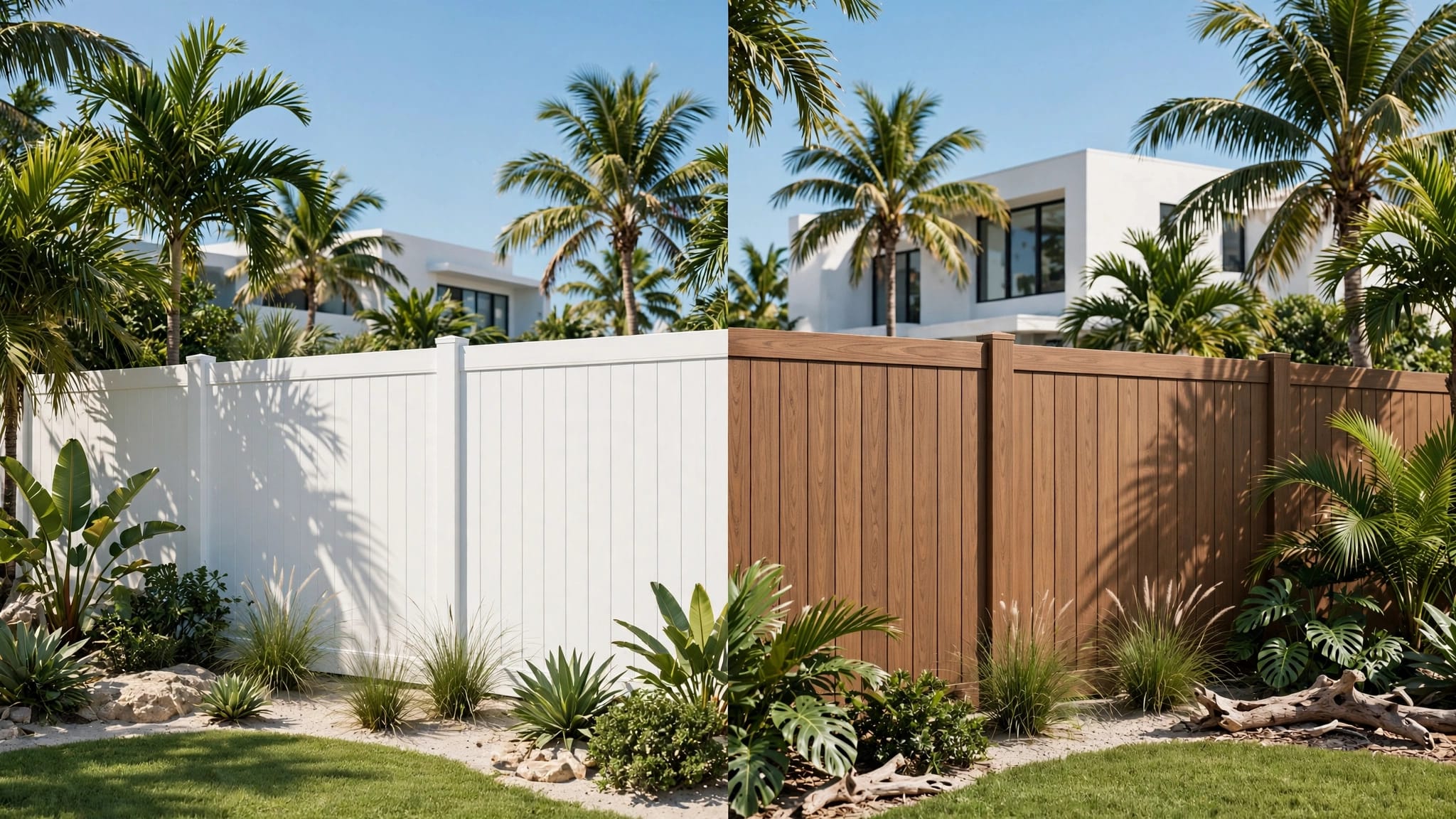
Material choices often raise different questions. Vinyl, wood, aluminum, metal, and chain link each create a different look and may fall under different HOA rules. Color can matter too, especially in deed-restricted neighborhoods.
Lot shape also plays a part. Corner lots can have visibility rules. Side yards near sidewalks may need extra clearance. A yard with drainage features or low spots may limit post placement.
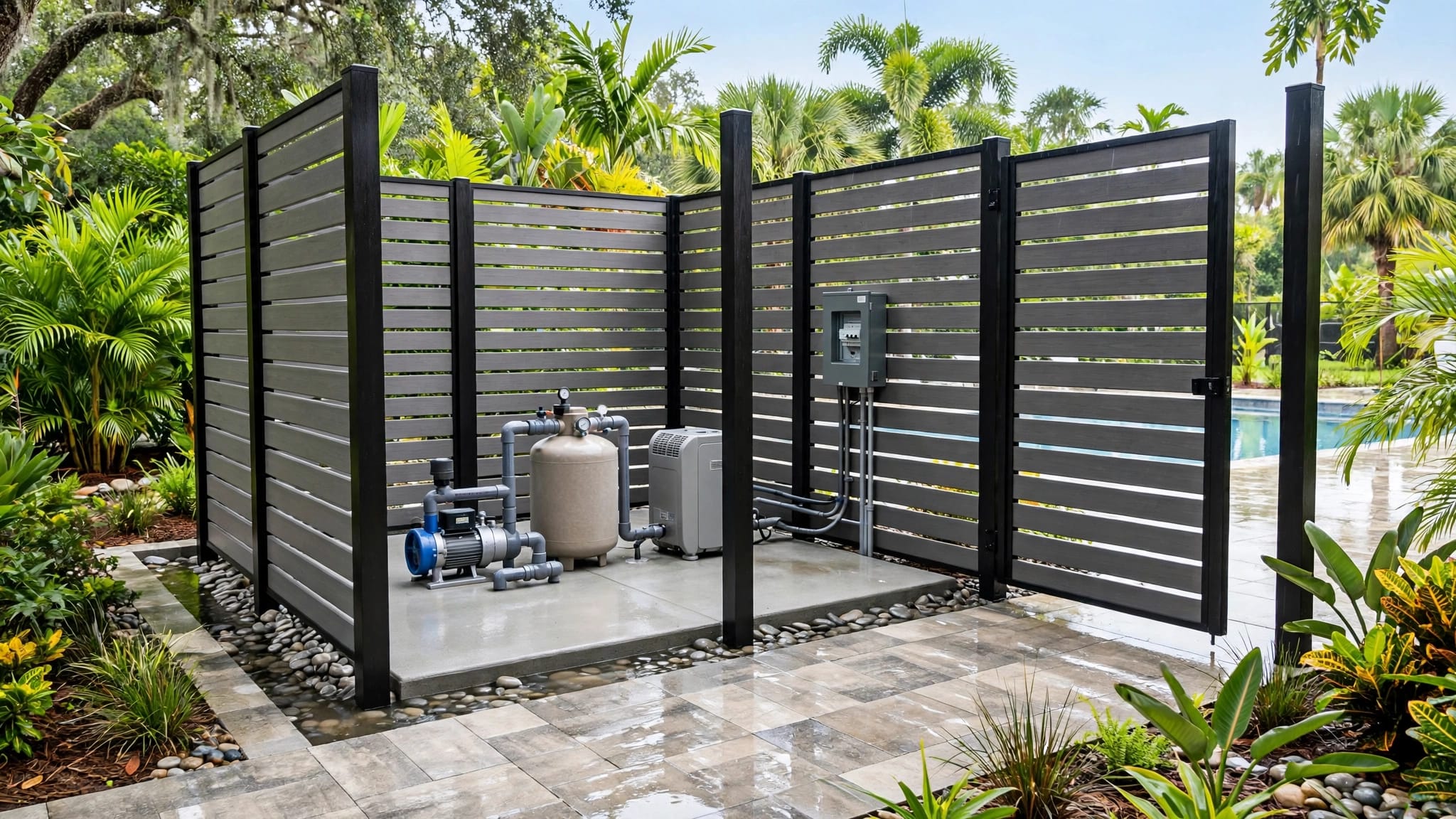
A fence for pool safety brings another layer of review. The design has to work as a barrier, not just as a border. That means latch height, gate swing, and fence height can matter more than style.
A simple example helps. A short decorative fence in the front yard is usually reviewed differently than a taller privacy fence in the back yard. The first is about curb appeal. The second is about screening, safety, and placement.
Conclusion
Deep Creek fence approval starts with one key fact, Deep Creek is a neighborhood, not a city. That means Charlotte County and your HOA are the main places to check before you build.
If you verify the parcel, confirm the lot line, and get the right approval first, the rest of the project is much easier. Permits, fees, and zoning rules can change , so confirm the current requirements with the right local building or zoning office before construction begins.
A little homework up front can save you from delays, revisions, and unwanted redo work later.