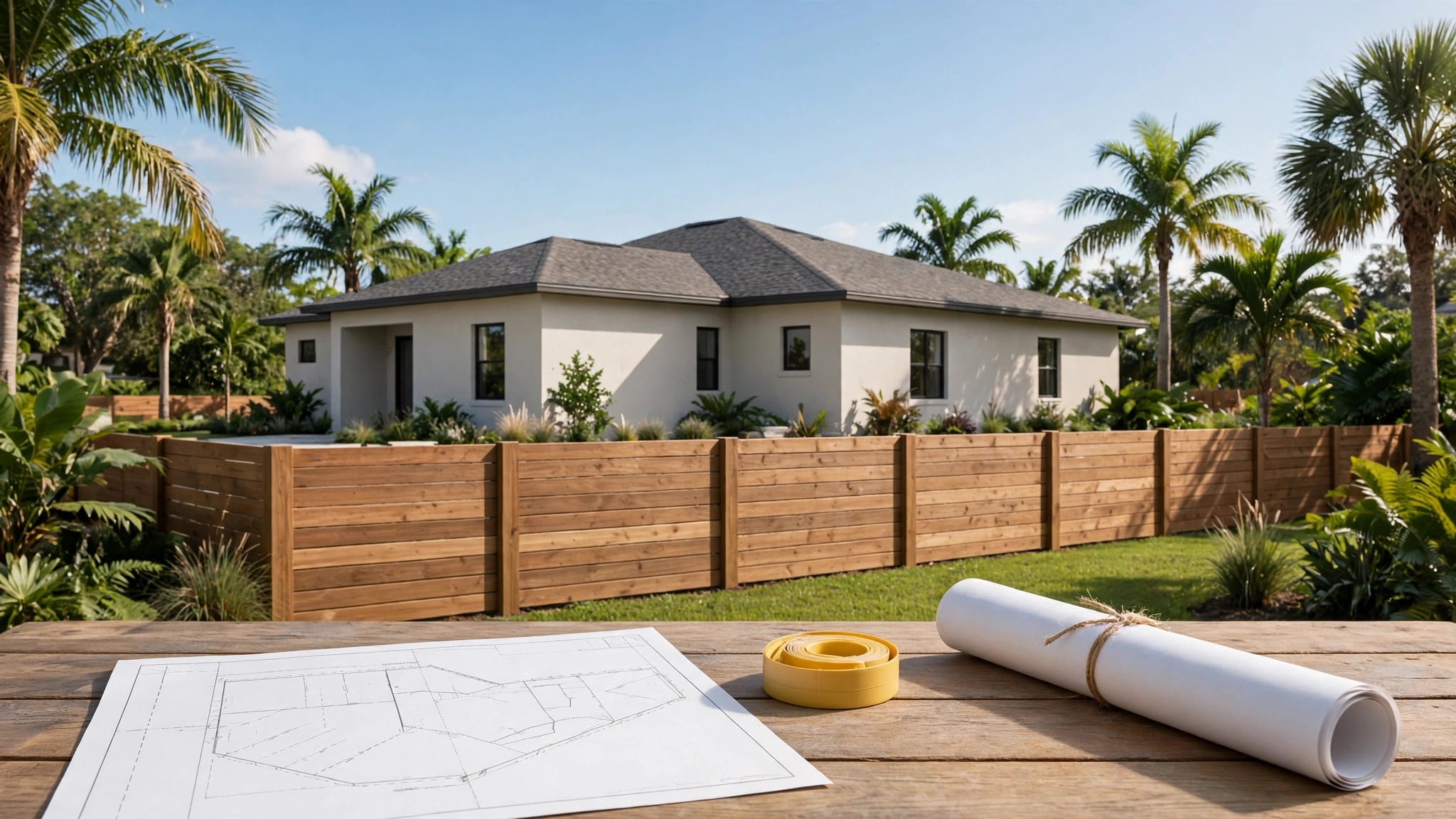
How Close Can a Fence Be to a Well in Florida?
When people search for a fence well setback Florida homeowners can trust, they usually want one clear number. Florida does not give every property the same answer, because the right distance depends on local rules, permit review, and the space needed to reach the well.
That matters because a fence can meet height rules and still cause problems if it crowds the well casing, blocks access, or interferes with sanitary protection around the well. Before you set posts, it helps to know what local offices and a licensed well contractor will look for.
The real answer depends on your county
The safest direct answer is this: there is no single statewide fence-to-well distance that fits every Florida property. In many cases, a fence can sit fairly close to a well if it stays on your property and leaves enough room for service access.
County and city rules can change that. Some local governments want the well shown on a site plan, and some may care about how close the fence comes to the casing, pump, or access route. A fence that works in one county may miss the mark in another.
Florida fence height rules also do not solve the whole problem. A six-foot backyard fence may still be too tight if it traps the well in a corner or blocks repairs. The fence line has to work with the well, not just with the property line.
If you are unsure, treat the well like equipment that needs space, not just a point on a survey.
A county health department, local building department, or licensed well contractor can tell you whether your layout fits local requirements. A survey is smart too, because it helps you avoid guessing at the property line.
What matters around a well, besides the tape measure
A fence that sits close to a well is not always a problem. The issue is whether it gets in the way of access, maintenance, or protection.
Here are the main things that usually matter more than a fixed number:
| Check | Why it matters | What to ask |
|---|---|---|
| Access to the well | Technicians may need to inspect or repair the system | Can someone reach the well without moving the fence? |
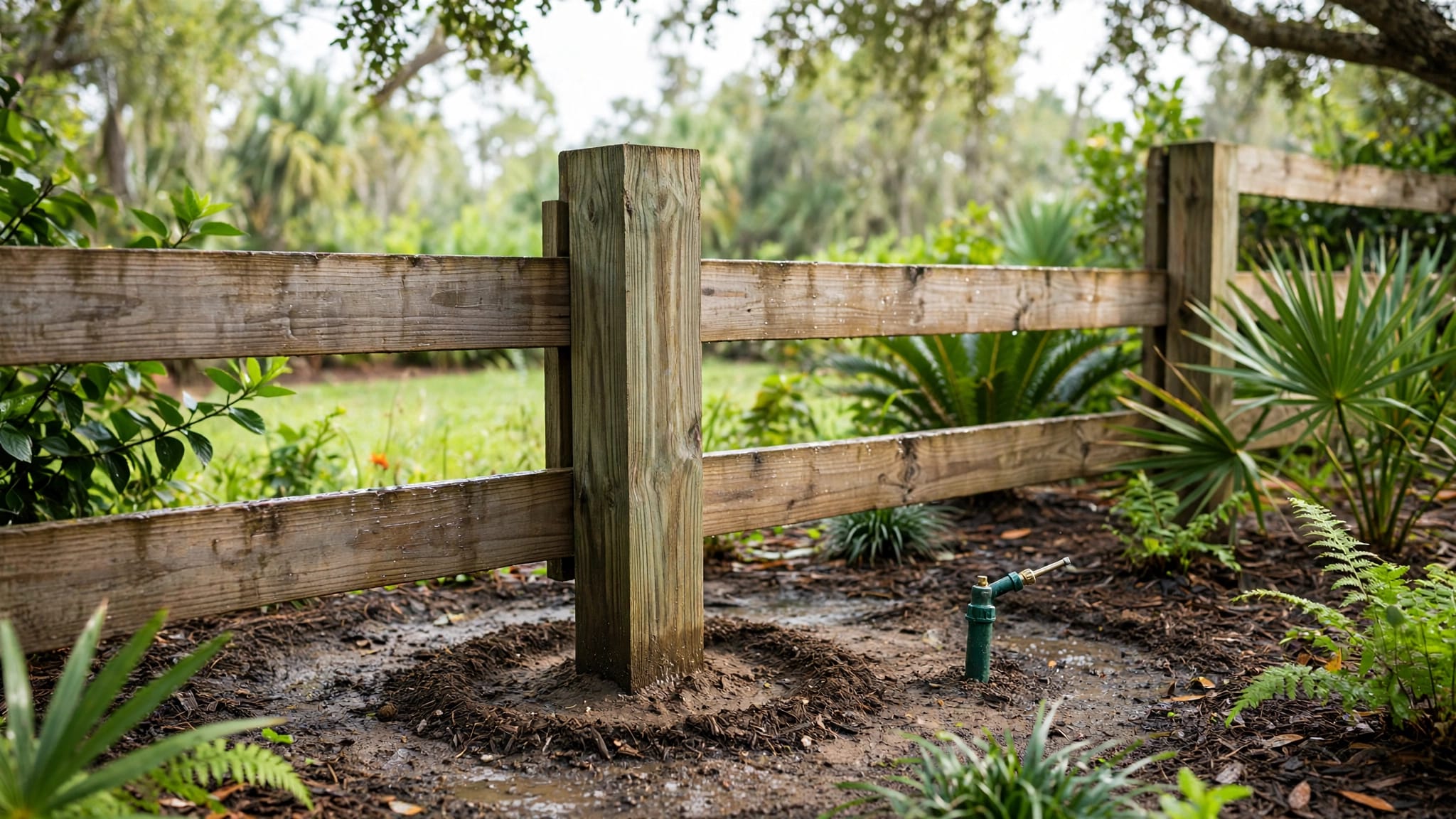
| Space around the casing | Tight posts or rails can crowd the well area | Will the fence touch or block the casing? |
| Service equipment room | Pumps and parts may need tools or clear work space | Is there enough room for maintenance? |
| Sanitary protection | The well area should stay protected from damage and clutter | Does the fence interfere with the protected area? |
If the fence line forces a worker to squeeze between the panels and the well, the design probably needs another look. A little extra space now can save a lot of trouble later.
The shape of the yard matters too. On narrow side yards, a fence can create a cramped service lane. On larger lots, you may have more room to place a gate or shift the line a few feet.
Questions to ask before you build
Before you order materials, ask the same questions a permit reviewer or well technician would ask.
- Does my county require a permit or site plan that shows the well?
- How much clear access is needed around the well casing?
- Will the fence block pump service, testing, or future repairs?
- Should the gate stay wide enough for tools and equipment?
- Do I need a survey before I decide where the fence goes?
These questions sound simple, but they catch most layout problems early. They also help if your well is near a side lot line, a pool, or another feature that limits space.
If you are planning a new fence, professional fence installation services can help you place the line before digging starts. If an existing fence already sits too close, reliable fence repair services may let you adjust a panel or gate instead of rebuilding everything.
A small change in layout can make a big difference. Moving a fence a few feet can improve access, protect the well, and keep the project easier to approve.
A simple way to plan the fence line
A good fence project starts with the well, not after it.
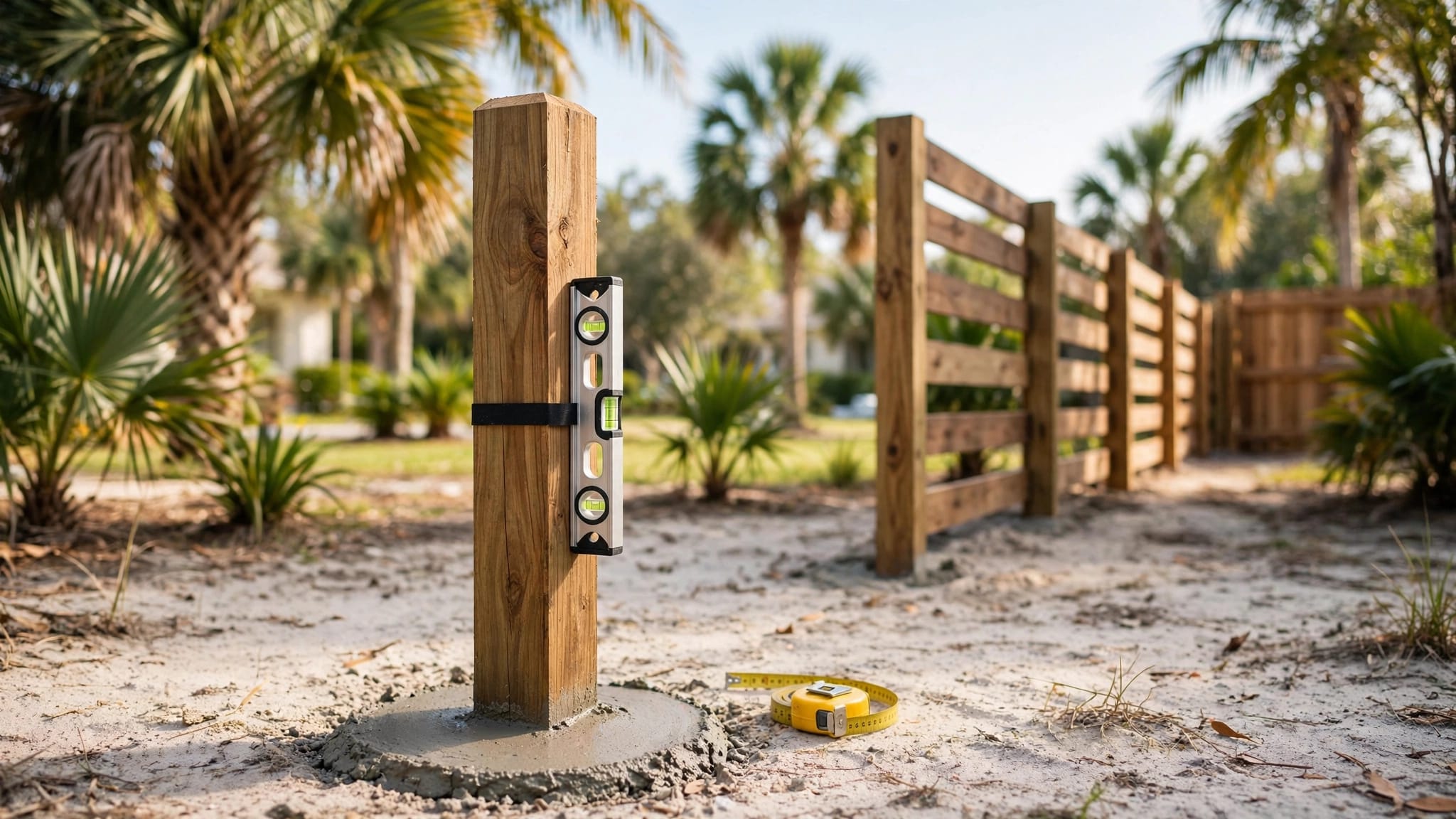
- Pull your property survey and mark the lot line.
- Locate the well casing, cap, pump access, and any visible utility lines.
- Call the county health department or building department and ask about local rules.
- Check whether the fence will leave room for service access and sanitary protection.
- Confirm the plan with a licensed well contractor before work begins.
That order keeps you from setting posts in the wrong place. It also helps if your fence contractor needs to work around an odd corner, a slope, or a utility box.
If your property is in Southwest Florida, a fence company that knows local conditions can save time during layout. Soil, drainage, and narrow side yards can all affect where the fence should go. The best design is the one that fits the yard and still leaves the well easy to reach.
Conclusion
There is no universal Florida number that answers every fence-and-well case. The real answer depends on local county rules and on whether the fence leaves enough room for access, the well casing, and sanitary protection.
If you check the survey, confirm the local requirements, and speak with a licensed well contractor before installation, you can place the fence with confidence. That keeps the project simple, and it keeps the well usable for years to come.