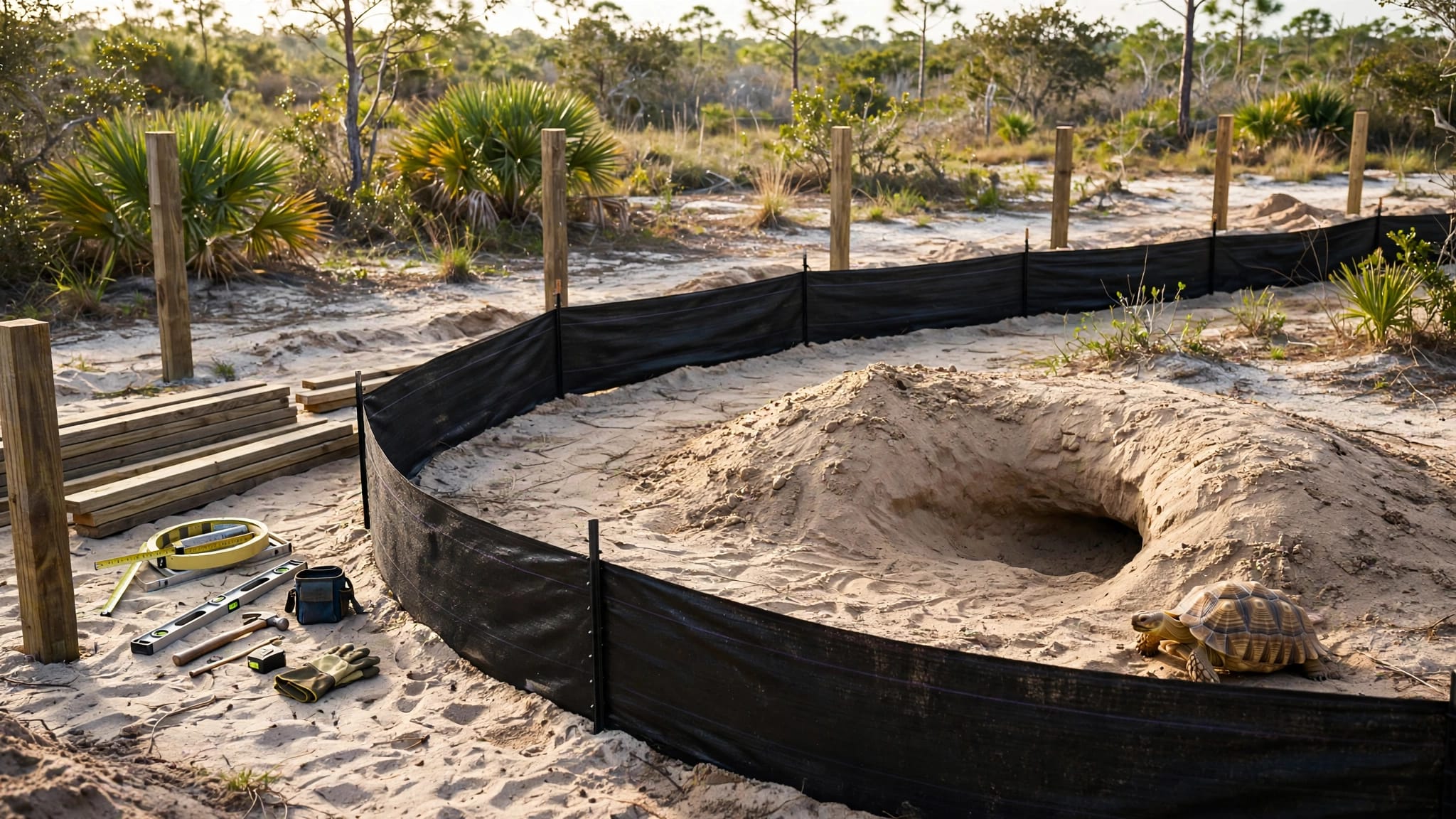
Fence Permit Fees in Southwest Florida for 2026
A fence project can look simple until the permit desk gets involved. In Southwest Florida, the fee may be small, but the paperwork can change your budget and timeline fast.
For 2026, the biggest mistake is assuming one county's fee applies everywhere. Fence permit fees in Lee, Collier, Charlotte, and Sarasota can vary by county, city, fence height, material, lot type, and the scope of work. They can also change over time, so last year's number may not hold today.
What homeowners should expect from fence permit fees in 2026
For a quick view, here is the current picture for the counties many Southwest Florida homeowners ask about first.
| County | 2026 fee status | Homeowner takeaway |
|---|---|---|
| Lee | Verified at $50 for a fence permit | Start with the local fee schedule, then check whether a city permit also applies |
| Collier | Current fee should be confirmed before filing | Plan for extra review if the fence line, height, or gates need a closer look |
| Charlotte | Current fee should be confirmed before filing | Call the building department before you order materials |
| Sarasota | Current fee should be confirmed before filing | Confirm whether your address falls under county or city review |
Lee County gives the clearest starting point. In the current 2026 information, the fee is listed at $50 for a fence permit. That does not mean every Southwest Florida fence will cost that same amount, because the rest of the process depends on where the fence sits and what it includes.
For budgeting, many homeowners set aside about $50 to $250 for permit and filing costs on a basic residential fence. Treat that as a planning range, not a quote. A plain replacement may stay near the low end, while plan review, resubmittals, or city fees can push the total higher.
A permit fee is only one line item. A survey correction or resubmittal can cost more than the permit itself.
If your lot sits inside city limits, the county fee is only part of the picture. If your property is in Fort Myers, for example, the city process may matter more than the county schedule, so the Fort Myers residential fence permit guide is a better match than a county-only rule sheet.
What changes the price of a fence permit
Fence height is one of the biggest drivers. A 4-foot yard fence usually draws less review than a taller privacy fence. That matters because taller fences can affect sight lines, setbacks, and wind load concerns.
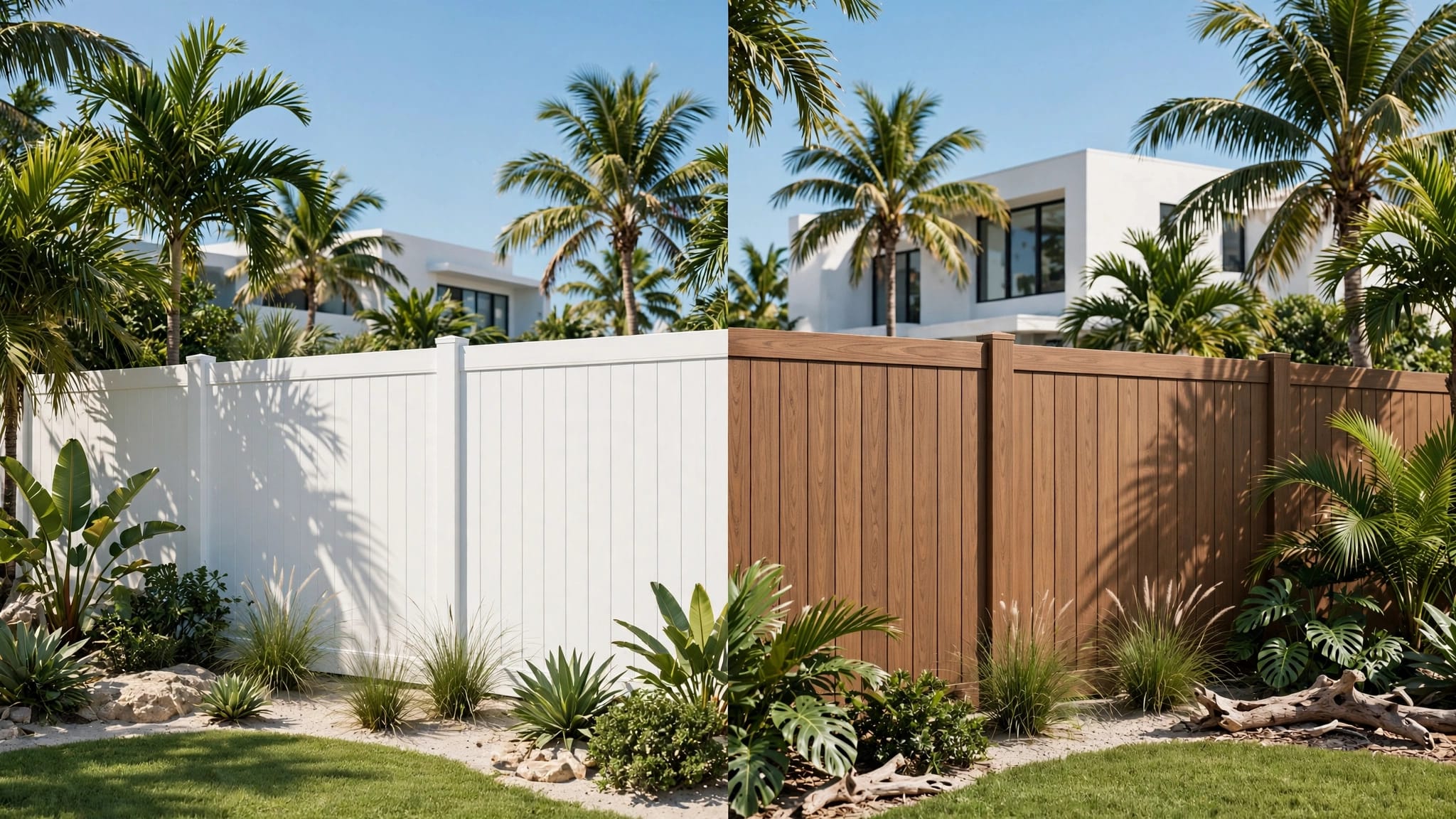
Material matters too. Wood, vinyl, aluminum, and chain link can all be treated a little differently on a permit application. The office often wants enough detail to know how the fence is built, where it sits, and whether it includes gates or corner sections.
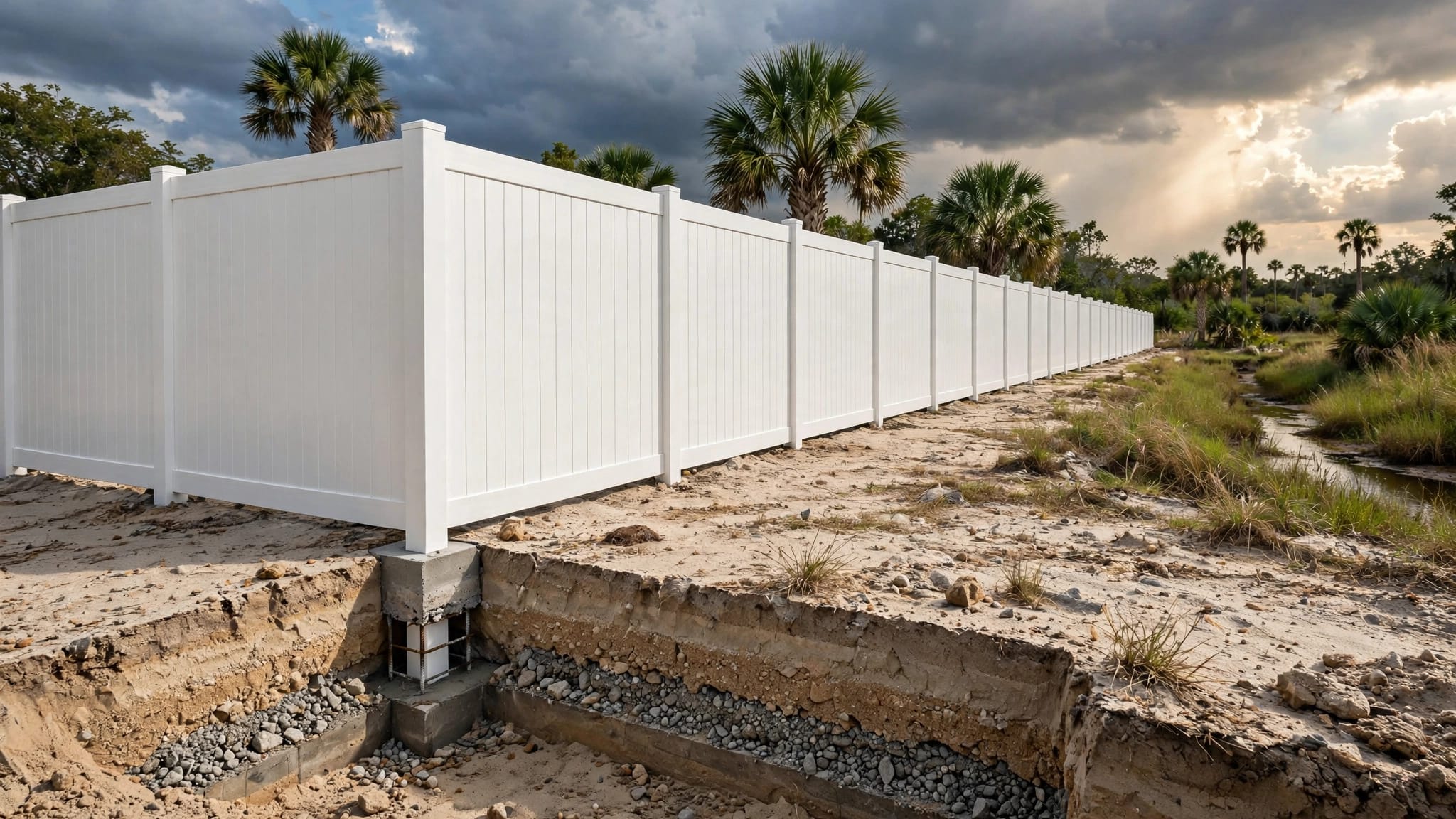
Lot shape can matter just as much as the fence itself. Corner lots often face visibility rules. Waterfront parcels, drainage easements, and lots with missing pins need more attention. A fence that stays inside a clear backyard line is easier than one that pushes near a boundary or easement.
Scope also changes the fee path. A new fence, a full replacement, a height change, and a major repair can each trigger different review. A like-for-like swap is usually simpler than a fence that moves, rises, or changes material.
HOA rules are separate from permit rules. A neighborhood board may care about style, color, or placement, while the building department cares about code, setbacks, and safety. You may need both approvals before a crew touches the yard.
County-by-county notes for Southwest Florida
Southwest Florida does not follow one single fence permit schedule. The address matters as much as the county name.
Lee County is the only one in this group with a confirmed 2026 fee from the available information, and it is $50 for a fence permit. If your home sits inside Fort Myers city limits, city rules can take over, so the Fort Myers residential fence permit guide helps separate city review from county review. If your property is in unincorporated Lee County, that $50 number gives you a solid starting point, but you should still confirm the latest filing steps before you submit.
Collier County often asks for more than a simple application. A homeowner usually needs a survey or plat, a site plan, fence height notes, and gate details. The Collier County residential fence permit requirements page is useful if your address falls there. The fee itself still needs a current check before you pay, because local schedules can shift.
Charlotte County deserves a direct call or email before you buy materials. The fee can change with the office, the property type, and the scope of work. That is especially true on corner lots, drainage-adjacent parcels, and properties with older surveys. A small delay on the front end can prevent a bigger delay after your fence order is already in motion.
Sarasota County also needs a fresh check in 2026. The Sarasota County fence permit application requirements page is a helpful place to start because it points you toward the usual paperwork and the right office. If your fence runs close to a boundary, easement, or pool, get the rules in writing before work begins.
What to gather before you apply
A clean application saves time. It also keeps you from paying twice for the same mistake.
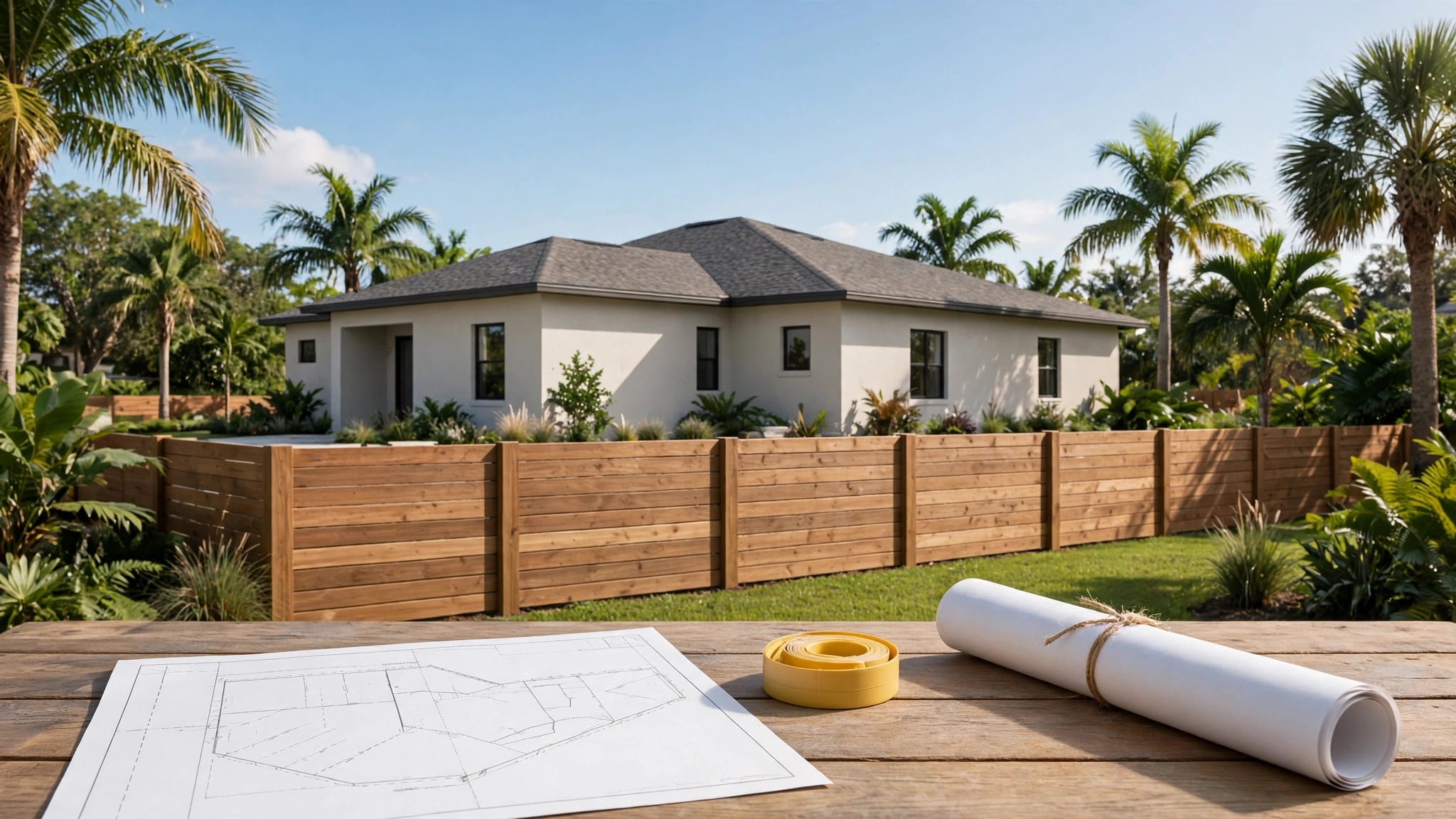
- A recent survey or plat, if you have one.
- A simple site sketch that shows the fence line, gates, and distances to property lines.
- Fence details, including height, material, and whether the new fence replaces an old one.
- Property notes that affect review, such as easements, corner lots, flood areas, or pool enclosures.
- Contractor information, if you hire a licensed and insured fence company.
If you do the work yourself, ask whether the homeowner permit path is different. Some offices treat DIY jobs the same as contractor jobs. Others ask for extra form details before they accept the application.
Pool areas deserve special care. A pool enclosure can trigger separate safety rules, so do not assume a standard yard fence permit covers it. The same goes for gates near sidewalks or driveways, where swing direction and setback details can matter.
Ways to keep permit costs under control
The easiest way to keep the cost down is to keep the project simple. A fence that stays in the same spot and uses the same height as the old one usually creates fewer questions than a fence that shifts toward the property line.
A current survey can save money when the lot is tricky. It gives the reviewer a clear picture of pins, easements, and setbacks. It also helps avoid the costly mistake of placing a post on the wrong side of a boundary.
The same idea applies to jurisdiction. A home that looks like it belongs in one office may actually fall under another. City and county lines can change the process, the form, and the fee. If you are not sure which office handles the job, confirm that before you pay for materials.
A good contractor can help here, too. The right team knows when a fence permit is straightforward and when the plan needs a closer look. That matters on small lots, corner parcels, and properties near water or drainage areas.
A permit fee is manageable. A correction after work starts is the expense most homeowners want to avoid.
Conclusion
Fence permit fees in Southwest Florida are manageable when you know where the permit belongs. Lee County's verified $50 fee gives you a starting point, but city limits, lot layout, and project scope can change the total fast.
Before you buy posts and panels, confirm the current fee, gather the survey, and match the plan to the property. That small step saves time at the counter and trouble on the lot.
A fence is easier to enjoy when the paperwork is clean from the start.