DeSoto County Fence Permit Guide For 2026 Property Owners
A fence seems simple until you hit the permit wall. If you're planning a new install or replacing storm-damaged panels, a DeSoto County fence permit can be the difference between a smooth project and a stop-work notice.
This guide breaks down what usually triggers a permit in DeSoto County, what to submit, how inspections work, and how DIY rules differ from hiring a licensed contractor. It's written for 2026 property owners who want clear answers, not guesswork.
Requirements and fees can change, and some neighborhoods add HOA rules on top. Before you dig holes, confirm your details with DeSoto County Building and your HOA (if you have one).
When a DeSoto County fence permit is usually required in 2026
In DeSoto County, permit triggers often come down to height, location, and safety . Many owners first learn this when they try to install a tall privacy fence, set a fence near a road, or add a barrier around a pool.
As a rule of thumb, you should expect permit review when the fence is over 6 feet , when it sits in a front yard or corner lot visibility area , or when the fence ties into a pool barrier plan. The Building Division can confirm what applies to your parcel, because zoning and setbacks vary by location and frontage type.
Also, don't forget the "hidden" triggers that catch people off guard:
- Replacing a fence "in the same spot" still counts as work, especially if posts, height, or material changes.
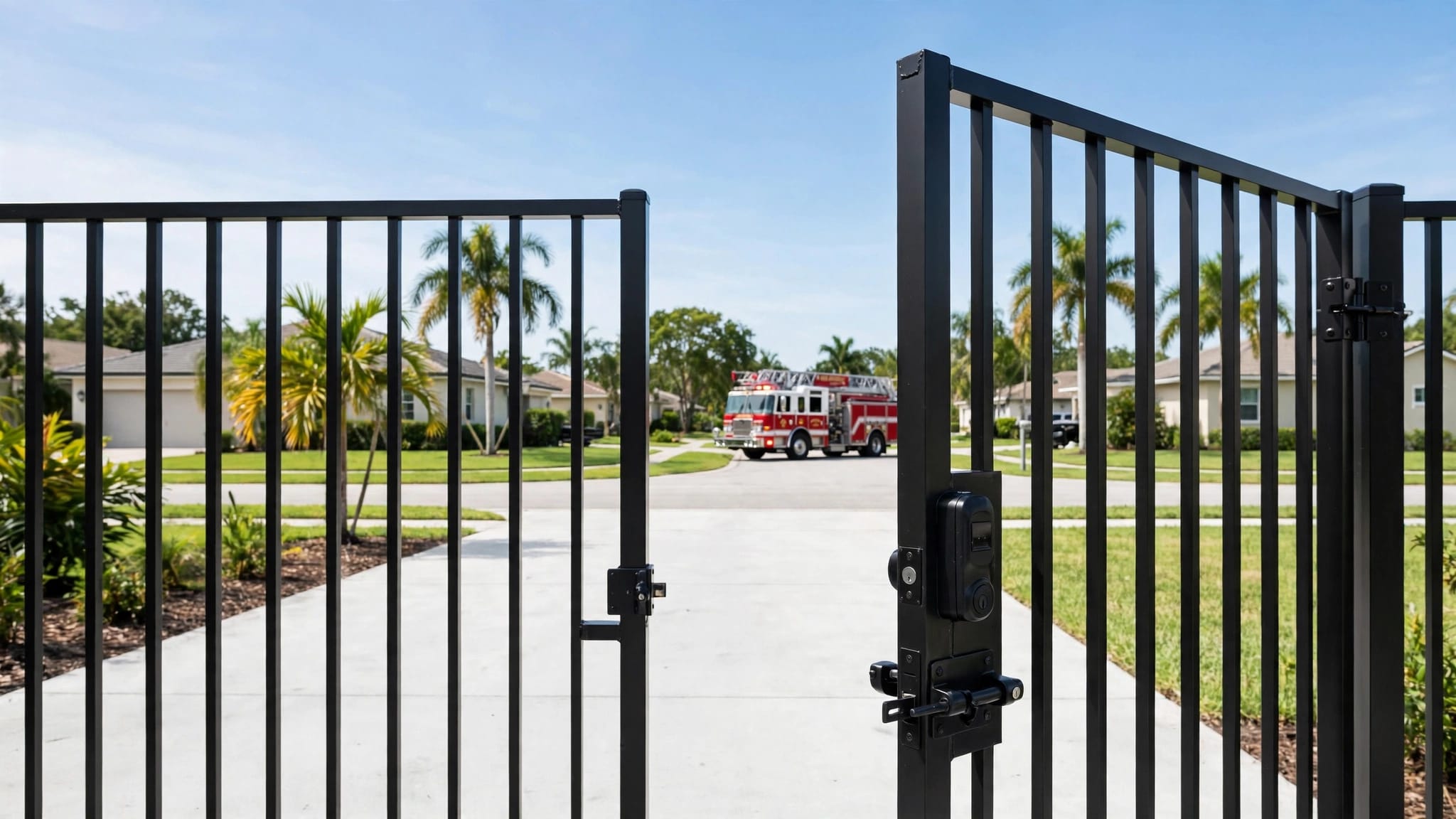
- Gates and driveway openings may affect sight lines and access.
- Agricultural properties can have different practical needs, but that doesn't always remove permit or setback rules.
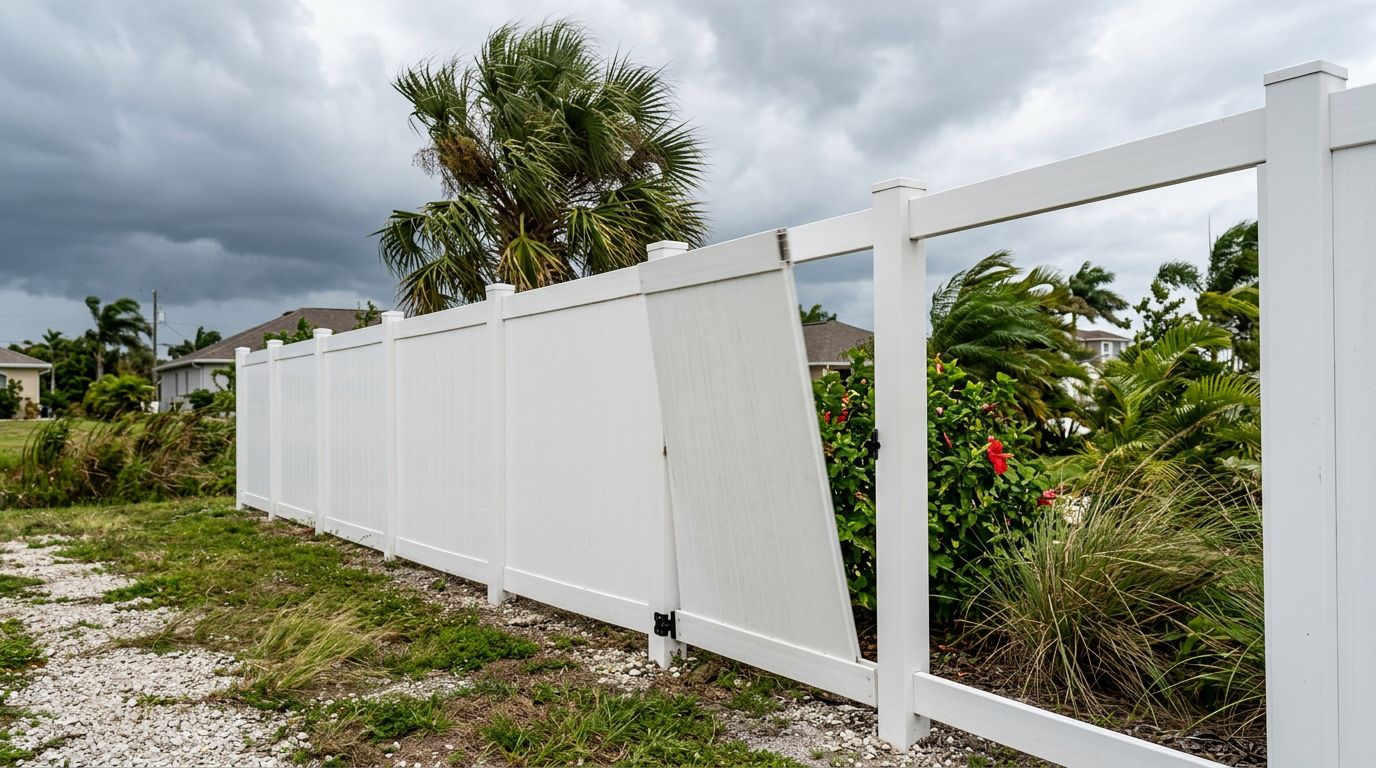
State rules matter too. Florida follows the Florida Building Code (currently the 2023 Florida Building Code cycle in use statewide), and local reviewers may ask for details tied to wind resistance and safe construction. Fences are not treated like a house, but they still have to be built to withstand Florida conditions.
If you're unsure, treat it like calling for utility locates. It's a short call that can save weeks later.
What to gather before you apply (site plan tips that speed approvals)
Most fence permit delays happen for one reason: the paperwork doesn't match the property. The county is not trying to be difficult, they're trying to confirm the fence won't cross lines, block easements, or create safety issues.
Start with property lines you trust . A recent survey is best, especially in rural areas or lots with unclear markers. If you don't have a survey, you can still submit, but you take on the risk if the fence ends up over the line.
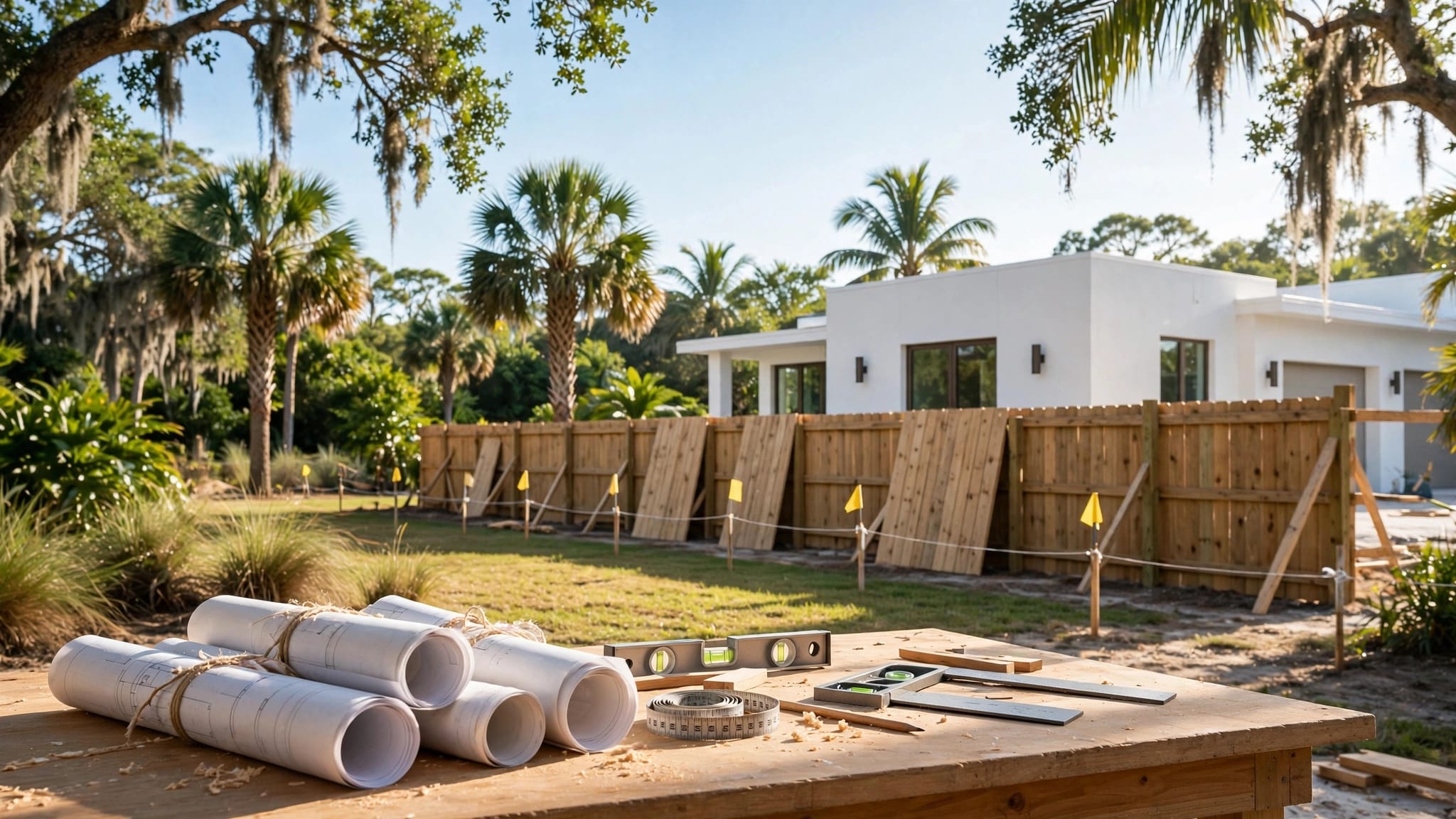
Next, build a simple site plan. It doesn't need to look like an architect drew it, but it must be readable. Include:
- The lot outline with property lines labeled
- Existing structures (home, garage, sheds) as basic rectangles
- The proposed fence path , with distances to property lines where it tightens up
- Fence height , material (vinyl, wood, chain link, aluminum), and post style if known
- Gate locations and widths
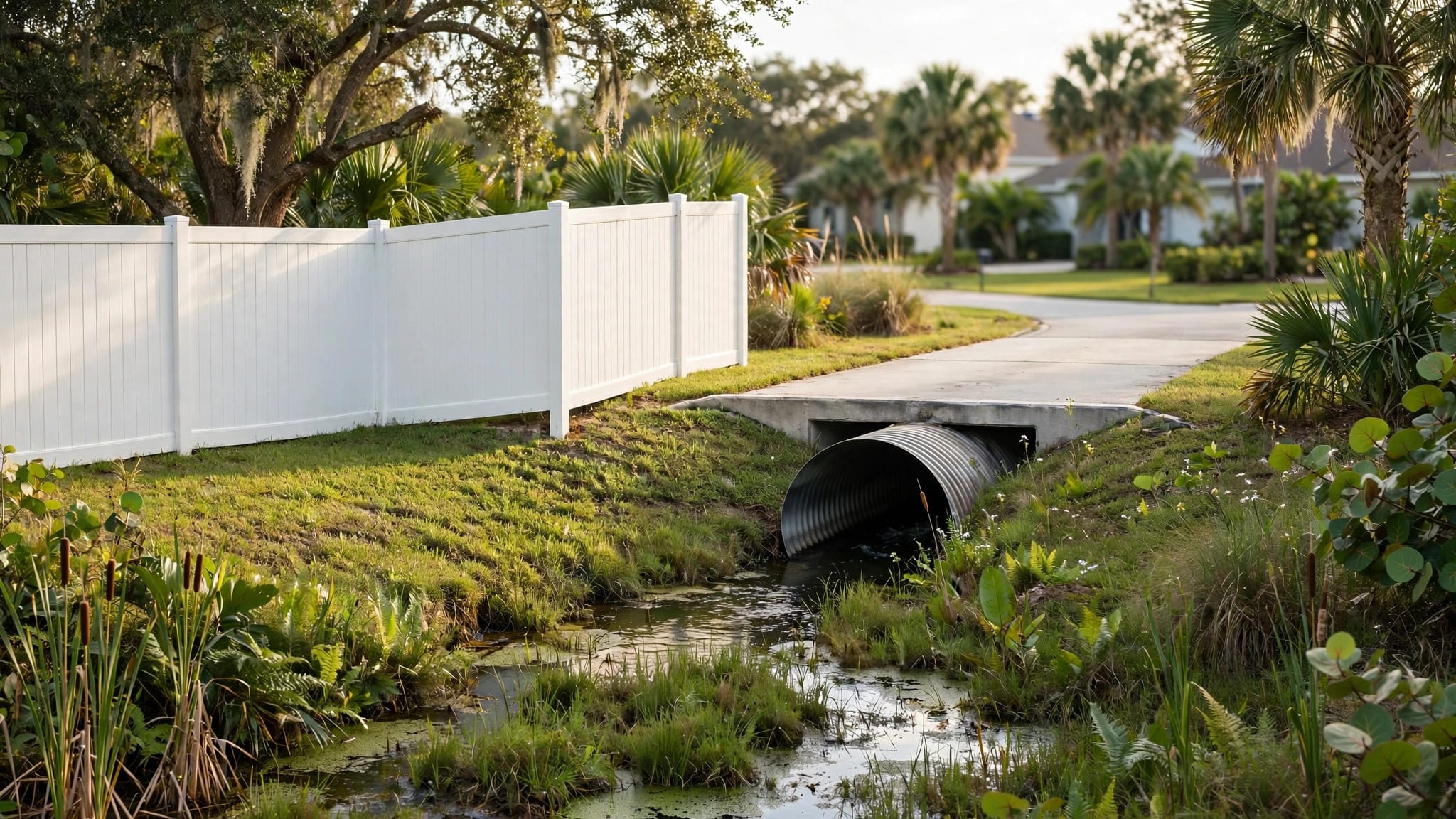
- Notes for easements , drainage features, or canals if they apply
A good site plan reads like a map a stranger can follow. If the reviewer has to guess where the fence goes, they'll kick it back for clarification.
Finally, check your community rules. An HOA can limit height, color, and even picket spacing. The county permit won't override private restrictions, so handle both early.
Step-by-step: how the DeSoto County fence permit process typically works
DeSoto County commonly supports permitting through its Building Division and online tools (often listed as a Citizen Self-Service portal), plus permit applications and checklists published by the county. For current instructions in 2026, confirm on the county's Building Division pages or by contacting the office directly.
Here's a practical step-by-step flow that matches how fence permits are usually handled:
- Confirm permit need and zoning basics
Call the DeSoto County Building Division to confirm whether your fence scope needs a permit, and ask about zoning setbacks for your parcel. - Choose who applies (homeowner or contractor)
If you're DIY, you apply as the homeowner. If you hire a contractor, they typically pull the permit and attach license details. - Prepare your submittal package
Include the permit application, site plan, and any supporting notes (corner lot visibility, pool barrier info, easements). - Submit online or in person (as allowed)
Use the county's portal or drop-off process, based on what the Building Division accepts at the time. - Pay fees and wait for review
DeSoto County fees can vary by valuation and type. For unroofed items like fences, the county fee schedule has a minimum fee and adds cost based on project value. - Receive permit, post it, then build
Don't start early. The county can assess penalties for work without a permit. - Schedule the final inspection
Once the fence is complete and gates work properly, schedule the required inspection through the county's normal process.
To set expectations, here are common fee items referenced in DeSoto County's building fee schedule (always verify current amounts before paying):
| Item (common for fences) | What it means | Amount shown on county schedule |
|---|---|---|
| Minimum permit fee (unroofed structures) | Baseline fee for small projects | $55 minimum |
| Plan review (unroofed) | Review charge tied to permit fee | 25% of permit fee |
| Re-inspection fee | Charged after certain failed or extra inspections | $55 |
| Time-certain inspection | Paid option for a scheduled time window | $105 |
| Starting without a permit | Penalty for unpermitted work | Double fees (with a minimum often shown as $105) |
If you need help confirming the current schedule or process, the Building Division contact details commonly listed by the county include phone 863-993-4811 and email building@desotobocc.com .
Inspections, DIY vs contractor rules, and a homeowner checklist
Most residential fence projects aim for one clean pass: build it right, call for final, done. Still, final inspections can fail for surprisingly basic reasons, like a gate that doesn't latch or a fence that crosses into an easement.
Scheduling inspections without slowing down the job
Schedule the final inspection when the fence is truly complete. Inspectors often want to see:
- Posts set and stable
- Fence line consistent with the approved layout
- Gates swinging freely and latching
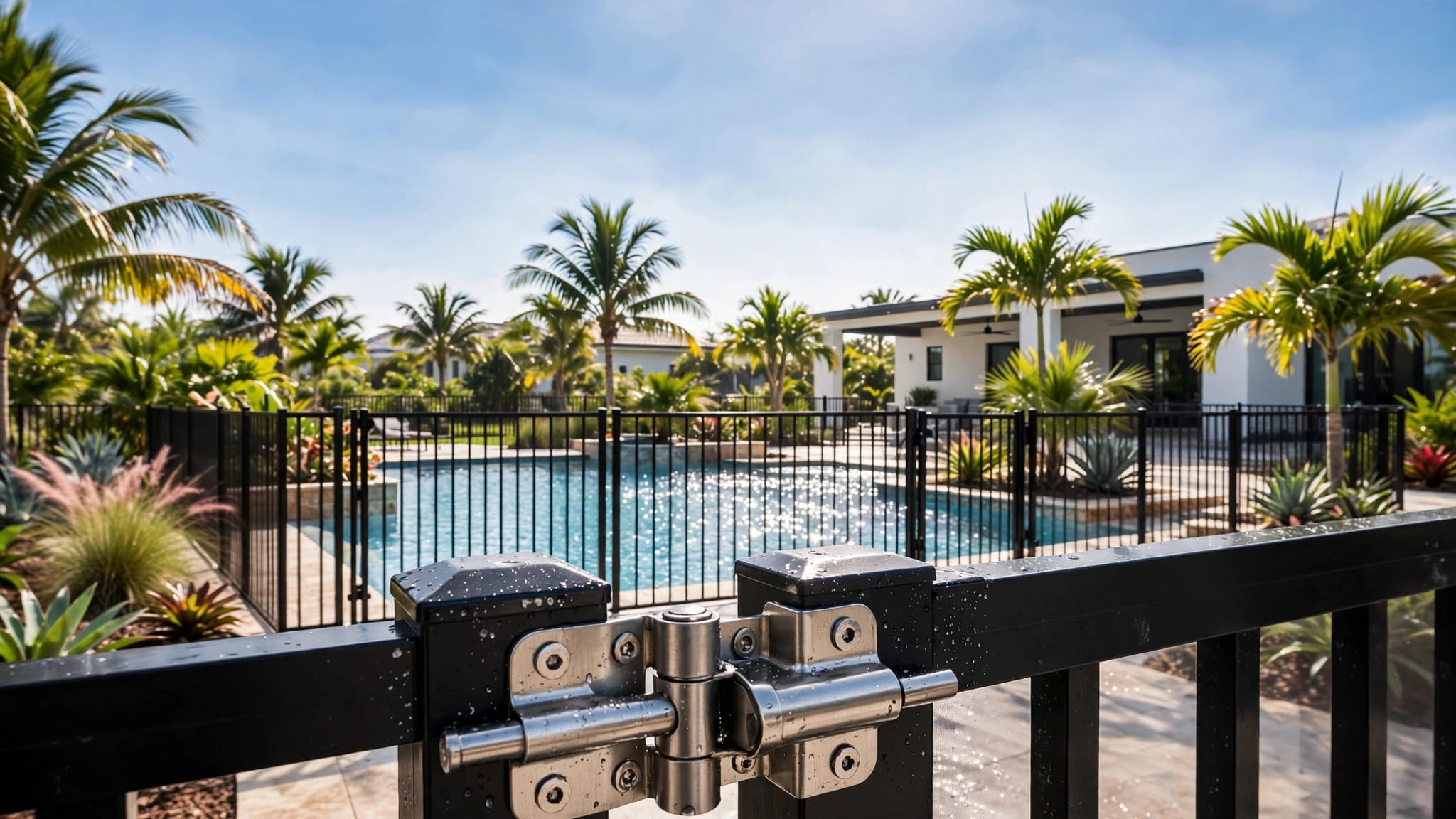
- Pool barrier details met (if the fence serves as a barrier)
If you're on a tight timeline, avoid last-minute design changes in the field. Even small shifts can create a mismatch with your approved site plan.
DIY vs hiring a licensed fence contractor
DIY can work well if you're comfortable reading plans, keeping lines straight, and handling corrections fast. However, you also carry the admin load. That means forms, site plans, revision requests, and inspection scheduling.
Hiring a licensed contractor changes the experience. A pro usually:
- Pulls the permit under their license (when applicable)
- Submits plans in a format reviewers recognize
- Builds to pass inspection the first time, because re-inspections cost time and money
Either way, keep your approved plan on hand. If the county asks why a gate moved, you'll want an answer.
Homeowner checklist before you dig
Use this short checklist to avoid the most common setbacks:
- Survey or verified lines : Don't rely on "I think the corner is here."
- Utility locates : Call for locates before digging.
- Site plan ready : Show fence route, height, gates, and distances to lines.
- Easements checked : Drainage and utility easements can limit placement.
- HOA approval (if needed) : Get it in writing.
- Pool rules considered : If it's a barrier, confirm latch height and openings.
- Permit in hand : Build after approval, not before.
- Final inspection scheduled : Don't forget the last step that closes the permit.
Conclusion
A fence is like a property boundary in physical form, it has to be placed with care. In 2026, the safest approach is to confirm whether your DeSoto County fence permit applies, submit a clear site plan, and build exactly what you got approved.
Rules and fees can shift, so double-check details with DeSoto County Building and your HOA before starting. Once you handle the paperwork upfront, the install becomes the easy part.