Englewood Fence Permit Guide for 2026 Homeowners
A fence project in Englewood can go sideways fast if you start with the wrong office. The rules depend on which county your parcel sits in, and that matters before you pick materials or post locations.
Some homes fall in Charlotte County, while others sit in Sarasota County. So the smartest first step is checking your property records, then matching your plans to the right permit path.
The county line matters as much as the fence style. A simple privacy fence can still need different approvals, depending on the parcel.
If your home is on the Charlotte County side, this Charlotte County fence permit guide is a useful county-specific companion.
Start with the county line, not the fence style
Englewood is one of those places where the address alone does not tell the whole story. Two neighbors can live on the same street and deal with different offices.
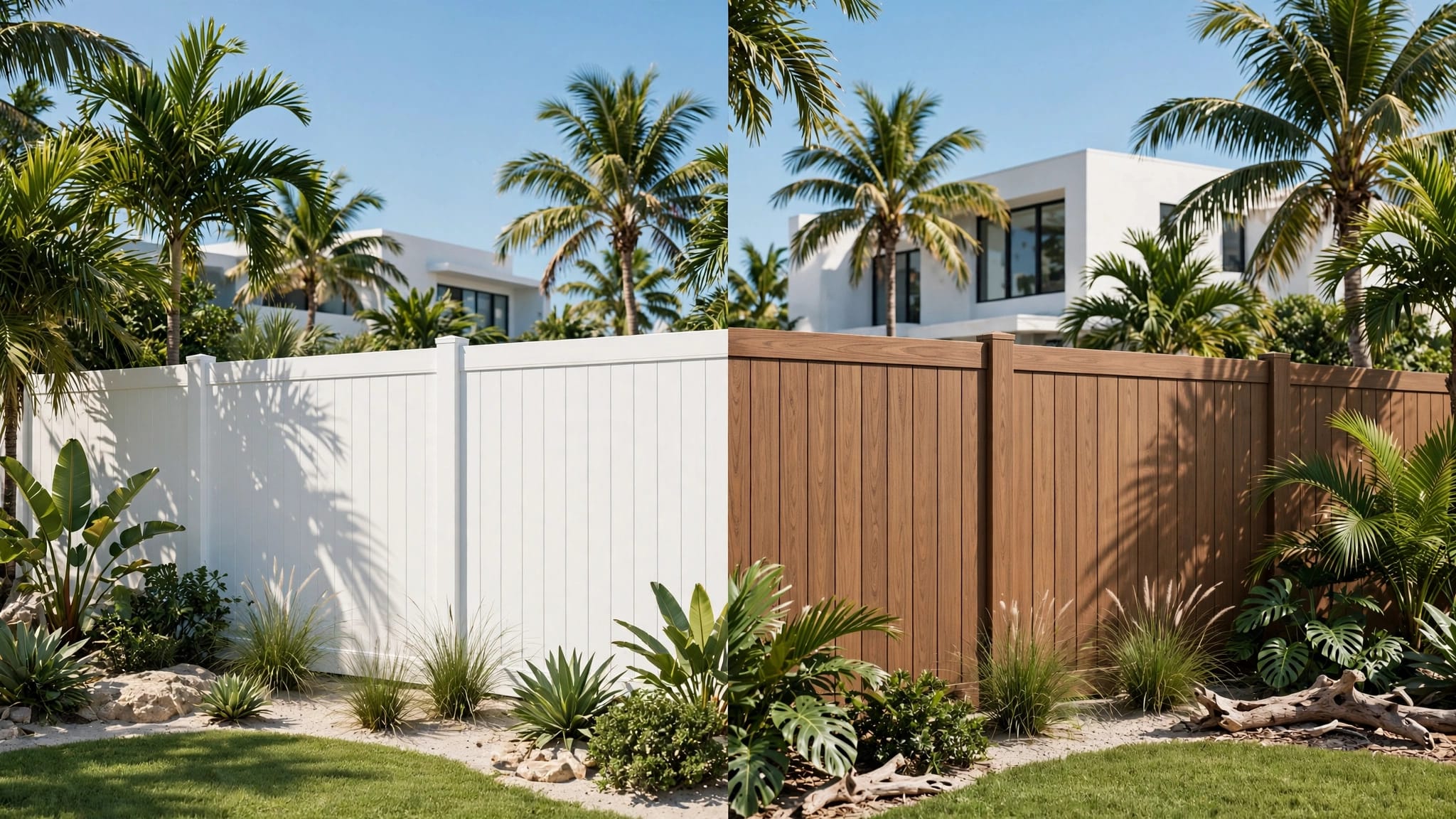
That is why permit research should begin with the parcel, not the fence material. Vinyl, wood, aluminum, and chain link can all follow the same basic permit path, but the rules change once a property falls under a different county or zoning district.
For 2026 homeowners, the safest move is to confirm three things first, your county, your zoning, and your setbacks. After that, the rest of the project gets easier.
If you are in Sarasota County, ask the local building or zoning office to confirm the current fence rules before you order panels. If you are in Charlotte County, use county guidance and check whether your lot has any extra limits tied to location or easements.
When an Englewood fence permit is usually required
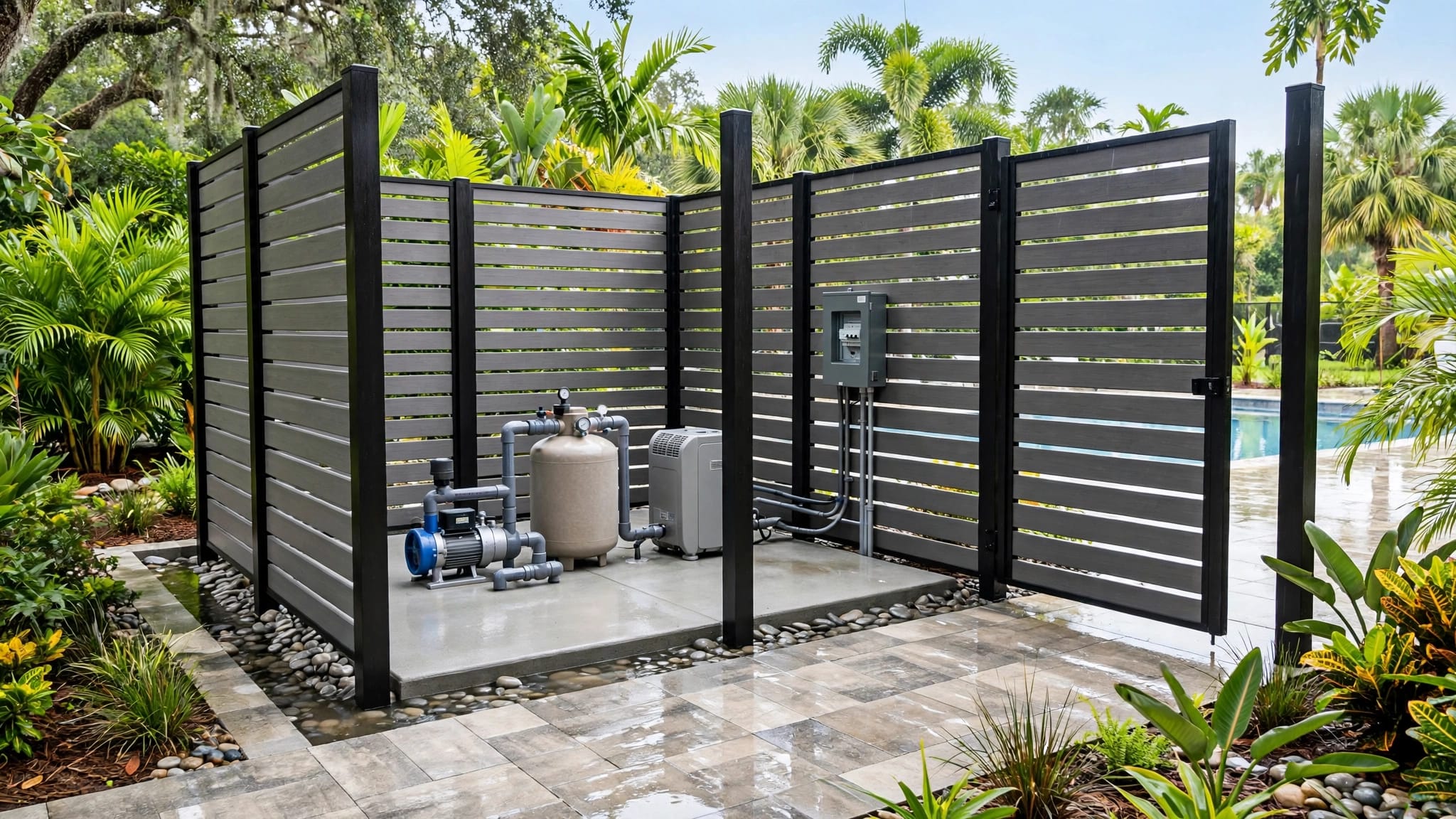
On the Charlotte County side, residential fences usually need a building permit. The current county guidance gives a narrow exception for small enclosures, such as a short setup around garbage or mechanical equipment with three panels or less and one gate.
A few other limits matter right away:
- Front-yard fences are often limited to about 4 feet in height.
- Side and rear yard fences are often allowed up to about 6 feet.
- Fences should stay behind the front edge of the home.
- Easements need separate attention.
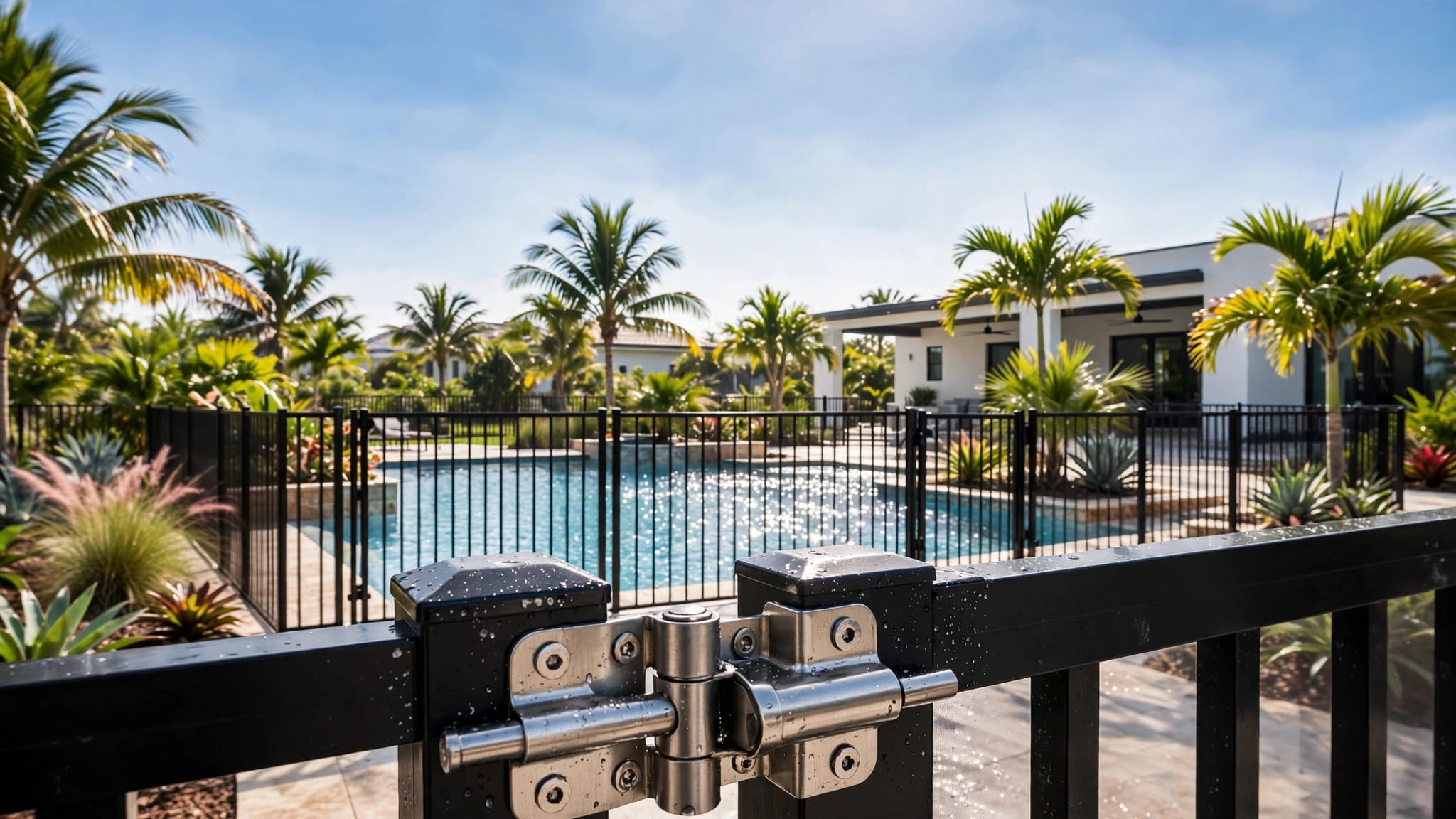
- Pool barriers often use a different permit type.
Those are good planning numbers, but they do not replace local zoning review. Charlotte County can set district-specific rules, so call zoning if your lot is near a corner, a drainage area, or a visibility issue. The county zoning office can help confirm height and location limits before you build.
For Sarasota County properties, verify the permit path with the county first. Rules can vary by parcel, and a fence that fits one lot may not fit another.
Documents that make approval easier
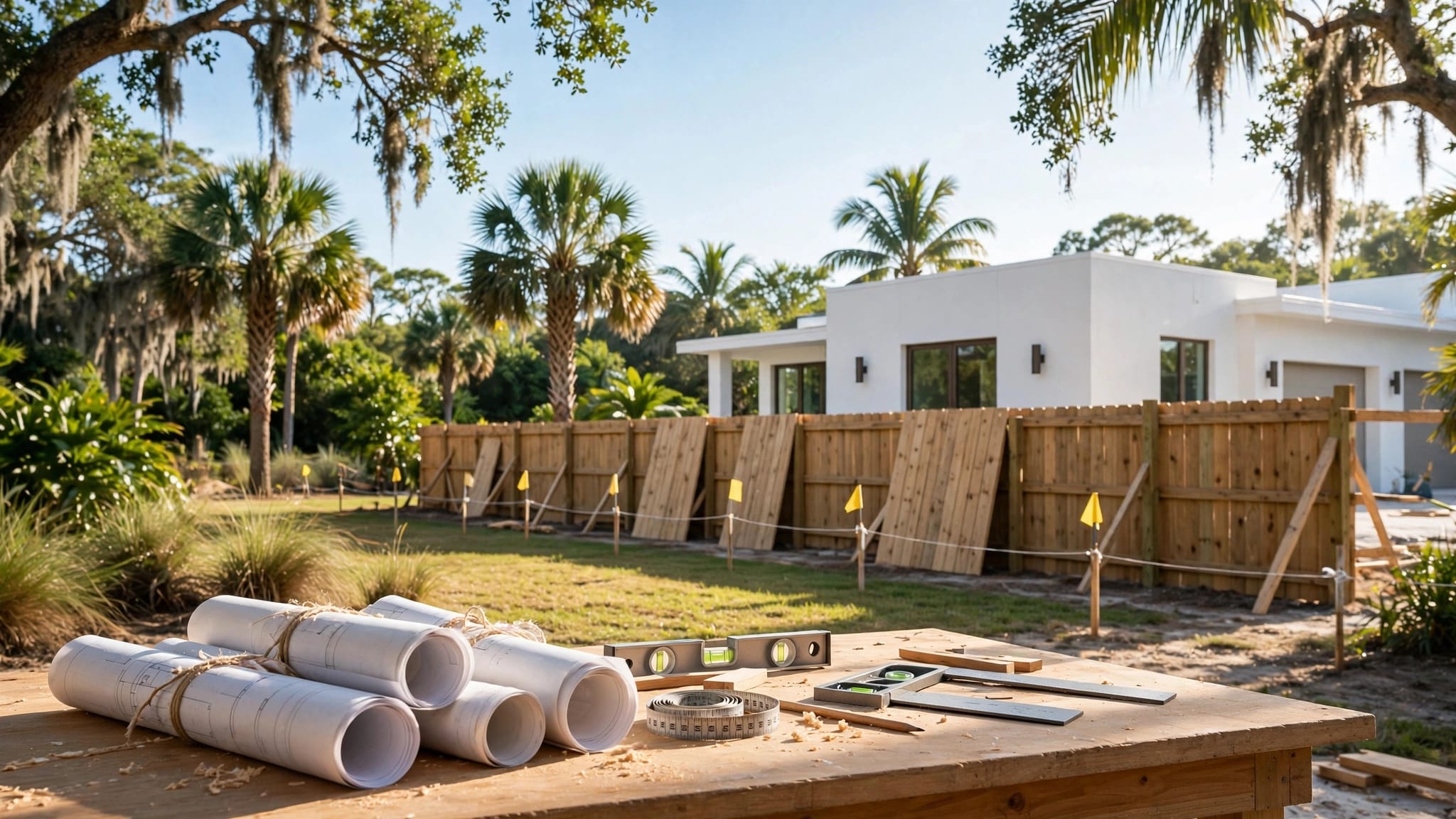
A smooth permit application starts with clean paperwork. The county wants to see where the fence goes, how high it will be, and whether it touches any setbacks or easements.
The Charlotte County residential fence permit application package is a good example of what reviewers expect. It shows the kind of details that help move a fence permit forward.
A simple submission usually needs these pieces:
- Confirm the parcel location and county first.
- Draw a site plan that shows the fence line, property boundaries, setbacks, and easements.
- List the fence height, material, and gate locations.
- Add owner approval if the home is a rental.
- If you are the owner-builder, complete the owner-builder disclosure.
- Check whether your fence is part of a pool barrier or another special type of enclosure.
If you are hiring a contractor, ask who will handle the permit submittal and layout. That saves time, and it keeps the project tied to the same plan the county reviews.
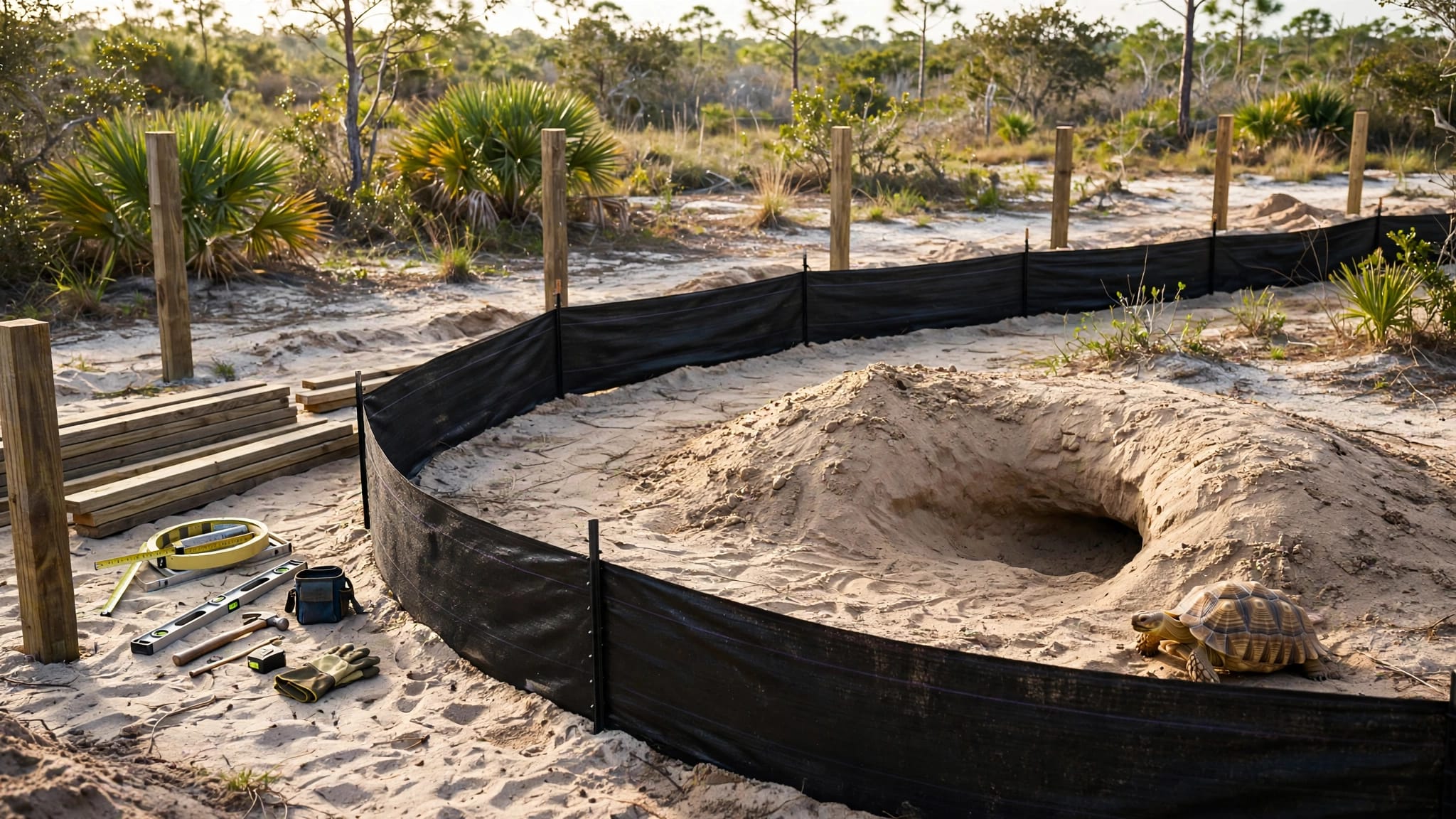
Also, mark utilities before digging. A fence line looks simple on paper, but one missed line can stop the whole job.
Mistakes that slow down Englewood fence permits
Most permit delays come from avoidable mistakes. The fence itself is rarely the problem.
Here are the ones that cause the most trouble:
- Guessing the county instead of verifying the parcel.
- Measuring from the wrong spot on the lot.
- Forgetting easements or utility access areas.
- Skipping HOA rules, then discovering a style or height limit later.
- Treating a pool barrier like a standard fence.
- Putting the finished side in the wrong direction when the county asks for it to face outward.
One more issue comes up often, especially with older homes. People assume the old fence line is the legal fence line. That is not always true. Property lines can shift on paper even when the old posts stayed put.
If your lot has a corner view, a driveway, or a drainage easement, get the site plan right before the first hole is dug. That step costs less than moving posts later.
Conclusion
An Englewood fence permit in 2026 comes down to one thing, knowing which county controls your parcel and what that county wants to see. Once you confirm the location, the rest gets much easier.
Start with the site plan, check setbacks and easements, and verify whether your fence needs a standard permit or a special barrier permit. A few minutes of review now can save days of delay later.
When the rules feel unclear, call the local building or zoning office before you break ground. That is the cleanest way to keep your project on track.