How Close Can a Fence Be to a Seawall in Florida?
On a waterfront lot, a few feet can decide whether a fence gets approved or moved. Florida does not use one simple statewide fence-to-seawall distance, so the answer depends on your city or county, your lot survey, and where the seawall sits.
If you are planning a Florida fence near a seawall, the safest move is to check the local rules before anyone sets a post. That matters even more on canal lots, corner lots, and properties with HOA rules.
Small details change the build line fast, and the wrong guess can waste time and money. Start with the site, then build the fence around the site.
Why Florida does not use one statewide distance
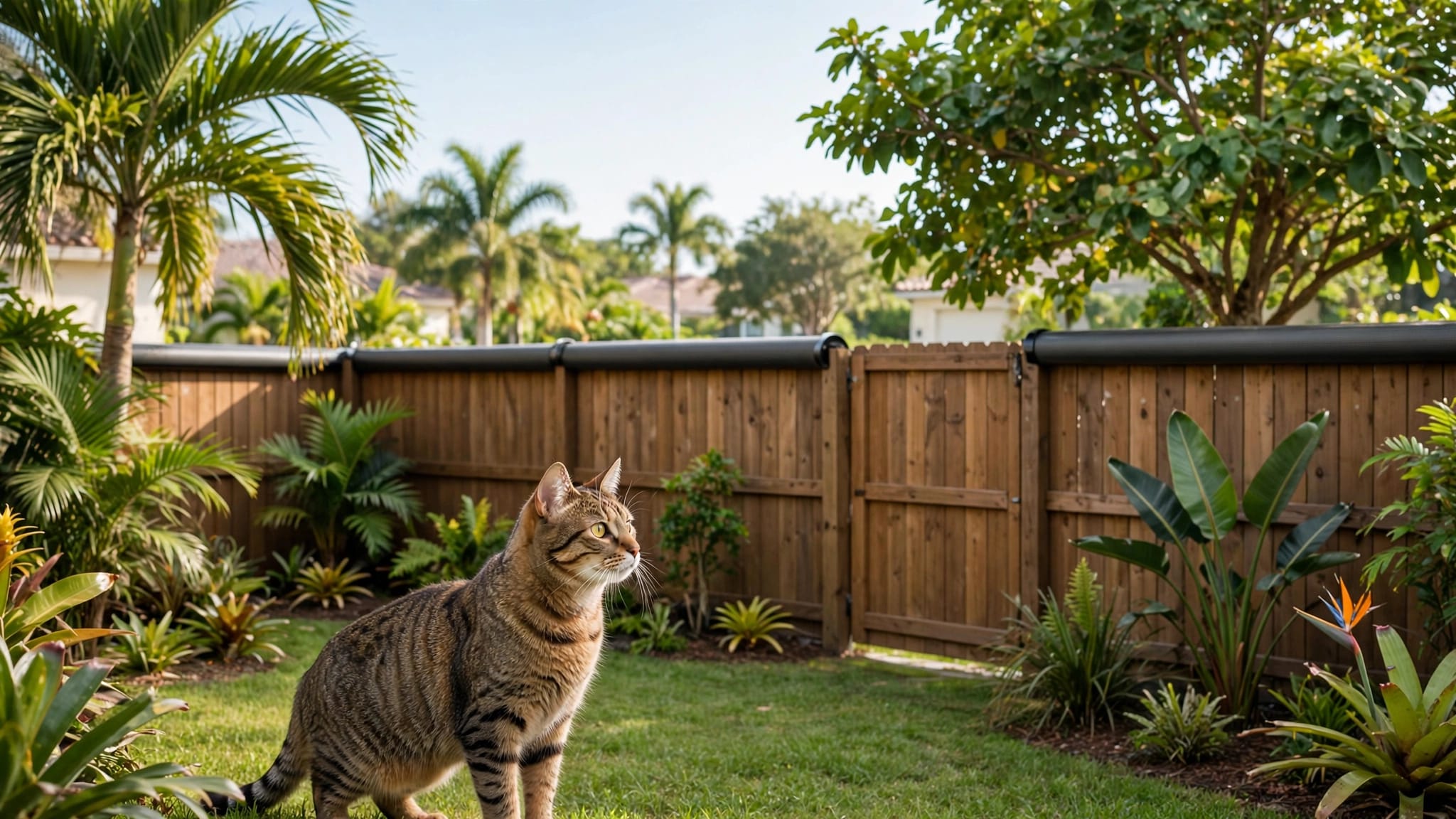
Florida leaves a lot of fence placement to local code. City and county building departments look at setbacks, easements, flood zones, and the kind of waterfront you have. A fence in Cape Coral, Naples, Fort Myers, or a smaller township may not be treated the same way.
That is why a single number does not hold up across the state. A canal lot, bayfront lot, and beach-adjacent lot can each bring different rules or review habits. Some local ordinances use 5 feet as a common clearance near a seawall, and Florida sand-fence guidance also uses 5 feet for the landwardmost post. Still, that is a local answer, not a blanket rule.
If your fence also acts as a pool barrier, pool safety rules come into play too. The seawall distance question does not replace those rules.
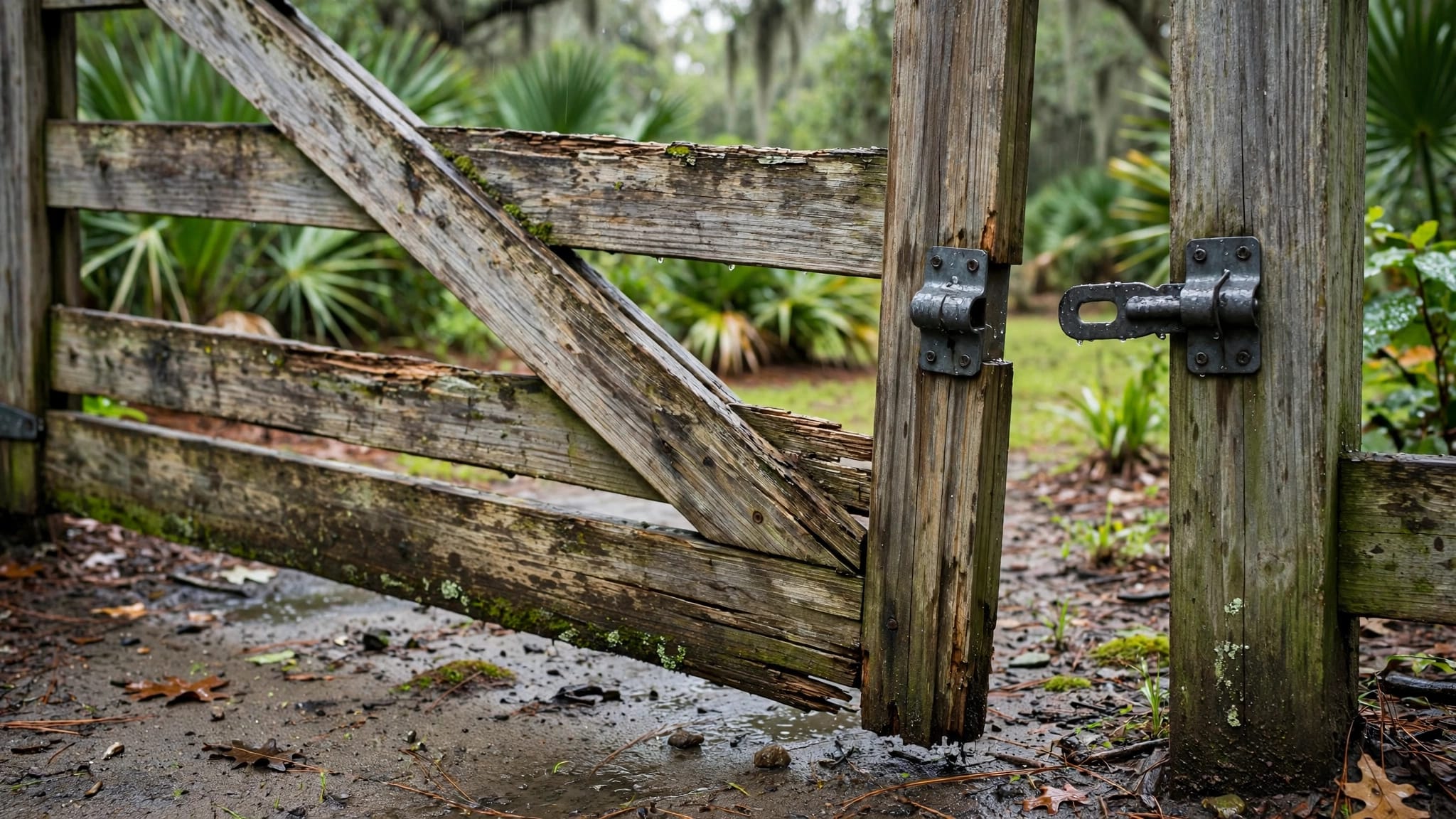
A tight fence line can also create problems later. Older seawalls may need room for inspection, cap work, or repairs, so a fence that hugs the edge can become a headache.
The safest answer is the one in your city or county code, backed by a current survey.
The details that change the setback
The answer often comes down to the small print on your survey. A fence can look fine in the yard and still fail because of one easement or one line on a plat map.
| Factor | Why it matters | Example |
|---|---|---|
| Municipality or county | Local code can set its own setback | One city may want 5 feet, while another uses a different line |
| Seawall placement | The seawall may sit on, inside, or near the property line | A fence may need to move inland to stay legal |
| Utility or drainage easement | Easements often stay open for access | You may not be allowed to place posts there |
| Lot shape | Corner lots and narrow canal lots lose usable space fast | A side yard can become the only fence area |
| Maintenance access | Workers may need room to inspect or repair the wall | A gate or open strip helps future service |
| HOA rules | An HOA can add style or placement limits | Height, color, or fence type may need approval |
A fence line can look perfect on paper and still fail if it crosses an easement. That is why the map matters as much as the yard. In tight waterfront spaces, a few inches can be the difference between a smooth permit and a redesign.
If you live in Collier County, Collier County residential fence permit requirements show how closely reviewers look at surveys, fence lines, and gate placement. The same idea shows up across Southwest Florida, even when the exact distance changes from place to place.
Common waterfront lot situations that change the fence line
On Florida waterfront lots, the same fence style can work in one place and fail in another. The lot layout matters as much as the fence itself.
- Seawall on the property line. This is the tightest setup. If the wall marks the edge of the lot, the fence may need to sit inland to leave room for maintenance and to avoid crossing onto neighboring land.
- Utility easement near the back line. Even if the land looks open, a utility strip can block posts, gates, or footings. Always check the survey notes before you assume the space is usable.
- Corner lot. Two street setbacks can squeeze the yard and change where the fence can start. That often matters on waterfront homes where one side already carries drainage or view limits.
- HOA-controlled neighborhood. The city can approve the fence, but the HOA can still ask for a different height, color, or style. Some groups also care about where the fence begins near the seawall.
- Maintenance access strip. Some lots leave a narrow path beside the seawall for repairs, drainage, or inspections. A fence that blocks that path can create future problems even if the install looks neat today.
The same fence that fits a deep backyard may not fit a narrow canal strip. On one lot, the seawall and the fence can work together. On the next, they can crowd each other fast.
A practical way to plan the layout before you build
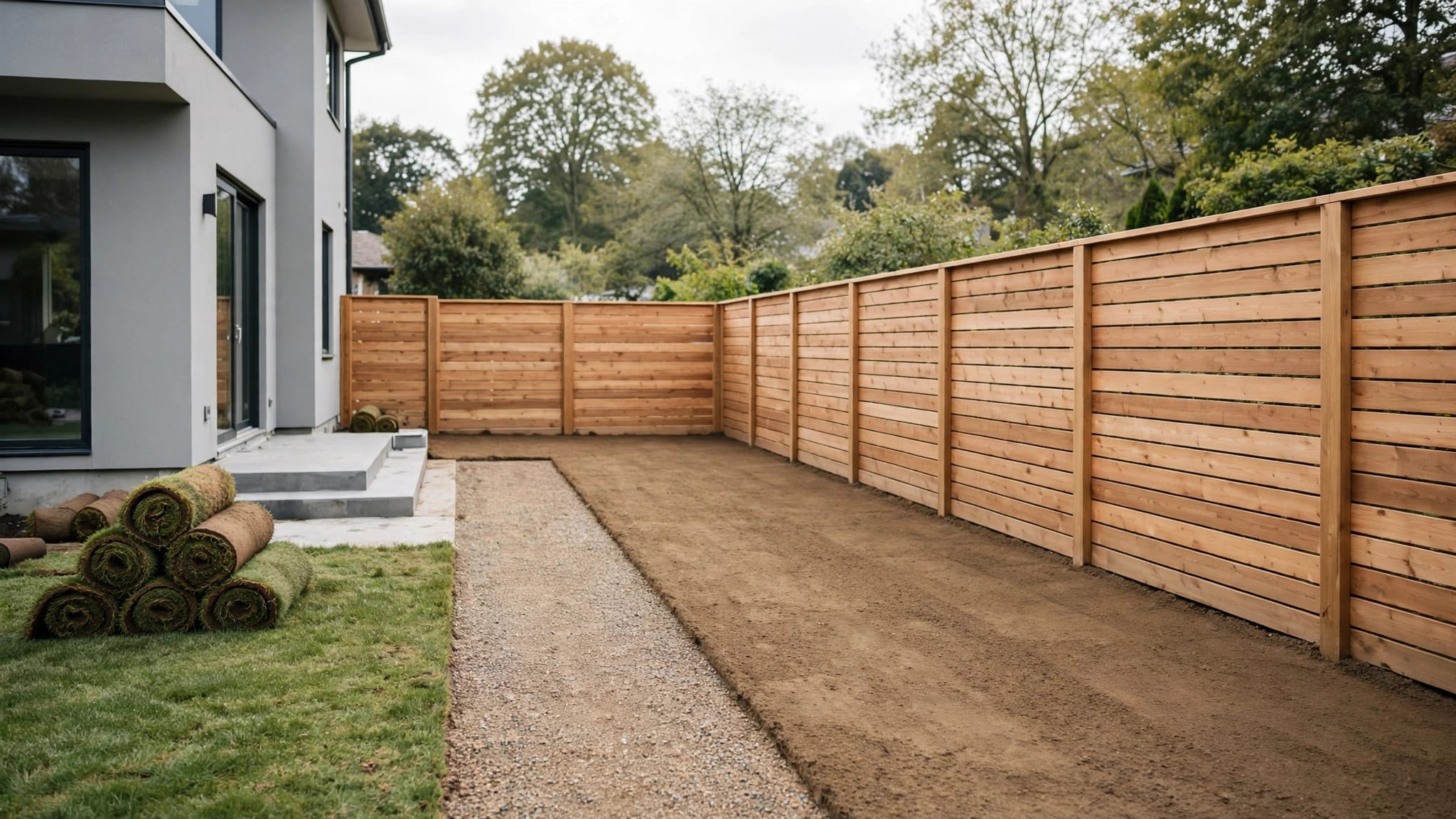
A good fence plan starts with the line on the paper, then moves to the line in the yard. That order saves a lot of trouble.
- Get a current survey or site plan. Mark the property line, the seawall, and any corner points. If the survey is old, confirm that nothing has changed.
- Call the local building department early. Ask where they measure from, what they want on the permit drawing, and whether they treat seawalls, canals, or waterfront lots differently.
- Check for easements and access needs. Look for drainage areas, utility strips, and room for future seawall work. If a worker needs access later, the fence should not block it.
- Set gate locations before digging. Gate swings, post spacing, and corner clearances matter more than people expect on small waterfront lots. A small change in gate placement can fix a setback issue.
If your schedule can wait, planning your residential fence project timeline helps you avoid rain delays and permit slowdowns. That matters in Southwest Florida, where weather can stretch a simple job into a longer one.
If the survey, the permit drawing, and the stake line do not match, pause and fix the plan first.
A quick call to the building department can save a full tear-out later. That is especially true when the seawall sits close to the lot line.
Why the right contractor matters on a seawall lot
A waterfront fence job needs more than a price quote. The installer should ask for the survey, look for easements, and think about how the fence affects future seawall work.
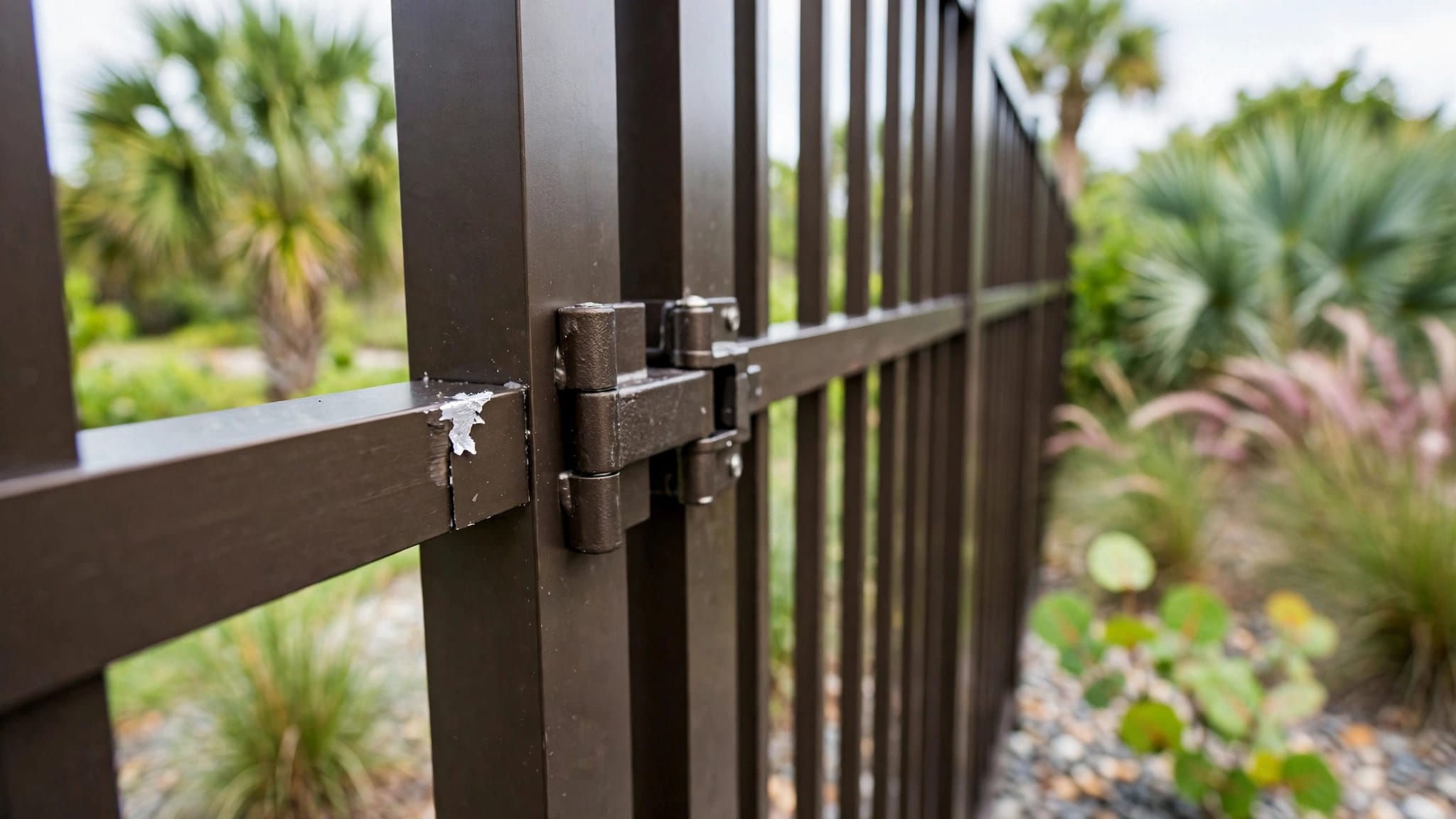
That matters with vinyl, wood, chain link, aluminum, and other metal styles. Each one handles layout changes a little differently, and some need more room for posts or gates.
If you are comparing bids, what to look for in a residential fence contractor is a useful checklist. A good contractor should explain the plan in plain language and tell you when a fence line needs to move.
The best crews do not guess at waterfront setbacks. They verify them, then build to the verified line.
Conclusion
There is often no single statewide answer to how close a fence can sit to a seawall in Florida. A 5-foot setback comes up often, but local code, lot lines, easements, and seawall location control the real answer.
Before you set a post, confirm where the seawall sits relative to the property line and whether the lot needs maintenance access. If the fence also has to work with a pool barrier or HOA rules, check those layers too.
On a waterfront lot, the best fence is the one that fits the site the first time. That keeps the project cleaner, and it keeps the shoreline side of your yard easier to live with later.