Best Time of Year for Fence Installation in Southwest Florida
Ever stared at your yard and pictured a sturdy new fence? You want privacy or pet safety fast. But in Southwest Florida, fence installation timing can make or break the project. Rain turns sandy soil to mush. Storms delay crews for weeks. Pick the wrong month, and you pay more or wait longer.
Homeowners here face heat, humidity, and hurricane risks. The good news? Certain months let crews dig deep footings without mud fights. You get better prices too. Let's break down when to schedule so your fence stands strong through salt air and squalls.
Why Southwest Florida Weather Dictates Fence Timing
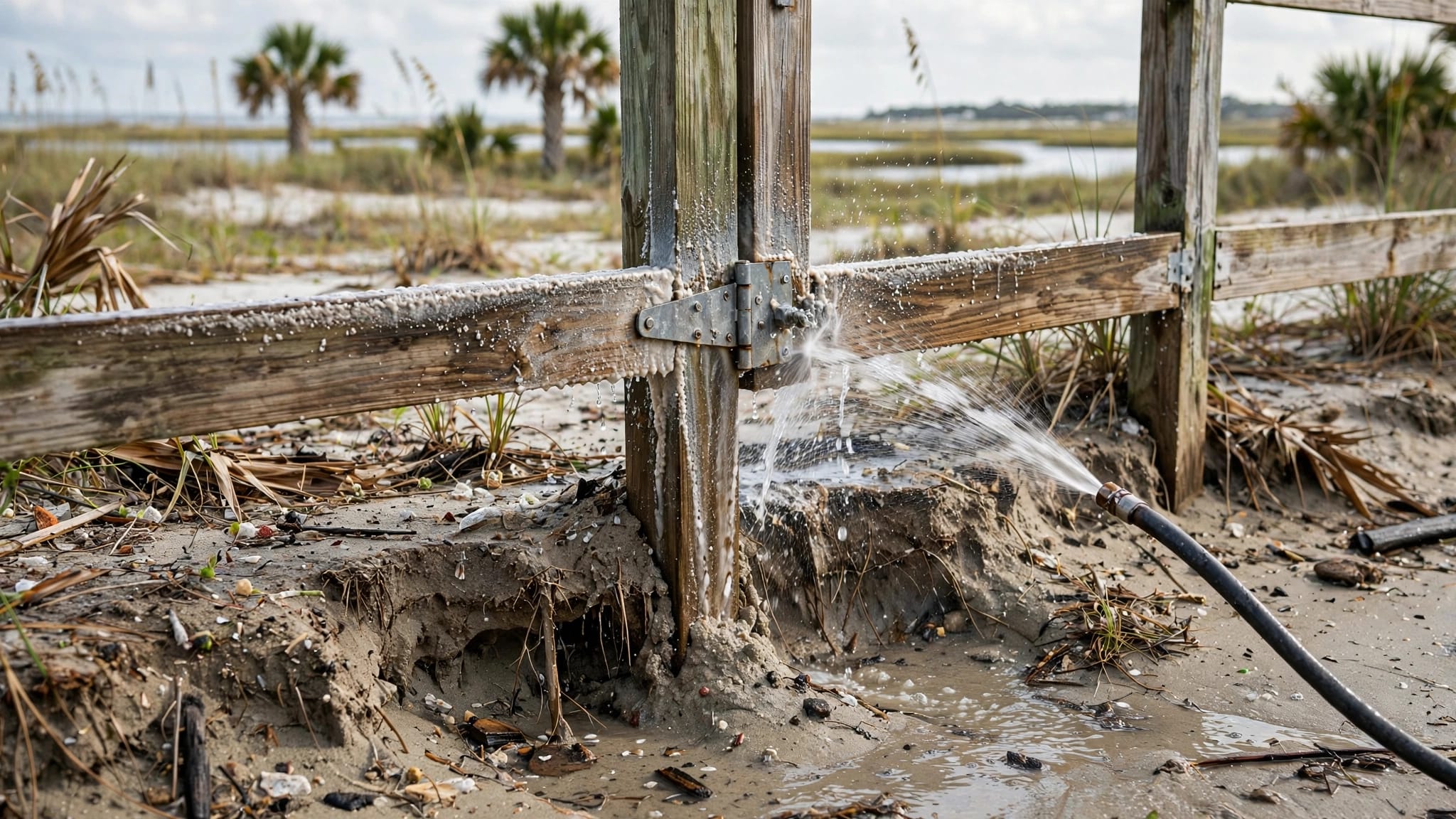
Our region skips real winter. Instead, we get dry spells and wet blasts. Summer rains soak everything from June to October. Hurricane season peaks then, with gusts testing every post. Sandy soil grabs concrete best when dry. Wet ground shifts, cracking new footings.
Contractors book solid in peak demand. Snowbirds return November through April. They push installs for curb appeal. Permits take 2-4 weeks in Lee or Collier counties. Add HOA reviews, and delays stack up. Schedule early to beat the rush.
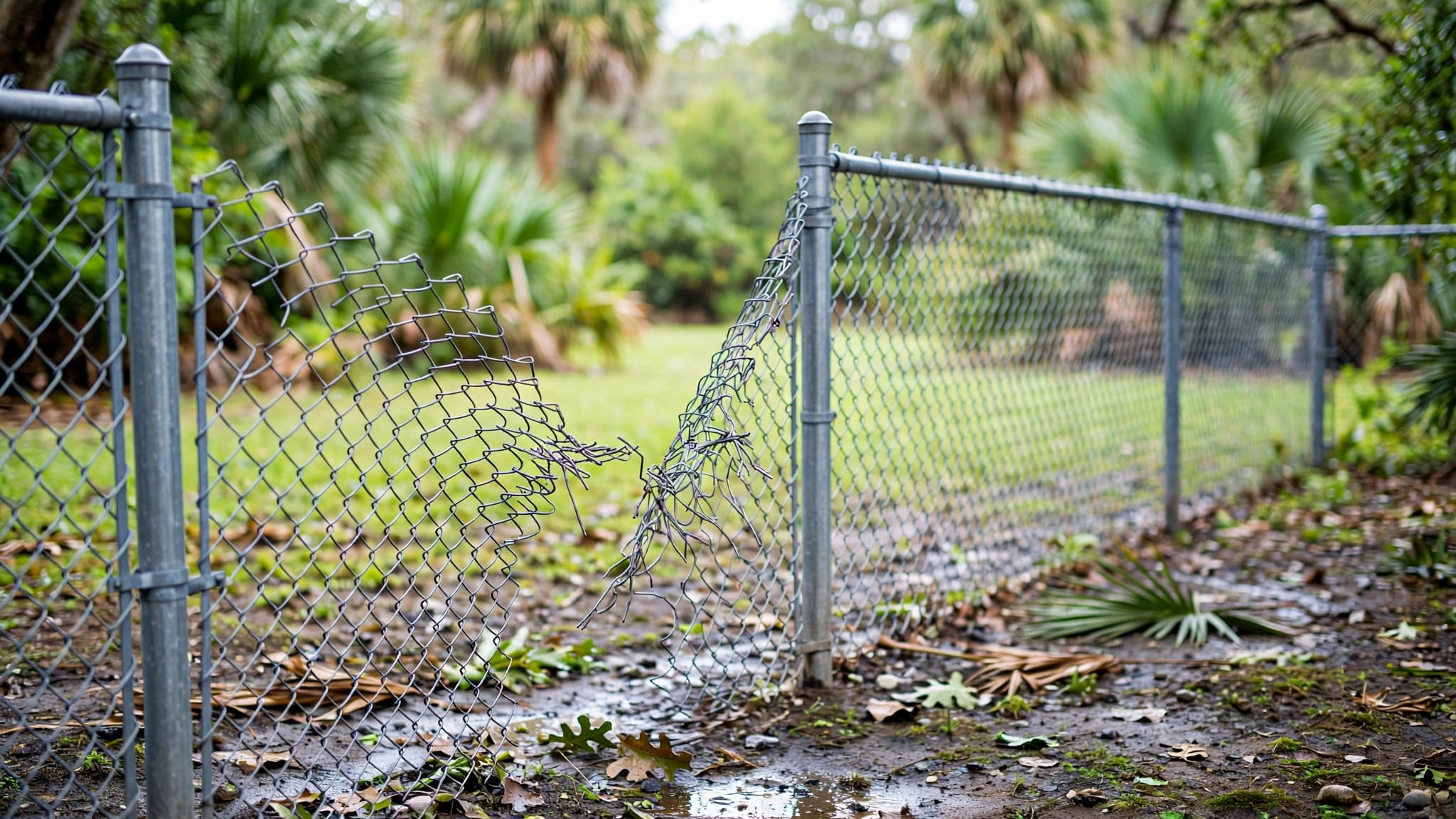
Dry months mean faster work. Crews finish vinyl or aluminum fences in days, not weeks. Wet delays cost time and money. For example, a chain link job waits out storms. Meanwhile, posts lean before concrete sets.
Prime Months: November Through March for Smooth Installs
Fall through early spring wins hands down. Rainfall drops below 3 inches monthly. Soil stays firm for post holes. Hurricane odds fade after November. Crews move quick.
November kicks off dry season. Shorter days cool things. Concrete cures even. December sees light demand before holidays. January and February shine for snowbirds fixing yards. March wraps before heat builds.
Prices dip 10-20% off-season. Materials like vinyl fence installers Cape Coral stock up cheap. Availability soars. One table shows why:
| Month | Rainfall (avg inches) | Pros for Installs | Cons |
|---|---|---|---|
| November | 2.1 | Dry soil, low storms, good prices | Holiday slowdowns |
| December | 2.3 | Mild temps, fast curing | Festive distractions |
| January | 2.0 | Peak contractor slots, firm ground | Snowbird rush starts |
| February | 2.2 | Low humidity, easy digging | Minor cold snaps |
| March | 2.5 | Pre-summer prep, quick permits | Heat rising |
This window beats summer hassles. Your fence sets right, ready for next rainy season.
Summer and Hurricane Season Pitfalls to Dodge
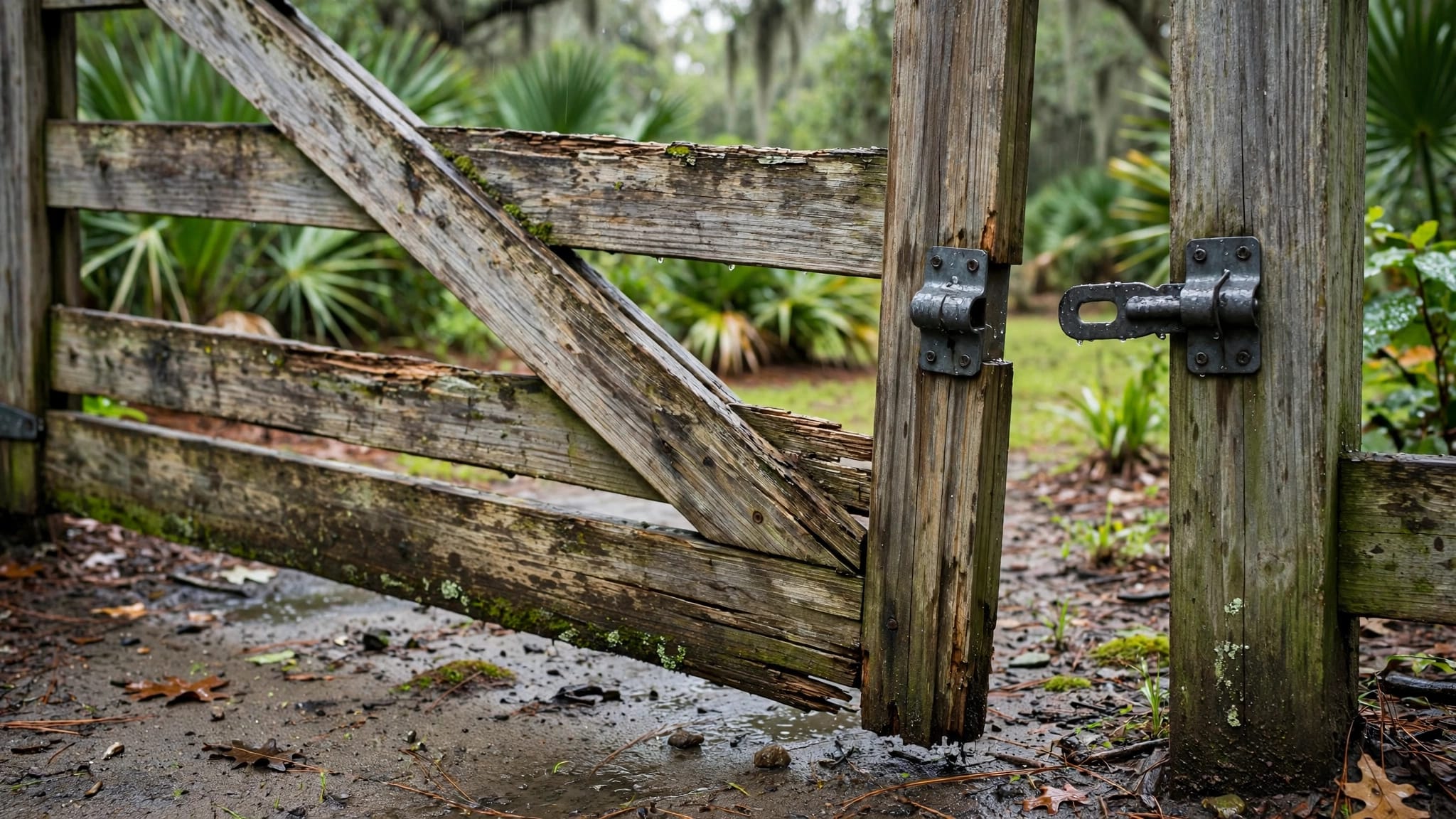
June hits with downpours. Expect 8-10 inches monthly. Trucks bog down. Post holes flood overnight. Crews reschedule often.
Hurricane season runs June 1 to November 30. Watches tie up teams. One tropical storm pauses work county-wide. In 2025, Milton delayed projects for weeks in Charlotte County.
Solid panels catch wind like sails. New installs risk damage before finishing. Skip this if possible. Urgency? Budget for delays. Open styles like aluminum fare better, but still.
Permits slow too. Inspectors prioritize storm prep. HOA boards back up. Wait times double.
Smart Times to Install Anyway: Material and Need Guide
Not every yard waits for perfect weather. Match timing to your setup.
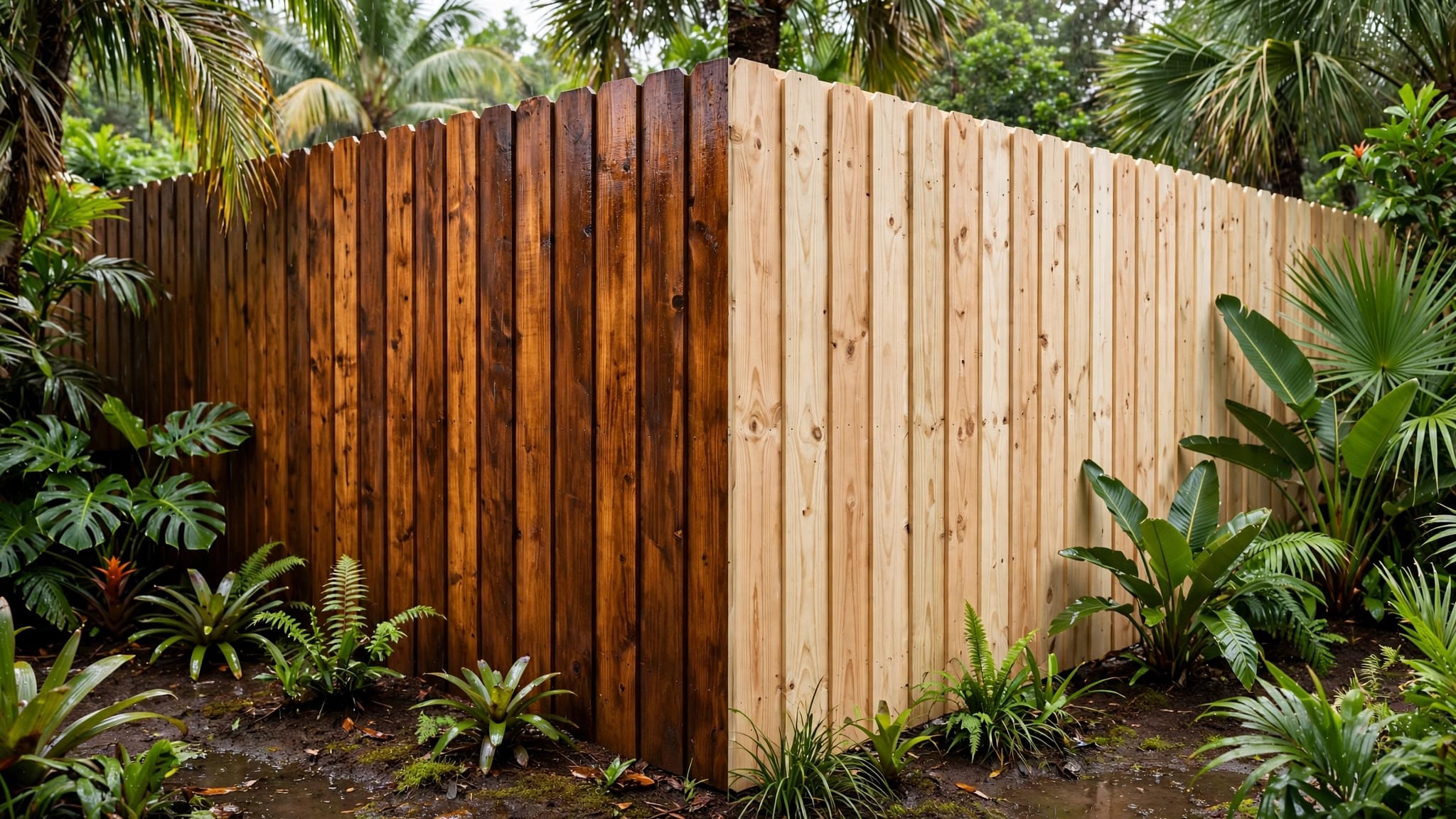
Wood or vinyl privacy? Dry months prevent warp. Chain link or aluminum? More flexible in shoulder seasons. Best privacy fences for Florida yards that breathe handle light rain fine.
Budget tight? Off-peak saves. Urgency high, like pet escape? Spring works if you book now. Contractor slots fill by April.
Sloped lots? Dry soil avoids slides. Check fencing sloped yards in Southwest Florida for tips. HOA rules demand early submits. Permits need 2026 updates checked.
Flood-prone? Elevate posts pre-rainy season. Snowbirds pick low-maintenance like low-maintenance fences for SW FL snowbirds.
Planning Tips to Nail Your Fence Schedule
Start with a site check. Call 811 for utilities. Pull survey for setbacks, like Cape Coral fence setback rules.
Get quotes in September. Ask lead times. Confirm license, insurance. Factor HOA approval, 2-4 weeks.
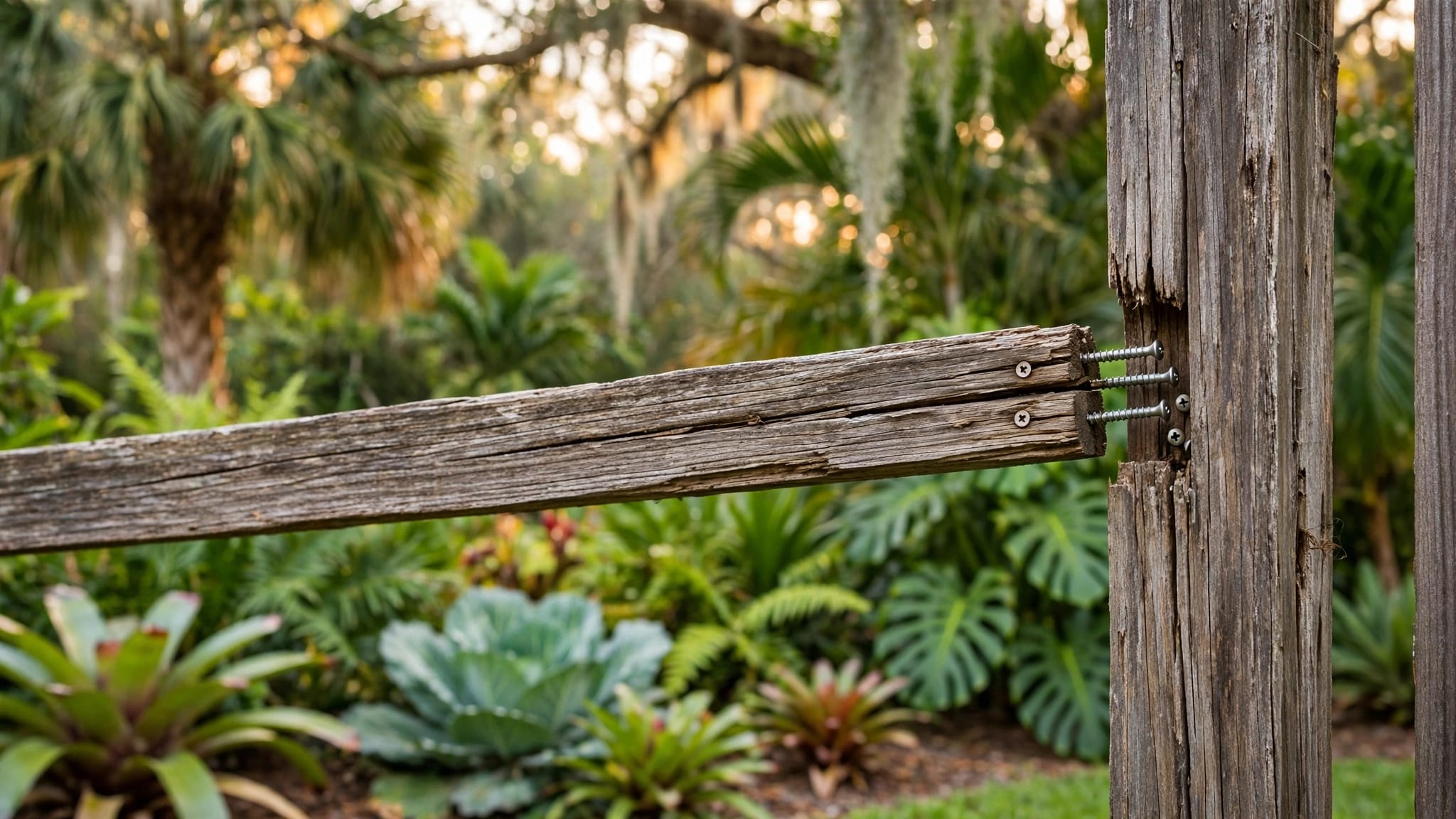
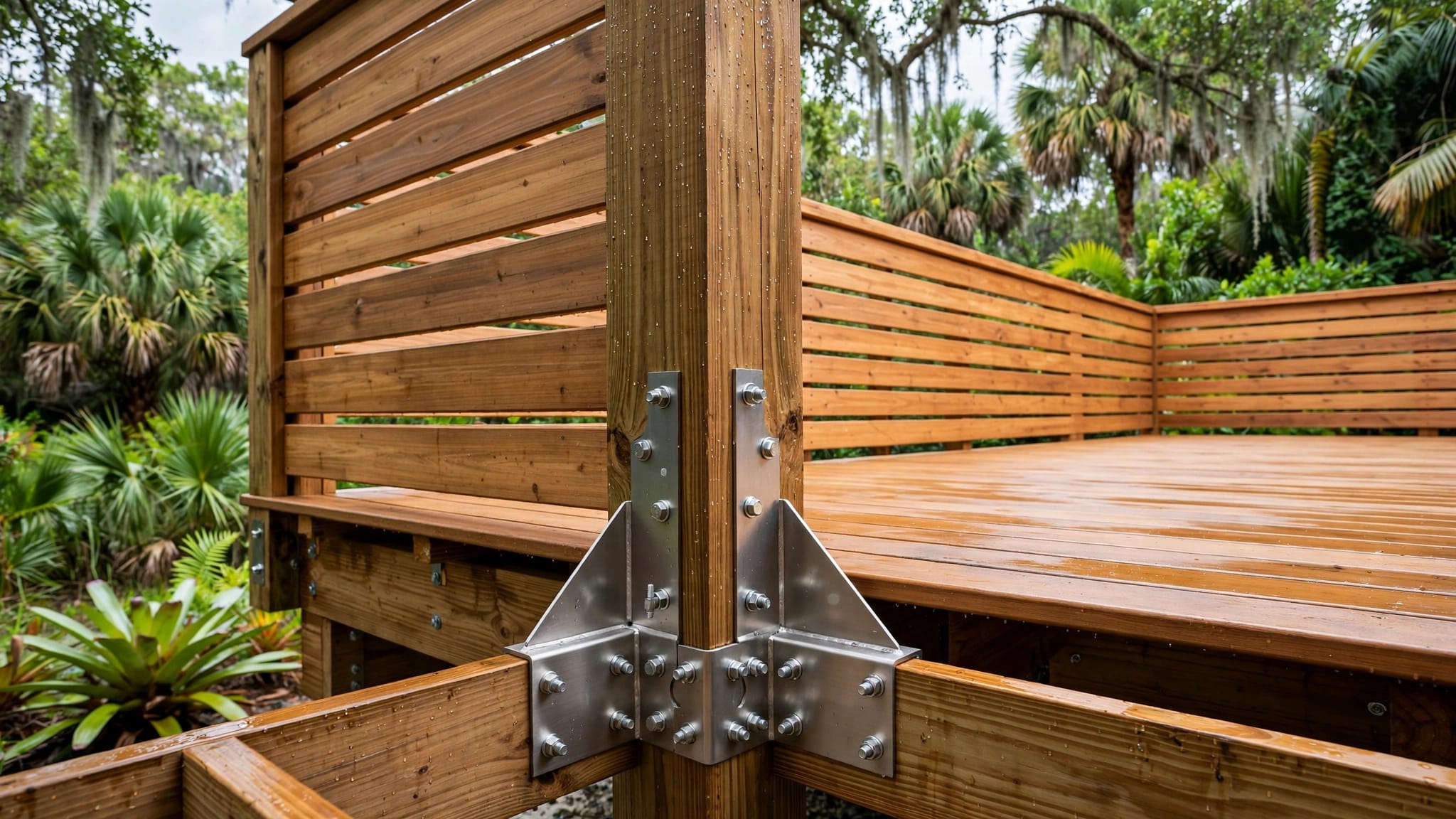
Budget 10% extra for weather buffers. Pick corrosion-proof hardware for salt air. Follow a SW FL fence maintenance schedule post-install.
Book free estimates now. Dry season fills fast.
Quick FAQ on Fence Timing
When's hurricane season over for safe installs?
November 30 ends it. December starts reliably dry.
Does material change best months?
Vinyl and aluminum flex more. Wood needs dry for sealing.
How long for permits?
2-4 weeks. Add HOA time.
Rain delay costs extra?
Often yes. Builds in 20% buffer.
The sweet spot stays November to March. You dodge mud, storms, and crowds. Your fence lasts longer in our climate. Ready for quotes? Call local pros today. Secure that yard before summer soaks it.
(Word count: 982)