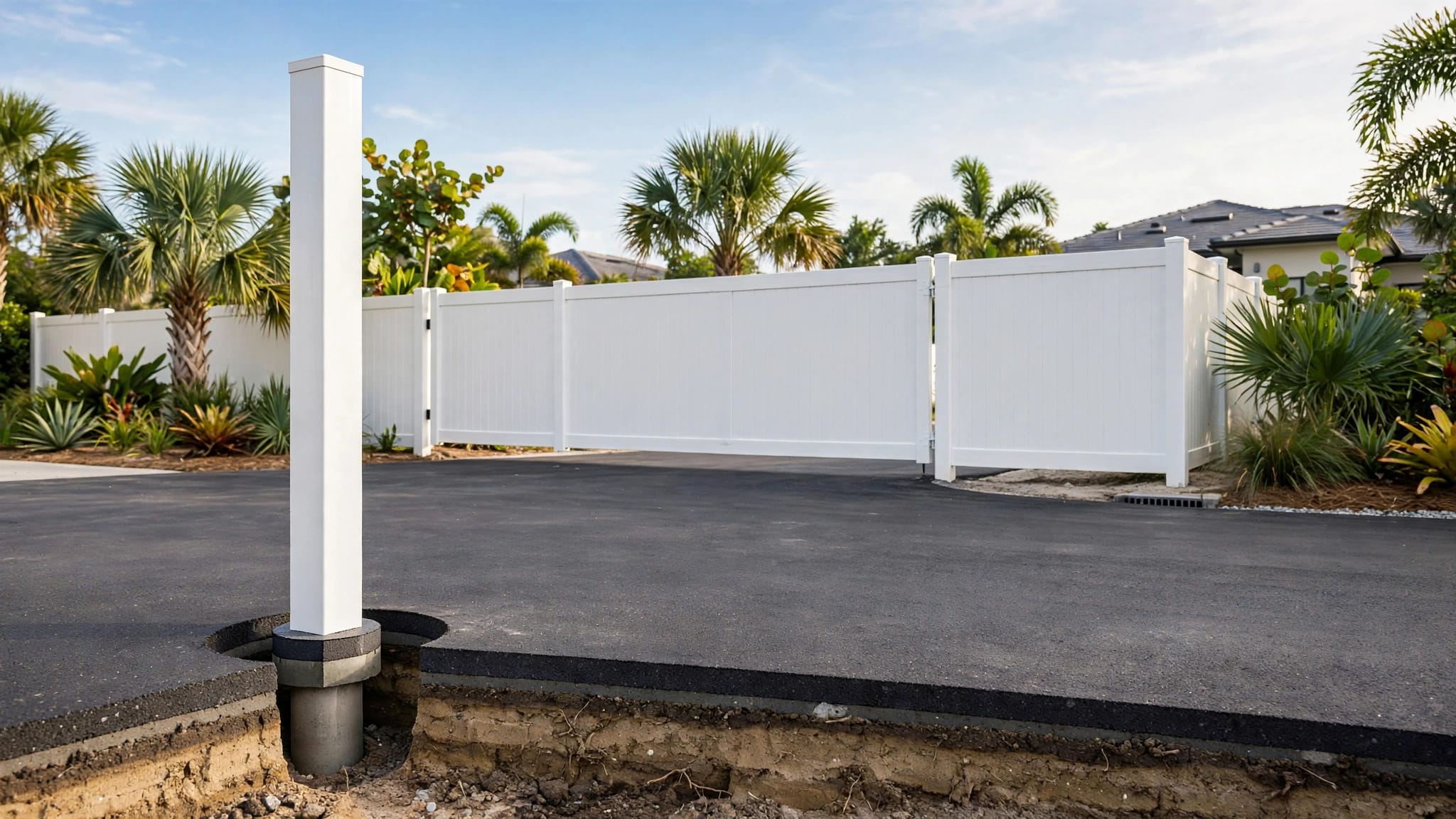
Longboat Key Fence Permit Guide for 2026 Homeowners
Planning a fence on Longboat Key can get complicated faster than most homeowners expect. A simple backyard project can turn into permit questions, survey checks, and HOA review.
In 2026, the safest move is to confirm the rules before you buy materials or dig a single hole. Longboat Key says some work must be permitted under its building rules, and fence approval can depend on height, location, setbacks, zoning, and lot conditions.
If you want to avoid delays, start with the basics and gather the right papers first. The guide below keeps the process plain and practical.
When a Longboat Key fence permit is likely required
A Longboat Key fence permit is likely when the fence affects how the property sits on the lot, how it faces the street, or how it fits near neighboring yards. Taller fences, corner lots, waterfront parcels, and fences near driveways or sidewalks often get more attention.
The Town also expects plans to follow the Florida Building Code and local rules. If your neighborhood has an HOA, that review can sit on top of the town process.
That means two homes on the same street can have different answers. A fence that works on one lot may need a different height, a different setback, or a different layout on another.
If you do not know your lot line, get that answer first. A permit can wait, but a wrong fence line can turn into a bigger fix.
When the answer is unclear, call the Longboat Key Building Official at 941-316-1966, ext. 2521 . That one call can save days of back-and-forth.
Waterfront conditions, flood zones, and special areas can change what the Town wants to see. So can visibility rules near corners and driveways. In other words, your neighbor's fence is a poor model for your own.
What to gather before you submit your fence plans
A clean permit file starts with a clear picture of the yard. Reviewers want to know where the fence will go, how tall it will be, and whether anything nearby changes the rules.
| Document or detail | Why it helps |
|---|---|
| Site plan or sketch | Shows the fence line, gates, and setbacks |
| Survey or plat | Confirms lot lines and lowers the risk of placement errors |
| Fence specs | Material, height, and style help reviewers check the plan |
| HOA approval, if needed | Some neighborhoods want this before or during town review |
If your property lines are fuzzy or the lot has been changed over time, a current survey can prevent a second round of corrections. If you want a deeper look at when that matters, see Florida fence permit property survey rules.
Keep the Town's current checklist with your documents. That way, you can compare your packet before you submit it. If the checklist asks for a drawing, make it easy to read. If it asks for measurements, write them clearly and label every side.
You should also keep HOA papers in the same folder. Even if the Town approves the fence, your neighborhood may still have its own rules about style, color, or placement.
Steps that help the permit move faster
The process is easier when you treat it like a short series of checks, not a guessing game. Here is a simple order that works well for most homeowners.
- Confirm your address and jurisdiction.
Longboat Key is its own town, so start there and verify who reviews your property. - Ask whether your fence needs a permit.
Confirm the height limit , setback rules, and whether your lot has special conditions. - Mark the fence on a site plan.
Show the fence line, gates, corners, and the distance to property lines. - Gather HOA approval and supporting papers.
If your neighborhood wants approval, get it early instead of waiting for the town review to pause. - Submit the application and wait for approval.
Do not buy material or set posts until the Town says the plan is good to go.
A small missing detail can slow the file down. A vague height note, a fence line that brushes an easement, or a gate shown in the wrong spot can trigger corrections. Clear drawings help the reviewer see the project at a glance.
If your lot sits near water, a corner, or a shared access area, ask about sight lines and extra clearances. Those spots are where simple fence jobs often turn into extra questions.
Repairs, replacements, and inspections
Fence repair can be simpler than full replacement, but the line between the two matters. Swapping a few broken boards or a damaged panel may be treated differently from rebuilding the whole run.
Once you change the fence height, move the posts, switch materials, or shift the fence line, expect the Town to look at it like new work. That is especially true if the new fence sits closer to a boundary than the old one did.
A few changes often trigger more review:
- Moving the fence to a new line
- Raising or lowering the height
- Changing the material or style
- Adding gates or pool-barrier features
Pool areas deserve special attention. A pool fence can bring extra safety rules, so ask before you assume the same plan works for the whole yard.
A final inspection may also be part of closeout. Keep the approved plan handy, because the inspector will compare the work to the paperwork. If the layout changed during installation, tell the Town before the job is finished.
Good records help later too. Save the permit, approval, and final sign-off with your home files. If you sell the home, the next owner may ask what was approved.
Conclusion
A Longboat Key fence project starts with one simple move, confirm the rules before you build. That first step helps you avoid rework, delays, and a fence that has to be moved after the fact.
The safest path is clear, get the lot details right, check HOA rules early, and ask the Town about height, setbacks, and inspections. When you treat the permit as part of the project, the rest of the job goes smoother.
FAQ
Do all fences on Longboat Key need a permit?
Not every fence will follow the same path, but many projects do need town review. The Town can tell you whether your fence needs a permit based on your address, height, location, and lot conditions.
What height limits should I expect?
Height limits can vary by zoning, corner lots, street frontage, and waterfront or visibility rules. Because of that, it is smart to ask the Town for the current limit tied to your property before you finalize the design.
Do setback rules apply to fences?
Yes, setbacks can matter. A fence may need to stay away from property lines, easements, or other features on the lot, so use a site plan or survey instead of guessing.
Is a repair treated the same as a replacement?
Usually, no. Small repairs can be treated differently from a full replacement, but a new line, new height, or new material can push the work into permit territory.
Will my fence need an inspection?
Often, yes, if the permit review includes one. Keep your approved plans on hand so the final check matches the layout that was submitted.
What should I ask the Town before I start?
Ask four things first, whether you need a permit, what height limit applies, what drawings they want, and whether your neighborhood has special rules. If you still feel unsure, the Building Official can point you in the right direction before you spend money on materials.