How to Choose Coastal Fence Hardware That Resists Corrosion
Salt air can ruin a fence gate long before the posts or panels show serious damage. Hinges seize, latch springs weaken, screws stain surrounding material, and small rust spots spread across otherwise attractive fencing.
Choosing coastal fence hardware means looking beyond a shiny finish. The base metal, protective coating, fasteners, installation method, and maintenance plan all affect how the gate performs in Southwest Florida.
Humidity, salt spray, pool chemicals, and wind-driven rain create different risks. The right selection starts with understanding those conditions, then matching every part of the gate system to them.
Why Coastal Fence Hardware Corrodes So Quickly
Coastal corrosion begins when moisture carries dissolved salts onto metal. Salt water conducts electricity, which speeds up the electrochemical reactions that break down vulnerable metals. The process can continue even when the surface only looks damp.
Southwest Florida adds several stressors:
- Salt reaches properties through sea air, storm spray, and wind.
- High humidity keeps moisture on hinges, screws, and latch components.
- Pool chlorine can attack nearby metal, especially when water splashes onto gates.
- Heavy rain washes salt into seams, threads, and enclosed hardware.
- Strong wind places repeated stress on hinges, posts, and gate fasteners.
A gate may still open normally while corrosion develops inside a hinge or behind a latch cover. Once rust expands inside threads, moving parts can bind. Hardware that works during a dry season may fail after months of salt and rain exposure.
Corrosion also affects more than appearance. Pitted bolts can lose strength, weakened hinge pins can allow a gate to sag, and rusted screws can become difficult to remove during repairs.
A coating can protect a metal surface, but it can't correct a poorly matched fastener or a design that traps salty water.
Location matters, but there isn't a safe coastal distance that eliminates the problem. A home several miles inland can still experience humid air and airborne salt. Properties near canals, bays, beaches, and open exposure usually need more protection, while pool enclosures need hardware that tolerates frequent wetting and chemical residue.
How to Compare Coastal Fence Hardware by Metal
The metal inside a component matters more than its polished appearance. Ask what grade or alloy the hardware uses, not only whether it is labeled "weather-resistant."
Stainless steel grades
For many exposed fence applications, 316 stainless steel is the strongest general choice. It contains molybdenum, which improves resistance to chloride exposure. Chlorides are present in salt air, seawater, and many pool environments.
Look for 316 stainless steel in:
- Gate hinges and hinge pins
- Latches and latch bodies
- Screws, bolts, nuts, and washers
- Gate stops and adjustable hardware
- Brackets installed near the shoreline or a pool
304 stainless steel works well in many inland settings, but it offers less protection against chloride attack than 316. A supplier who simply says "stainless" hasn't provided enough information for a highly exposed site. Ask for the grade.
Stainless steel can still stain or develop surface corrosion under harsh conditions. Dirt, salt deposits, and contact with ordinary steel can damage its appearance. Regular rinsing helps, but the initial grade remains important.
Aluminum hardware and fittings
Aluminum fencing is popular in Florida because it is lightweight and doesn't develop iron rust. The metal can still suffer pitting or white oxidation in severe chloride exposure, especially when the finish is damaged or water collects in a joint.
Aluminum gates often use aluminum frames with stainless steel hinges, latches, screws, or internal components. That combination can work, but the installer must account for galvanic corrosion. A barrier such as a nylon washer, gasket, sleeve, or approved protective compound can separate dissimilar metals.
For aluminum fencing, ask whether the hardware is designed for aluminum gate systems. A component that fits physically may still create corrosion problems where it contacts the frame.
Galvanized and coated steel
Galvanized steel receives a zinc coating that protects the underlying steel. Hot-dip galvanizing generally provides a thicker zinc layer than basic electroplating, but the result still depends on exposure, damage, cut edges, and maintenance.
Galvanized hardware may suit some fence projects, especially when the manufacturer specifies it for the environment. However, it deserves closer inspection near salt water. Scratches, drilled areas, and worn edges can expose the steel below. Standard zinc-plated screws are a poor substitute for a corrosion-rated coastal fastener.
Powder-coated steel can look attractive, yet the coating is only one part of the protection. Chips, abrasions, and unsealed cut areas can allow moisture to reach the steel.
This quick comparison can help narrow the choices:
| Hardware material | Coastal performance | Best use |
|---|---|---|
| 316 stainless steel | Strong chloride resistance | Exposed hinges, latches, and fasteners |
| 304 stainless steel | Good general corrosion resistance | Less exposed inland areas |
| Aluminum | No iron rust, but can pit | Aluminum fence and gate systems |
| Hot-dip galvanized steel | Protective zinc coating | Approved applications with limited exposure |
| Basic zinc-plated steel | Limited protection | Indoor or temporary use, not ideal outdoors |
The safest selection is usually the one with a documented material grade and a design intended for outdoor coastal exposure.
Match the Hinges, Latch, Screws, and Washers
A gate assembly is only as corrosion-resistant as its weakest small part. Installing a 316 stainless latch with ordinary steel screws can leave the screws as the first failure point.
Use compatible materials across the complete system. That includes the hinge body, pins, mounting bolts, nuts, washers, latch, keeper, gate stop, and any brackets. If one part comes from a different supplier, confirm that the metals can contact each other safely.
Dissimilar metals can create a galvanic cell when moisture connects them. One metal becomes more likely to corrode while the other remains protected. The risk rises when salt water is present.
Installers can reduce contact problems by using:
- Nylon or other nonconductive isolation washers
- Plastic sleeves around bolts
- Compatible gaskets between brackets and panels
- Approved anti-seize or barrier compounds
- Fasteners recommended by the gate or hardware manufacturer
Don't apply an unknown paste to every connection. Some products attract dirt, interfere with coatings, or aren't compatible with a particular metal. The hardware manufacturer or experienced fence contractor should specify the correct compound.
Fastener size also matters. A screw that is too short may strip or loosen under gate movement. A bolt that is too long can leave exposed threads where salt collects. Tightening hardware excessively can damage aluminum frames, crush vinyl components, or distort thin brackets.
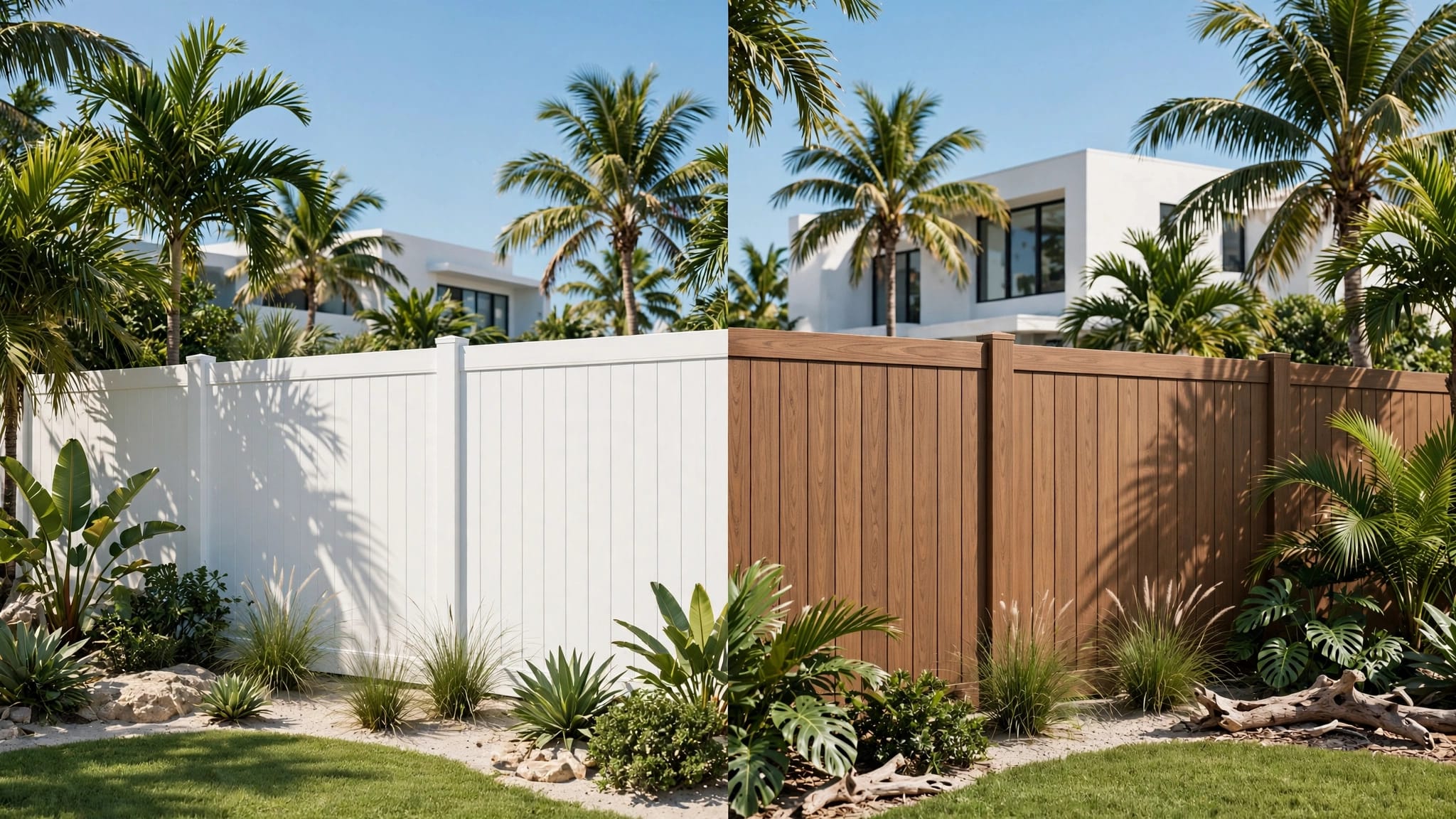
The fence material affects the choice as well. Homeowners comparing systems can review this Cape Coral fence material comparison before selecting hardware. Aluminum, vinyl, wood, and composite fencing each place different demands on hinges, brackets, and fasteners.
Check the Hardware Design, Finish, and Installation
A corrosion-resistant metal still needs a sensible design. Hinges with open drainage paths are easier to rinse and less likely to hold salty water. Latches with sealed or shielded internal springs can protect moving parts, although the manufacturer should identify the intended exposure rating.
Avoid hardware that creates a pocket where water sits. The installer should position fittings so rain can drain rather than collect around bolt heads, hinge barrels, or lower gate corners.
Powder coating adds a durable colored finish to many aluminum and steel products. It improves appearance and protects the surface when applied correctly. However, powder coating doesn't make ordinary steel equal to 316 stainless steel. A deep scratch, cut edge, or poorly prepared surface can expose the metal below.
Ask how the installer handles field cuts and drilled holes. On coated aluminum, damaged areas may need an approved touch-up method. On galvanized steel, exposed areas need suitable protection. Unprotected modifications can become early corrosion points.
Gate alignment also affects hardware life. A sagging gate forces hinges and latches to carry loads they weren't designed to handle. Posts must stay stable, and the gate must have enough clearance to avoid dragging through sand, soil, or standing water.
Open coastal sites may also face higher wind loads and local permit requirements. If your project has unusual height, a wall connection, pool-barrier requirements, or a demanding exposure, review Florida fence permit requirements before ordering components. Hardware selection should support the approved fence design rather than work around it.
Ask These Questions Before Buying
Product labels often use broad terms such as "rustproof," "marine quality," or "weather-resistant." Those descriptions don't tell you enough. A contractor should be able to provide clear answers about the actual components.
Ask:
- What grade of stainless steel is used in the hinges, latch, and fasteners?
- Are the screws, bolts, nuts, and washers made from compatible materials?
- Is the hardware rated for salt-air or high-chloride exposure?
- How will dissimilar metals be isolated?
- How are drilled holes, cut edges, and scratched coatings protected?
- Can the gate drain and dry after rain or cleaning?
- What maintenance does the manufacturer recommend?
- Does the warranty cover corrosion, finish failure, or only manufacturing defects?
A good quote should identify more than the fence panel material. It should describe the gate hardware, fastener type, finish, and any special installation steps.
When two bids look similar, compare the component specifications. A lower price may reflect basic plated hardware rather than a material suited to coastal conditions. Paying for the right parts during installation can prevent seized screws, replacement hinges, and premature gate repairs later.
Maintain the Hardware After Installation
Even the best coastal fence hardware needs simple care. Rinse exposed hinges, latches, and fasteners with fresh water when salt or pool residue builds up. A garden hose is often enough for routine cleaning, but avoid forcing water into sealed mechanisms at high pressure.
Wipe away deposits instead of allowing them to dry into a crust. Use a mild cleaner that won't damage the finish, and follow the manufacturer's instructions for lubrication. Don't use abrasive pads on powder-coated surfaces or stainless steel.
Inspect the gate at least a few times each year. Look for orange staining, white oxidation on aluminum, bubbling paint, loose bolts, rough hinge movement, or a latch that no longer lines up. Coastal storms are a good reason to inspect the fence after high winds.
Small adjustments can prevent larger repairs. Tighten loose fasteners with the proper tool, clear sand from the gate path, and replace damaged hardware before corrosion reaches the frame or post.
Choose Hardware That Fits Your Property
The right coastal fence hardware depends on the fence material, exposure, gate size, pool conditions, and local installation requirements. In many Southwest Florida applications, 316 stainless steel is the safest choice for exposed fasteners and moving parts. Aluminum hardware can also work well when it matches the fence system and installers isolate contact points correctly.
Treat vague labels with caution. Ask for the metal grade, finish details, compatible fasteners, and maintenance instructions before approving the project. A gate that opens smoothly years later starts with small components selected for salt, moisture, and movement.
Conclusion
Coastal corrosion often begins with the parts homeowners notice least, such as screws, hinge pins, and latch springs. Selecting coastal fence hardware by its actual metal grade, matching components carefully, and preventing water traps gives your gate a better chance against Southwest Florida conditions.
The strongest choice isn't always the most expensive product. It is the complete hardware system that fits the fence, handles the exposure, and receives proper installation and care.