AC Unit Clearance: Fences, Airflow, and Florida Weather
A new privacy fence can make an outdoor condenser struggle if it leaves only a narrow pocket for air. Poor AC unit clearance can trap heat, block service access, and leave a heat pump with nowhere to release defrost water.
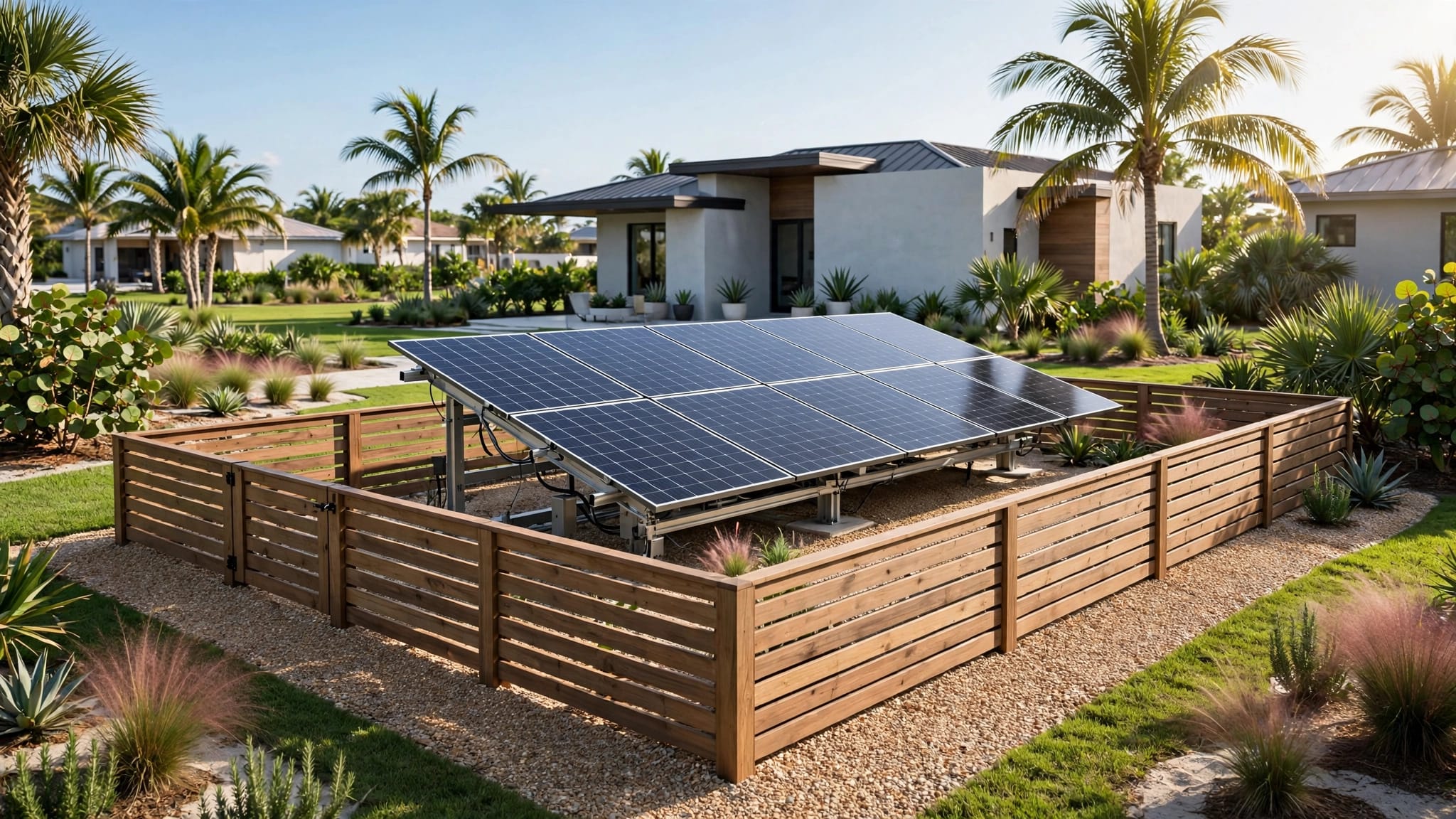
Fence placement around an air-conditioning condenser or heat pump requires more than measuring from the unit to the property line. The equipment needs airflow on its coil sides, open space above the fan, room for repairs, and drainage that won't collect around the pad.
Start with the equipment manual and local requirements. Then choose a fence layout that protects HVAC performance without giving up the privacy or security you want.
Why Fence Placement Affects HVAC Performance
An outdoor air-conditioning condenser pulls warm air through its coil and releases heat through the top or side, depending on the model. A heat pump uses the same outdoor cabinet for heating and cooling, so it also needs clear airflow during heating mode and during its defrost cycle.
A fence that sits too close can interrupt that air movement. Hot discharge air may circulate back toward the coil instead of moving away from the unit. The system may then run longer, use more energy, or shut down on a high-pressure safety control. Restricted airflow also makes the equipment work harder during Southwest Florida's hottest weather.
The fence doesn't need to touch the cabinet to create a problem. A solid panel a short distance away can act like a wall around the unit. Vines, leaves, mulch, and growing shrubs can make the opening even smaller over time.
Airflow Needs Open Space
Most residential condensers discharge air upward, but some systems use side discharge. Check the model number and installation manual before planning the fence. A side-discharge unit needs a clear path in the direction of its fan, while a top-discharge unit needs unobstructed space above its grille.
Never place a fence roof, cap, shelf, or decorative cover over the unit. Even an attractive enclosure can push warm air back into the coil or interfere with the fan.
A few inches of extra room today may disappear after landscaping grows or a technician adds service tools. Good AC unit clearance includes room for the unit's future operating conditions, not only the cabinet's current dimensions.
Service Access Is Part of the Layout
HVAC technicians need to remove access panels, inspect the coil, test electrical components, and work near the disconnect. If a fence blocks the service side, routine maintenance becomes slower and some repairs may require removing a panel.
Leave a practical route to the equipment. A gate can help, but the opening must align with the service side and remain usable. Avoid placing a gate where a post, latch, or swing path interferes with the cabinet.
Ask the HVAC contractor which side needs the most working room. That answer matters more than the direction that looks best from the street.
AC unit clearance: practical planning ranges
Manufacturers set the actual minimum distances for each condenser and heat pump. Local building, electrical, and property rules may add requirements. The ranges below are general planning guidance , not a substitute for the installation manual or code.
- Many residential units commonly need about 12 inches of open space along non-service sides, when the manual allows it.
- The service-panel side often needs about 24 to 36 inches or more for safe work.
- A top-discharge unit commonly needs several feet of open space above the fan, with about 5 feet often used as a planning reference.
- Side-discharge equipment may need a larger open area in front of the discharge grille.
- Landscaping should stay outside the required zone at its mature size, with a few extra feet used as a practical buffer where space allows.
These numbers can vary by brand, model, cabinet design, and installation location. Some manuals call for more room around the coil or service panel. A fence contractor should never reduce a manufacturer's required clearance to fit a preferred property-line layout.
Measure from the outdoor cabinet and the equipment pad, not from a nearby wall or existing fence. Mark the required zones with stakes before digging. Include the electrical disconnect, refrigerant lines, drain piping, and any access panels in the layout.
If a replacement unit may be larger than the current one, leave room for that possibility. A fence installed tightly around an older condenser can force expensive changes when the system is replaced.
The smallest acceptable measurement may keep the unit running today, but a larger service area can prevent fence removal during the next repair.
Choose a Fence Design That Gives the Unit Room
Fence material affects how much air and debris reach the equipment. It doesn't change the manufacturer's required distance, but it can make a tight layout more forgiving.
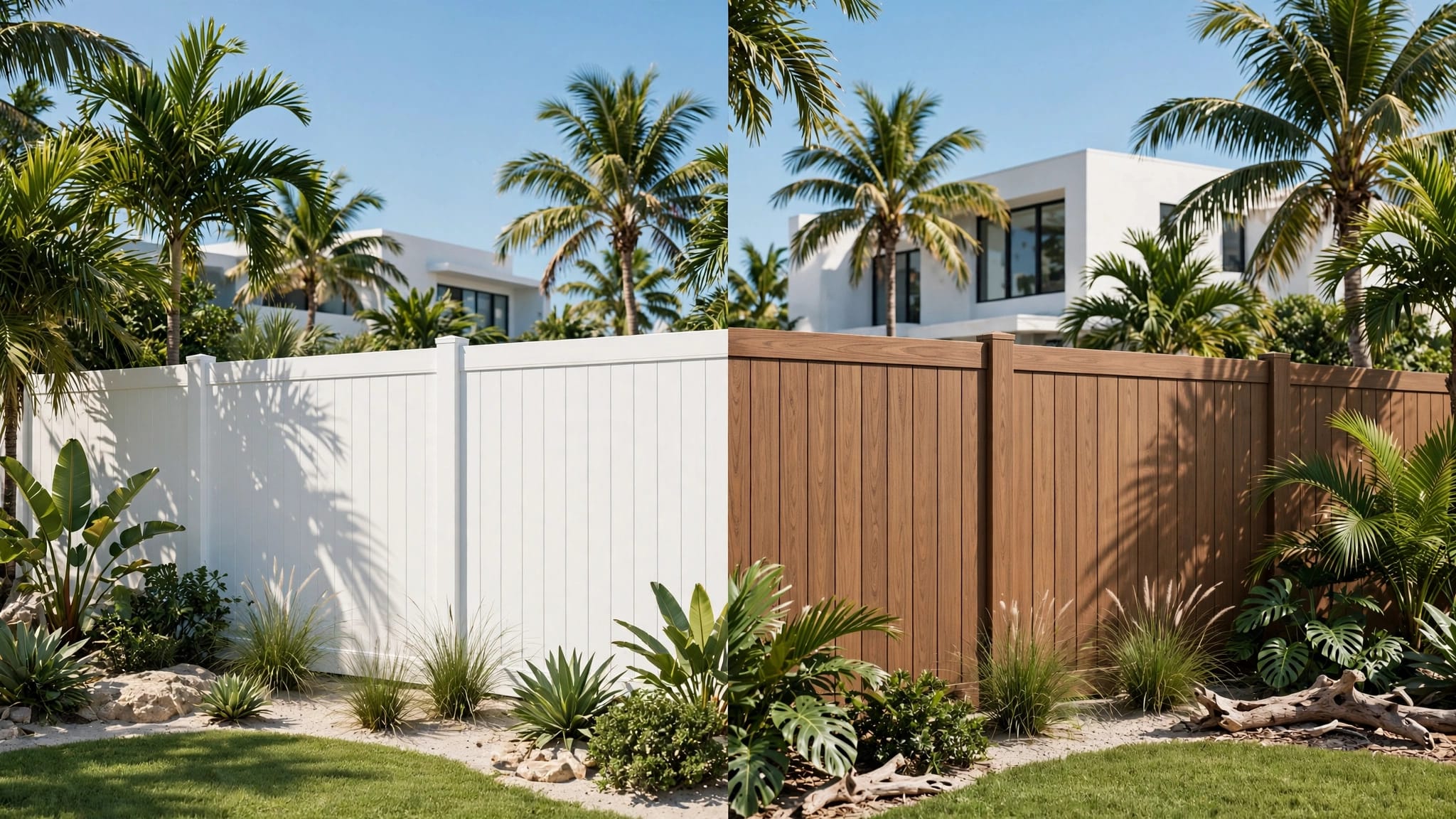
Solid wood and vinyl privacy panels block the most air. They can also reflect compressor noise toward the home or a neighboring property. If a solid fence is the right choice, place it beyond the required zone and avoid creating a three-sided box around the condenser.
Aluminum and ornamental metal fences usually have more open space between pickets. Chain-link fencing allows strong airflow, although privacy fabric can create the same blockage as a solid panel. Leaves and vines can also collect against chain link and reduce airflow.
A fence screen should not attach to the condenser, pad, refrigerant lines, or electrical conduit. Vibration can damage connected components, while normal movement and repairs become harder when the screen contacts the cabinet.
The fence should also allow someone to clean around the pad. Grass clippings and palm debris can gather near the coil, especially after mowing or a storm. Keep the area free of stored items, pool equipment, trash bins, hoses, and outdoor furniture.
Noise requires careful placement as well. A fence may reduce the direct path of sound, but a solid panel can also reflect compressor noise. Keep the structure independent from the equipment and discuss the fence position with the HVAC contractor if the unit sits near a bedroom window or a neighbor's patio.
Drainage and Landscaping Around Condensers
Water needs a path away from the equipment pad. A heat pump can release water beneath the outdoor unit during defrost mode, especially when it switches from heating to cooling the outdoor coil. Heavy Florida rain can add much more water to the same area.
Don't build a fence base that creates a low pocket around the pad. Avoid directing roof runoff, downspouts, or irrigation spray toward the condenser. Standing water can damage nearby materials, wash soil away from fence posts, and make access muddy.
Keep mulch, decorative stone, and soil away from the cabinet openings. A thick layer of material can restrict airflow and hide water problems. The pad should stay stable, level, and accessible for inspection.
Plants need room to grow without entering the clearance zone. Fast-growing shrubs, palms, vines, and ornamental grasses can block coils within a season. Choose plants based on their mature width, not the size at the garden center.
Irrigation deserves attention in coastal areas. Saltwater spray, fertilizer, and constant moisture can contribute to corrosion on outdoor equipment and fence hardware. Aim sprinkler heads away from the condenser and fence, and remove plant growth before it reaches the coil.
Florida Weather Changes the Fence Plan
Southwest Florida yards face intense sun, heavy rain, tropical storms, and hurricane-force wind conditions. Each factor affects the space around an outdoor HVAC unit.
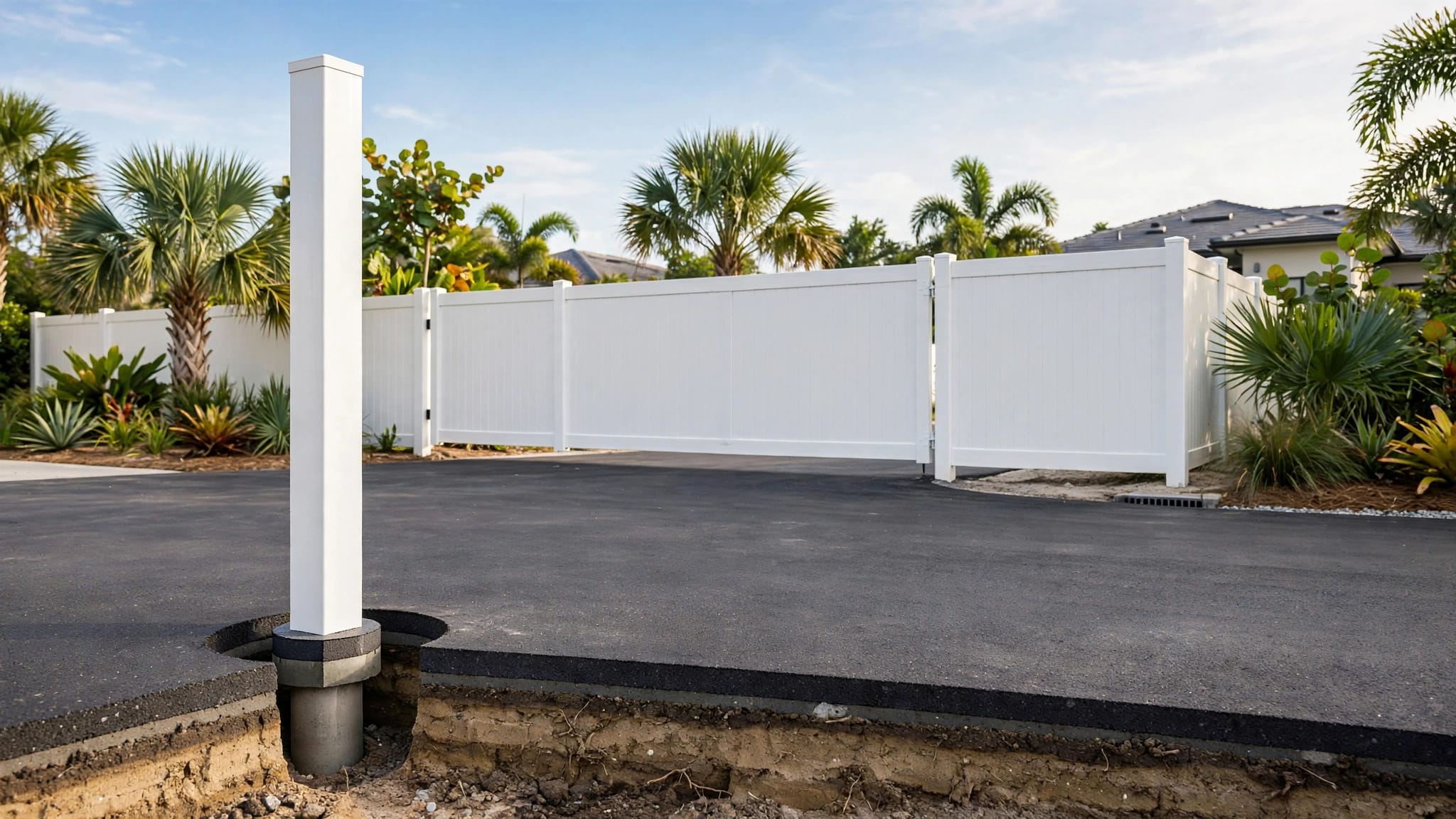
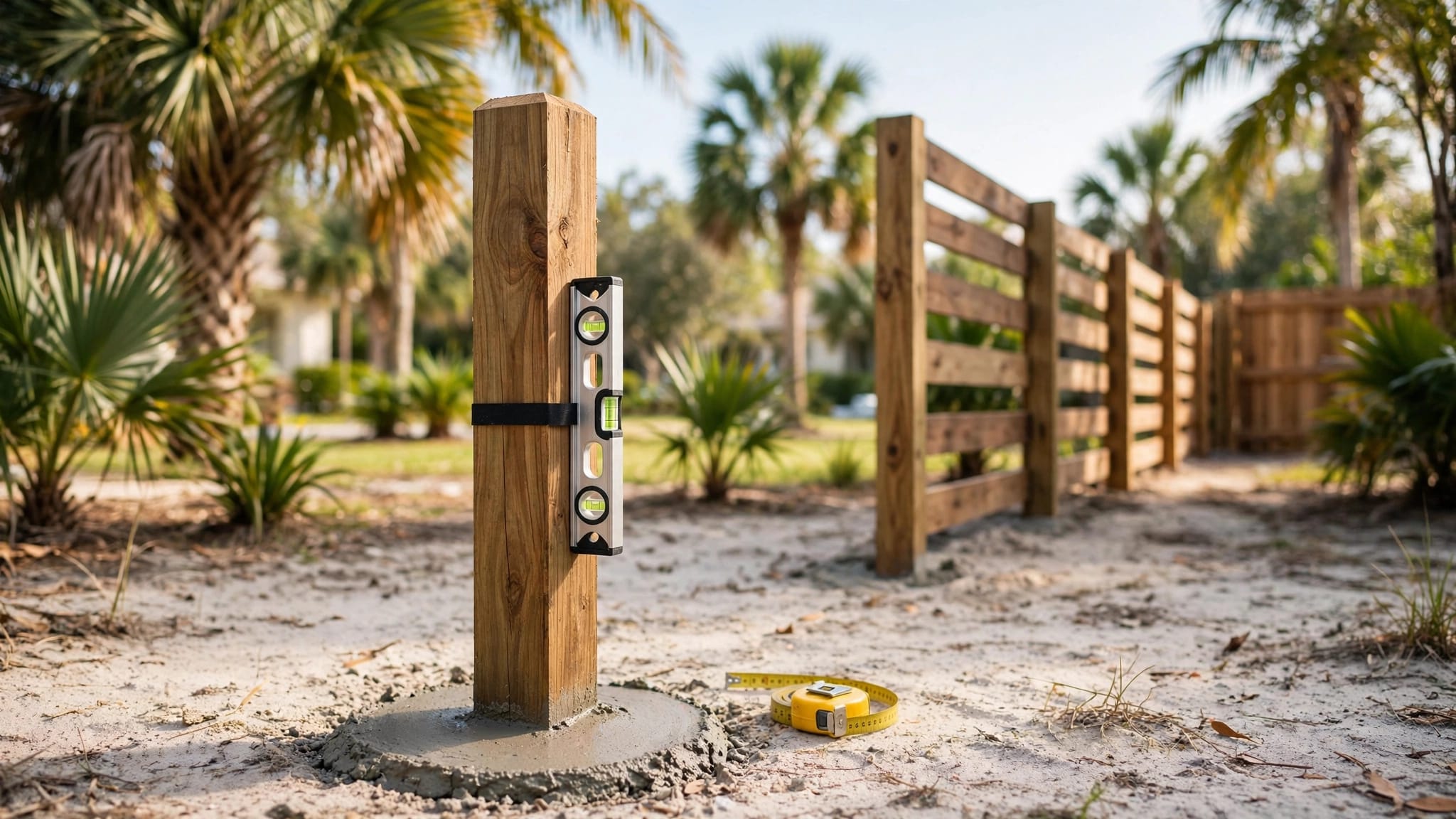
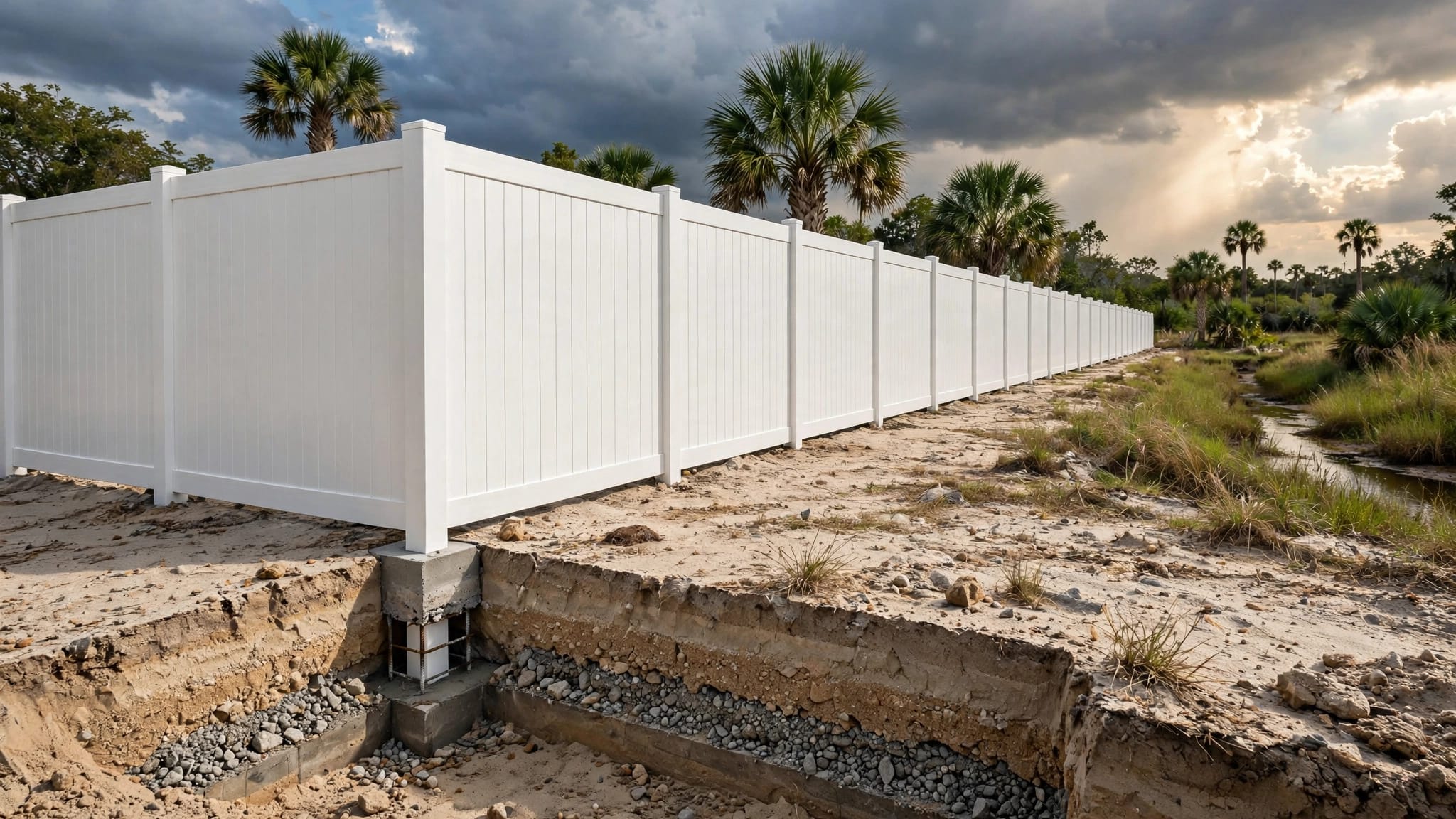
A fence panel can catch wind and send debris toward the condenser. Loose boards, broken pickets, and damaged screening can strike the fan grille or coil. The fence needs its own properly designed posts and footings. Never use the equipment pad, cabinet, refrigerant lines, or electrical components as fence supports.
Set fence posts far enough from the pad that digging won't undermine its base. Before excavation, locate underground utilities and identify irrigation lines. A post that lands beside a buried line can create a repair problem before the fence is finished.
Coastal homeowners should discuss corrosion-resistant materials and fasteners with the fencing contractor. Aluminum, vinyl, galvanized hardware, and other options may fit different budgets and exposure levels. The correct choice depends on the fence design, location, and maintenance plan.
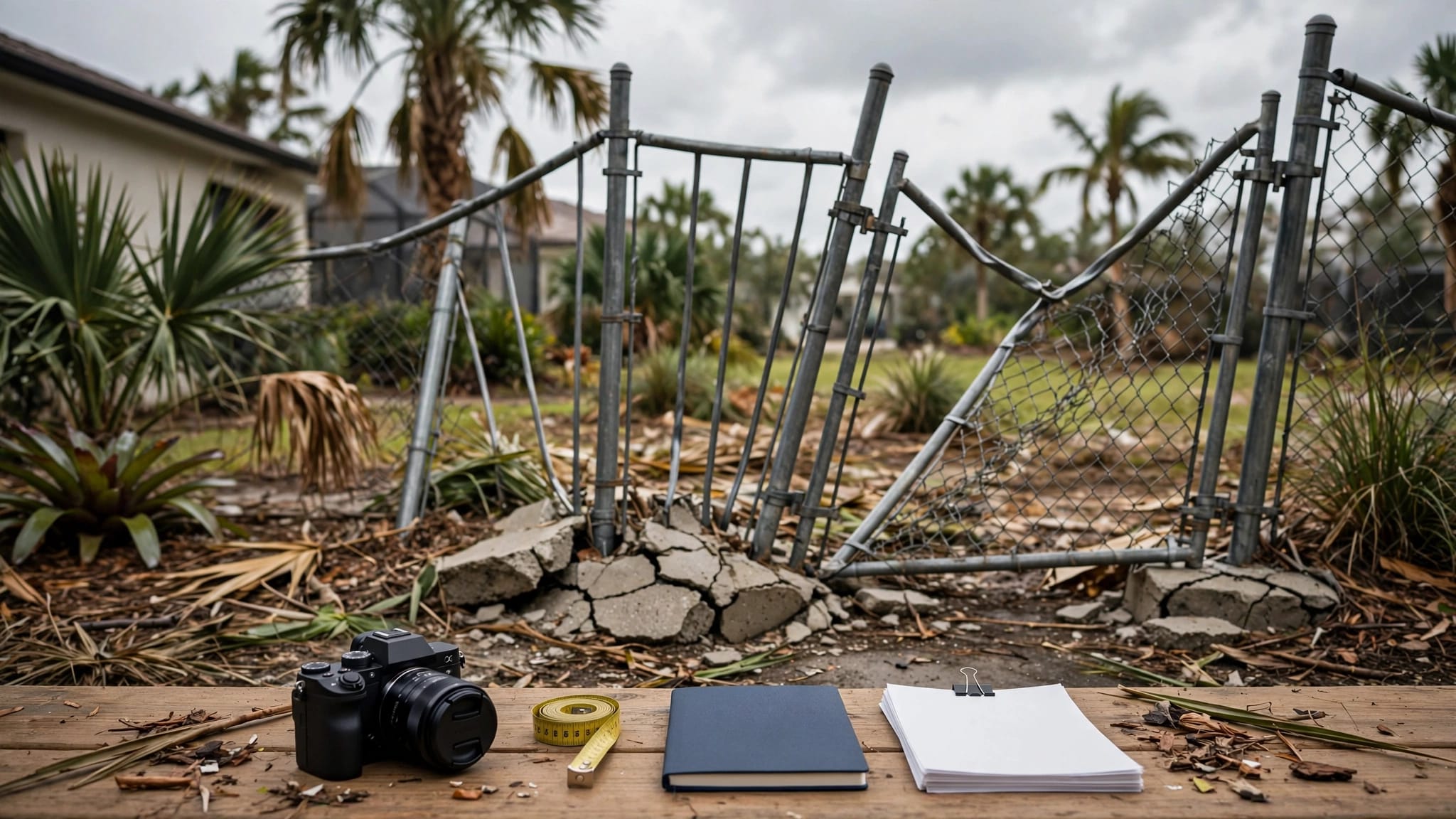
After a major storm, inspect both structures. Remove branches, leaves, and standing water near the HVAC unit. If the fence has shifted into the clearance area, turn off the system if safe and arrange an inspection before normal operation.
Plan the Fence Before the Posts Go In
The best time to solve clearance problems is before installation. Use this sequence when planning a fence near an air-conditioning unit or heat pump:
- Find the equipment model number and read the outdoor installation section of the manual.
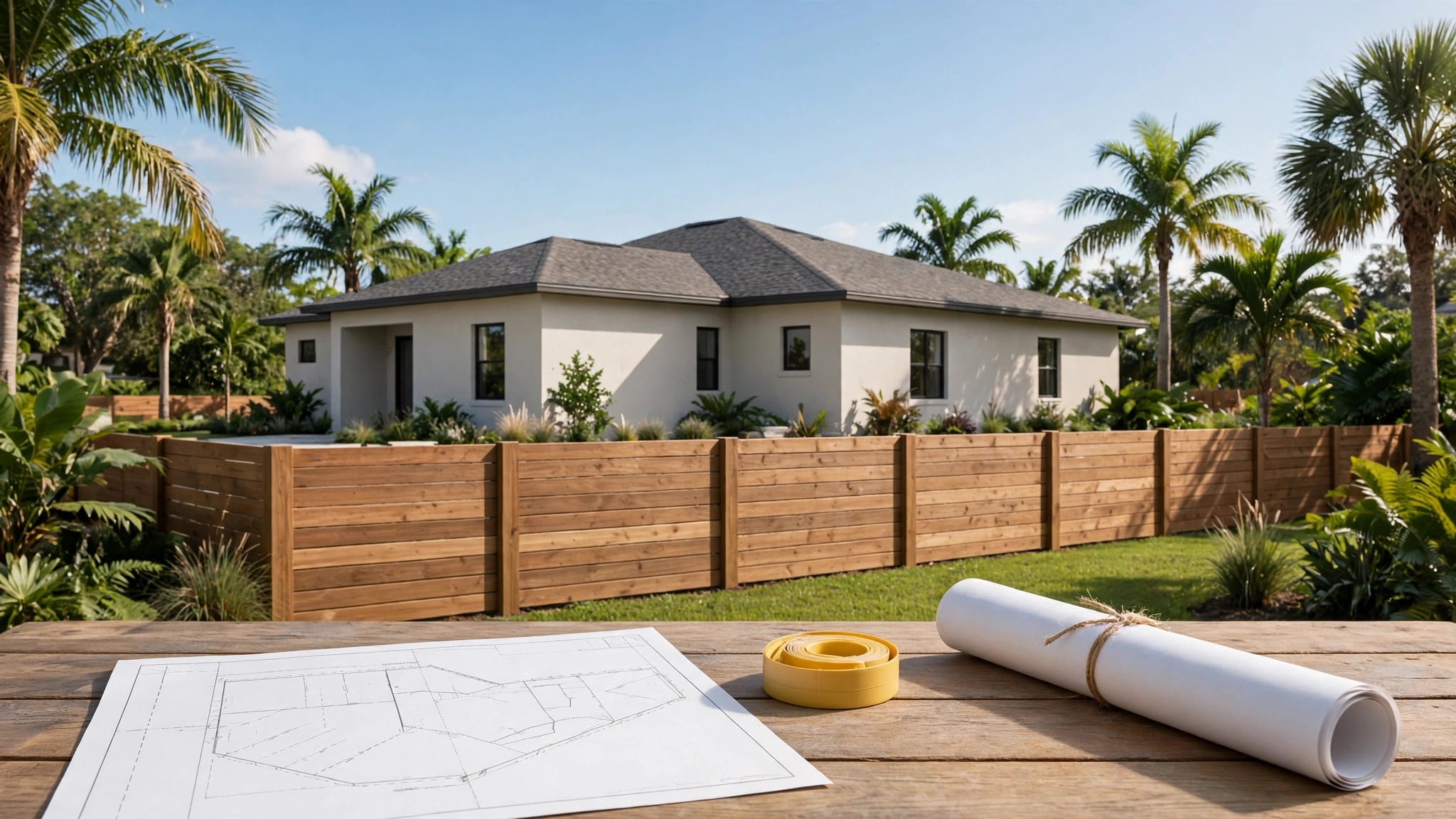
- Mark the cabinet, pad, service panel, disconnect, refrigerant lines, and drainage path on a site sketch.
- Confirm the fence location, property lines, easements, setbacks, and local permit requirements.
- Choose a fence style and gate that leave the required airflow and service zones open.
- Have the HVAC contractor and fence contractor review the layout before post holes are dug.
Local fence rules can control more than the equipment spacing. In Cape Coral, review the Cape Coral fence permit checklist before finalizing the line. Height, setbacks, visibility areas, waterfront rules, and easements can affect where the fence may sit.
If the proposed fence is close to a property boundary, check whether your permitting office wants a site plan, plot plan, or survey. Guidance on a Florida fence permit survey can help you identify the documents that may apply in your area.
A clear site sketch also helps prevent disagreements between trades. The HVAC contractor can protect equipment access, while the fence contractor can plan post spacing, gates, corners, and material selections around the available yard.
Keep HVAC Access Clear for the Long Term
Fences and HVAC equipment both need occasional attention. Plan for coil cleaning, electrical service, refrigerant work, storm cleanup, and eventual equipment replacement.
Walk around the unit after installation. Confirm that the gate opens fully, the service panel is reachable, air can move freely, and water won't collect against the pad. Check the same areas after landscaping grows or a storm changes the yard.
If the unit makes unusual noise, runs longer than normal, or struggles after the fence goes in, call an HVAC professional. Don't cut fence panels or move the condenser without approval. Both changes can create new airflow, electrical, or property-line problems.
Conclusion
A fence should protect your yard without boxing in the equipment that keeps your home comfortable. Follow the manufacturer's requirements and local code first, then allow extra room for airflow, service access, drainage, landscaping, and Florida weather.
The right AC unit clearance is part of the fence plan, not an afterthought. Marking those spaces before installation helps your fence look finished while keeping the condenser or heat pump accessible for the years ahead.