Can You Mix Vinyl Fence Panels? A Homeowner's Guide
Replacing one damaged section can seem simple until you compare it with the fence around it. The color may look close, yet the rail openings, post size, or panel profile may not line up. So, can you mix vinyl fence panels when adding new sections to an older fence? Sometimes, but only when the systems are structurally compatible.
A successful repair depends on more than matching a color name. You also need to account for sun-faded vinyl, different manufacturers, aging posts, local wind conditions, and any permit requirements. Start by separating the two issues: structural fit comes first, while cosmetic matching comes second .
Can You Mix Vinyl Fence Panels Safely?
Yes, you can mix old and new vinyl fence panels in some cases. The new section must match the existing fence's dimensions and connection system closely enough to stay secure over time.
Vinyl fencing is sold as a system. Panels, rails, pickets, posts, brackets, caps, and gates are designed to work together. Two products may both be described as a six-foot privacy fence, but that doesn't mean their parts will connect properly.
A new panel may fit only if it matches the existing system's:
- Panel height and width
- Rail shape and spacing
- Picket profile
- Post dimensions
- Connection points or brackets
- Gate and hardware design, if applicable
A panel that appears to fit during installation can still create problems if the rails sit loosely, the posts don't support the section, or the fasteners don't land in the correct locations.
Structural compatibility comes first
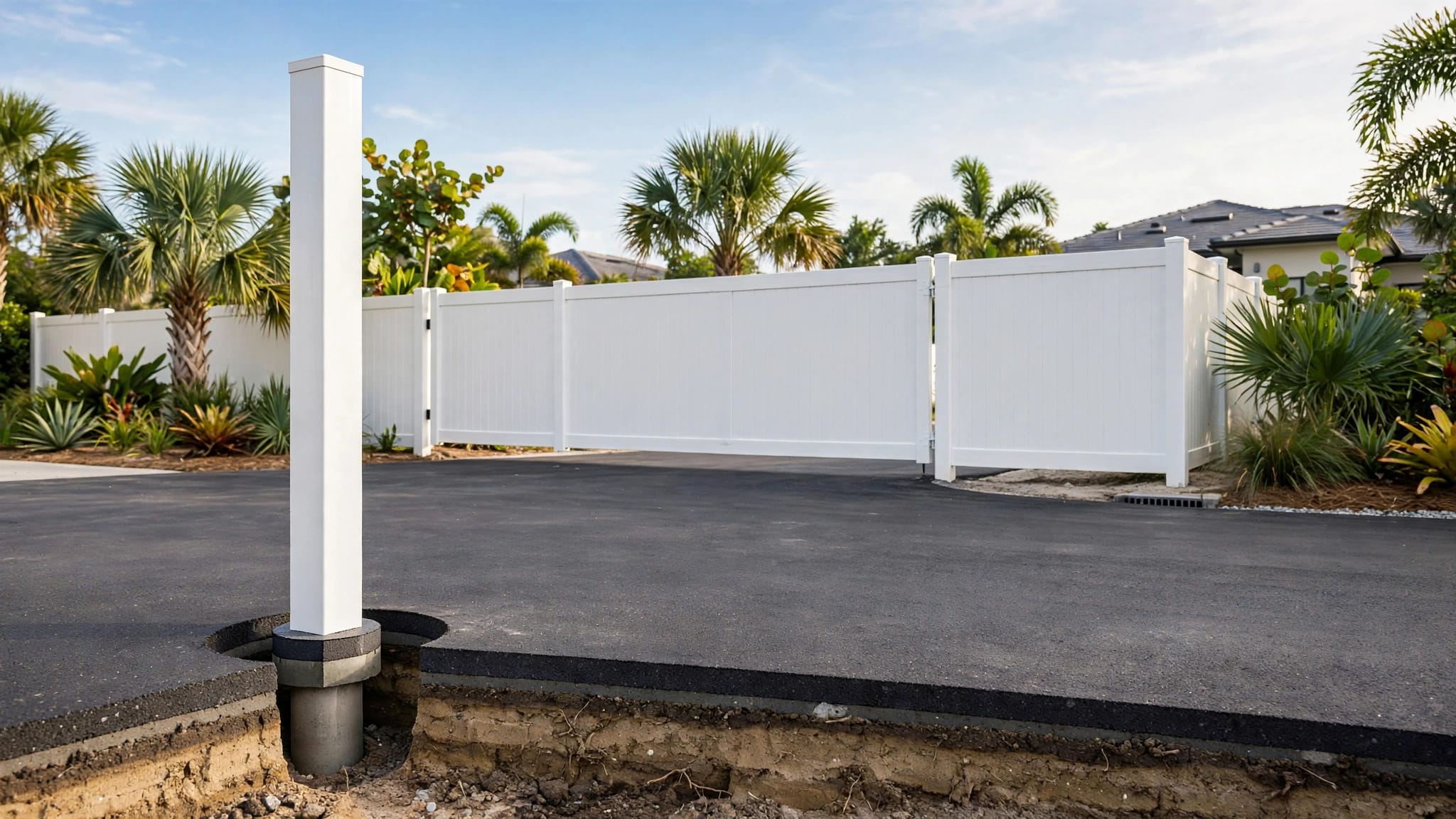
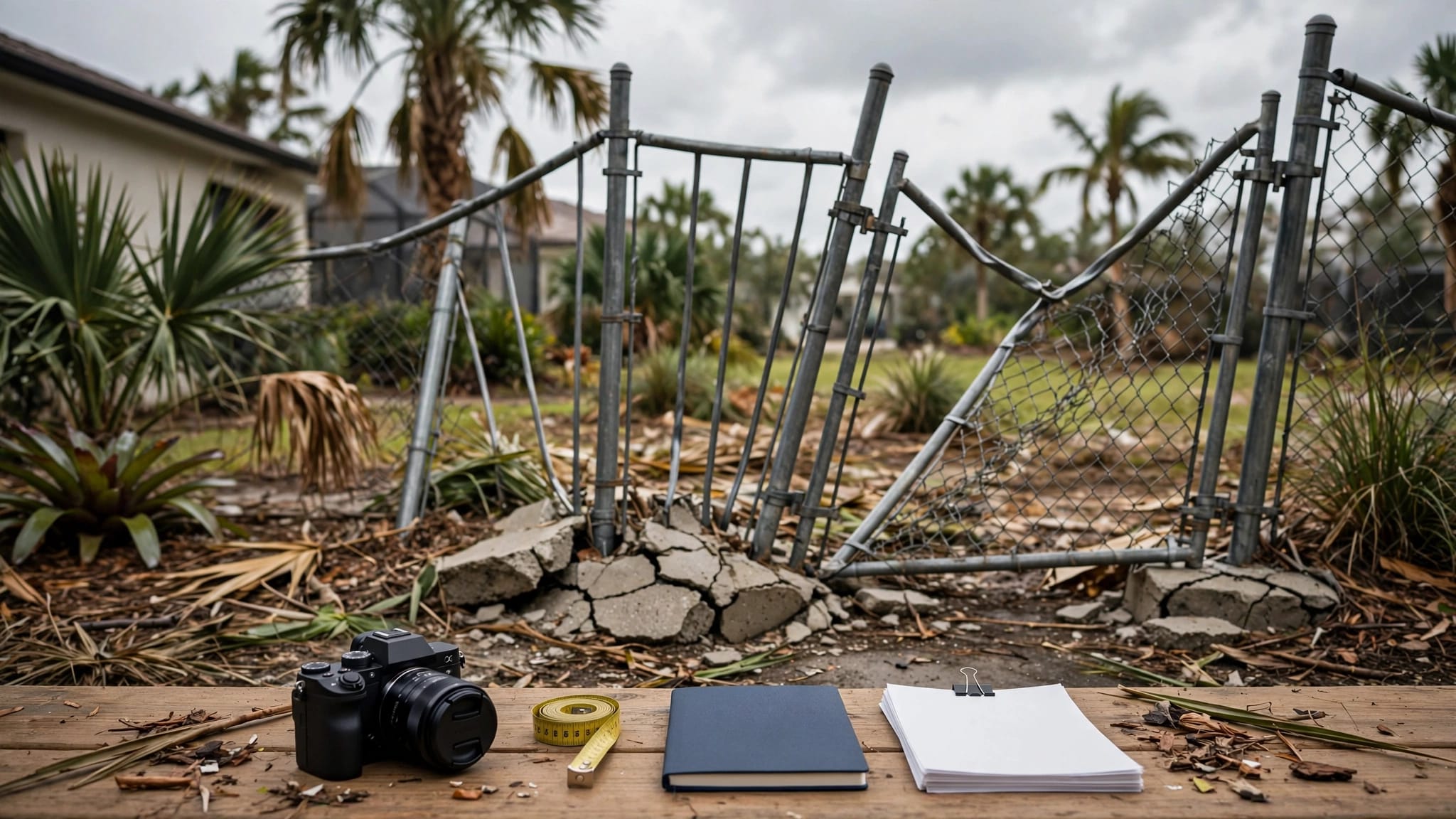
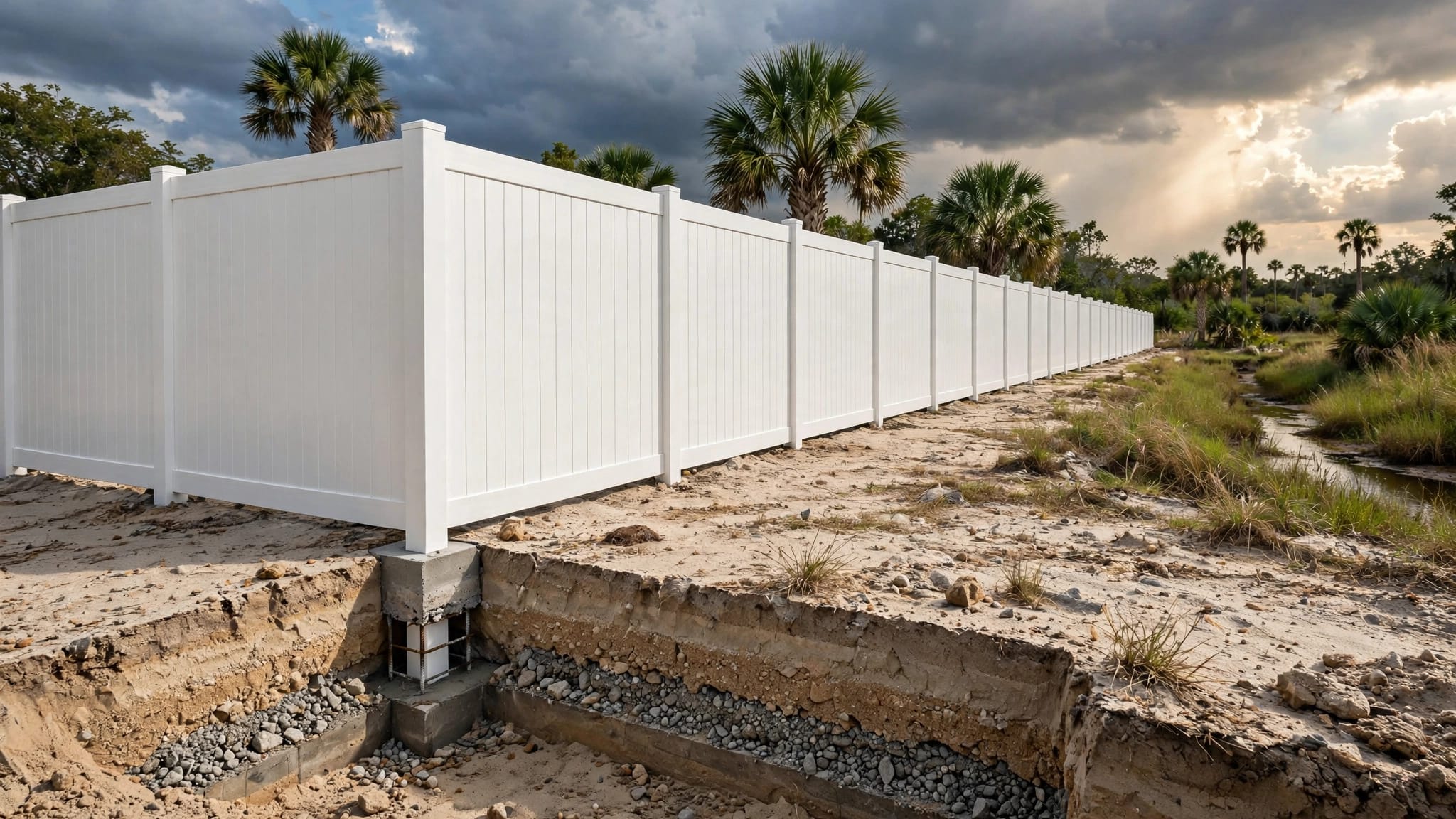
The existing posts need a careful inspection before you reuse them. Look for cracks, leaning, movement, water damage around the base, and brittle vinyl near the rail openings. A post that held an older panel may not be strong enough for a replacement, especially if the new panel has a different weight or catches wind differently.
The rails also need to connect without force. Cutting or drilling a new panel to make it fit can weaken the part and void the manufacturer's installation requirements. It may also leave gaps where panels should meet.
Gates require even more care. Hinges and latches must align with the post, and the gate needs enough support to swing without dragging. Mixing a new gate with an old fence can work, but the gate frame and hardware need to match the post system.
Cosmetic matching is a separate problem
A new panel can be structurally correct and still look out of place. Older vinyl often fades, dulls, or changes shade after years of Southwest Florida sun. Salt air, airborne dirt, irrigation water, and cleaning chemicals can affect the surface as well.
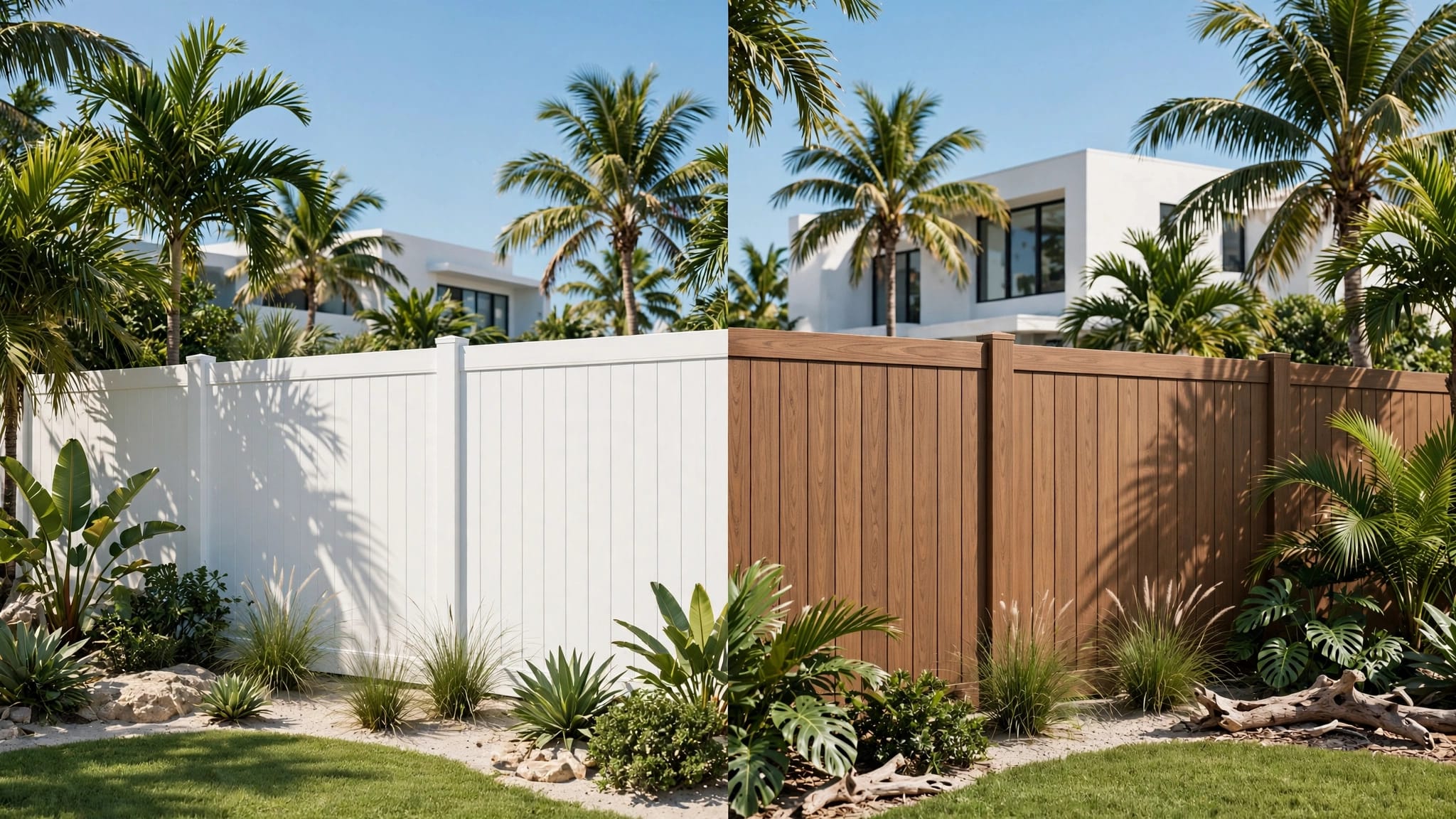
That means a new white panel may look brighter than an older white panel. A tan or almond fence can show an even clearer difference because the older section may have shifted in tone. The nominal color name can match while the installed fence does not.
Matching the color label doesn't prove that the panels will connect correctly or look identical after installation.
What Needs to Match Before You Combine Sections?
Before ordering a replacement panel, identify the existing fence system. If you have an installation invoice, product label, leftover parts, or a panel sample, keep them available. A manufacturer name or model number can save time.
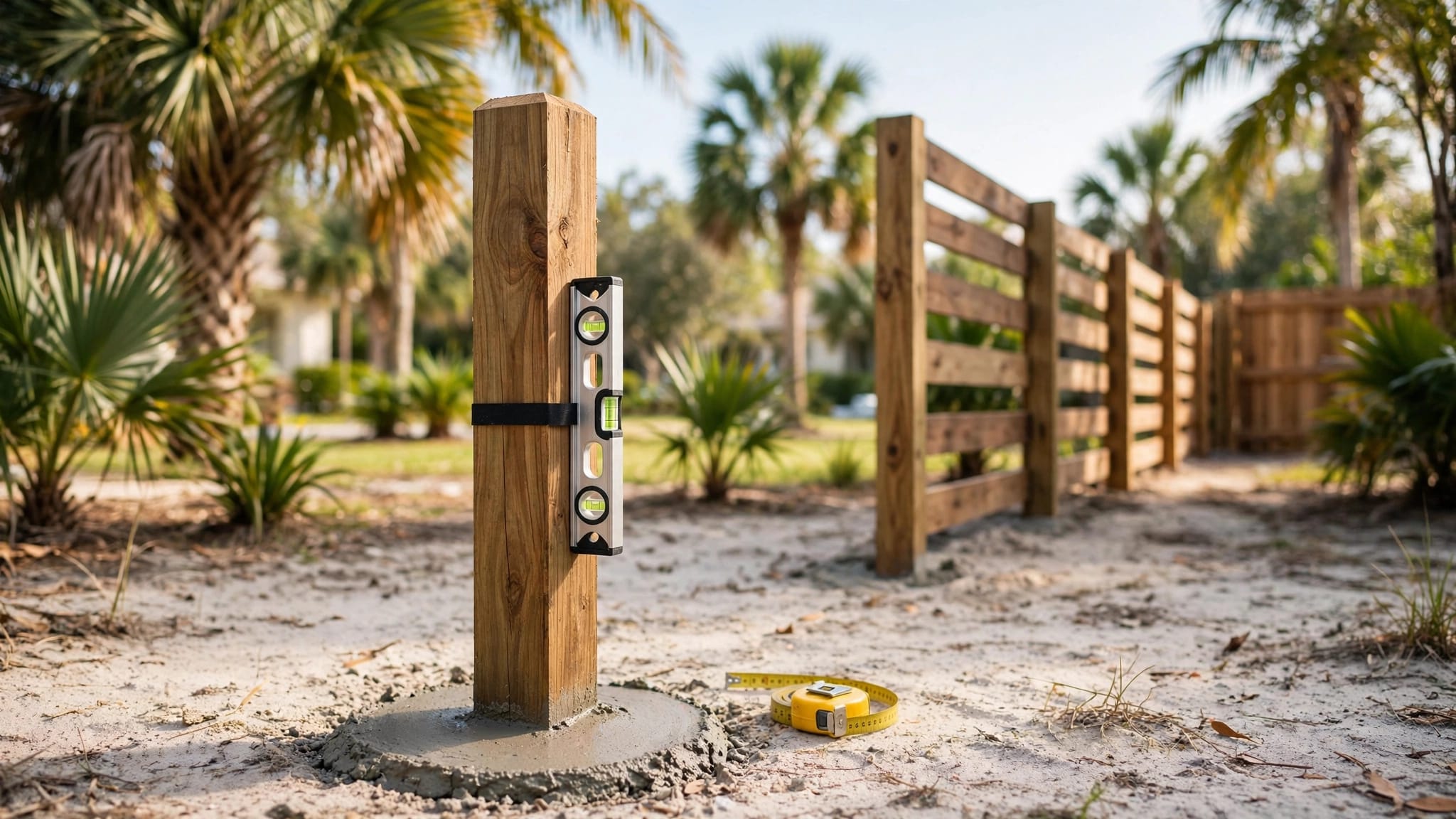
Measure the existing section instead of relying on a general description such as "standard vinyl fence." Record the panel width, height, rail spacing, picket shape, and post dimensions. Also note whether the rails slide into routed post openings or attach with brackets.
This quick comparison can help separate a promising match from a risky one.
| What to compare | Why it matters |
|---|---|
| Panel width | A small difference can create gaps or force an awkward cut. |
| Fence height | Uneven tops are easy to see along a straight run. |
| Rail location | Rails must line up with the existing posts and sections. |
| Picket shape | Different profiles can make the repair look patched. |
| Post size | The panel and rails must fit securely inside the post. |
| Fasteners and brackets | Hardware needs to fit the system without weakening vinyl. |
| Fence style | Privacy, semi-privacy, and picket sections may use different parts. |
The manufacturer and product line matter because vinyl parts aren't universally interchangeable. Even products made by the same company can change over time. A discontinued profile may have a similar replacement, but a similar appearance doesn't guarantee a direct fit.
Pay attention to the fence's age, too. Older systems may use dimensions or hardware that newer product lines no longer offer. In that situation, a contractor may recommend replacing the full section between two posts, changing the posts as well, or rebuilding the entire run.
Why Old and New Vinyl May Not Match in Color
Vinyl fence color changes gradually. Ultraviolet exposure can leave older material less bright and slightly different in tone than it was when first installed. The change may be subtle across an entire fence, but a new panel can make it obvious.
Cleaning affects the comparison. Mold, algae, dust, and sprinkler deposits can darken or stain older sections. Washing the existing fence with a product approved for vinyl may improve its appearance, but cleaning won't reverse permanent fading or surface changes.
You should compare a new sample beside the existing fence in daylight. Indoor lighting can hide differences, while direct afternoon sun can exaggerate them. Check the sample near the repair area rather than at a distant part of the property.
Color is only one visual detail. Compare the following features as well:
- Picket width and spacing
- Top profile and decorative details
- Rail thickness
- Post caps
- Texture and gloss level
- Gate design and hardware finish
A close color match may look acceptable when a section is hidden behind landscaping or located at a corner. On a long, open boundary, the same difference can appear like a bright rectangle attached to an older wall.
When Mixing Panels Makes Sense
Mixing old and new sections can be a reasonable choice when the damaged area is limited and the existing fence remains solid. It may also make sense when you can find the same manufacturer and product line, or when the new section will sit in a less visible location.
A single replacement can preserve most of the fence while limiting the work around established landscaping, pool areas, patios, or utility equipment. Reusing sound posts may reduce the scope of the repair, but only after someone confirms that they are straight, stable, and compatible with the replacement panel.
A transition can look intentional when it occurs at a corner, gate, property line, or other natural stopping point. Replacing one full run between logical endpoints often looks better than inserting a narrow mismatched piece in the middle of a long section.
Full replacement deserves consideration when:
- Several panels show cracks or brittleness.
- The fence has faded unevenly.
- Posts lean, move, or have damaged openings.
- The original product line is discontinued.
- New and old sections cannot share rails or hardware.
- You want one consistent color and finish.
- The fence needs a different height or style.
Replacing a larger section costs more material and labor, but it can prevent repeated repairs. A patch may solve today's damage while leaving the rest of the fence near the end of its useful service life.
How a Fence Contractor Checks Compatibility
A contractor should inspect the fence before recommending mixed panels. The assessment doesn't need to be complicated, but it should cover the parts that affect fit, stability, and appearance.
First, the contractor measures an intact section and identifies the system's layout. They may remove a post cap or inspect a rail connection to see how the parts fit together. Photos of the entire run and close-ups of the post openings can also help when locating a replacement product.
Next, they inspect the damaged area and the posts around it. A panel may be the only failed part, or the impact may have cracked the post, shifted the concrete footing, or damaged nearby rails. In Southwest Florida, intense sun and storms can add wear that isn't visible from the street.
The contractor then compares available replacement parts with the existing system. A good match should fit the posts, align with adjacent rails, and meet the intended fence height. If the parts don't match, the contractor should explain the tradeoff between a visible transition and a broader replacement.
Finally, review the installation plan. Ask whether the crew will reuse existing posts, replace the entire section, or install new posts at both ends. Confirm how they will handle caps, rails, fasteners, gates, and cleanup. A clear plan reduces surprises after the old panel comes down.
If the fence needs more than a single-part repair, professional fence repair services can help determine whether replacement panels are practical or whether the section needs rebuilding.
Permits and Local Fence Rules in Southwest Florida
Fence work can involve local rules, property lines, height limits, setbacks, and permit requirements. The requirements depend on the city, county, fence height, location, and amount of work.
Cape Coral's current guidance says many fence replacement projects require permits, especially when the work goes beyond a minor repair. Replacing several panels in place may be treated differently than changing the fence's height, material, layout, or location. Review the city's requirements before scheduling work, using this guide to permits for replacing a fence as a starting point.
Homeowners in Lee, Charlotte, Collier, Sarasota, DeSoto, and Hendry counties should also check the rules for their specific jurisdiction. A contractor familiar with local projects can help identify questions about permits and placement, but you should still confirm current requirements with the proper building department.
When the old system cannot accept a compatible replacement, a complete update may be the cleaner route. For homeowners considering a uniform new fence, vinyl fence installation can provide a design that fits the property and the local conditions.
The Best Way to Decide
If you want to mix vinyl fence panels, begin with the existing system, not the color chart. Confirm the manufacturer, dimensions, rail connections, post condition, and panel style. Then compare a physical sample with the older fence outdoors.
A small repair is usually most practical when the structure is sound and the new parts closely match. Full-section or full-run replacement makes more sense when the fence has widespread fading, brittle components, damaged posts, or discontinued parts.
Conclusion
Old and new vinyl fence panels can work together, but compatibility requires more than a matching color name. The panels, rails, posts, and hardware must connect correctly, while the older vinyl may show a different shade after years of Southwest Florida sun.
If you plan to mix vinyl fence panels , inspect the existing posts and compare a sample before ordering materials. A careful repair can blend into the property, but a broader replacement may provide a more consistent appearance and a stronger result when the old system has reached its limit.