Conservation Easement Fence Rules in Southwest Florida
Putting a fence on land with a conservation easement requires more than checking the height and material limits. Conservation easement fence rules depend first on the recorded easement, the conservation easement holder, and the protected features on your parcel.
A county permit may still be required, and wetland or environmental approvals may also apply. However, local approval doesn't override a recorded restriction. Before a contractor sets a post, review the easement deed, map the proposed fence, and obtain written approval when the document requires it.
What conservation easement fence rules apply to your parcel?
Florida doesn't use one statewide rule that automatically allows or bans every fence on conservation-easement property. Section 704.06, Florida Statutes, establishes the legal framework, but the recorded instrument controls the day-to-day restrictions.
Read the recorded easement before planning the fence
Start with the recorded conservation easement, including its legal description, exhibits, baseline documentation, amendments, and any management plan. These documents identify the conservation values that must remain protected.
One easement may allow perimeter fencing for cattle or agricultural operations. Another may prohibit new structures or require written consent for any fence. Some easements are perpetual, while certain recorded arrangements can run for a term of at least 10 years.
The easement holder may be a state agency, local government, nonprofit organization, or another qualified entity. The holder named in the deed is the party that can explain whether approval is required. A title company, real estate attorney, or county property records office can help locate the recorded document.
State law provides the baseline
Florida law generally protects land kept predominantly natural, scenic, open, agricultural, wooded, or valuable as fish and wildlife habitat. The statute addresses buildings, dumping, vegetation removal, excavation, inconsistent surface uses, and activities that harm drainage, flood control, erosion control, soil conservation, or habitat.
Those categories can affect a fence even when the fence looks minor. The deed may treat a fence as a structure, or it may prohibit the clearing, grading, fill, or access obstruction needed to install it.
Fence issues that can create an easement violation
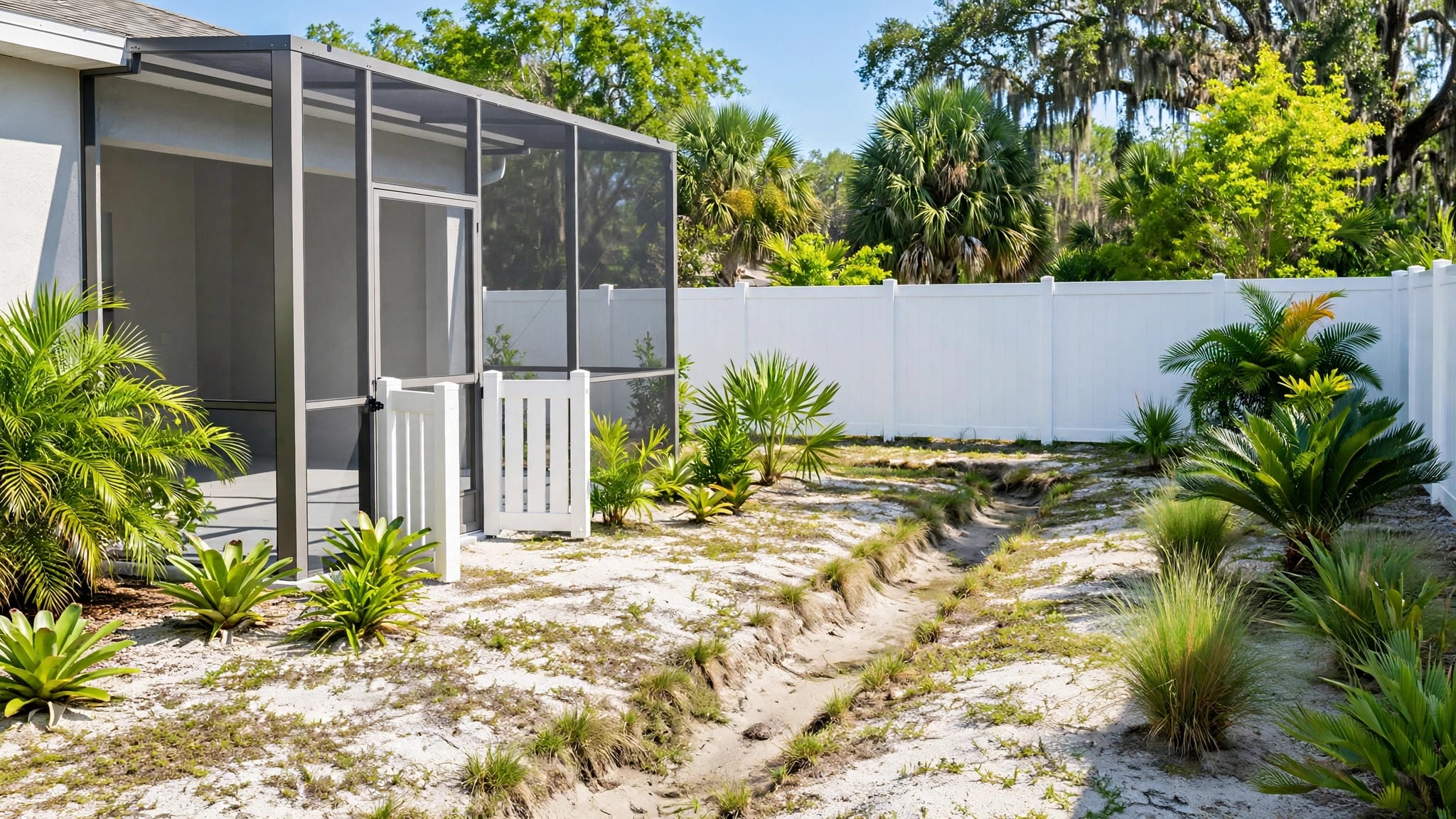
A fence line can affect more than the appearance of a property. In Southwest Florida, water movement, wetland vegetation, wildlife corridors, and access roads often determine whether a proposed installation fits the easement.
Wildlife passage may control the design
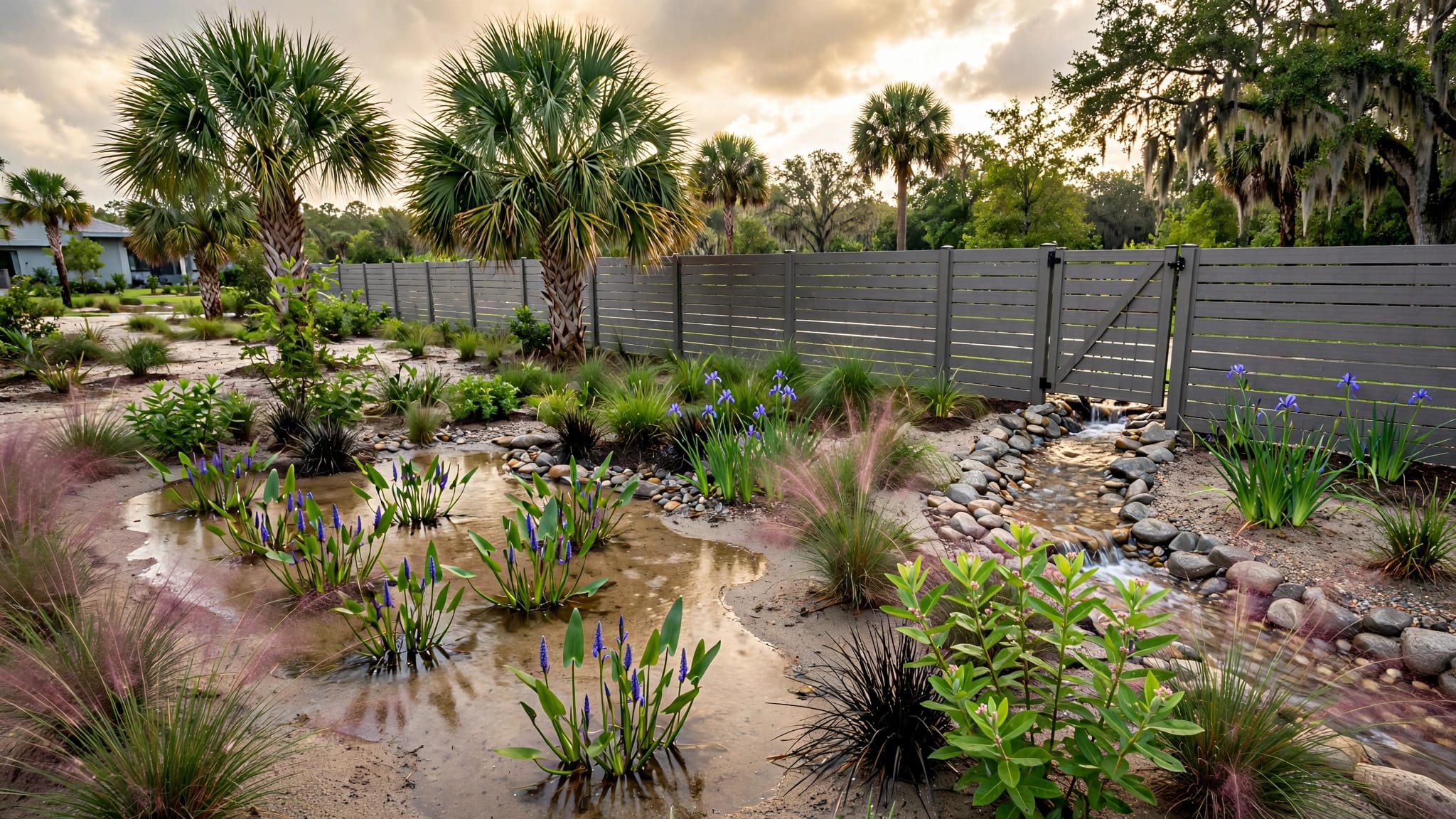
Conservation easements often protect habitat for wildlife, fish, and native plants. A solid privacy fence can interfere with movement between wetlands, uplands, pasture, and nearby habitat. A fence placed across a known travel route can create a concern even when the posts remain inside the owner's property line.
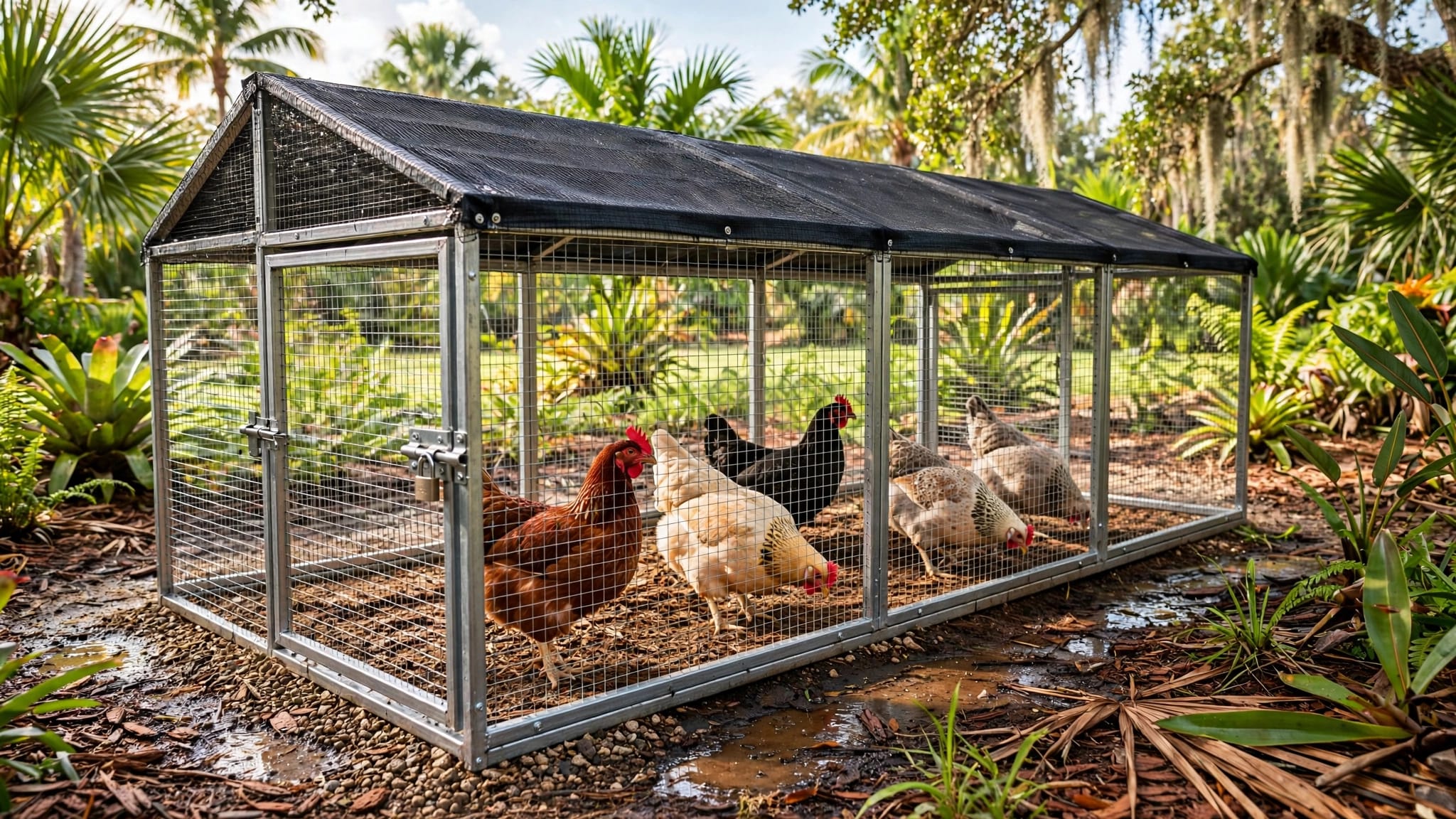
The holder may review fence height, spacing, gates, bottom clearance, and location. An open design may reduce habitat concerns in one setting, but that doesn't guarantee approval. Wildlife needs differ by site, and the recorded easement may contain its own construction standards.
Ask whether the holder has approved fence details for similar properties. Get those requirements in writing before selecting vinyl, wood, chain link, aluminum, or another material.
Wetlands and drainage deserve close attention
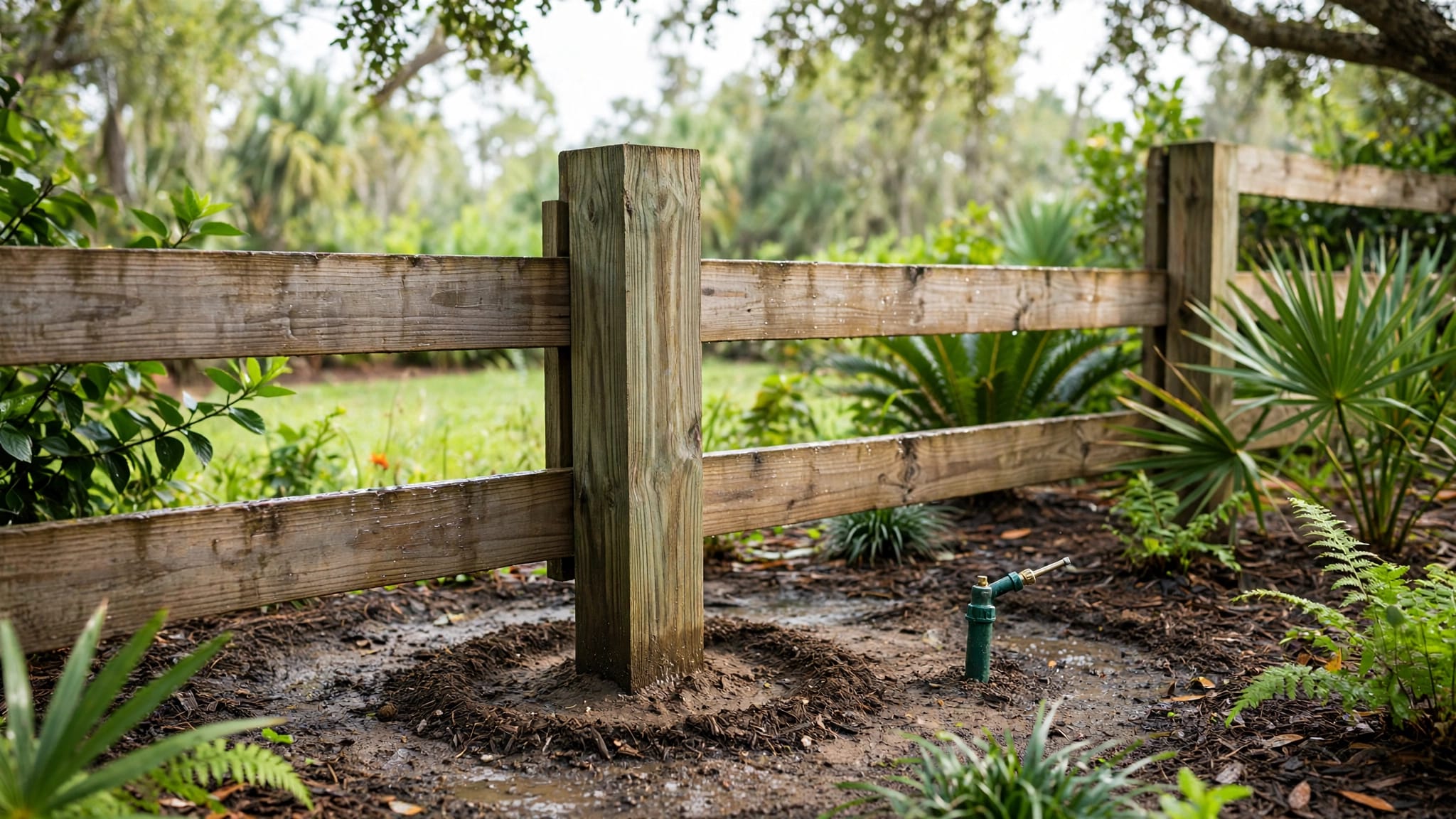
DEP's standard conservation easement language identifies ditching, diking, clearing, and fencing as activities that can harm drainage, flood control, water conservation, erosion control, or wildlife habitat. The concern may involve the completed fence or the work required to install it.
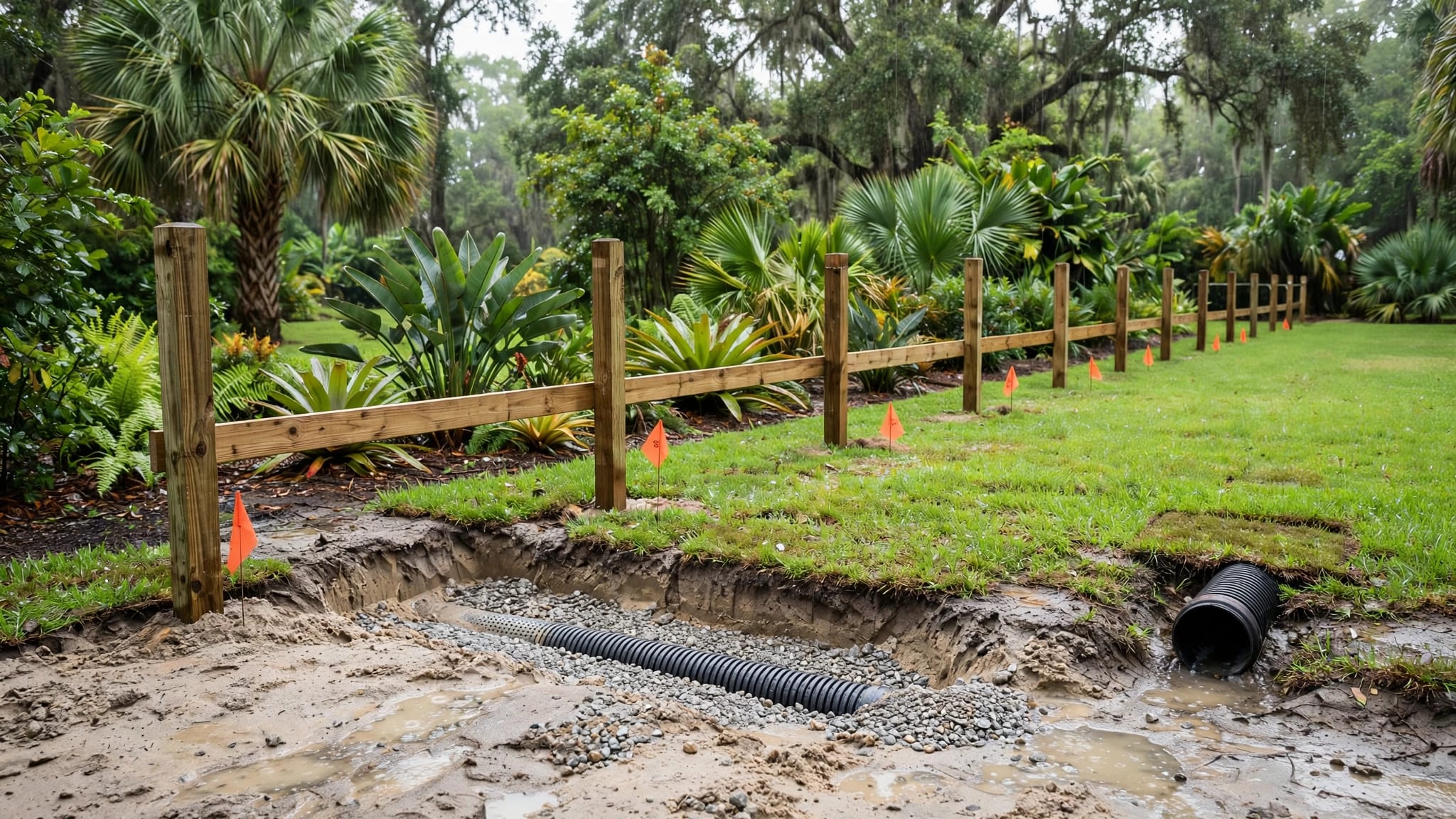
For example, concrete footings, access roads, vegetation removal, or fill can alter surface flow. A fence may also block access to a swale, ditch, culvert, monitoring point, or water-management feature.
A fence that meets ordinary zoning standards can still conflict with the conservation easement if it changes hydrology or restricts maintenance access. Therefore, show drainage features and wetland areas on the proposed plan rather than treating them as separate from the fence project.
A permitted fence can still violate a conservation easement if its placement or installation conflicts with protected drainage, habitat, or access rights.
Common restrictions on fence improvements
The words "fence allowed" or "fence prohibited" may not appear in a short summary of the easement. Instead, the restrictions may appear under broader terms covering structures, land disturbance, access, or conservation management.
Prohibited improvements can include related work
A fence may create a problem when it requires any of the following:
- Clearing trees, shrubs, or native groundcover along the proposed line.
- Excavating soil, peat, rock, or other material for posts or access.
- Adding fill to reach a fence line through wet or low-lying ground.
- Blocking a road, gate, trail, swale, ditch, or monitoring area.
- Introducing a use that conflicts with the property's natural condition.
- Installing a building, utility, sign, gate system, or other improvement not allowed by the deed.
The fence itself may be acceptable while the supporting work is not. That distinction matters when a contractor needs to bring equipment through a protected area or widen an access path.
Agricultural fencing may receive different treatment
Agricultural land can have separate easement language. A deed may preserve existing cattle operations and allow perimeter fencing or cross-fencing when those improvements support the approved agricultural use.
Florida's Chapter 588 may also matter when the property contains livestock. The statute includes legal-fence requirements, including a general five-foot height standard and construction provisions for certain enclosures. Those rules don't replace the conservation easement. They apply alongside the deed and local requirements.
Landowners in Hendry, DeSoto, or other agricultural areas should check whether the easement's baseline documentation shows existing pasture fences. Replacing an approved fence in the same location may receive different treatment from adding a new fence through protected habitat.
County, state, and environmental permits still apply
Conservation easement approval and government permitting are separate steps. A fence contractor may need to address both before installation begins.
Local rules vary across Southwest Florida
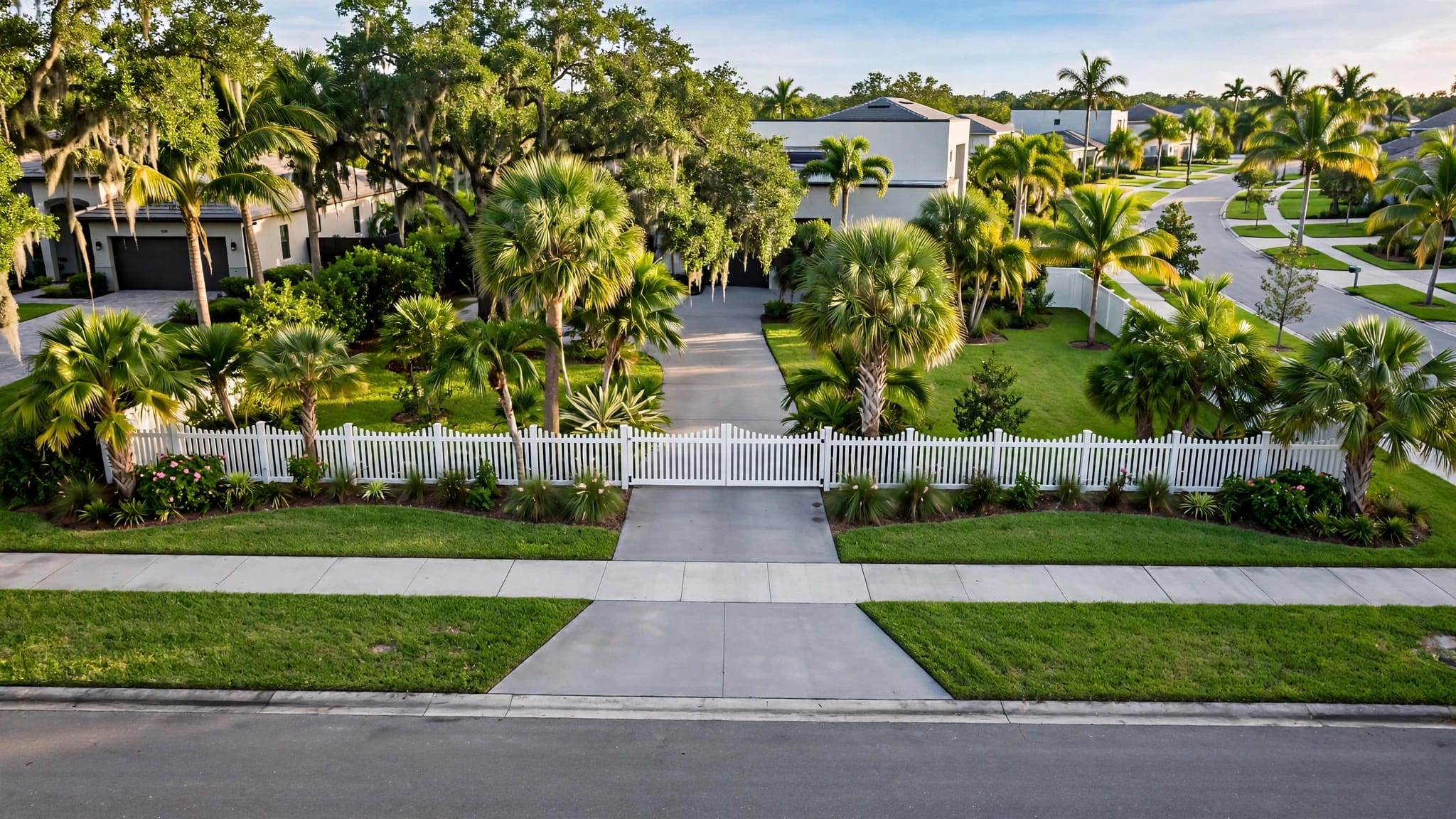
Lee, Collier, Charlotte, Sarasota, Hendry, DeSoto, and Manatee counties have different permitting processes. Municipal rules can differ again inside places such as Fort Myers, Cape Coral, Naples, Sarasota, or other incorporated areas.
For unincorporated Lee County, review the Lee County fence permit rules, including easement disclosures and site-plan requirements. Collier County generally requires permits for many fence installations, replacements, and repairs, so check the Collier County fence permit requirements before scheduling work.
A local permit application may request a survey, fence height, materials, gates, setbacks, and easement information. The permit office reviews local code. It doesn't decide whether the conservation easement holder consents to the project.
Environmental review may be separate
Wetland impacts, surface-water work, fill, drainage changes, and work near protected habitat can trigger review by an environmental agency. Florida DEP's South District Permitting office is the state contact for environmental permitting matters in the region.
Depending on the site, other agencies or water-management authorities may also have jurisdiction. Ask the county permitting office and the easement holder whether additional review is needed. Don't assume a simple fence project is exempt when installation requires clearing, fill, grading, or access through wetlands.
A practical approval process for property owners
Following a consistent process can prevent a costly removal or redesign. Keep every approval, drawing, email, and permit with the property records.
- Obtain the complete easement file. Request the recorded deed, maps, exhibits, baseline report, amendments, management plans, and contact information for the easement holder. A one-page title reference may not contain the construction restrictions.
- Confirm the property line and easement location. Use a current survey when pins, bearings, wetlands, or overlapping drainage and utility easements create uncertainty. A guide to reading a Florida property survey can help you identify the fence line, rights-of-way, and recorded easements before planning the layout.
- Prepare a detailed fence plan. Show the property boundaries, proposed posts, gates, access routes, wetlands, swales, ditches, water features, vegetation to be removed, and nearby structures. Include the height, material, bottom clearance, and installation method. These details help the holder evaluate habitat and drainage impacts.
- Contact the easement holder in writing. Ask whether the project needs consent, a formal amendment, or a construction review. Send the plan and survey, then request written approval that identifies the approved location and design.
- Apply for local and environmental permits. Use the written easement response with the county or city application. If the permit reviewer requests changes, send those changes back to the easement holder before construction.
- Document the approved installation. Give the contractor the final plan. Photograph the fence line before and after work, retain permit records, and report any field change that affects wetlands, access, gates, or protected vegetation.
A clear site plan helps during review. You can also use this guide to draw a Florida fence site plan before submitting local permit documents.
Monitoring access and enforcement risks
Many conservation easements reserve inspection or monitoring rights for the holder. The deed may allow entry at reasonable times to confirm that the property remains in the required condition. It may also require the owner to keep gates accessible or avoid blocking roads and management areas.
Read those access provisions carefully. A locked gate, narrow opening, or fence across a maintenance route can create a dispute even when the fence doesn't affect wildlife or drainage.
Building first can create expensive problems
If an owner installs a fence without required approval, the holder may demand changes, removal, or restoration of disturbed land. Depending on the deed and the facts, the holder may also seek an injunction or other enforcement remedy.
A county permit won't cure that conflict. The same applies when a contractor follows a sketch that differs from the recorded easement map. Written approval protects everyone by identifying the location and design reviewed by the responsible party.
Repairs may need approval too
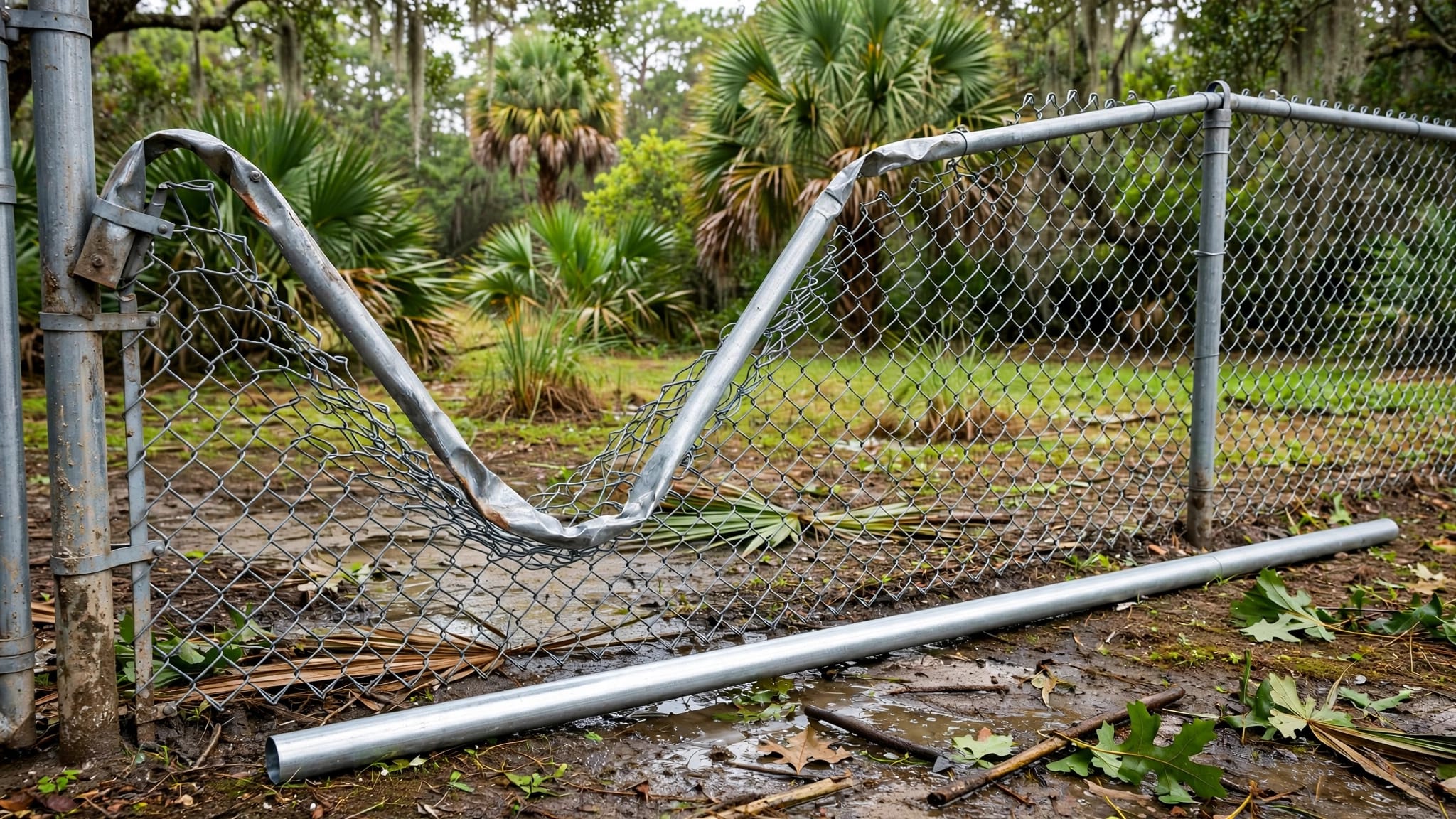
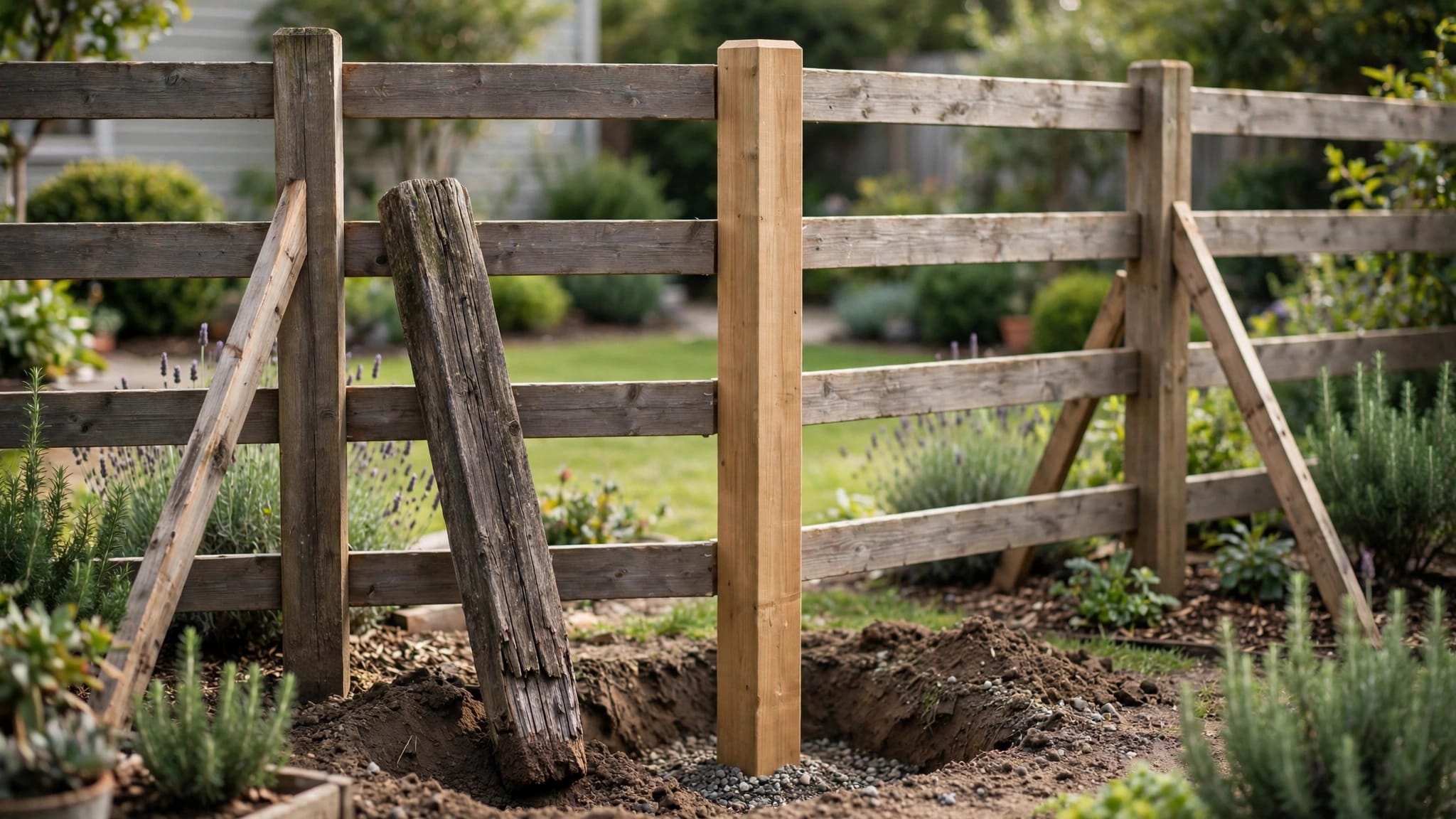
Replacing broken posts in the same approved location may be treated differently from moving the fence, adding a gate, changing materials, or extending the line. Ask before repairing a fence that sits inside the easement.
Keep professional records for future owners. Include the approval letter, final survey or plan, permit, photographs, and any conditions imposed by the holder.
Because each easement has different language and conservation goals, consult a Florida real estate attorney and the appropriate permitting agencies before making a site-specific decision. A qualified fence contractor can help prepare measurements and installation plans, but the contractor cannot waive easement restrictions or grant environmental approval.
Conclusion
Southwest Florida fence projects on conservation-easement property require two approvals when both apply: government permission under local or environmental rules and consent under the recorded easement. The easement deed, baseline documentation, and easement holder control the private restrictions.
Review the documents first, confirm the fence location with a survey, address wildlife, wetlands, drainage, and monitoring access, then document written approval before installation. Those steps reduce the risk that a new fence becomes a removal order or restoration dispute.