How to Document a Fence Encroachment Agreement in Florida
When a fence crosses a property line, the visible problem may be small, but the paperwork can affect a future sale, repair, or dispute. A fence encroachment agreement can document what the owners allow, where the fence sits, and what happens next.
Start by confirming the boundary and encroachment with a Florida-licensed surveyor. Then have a Florida real estate attorney choose and draft the right arrangement. This is general educational information, not legal advice. Your property, title history, county rules, and intended use may require different documents. Once the facts are clear, document the fence's location and responsibilities before any work or sale.
Start With the Boundary Before Drafting a Fence Encroachment Agreement
An agreement should describe a verified condition, not an estimate from an old fence or phone map. A contractor can measure a layout, but a contractor doesn't decide land ownership.
Have a Florida-Licensed Surveyor Verify the Line
Ask a Florida-licensed surveyor to locate or re-establish corners, review deed calls, and identify the fence's exact position. The survey should show whether posts, panels, gates, or footings cross the line, and by how much. It should also flag easements, rights-of-way, drainage areas, or other notes that could affect placement.
If you already have a survey, use it as a starting point. Check its date and whether the monuments remain visible. Florida property survey guidance can help you understand pins, bearings, easements, and measurements before meeting with the surveyor.
Review Property Records and Local Restrictions
Collect each deed, recorded plat, prior survey, title document, and any earlier written permission. A property appraiser map can help identify a parcel, but it isn't a substitute for a boundary survey.
Also check city or county fence rules, utility or drainage requirements, and HOA approval rules. A private agreement doesn't replace a permit or approval that applies to the fence. Southwest Florida owners can also review Florida fence permit survey requirements before installation or relocation.
Decide What the Document Is Meant to Do
Before drafting, agree on the legal goal. One owner may only want temporary permission to leave an existing fence in place. Another situation may call for a recorded easement or a boundary-line agreement. These choices have different effects, so don't use a form that labels one arrangement as another.
| Arrangement | General purpose | Questions for the attorney |
|---|---|---|
| Written permission or license | Allows a stated fence condition without changing the boundary | Is it revocable, and does it bind successors? |
| Easement | Grants defined rights to use or maintain part of another parcel | What rights, duration, recording, and title effects apply? |
| Boundary by agreement | Addresses the line the owners accept as the boundary | Was the line uncertain, and does the evidence support that result? |
Don't Confuse Permission With a Boundary Settlement
A handshake may show cooperation between current neighbors, but future owners may never learn about it. The terms may also be difficult to prove. A signed document is clearer, yet it still needs the right legal structure.
UF/IFAS describes boundary by agreement as involving uncertainty about the true line, an agreement to treat a line as the boundary, and later occupation consistent with that agreement for enough time to show settled recognition. If everyone knows the legal line and one owner only allows the fence to remain for a period, that may be permission rather than a boundary agreement.
Tell the attorney which result you want. Don't assume a title-changing arrangement follows from a simple consent letter. A fence encroachment agreement may be a narrow permission document, but it shouldn't be presented as an easement or boundary settlement without legal review.
Identify the Parties and Affected Properties
Use title records, not casual names, to identify who must sign. The document should connect the agreement to both parcels and to the survey exhibit.
Name Every Relevant Owner
Use each record owner's full legal name and mailing address. If a parcel belongs to an LLC, trust, estate, or other entity, ask the attorney who has authority to sign. State which owner owns the fence, which owner owns the land under or near it, and who receives each right or duty.
Include both properties' legal descriptions. Add parcel identification numbers as helpful references, but don't rely on an appraiser number or street address as the only description. The legal description should match the property records and the survey.
Attach an Accurate Survey Exhibit
Label the survey as an exhibit and identify its date, preparer, and relationship to the written terms. Ask the surveyor to show the common boundary, fence line, encroaching strip or area, measurements, corners, gates, and access points. The written agreement should make clear how the exhibit applies if a description is unclear.
Avoid phrases such as "the fence near the rear corner." A later reader needs to locate the line without standing in the yard or guessing which old post the parties meant.
Cover the Fence's Day-to-Day Responsibilities
Good drafting answers the practical questions that cause neighbor conflicts later. Put each duty in writing instead of assuming both owners remember the same conversation.
Describe the Permitted Fence Condition
Identify whether the agreement covers an existing fence, a replacement, or new construction. State the approved route and maximum encroachment shown on the exhibit. Address height, gates, posts, footings, materials, and changes that need written consent.
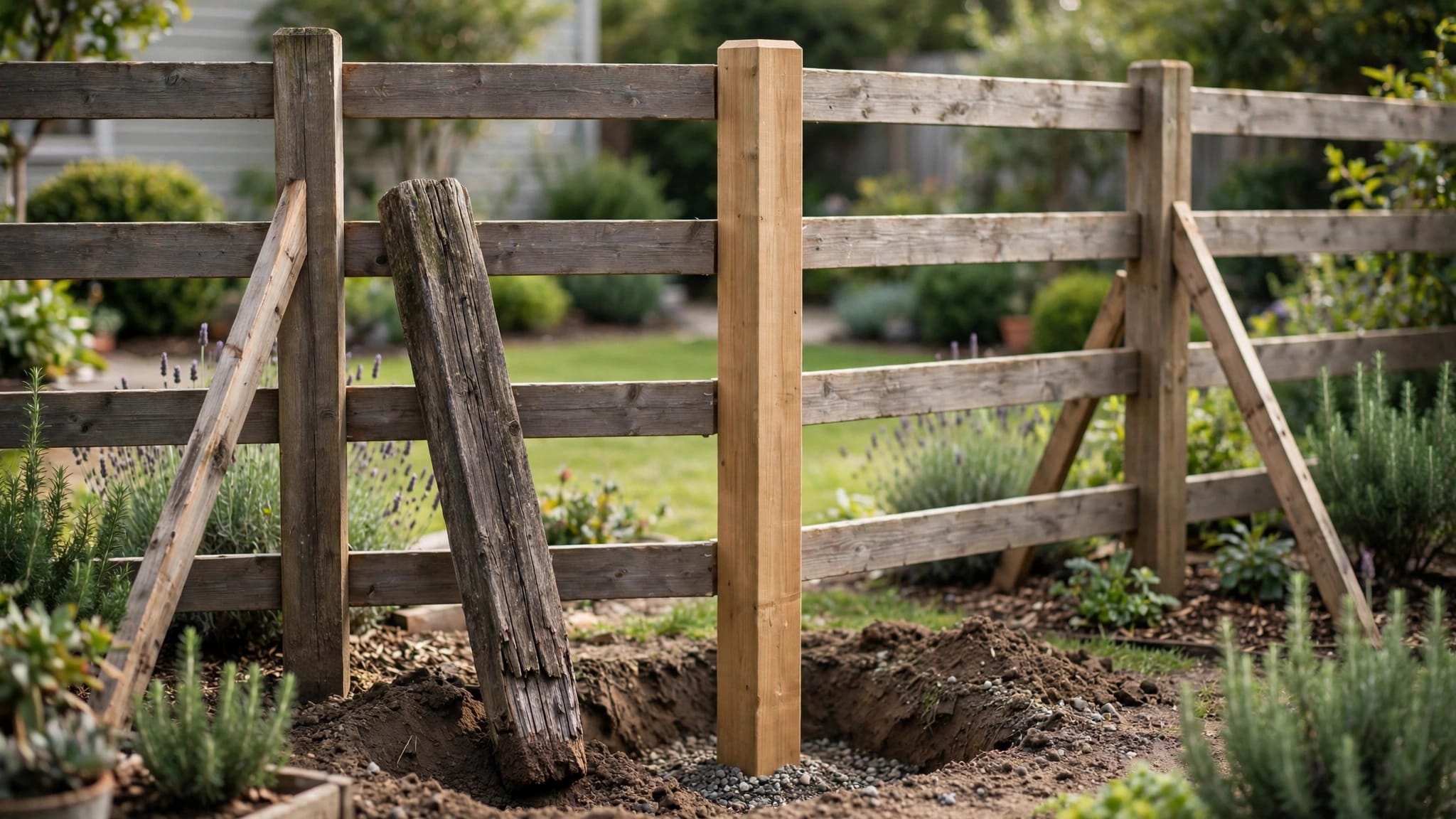
Also say whether the owner may expand, replace, or move the fence. If relocation or removal becomes necessary, assign the work, cost, notice, and restoration of landscaping or other affected areas.
Assign Maintenance, Access, and Insurance Duties
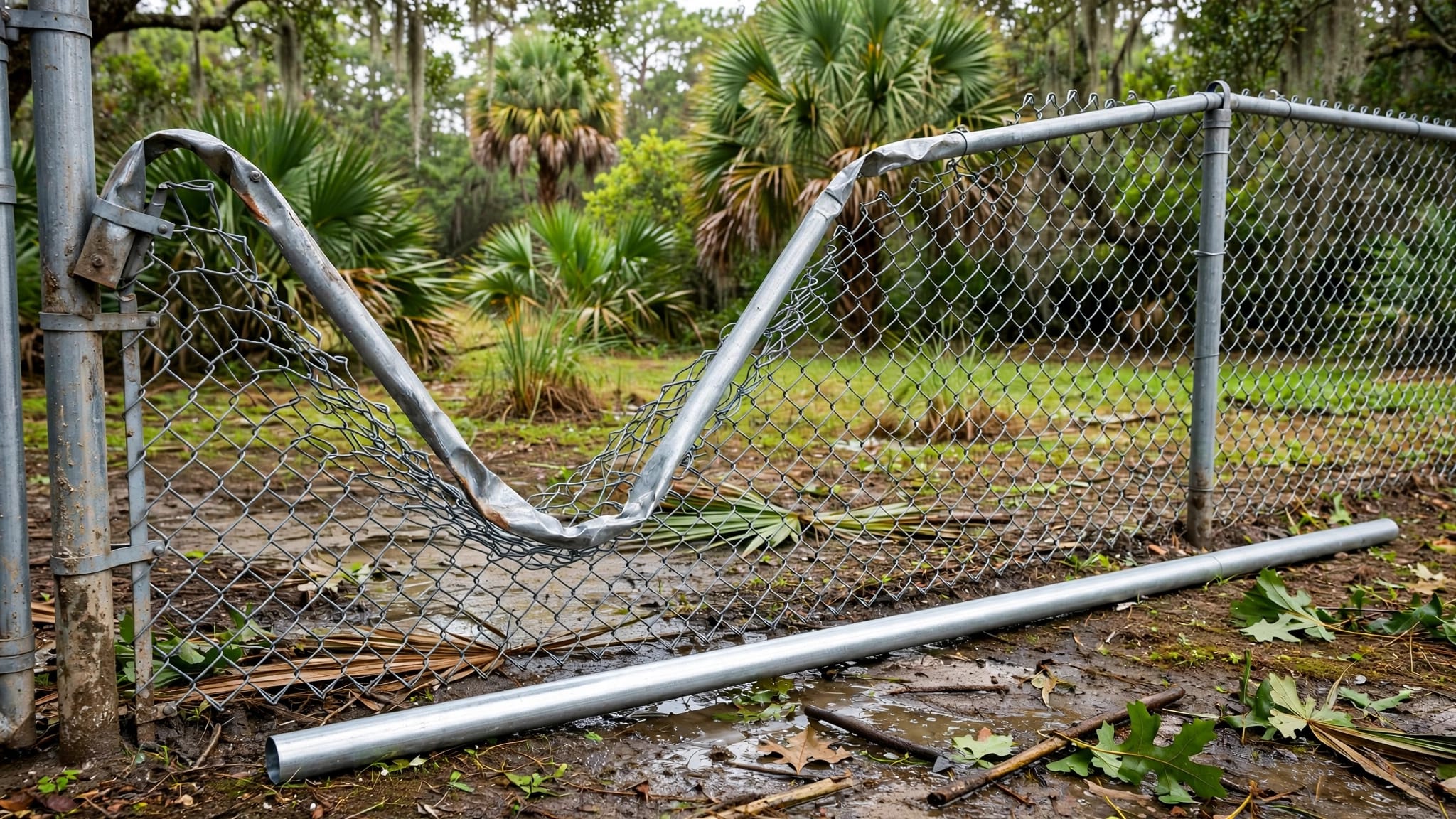
State who owns and maintains the fence, who pays for repairs or replacement, and who handles storm damage. Set reasonable notice for entry onto the other parcel, along with emergency access rules and responsibility for damage caused during work.
The attorney should address insurance, indemnity, and liability language based on the actual arrangement. A contractor can follow the approved line and construction plan, but the agreement should decide who carries the property-related responsibility.
Plan for Transfer, Breach, and Disputes
State the duration and termination process. Address successors and assigns, sale or transfer of either property, notice to a buyer, and what happens if an owner breaches the agreement. Include a practical dispute-resolution process, such as written notice followed by the method the attorney recommends.
Removal or relocation terms should cover deadlines, cost sharing, access, and what happens if the fence remains after termination. Clear terms reduce arguments, but they don't replace advice about enforceability or title effects.
Sign, Notarize, and Record It in Florida
Signing gives the parties a written record, but recording may provide public notice for a document intended to affect real property. Ask the attorney whether this document should be recorded and whether its wording supports that purpose.
Follow the Right Signing Formalities
Florida Statutes section 695.03 addresses acknowledgment, proof, and authentication for instruments concerning real property that are presented for recording. Have the parties sign the final version before the required notary or other authorized process.
Witness rules can depend on the document and circumstances. Florida county clerks have also highlighted a statewide requirement effective January 1, 2024, that a witness's address be legibly printed, typed, or stamped on an instrument when witnesses are required. Your attorney should confirm the correct signature blocks, witness count, notary wording, and exhibit handling.
Notarization doesn't correct an inaccurate legal description or turn a poorly drafted document into a suitable easement. Have the final version reviewed before anyone signs it.
Confirm the County's Official Records Process
Record with the clerk of court, recorder, or comptroller's Official Records office for the county where the property is located. Requirements can differ between Lee, Charlotte, Collier, Sarasota, and other Florida counties.
Before delivery, confirm whether the office accepts the document, whether it requires an original or certified copy, which submission methods are available, and what return instructions, witness information, fees, or taxes apply. County offices may offer different in-person, mail, drop-box, or electronic options. Clerks may also refuse documents that aren't authorized for recording.
Get the recording number and retain the recorded copy with the survey and signed agreement. Keep the same file with any permit, HOA approval, photos, and later repair records.
If the Neighbor Won't Sign
Don't ask a fence crew to move or build along a disputed line before the owners understand their rights. Preserve dated photos, the survey, deeds, messages, and permits, then take the file to a Florida real estate attorney.
Separate Legal Resolution From Fence Work
UF/IFAS advises written notice when a fence clearly encroaches and there is no genuine uncertainty or mistake about the boundary. The response may involve removal, negotiated permission, an easement, a boundary agreement, or another legal remedy.
A contractor can inspect, remove, reset, or rebuild the fence after the location and authorization are settled. Neighbor fence encroachment guidance offers related practical information, but it doesn't replace property-specific legal advice.
Keep the final agreement, survey exhibit, recording receipt, photos, and approvals together. If the fence is later repaired or replaced, compare the work with the exhibit before posts are set.
Conclusion
Documenting a fence encroachment agreement in Florida starts with facts, not a handshake. Verify the line with a licensed surveyor, identify both properties accurately, choose the right legal structure with an attorney, and write clear rules for maintenance, access, transfers, removal, breach, and disputes.
Then follow the signing and county recording requirements that apply to the property. Once the legal documents and approved fence location are settled, a qualified Southwest Florida contractor can build or reset the fence to the documented plan. The strongest agreement is one future owners can understand without relying on a conversation they never heard.