Sanibel Fence Permit Guide for 2026 Homeowners
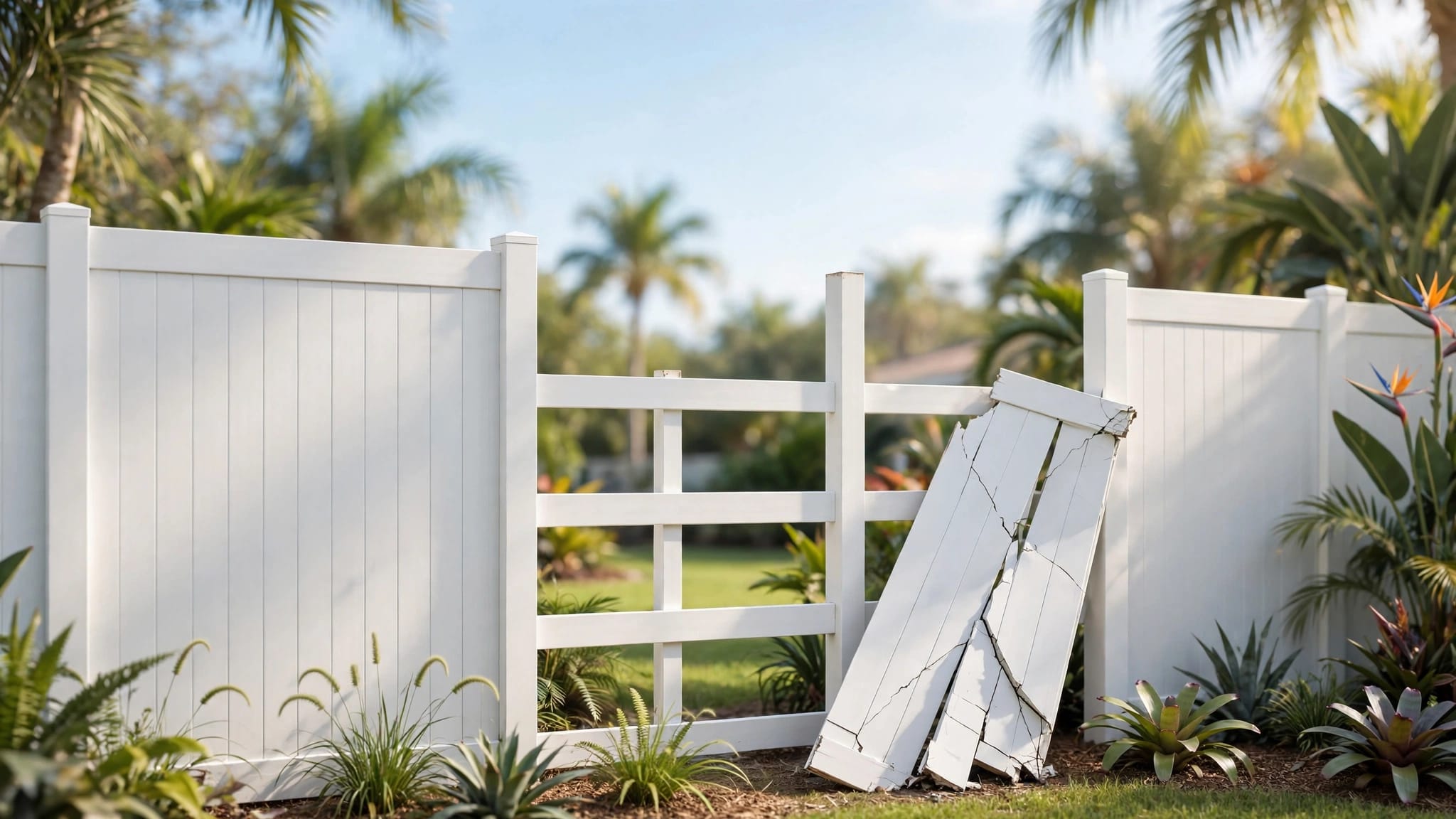
You envision a sturdy fence around your Sanibel yard. It blocks prying eyes and keeps pets safe. Then the city mentions a Sanibel fence permit , complete with surveys and site plans. Homeowners skip this and face stop-work orders or tear-downs.
Sanibel's island location adds strict coastal rules. Flood zones and setbacks matter more here than mainland spots. Post-hurricane updates tightened everything. This guide covers 2026 requirements so your project moves fast.
Follow these steps. You'll build legally and avoid costly fixes.
Confirm Jurisdiction and When Permits Apply
Sanibel handles its own permits through the city Building Department. You're not under general Lee County rules. Check your parcel number online first. Some nearby areas follow different paths, like Lee County unincorporated fence permit rules.
Most residential fences need approval. That includes new installs, replacements, and major repairs. Short front-yard fences might skip if under limits, but zoning still applies. Assume a permit fits your plan. City code requires it for safety and compliance.
Contact the department early. They confirm if your scope triggers review. Rules stay firm after storms. Build first, and fines follow.
Height Limits and Placement Basics
Sanibel measures fence height from ground grade. Front yards cap solid or picket styles at 3 feet near streets. Side and rear yards allow up to 6 feet for privacy. Chain link often limits to side areas only.
Setbacks keep things clear. Stay 20 feet from open water like canals or bays. Keep fences 3 feet inside at least one side property line. Waterfront lots ban builds seaward of the 1974 Coastal Construction Control Line.
Corner lots demand visibility triangles. Drivers need unobstructed views at driveways and turns. Easements block posts too. Utilities and drainage areas stay off-limits. One wrong foot stalls everything.
HOAs add rules on style and color. Get their okay in writing. These basics match Florida Building Code. Your site plan shows it all.
Essential Documents for Your Application
Gather papers before you start. Missing items delay approval. The city wants a complete package.
You'll need a notarized Fence/Wall Application form. Add construction drawings with specs like height and materials. Include an Owner Authorization Form if a contractor applies.
A recent survey marks property lines and pins. Site plans copy that survey. Note fence routes, gates, house location, and easements. Fill out the Vegetation/Wildlife Form for island protections.
Record a Notice of Commencement with Lee County Clerk. For shared lines, get a notarized neighbor statement. Pool barriers need extra gate and latch details.
Keep copies handy. Reviewers check every detail.
Step-by-Step Path to Permit Approval
Start with the basics. Download forms from the city site. Type and notarize the application. Notary service waits at city hall.
Prepare drawings next. Show materials, posts, and rail directions. Finished sides face streets and neighbors.
Draw your site plan to scale. Label setbacks, water distances, and gates. Mark swing directions too.
Submit in person or online at 2475 Library Way. Phone 239-472-4555 for questions. Reviews take 7 to 10 business days usually. Full time allows 30 days.
Pay fees after approval. Post the permit on-site. Call 811 before digging. Buried lines hide under sand.
Build to plan only. Schedule final inspection. Pass it, and your fence stands legal.
Fees, Timelines, and Inspection Expectations
Fees depend on length and type. Call for 2026 rates, as they update yearly. Expect $100 to $300 for standard jobs.
Timelines vary with completeness. Clean subs speed things up. Revisions add weeks if easements miss.
Inspectors check heights, setbacks, and materials. Posts must match plans. Flood features get close looks.
Pools demand self-closing gates at 48 inches minimum. Gaps stay under 4 inches. Fail once, and rework follows.
Track your permit online. Active status lasts six months. Renew if delays hit.
Coastal and Flood Zone Special Rules
Sanibel sits in high-risk areas. Most lots hit AE or VE flood zones. Fences break away in floods to avoid debris.
Stay 20 feet from water edges. No solid panels block flow. Open designs work best.
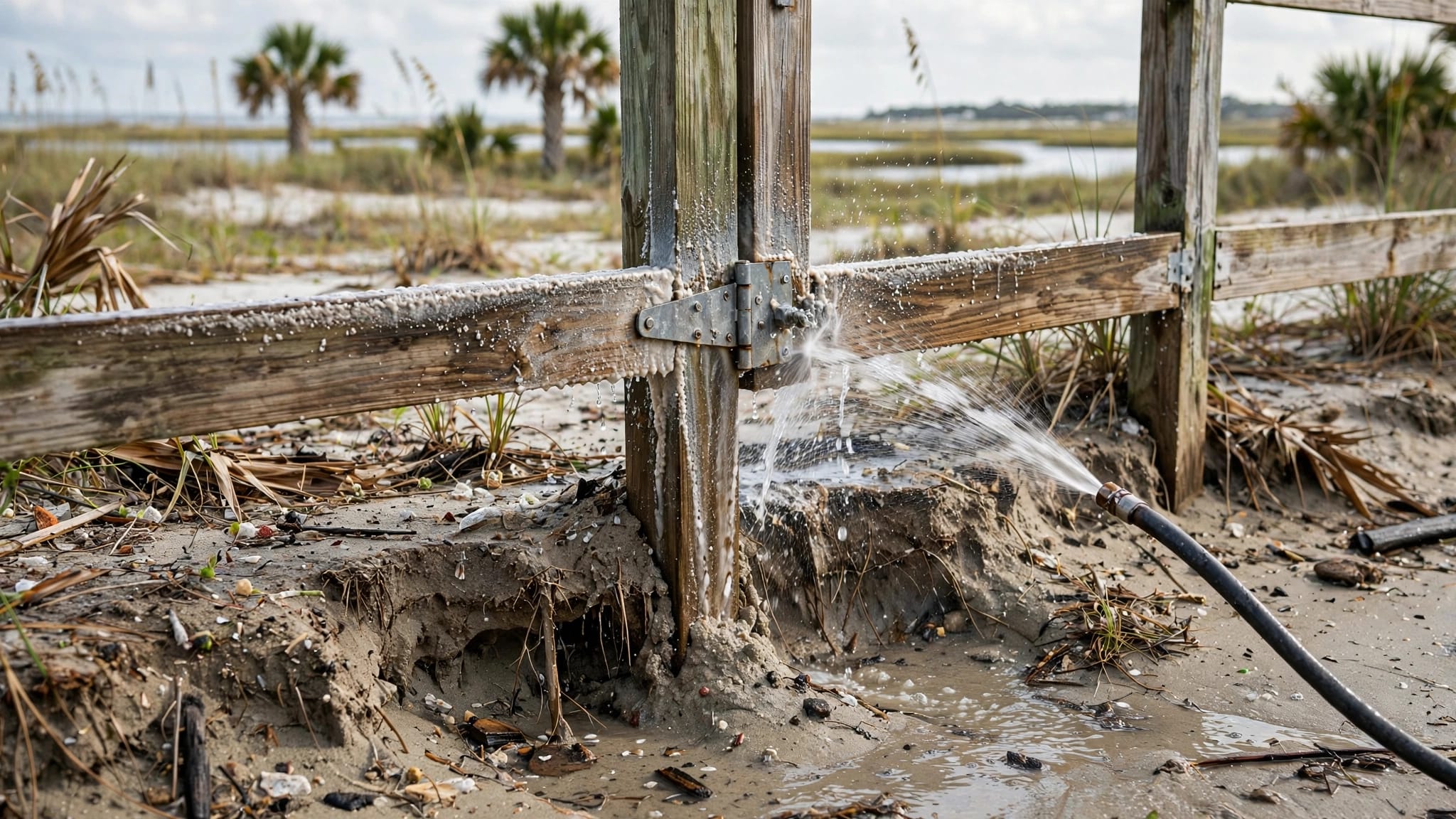
Coastal rules ban seaward builds past control lines. Salt air demands sturdy posts. Winds hit 150 mph loads.
Post-storm changes linger. Verify elevations on plans. Engineers sign tall walls over 6 feet.
Compare with nearby spots like Fort Myers Beach fence permit guide. Islands share traits but differ in details.
Dodge These Pitfalls Before You Dig
Old surveys cause most flags. Pins fade; get fresh ones. Easement overlaps sneak up too.
Neighbors argue over lines. Talk early and document. HOA skips block city approvals.
Front-yard chain link draws complaints. Stick to solid styles there. Pools ignore latches at your risk.
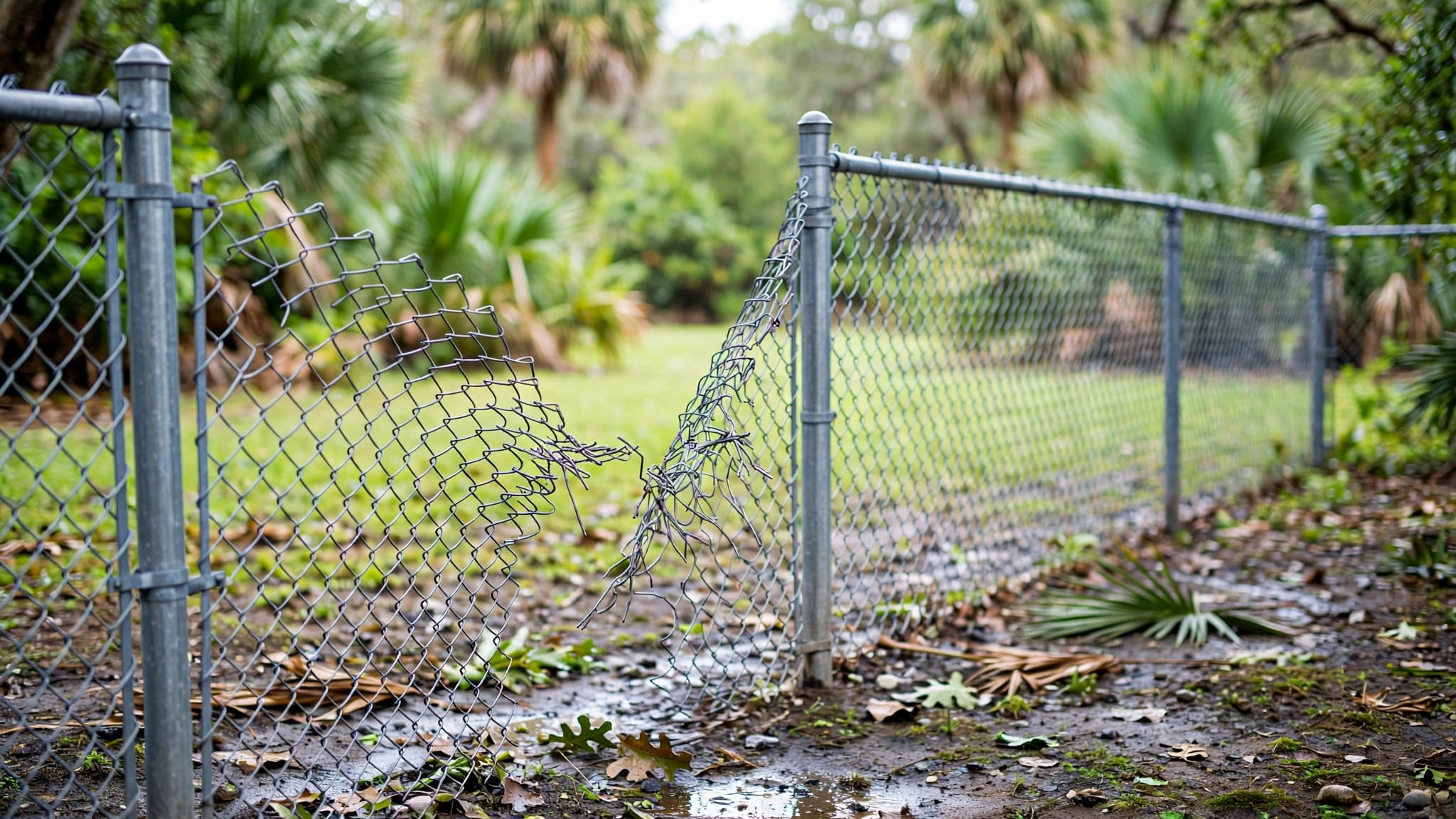
Unmarked utilities break budgets. 811 is free insurance. Storm debris shifts grades; measure twice.
Verify everything with the city. Rules shift; staff knows latest.
Sanibel fence permits protect your investment from storms and fines. Check jurisdiction, gather docs, and submit clean plans. Coastal setbacks and flood rules demand care. Phone 239-472-4555 before materials arrive.
Your yard gains privacy fast when you plan right. Build smart this year.