Can You Build a Fence in a Utility Easement in Florida?
A fence project can look simple until the survey shows a utility easement crossing the yard. That line matters, because the easement gives someone else access rights even though you still own the land.
In Florida, a fence may sometimes get approved near a utility easement, but permanent placement is often risky. A utility company can still need access later, and if the fence blocks that access, it may need to come out.
Start with what the easement actually means, then check the local rules before you buy posts or panels.
What a utility easement means on Florida property
A utility easement is a legal right for a utility company to enter part of your land for lines, repairs, and service work. You still own the property, but you do not control that strip the same way you control the rest of the yard.
That matters because a fence can sit inside your lot and still create a problem. The easement can limit height, placement, gate style, and even whether a fence is allowed at all. For a plain-English look at these property-line issues, reading Florida property surveys for fences is a smart first step.
The UF IFAS handbook on Florida fence and property law explains how easements and rights of way affect land use. That helps because the survey line alone does not tell the whole story. You also need to know what rights sit on top of that land.
When a fence might be allowed, and when it won't
Some homeowners hope for a simple yes or no answer. The truth is messier. In some places, a fence may be allowed only if the utility company gives written approval and the design still allows access. In other places, a fence is not allowed in the easement at all.
A city document from Hialeah shows how strict this can get. Its fence and easement requirements call for written utility authorization before work is approved across a utility easement, plus gates at each end in some cases. That is a useful example of how local approval can shape the project.
For Florida homeowners, the safest assumption is this: a utility easement is not a normal build zone. If you want to place a fence there, you need clear permission, not wishful thinking. Even then, a removable or gated fence is usually safer than a fixed one.
Why the risk stays high after the posts go in
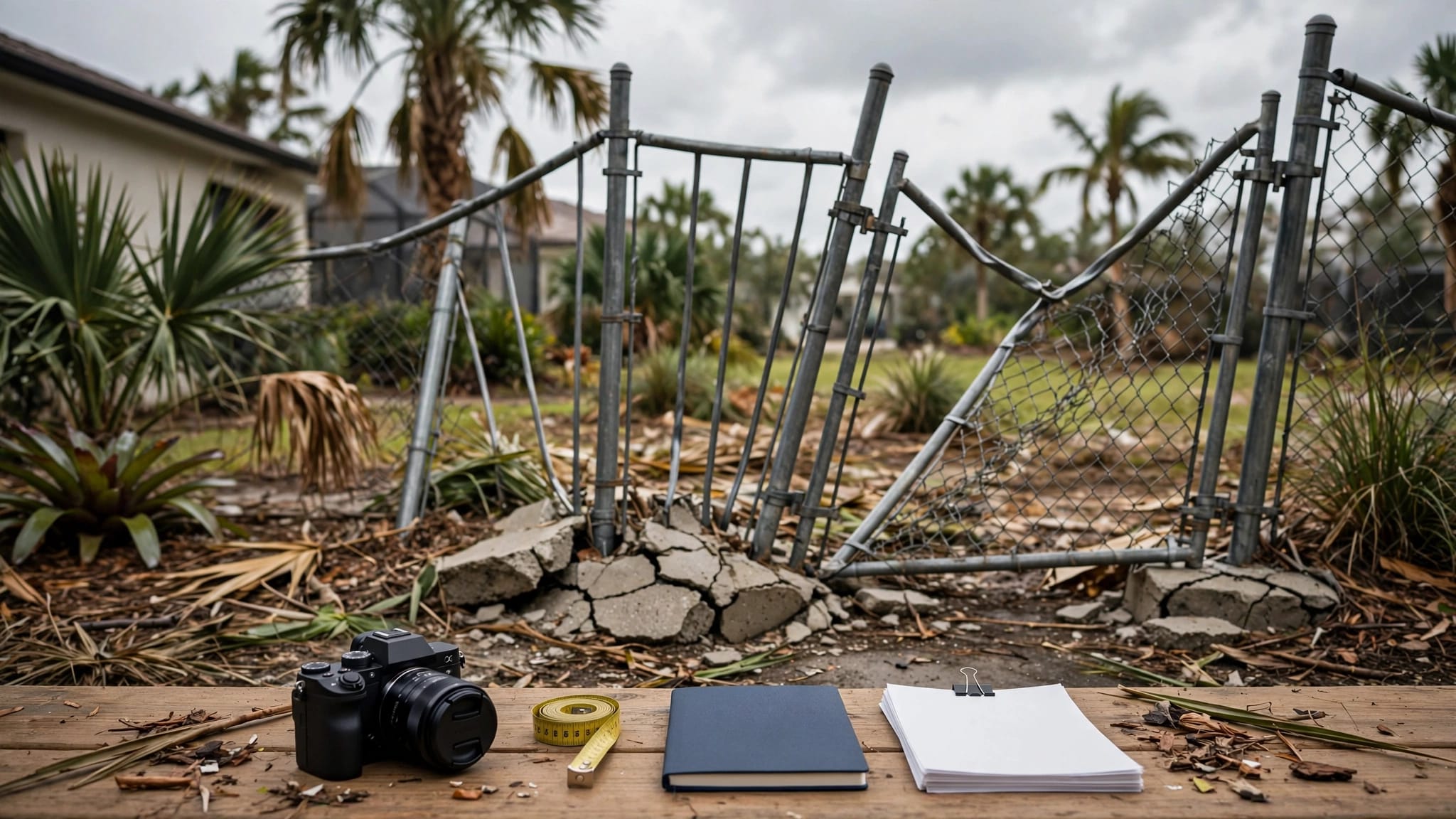
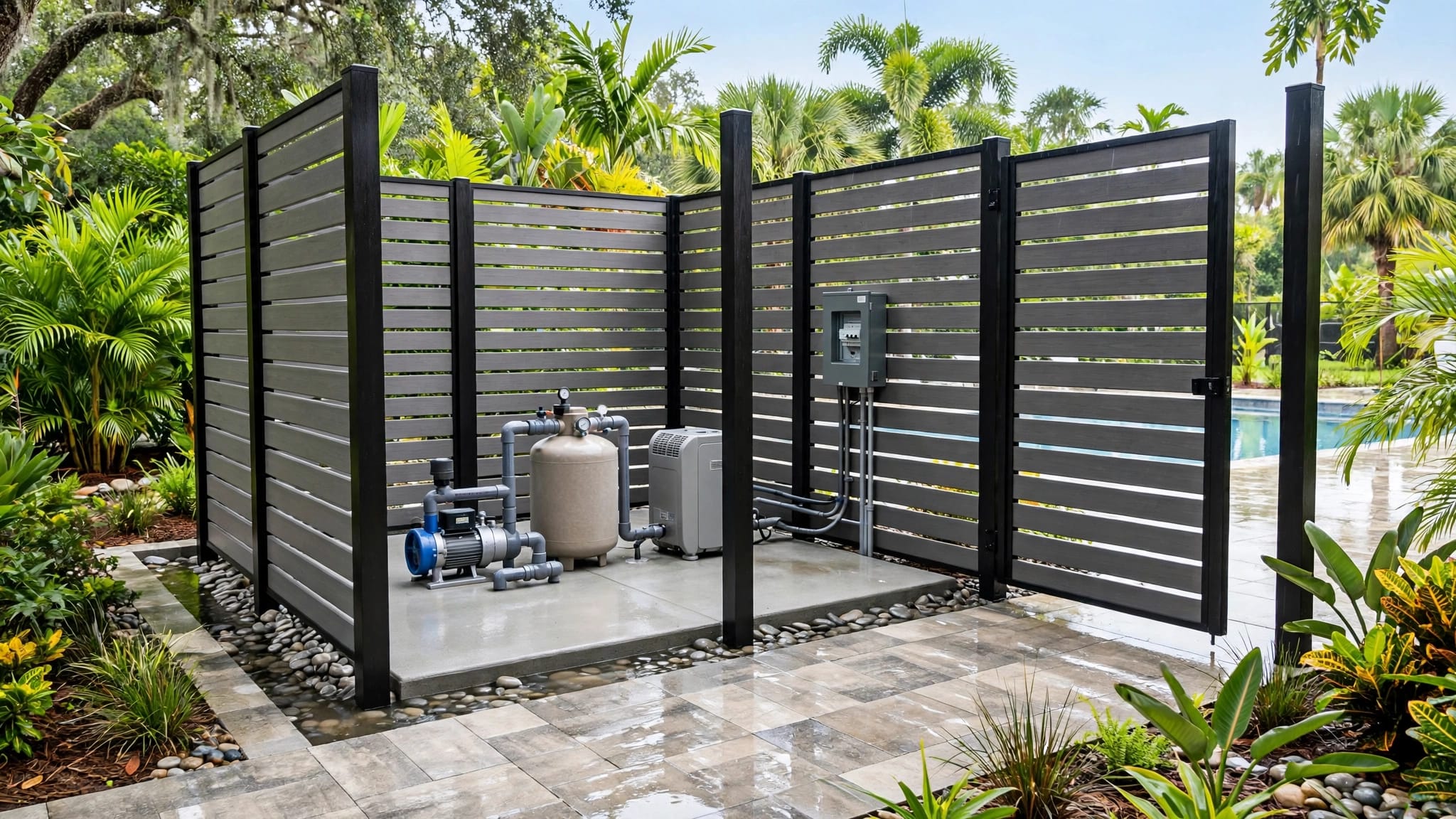
Even if a fence goes up, the easement does not disappear. Utility crews may need to reach poles, boxes, pipes, or buried lines later. If your fence gets in the way, they can often remove or cut it to do the work.
That creates a second problem, because the repair cost can land on you. The fence may also be damaged during the work, and the utility usually does not promise to rebuild it the same way. So a cheap install can turn into a much bigger bill.
A permit can make a fence legal on paper, but it does not erase a utility's access rights.
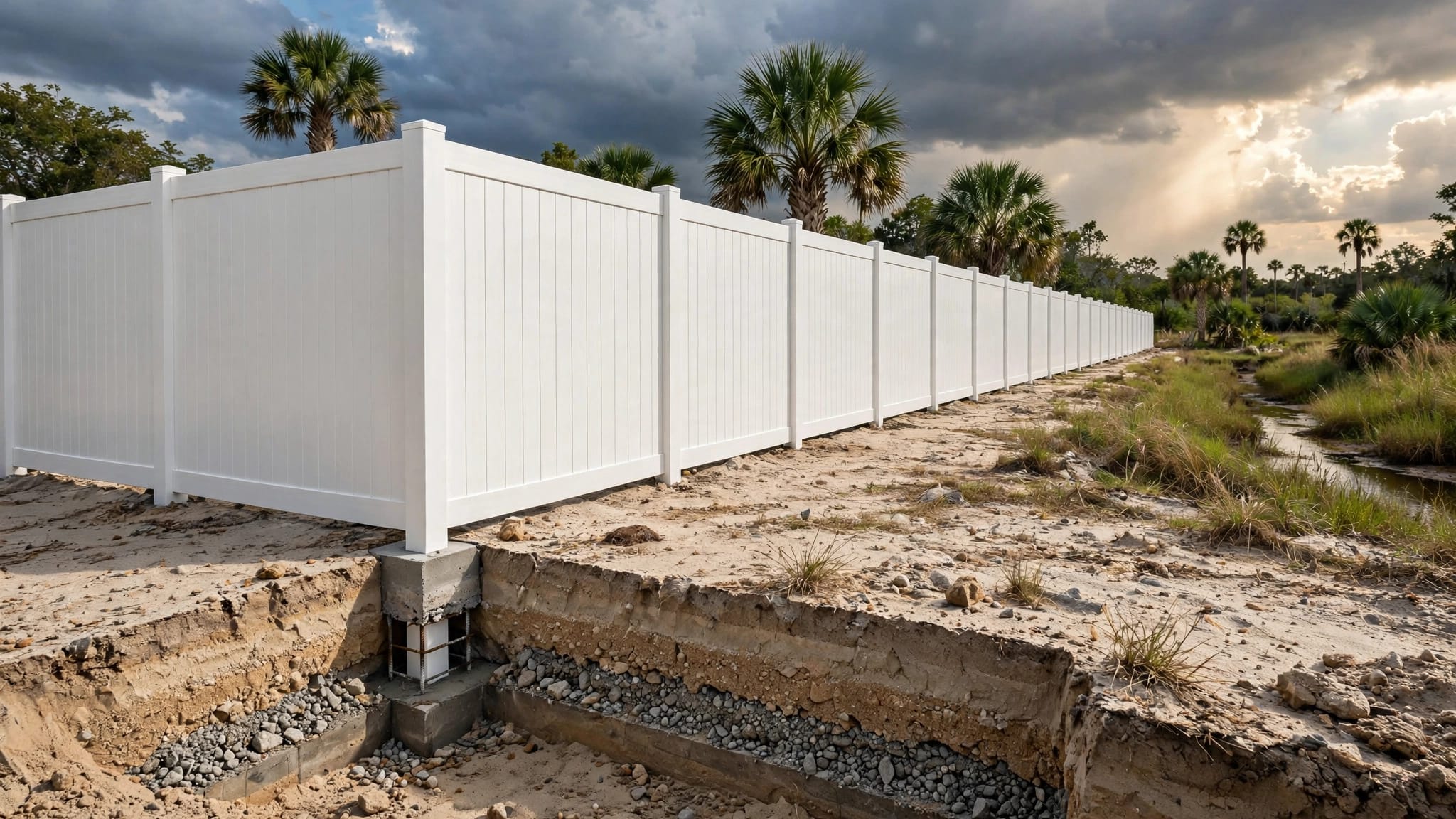
This is why the best fence utility easement Florida advice is simple, get the placement right before the first hole is dug. A fence that looks fine today can become a headache the day a line breaks or a crew needs space.
What to verify before you buy materials
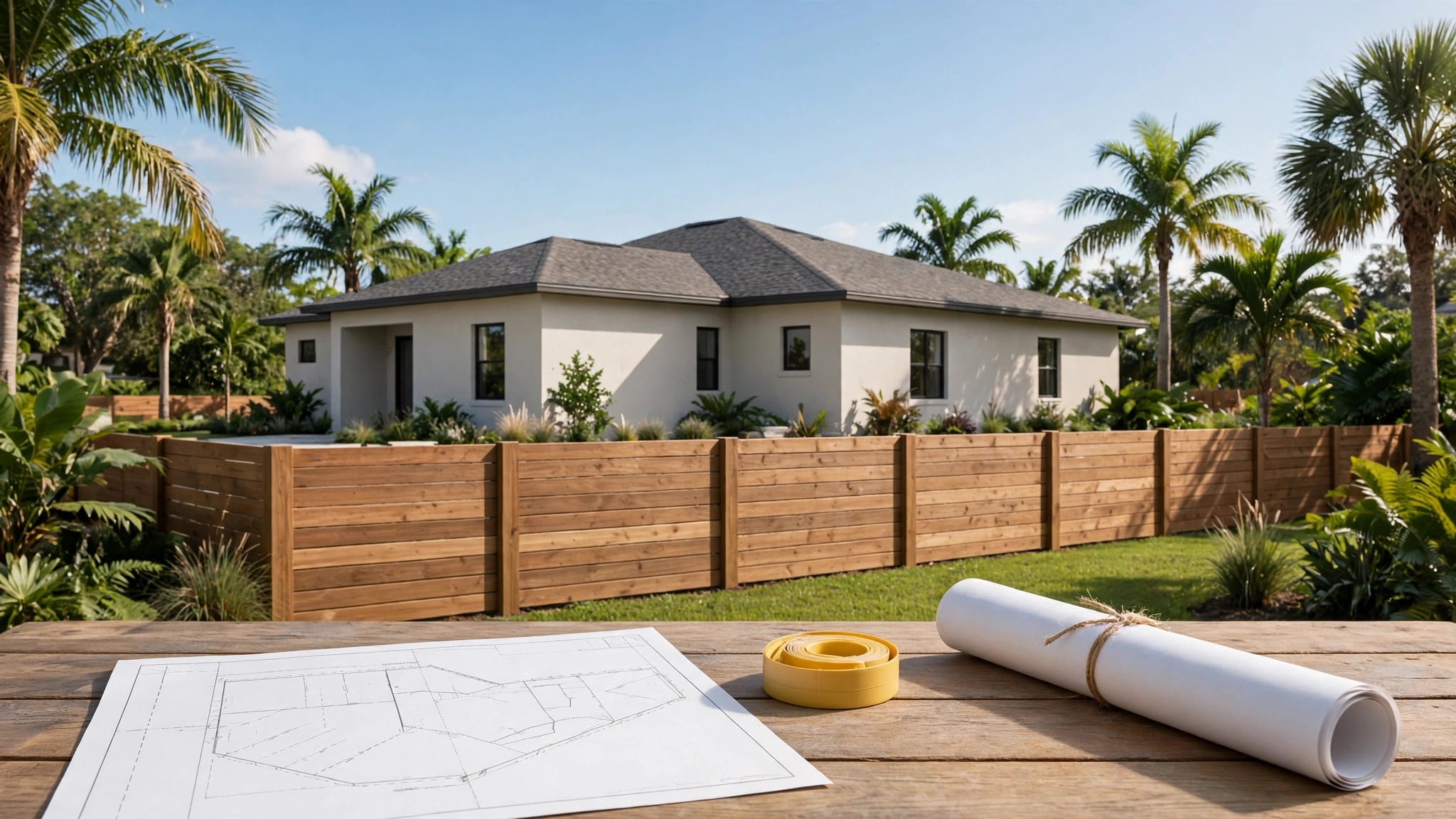
Before you set a layout, gather the documents that tell the real story. A backyard sketch is not enough.
- A current survey that shows property lines, easements, and any notes about encumbrances.
- The recorded plat, if your lot is in a platted subdivision.
- Your deed restrictions, because they can be stricter than county rules.
- HOA approval, if your neighborhood has one.
- The local fence permit rules for your exact address.
- Written utility approval if the easement touches your planned fence line.
- A call to 811 before any digging starts.
If you live in unincorporated Lee County, start with Lee County unincorporated fence permit rules 2026. Lee County's process can include easement disclosures, so the permit package matters as much as the fence style.
The same logic applies across Southwest Florida. If the survey, plat, and permit documents do not match your planned layout, stop and recheck them before you place posts.
Why local rules matter in Southwest Florida
Florida sets the broad property rights, but cities and counties set the details. That means a rule that works in one place may fail in the next town over. HOA rules can be stricter still, and they often focus on appearance, height, or setback lines.
That is why Cape Coral, Fort Myers, Sarasota, Charlotte, Collier, and Hendry homeowners should check local guidance before they build. If you are in Cape Coral, the Cape Coral fence permit checklist 2026 is a helpful place to start, especially if your lot has utility or drainage easements.
Local review also matters because some lots have more than one restriction at once. A fence might clear the property line but still fail because of an easement, corner visibility rules, or HOA limits. That is why guessing is expensive. A clean permit path is cheaper than moving a fence after the fact.
Conclusion
You can sometimes get a fence approved near a utility easement in Florida, but a permanent fence in that area is often a bad bet. The utility still keeps access rights, and if the fence blocks future work, it may be removed or altered.
The best approach is practical: check the survey, read the plat, review deed restrictions, ask about HOA rules, and confirm the permit path with your city or county. When those pieces line up, you avoid the kind of mistake that turns a simple fence into an expensive redo.