Rotonda West Fence Permit Guide for 2026 Homeowners
A fence project in Rotonda West can slow down fast if you skip the approval step. The rules here are strict, and the HOA looks at more than just height.
A county permit may also come into play, so the safest approach is to treat the project as two checks, one for the community and one for local code. If you want a clean install and fewer delays, start with the paperwork, not the post holes.
HOA approval comes first in Rotonda West
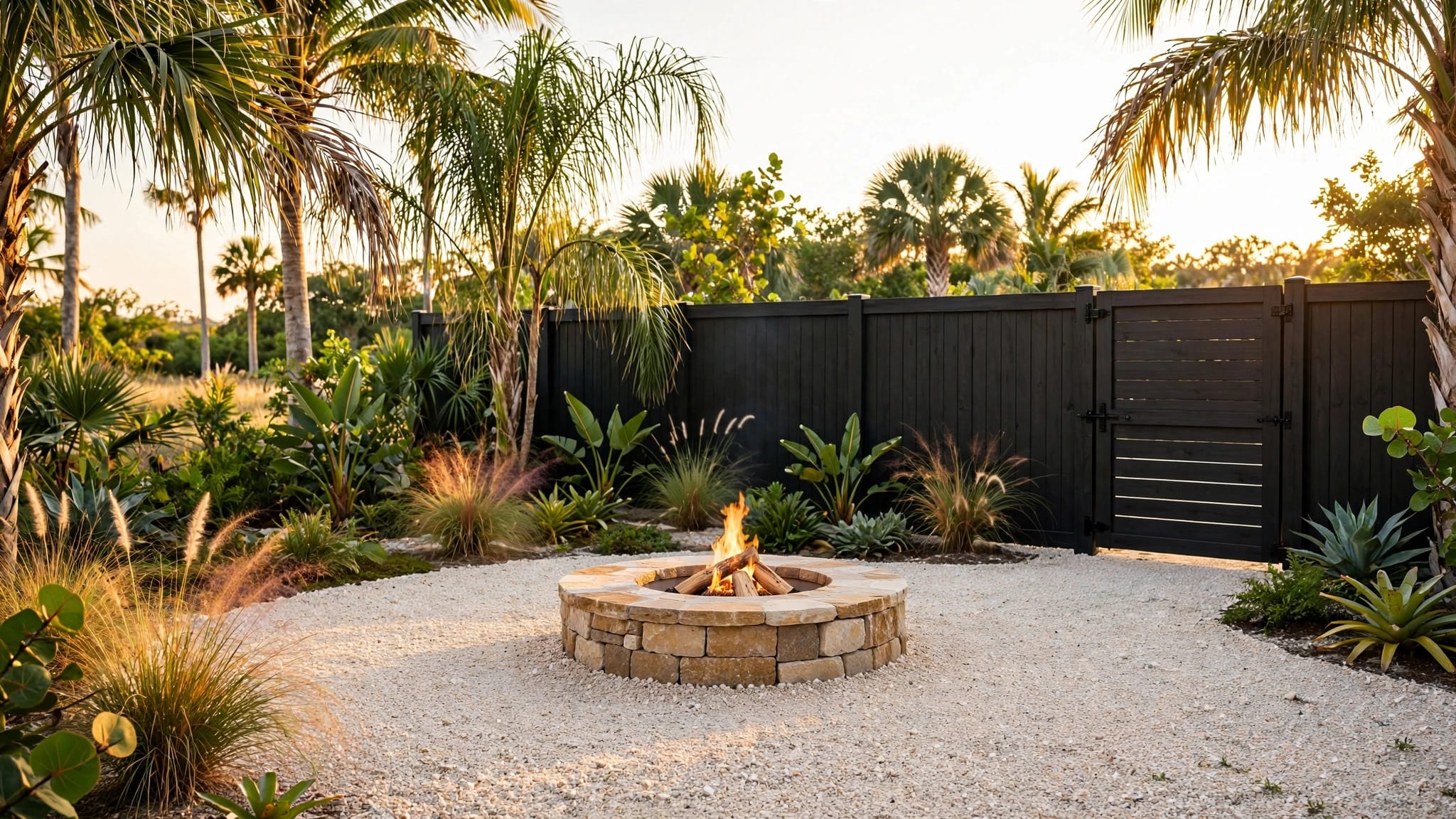
In Rotonda West, fence work is not a guess-and-go project. The HOA reviews the fence or wall design, height, location, color, and materials before you build.
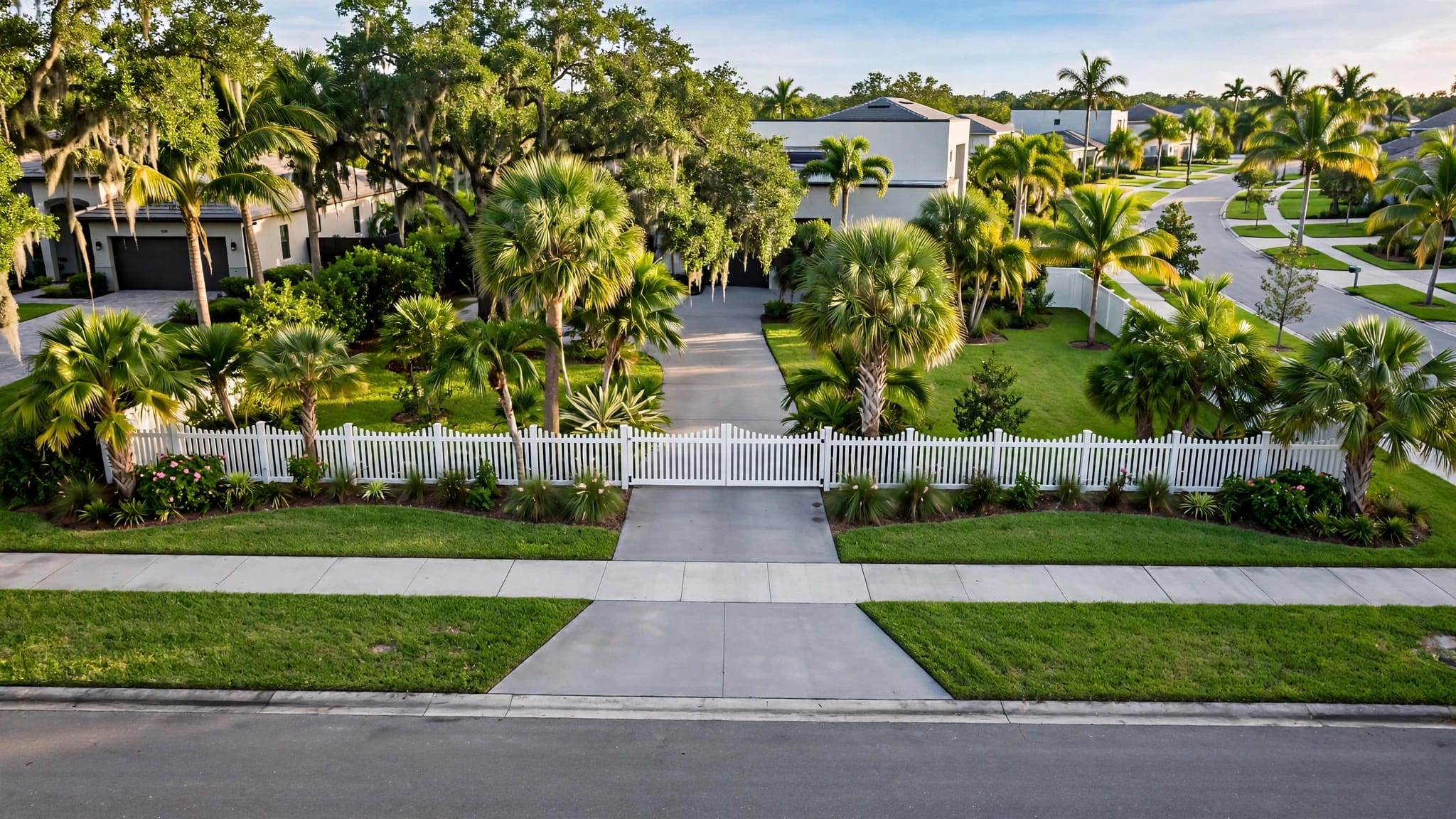
That matters because the community has clear limits. In the current rules, no fence over 4 feet high is allowed between the rear lot line and the rear of the structure. No fence over 6 feet high is allowed on any lot. Also, no fence may extend toward the street past the front of the structure.
Existing fences are not a free pass either. If you want to move, replace, or change one, you still need written approval. The HOA can also reject a fence for appearance reasons, so a fence that works in another part of Florida may not fit here.
A simple way to think about it is this, the HOA is looking at how the fence fits the neighborhood, not just how it works for your yard.
| Item | What the HOA looks at | Practical takeaway |
|---|---|---|
| Height | Rear-yard and lot-wide height limits | Pick the height before you draw the plan |
| Location | Where the fence sits on the lot | Check the front line and rear setback area |
| Materials and color | Style, finish, and overall look | Match the approved design, not just the fence type |
| Existing fence changes | Moving, replacing, or altering old fences | Do not assume the old fence is automatically approved |
In Rotonda West, written approval matters more than a rough sketch or a promise to "keep it simple."
When Charlotte County may also ask for a permit
HOA approval does not replace county review. Charlotte County may still require a permit or zoning approval, depending on the fence type and location.
That is especially true when the fence sits near an easement, touches a setback area, or uses a layout that does not fit a standard lot plan. Gates, corner changes, and special site conditions can also draw more attention from the permit office. The county is focused on code and zoning, while the HOA is focused on community rules.
If your lot lines are unclear, a survey or plot plan may help. Some homeowners only need a simple site drawing, while others need a more formal document. This guide on Florida fence permit survey needs explains when a survey is useful and when a plot plan may be enough.
Before you submit anything, ask one direct question: does this fence need HOA approval only, or both HOA and county review? That one answer can save days of back-and-forth.
What to gather before you submit anything
A clean application packet makes the process easier. The more complete your first submittal is, the less likely you are to get stuck waiting on missing details.
Here is a practical checklist to prepare before you apply:
- A current property survey, plot plan, or clear site sketch
- The planned fence height
- The fence material, such as vinyl, wood, aluminum, or chain link
- The color or finish
- The exact fence location on the lot
- Gate locations and swing direction
- Photos of the yard and any existing fence
- Contractor contact information, if you are using one
- Any HOA forms or modification request documents
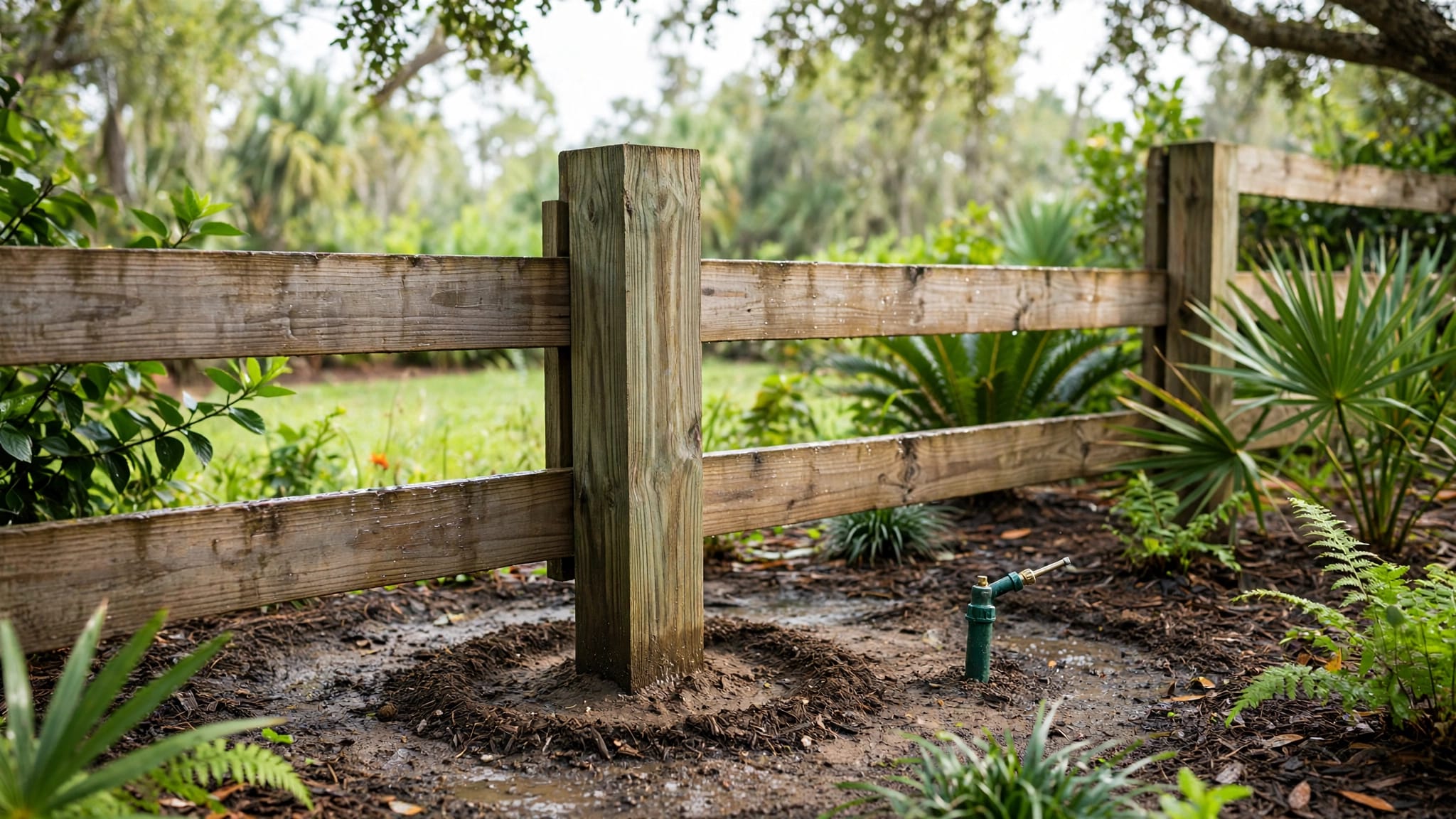
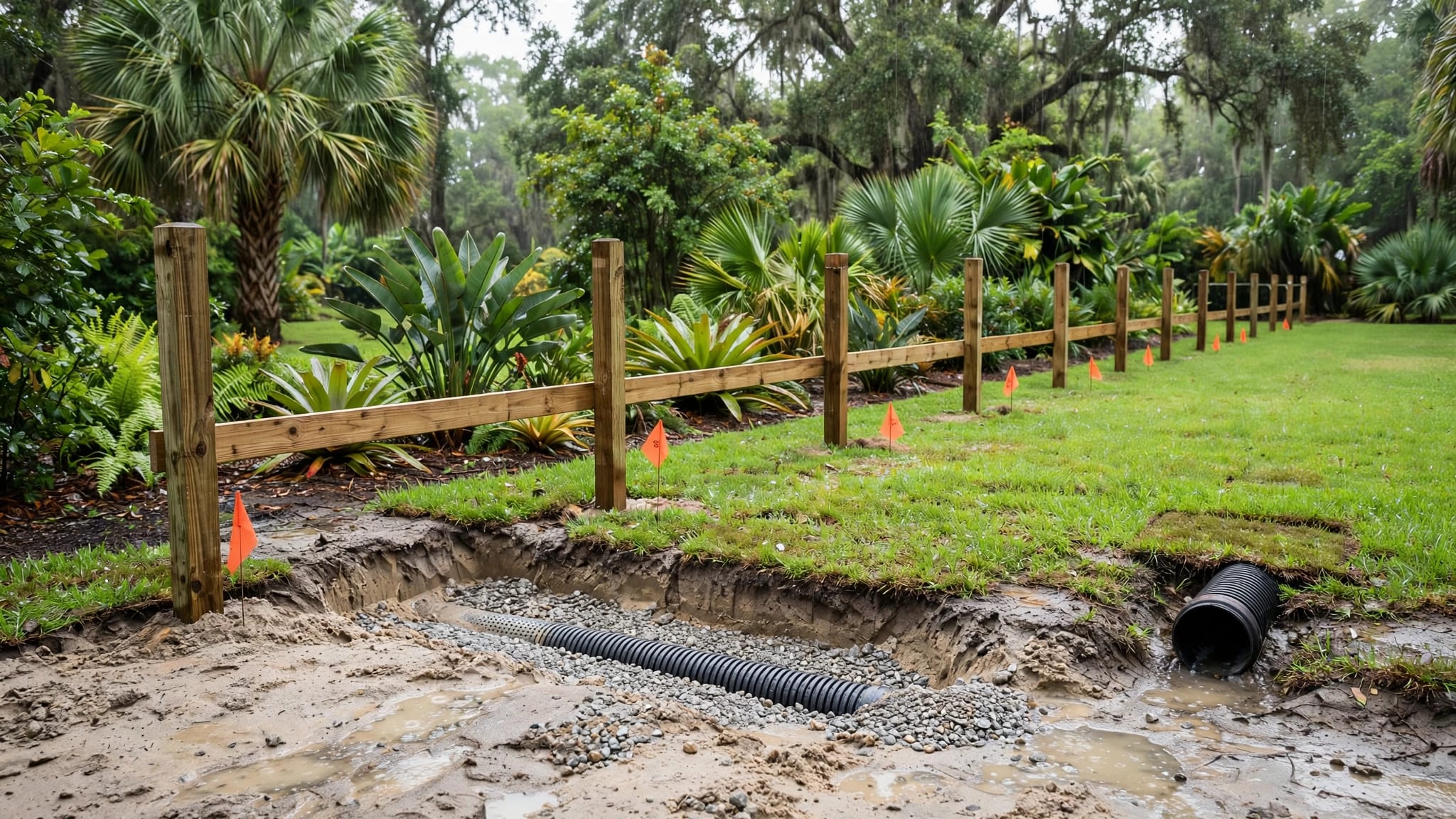
- A note showing where utility lines will be marked before digging
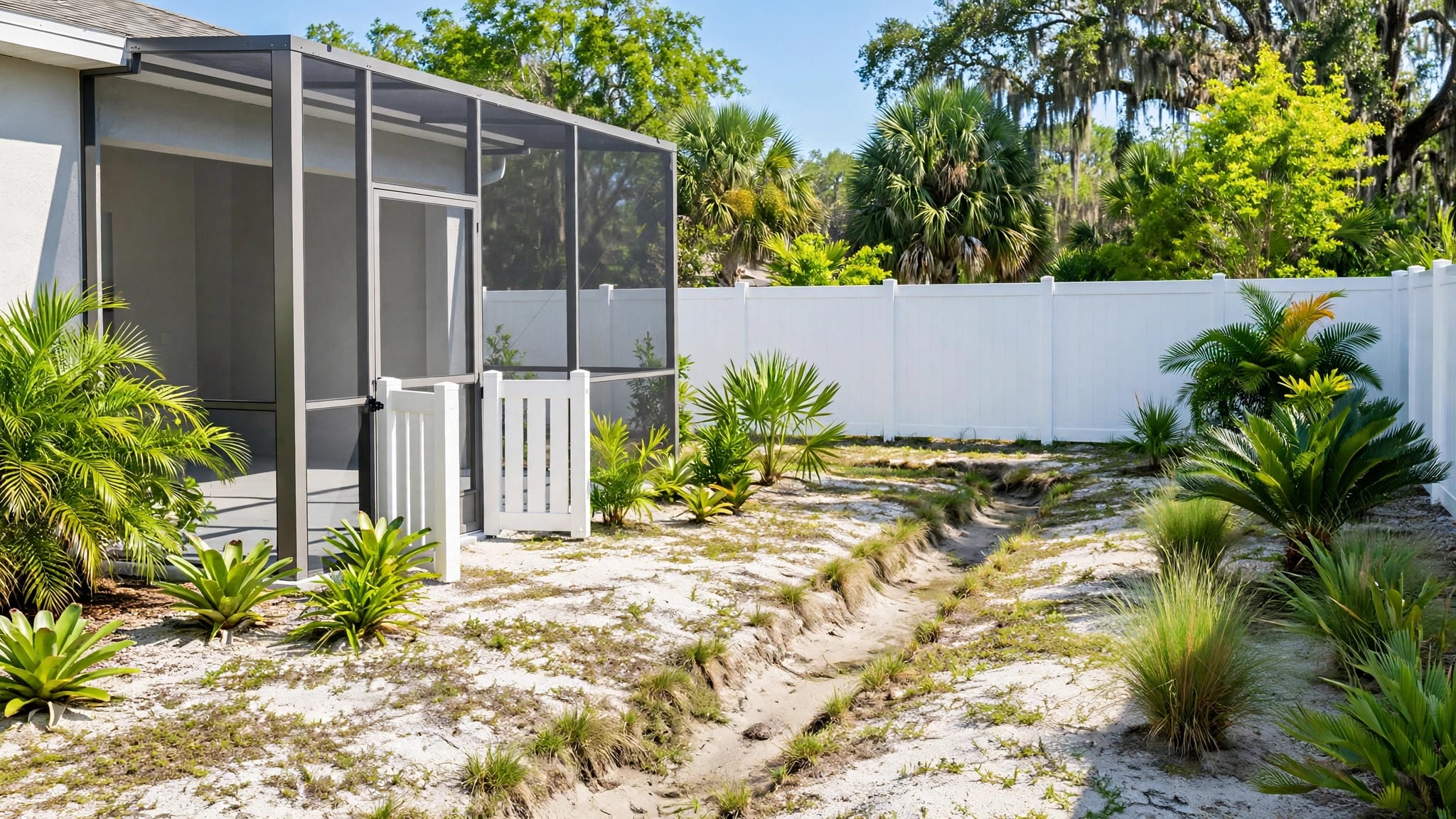
If your lot has an old fence, take photos from several angles. That helps show what is changing and what stays the same. If your yard has drainage swales, easements, or tight side setbacks, mark those on your sketch before you turn it in.
A good packet does not need to be fancy. It just needs to be clear. The review team should be able to look at it and know where the fence goes, how tall it is, and what it will look like.
A simple approval path that keeps the job moving
The fastest projects are the ones that stay organized from the start. A fence plan that changes every other day usually ends up in the slow lane.
- Read the HOA rules first and confirm the fence limits for your lot.
- Measure the yard and decide on the height, material, and color.
- Draw the fence line on a site plan or sketch.
- Submit the HOA application and wait for written approval.
- Check with Charlotte County about permit or zoning requirements.
- Keep the approval letters on file, then schedule utility marking and installation.
If the HOA asks for changes, make them before the county review, not after. That keeps you from filing two rounds of corrected paperwork. It also helps your contractor quote the job correctly the first time.
The best habit is simple, do not order materials until the approvals are in hand. A stack of posts in the driveway does not move the permit process forward.
Common mistakes that slow fence projects
Small mistakes can turn into long delays. Most of them are easy to avoid once you know what to look for.
- Starting work before written approval arrives. Even a short delay at the front end is better than tearing out a fence later.
- Assuming an old fence can be replaced without review. In Rotonda West, changes to existing fences still need approval.
- Moving the fence line after approval. A small shift can change setback or easement issues.
- Skipping the lot-line check. A fence built in the wrong spot can create a bigger problem than a slow permit.
- Picking materials before the HOA has seen them. Color and style matter here, so do not assume anything is automatic.
Contractors see these issues all the time. The safest jobs are the ones where the plan is final before installation starts.
Before you build, confirm the details
Rules, fees, forms, and review times can change. Before any work starts, confirm the current requirements with the Rotonda West HOA or modification committee and the proper Charlotte County permitting or zoning office.
That final check matters even more if your fence is near an easement, touches a shared boundary, or follows a lot line that has not been measured in a while. Written direction is better than a guess, especially when posts, gates, and setbacks are involved.
Final thoughts
A Rotonda West fence project goes smoother when approval is part of the plan. Get the HOA signoff first, check county requirements next, and keep your site plan clear.
That approach protects your budget and your timeline. It also keeps a simple backyard upgrade from turning into a costly do-over, which is the real lesson behind any Rotonda West fence permit project in 2026.