Nokomis Fence Permit Guide for 2026 Homeowners
A fence can look simple until the permit office asks where it sits, how tall it is, and whether it crosses a setback. In Nokomis, that matters because the answer can change by parcel, zoning district, and HOA rules. A plan that works next door can slow your project for weeks.
If you're sorting out a Nokomis fence permit in 2026, start with the right office and the right paperwork. That one move saves time, money, and a lot of back-and-forth.
Who handles fence permits in Nokomis?
For most Nokomis addresses, Sarasota County is the office to call. Start with Sarasota County's Building and Permitting page, which has current permit tools, contact details, and inspection information.
That said, don't rely on the mailing address alone. A property near a boundary line, inside a special zoning overlay, or tied to a different local rule may follow a different review path. Before you file anything, confirm the parcel ID, zoning, and jurisdiction with the correct department.
If the address, survey, and zoning don't line up, stop there and verify before work starts.
When a fence in Nokomis usually needs a permit
The exact rule depends on the lot, but these are the situations that usually call for a permit check in Sarasota County.
| Project type | What usually matters | What to confirm first |
|---|---|---|
| Front-yard fence | Height and visibility limits | Setbacks and front-yard rules |
| Side or rear fence | Fence height and line location | Property line and easements |
| Pool barrier | Safety and inspection rules | Barrier specs and review steps |
| Corner lot fence | Sight-line restrictions | Visibility triangle and intersection rules |
| Replacement or repair | Scope of work | Whether height, posts, or layout change |
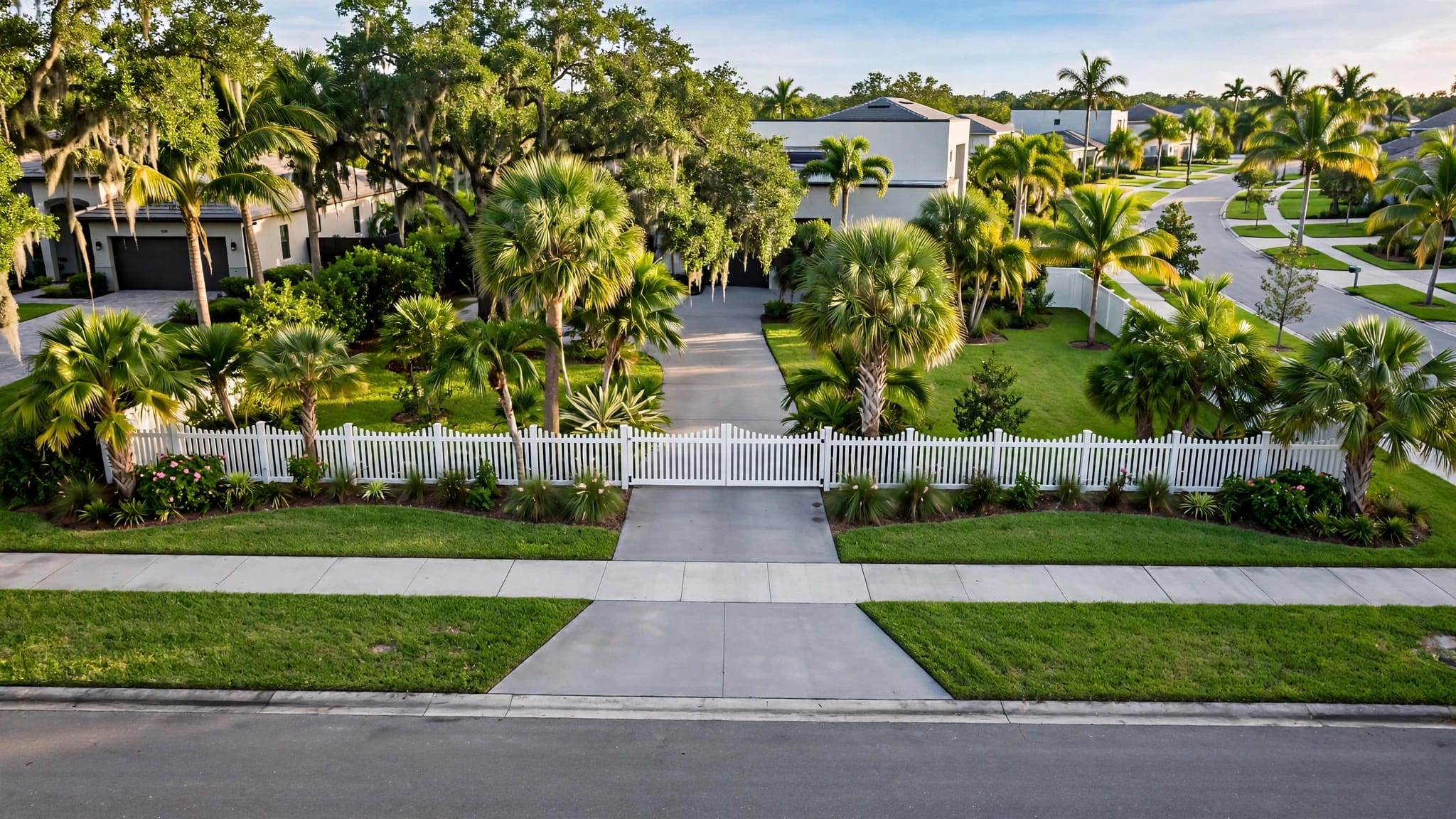
The height rules are usually the first surprise. A front-yard fence is often treated more strictly than a side or rear fence. Corner lots can add visibility limits, and pool barriers often trigger extra safety review.
If you are replacing an older fence, don't assume the old layout is still allowed. The county reviews the project you want to build now, not the one that used to sit there years ago.
Paperwork that helps the county review faster
Most delays come from missing paperwork, not from the fence itself. A clean submission usually includes:
- A completed permit application
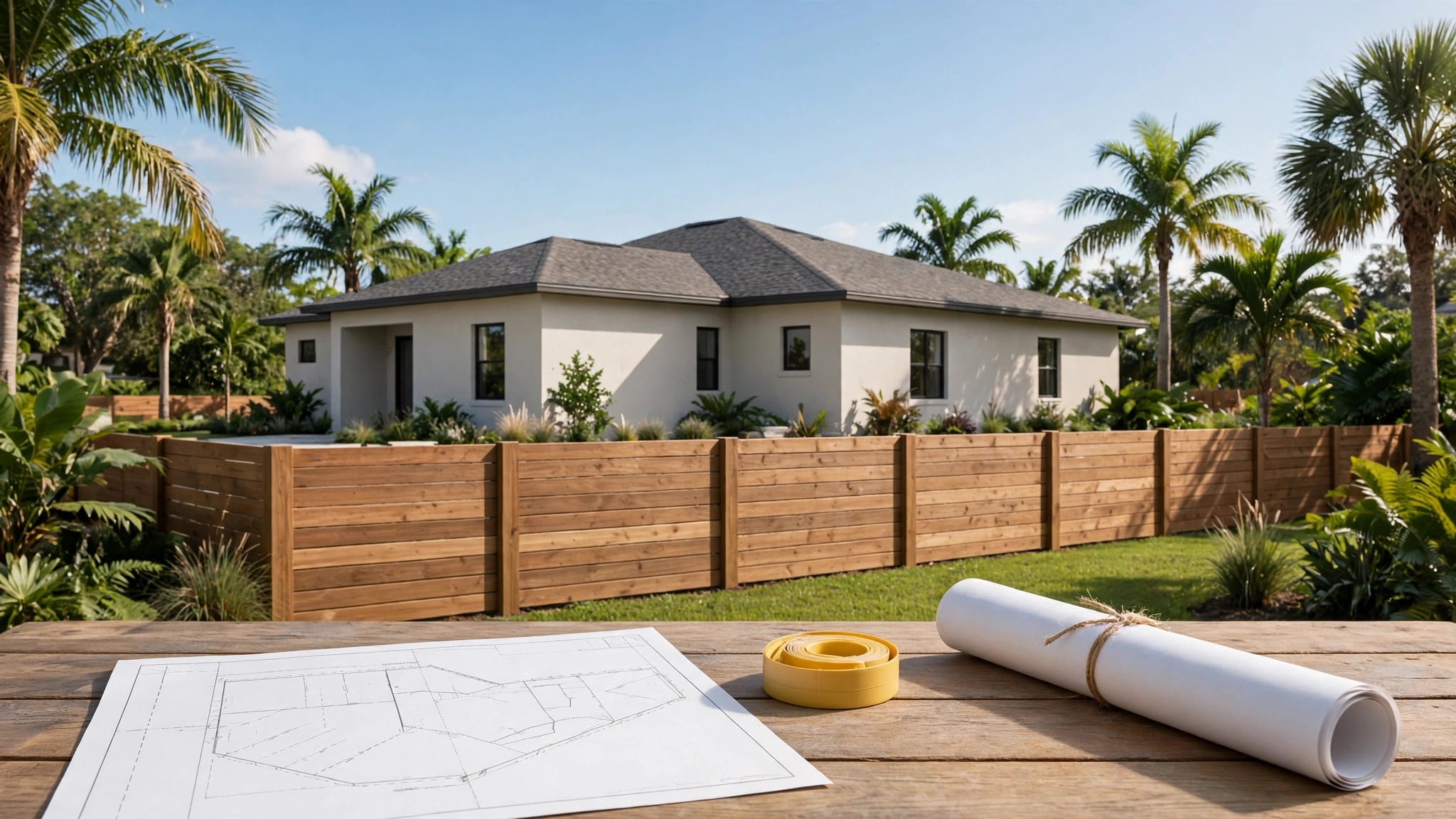
- A site plan that shows the fence line, gates, and distances to boundaries
- Fence details, including height and material
- A recent property survey or plat
- Parcel ID, full address, and HOA approval if your neighborhood requires it
If pins are missing or a previous owner built near the line, a recent survey is safer than guesswork. County reviewers need to see where the fence will go, not where you think the line might be.
For a county-level version of this checklist, see our Sarasota County fence permit basics for 2026 homeowners.
This article is informational, not legal or permitting advice. Sarasota County staff should have the final word on your specific property.
Zoning, HOA rules, and property lines can change the answer
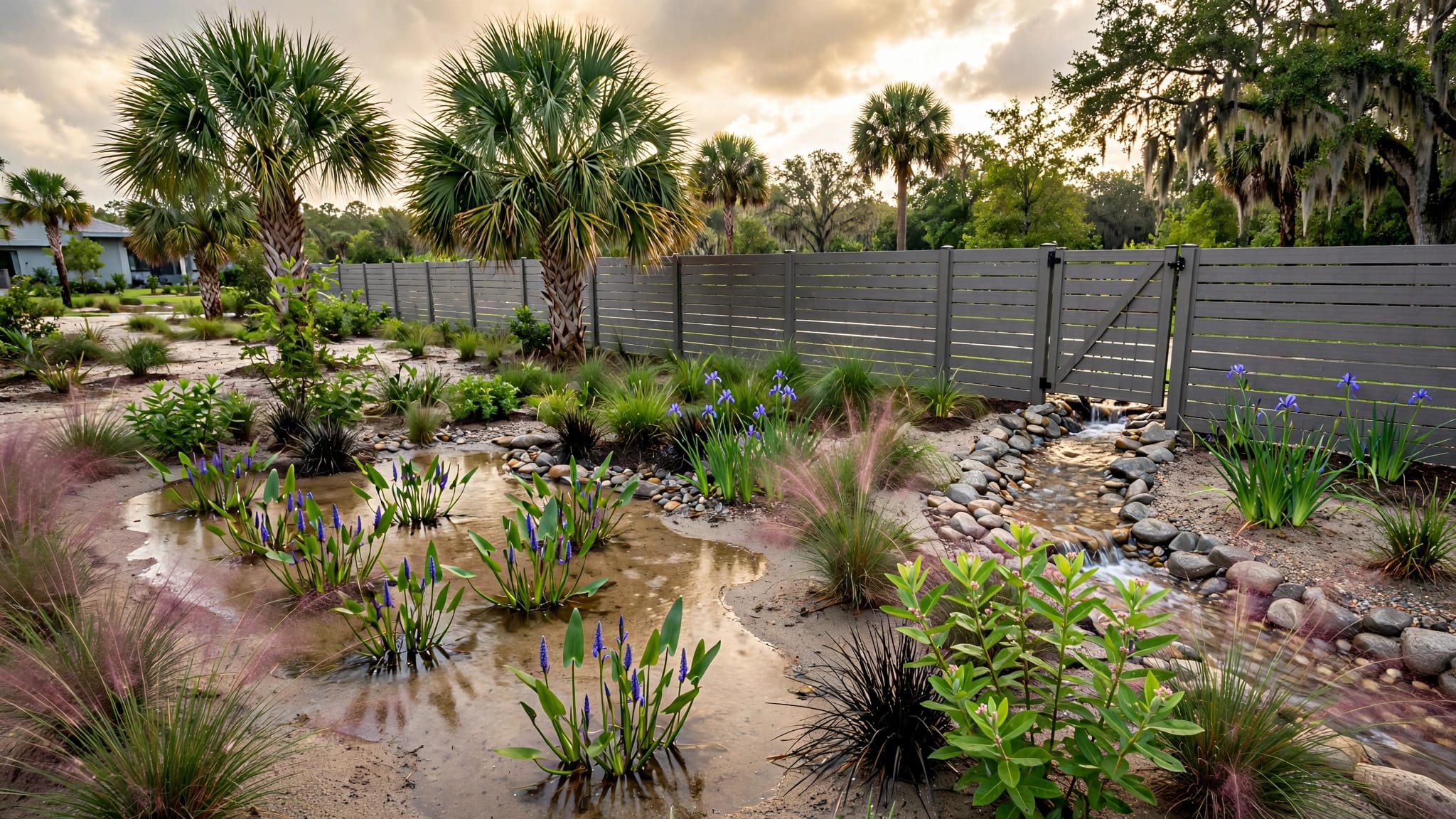
A fence permit is only part of the story. Zoning rules can affect height, placement, and visibility, while easements can limit where posts can go. Drainage swales matter too, because a fence should not block a flow path or sit where the county needs access.
HOA rules add another layer. Some neighborhoods want a certain style, color, or side to face the street. Others want written approval before any county application goes in. HOA approval does not replace a county permit, so both reviews may matter.
A recent survey helps when the boundary is unclear. If the lot has had past fence work, if the pins are gone, or if the yard has unusual corners, don't assume the old fence line is still the right line.
A recent survey is cheaper than moving fence posts twice.
Common county guidance for many residential lots puts front-yard fences around 4 feet and side or rear fences around 6 feet, but zoning can change that. Pool barriers and corner lots can also have different rules. Because of that, the safest move is to confirm the exact standard before you order materials.
How to apply without losing time
A simple process works best when you follow it in order.
- Confirm the parcel and zoning first. Use the county office to verify the address, zoning district, and permit path before you design the fence.
- Gather the right documents. Put the survey, site plan, fence specs, and HOA letter together before you submit.
- Compare the plan with county rules. Check height, placement, setbacks, and visibility limits before you send anything in.
- File the application and wait for review. If staff asks for changes, fix them quickly and resubmit the corrected version.
- Do not start work early. Wait until the permit is issued, then keep a copy of the approval on hand for inspections.
If you want to avoid a stop-and-start project, treat the permit step like part of the build, not an extra chore. That mindset keeps the schedule realistic and the job site calm.
Common mistakes that slow approval
The biggest delay comes from starting before approval. The second comes from a site plan that does not show enough detail. If the reviewer cannot tell where the fence goes, the file often comes back.
Another common problem is assuming HOA approval is enough. It isn't. County review still matters, and the county can ask for changes even after the HOA signs off.
We see the same patterns in a lot of rejected files, and the reasons are usually simple, not mysterious. Our guide to common fence permit rejection reasons breaks down the most common mistakes homeowners make across Southwest Florida.
A few other delays show up often too. Missing signatures, unclear fence heights, and plans that ignore easements can all stall approval. Small details matter because the county needs a clear record of what will be built and where it will sit.
What to ask your fence contractor
A good fence contractor should make the permit process easier, not fuzzier. Ask who checks the parcel, who prepares the site plan, and who talks to the county if revisions come back.
You should also ask whether the contractor is licensed and insured, how they handle survey questions, and whether they confirm setbacks before digging. If your yard has slope, drainage, or an odd boundary, that conversation matters even more.
The best installers in Southwest Florida do not guess at fence placement. They verify, document, and then build. That habit protects your time and your property.
Conclusion
A Nokomis fence permit gets easier to handle when you start with the right office, the right zoning check, and a clean set of documents. Most problems come from skipped steps, not from the fence itself.
Before you order materials or set posts, confirm the rules with Sarasota County and review your property line carefully. That extra hour up front can save days of delay later, especially when the lot line, HOA, or visibility rules are tight.