What To Do If Your Neighbor Built a Fence on Your Property
Finding a fence on the wrong side of a property line can flip a calm day into a bad one fast. You may feel angry, but the best first move is still a steady one.
Start with facts, not guesses. A current survey , clear photos, and a calm conversation can solve many fence disputes before they turn into a long fight. Because fence and property rules vary by state, city, county, and HOA, treat this as general guidance, not legal advice.
Confirm the property line before you assume the fence is wrong
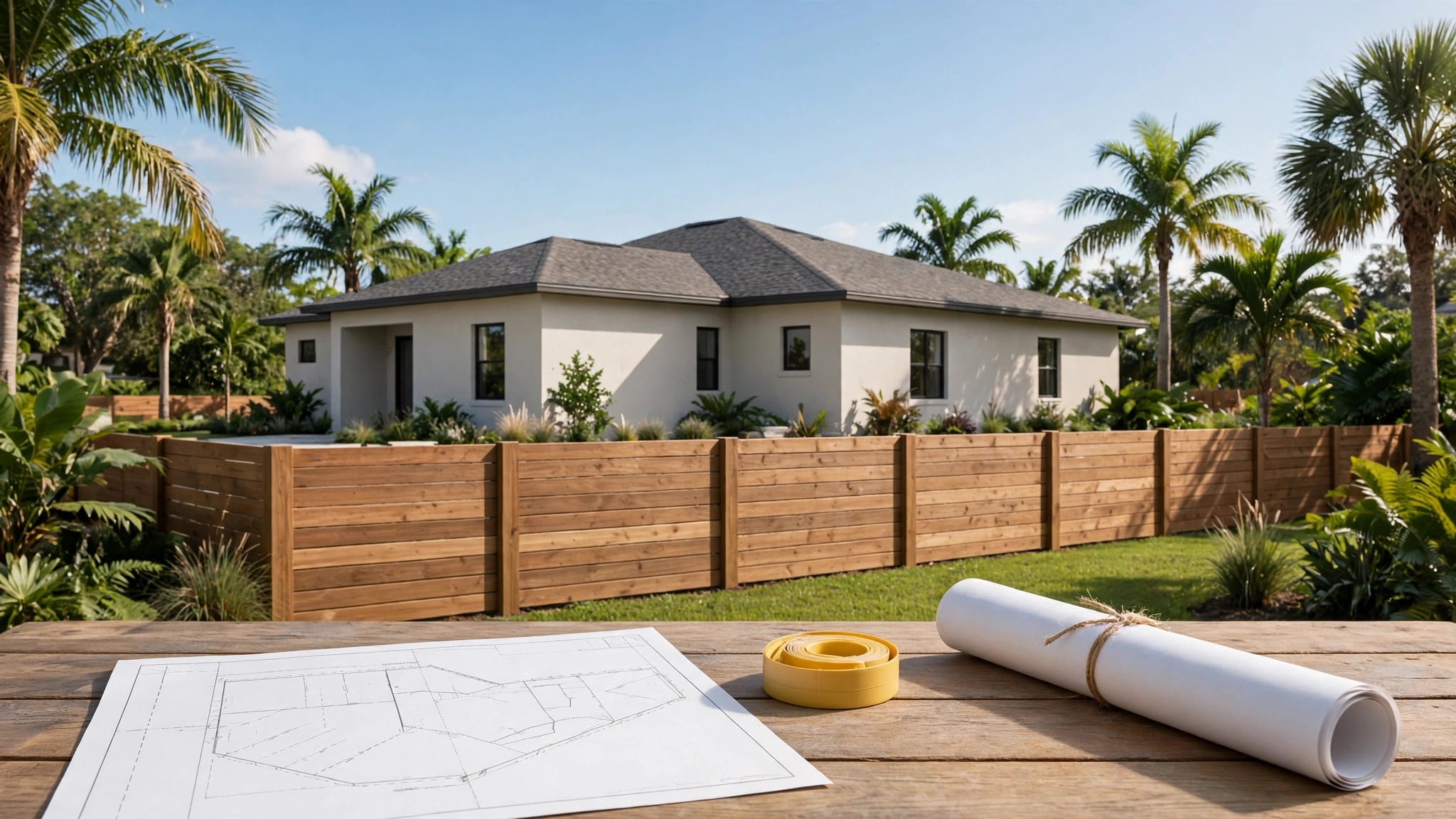
A fence can look obvious, but the legal line is what matters. Start by checking your deed, closing papers, plat map, and any old survey you already have. If the property was bought years ago, those papers may be buried in a folder or with your title company.
An old fence line is not proof of a boundary. Sometimes a previous owner built where it was easy, not where the line actually runs. In Southwest Florida, local rules can also differ by municipality and neighborhood, so don't assume one city's rule applies everywhere.
If you can't find a recent survey, get one before you pay to move anything. A surveyor can mark the lot line with current measurements and give you a clear place to stand.
A fence that looks off is not the same as a fence that is legally off. The survey is the anchor.
Also check whether a permit was required for the fence. Some places care about height, materials, and setback distance. That matters when you sort out whether the fence simply sits close to the line or crosses it.
Talk to your neighbor before the issue grows
A polite first talk can save both sides a lot of money and stress. Keep the tone calm and brief. This is a boundary issue first, so don't lead with blame.
A useful approach sounds like this:
- "I think the fence may be close to the property line, and I want to check my survey."
- "Would you be open to comparing our records before either of us spends more?"
- "If the line is off, I'd like us to find a fair fix."
Those words keep the door open. They also show that you want a solution, not a fight. If the neighbor gets defensive, do not push harder in that moment. Step back and switch to written communication.
A short text or letter often works better than a tense face-to-face talk. Written messages leave less room for confusion later. They also help if the problem grows into a formal dispute.
Keep your message simple. Mention the fence, the survey, and your wish to resolve it without drama. Leave out threats, guesses, and insults. A sharp message can turn a fixable issue into a neighborhood grudge.
Gather proof while the facts are fresh
Once you notice a possible neighbor fence property problem, start saving evidence right away. Small details matter later, especially if the fence was installed recently or if the line has markers that could get disturbed.
Here's what to keep:
- Photos of the fence from several angles, with dates if possible.
- A copy of your survey, deed, plat map, and closing paperwork.
- Texts, emails, voicemails, and letters about the fence.
- Notes from every conversation, including the date, time, and who was present.
- Any permit records, HOA notices, or contractor paperwork.
- Names of witnesses who saw the fence go up or watched measurements happen.
Keep everything in one folder, both paper and digital. That makes it easier to show a surveyor, HOA board, mediator, or attorney later.
Do not pull out stakes, cut panels, or move parts of the fence on your own. That can create more trouble and may weaken your position. If the fence is blocking a shared area, protect your access, but avoid touching the structure until you know exactly where the line falls.
If the fence went up after storm damage or a rushed repair, save those photos too. They may show why the line became confusing in the first place.
Bring in a surveyor or fence contractor when the line is unclear
If the two sides disagree, a surveyor is often the cleanest next step. A current survey can settle a lot of arguments that memory and old paperwork cannot. It also gives everyone the same reference point.
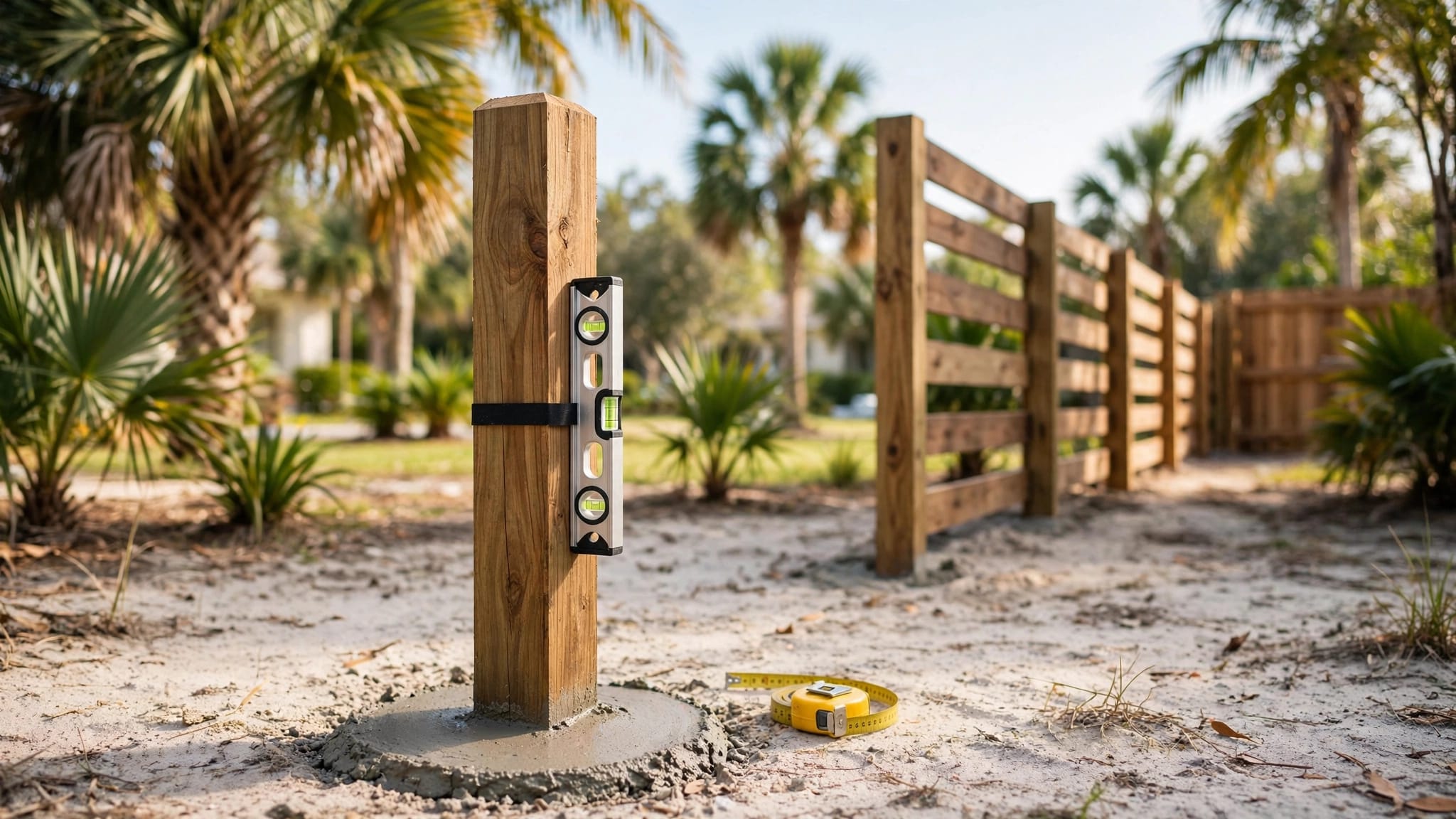
Once the line is marked, a contractor can help if the fence has to be moved, reset, or rebuilt. That matters when posts are set in concrete or when panels need to come down and go back up the right way. If you want help sorting through local companies, how to choose a SWFL fence contractor covers the basics of licensing, insurance, and comparing quotes.
In Southwest Florida, weather can add another layer. Wind, soft soil, and old hardware can shift fence sections enough to make the line look worse than it is. If the fence was damaged during a storm, get that checked before you argue about location.
A contractor should not replace a survey. The survey comes first. The contractor comes next, after the boundary is clear. That order keeps you from paying to build the wrong thing twice.
If the fence needs to be repaired while you sort out the line, use a local pro who can handle the work without turning the issue into a bigger mess. Once the boundary is settled, professional fence repair services can take care of fixes, replacement, or reset work on the correct side.
If the neighbor still won't move the fence
When facts are clear and the other side still refuses to act, move up one step at a time. Start with a written request that includes the survey and a simple deadline for response. Keep the language calm and direct.
The table below shows common paths and when they fit best.
| Option | When it fits | What it does |
|---|---|---|
| Friendly written request | The fence is new or the mistake looks small | Keeps the tone low and gives the neighbor one more chance |
| Second survey review | Each side has different records | Replaces opinions with one clear boundary line |
| Mediation or HOA review | Both sides want to avoid court | Gives the dispute a neutral setting |
| Attorney letter | The neighbor ignores clear proof | Shows the issue is serious and fully documented |
Start with the lowest-pressure option that fits the facts. Many fence disputes settle once both sides see the same survey and understand the cost of fighting.
If the other side still will not respond, a Florida real estate attorney can explain the next step. That does not mean you need a lawsuit right away. It means you can get clear guidance before the issue drags on.
Conclusion
A fence over your line feels personal, but the best fix starts with calm facts. Verify the boundary, talk early, and keep every note, photo, and message.
If the fence truly sits on your property, you will be in a stronger position when you have a current survey and a clean paper trail. That is the difference between guessing at the line and proving it.
Handle the problem one step at a time, and you give yourself the best chance at a fair result without turning neighbors into enemies.