Replacing Bottom Chain Link Tension Wire
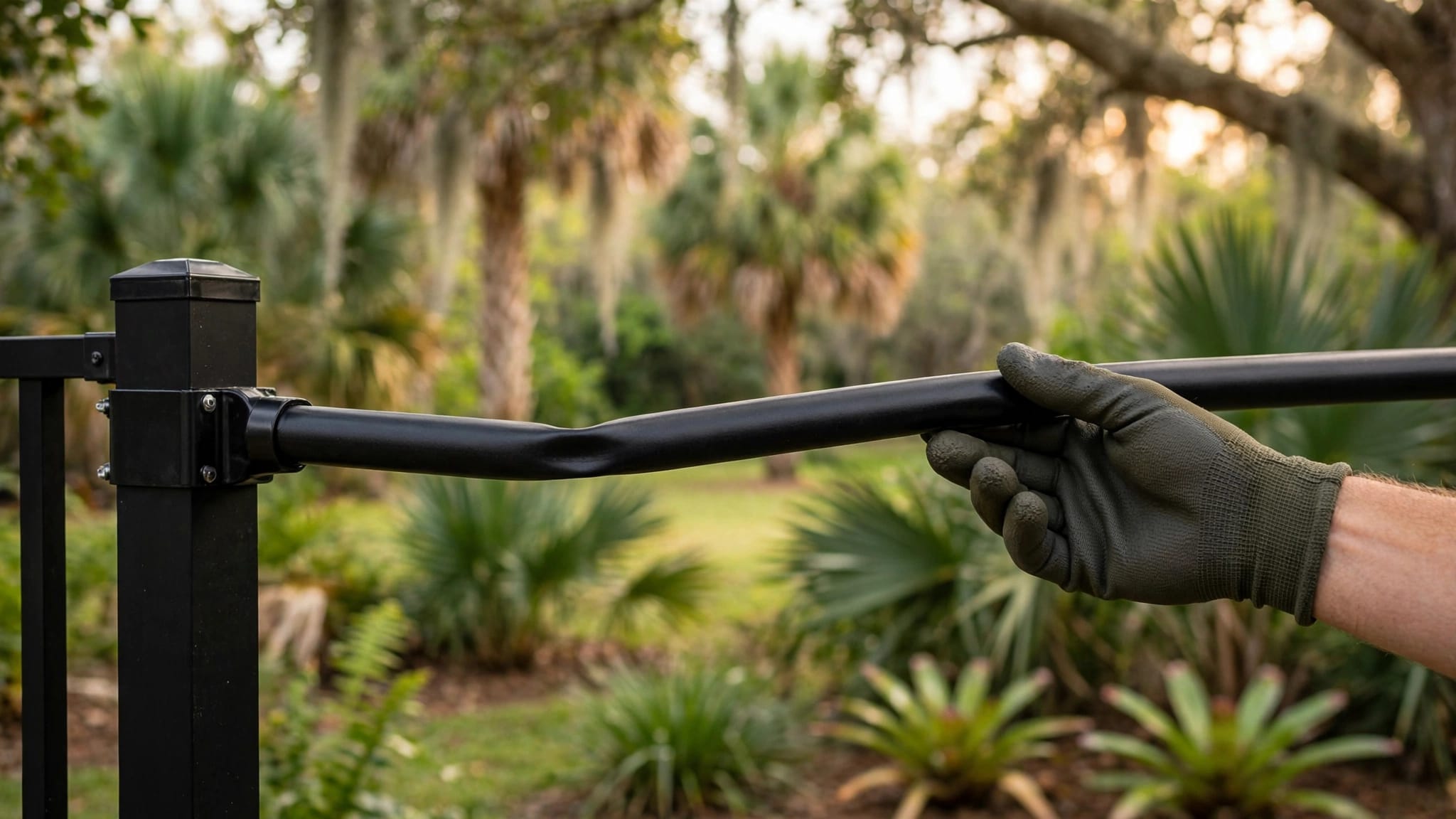
Replace bottom chain link tension wire when the lower restraint has failed and the surrounding posts, mesh, and fittings remain sound. If those parts also have damage, include them in the repair so the new wire has a stable fence to support.
The most important first step is a correct diagnosis , because a lifting bottom edge, sagging mesh, and washed-out ground need different repairs. Start by examining the affected run before deciding which components belong in the replacement.
Key Takeaways
- Bottom tension wire helps restrain the lower edge, but it won't straighten leaning posts or correct excess fabric.
- Sound mesh may remain usable after failed supports and fittings receive repairs.
- Corrosion-resistant wire and compatible hardware matter in Southwest Florida, where moisture and salt exposure can weaken small connections.
1. Identify Why the Bottom Edge Is Loose
Separate lower-edge movement from fabric sag
Start by looking at the shape of the entire fence section. A lower edge that lifts while the upper mesh remains straight points toward a lower-restraint problem.
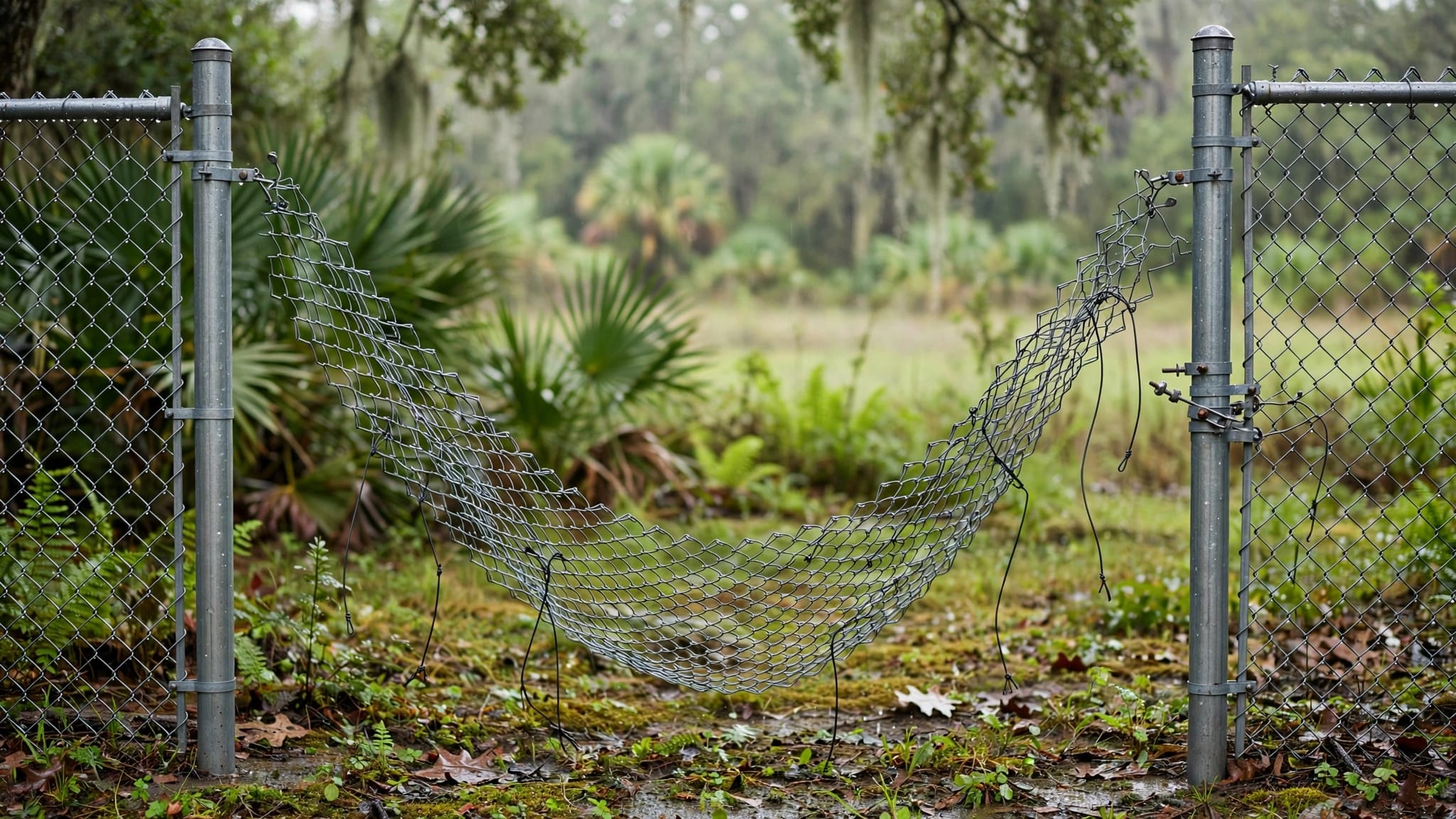
By contrast, waves or a low belly across the mesh can indicate lost fabric tension. Open ties, displaced fittings, or a moving terminal post may contribute to the same problem.
Look beyond the most obvious loose spot. Damage elsewhere in the run can change how the mesh hangs between supports. Our explanation of why chain-link fence fabric sags covers these related causes.
Distinguish fence damage from missing ground
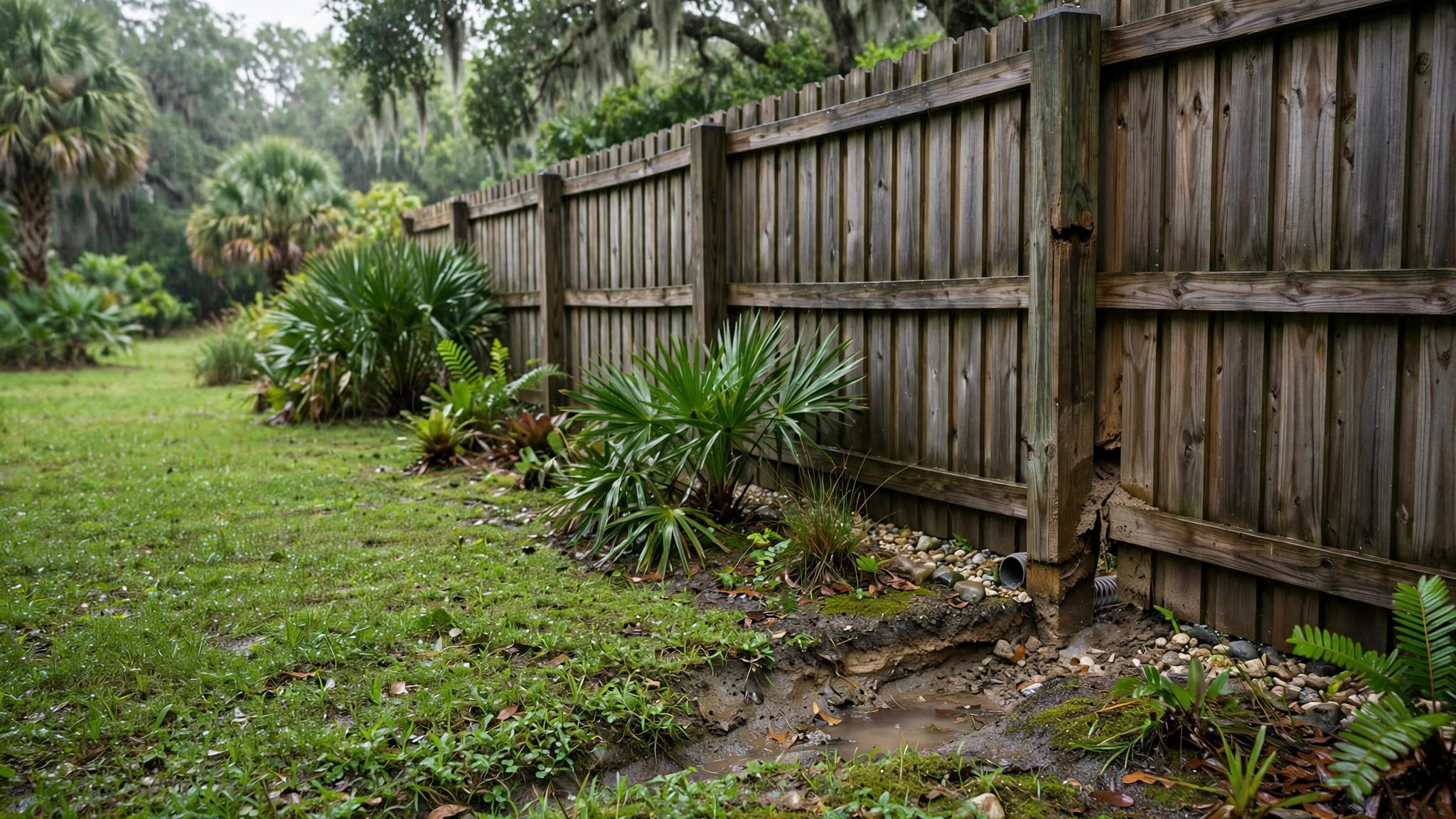
A gap beneath the fence doesn't always mean the wire failed. Heavy rain can wash soil away while the fence remains in its original position.
Compare the ground beneath the opening with nearby areas. Exposed roots, channels in the soil, and uneven clearance suggest a drainage or grading issue.
Replacing wire won't restore missing soil. Similarly, pulling a straight fence downward can distort its alignment without correcting the cause of the opening.
A new bottom wire can restrain a sound lower edge, but it cannot compensate for ground loss or a shifting terminal post.
2. Inspect the Posts and Framework First
Give terminal posts special attention
End, corner, and gate posts carry tension at the boundaries of a fence run. Their condition matters before any replacement work begins.
Look for leaning posts, separation around the footing, and corrosion near ground level. A post that has shifted can loosen adjoining fabric even when the lower wire remains intact.
Gate posts deserve extra attention because gate movement can reveal a support problem. A dragging gate beside loose mesh may share the same damaged post.
If a terminal post moves, the repair needs to address that support. Adding stronger wire leaves the underlying problem in place.
Examine rails and adjacent sections
Follow the top rail through the affected area. Bent rails, separated connections, and missing attachments can explain why the fabric has changed shape.
Then compare the damaged run with the next section. A problem limited to one area suggests a different repair scope than several sections leaning together.
After storm damage, inspect the framework beyond the visible dent or break. Wind and saturated soil can affect posts and footings without leaving an obvious break in the mesh.
Privacy slats and windscreens also deserve attention. They catch more wind than open mesh, increasing loads on posts and connections.
3. Decide Whether the Existing Mesh Is Reusable
Look for permanent damage in the weave
Chain-link fabric is the woven diamond-patterned mesh between the posts. Its condition determines whether a localized repair makes sense.
Sound fabric may remain reusable when the problem involves failed attachments or supports. Age alone doesn't decide whether replacement is necessary.
However, broken wires, heavily distorted diamonds, and sharp kinks point toward permanent damage. A concentrated bulge after an impact may remain even after the supports receive repairs.
Compare damaged diamonds with neighboring openings. If their shape has changed substantially, replacing only the lower wire won't restore the original weave or appearance.
Inspect ties and terminal fittings separately
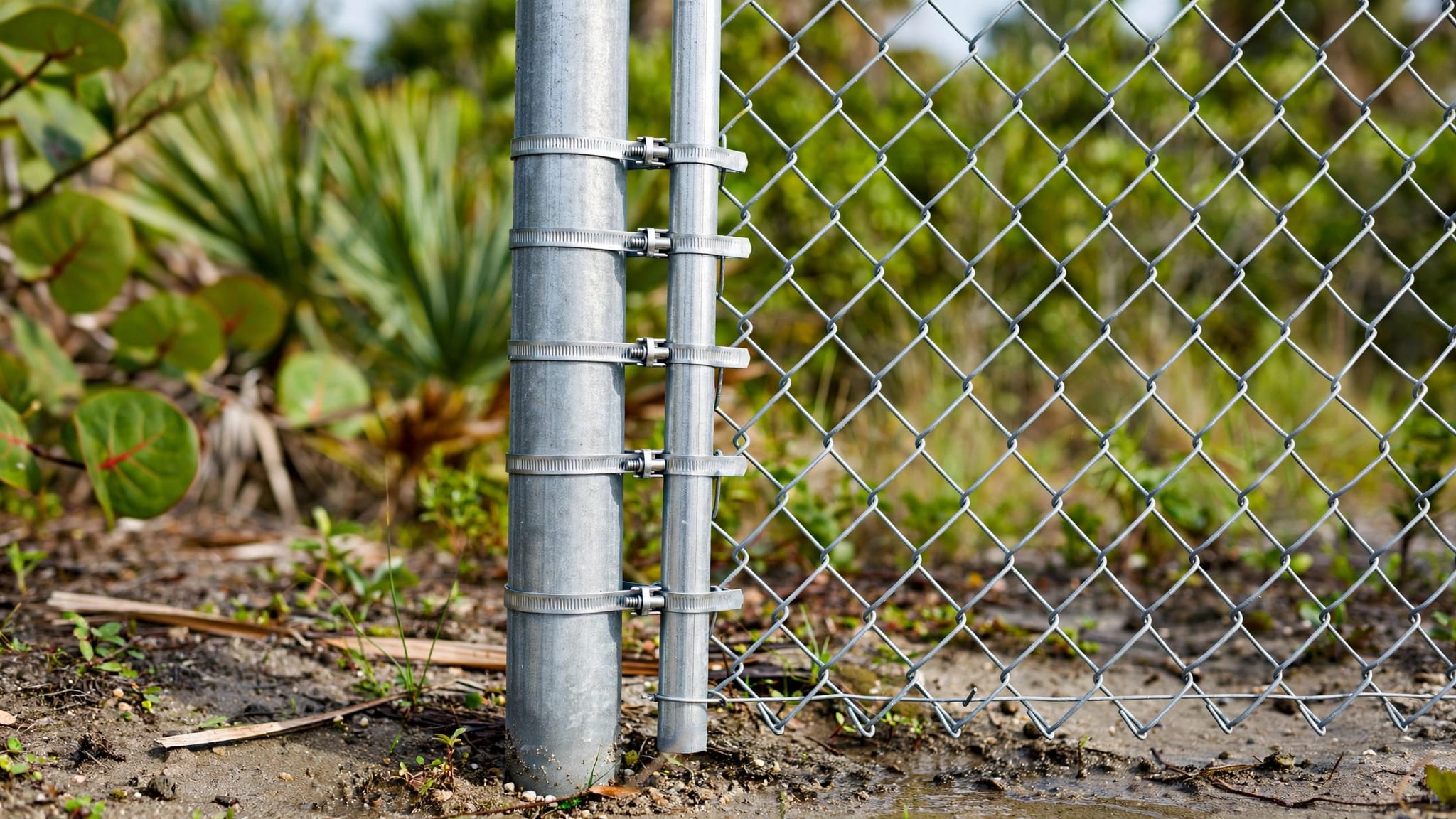
Fence ties hold fabric to line posts and rails. At the ends of a run, a tension bar passes through the fabric and connects to the terminal post through tension bands.
These parts perform different jobs, so examine each group separately. Missing upper ties can allow drooping, while loose terminal fittings can affect tension across a longer section.
Look for open ties, displaced bands, broken ends, and metal loss around connections. Replace weakened fittings rather than treating them as reusable simply because they remain attached.
A failed connection can leave neighboring attachments carrying more movement and load.
4. Choose Compatible Replacement Wire and Fittings
Keep lower-wire specifications separate from fabric gauge
Treat the bottom wire as a separate component when identifying replacement materials. The gauge of the woven fence fabric doesn't identify the correct lower wire.
Fabric, posts, rails, and lower restraint each have their own requirements. A heavier mesh specification also says nothing about whether an existing post or fitting remains suitable.
Keep the material list clear by separating the lower wire from mesh, ties, bands, and damaged framework. That prevents a repair intended for one component from becoming an unrelated upgrade.
Color alone isn't enough to identify a replacement. Protective finish and compatibility matter alongside appearance.
Match corrosion protection across the repair
Galvanized steel uses a zinc coating to help protect against moisture. Coated chain-link products add another protective finish, but damaged coating can still expose the underlying metal.
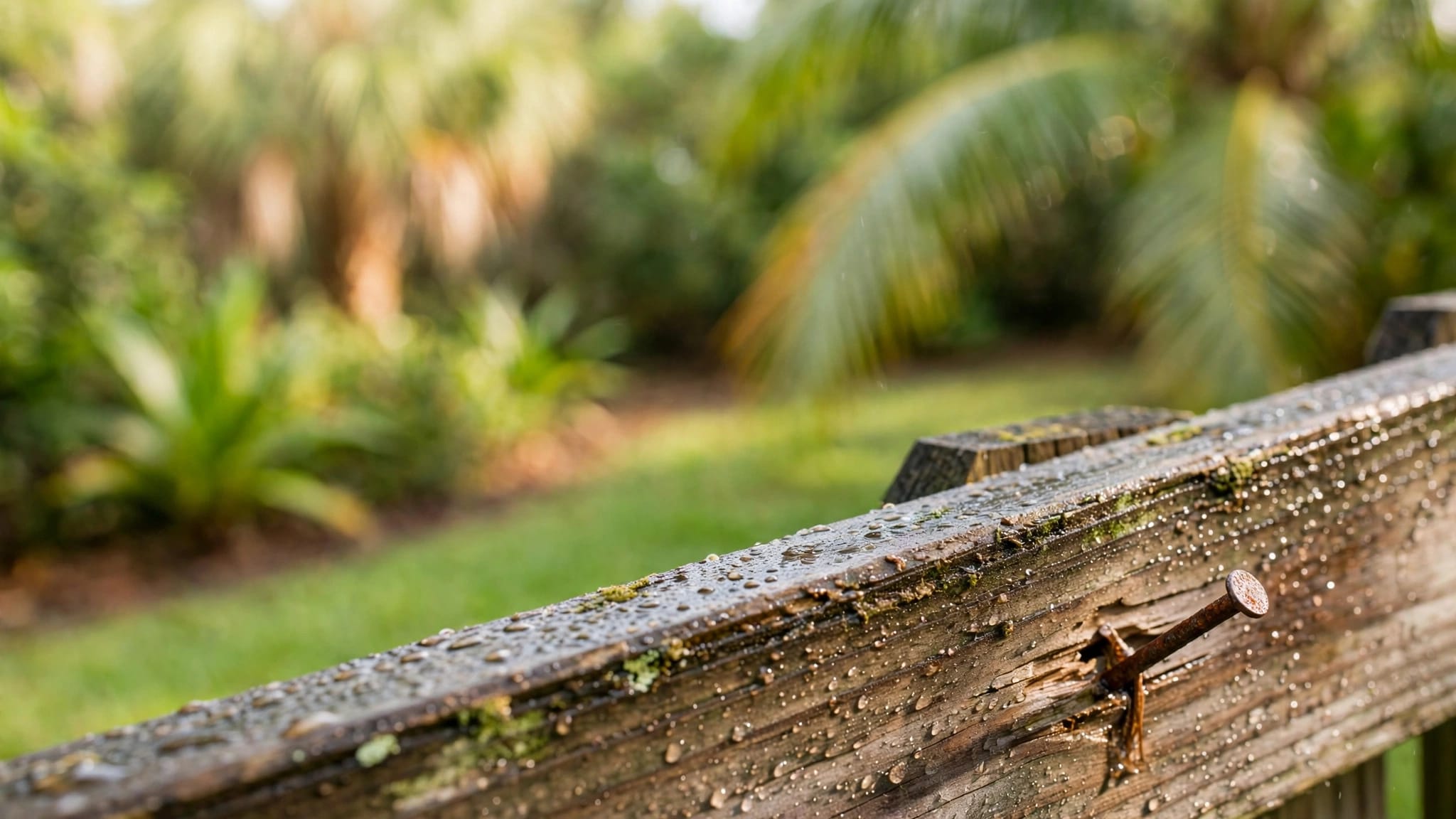
In Southwest Florida, small fittings may corrode before the surrounding fabric fails. Examine hog rings, ties, bands, bolts, and other exposed connections instead of focusing only on the longest piece of wire.
Compatible, corrosion-resistant replacements help avoid leaving weak hardware beside new material. Our guide to salt-resistant chain-link fence hardware explains the fittings that deserve attention near coastal exposure.
Don't assume every metal combination works equally well. Dissimilar metals can accelerate corrosion in some combinations, especially where moisture persists.
5. Define the Repair Across the Whole Affected Run
A useful repair scope follows the fence between its terminal posts. It includes the damaged lower restraint, any failed fittings, and the condition of the surrounding supports.
Keep localized damage separate from widespread deterioration. One damaged area with solid posts and reusable fabric often supports repair. Several leaning sections, repeated failures, or extensive rust may justify broader replacement.
Also distinguish ordinary slack from distorted fabric. Tightening one small patch can leave uneven tension elsewhere, especially when the original problem extends across the run.
For pet containment, include gate gaps and ground clearance in the assessment. A repaired lower edge won't resolve an opening beneath a gate or a washed-out section nearby.
At Supreme Fence of SWFL, our Cape Coral fence repair services include damaged chain-link mesh and post repairs. Professional help makes sense when the problem extends beyond the lower wire into moving supports, damaged framework, or widespread corrosion.
A complete repair should resolve the failed components together. Replacing sound mesh adds unnecessary work, while leaving a damaged post can allow the same problem to return.
6. Assess the Finished Fence as a Complete Barrier
The completed repair should leave a consistent lower edge without introducing new distortion elsewhere. Look along the run rather than judging only the original damaged spot.
Useful acceptance points include:
- The posts remain aligned, with no visible movement at their bases.
- The mesh has consistent diamond shapes without a concentrated bulge.
- Existing ties and terminal fittings remain secure and properly positioned.
- Gates move freely, and remaining openings don't defeat the fence's intended use.
Pay attention to the transition between repaired and untouched sections. A sharp change in alignment may indicate an unresolved framework or fabric problem.
Then keep vegetation and stored materials away from the fence. Vines can hide damaged fittings, while leaning objects add pressure to the mesh.
Fresh-water rinsing helps remove salt buildup from exposed metal. However, cleaning and coating touch-ups protect sound material; they don't replace steel already lost to corrosion.
Frequently Asked Questions
Will replacing the bottom wire stop a dog escaping?
It can help when a failed lower restraint allows the mesh to lift. However, containment also depends on ground clearance, gate gaps, mesh openings, and the dog's behavior.
A dog digging beneath an otherwise sound fence needs a repair plan that addresses digging. Replacing the lower wire alone won't close a tunnel or restore soil washed away by rain.
Can the existing chain-link fabric stay in place?
Sound fabric often remains usable when failed fittings or supports caused the problem. Broken wires, severe corrosion, and permanent deformation make reuse less suitable.
The decision should follow the condition of the mesh rather than its age. An older fence with intact protective coating may have more reusable material than a newer section damaged by impact.
Should every rusty fitting be replaced?
Surface staining and serious metal loss aren't the same condition. Flaking, thinning, broken wire ends, and weakened connections deserve particular attention.
Replace fittings that have lost strength. Tightening a corroded part doesn't restore the missing metal, and a new lower wire won't compensate for weakened attachments elsewhere. Inspect neighboring fittings because they share the same exposure to moisture and salt.
Build the Repair Around Sound Supports
A successful bottom-wire replacement starts with stable posts and reusable fabric . Identify whether the problem comes from the lower restraint, failed connections, distorted mesh, or missing ground.
Keep the repair focused on the components that have failed. When the surrounding fence remains sound, a localized repair can preserve useful material and restore the lower edge without unnecessary replacement.