Why Chain Link Fence Fabric Sags Between Posts
Chain-link fence fabric usually sags because it has lost tension, its attachments have loosened, or the supporting posts have shifted. The right repair depends on what stopped holding the mesh in place .
In Southwest Florida, salt exposure, heavy rain, and storm winds can wear down connections or expose installation problems. Pulling the mesh tighter won't solve a bent rail or moving post.
Start by identifying where the sag begins and whether the framework still stands straight.
Key Takeaways
- Loose fabric needs proper tension, but only after the posts and rails are sound.
- Missing ties, slipping tension connections, and corroded fittings can let otherwise usable mesh droop.
- Leaning posts, bent rails, and excessive unsupported spans require framework repairs before stretching.
- Privacy screens, vines, and repeated pressure can add loads the original fence wasn't built to handle.
A localized sag doesn't automatically mean you need a new fence. However, the condition of the supporting structure determines whether a fabric-only repair will last.
Read the Sag Before Choosing a Repair
The location and shape of the droop help narrow down the cause. First, look along the fence line without pushing or pulling damaged sections.
These patterns offer useful starting points.
| What you see | Likely area to investigate |
|---|---|
| Mesh droops below a straight top rail | Missing ties or insufficient fabric tension |
| Fabric pulls away near an end post | Tension bar, bands, or terminal connection |
| Several spans lean together | Post movement or framework damage |
| One area has crushed or uneven diamonds | Impact damage or repeated pressure |
| Bottom edge lifts while the upper mesh stays straight | Lower restraint, rather than overall fabric sag |
These clues aren't final diagnoses. For example, missing ties and a shifting terminal post can affect the same run.
Also separate fabric sag from gate sag. A dragging gate can have hinge or frame problems even when the adjoining mesh remains properly tensioned. Conversely, a leaning gate post can loosen the fence fabric attached beside it.
Lost Tension and Loose Connections
Fabric wasn't stretched correctly
Chain-link fabric is woven wire mesh. During installation, controlled stretching removes slack before the installer secures it to the terminal posts at ends, corners, and gates.
If the fabric starts with too much slack, it can develop waves or a low belly between supports. A fence that droops soon after installation, while its posts remain straight, may have this problem.
Correcting it means releasing the appropriate attachments, distributing tension evenly, and securing the fabric again. An installer may also need to adjust the amount of fabric in the run. Tightening one small patch can leave uneven tension elsewhere.
Ties or terminal fittings have loosened
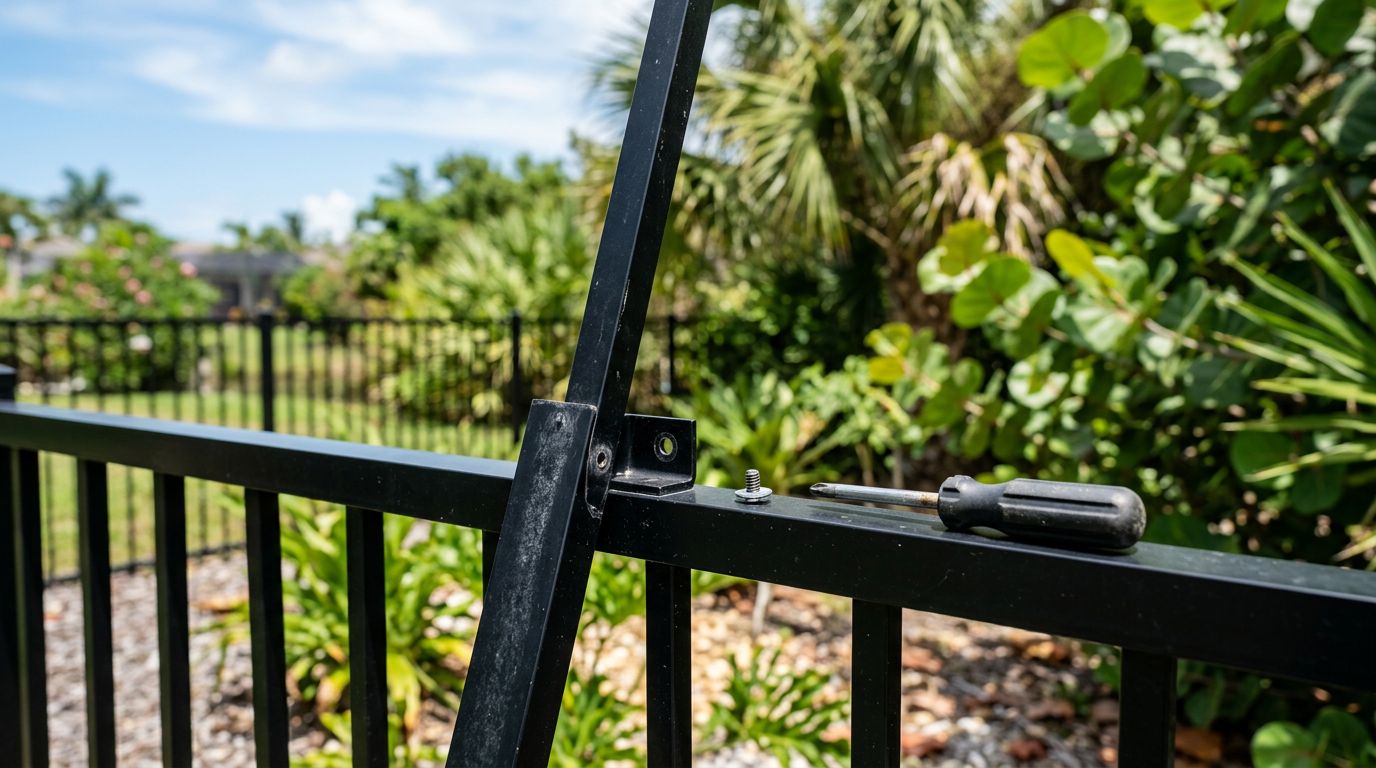
Fence ties attach the mesh to line posts and rails. Meanwhile, a tension bar passes through the fabric's end and connects to the terminal post through tension bands.
Missing top-rail ties often let the upper edge droop. Loose terminal connections can release tension across a longer section. Look for open ties, displaced bands, or fabric separating from its supports.
Replace failed components and restore their attachment pattern. Because coastal corrosion can weaken small fittings before the mesh fails, use compatible, corrosion-resistant replacements. Our guide to salt-resistant chain-link fence fittings covers the hardware that deserves attention.
Moving Posts and Damaged Framework
Posts lean, loosen, or lose support
A tensioned fence relies on stable terminal posts. When an end or corner post moves toward the fence run, the distance holding the fabric tight decreases. Slack can then appear across several spans.
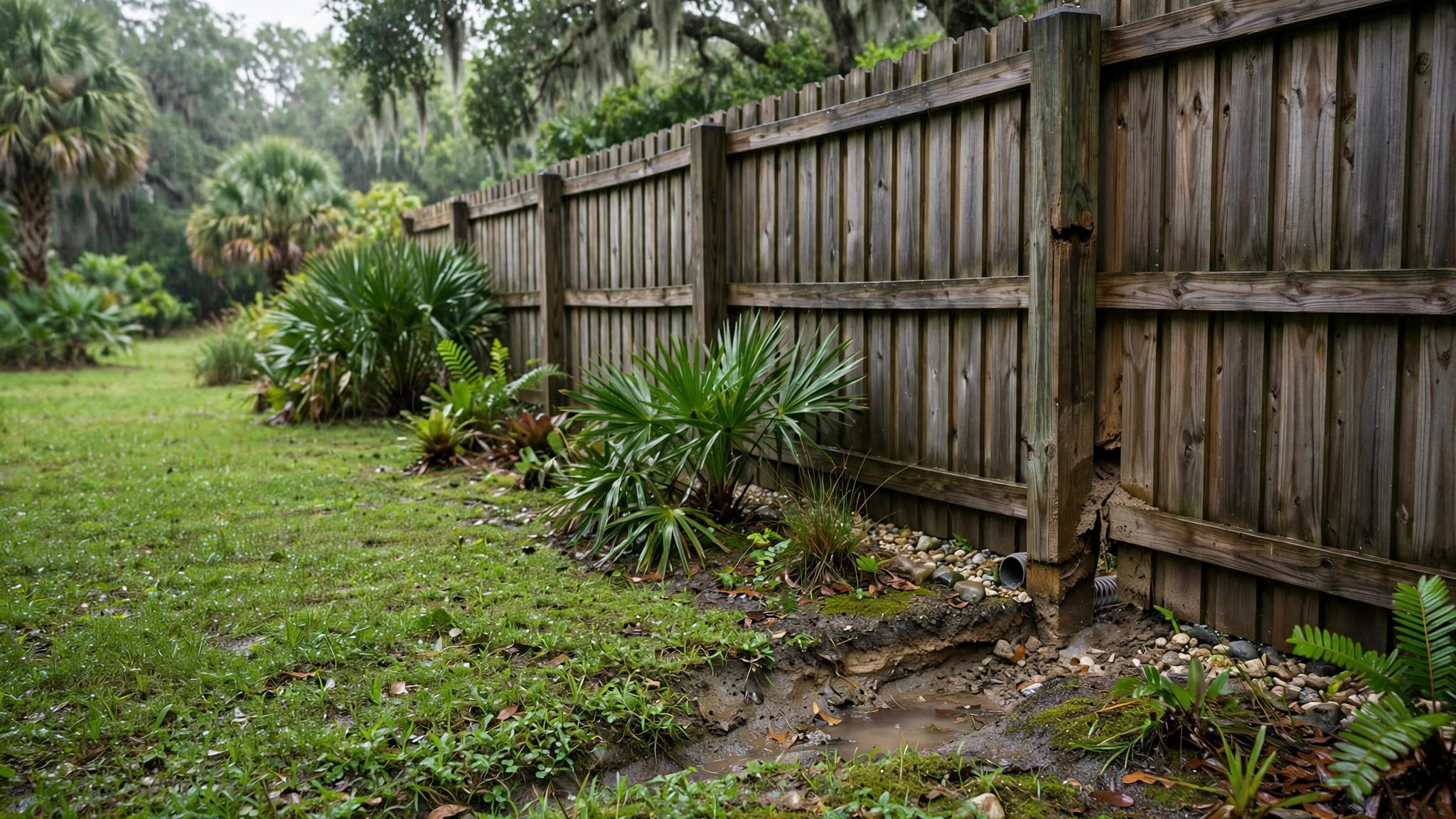
Look for changes in alignment, gaps around a post base, cracked concrete, or exposed footings where soil has washed away. In Southwest Florida, saturated ground and erosion can contribute to movement during heavy rain.
The correction may involve resetting or replacing the affected post and restoring its footing and surrounding support. Repair the post before re-tensioning the mesh , or the same sag can return.
Rails bend or spans lack enough support
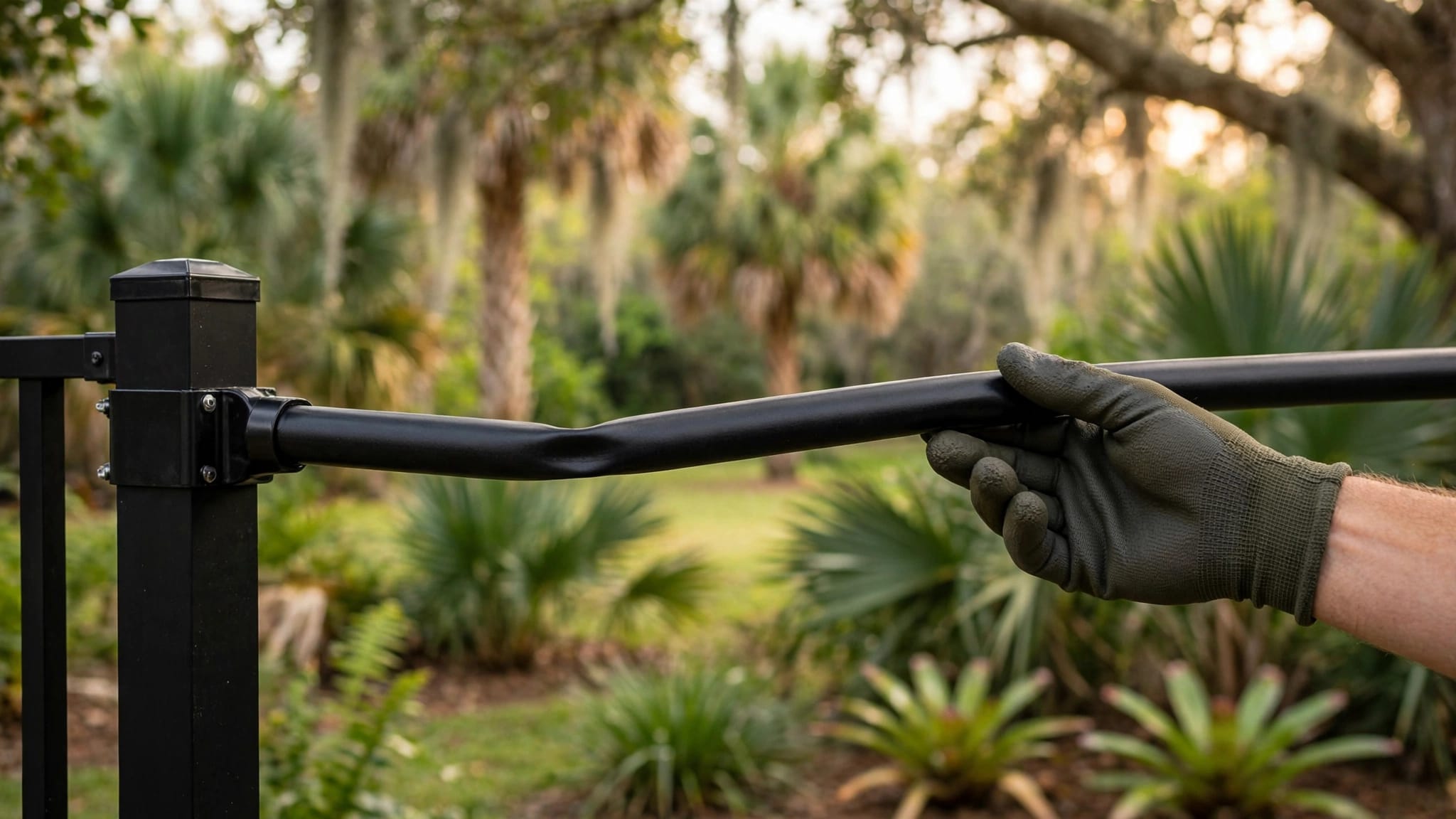
A bent top rail lowers the support line, so even attached fabric can follow it downward. Separated rail joints or damaged post caps can also interrupt that support.
Sight along the rail to distinguish a rail dip from loose mesh hanging beneath a straight rail. Also look for unusually long unsupported sections or missing line posts.
Replace damaged framework and correct inadequate support before stretching. Adding tension to a weak frame increases stress without fixing its shape.
After a storm, examine more than the obvious dent. Our guidance on fence repairs after hurricane damage covers related warning signs, including shifted posts and damaged footings.
Pressure, Wind-Catching Additions, and Rust
Repeated loads distort the mesh
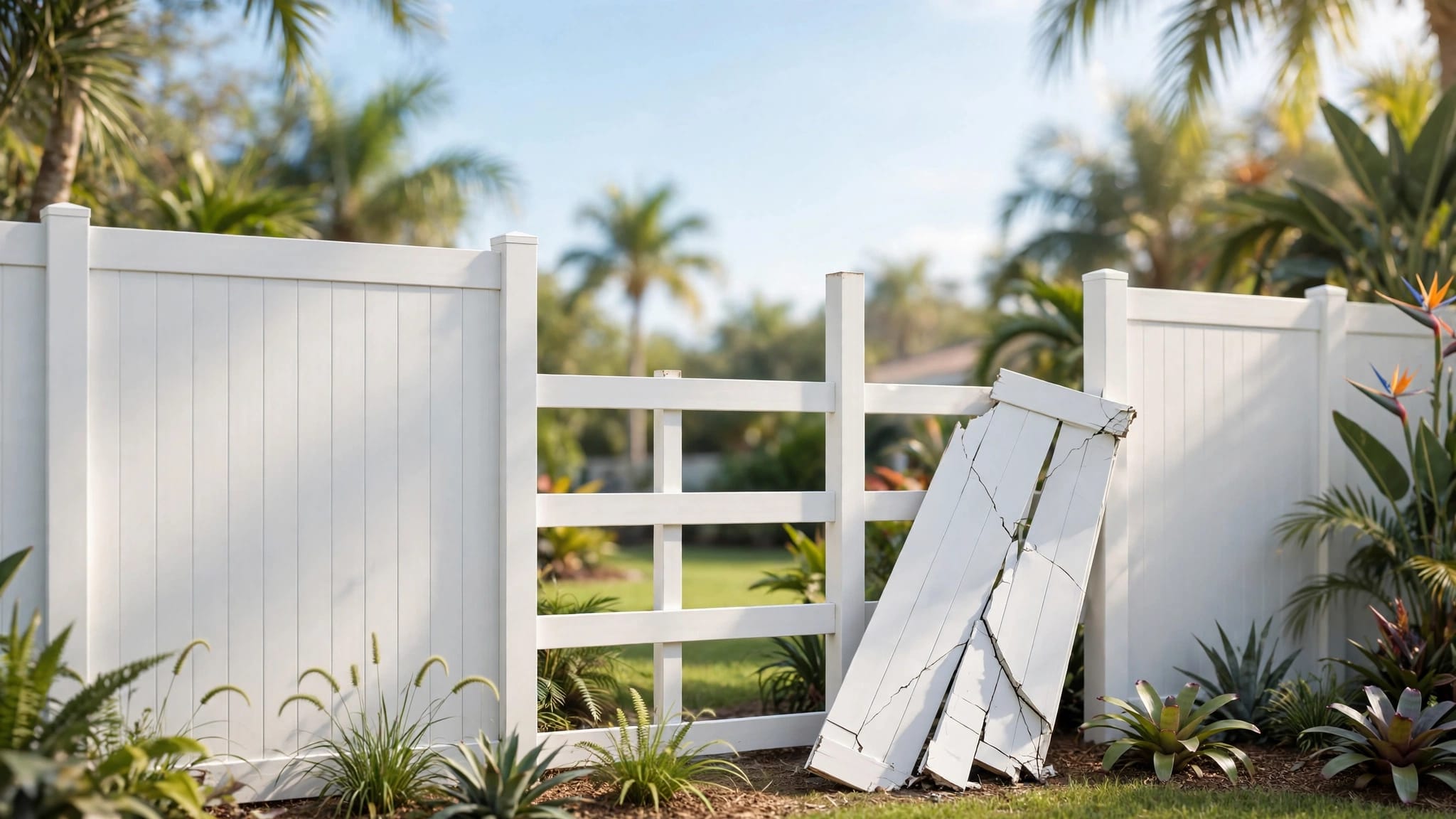
Climbing, fallen branches, and repeated pressure from animals can deform chain-link fabric. Unlike ordinary slack, this damage often leaves uneven diamond openings, kinks, or a concentrated bulge.
Privacy slats and windscreens introduce another concern. They catch more wind than open mesh, increasing loads on posts and connections. Vines can also add weight and obscure damaged fittings.
Remove unnecessary loads, repair affected supports, and replace fabric that remains badly misshapen. For recurring pressure, stronger fabric may help. However, the framework must match the application. Our explanation of chain-link fence wire gauges describes how wire thickness fits into the overall design.
Corrosion weakens the attachments
Salt air and persistent moisture can corrode ties, bands, and other fittings. Once an attachment breaks or loses strength, nearby connections carry more of the load.
Look for orange staining, flaking metal, broken wire ends, and corrosion concentrated around connections. Damaged protective coating deserves attention even when the surrounding mesh still looks sound.
Replace weakened fittings rather than simply tightening them. If the fabric itself has extensive wire loss or breaks easily, re-stretching isn't an appropriate repair. Cleaning and coating touch-ups help protect sound metal, but they don't restore metal already lost to corrosion.
How to Correct Chain Link Fence Sagging
A lasting repair follows the load path through the fence. Start with the structure, then restore the fabric and its attachments.
- Identify the affected run, including its terminal posts, rails, ties, and lower restraint.
- Repair loose or bent posts, damaged footings, and broken framework first.
- Replace failed fittings and decide whether the existing fabric remains usable.
- Re-tension sound fabric evenly, then secure it to the repaired framework.
- Inspect the finished run for consistent alignment, secure attachments, and remaining gaps.
Professional stretching uses equipment such as a stretcher bar and controlled pulling tools. Pulling directly on a few wire diamonds can distort the weave, while excessive force can damage posts or fittings. Stored tension and sharp wire ends also make this more than a cosmetic adjustment.
A bottom tension wire helps restrain the lower edge, but it cannot replace proper fabric tension or stabilize a loose terminal post.
A single damaged span with solid supports often suits repair. Several sagging spans with bent posts, extensive corrosion, or repeated failures may justify broader replacement. Our fence repair versus replacement guide explains how the condition of the posts affects that decision.
Prevent Sagging in Southwest Florida Conditions
Good prevention starts during installation. Post strength, footing design, spacing, rail support, fabric selection, and connections need to work together. Heavier mesh alone won't compensate for weak terminal posts.
For an existing fence, use a simple routine. Each month, walk the fence line and look for missing ties, new droops, rust, and changes around post bases. Near salt water, include a fresh-water rinse to remove deposits from the mesh and fittings.
Every three months, give fabric tension, corrosion, and gate operation closer attention. Also inspect after major storms, once conditions are safe. A small alignment change can reveal damage before an entire section leans.
Keep branches and heavy vegetation off the fence. Likewise, redirect persistent sprinkler overspray where practical, and avoid stacking materials against the mesh.
Before adding privacy material, include the posts and connections in the design decision. Our Southwest Florida fence maintenance schedule provides a material-by-material routine for ongoing care.
Prompt hardware repairs matter because one failed tie can leave the next attachment carrying extra movement and load.
Frequently Asked Questions
Can sagging chain-link fabric be reused?
Yes, when the mesh remains sound and its weave hasn't suffered serious distortion. A contractor can often re-tension it after repairing the supports and attachments. However, broken wires, severe corrosion, or permanent impact damage can make replacement the better choice.
The decision depends on condition, rather than age alone. An older fence with intact coating may have reusable fabric, while a newer section damaged by impact may not. Reusing sound mesh also avoids replacing material that isn't causing the problem.
Will more ties or a bottom wire fix the sag?
Additional ties help when missing or failed attachments caused the droop. They won't remove excess fabric or straighten a leaning post.
Similarly, bottom tension wire limits movement along the lower edge. It doesn't correct every type of sag. If the entire run has lost tension, the repair must address its terminal connections and supports before adding lower restraint.
A bottom gap can also result from uneven ground or washout. In that case, pulling the fabric tighter won't restore the missing soil beneath it.
Fix the Support Problem Before Pulling the Mesh Tight
Sagging fabric is a symptom of lost tension, failed attachments, damaged mesh, or moving supports. The lasting repair starts with finding the failed component before tightening anything.
At Supreme Fence of SWFL, we install and repair chain-link fencing in Cape Coral and surrounding Southwest Florida communities. If your fence has started drooping, we offer free quotes to help you plan the repair.