Why Wood Fence Nails Work Loose in Florida Heat
Wood fence nails work loose in Florida because repeated wetting and drying move the wood around each connection. Heat speeds drying, but moisture cycling , corrosion, and fastening problems usually explain more than temperature alone.
If you've noticed fence nails loosening after summer rain or a sunny stretch, hammering them back may only hide the cause. Start by separating normal wood movement from damaged hardware, split boards, and failing supports.
Key Takeaways
- Rain, humidity, and drying cycles make wood swell, shrink, and sometimes warp, which can weaken nailed connections.
- Rust, poor fastener placement, and insufficient penetration cause separate problems that weather can make worse.
- Lasting repairs require sound wood, compatible exterior hardware, and attention to drainage and post stability.
How Florida Weather Loosens Wood Fence Connections
Southwest Florida fences face frequent changes in moisture, often with different conditions on opposite sides of the same board. Those changes put repeated stress on connections between pickets, rails, and posts.
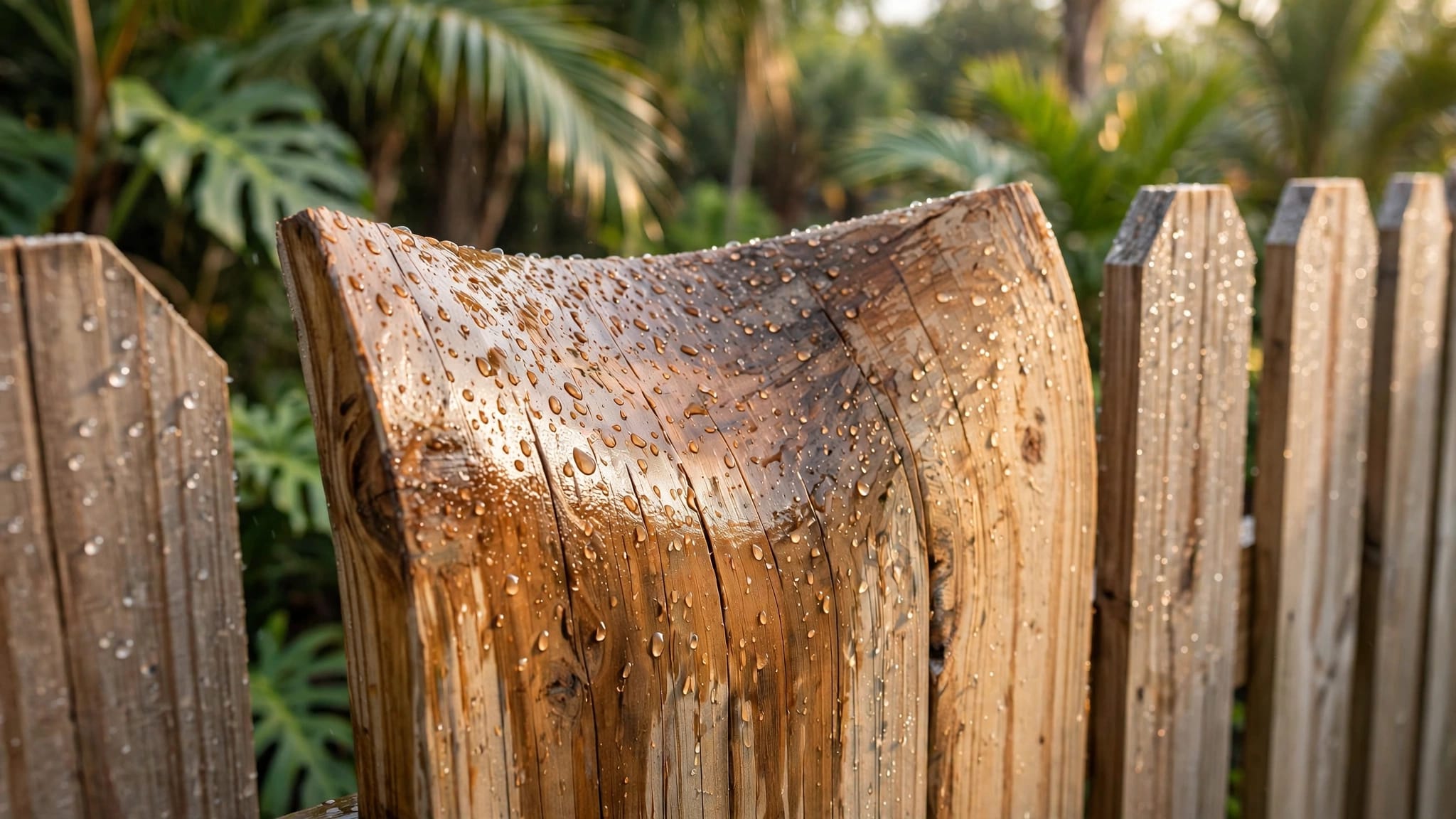
Rain and humidity change the wood's dimensions
Wood absorbs and releases moisture. As its moisture content changes, it expands and contracts, with most movement occurring across the grain.
Summer downpours wet exposed surfaces, while humid air slows drying. Irrigation can keep lower boards damp even between storms.
When wood dries and shrinks, contact around a nail can decrease. Repeated movement can also damage surrounding fibers, especially where a board already has a split. Eventually, the connection may allow a picket to shift or rattle.
These cycles happen after individual storms and across wetter and drier seasons. Florida's seasonal wood movement doesn't require freezing weather.
Sun and heat can cause uneven drying
Direct sun dries an exposed face faster than a shaded face or an overlapping joint. That difference can make boards cup, twist, or pull against their fasteners.
Meanwhile, ultraviolet exposure wears down protective finishes. Once the coating deteriorates, rain can wet exposed fibers more readily.
Heat contributes to this pattern by accelerating drying. However, calling every loose nail a thermal-expansion problem overlooks the larger role of changing moisture.
Separate Wood Movement From Corrosion and Poor Fastening
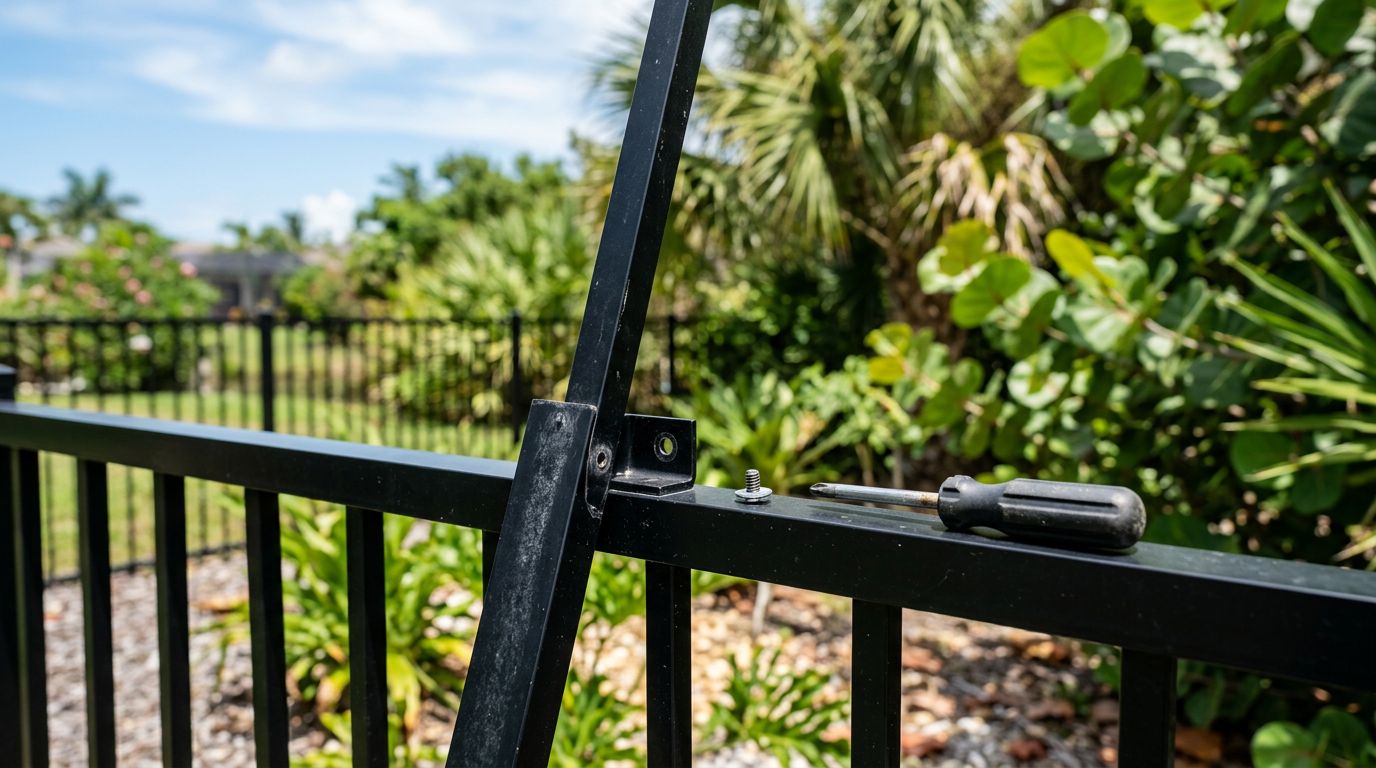
Several problems can produce a raised nail head. Look at the surrounding wood and connection before deciding how to repair it.
Movement without obvious metal damage
A nail standing proud of the surface doesn't always mean it has backed out. The board may have shrunk beneath its head.
Look for changing board gaps, cupping, or a picket that shifts against an otherwise solid rail. These signs point toward wood movement, although they don't rule out installation problems.
A raised nail head can reflect shrinking wood. Whether the board still moves at the connection matters more than the head's appearance alone.
Corrosion that weakens the connection
Rust is a different process. Persistent moisture and coastal salt exposure can attack unsuitable hardware, while some wood preservatives require compatible fasteners.
Look for rusty streaks, flaking metal, or visibly deteriorated heads. Surface staining alone doesn't reveal how much strength remains, but deteriorating hardware needs attention.
Corrosion and wood movement can occur together. Replacing damaged metal won't solve decay around the connection.
Fastening problems that weather exposes
A fastener needs enough penetration into sound supporting wood. A nail that barely reaches a rail has limited holding power.
Poor placement also matters. Fasteners driven near an edge can split the board, while overdriven heads can crush surface fibers.
These defects may become obvious as boards dry or wind loads the panel. Repeated loosening at the same location suggests that the connection needs correction rather than another hammer strike.
Inspect the Fence Beyond the Nail Head
Begin with a visual inspection. Keep children and pets away from projecting nails, detached boards, and unstable sections. Don't push against a leaning or storm-damaged fence.
For a stable section, gently move the affected picket. Notice whether only that board moves, the rail shifts, or the entire bay rocks. Each pattern points toward a different repair scope.
Examine nearby fasteners and the wood where rails meet posts. A loose picket is a localized problem; several loose rail connections deserve a broader inspection.
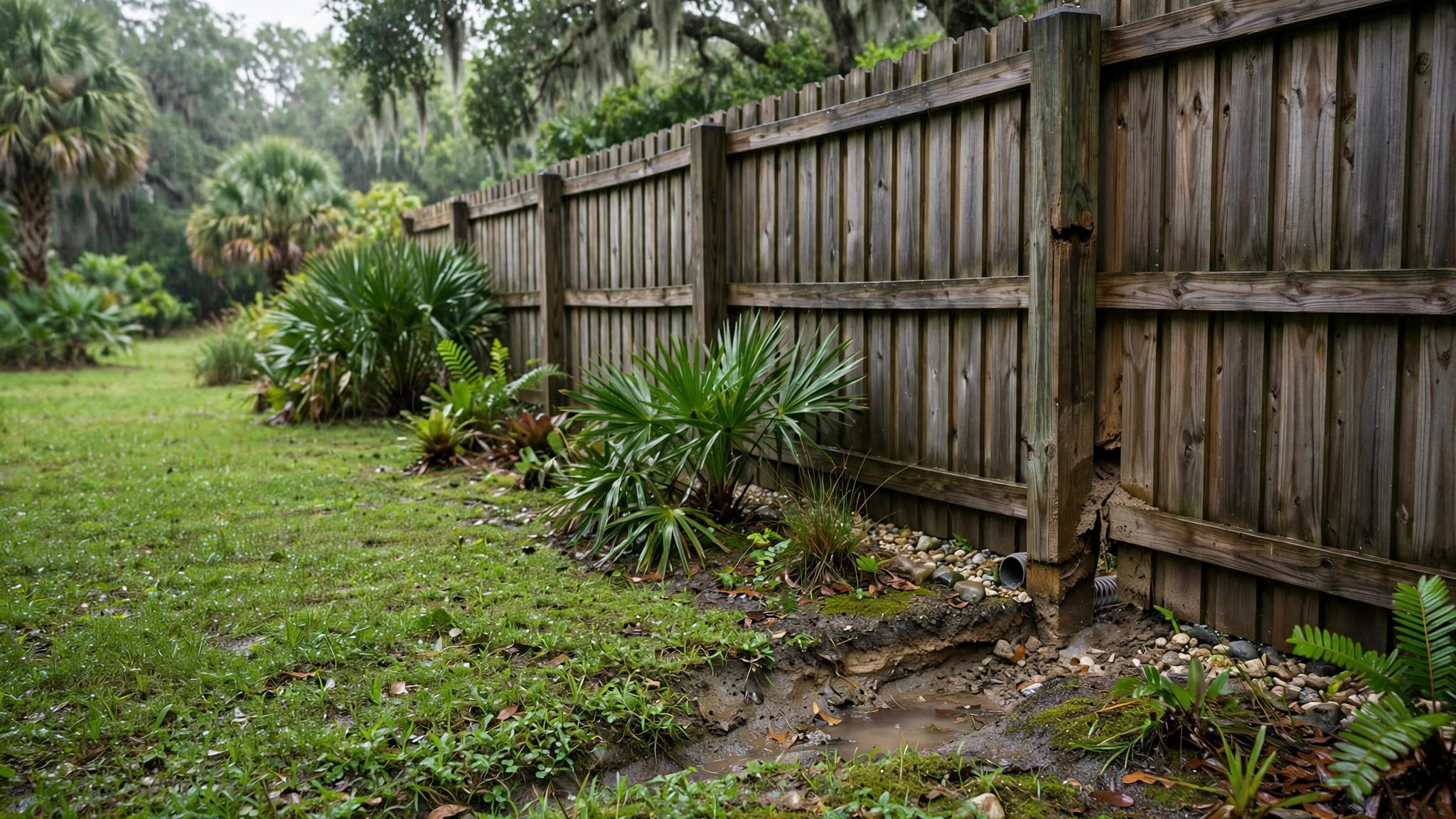
Near ground level, look for dark, soft, or crumbling wood. A screwdriver pressed gently into a suspect area can reveal deterioration. If it sinks easily, the wood may no longer support a dependable connection.
Also inspect for soil washout and gate sag. Our guidance on repairing rattling fence panels explains how movement elsewhere can keep stressing a repaired joint.
Finally, remember that a post can look sound above ground while deteriorating below it.
Repair Loose Fence Nails Without Hiding Bigger Problems
The right repair depends on the wood's condition and the connection's purpose. Attaching a picket and securing a load-bearing rail require different fastening decisions.
Repair a localized connection in sound wood
If a board and its supporting rail remain sound, carefully remove the protruding fastener without tearing the surrounding wood. Protect the board beneath any prying tool.
An exterior-rated wood screw can be appropriate for some popped-nail repairs. It must suit the lumber treatment, exposure, board thickness, and supporting member.
Don't assume a larger screw driven into the same damaged hole will hold. The replacement needs sound wood for its threads to grip. Pre-drilling can reduce splitting near board ends.
Seat the head without crushing the surface. Driving it deeper won't restore damaged fibers or compensate for insufficient penetration.
Replace damaged wood or repair the support
Split, decayed, or badly warped boards may need replacement. If the rail has softened, replacing only the picket leaves the weak connection behind.
Likewise, a moving post or failing rail-to-post joint needs structural attention before surface repairs. Adding fasteners to compromised wood rarely produces a durable result.
Where deterioration affects multiple supports, rebuilding a section may make more sense than repeated spot repairs. Our wood fence installation services cover new fencing when the existing structure no longer provides a sound base.
The goal is a secure connection throughout the section, including the supports that carry its load.
Prevent Repeat Loosening in Southwest Florida
You can't stop outdoor wood from moving, but you can reduce unnecessary wetting and protect vulnerable connections. Prevention works best after loose hardware and deteriorated wood have been repaired.
Help the fence dry after rain
Redirect sprinklers that repeatedly soak pickets and posts. Pull mulch away from wood, and keep soil from piling against the fence.
Also trim vegetation that traps damp air along the boards. Overlapping fence styles can hold moisture between surfaces, so airflow matters even when the exposed face feels dry.
Keep drainage paths clear around the fence line. Persistent standing water calls for attention beyond the fasteners.
After heavy rain or strong wind, look for new movement, exposed nails, and washout. Catching one loose connection early can prevent continued movement at adjacent joints.
Maintain the finish and compatible hardware
Use replacement hardware compatible with pressure-treated lumber where applicable. An exterior label alone doesn't mean every fastener suits every wood treatment or exposure.
A protective finish slows water uptake, but it won't rebuild a stripped hole or strengthen rotten wood. Make repairs before following a wood fence sealing routine.
Clean gently and let boards dry before coating. Aggressive pressure washing can roughen the grain and force water into joints.
Many Southwest Florida fences need renewed protection within roughly 12 to 24 months. Sun exposure, sprinklers, and product durability affect that interval. Fading, worn fibers, and water soaking readily into boards are reasons to assess the finish sooner.
When a Fence Contractor Should Handle the Repair
A few loose pickets on solid rails may allow a targeted repair. Leaning posts, detached rails, or repeated failures across several bays require a broader approach.
Professional help is also appropriate when storm damage leaves a section unstable. A privacy fence carries substantial wind load, and weakened supports can fail beyond the visibly damaged spot.
For gates, address the hinge post and alignment before blaming nearby nails. A sagging gate can keep pulling on adjoining fence connections.
At Supreme Fence of SWFL, we provide fence repair in Cape Coral and throughout our Southwest Florida service area. Repairing the affected support or replacing deteriorated sections can address the cause of recurring looseness without automatically replacing the entire fence.
Frequently Asked Questions
Can I hammer loose fence nails back in?
Sometimes, if the wood is sound and the nail hasn't lost its grip. However, repeated loosening means the connection needs closer attention. Driving the same nail into an enlarged hole often provides only temporary improvement. Stop if hammering splits the board or the fastener won't seat securely.
Are screws always better than nails for fence repairs?
No single fastener suits every fence connection. Exterior-rated wood screws can work well for certain picket repairs, but rail and structural connections need hardware appropriate to their loads and materials. The supporting wood must also be sound. Changing fastener type won't correct rot, poor placement, or inadequate penetration.
Will sealing the fence stop nails from loosening?
Sealing can reduce moisture uptake and slow weathering, which helps limit one source of stress. It won't eliminate wood movement or restore a failed connection. Repair loose boards, damaged hardware, and deteriorated supports first. Applying a coating over those problems leaves the original weakness in place.
A Lasting Repair Starts With the Cause
Florida heat contributes to fence wear, but repeated moisture changes, corrosion, and weak connections explain why many nails loosen. A lasting repair starts with sound supporting wood and hardware suited to the job.
Address water exposure and structural movement alongside the loose fastener. Otherwise, the same connection can fail again after another cycle of rain and drying.