White Vinyl Fence Yellowing in Florida: Causes and Prevention
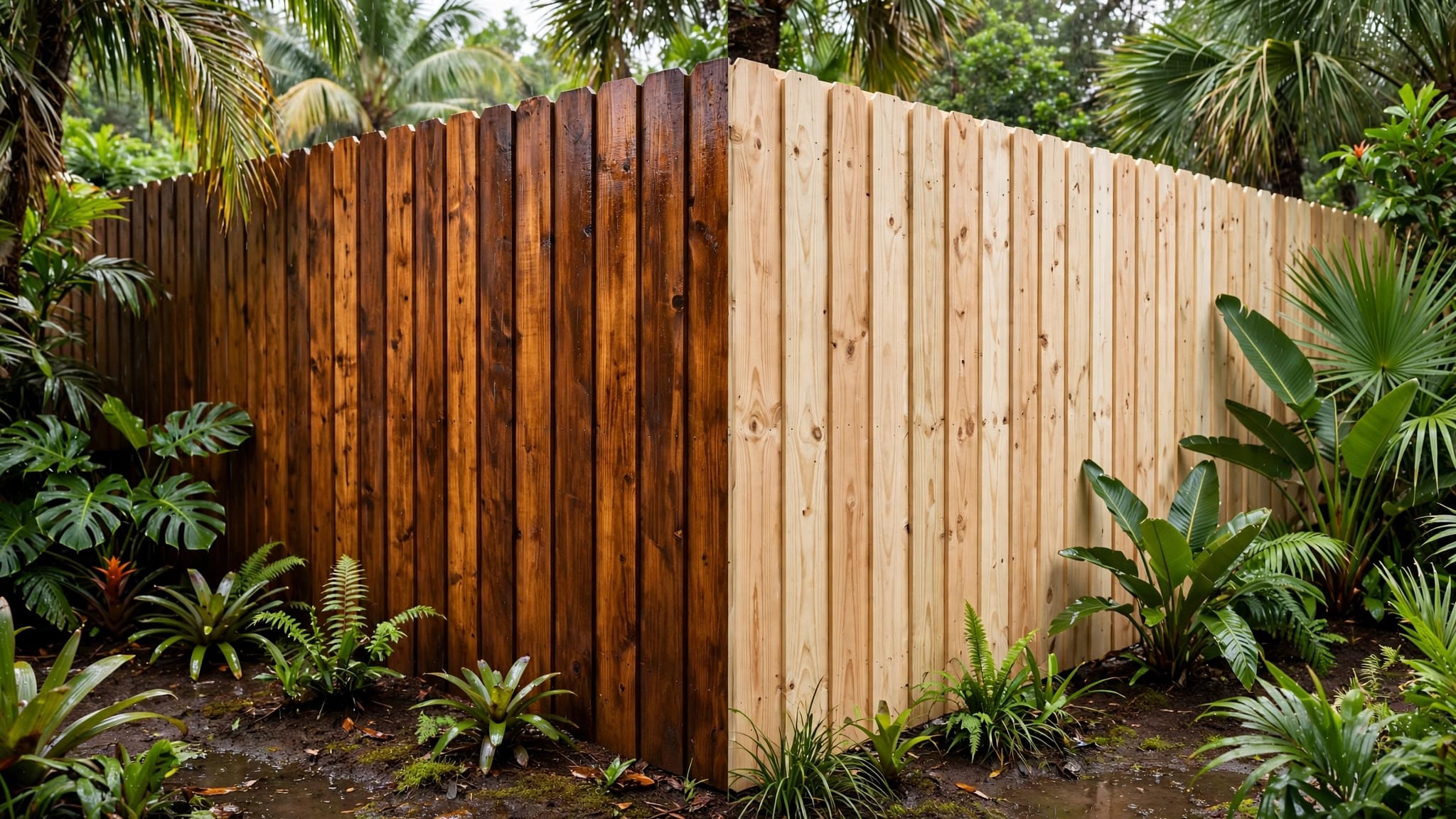
You love the clean look of your white vinyl fence. It brightens your yard and adds privacy. But one day, you spot yellow streaks or an overall tint. White vinyl fence yellowing hits Florida homeowners hard because our sun and humidity speed it up.
Don't worry. This problem comes from specific causes you can address. Many fences last years with the right care. First, understand what turns white vinyl yellow in our climate.
Main Causes of White Vinyl Fence Yellowing
Florida's intense sunlight tops the list. UV rays break down the vinyl surface over time. White fences show this fastest because any change stands out. South-facing sections fade first since they bake longest.
Pollen and dirt build up next. Our spring blooms leave sticky residue. Add humid air, and it clings tight. Yellow pollen mixes with dust to stain panels. Rinse it off quick, or it bakes in under the sun.
Algae and mold thrive here too. Shaded spots stay damp from sprinklers or rain. Green slime turns yellow-brown as it dries. Coastal salt air worsens this. Salt particles stick and corrode the finish subtly.
Poor cleaning hurts most. Harsh bleach or scrub brushes scratch the surface. Tiny grooves trap more dirt later. Oxidation follows, where air and pollutants react with vinyl. Result? A permanent yellow haze.
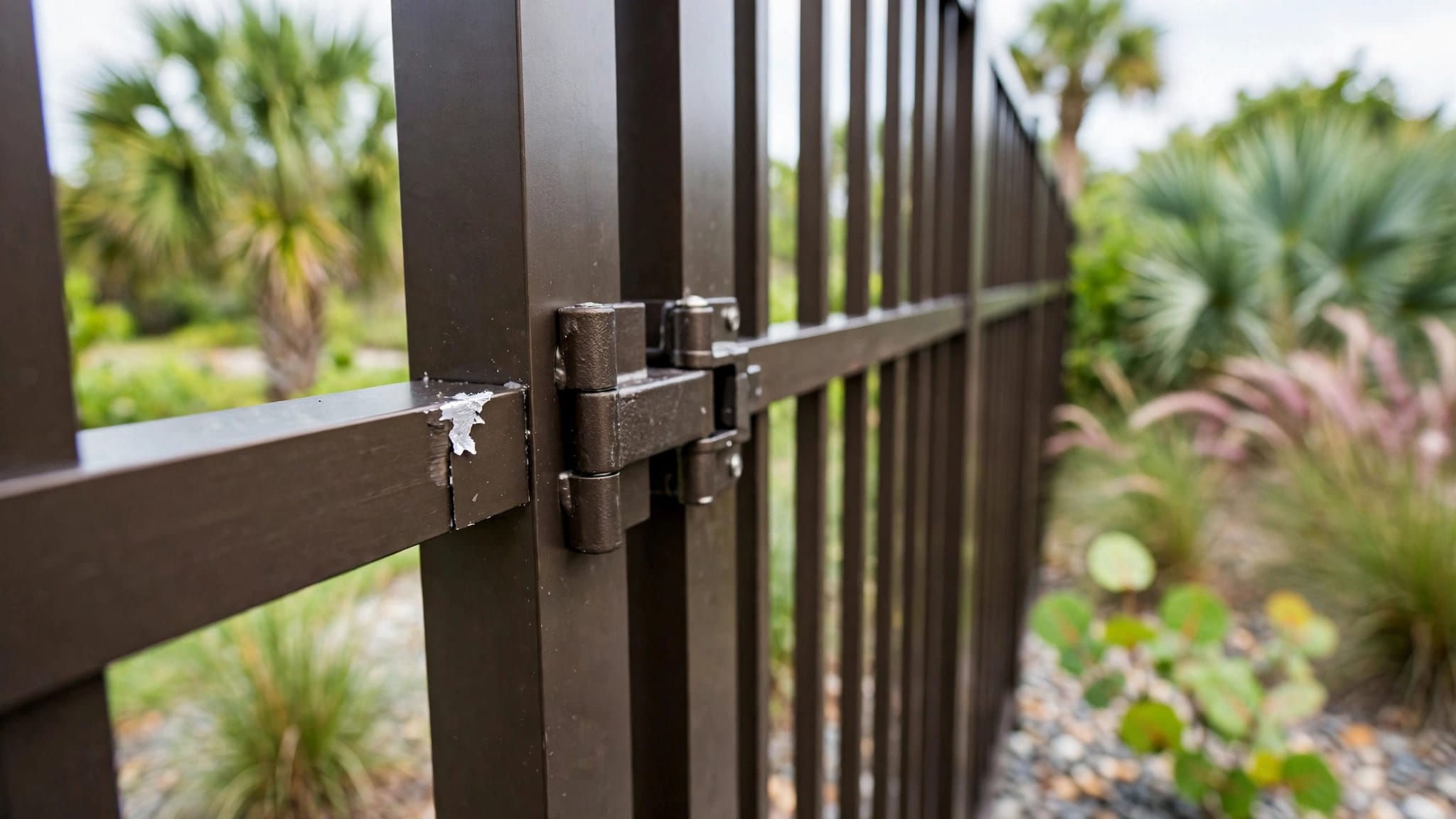
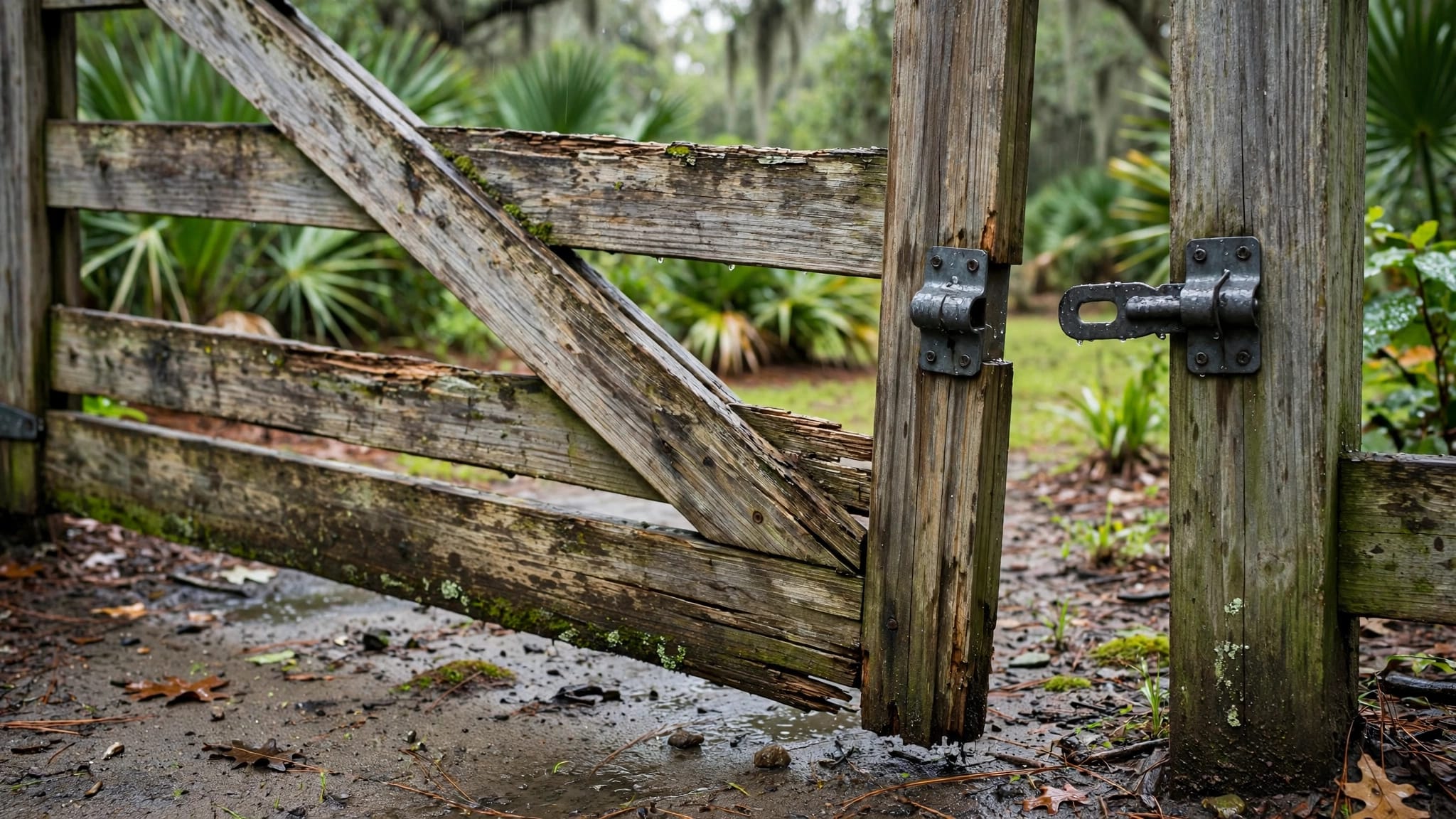
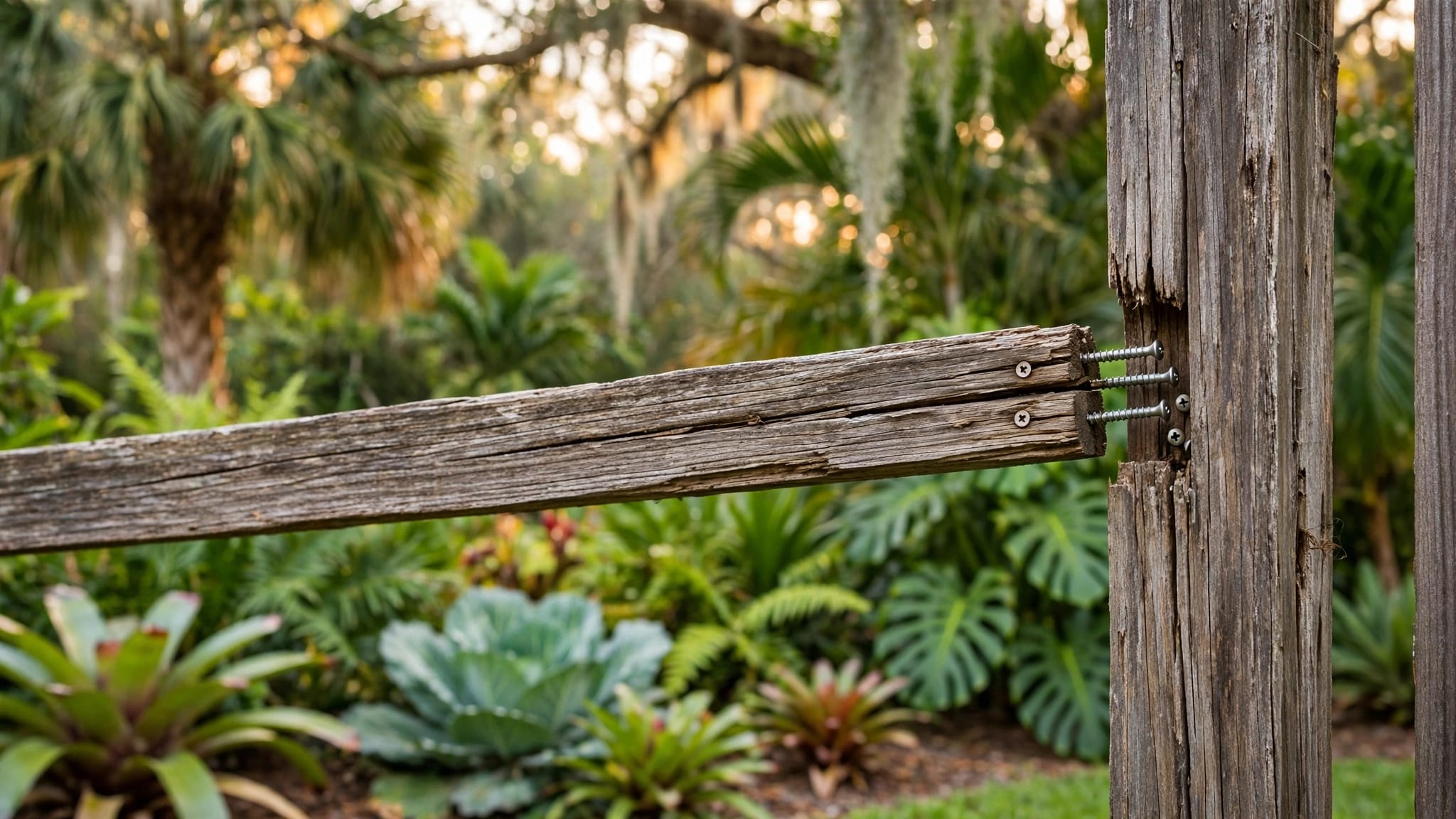
Hardware plays a role. Rusty screws bleed iron stains onto white panels. Check gates and posts often. In short, multiple factors team up in Florida to dull your fence faster than elsewhere.
Florida Climate's Role in Faster Discoloration
Our sunshine delivers over 2,600 hours yearly. That's double some northern states. UV hits vinyl hard, cracking protective layers. White pigments shift yellow without blockers.
Humidity keeps everything wet longer. Dew and rain soak panels overnight. Mildew spores land and grow before morning dries them. Then sun bakes stains in place.
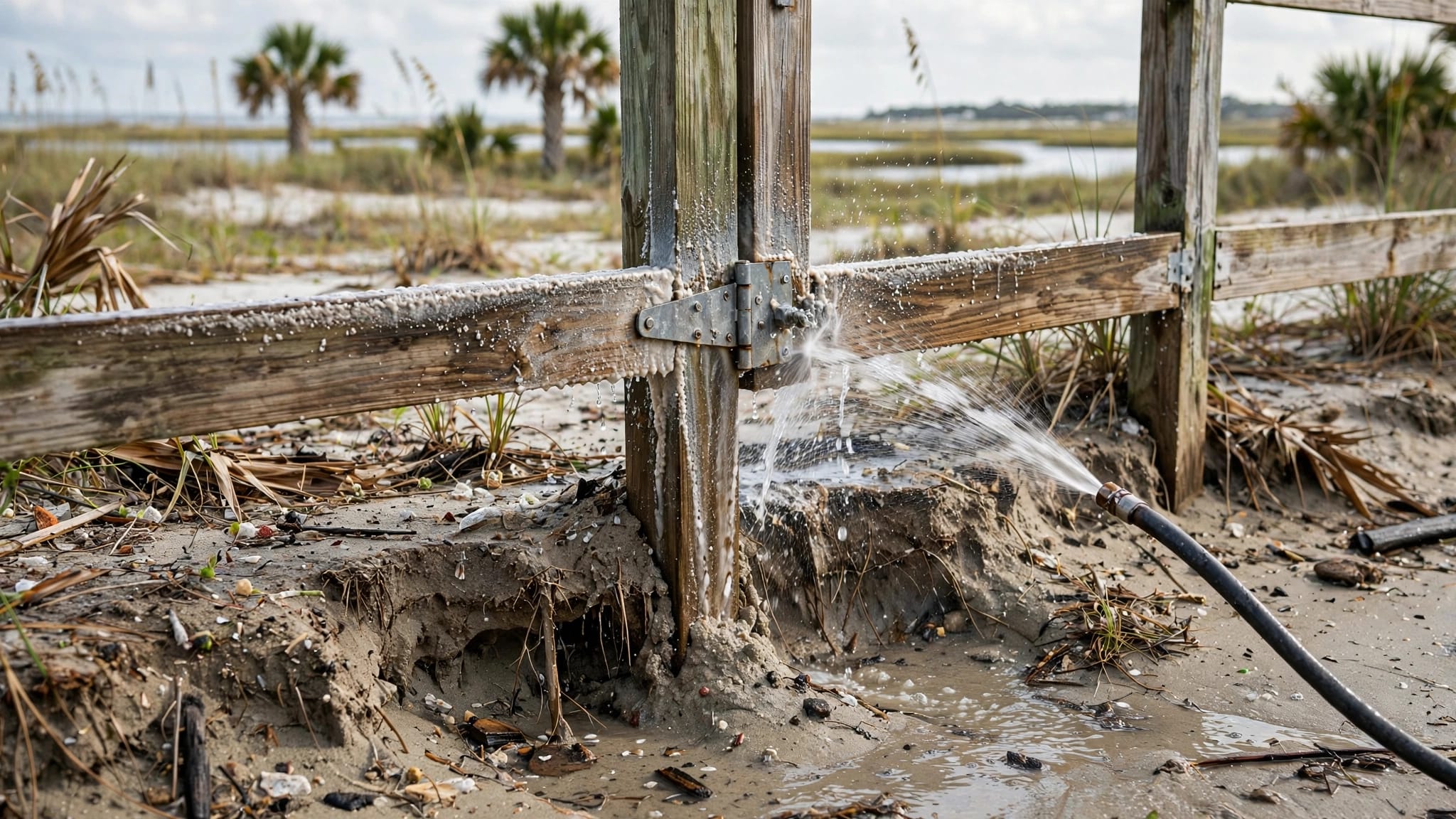
Salt spray from the Gulf or canals adds minerals. They etch the surface slightly. Combine that with storms, and debris piles up. Wind-blown sand acts like fine sandpaper over months.
Heat expansion stresses vinyl too. Panels shift daily, rubbing dirt deeper. For details on this, see our vinyl fence heat expansion guide for Southwest Florida summers. Inland yards fare better than waterfront ones. Trees help by blocking direct rays. Still, no fence escapes unscathed here.
Spotting Early Signs of Yellowing
Look for uneven patches first. Top rails yellow quicker from overhead sun. Bottom sections show algae marks from splash-up.
Test with water. Spray a hose; if dirt runs yellow-brown, it's surface buildup. Persistent tint after rinsing means deeper damage.
Feel the texture. Chalky powder signals UV wear. Smooth but discolored spots point to oxidation. Act early. Small fixes beat full replacement.
Prevention Steps to Keep Your Fence White
Choose quality vinyl upfront. Pick fences with UV inhibitors and thick walls. Thicker resists breakdown better. During install, pros space parts right for our heat.
Rinse monthly. Use garden hose and soft brush with dish soap. Avoid pressure washers; they pit the surface. For salt-heavy areas, wash biweekly.
Trim plants back. Vines trap moisture and block cleaning. Keep sprinklers aimed away from the fence line.
Apply protectant yearly. Vinyl-safe sealers with UV blockers refresh the shield. Test a small spot first. Reapply after big storms.
Inspect hardware. Swap rusty parts fast. Tighten loose screws gently. Solid posts prevent sagging that rubs dirt in.
Opt for pros who know local needs. They select grades built for Florida. Check our take on vinyl fence lifespan in Southwest Florida for long-term tips.
| Prevention Habit | Why It Helps | Florida-Specific Tip |
|---|---|---|
| Monthly rinsing | Removes pollen/salt | Do after rain to beat sun-bake |
| UV sealant | Blocks rays | Reapply pre-summer |
| Plant clearance | Cuts moisture | Trim 6 inches from panels |
| Quality install | Allows movement | Use local contractors |
These steps add years of white. Homeowners who follow them report fences looking new at 10 years.
Safe Ways to Clean Yellowed Vinyl Fences
Start gentle. Mix warm water and mild soap like Dawn. Scrub with soft-bristle brush. Rinse top to bottom.
For stubborn algae, add white vinegar (1:1 with water). Let sit 10 minutes, then rinse. Vinegar cuts organic growth without harm.
Skip bleach, ammonia, or TSP. They strip protectants and yellow faster later. No abrasives like steel wool or stiff brushes. They scratch and trap grime.
Pressure wash only low setting, over 2 feet away. Test first; many pros avoid it on white vinyl.
Dry naturally. Wipe hardware to stop rust drips. Clean shaded spots most; they hide mildew best.
After cleaning, seal within a week. This locks in freshness. Repeat seasonally. Your fence bounces back with patience.
For pro help restoring looks, consider professional vinyl fence installation in Cape Coral. They spot issues early.
Restore a Badly Yellowed Fence
Mild cases clean up easy. Heavy UV damage may need replacement panels. Match old ones exactly for seamless look.
Sand lightly only as last resort, then seal heavy. Pros handle this best to avoid uneven spots.
Final Thoughts on White Vinyl Care
White vinyl shines in Florida yards when you fight yellowing smart. UV sun, humidity, and salt cause most trouble. Prevent with rinses, sealers, and quality setup.
Catch it early, and fixes stay simple. Your fence stays crisp for backyard barbecues and pool days. Solid maintenance pays off here. Keep it white, and enjoy the view.
(Word count: 982)