Why Driveway Gate Remotes Work Only at Close Range
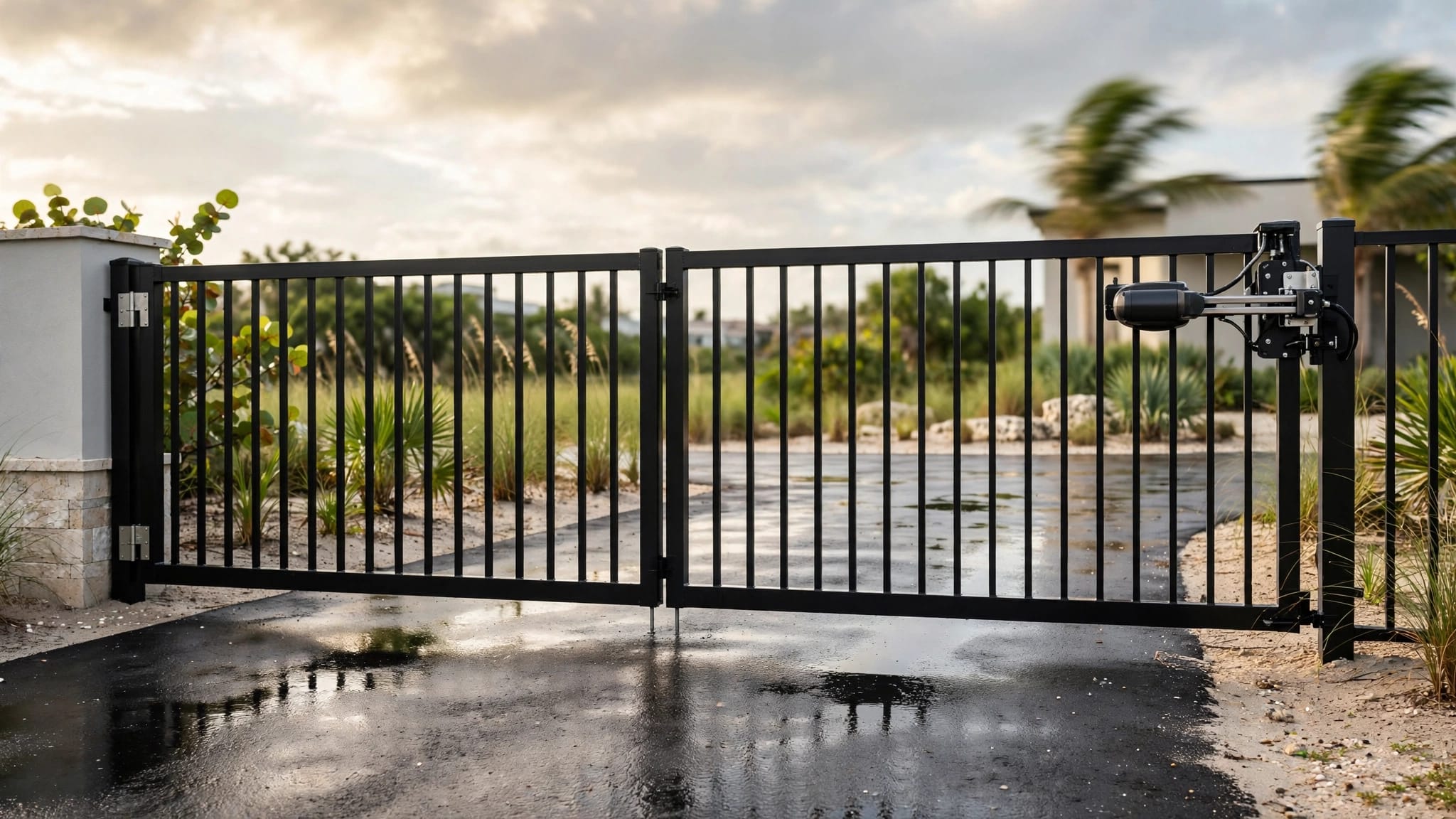
A driveway gate remote that works only when you're nearby has an unreliable operating range . That symptom alone doesn't identify the fault, and it doesn't necessarily mean the gate itself needs replacement.
Before arranging service, note how the gate responds and whether it completes its cycle. Those observations can help a qualified technician assess the system while you avoid unnecessary movement of a heavy gate.
Key Takeaways
- A remote that works close to the gate has a range problem, but the symptom doesn't point to one confirmed cause.
- Note which remote you used, where you were, and whether the gate moved normally after responding.
- Keep people and vehicles clear of the gate's travel path, and avoid repeated attempts if the gate stops or scrapes.
- Look for visible damage and changes around the gate without opening electrical equipment or adjusting hardware.
- Contact a qualified automatic gate technician when the problem continues or the gate's movement appears unsafe.
What a Short Driveway Gate Remote Range Tells You
If your remote works near the entrance but not at your usual stopping point, the gate is receiving at least some commands. The change is worth documenting, especially if you previously used the same control successfully at that location.
However, a successful command doesn't tell you whether every part of the system is working properly. It also doesn't establish that the gate will complete its next cycle. Pay attention to the full response, not only the moment the gate starts moving.
A response and a completed cycle are different
A gate that doesn't respond until you're close presents a different symptom from one that starts moving and then stops halfway. Both can occur at the same property, but they need clear descriptions.
For example, note whether the gate opened completely after it responded or stopped before reaching its normal position. If it stopped, record whether it was opening or closing. Our guide to driveway gates that stop mid-cycle covers the visible conditions to document when movement is interrupted.
One successful opening doesn't prove reliability
A gate may respond once after several unsuccessful attempts. That single response doesn't explain the earlier behavior or establish that the problem is resolved.
Rather than repeatedly cycling the gate to reproduce the issue, write down what happened during normal use. If the gate begins scraping, stops repeatedly, or appears damaged, leave it inactive and arrange a professional evaluation.
Record the Details Before Calling for Service
A clear description helps a technician understand what you've observed without requiring you to dismantle equipment. Start with the change that prompted your call: the remote now works close to the gate but doesn't respond at the place where you normally use it.
Then add the details you already know. You don't need to reproduce the problem several times to make a useful report.
Describe the remote and your usual approach
If your household has more than one remote, identify the control involved and whether you've noticed the same behavior with another one during ordinary use. Tell the technician if the change affects every user or if you only have information about one remote.
Describe your normal position in practical terms, such as a familiar stopping point on the driveway. You can also mention whether you were inside a vehicle or standing outside it. These details describe the circumstances without turning an observation into a diagnosis.
Note what happened after the gate responded
Record whether the gate opened, closed, or stopped partway through its movement. For a double gate, note whether both leaves moved and whether both stopped together.
Include any unusual sounds, visible scraping, or contact with the ground. If the problem followed a storm or another change around the entrance, mention that timing as well. A technician can consider those details alongside the condition of the equipment.
Keep Gate Troubleshooting Safe
Automatic driveway gates are heavy, and their movement can create pinch or crush hazards. Even when the remote seems unreliable, treat the gate as equipment that could start moving unexpectedly.
Keep children, pets, and vehicles outside the travel area. Avoid standing between a gate leaf and a post, reaching behind rollers, or putting your hands near hinges while the system could operate.
Don't force a stopped gate
If the gate stops, don't push or pull against an engaged operator. Forcing a heavy gate can damage components or cause unexpected movement.
Automatic gates have different manual-release procedures. A release can also allow a gate to move under its own weight, particularly on a slope or in wind. Use it only if you understand the manufacturer's procedure and can follow its safety instructions. Otherwise, leave the release to a qualified technician.
Leave powered equipment closed
A homeowner can document the exterior condition of an installation without removing covers or handling wiring. Don't open electrical equipment, adjust operating settings, or bypass a safety device.
If the gate has visible damage or repeatedly stops during travel, leave it inactive. Tell the technician if the stopped gate blocks your driveway so access needs can be considered when arranging service.
Look for Visible Gate Problems From a Safe Distance
A short remote range and a physical gate problem are separate observations. If you notice both, report both rather than assuming one explains the other.
Stand outside the moving gate's path and look at the parts you can see without reaching into the mechanism. A photograph can help document a change for the service visit.
Check the gate's position and clearance
Look for a leaf that appears lower than usual, uneven gaps near the posts, or fresh marks where metal has rubbed. On a sliding gate, note visible debris near the track without reaching around wheels or rollers.
For a double gate, look at how the leaves meet. A change in the center gap or a leaf that no longer lines up with its usual stopping position deserves attention. Don't loosen hinges or brackets to correct it yourself. Those parts support the gate's weight.
Note damage around posts and hardware
Visible cracks, a leaning post, broken welds, or loose hardware are reasons to request professional inspection. A shifted post can affect the gate's alignment, while damaged hardware may make movement less predictable.
Also look at the ground around the entrance. Recent paving, landscaping, or erosion may have changed the surroundings. Document what you see without assuming that a ground condition caused the remote complaint.
Consider Southwest Florida Weather in Your Notes
Heat, salt air, heavy rain, and storms can affect a driveway gate's surroundings. They also give a technician useful context when you describe when you first noticed a problem.
Weather timing alone doesn't establish a cause. A range complaint noticed after a storm may need the same careful assessment as one noticed on a clear day. Report the timing and any visible changes separately.
After heavy rain or a storm
From a safe position, look for standing water, washed sand, fallen branches, or visible damage near the gate. If debris lies in the gate's path, don't activate the system until the area is clear and safe.
Photograph changes around supporting posts or the driveway surface. If a post appears unstable, or the gate has shifted or fallen, keep people away and arrange professional help rather than trying to reposition it.
During hot or humid conditions
Heat can change the clearance between gate components. A gate with little room near a post may show rubbing at one time of day and appear clear at another.
If you notice a changing gap or fresh scrape marks, record when and where you saw them. Don't adjust a loaded hinge or force the gate through a tight spot. The observation gives the technician a place to look without risking a sudden shift in the gate.
Maintain the Gate Without Disturbing Its Controls
Routine exterior care gives you a chance to notice changes before they become harder to describe. It also supports the physical gate, even though it doesn't establish the cause of a remote-range complaint.
A monthly visual look can cover the gate's frame, accessible hardware, and surrounding ground. Our guide to automatic driveway gates in Southwest Florida offers additional maintenance considerations for local conditions.
Clean accessible surfaces carefully
A soft cloth can clean accessible exterior surfaces. Keep water away from electrical equipment, and don't pressure-wash sealed mechanisms.
Avoid reaching into pinch points or behind moving parts to clean them. If a surface can't be reached safely while keeping clear of the gate and operator, leave that work for a professional.
Keep a short maintenance record
Write down the date when you notice rubbing, loose hardware, or a change in gate movement. Photographs taken from the same safe position can make a gradual change easier to see.
Keep any available service records with those notes. If a technician has previously repaired the gate, a record of the work can help provide context. It doesn't replace an assessment of the present condition, but it gives the technician a clearer history.
When to Contact a Gate Technician
Contact a qualified automatic gate technician if the remote continues to work only at close range. A professional assessment is also appropriate when the gate responds inconsistently, stops during movement, or has visible damage.
Describe the range complaint first, then share any separate concerns about the gate's travel or physical condition. That distinction helps keep the service request focused.
Information to have ready
Tell the technician which control you used and where you normally operate it. Explain when you first noticed the change and whether the gate completes its opening and closing cycles after responding.
Mention any visible scraping, loose hardware, post movement, or storm damage. If the gate blocks access, say so when arranging the visit. Photos and maintenance records can supplement your description without requiring you to open the equipment.
Choosing help for the gate and fence
Powered controls and automatic gate safety require qualified attention. Structural concerns, such as a sagging frame or leaning post, also need an assessment before someone adjusts or removes weight-bearing hardware.
At Supreme Fence of SWFL, we're based in Cape Coral and provide fence installation and repair throughout Southwest Florida. For an automatic gate concern, arrange for someone qualified to assess the powered system as well as any visible gate damage.
Frequently Asked Questions
Does a short remote range mean I need a new gate?
No. A remote that works only nearby doesn't establish that the gate structure needs replacement. Describe the symptoms and have the system assessed before deciding on a repair or replacement.
Should I keep pressing the remote until the gate opens?
Avoid repeated attempts, particularly if the gate stops, scrapes, or moves unpredictably. Keep the travel area clear and arrange service if the problem continues.
Can rain explain why the gate stopped?
Rain can change conditions around an entrance, but rain alone doesn't identify why a gate stopped. Record any standing water, shifted soil, or visible damage, and share those observations with the technician.
Is it safe to open a stopped gate by hand?
Don't force a gate while its operator is engaged. Manual-release procedures vary, and a heavy gate can move unexpectedly after release. If you can't follow the manufacturer's safety instructions, leave it to a qualified professional.
Get a Clear Answer Before Replacing Equipment
A close-range response tells you that the gate isn't behaving as expected, but it doesn't identify a particular fault. Your most useful contribution is a clear record of what happened and how the gate moved afterward.
Keep the area safe, document visible changes, and leave powered-system work to a qualified technician . That approach gives the person assessing the gate useful information without putting you near moving or electrical components.