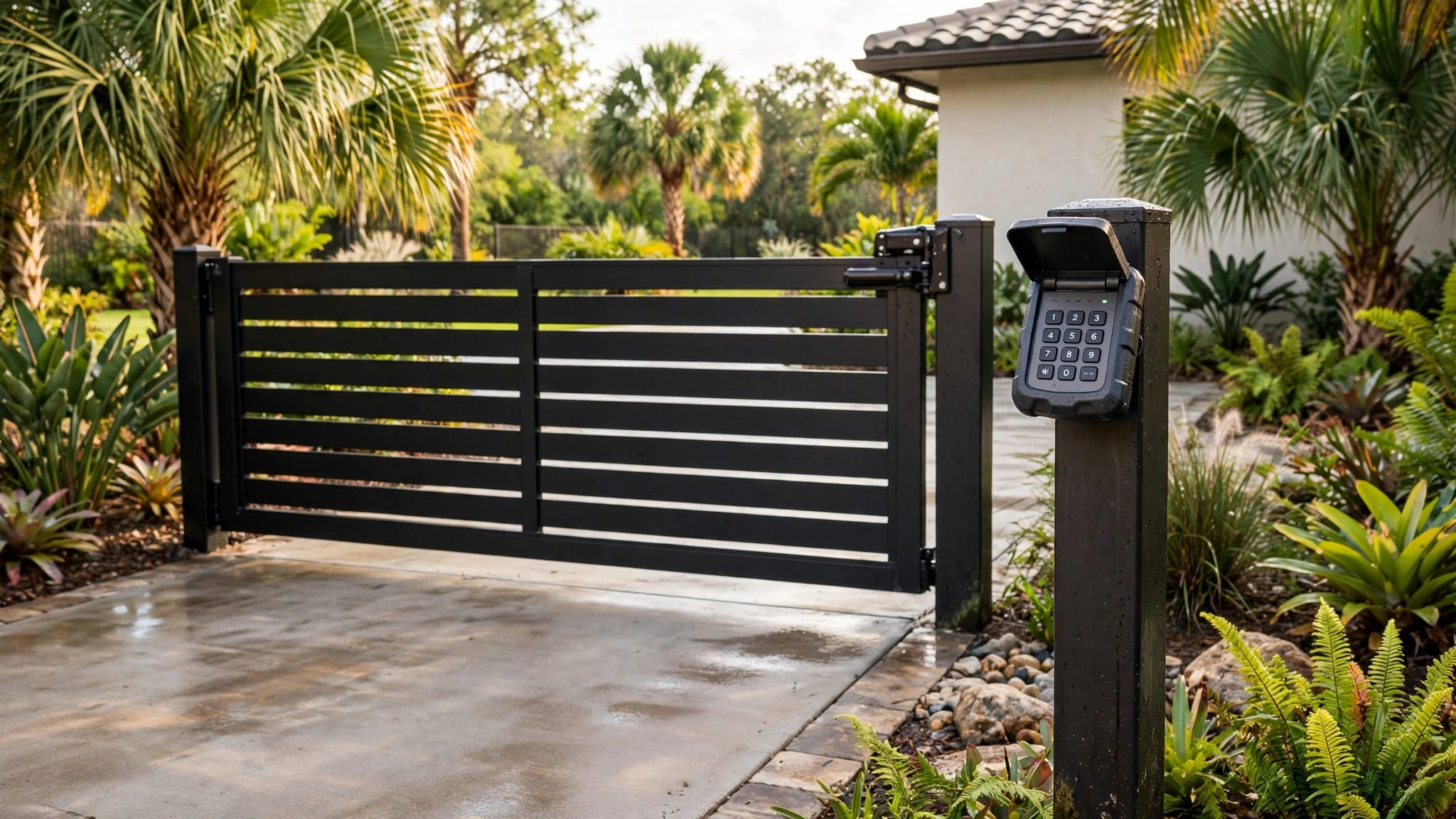
Why Automatic Gate Safety Sensors Reverse in Florida Rain
Automatic gate safety sensors may be associated with reversals after heavy Florida rain when moisture, debris, shifted equipment, or damaged connections interfere with the safety system. Water around the gate can also create a physical obstruction, so the sensor isn't always the source of the problem.
A reversal is a warning to observe , not a reason to keep pressing the remote. Once conditions are safe, a few checks can help you describe the issue without entering the gate's path or opening electrical equipment.
What a Gate Reversal Can Tell You
A gate that starts closing and then moves back may be responding to a safety condition. It may also be reacting to resistance elsewhere, such as a gate dragging against the ground or debris in its path.
The timing offers a useful clue. If the issue appears during a downpour or after water collects near the gate, note those conditions. However, rain alone doesn't establish which component caused the reversal.
Also pay attention to how the gate moves. Did it reverse near the same point each time? Did you hear scraping, or did one side of a double gate move differently than the other? Those observations can help a qualified technician narrow down the problem.
A gate that moves normally after drying out hasn't necessarily been fixed. Intermittent problems can return during the next storm, especially when the underlying condition remains in place. For related warning signs, see our guide to why Florida driveway gates stop mid-cycle.
Dirty Lenses and Shifted Sensors After a Storm
Rain can change the condition of the area around your gate in a short time. Wind-driven debris, muddy splashes, and movement at posts or mounting points can leave sensor equipment looking different after a storm.
Dirt and debris on accessible lenses
A sensor lens near a driveway can collect mud, grass clippings, leaves, and residue carried by runoff. Irrigation overspray and coastal salt can also leave buildup on exposed surfaces.
Look for a film or debris on any lens you can see from a safe position. A leaf resting against a sensor housing is useful information, but avoid reaching into the gate's travel area to retrieve it. Keep your hands away from hinges, rollers, and spaces where the gate could move.
Dirty lenses are one possible concern, but they don't prove that a sensor caused the reversal. The gate's surroundings and physical condition matter too.
Changes around sensor mounting points
Storm debris or a shift in a supporting post can leave a sensor housing out of its usual position. You might notice a crooked bracket, a housing that appears loose, or a post that no longer looks straight.
A visible change deserves attention, especially if the problem began after strong wind or flooding. Don't try to realign the device or tighten its mounting hardware yourself. Document what you see and leave the adjustment to a qualified gate technician.
Moisture, Wiring, and Connection Warning Signs
Automatic gate equipment lives outdoors, but water collecting where it doesn't belong can create problems. A rain-related interruption may point to a housing, cable, or connection that needs professional attention.
Moisture inside a housing
Cracked covers, damaged seals, and other openings can allow moisture into equipment. From outside the housing, you might see a crack, a displaced cover, or moisture where it wasn't visible before.
These signs don't identify the exact fault. Still, they give a technician a useful starting point, particularly if the gate reverses during wet weather and operates differently after the area dries.
Don't remove a cover to look inside. If equipment appears flooded or water is close to an electrical enclosure, stay away and arrange professional service.
Exposed or damaged wiring
Wiring near a gate can be affected by standing water, landscaping work, shifting soil, or damage to a protective cover. In coastal Southwest Florida, moisture and salt exposure can also contribute to corrosion over time.
Look only at what is visible without touching or moving anything. A damaged cable covering, a loose-looking connection, or corrosion near an enclosure is worth noting. Leave electrical diagnosis and any work on connections to a qualified technician.
Pooling Water Can Affect More Than Sensors
A gate may reverse in rainy weather because the ground and gate path have changed. Even when automatic gate safety sensors appear undamaged, standing water and storm debris can point to a separate problem nearby.
Mud, sand, and debris in the gate's route
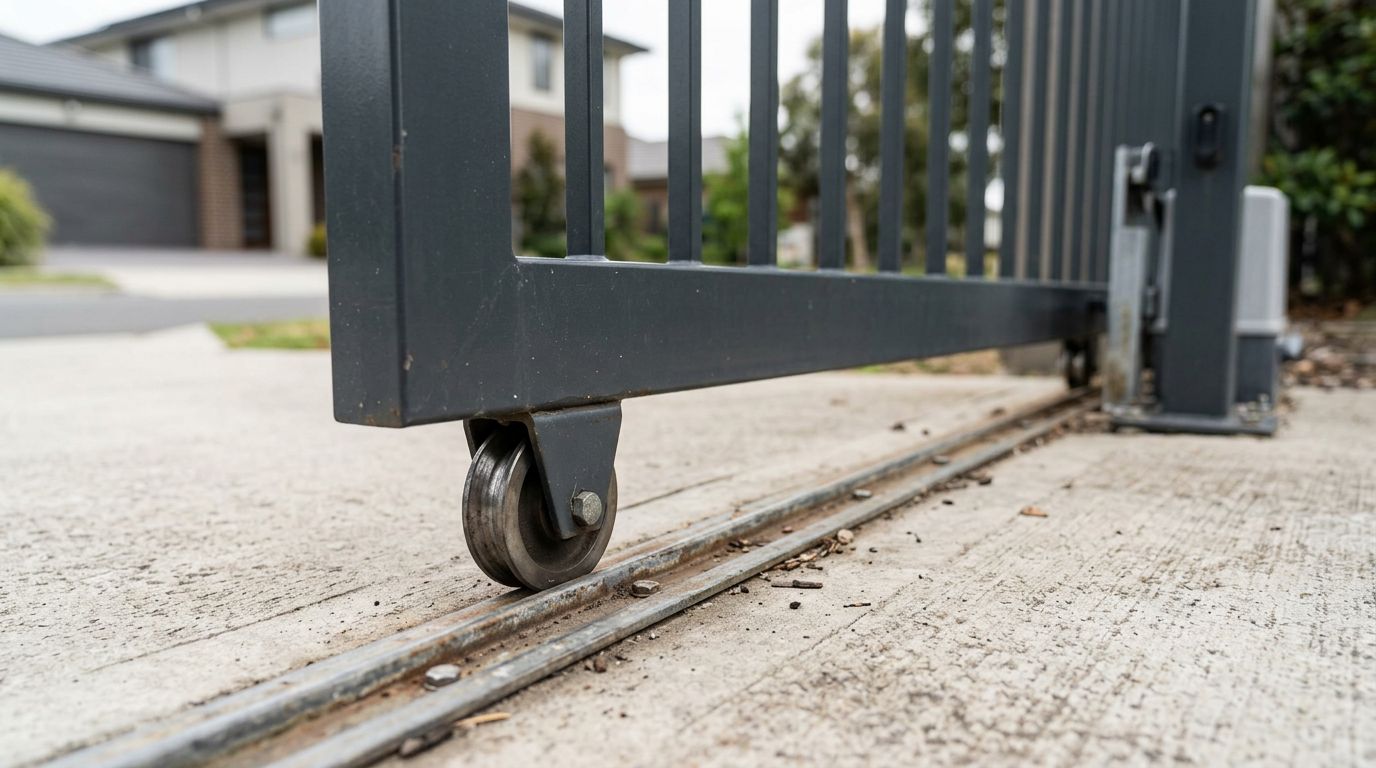
Runoff can carry sand and leaves onto pavement or into the visible track of a track-mounted sliding gate. A swing gate may encounter washed-in material or a patch of ground that has become uneven.
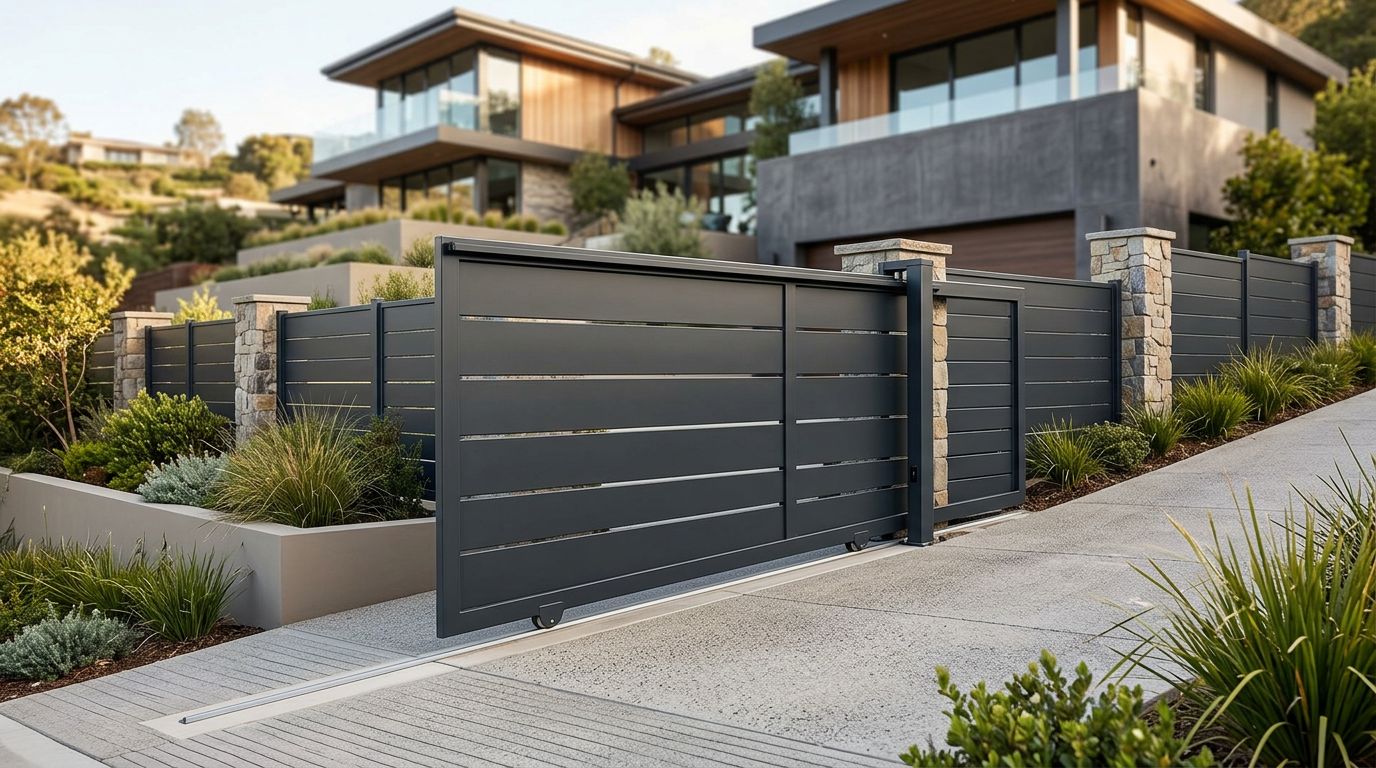
Look from outside the movement area for fresh debris, scrape marks, or a corner of the gate sitting unusually close to the ground. A cantilever sliding gate uses different support hardware and doesn't have a ground track, so focus on the visible path and supports instead.
Don't force a gate through an obstruction or reach underneath it to clear material.
Soft soil and water around posts
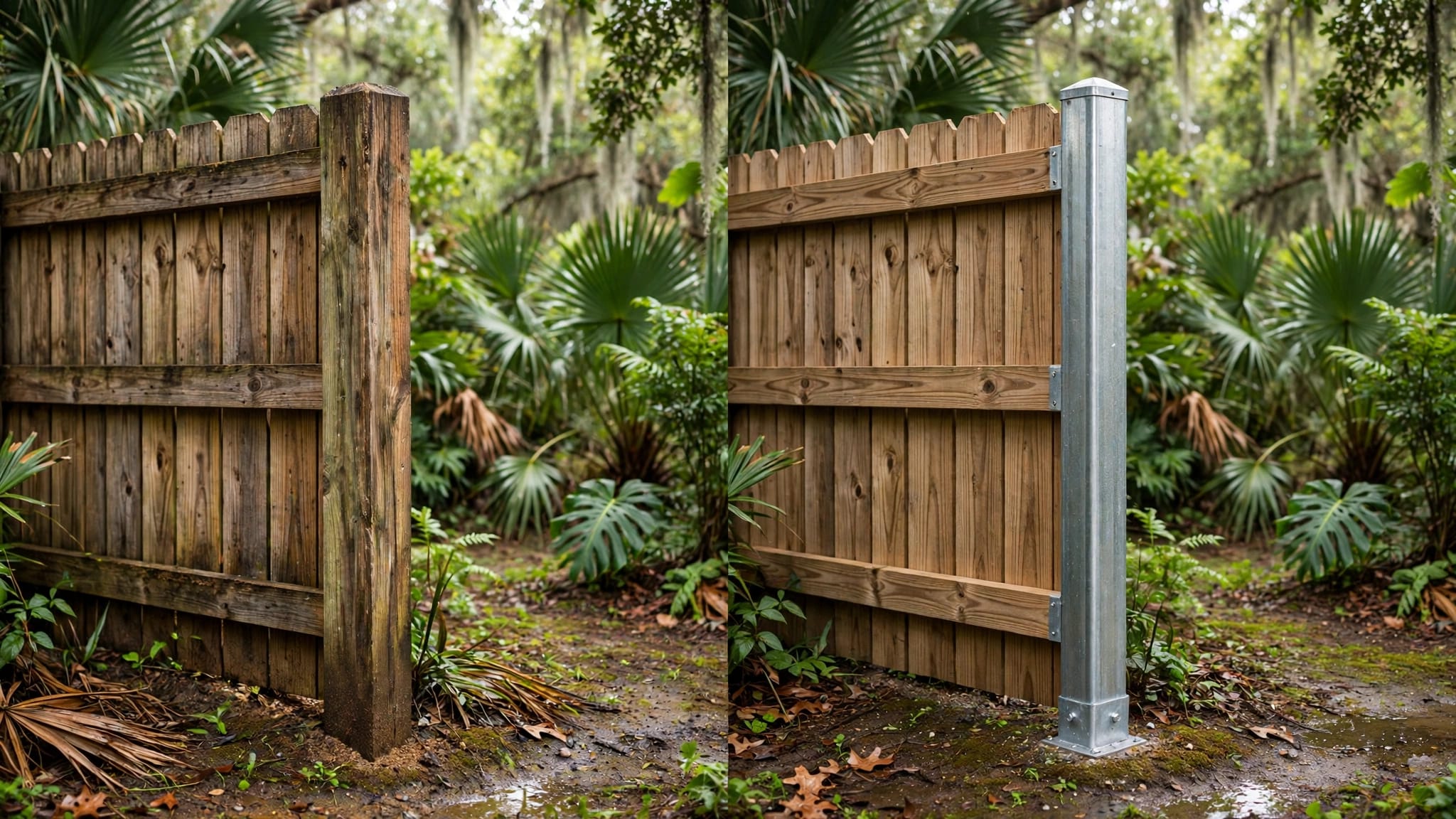
Water that repeatedly collects around a post can soften the surrounding soil. Erosion may expose part of a footing or leave a gap beside the post. Over time, a change in support can affect gate alignment and clearance.
Photograph standing water, exposed concrete, or a post that appears tilted. Don't push or shake the post to test it. If the same area holds water after multiple storms, the property may need drainage or grading work as well as a gate inspection.
Safe Checks to Make After Heavy Rain
Wait until the storm has passed and conditions are safe before inspecting the gate area. Keep children, pets, and vehicles away from the gate's full swing or slide path. A gate that appears stopped can move unexpectedly.
Use these steps to gather information without dismantling equipment:
- Stop sending commands to the gate. Repeated attempts can put people or property at risk and may worsen visible damage.
- Observe the gate from a safe distance. Note its position, which direction it was moving, and whether you heard scraping.
- Photograph visible concerns. Include standing water, debris, damaged housings, shifted posts, and any fresh rubbing marks.
- Look at accessible exterior surfaces. If you can safely disable automatic operation using the manufacturer's procedure, a soft, dry cloth can clean an accessible lens without entering the travel area.
- Stop if access feels unsafe. Leave the gate inactive and arrange service if cleaning would require reaching near moving parts, handling wiring, or standing in water near electrical equipment.
Never pressure-wash the equipment or spray water into a housing. Don't bypass a safety device or ask someone to stand in the gate's path to test it.
If you can't safely disable automatic operation, leave the lens alone. A technician can inspect it along with the rest of the system.
Record the Pattern Without Repeating the Problem
A useful service description includes what happened before the gate reversed, not just the fact that it was raining. Write down whether the gate was opening or closing and where it stopped. For a double gate, note whether both leaves moved together.
Weather details can also help. Record whether water was still standing near a post, whether wind had moved branches into the area, and whether the problem appeared during rain or after the storm had passed.
Add any recent changes around the entrance. New landscaping, driveway work, irrigation changes, or storm damage may give a technician helpful context. None of these details proves a cause on its own.
A photo taken from the same safe position after a later storm can show whether a post, gap, or drainage pattern has changed. Avoid operating the gate repeatedly to recreate the problem. One successful cycle doesn't establish that the system is reliable.
When to Call a Gate Professional
Arrange an evaluation when the gate reverses repeatedly, behaves unpredictably, or shows signs of damage. A qualified automatic gate technician can assess the equipment and safety functions using the manufacturer's procedures.
Call for service when you notice any of these conditions:
- The gate reverses again after the visible exterior area is clean and dry.
- A sensor housing is cracked, loose, or appears to contain moisture.
- Wiring or a connection looks damaged, exposed, or corroded.
- The gate scrapes, a post looks tilted, or the frame appears misaligned.
- Water repeatedly reaches the equipment or collects around a support.
Leave an unstable or damaged gate out of service. If the gate blocks access, explain that when arranging the appointment so the technician understands the situation.
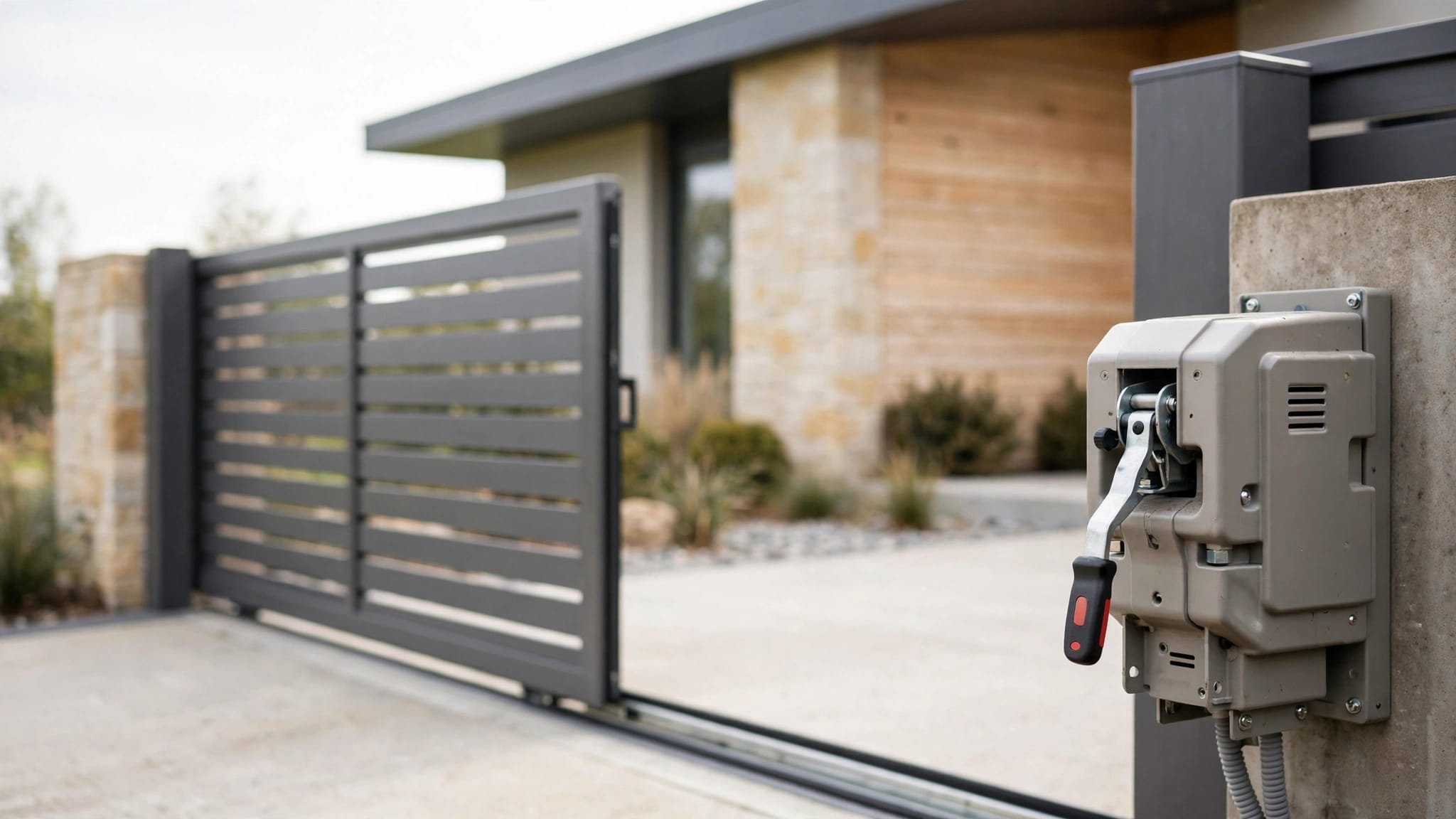
Don't force an engaged automatic gate by hand. Manual-release procedures vary, and a heavy gate may move unexpectedly after release, especially on a slope or in wind. If you can't follow the manufacturer's procedure safely, leave it to a professional.
Reducing Rain-Related Problems at Your Entrance
Good drainage and clear surroundings make it easier to spot changes before they become larger problems. After a safe, dry period, look at where runoff collects and whether leaves or landscaping have built up near the gate path.
Pay attention to downspouts and irrigation that send water toward posts or equipment. Recurring pooling may need a site-level drainage solution rather than another cleanup after each storm. Likewise, a shifted post needs structural attention rather than a quick adjustment to nearby hardware.
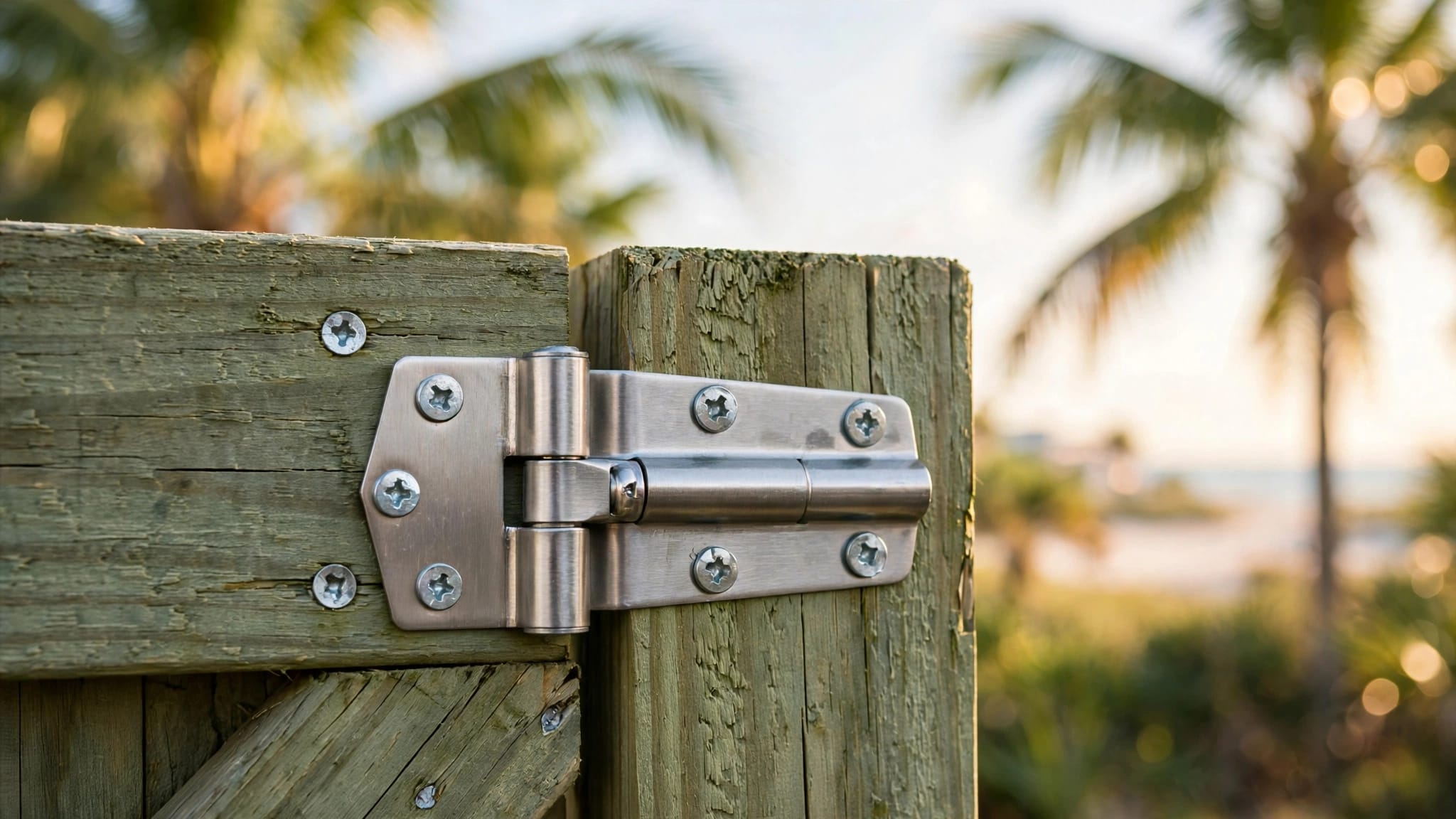
Coastal exposure also matters. Salt and moisture can affect hinges, fasteners, and other visible components even when the gate panels look sound. Note rust staining, flaking finishes, or loose-looking connections during your visual checks.
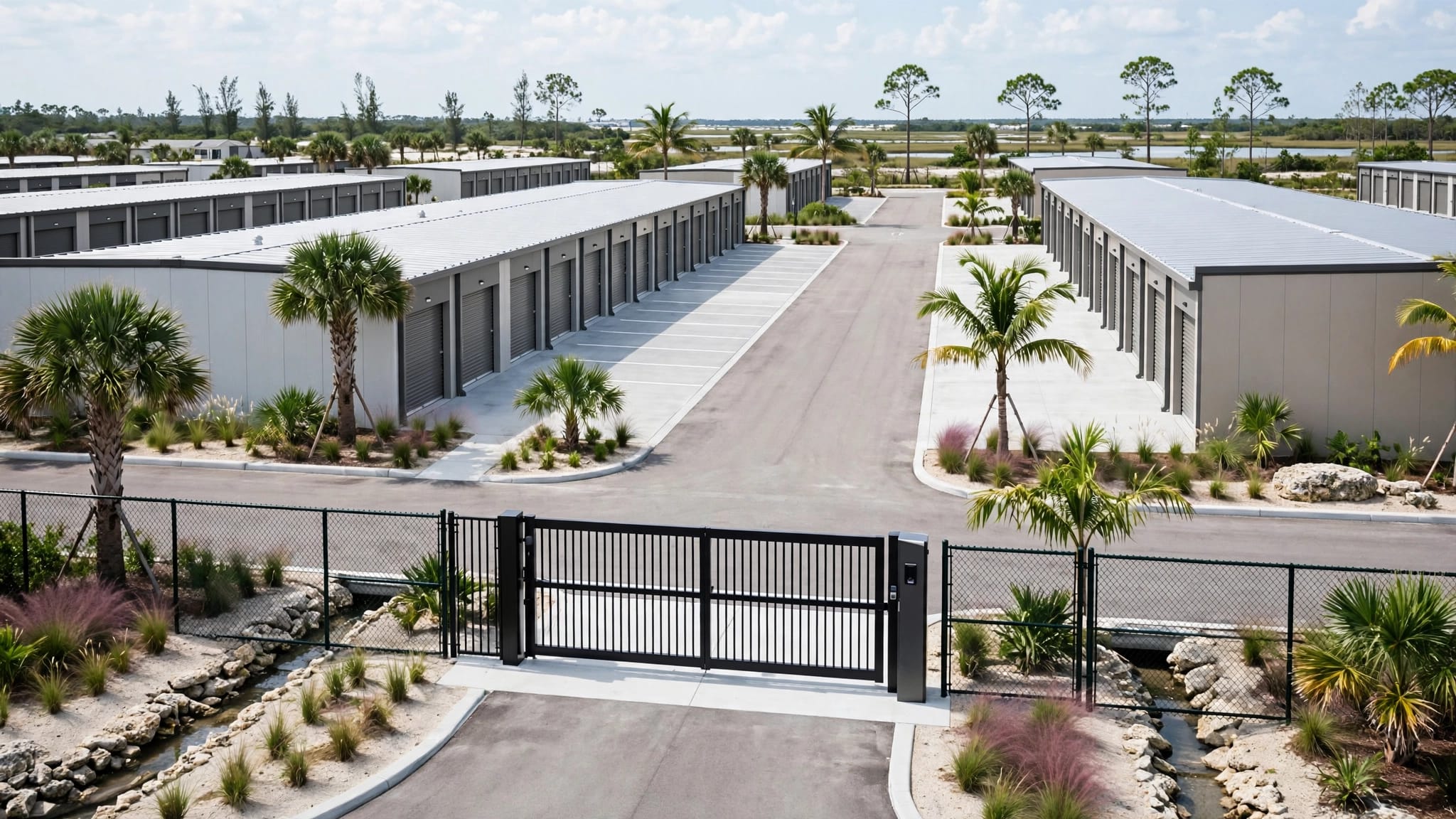
When planning a new entrance, gate style and site conditions belong in the same conversation. Our guide to automatic driveway gates in Southwest Florida covers how swing and sliding layouts fit different properties. At Supreme Fence of SWFL, we also help property owners with fence installation and repair.
Treat Repeated Reversals as a Safety Issue
Heavy rain can expose several conditions around an automatic gate, including dirty surfaces, moisture intrusion, damaged connections, and poor drainage. The timing helps describe the problem, but it doesn't identify the cause by itself.
Keep the gate area clear, document what you can see, and avoid repeated operation. When reversals continue or equipment looks damaged, a qualified gate technician can assess the system before it returns to service.