Aluminum Fence Lifespan in Southwest Florida
You install an aluminum fence expecting it to outlast the neighbors' wood or chain link. Then salt air from the Gulf starts chipping the powder coat, and storms test every fastener. Homeowners in Cape Coral or Fort Myers often wonder how long their investment really holds up here.
Southwest Florida's heat, humidity, and coastal winds shorten many fences' lives. Yet aluminum stands out because it resists rust better than steel. Expect aluminum fence lifespan ranges of 20 to 40 years with care, though coastal spots lean toward the lower end.
This guide covers what affects durability, real timelines, and simple steps to extend yours. You'll see why location matters most.
Key Factors Shaping Aluminum Fence Lifespan Here
Aluminum itself doesn't rust like iron. It forms a protective oxide layer that fights corrosion. But in Southwest Florida, other forces wear it down.
Quality counts first. Thicker rails and better welds handle wind better. Cheap imports often bend in the first hurricane season. Powder coating adds protection, yet it fades under constant UV and salt spray.
Location splits results wide open. Inland in Lehigh Acres, fences last longer with less salt buildup. Coastal yards near canals or beaches face daily salt mist. That speeds fastener corrosion and coat wear.
Installation plays a role too. Deep posts in concrete resist shifting sandy soil after rains. Poor footings lead to leans that stress joints over time.
Here's a quick breakdown of main influences:
| Factor | Inland Impact | Coastal Impact |
|---|---|---|
| Salt Air | Minimal | High; attacks hardware fast |
| UV Exposure | Fades color slowly | Intense; chalks powder coat quicker |
| Storms | Occasional stress | Frequent; tests every seam |
| Soil Moisture | Stable | Shifts posts after floods |
Poor upkeep halves lifespan anywhere. Neglect salt rinse, and screws pit early. Good habits push toward 30-plus years.
Typical Aluminum Fence Lifespan Ranges in SWFL
No fence gets a firm "forever" promise. Conditions vary too much. Most quality aluminum fences hit 25 to 35 years average here.
Inland setups often reach 30 to 40 years. Less salt means slower hardware failure. Powder coats stay glossy longer with basic rinses.
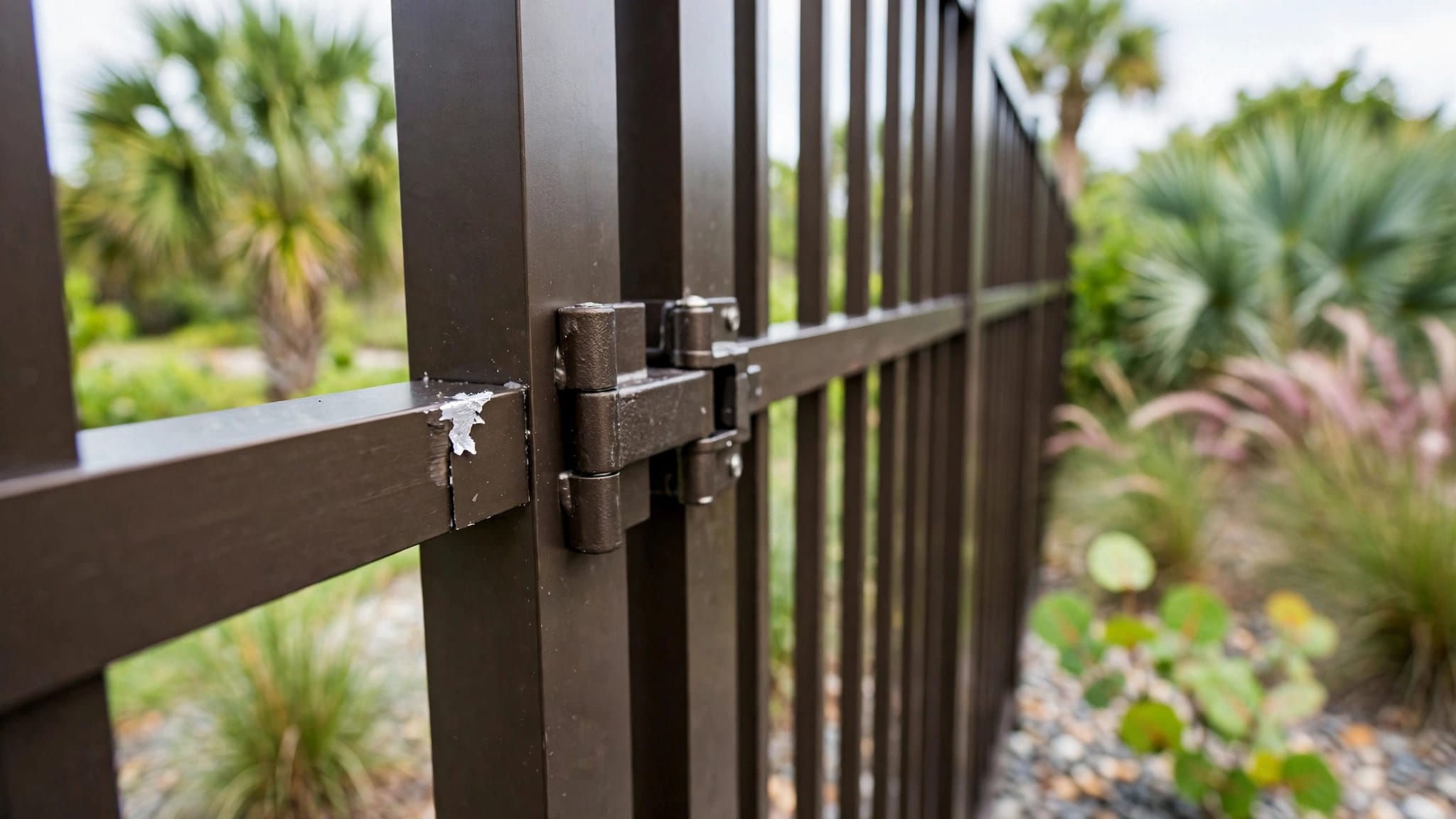
Coastal fences average 20 to 30 years. Salt air corrodes stainless screws over time. Hinges bind, gates sag. Yet proper care keeps them functional past 25.
Premium brands with marine-grade coatings stretch to 40 years even near water. Think thicker powder layers and solid stainless hardware.
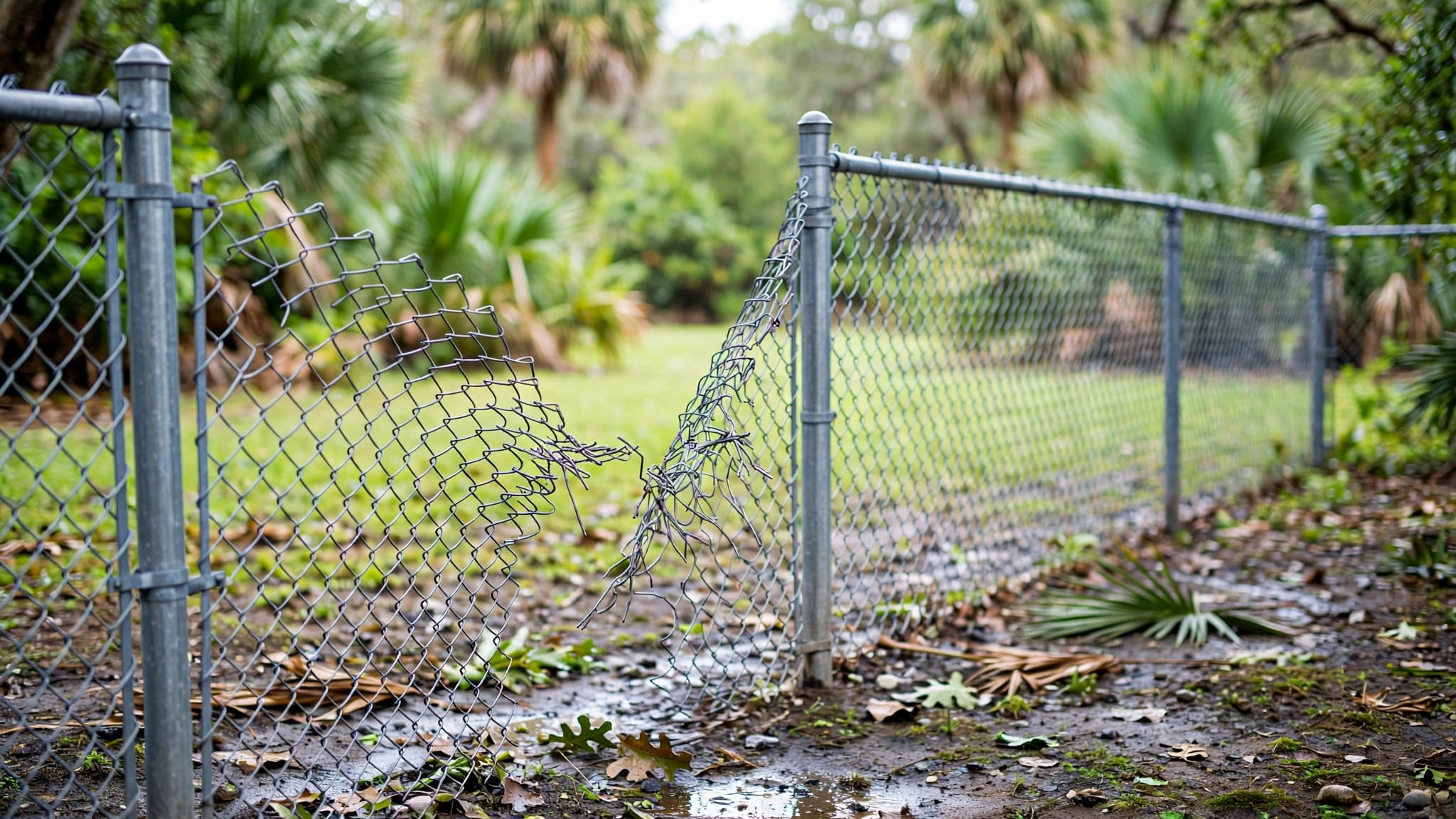
Storms accelerate wear. A direct hit racks panels, loosens pickets. Multiple events compound damage.
Compare to other materials: wood lasts 8 to 15 years here; vinyl 20 to 30. Aluminum wins on low upkeep if you stay ahead of issues.
Real example: A Cape Coral homeowner's 15-year-old fence still looks sharp after quarterly rinses. Neglected neighbor's? Rusty hinges already.
How Coastal Conditions Challenge Aluminum Fences
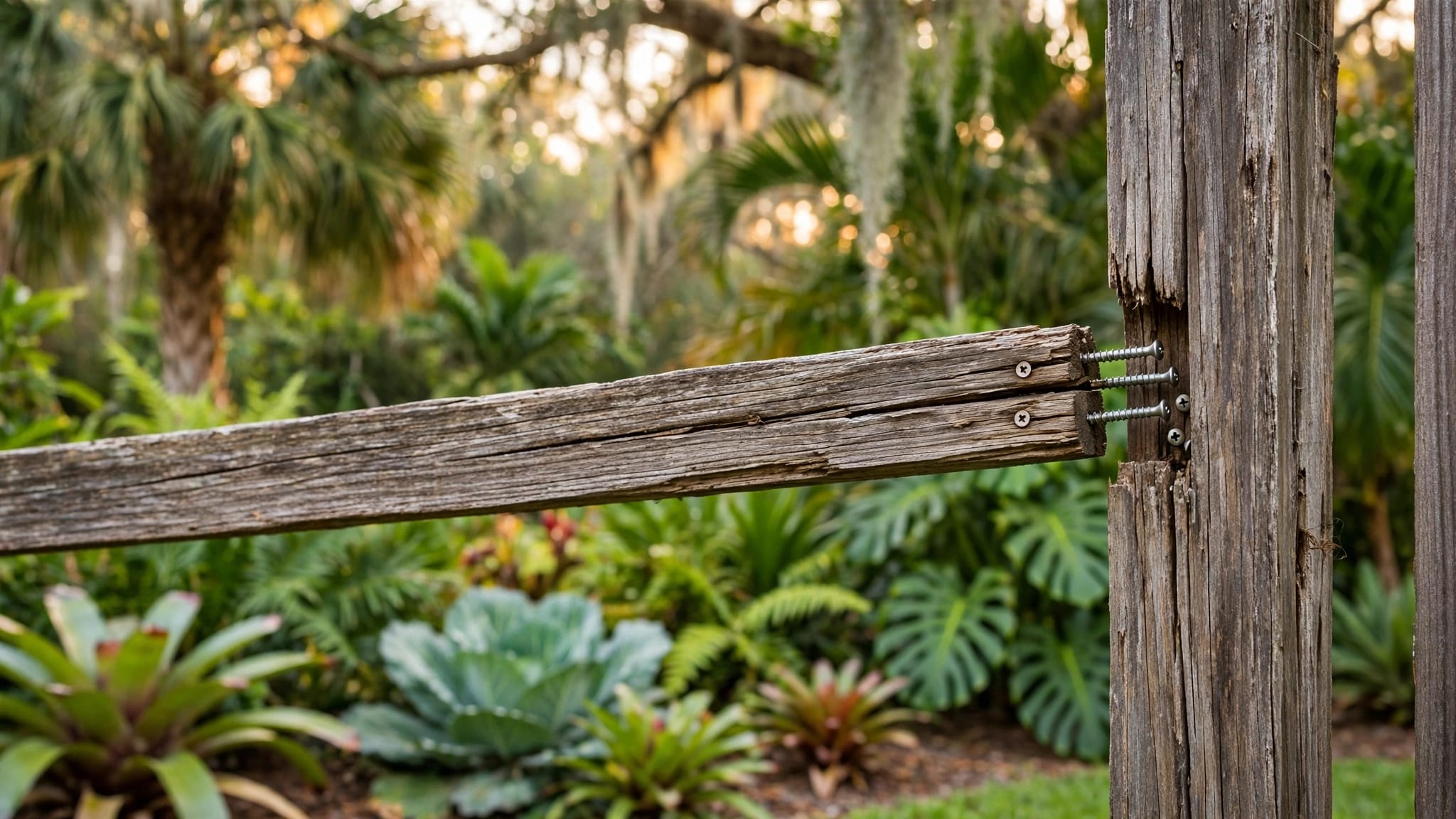
Salt air doesn't rust aluminum panels. It pits mixed-metal parts like steel screws or hinges. Over years, that weakens connections.
Humidity traps moisture in crevices. Powder coat chips from debris or branches. Bare spots expose metal to faster oxidation.
High winds from storms rack frames. Panels twist if posts shift in wet sand. Gates take the worst beating; daily use plus gusts loosen everything.
UV rays chalk the finish. Black or dark colors fade first, turning chalky. Inland, shade helps. Beachside? Full exposure daily.
Flooding soaks bases. Even rust-free aluminum gets stressed when soil erodes around posts.
Follow our Southwest Florida fence maintenance schedule by material for coastal tweaks. Monthly rinses cut salt buildup by half.
Practical Maintenance to Extend Your Fence's Life
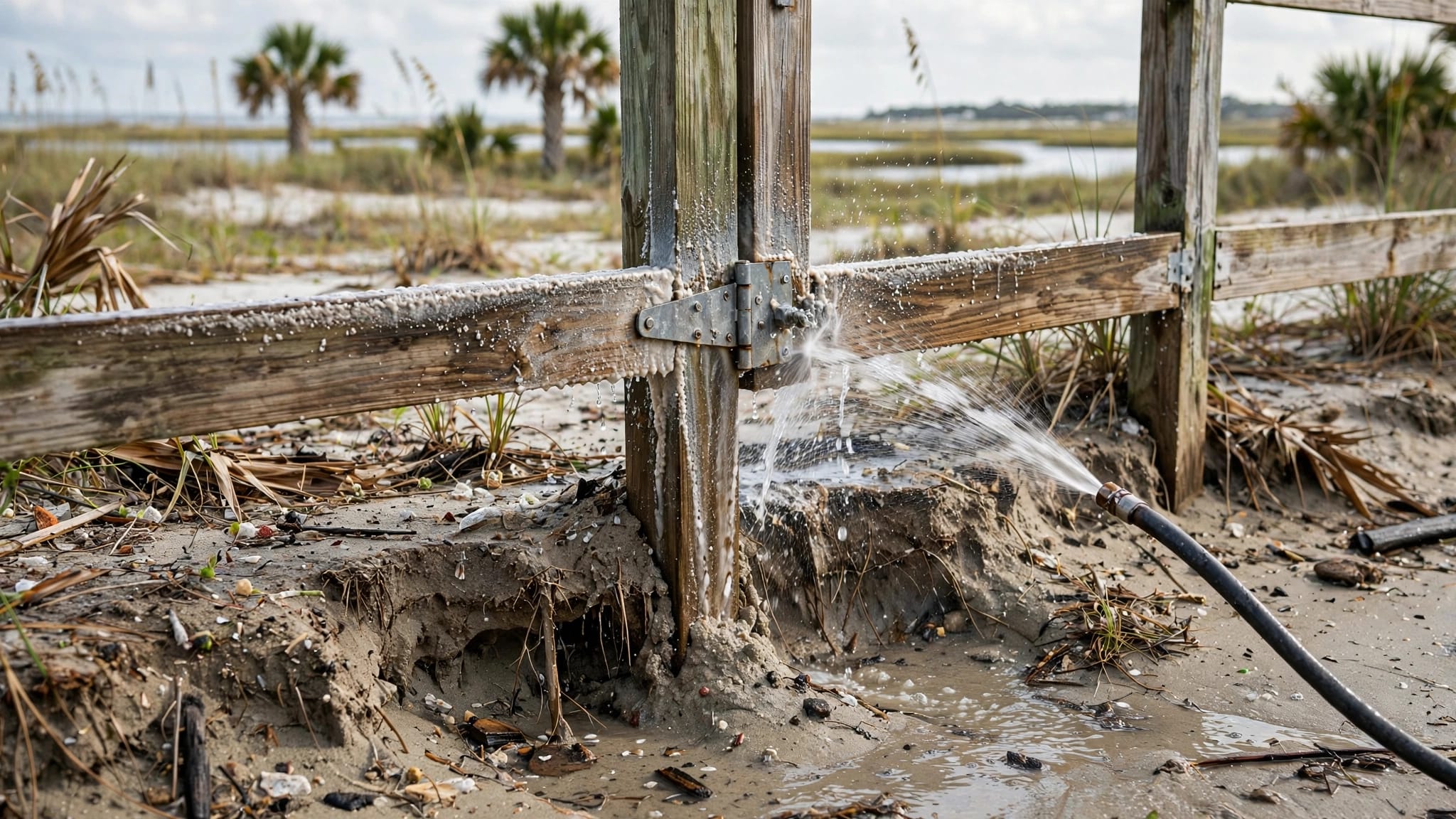
Rinse monthly, especially coastal. Hose off salt, pollen, and dirt. Mild soap works for stubborn spots; avoid abrasives that scratch coat.
Inspect quarterly. Check pickets for looseness, hinges for binding, posts for wobble. Tighten stainless screws early.
Before hurricane season, trim branches, secure gates. Our hurricane season fence prep checklist for Southwest Florida homes saves headaches.
Touch up chips yearly. Sand lightly, prime, then match powder coat. Keeps moisture out.
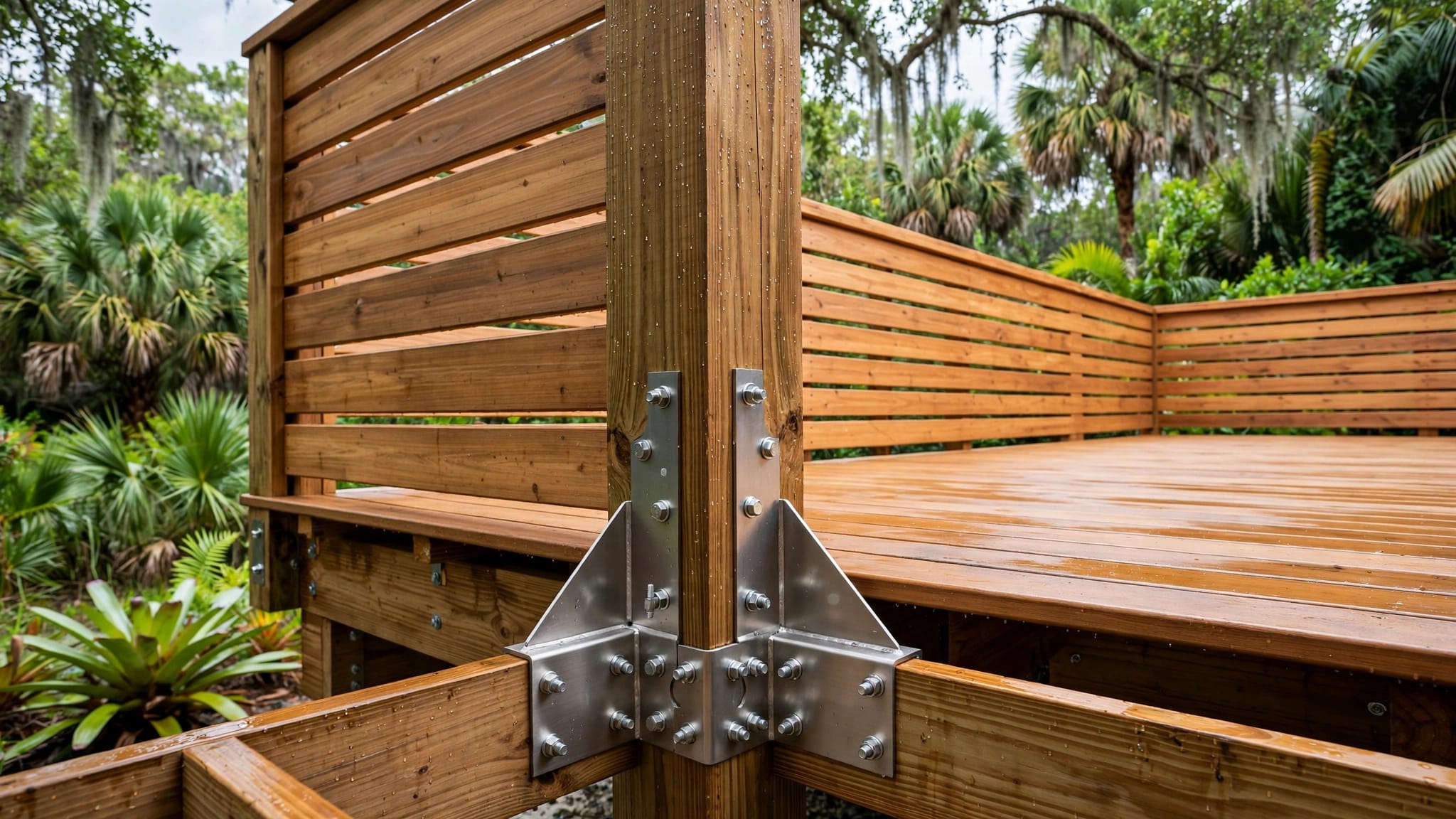
Coastal tip: Upgrade to all-316 stainless hardware. It resists salt better than standard.
| Task | Frequency | Why It Helps |
|---|---|---|
| Hose rinse | Monthly | Removes salt fast |
| Hardware check | Quarterly | Catches corrosion early |
| Coat touch-up | Yearly | Blocks oxidation |
| Post push test | Bi-yearly | Spots footing shifts |
Skip these, and lifespan drops 10 years. Stay consistent, add a decade.
When to Repair or Replace Your Aluminum Fence
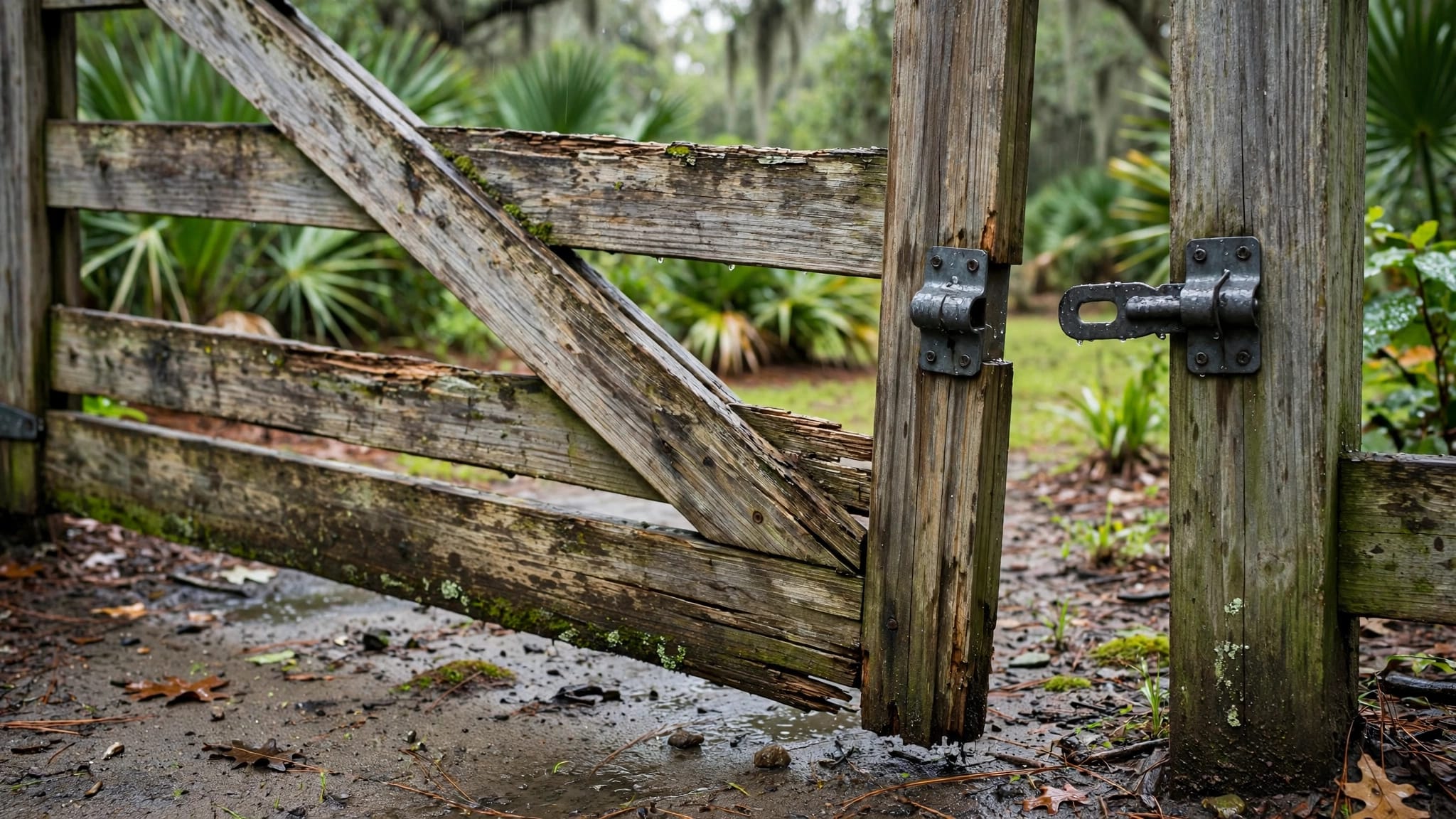
Watch for sagging gates or rattling pickets. Those signal loose fasteners.
Chipped coat exposing gray metal needs prompt touch-up. Ignore it, and pitting starts.
Leaning sections mean post issues. Sandy soil shifts; reset before full failure.
For fixes, try our professional fence repair in Cape Coral. Small jobs extend life without full swap.
Replace if 70% of hardware corrodes or frames rack badly. Storms often tip the scale.
Aluminum Fences Thrive Here with Smart Care
Aluminum fence lifespan in Southwest Florida hits 20 to 40 years when you match care to your spot. Coastal owners rinse more, inland less. Quality install and upkeep make the difference.
Skip neglect. A quick monthly walk spots trouble early.
Ready for install or check? Contact a local pro like our aluminum fence installer in Cape Coral for a free look. Your fence can outlast the next storm season.