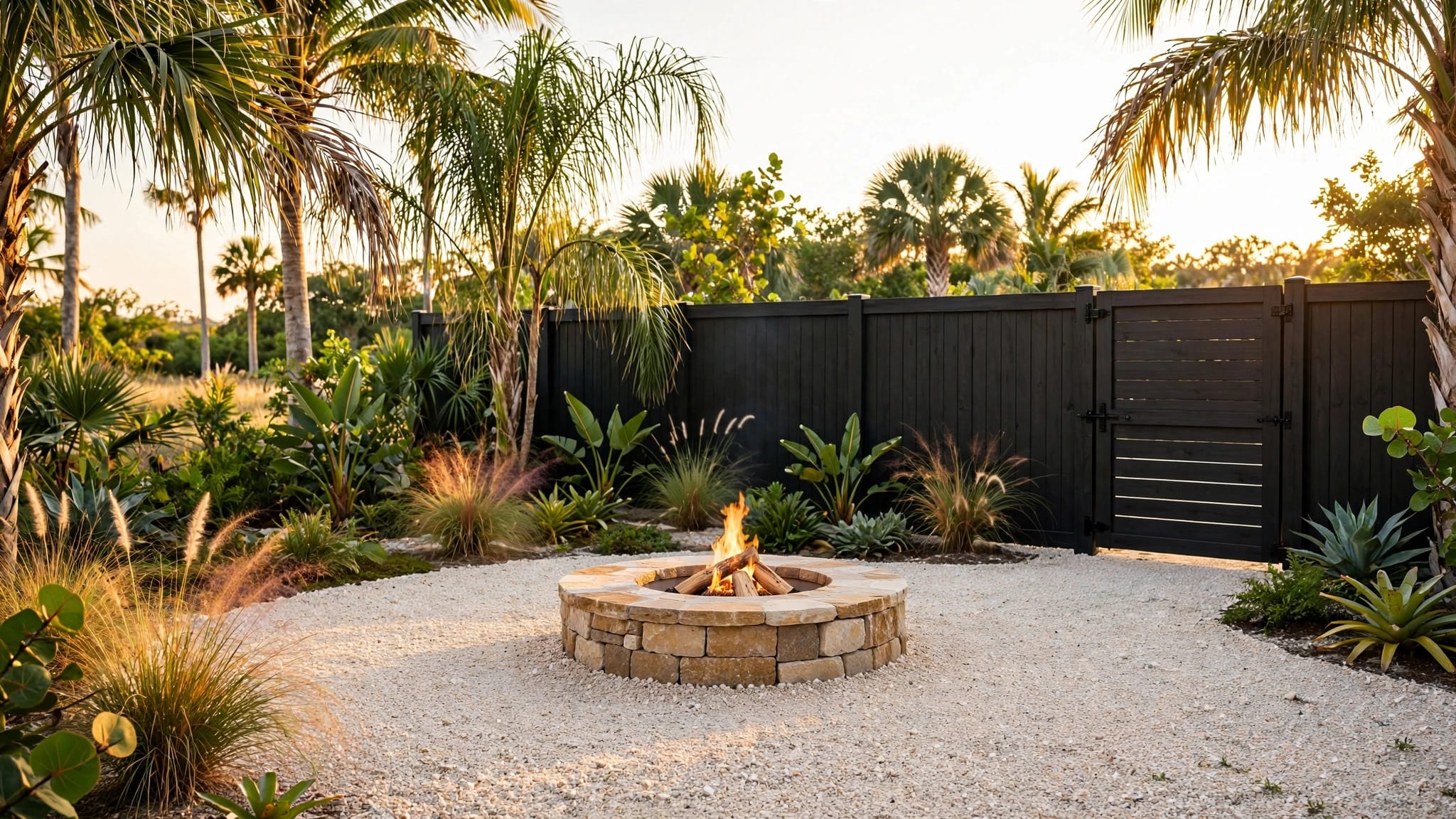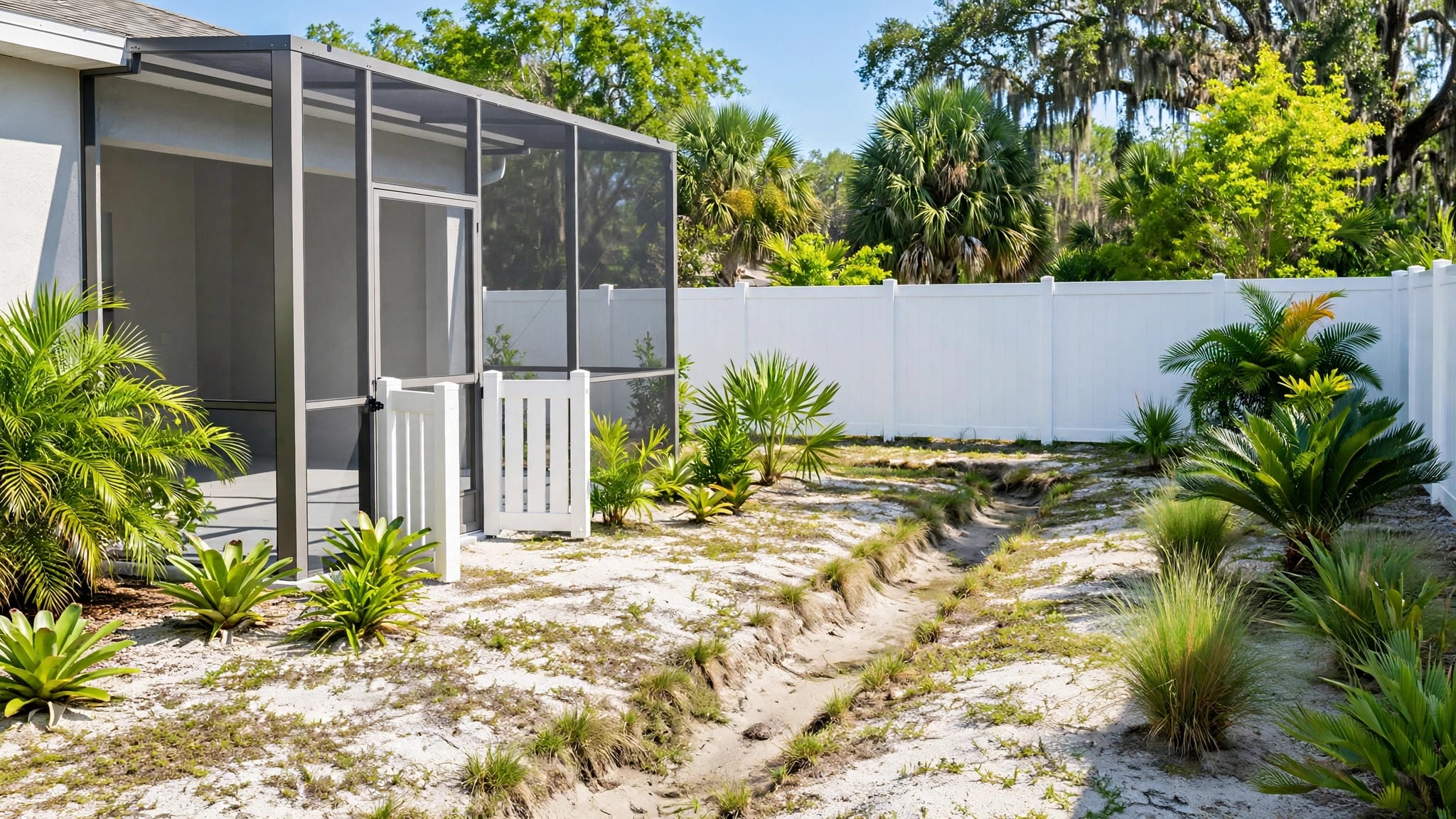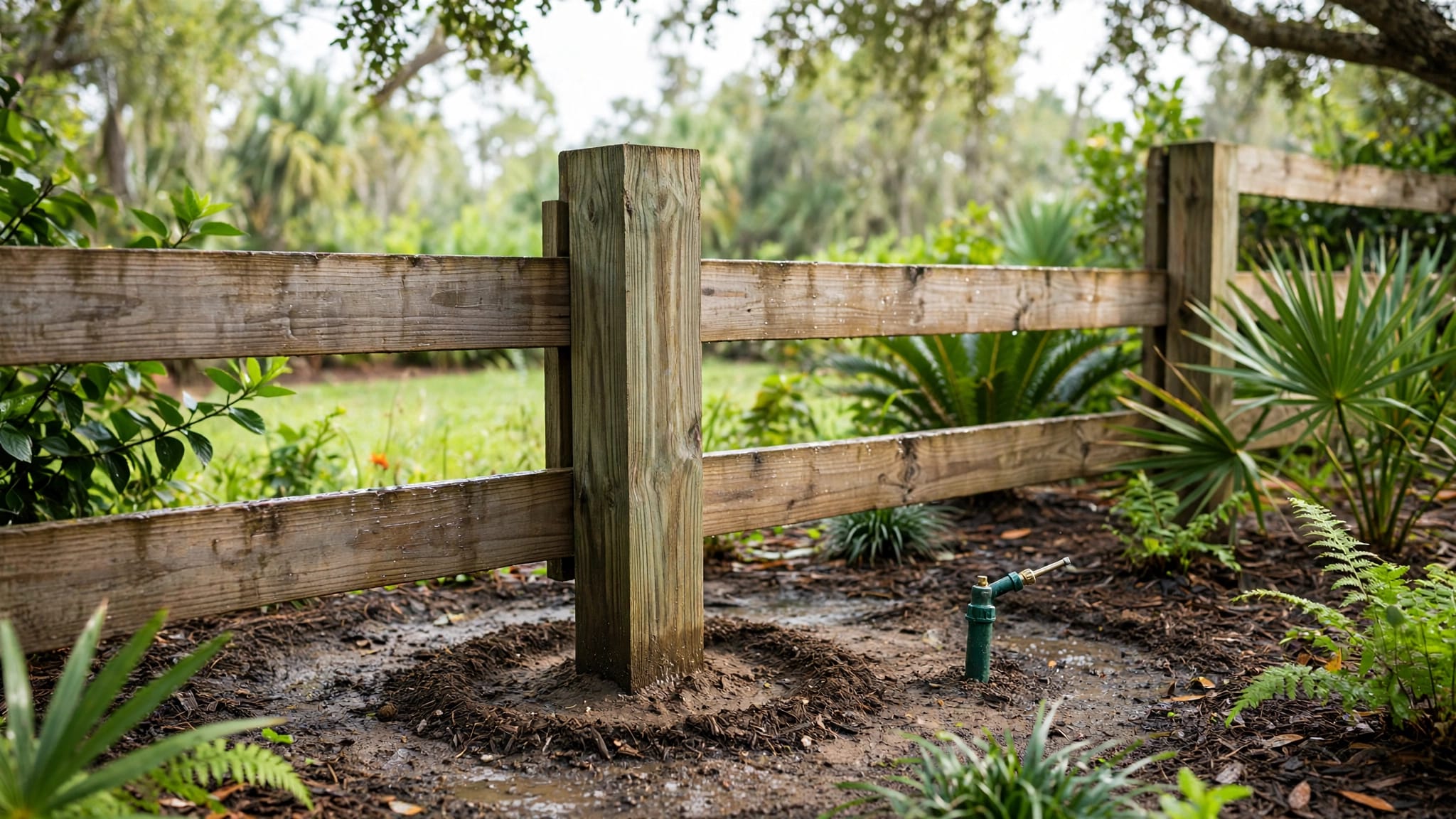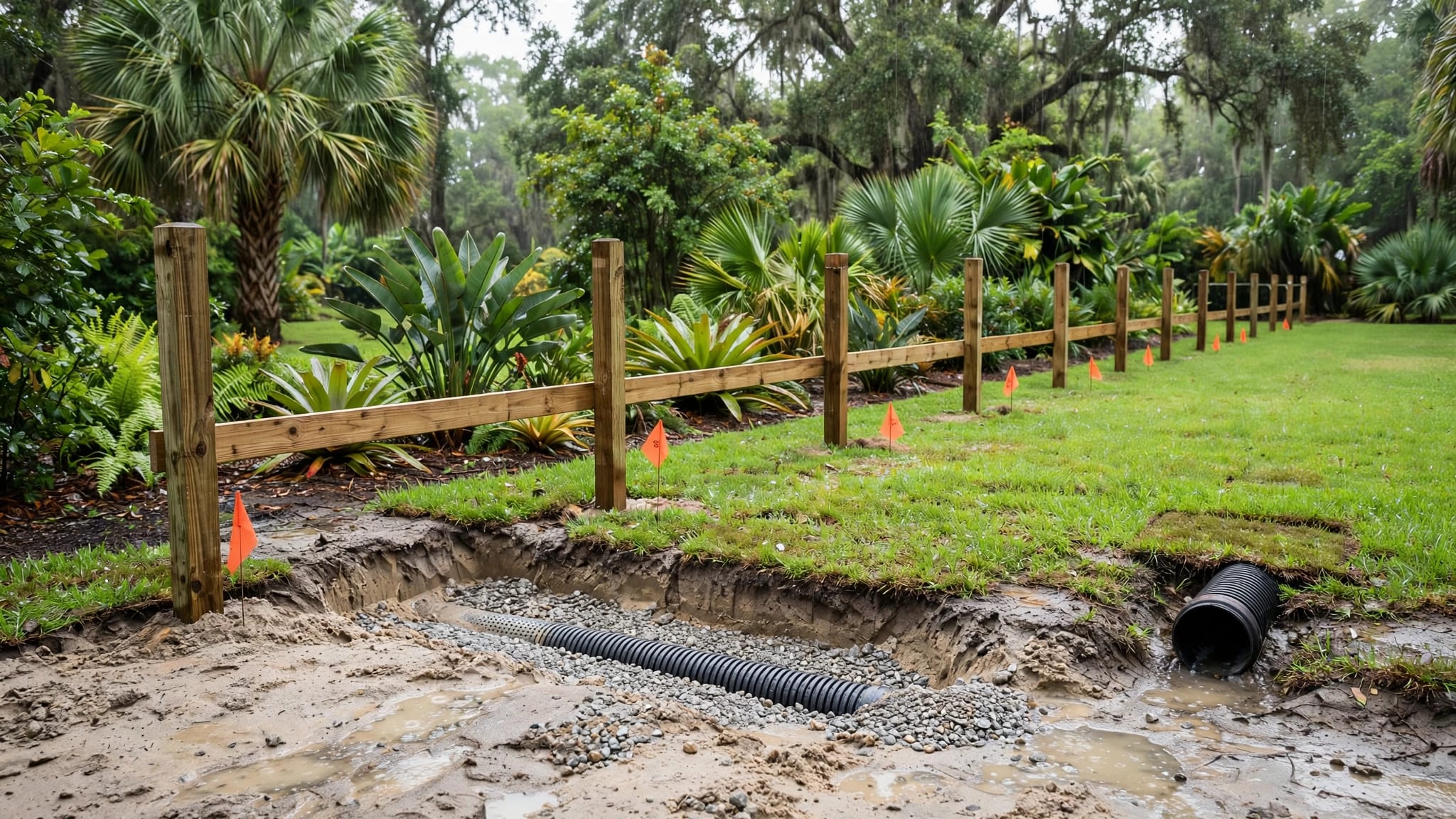
Marco Island Fence Permit Guide for 2026 Homeowners
Picture this: you envision a new fence boosting your backyard privacy on Marco Island. Then reality hits with questions about permits, heights, and setbacks. Many homeowners skip ahead and regret it later.
In 2026, rules keep things straightforward for most fences, but details matter. A Marco Island fence permit isn't always required, yet skipping checks can lead to tear-downs or fines. You'll save time and money by knowing the basics first.
This guide covers what you need to know as a homeowner. It draws from city codes and helps you avoid common pitfalls before you call a contractor.
When Does Your Marco Island Fence Need a Permit?
Most residential fences escape the permit process if they stay under height limits. The city exempts standard setups to ease homeowner burdens. However, certain designs trigger reviews.
You need a permit for fences over 6 feet tall, electric ones, or those with masonry foundations. Retaining walls above 4 feet also require engineering and approval. Pool barriers follow strict state rules too.
Always verify your lot's zoning first. Marco Island sits in Collier County, so broader rules apply alongside city specifics. For example, check the Collier County fence permit basics since they overlap here.
Contact the Building Department at 239-389-5059 or permitdesk@cityofmarcoisland.com. Rules shift, so confirm before digging. Your HOA adds another layer; they often demand written approval regardless of city okay.
In short, simple fences often skip permits. Complex ones don't. This approach protects your investment from surprises.
Key Height Limits and Placement Rules
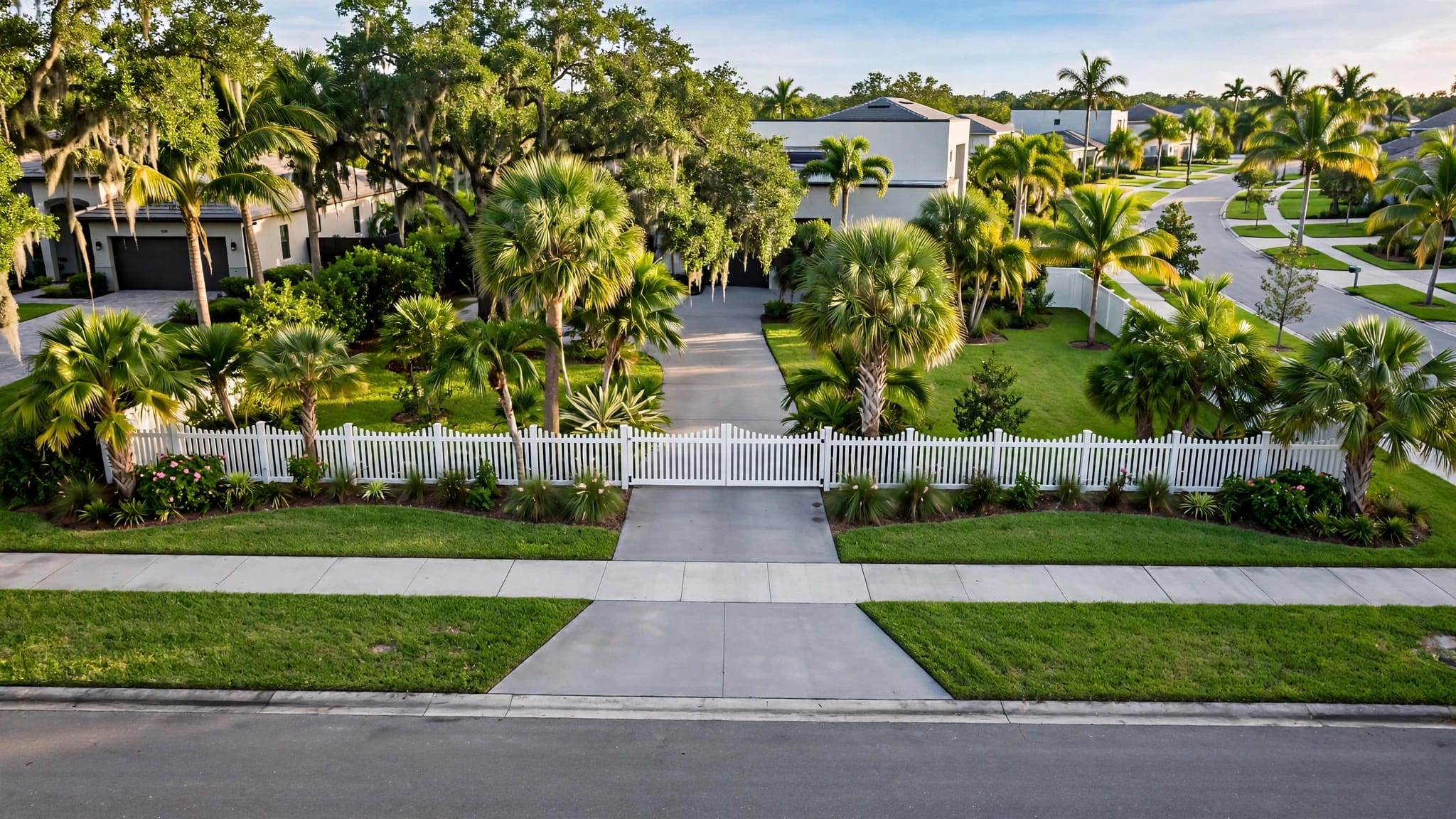
Heights define what flies without hassle. Front yards cap at 4 feet from the property line to your home's front edge. Side and rear yards allow up to 6 feet.
Corner lots demand caution in sight triangles. Keep fences at 3 feet or less near streets and driveways for clear views. Waterfront lots under 1 acre limit rear fences to 4 feet.
Setbacks vary by zoning. Residential zones often require 25-35 feet front and rear, 5-10 feet sides. Fences can't invade public rights-of-way, easements, or drainage areas.
The finished side must face neighbors or streets. Posts stay inside for a clean look. On shared lines, notify neighbors to dodge disputes under Florida law.
These rules prevent visibility blocks and access issues. Measure twice against your survey. An outdated one causes most rework.
Allowed Materials and Fence Styles
City codes greenlight practical choices for our coastal climate. Wood works well with proper treatment against salt air. Vinyl resists storms without much upkeep.
Wrought iron or decorative steel adds elegance. Composite blends durability and style. Concrete block or brick suits privacy needs, but they may need permits.
Coated chain-link fits side and rear yards only. No barbed wire unless agricultural. Electric fences demand permits everywhere.
Pool enclosures hit 48 inches minimum. Gates must self-close and latch high enough for safety. Florida law enforces this strictly.
Pick materials that match your vibe and budget. Salt air chews cheap options fast. Quality lasts through hurricane season.
Step-by-Step Guide to the Permit Process
Start with your survey. It shows lines, easements, and setbacks. Mark your fence path clearly.
Next, sketch a site plan. Note heights, gates, materials, and swings. Include dimensions for reviewers.
Download Form 23 from the city site if needed. Submit online or in person at 50 Bald Eagle Drive. Expect fees based on scope; call for 2026 rates.
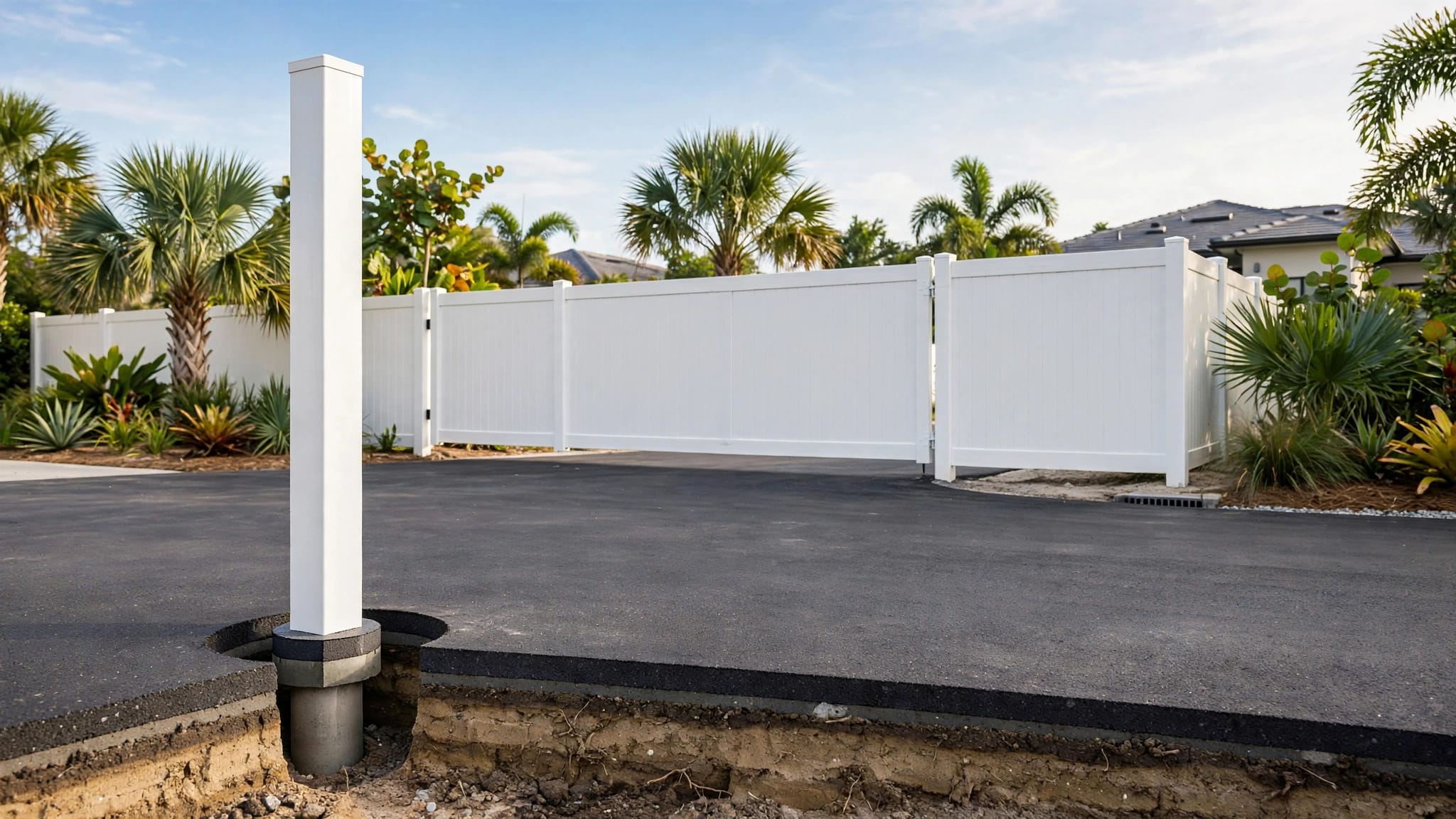
Review takes days to weeks. Respond fast to comments. Once approved, call 811 for utilities before posts go in.
Here's a quick submittal overview:
| Project Type | Key Documents | Typical Review Time |
|---|---|---|
| Standard fence under limits | Site plan, survey | Often exempt |
| Over 6 ft or pool barrier | Full app, details, engineering if needed | 1-2 weeks |
| Masonry or electric | Specs, neighbor notice | 2-4 weeks |
Inspections follow install. Keep records handy. This order keeps projects on track.
Watch for HOA Rules and Common Pitfalls
HOAs rule many Marco Island neighborhoods. They cap styles, colors, or heights beyond city minimums. Get their nod in writing early.
Easements trip folks up. Utilities or drainage zones block posts. Surveys reveal them; ignore at your peril.
Neighbors spark issues too. Shared fences need agreements on upkeep. Florida treats disputes as civil matters.
Storm-prone yards demand sturdy builds. Weak gates fail inspections. Overbuild for peace of mind.
Double-check everything. City rules evolve, so direct confirmation beats assumptions.
Most fences enhance security and appeal when done right. Follow heights and setbacks first. Permits protect your wallet long-term.
Verify with the city and your HOA before starting. Need help planning? Local pros handle surveys and filings smoothly. Your new fence awaits.