Does A New Fence Increase Cape Coral Home Value
You're selling your Cape Coral home in a cooling market. Median prices sit around $345,000 to $375,000 this year. Buyers take 53 to 80 days to decide. They want privacy , pools, pet-friendly yards, and waterfront views.
A new fence might help meet those needs. It adds security for kids and dogs. Yet it won't always boost value much. Results depend on your lot and local rules.
Let's break down when a fence pays off. You'll see real factors for Southwest Florida homes.
Cape Coral Buyers Want Secure, Private Yards
Buyers here prioritize backyards that work for family life. Pools draw eyes first. Then come fences that keep pets in and views out. In 2026, waterfront homes sell best at $450,000 to $550,000. They move faster with Gulf access.
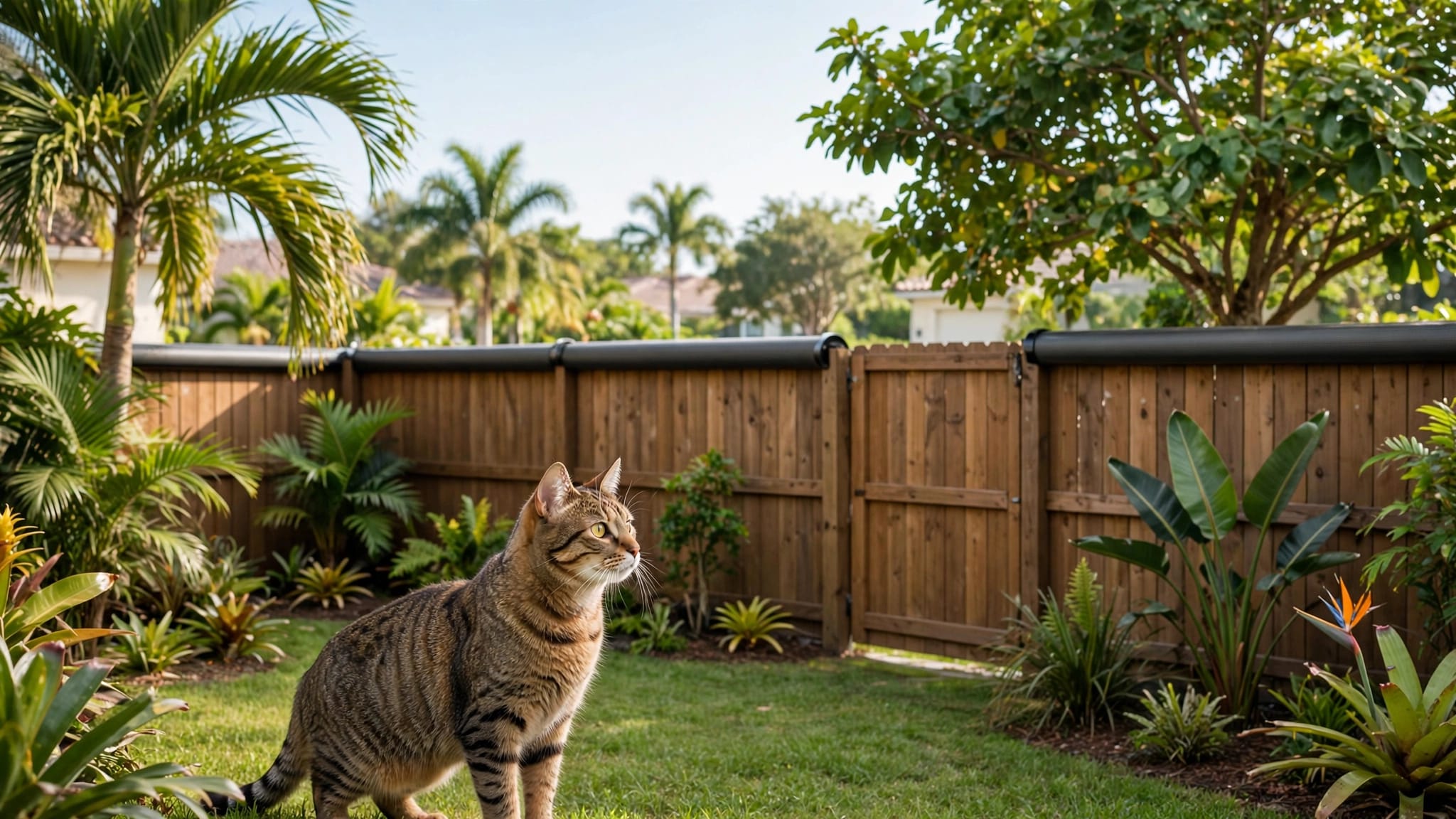
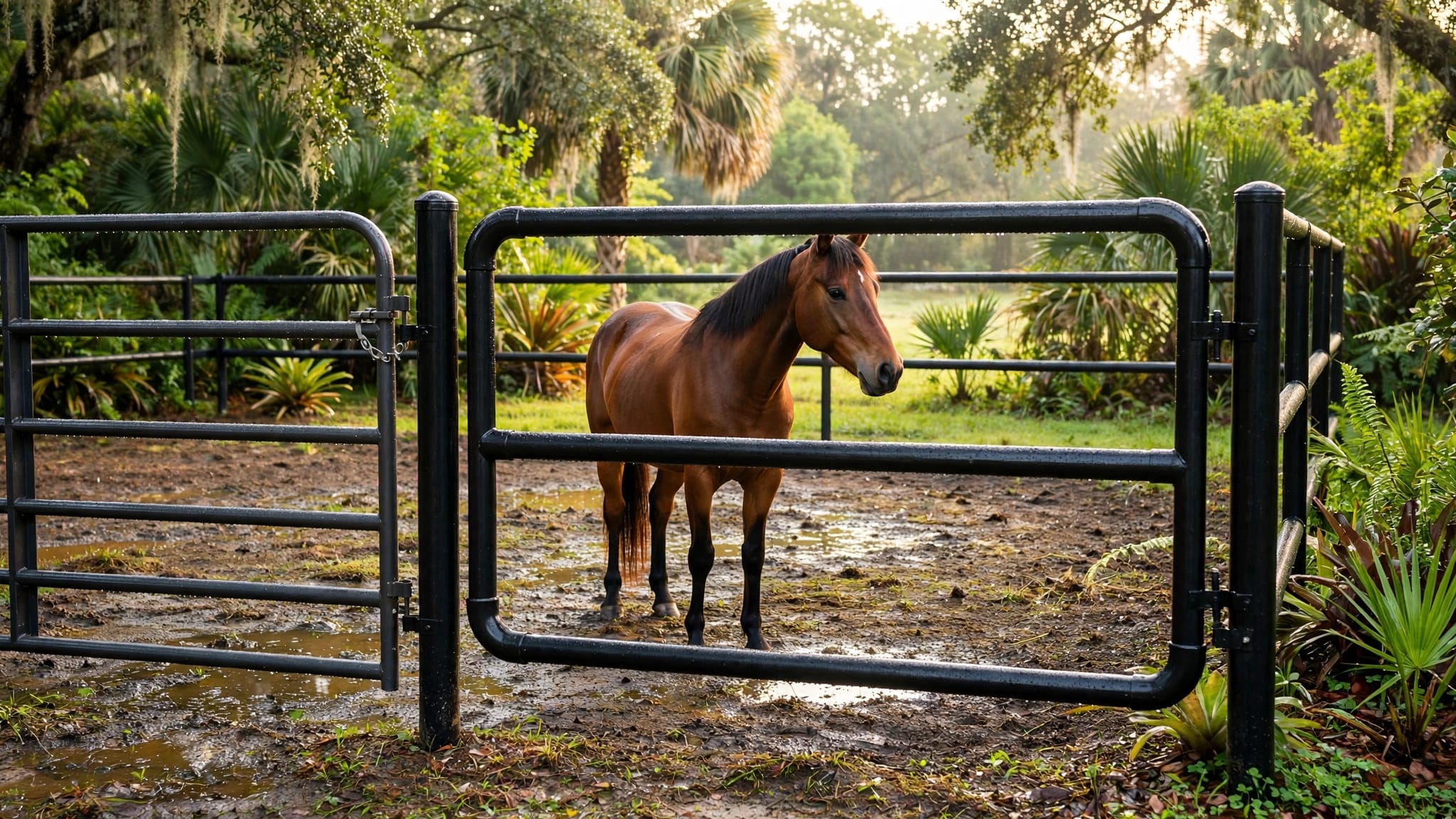
A fence fits right into that. It screens noisy neighbors or busy canals. Families love enclosed spaces for play. Pet owners check for sturdy gates that latch tight.
However, not every buyer cares. Some skip fenced lots for open lawns. Waterfront folks often prefer low fences. They block wind less and keep water sights clear.
Privacy matters most inland. Near canals, open styles win. Solid panels can trap heat and catch gusts. Buyers notice that during tours.
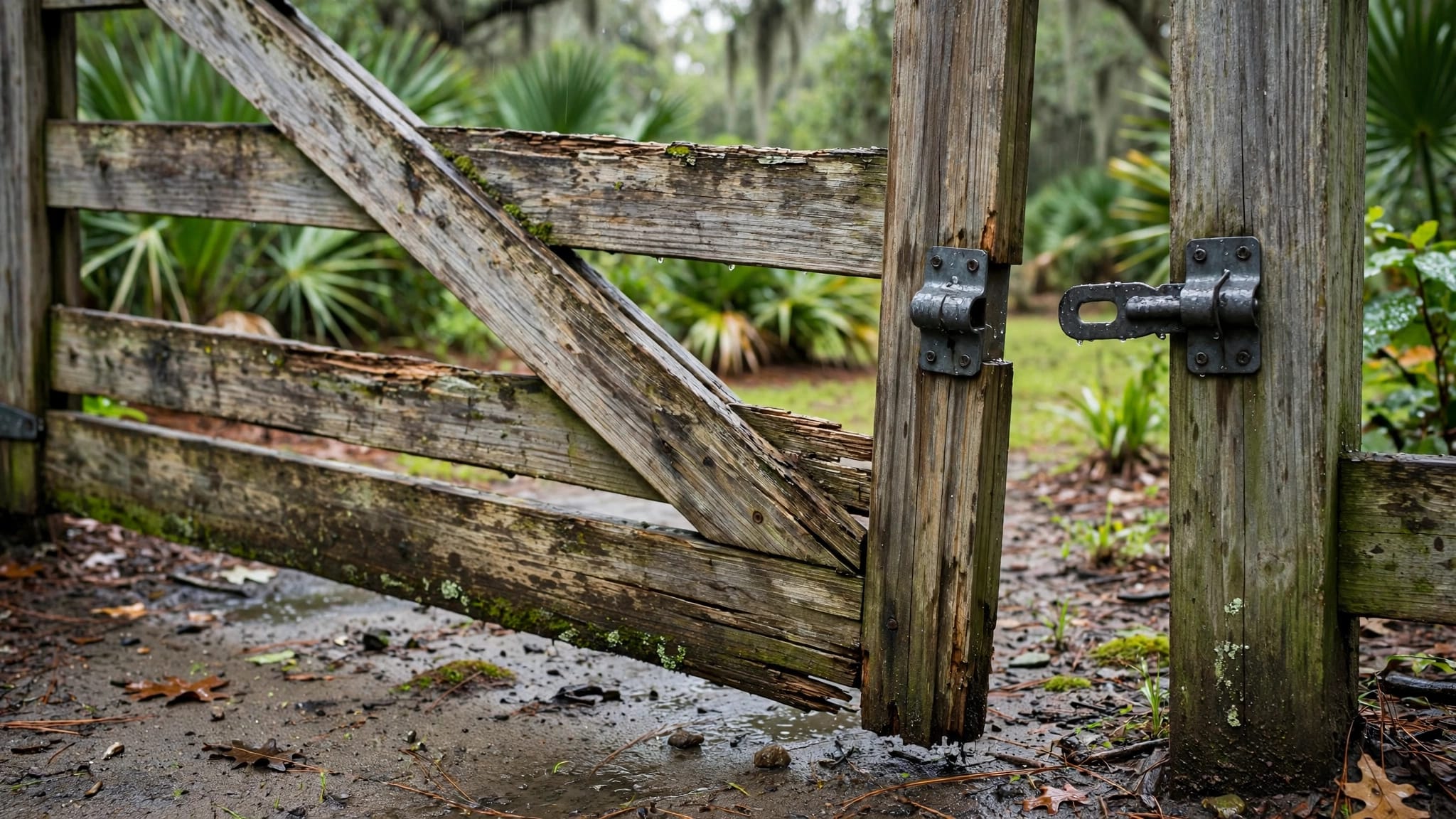
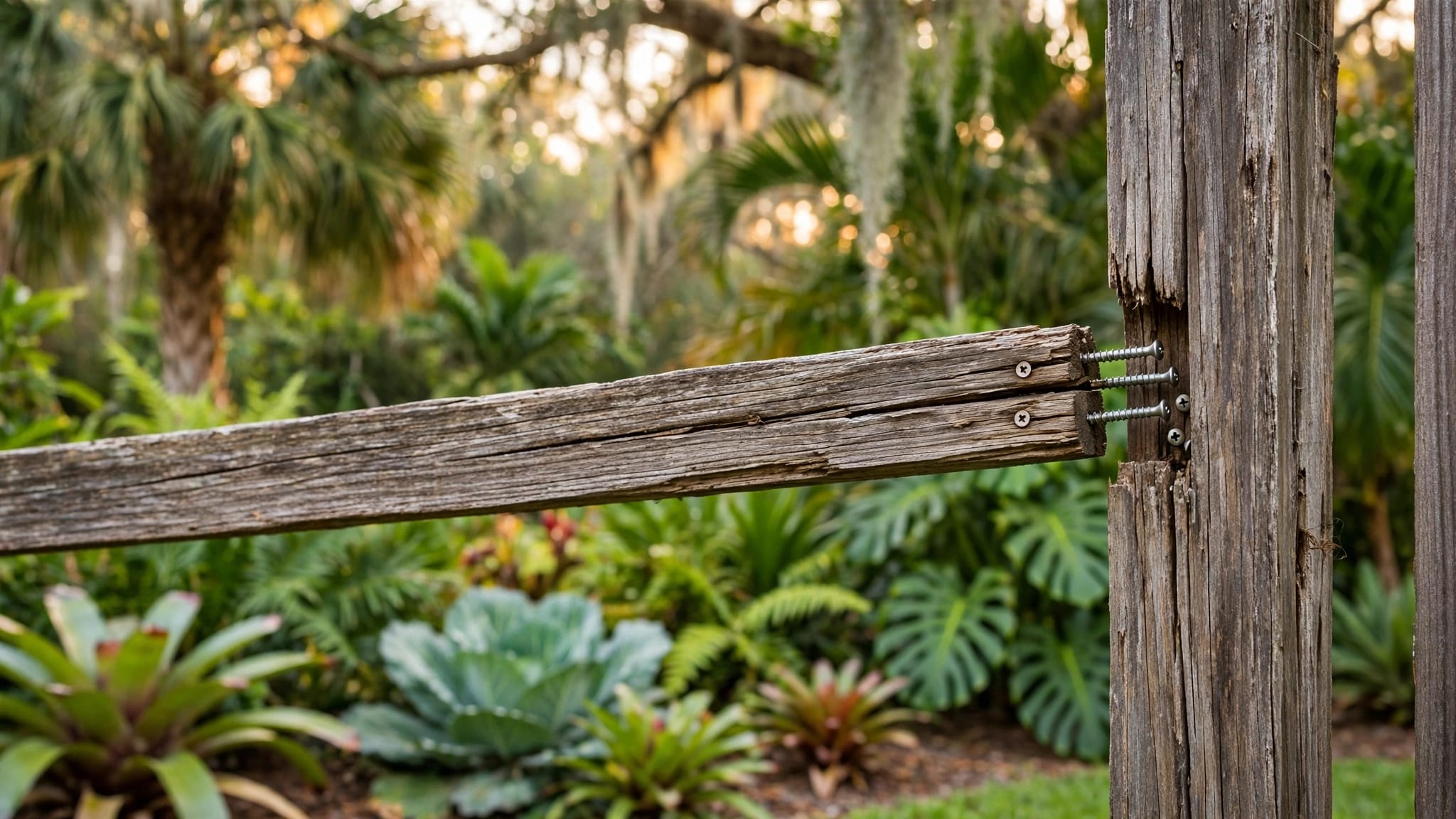
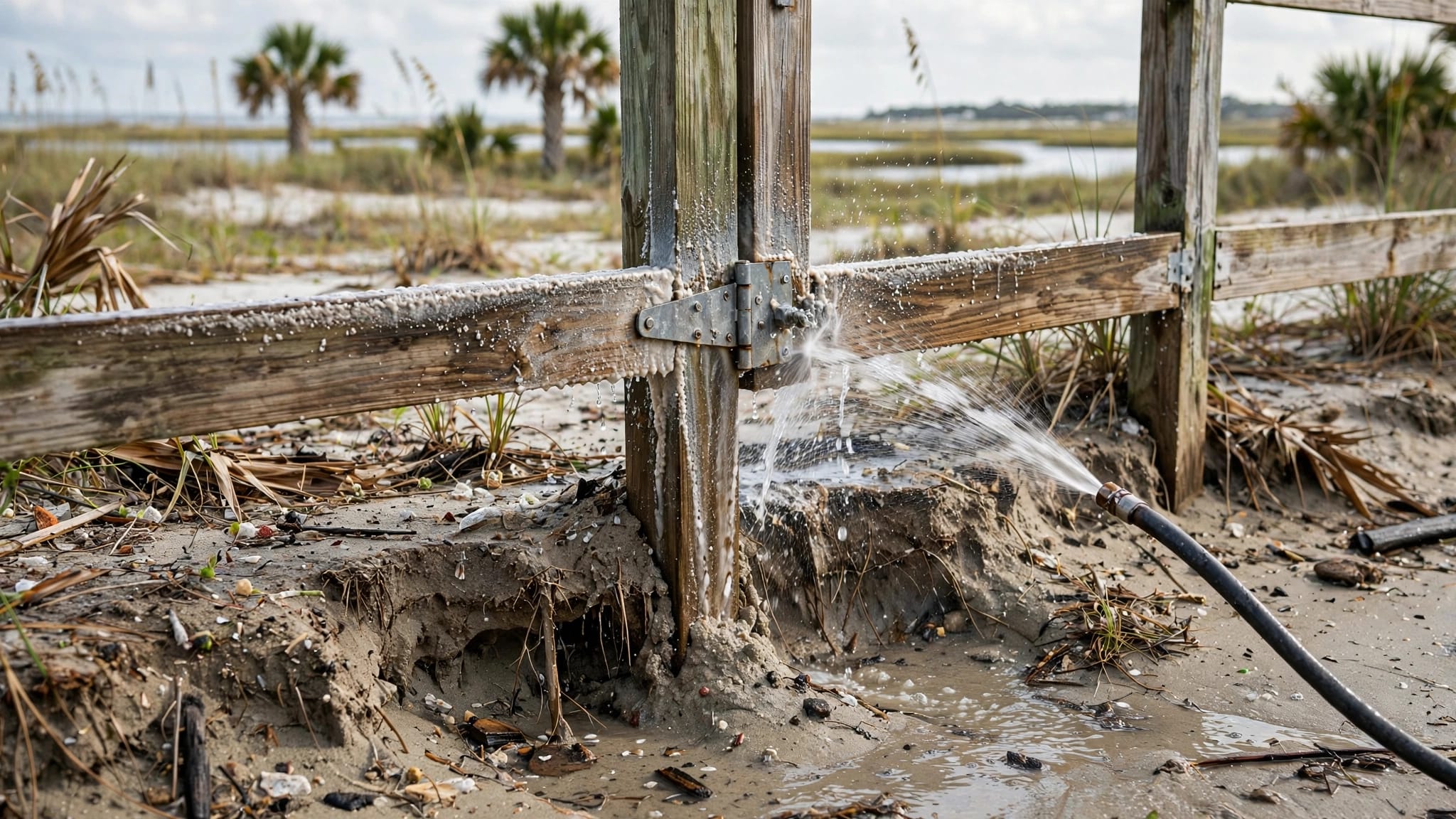
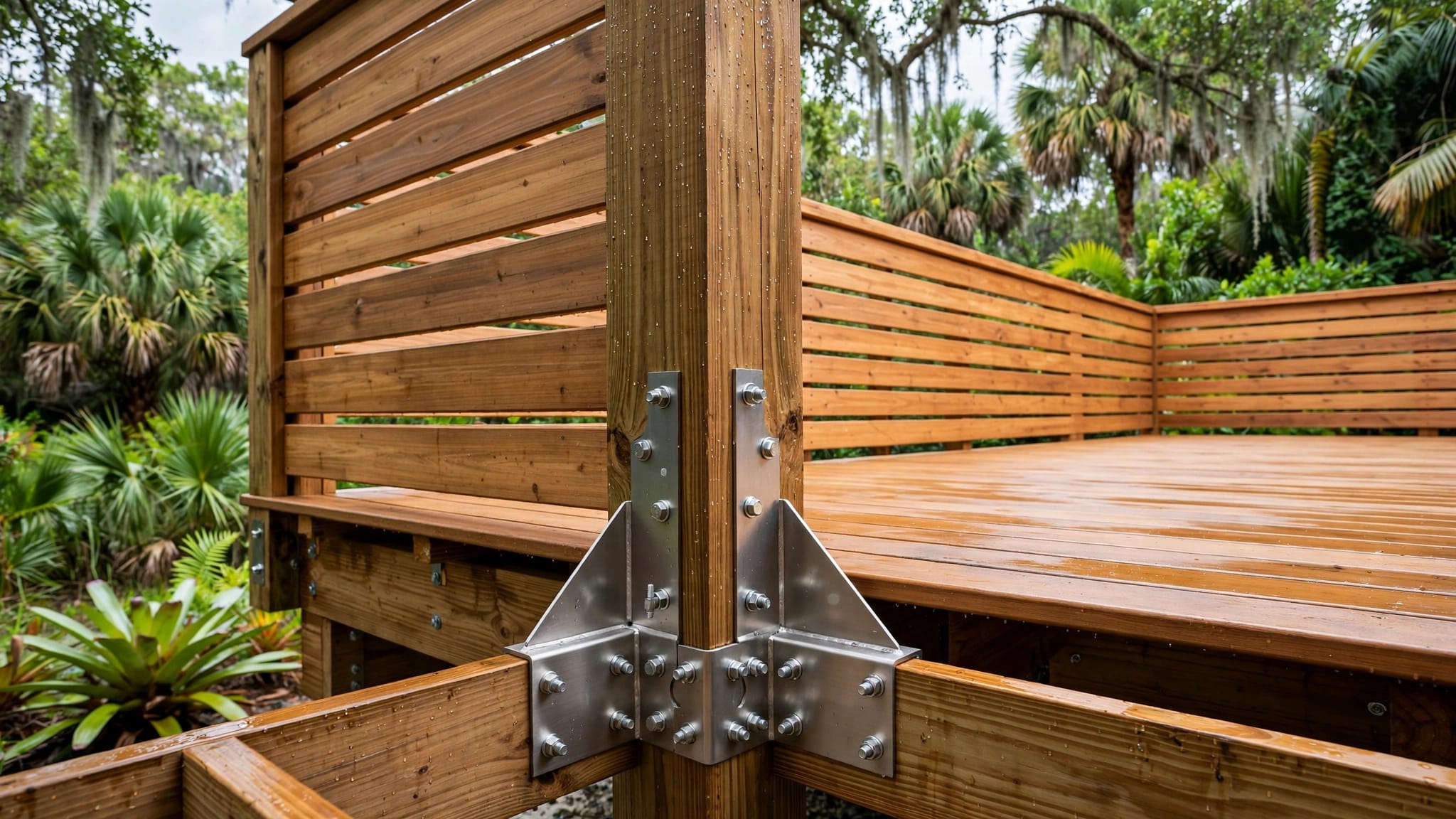
Storm durability counts too. Salt air rusts cheap metal fast. Sun fades wood. A quality fence shows you planned for Florida weather.
Key Factors Shaping Fence Value in Your Neighborhood
Your lot sets the stage. Standard yards gain from full-privacy setups. They hide pools and patios. Canal-front homes need different approaches. Tall walls hide views buyers paid extra for.
Neighborhood plays a big role. Upscale areas expect sleek aluminum or vinyl. Chain link fits budget spots but hurts appeal. Check comps nearby. If fenced homes sell quicker, you're ahead.
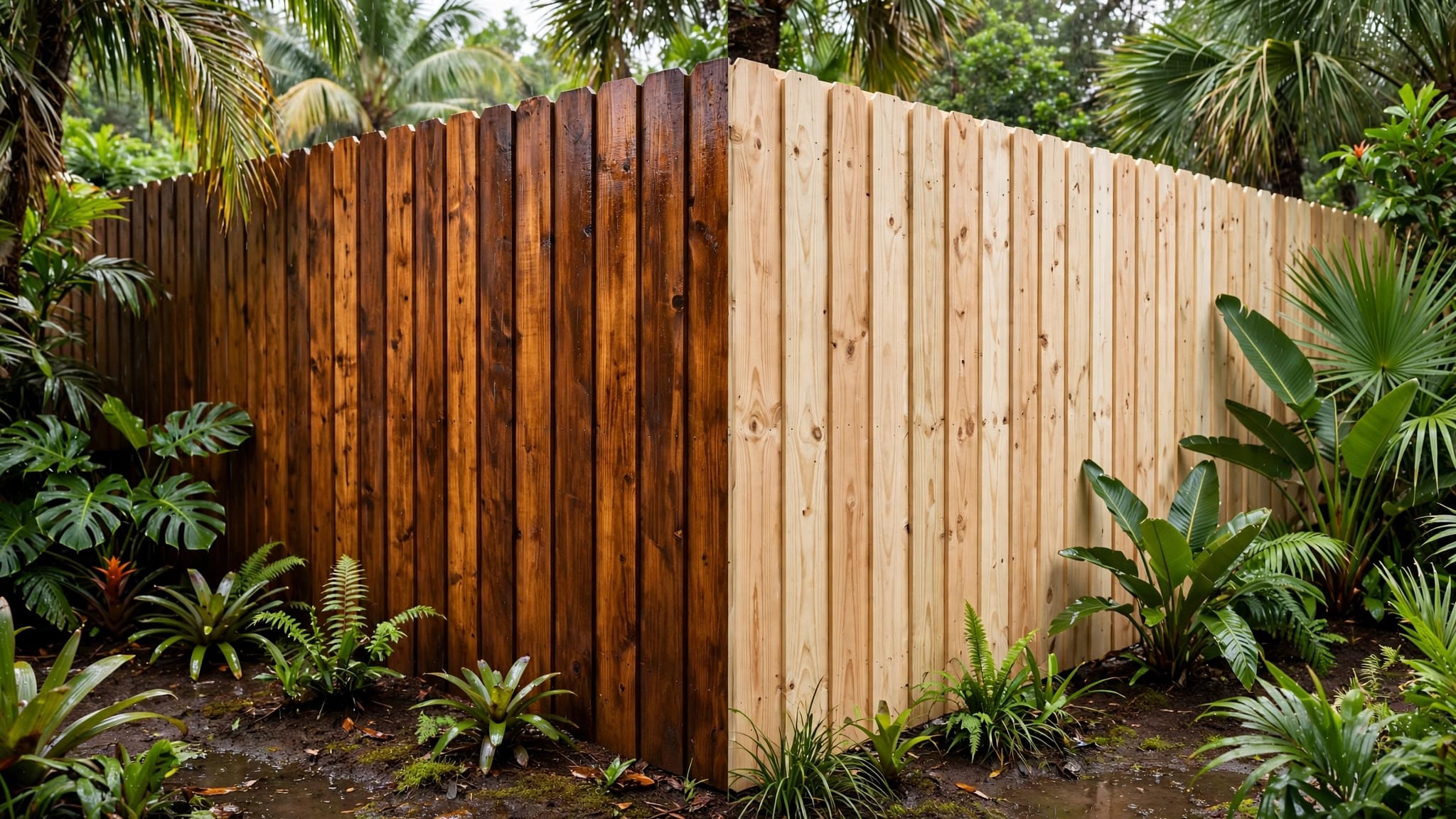
Fence quality drives returns . Low-maintenance picks like vinyl hold color through rain. They need just a hose rinse. Wood looks warm but demands stains yearly. Buyers see upkeep as a chore.
Buyer tastes shift with life stage. Young families seek kid-safe barriers. Snowbirds want easy-care options. For details on low-maintenance fences preserving Southwest Florida home value, see how they match part-time owners.
HOA rules limit choices. Some cap heights at six feet. Others ban certain styles. Ignore them, and value drops from fines.
Install pro matters. Sloppy work leads to sags and leans. That turns plus into minus at closing.
Fence Types That Add the Most Appeal Locally
Vinyl tops lists for Cape Coral. It resists salt, humidity, and bugs. Privacy panels block sights without warping. For more, explore why vinyl fences enhance property appeal in Cape Coral.
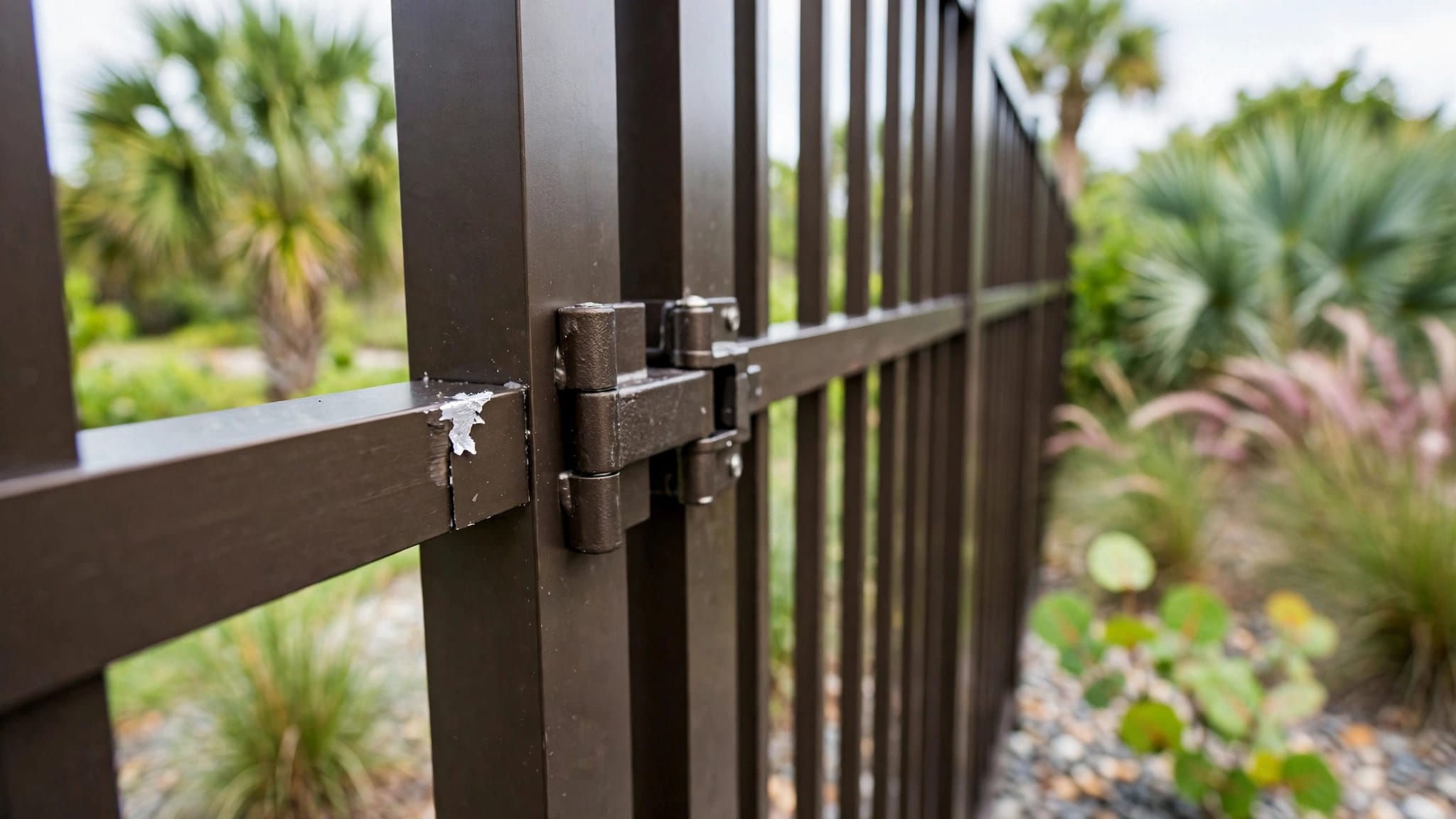
Aluminum suits waterfront lots. Open pickets let breezes flow. They frame canals without sails in storms. Powder-coated finishes fight corrosion.
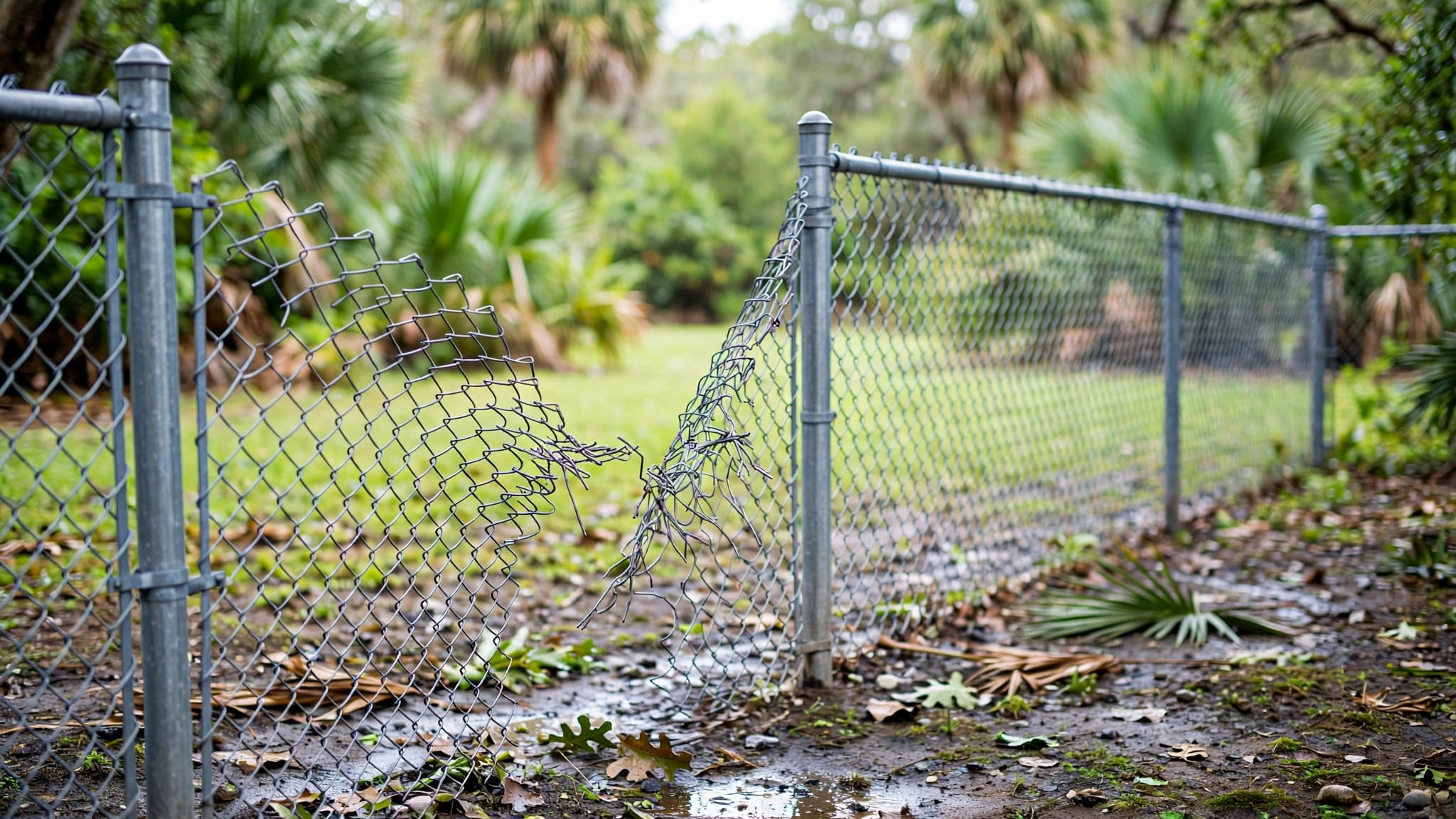
Chain link works for big lots or pets. Dark coats blend better than shiny silver. It contains diggers without high costs.
Avoid overkill. Full-solid wood rots fast here. Composite offers wood looks with less fuss, but prices climb.
Match material to needs. Pools demand self-closing gates. Pets need dig-proof bases. Here's a quick view of popular options:
| Fence Type | Best For | Value Boost Potential | Local Durability |
|---|---|---|---|
| Vinyl Privacy | Pools, backyards | High (curb appeal) | Excellent (low upkeep) |
| Aluminum Picket | Waterfront, fronts | Medium (views preserved) | Strong (salt-resistant) |
| Chain Link (Coated) | Pets, large yards | Low-Medium (practical) | Good (wind-friendly) |
| Wood Picket | Gardens, charm | Medium (if maintained) | Fair (needs care) |
Solid choices recoup 5% to 15% on average. They speed sales more than dollars.
Local Rules and Costs You Can't Ignore
Permits come first. Cape Coral often requires them over four to six feet. Pools add barrier rules. Call 811 for utilities before posts go in.
Zoning varies by zone. Front yards limit heights and styles. Setbacks keep fences off streets. Waterfront adds view rules.
HOAs tighten grips. They dictate colors, heights, and materials. Verify yours in writing.
Costs run $15 to $45 per foot installed. That's $9,000 to $22,500 for 200 feet of vinyl. Factor storms. Durable builds last 20 to 30 years.
Get quotes from licensed pros. They handle permits and code checks. Skip that, and resale suffers.
For style ideas that fit rules, check this Cape Coral fence style guide for curb appeal in 2026.
Realistic ROI in a Buyer's Market
No fence guarantees big gains. Market cools with more inventory. Homes sell at 95% to 97% of ask.
Fences shine indirectly. They check buyer boxes: safe pools, pet zones, private patios. Waterfront needs balance. Canal-front fences protecting Cape Coral home values show how open designs preserve premiums.
Appraisers note quality installs. They add curb appeal points. Expect modest ROI unless it enables a pool.
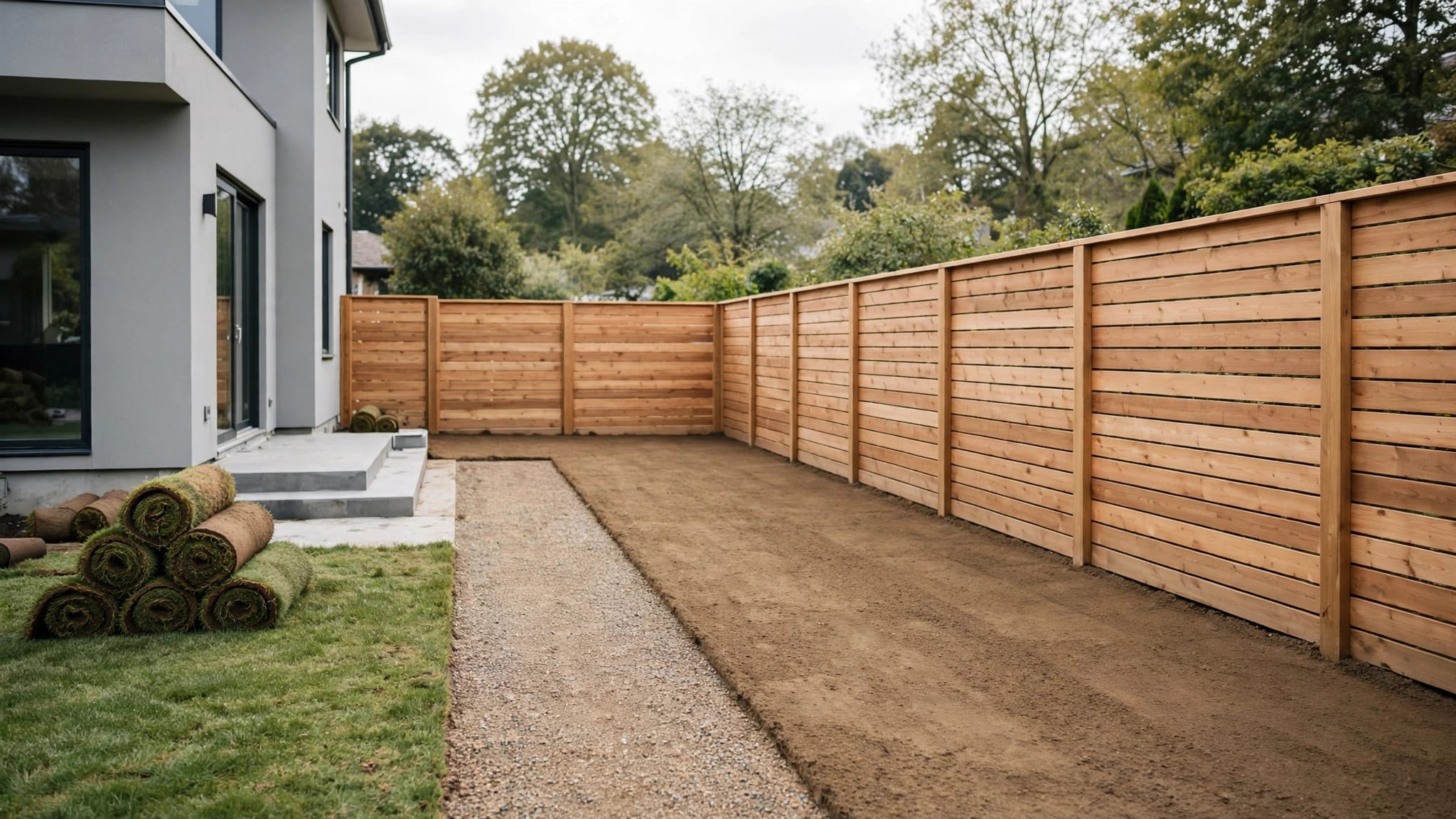
Timing helps. Install before listing. Fresh fences signal care.
A new fence often tips scales in Cape Coral. It fits buyer wants for secure yards amid storms and salt. Match it to your lot, neighborhood, and rules for best shot at value.
Verify permits and HOA now. Then talk to local installers. A free estimate shows if it fits your sale plan. What's your lot like? That decides next steps.