Best Privacy Fences for Florida Yards That Still Breathe
Want backyard privacy without turning the whole yard into a hot box? In Florida, that balance matters more than people think. A fence can block views, but it also changes how wind, moisture, and storm pressure move across your property.
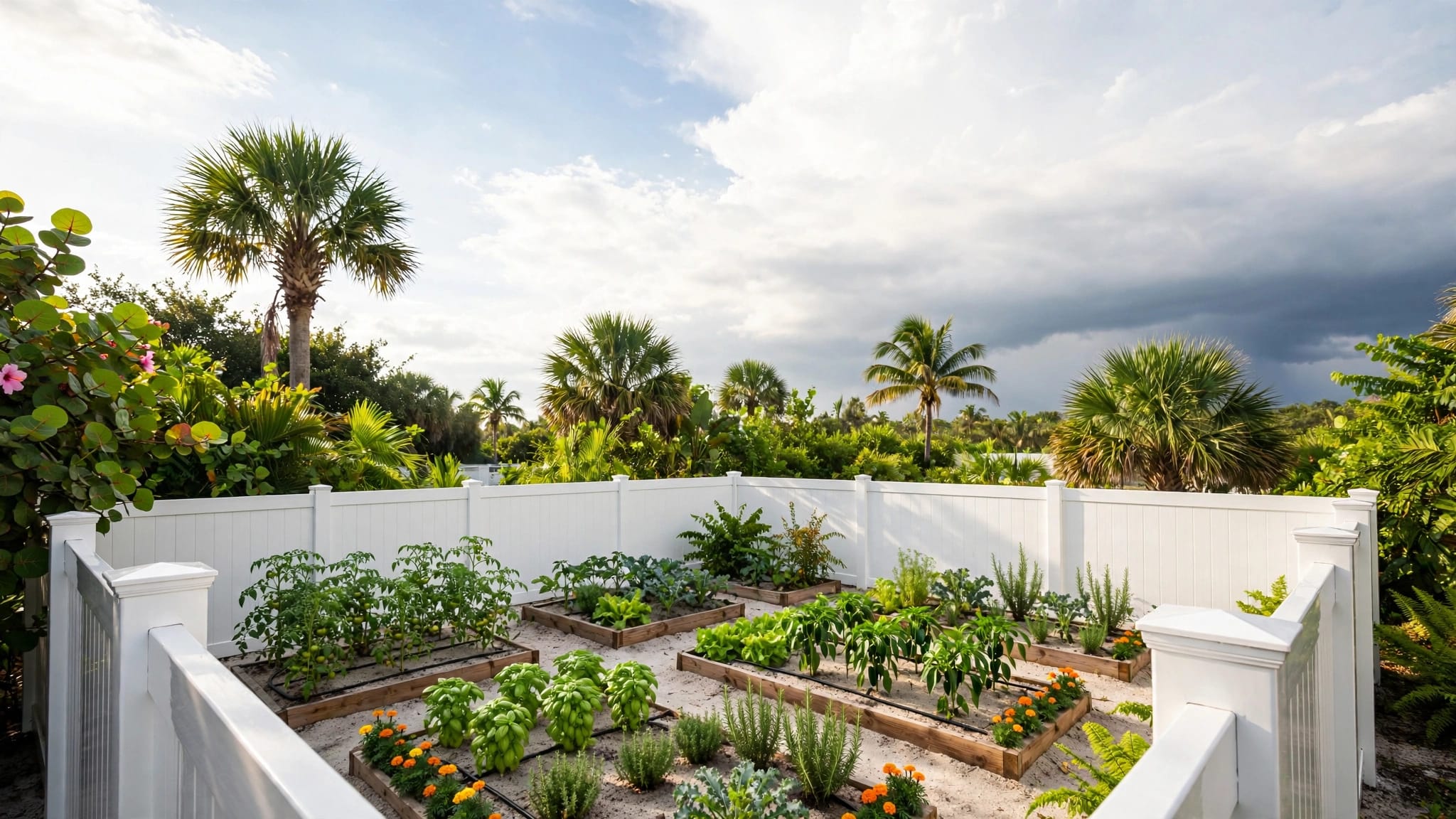
The best privacy fences for Florida yards usually are not fully solid from end to end. In many cases, a semi-private or vented design gives you better comfort, fewer moisture issues, and less stress during storm season. That matters even more in Southwest Florida, where heat, humidity, salt air, and summer wind all work against the wrong fence.
Why airflow matters so much in a Florida privacy fence
A privacy fence should do more than hide the neighbor's patio. It also has to live through wet summers, daily sun, and strong gusts. In Florida, trapped air often means trapped moisture. That can leave fence panels, posts, mulch beds, and even pool decks damp longer than they should stay.
When air moves through the fence line, surfaces dry faster after rain. That helps limit mold and mildew, especially in shaded side yards. It also helps wood last longer and keeps the yard from feeling stale. Think of it like cracking a window in a steamy bathroom. A little movement changes everything.
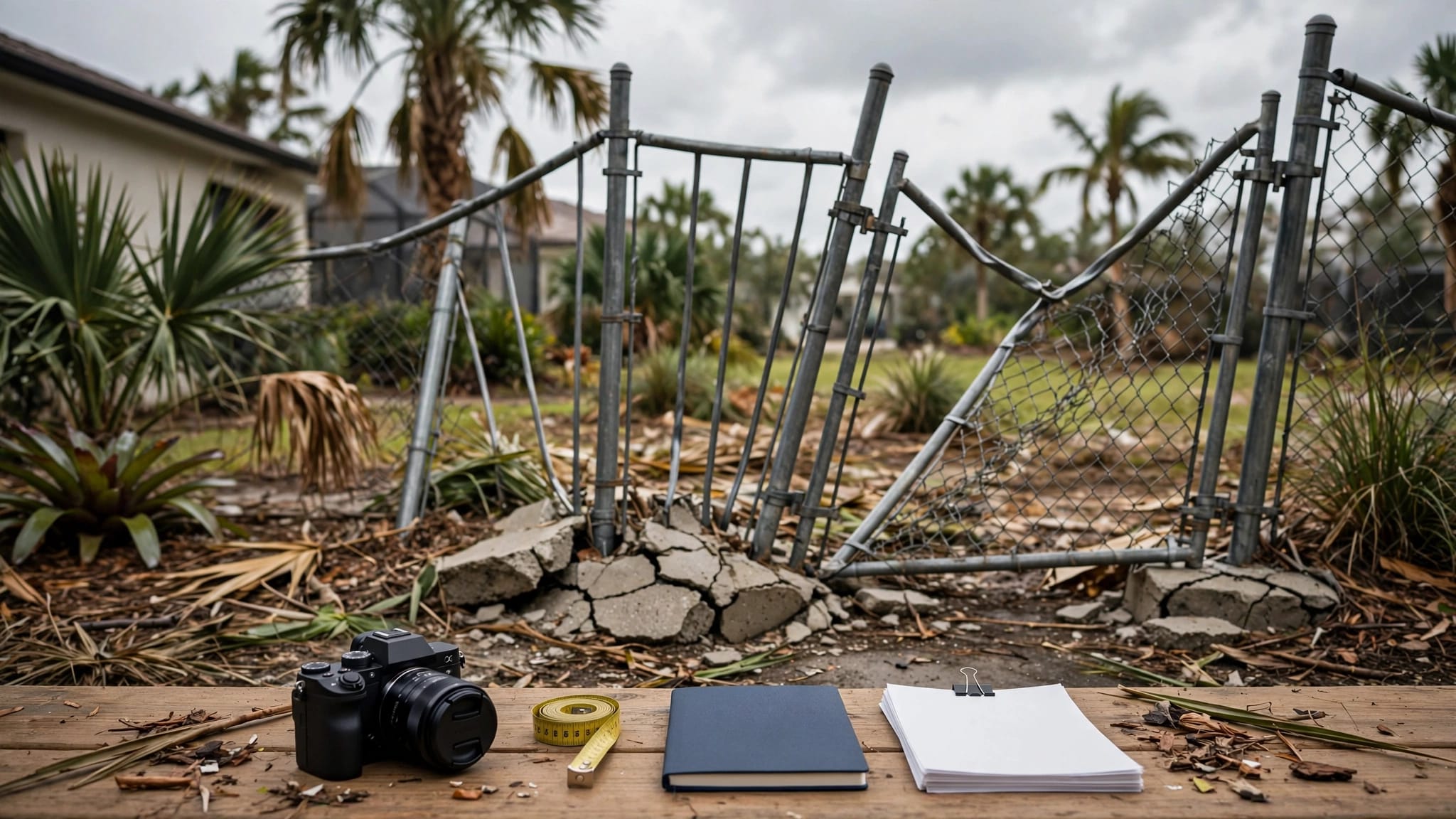
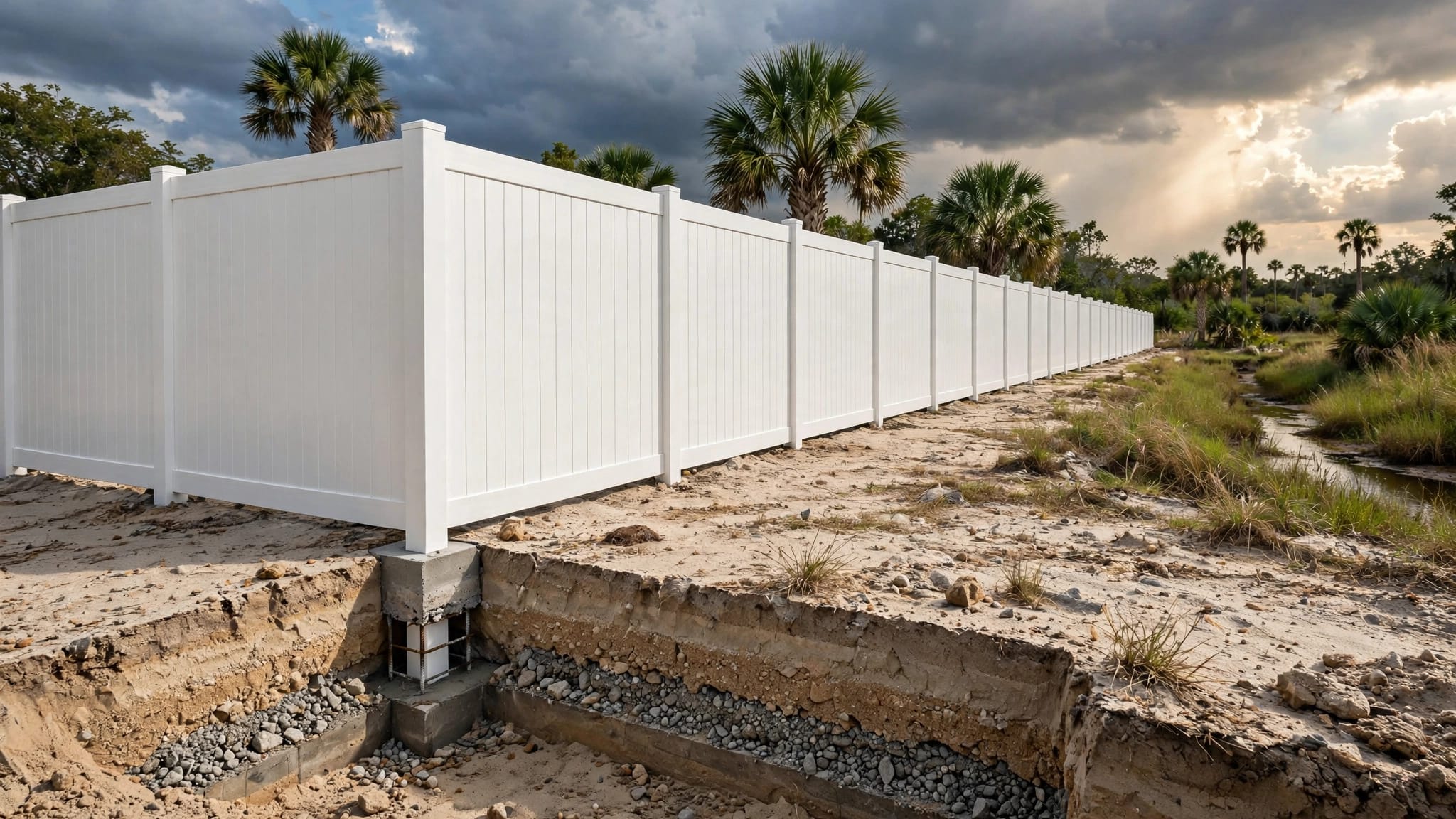
Wind is the other big reason to avoid a flat wall when you can. A fully solid privacy fence catches pressure like a sail. That doesn't mean solid fencing never works. It does mean the posts, footings, rails, and hardware must match the load.
In Florida, the fence that blocks every view can also catch every gust.
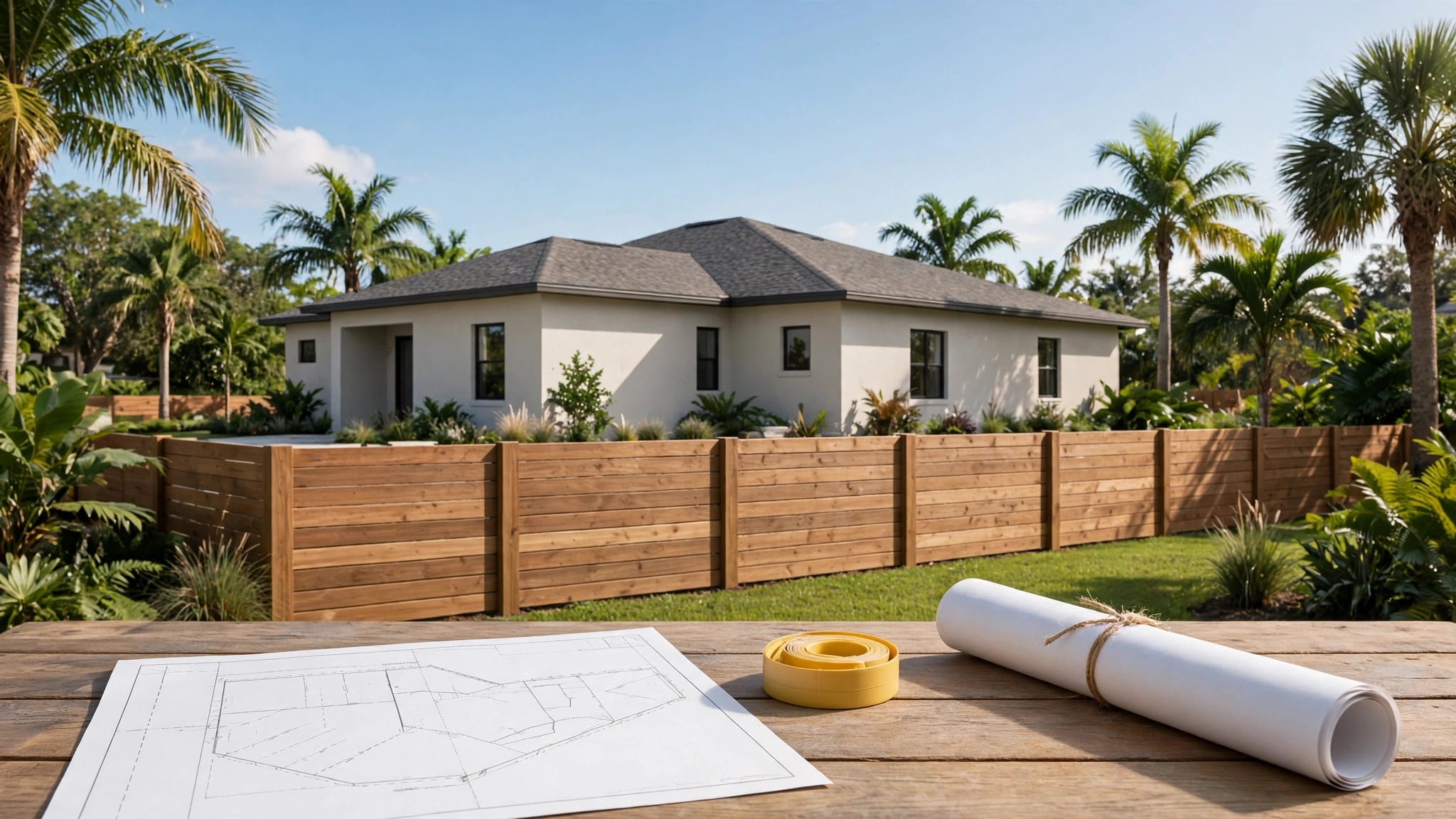
As of March 2026, many Florida cities still commonly limit backyard fences to 6 feet, while front-yard limits are often lower. Some areas may allow more height with approval. Permits, setbacks, pool rules, and HOA standards vary by city and community, so always confirm local requirements before you build. If you're in Lee County, this Fort Myers fence permit guide for 2026 shows how much the paperwork and layout details can matter.
The best privacy fence styles for Florida yards with breeze
Some styles handle Florida better than others. The table below gives a quick side-by-side view.
| Fence style | Privacy | Airflow | Best fit in Florida | Main watch-out |
|---|---|---|---|---|
| Shadowbox wood | High at angles | Good | Great all-around choice inland | Needs sealing and upkeep |
| Horizontal slat with spacing | Medium to high | Very good | Modern homes, breezy lots | Gap sizing affects privacy |
| Vinyl with lattice or vented top | High | Fair to good | Low-maintenance family yards | Solid lower panels still catch wind |
| Aluminum with privacy add-ons | Medium | Very good | Coastal and canal-front homes | Often needs landscaping for more screening |
| Composite slat or semi-private | Medium to high | Good | Modern yards wanting low rot risk | Heavier, can hold heat |
| Fully solid wood or vinyl | Very high | Low | Tight side yards, select pool areas | Highest wind load |
The main takeaway is simple: the best privacy fences Florida homeowners pick usually allow at least some air to pass through.
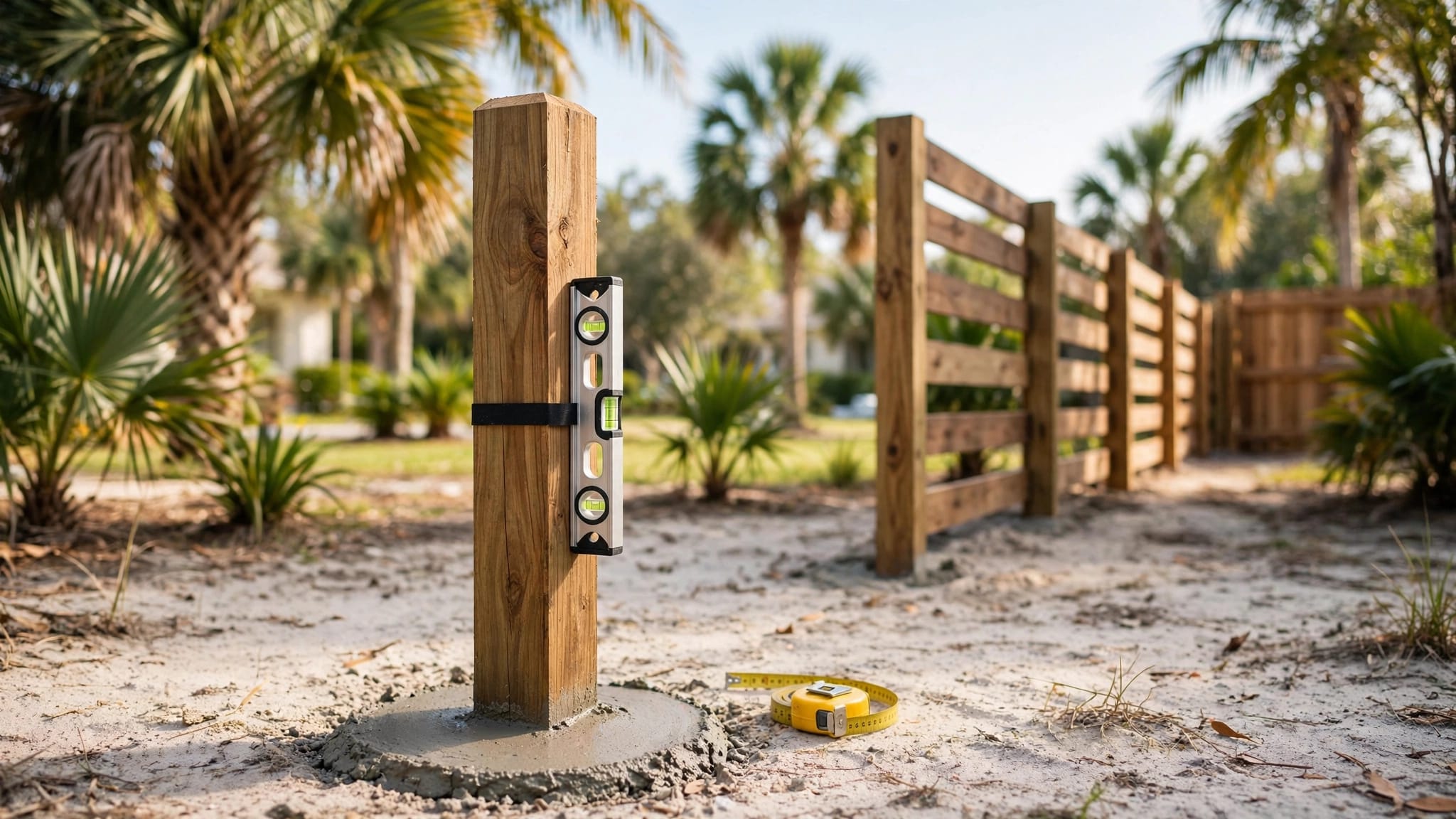
Shadowbox wood remains one of the smartest choices for many inland yards. The alternating pickets block direct views, yet they leave room for cross-breeze. It feels private without looking bulky. Still, wood needs care here. Choose pressure-treated lumber or cedar, keep pickets off the soil, and wash mildew before it stains deeply. For homeowners who like the natural look, wood privacy fence installation in Cape Coral can be a strong fit when the design and finish match the site.
Horizontal slat fences with spacing work well when you want a cleaner, more modern style. The small gaps help wind move through, which is useful on open lots. Privacy depends on angle, though. Straight-on views may be blocked, while side angles show more. This style works best when the spacing is planned carefully.
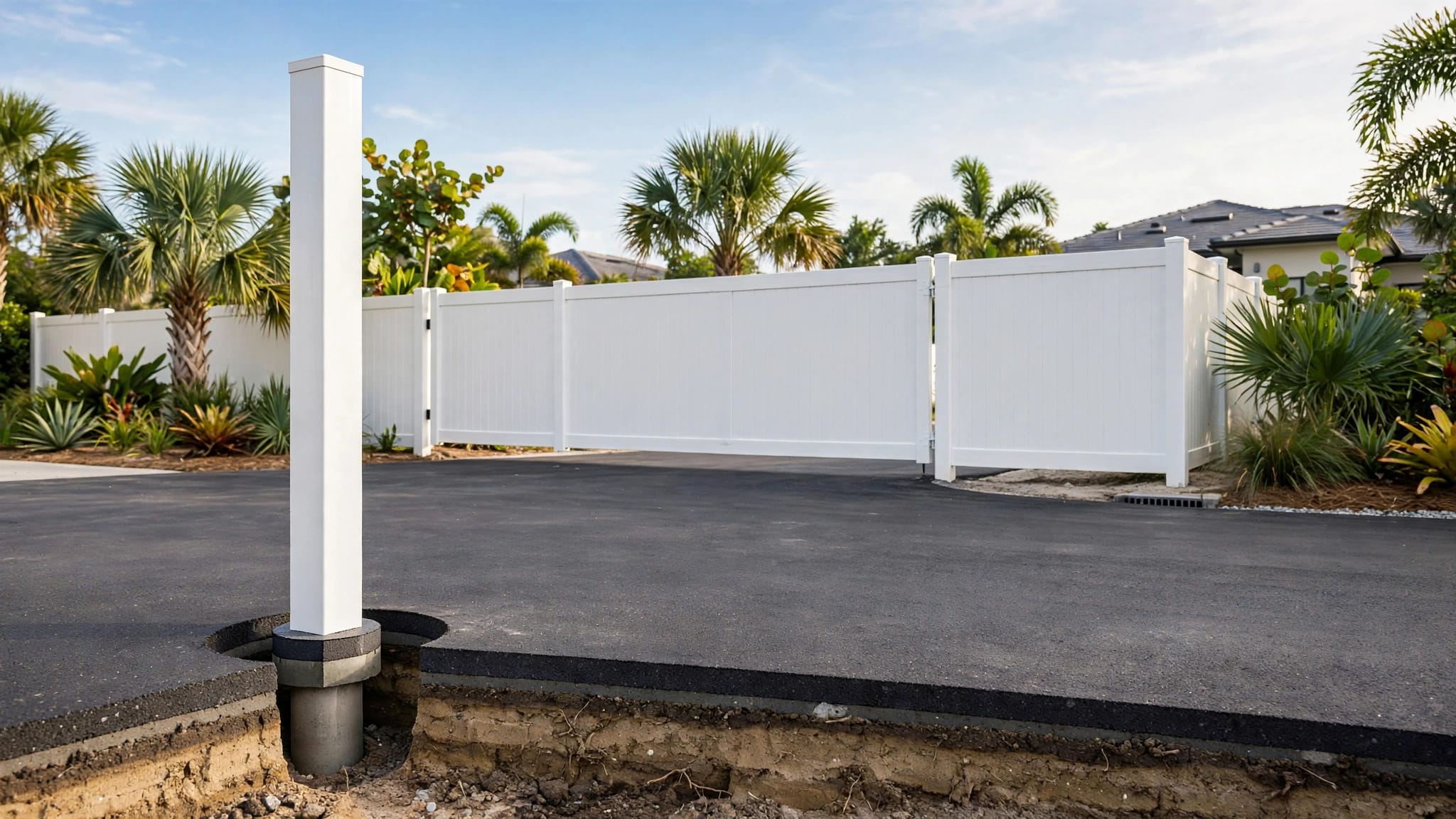
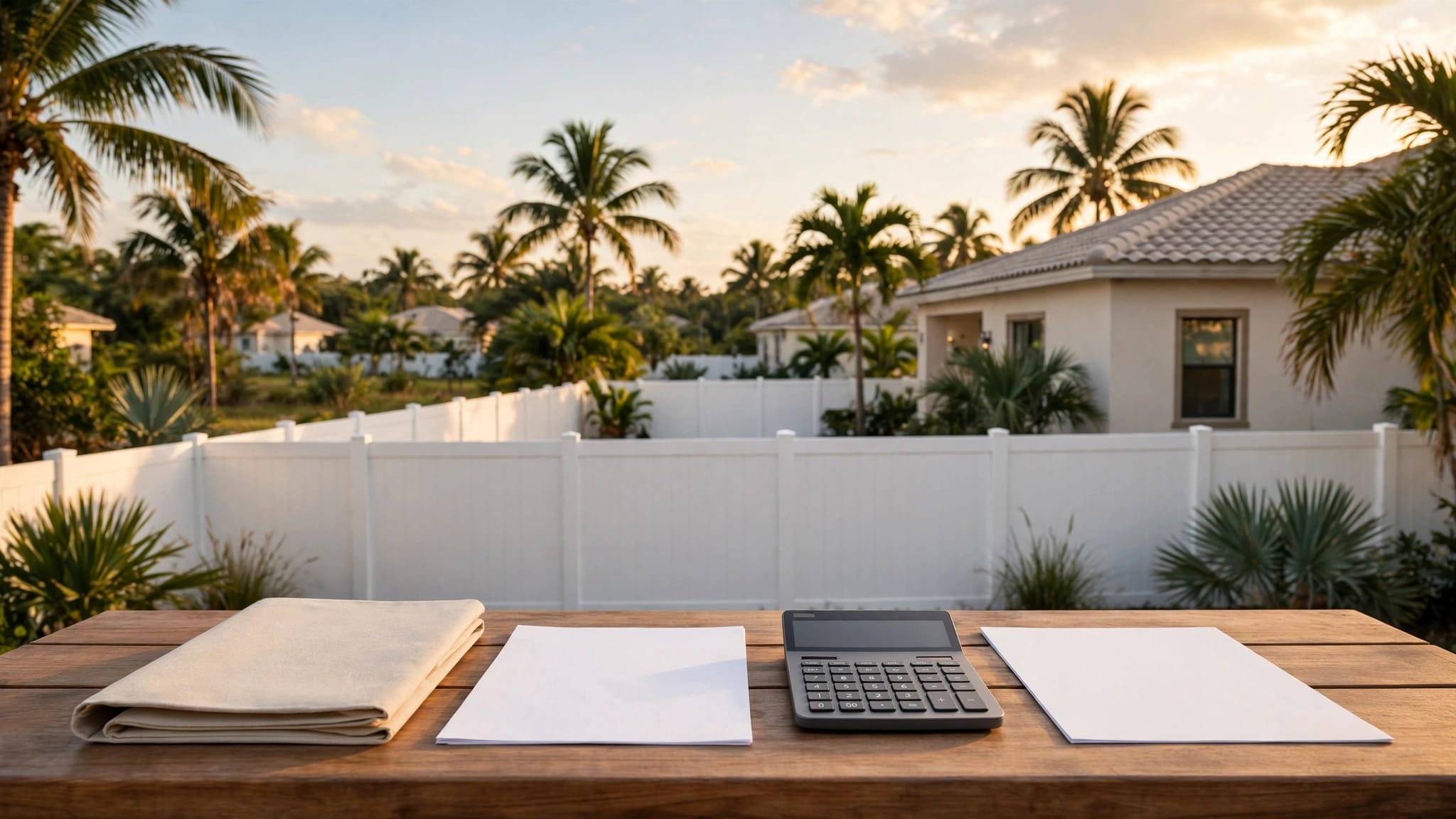
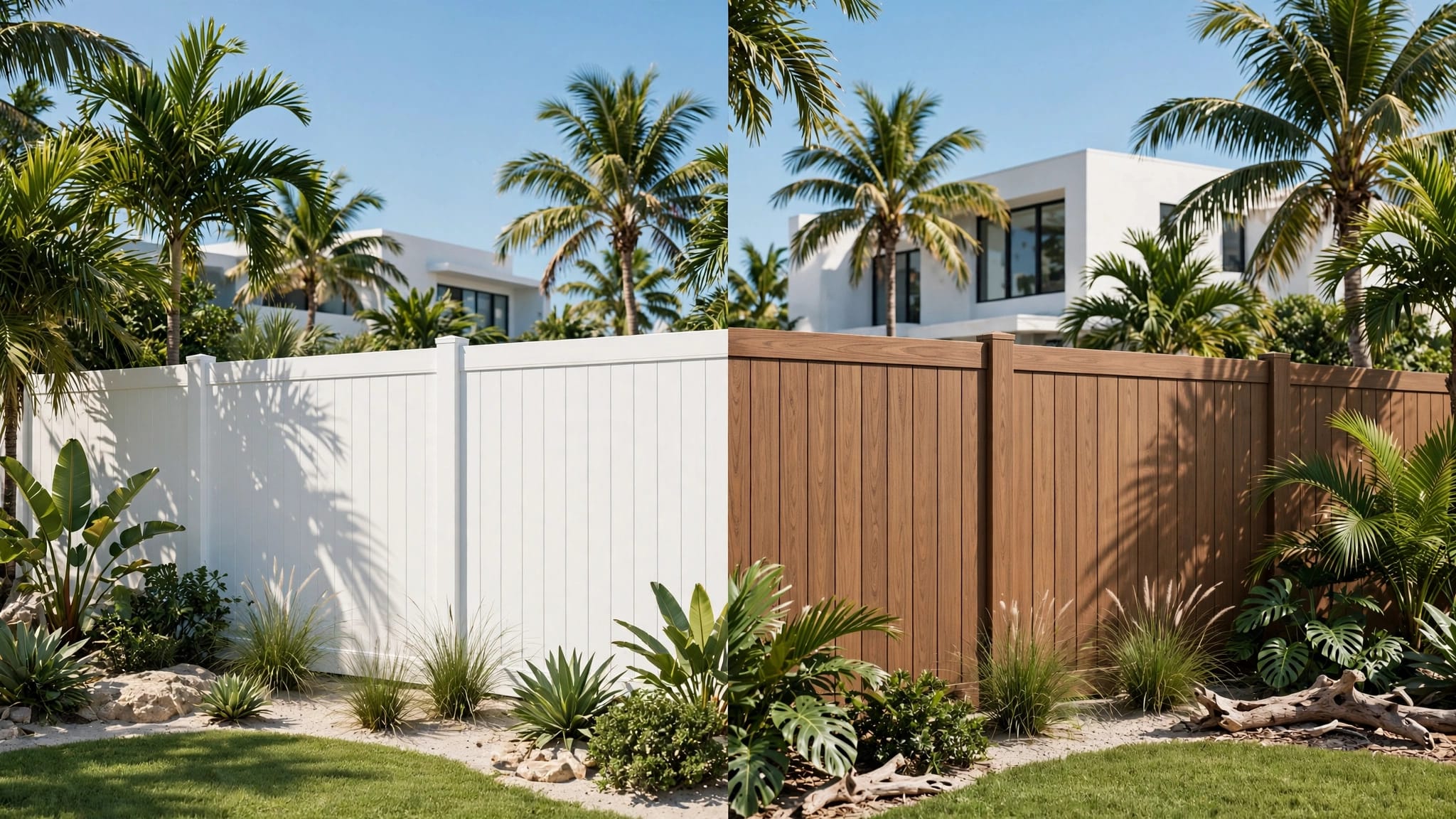
Vinyl privacy fences with airflow-friendly features are popular because they don't rot, warp, or feed termites. That's a big win in humid yards. However, the best version for Florida often is not a plain solid panel. A vented top, lattice top, or semi-private upper section can soften wind load while keeping the yard screened. If you want low upkeep, these vinyl privacy fence benefits in Cape Coral explain why vinyl stays popular in SWFL.
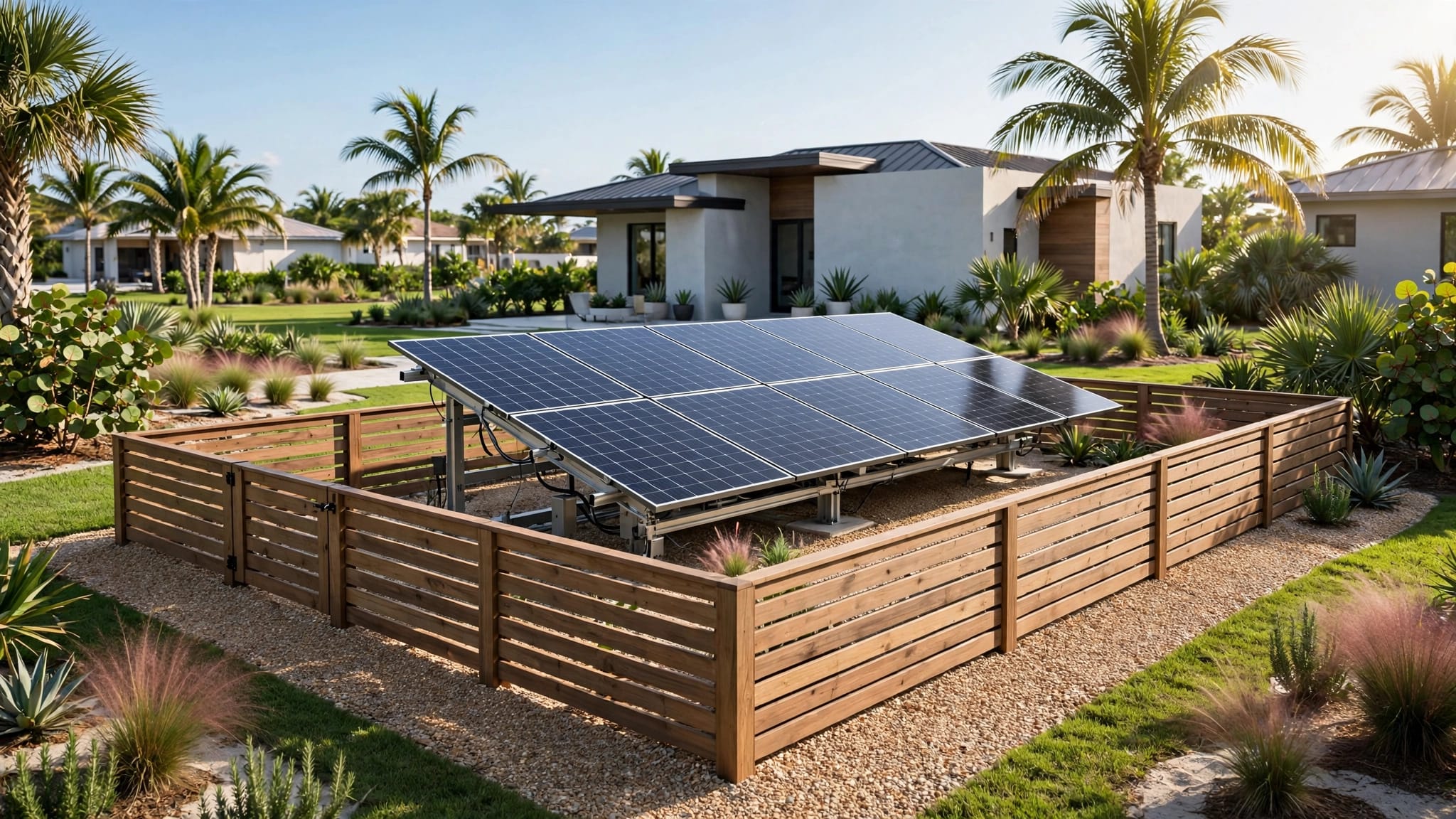
Aluminum with privacy add-ons deserves more attention than it gets. On coastal lots, aluminum handles humidity and salt air better than many other materials. By itself, it is open, not private. Yet paired with partial screens, plants, or selective infill panels, it can create a breezy privacy solution that doesn't feel boxed in.
Composite can be a good middle ground. It resists rot and insects better than wood, but it tends to be heavier and warmer in direct sun. In Florida, slatted or semi-private composite layouts usually make more sense than extra-long solid runs.
Coastal durability, maintenance, and when semi-private wins
Material choice changes once salt air enters the picture. Near the coast, canal, or bay, corrosion can attack fasteners and gate hardware long before the fence panels fail. That's why aluminum , vinyl , and corrosion-resistant hardware matter so much. Ask for stainless steel or hot-dipped galvanized fasteners, especially on gates and post connections.
Inland yards have a different enemy set. They still deal with heat and humidity, but salt is less aggressive. That gives wood and composite a little more room to work, as long as the yard drains well and sprinklers don't hit the fence every morning. No material is immune to mildew in a shaded Florida yard. Regular rinsing, trimmed-back plants, and good spacing help more than people expect.
A fully solid fence still has a place. It makes sense when homes sit close together, when you need strong pool privacy, or when a side yard faces a busy street. Even then, the structure needs to be built for Florida weather. Long unbroken runs, weak posts, and bargain hardware are where problems start.
A semi-private or ventilated fence is often better for open backyards, corner lots, canal-front homes, and storm-exposed properties. It gives you the privacy you actually use, while letting the yard breathe. That's usually the smarter trade in Southwest Florida.
In the end, pick the fence for the site, not just the photo. Think about wind, moisture, salt exposure, maintenance, and how much view blocking you really need. The right answer often isn't the most solid fence. It's the one that stays straight, looks good, and still lets the breeze through.
A good fence should make your yard feel calmer, not heavier. If you're comparing styles, start with airflow, then look at material, hardware, and local rules. The best privacy fences Florida homes use are the ones built for real weather, not just curb appeal.