Composite Fence Lifespan In Southwest Florida
You install a composite fence expecting it to outlast wood or vinyl. Then Southwest Florida's sun beats down year after year. Heat warps boards, salt air creeps in, and storms test every joint. Homeowners often wonder if their investment holds up here.
Composite fence lifespan varies widely in this region. Factors like your yard's exposure and care routine make the difference. A basic setup might fade in 15 years. Top-grade material with smart habits can push past 35.
This guide breaks down realistic timelines. It covers local weather challenges, key choices, and steps you can take. You'll see how to get the most from your fence.
Realistic Composite Fence Lifespan Ranges Here
Composite fences blend wood fibers and plastic. They resist rot better than wood. Still, no material ignores Southwest Florida conditions forever.
Expect 20 to 35 years on average. Inland yards hit the higher end. Coastal spots near canals or the Gulf lean lower, around 20 to 25 years. Premium capped composites with UV blockers stretch toward 35 or more.
Why the range? Poor installs shorten life fast. Heat expansion cracks tight joints. Storms rack loose posts. Here's a quick view of influences:
| Factor | Boosts Lifespan | Shortens Lifespan |
|---|---|---|
| Grade | Capped boards, UV protection | Uncapped, thin boards |
| Location | Shaded inland lot | Full sun, salt exposure |
| Care | Regular rinses, trim plants | Neglect, vine overgrowth |
The takeaway stays clear. Match grade to your site. A strong start adds years.
Southwest Florida Weather's Toll on Composite Fences
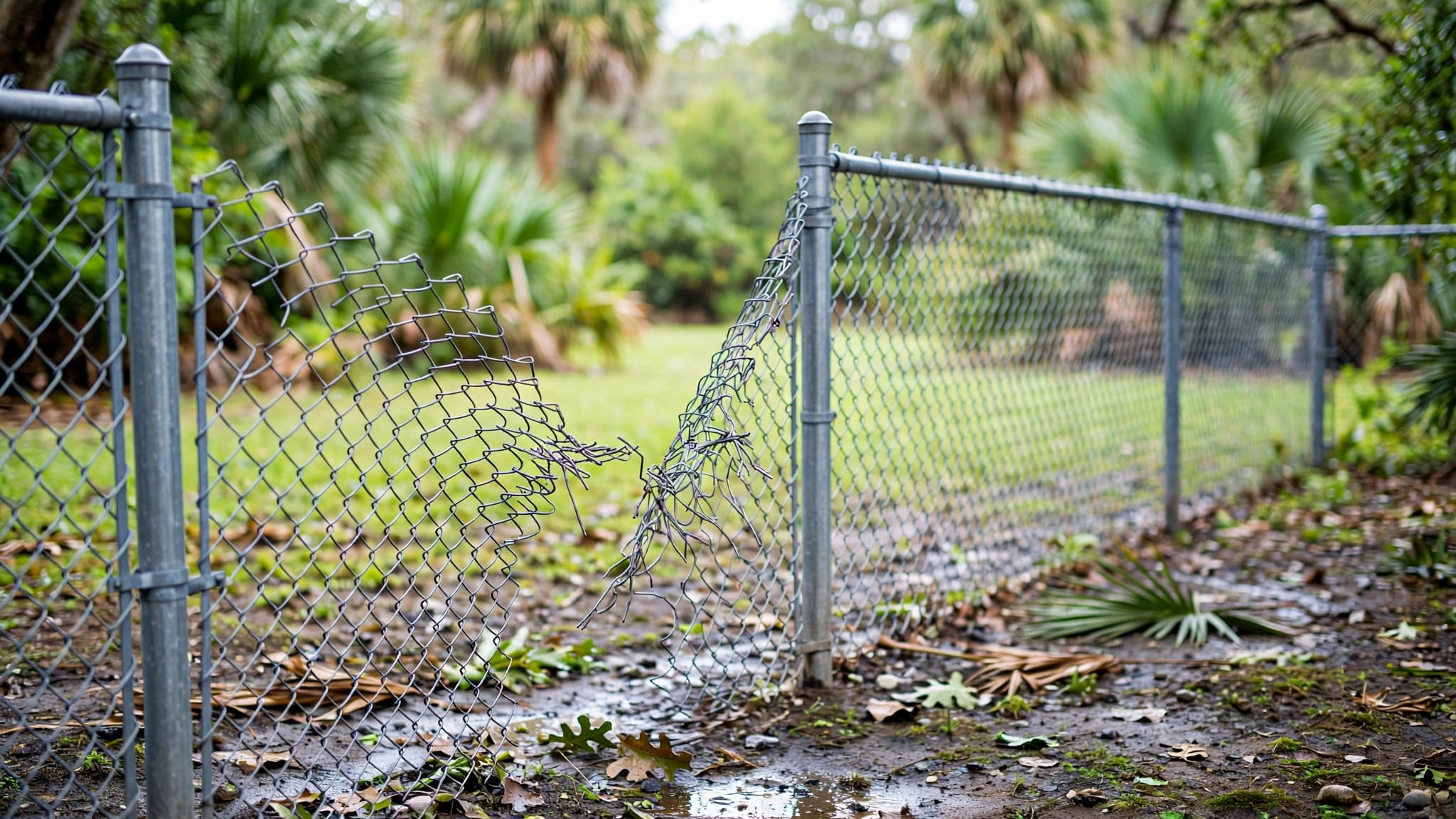
Sun hits hardest. Intense UV fades color and chalks surfaces. South-facing runs show it first. After five years, bargain boards look gray.
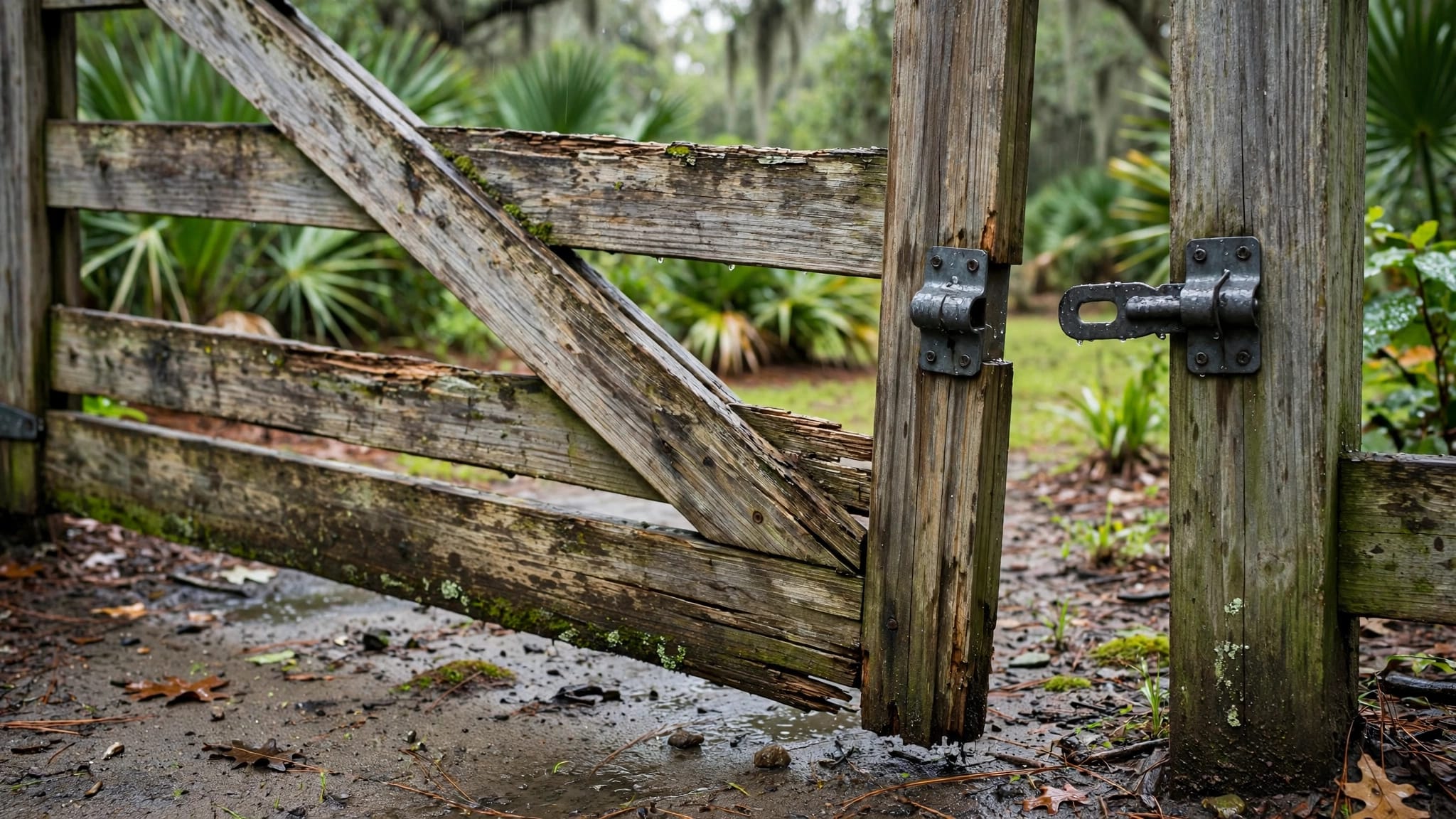
Humidity traps moisture. Boards swell in rain, then shrink in heat. Gaps close or widen. Mildew spots shaded areas if dirt builds up.
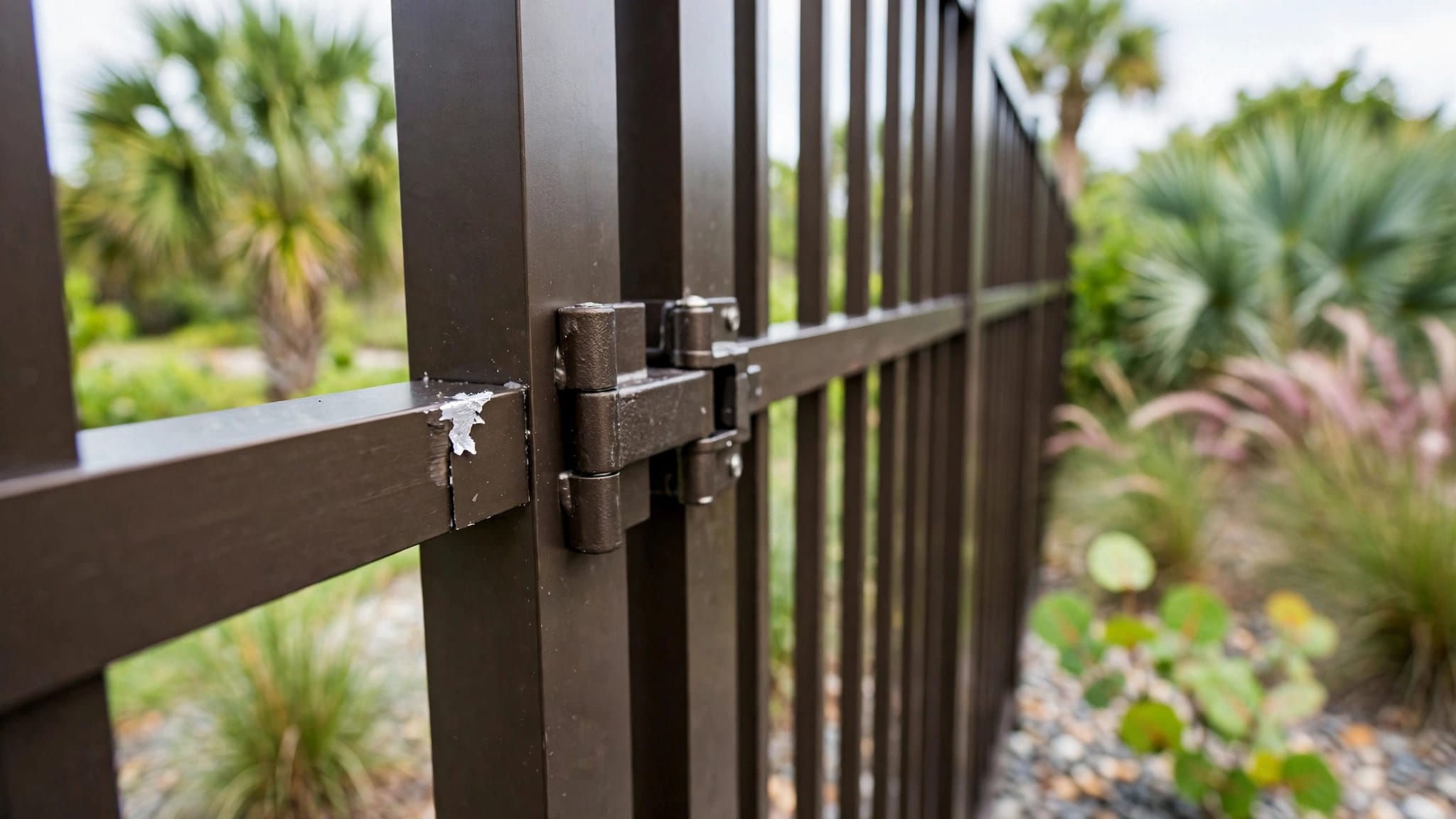
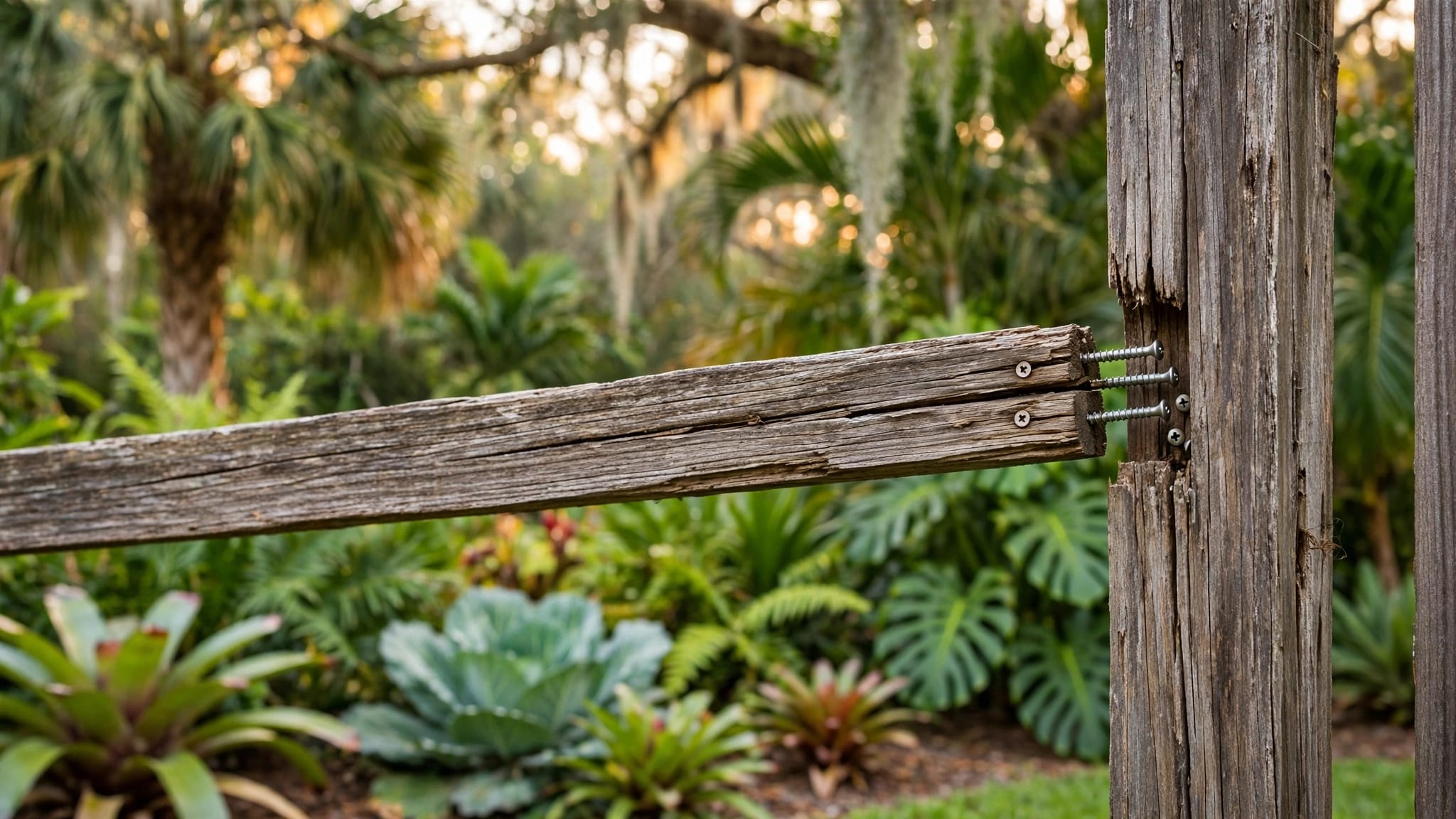
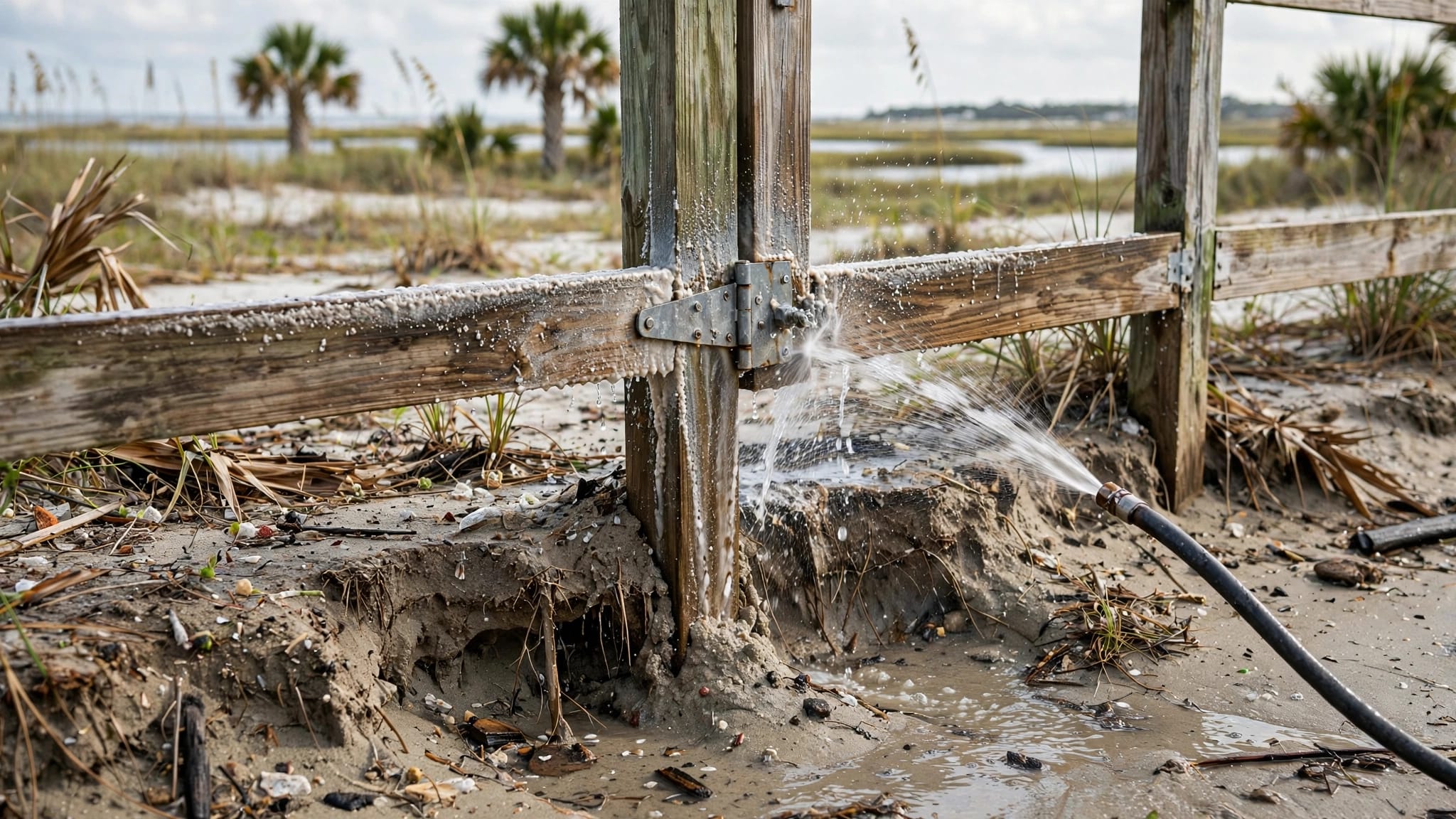
Salt air attacks hardware. Screws and brackets pit near water. Composite itself holds up. Fasteners fail first, loosening rails.
Storms add pressure. Winds up to 100 mph in hurricanes push panels. Wet sand shifts posts. One bad season racks a weak fence.
Flooding worsens it all. Standing water soaks bases. For options in wet yards, check best fence materials for flood-prone Southwest Florida yards. Composites rank solid there, but posts need depth.
Local yards differ. A Fort Myers inland fence ages slower than one in Cape Coral by the canal. Exposure decides speed.
Why Product Grade Matters Most for Longevity
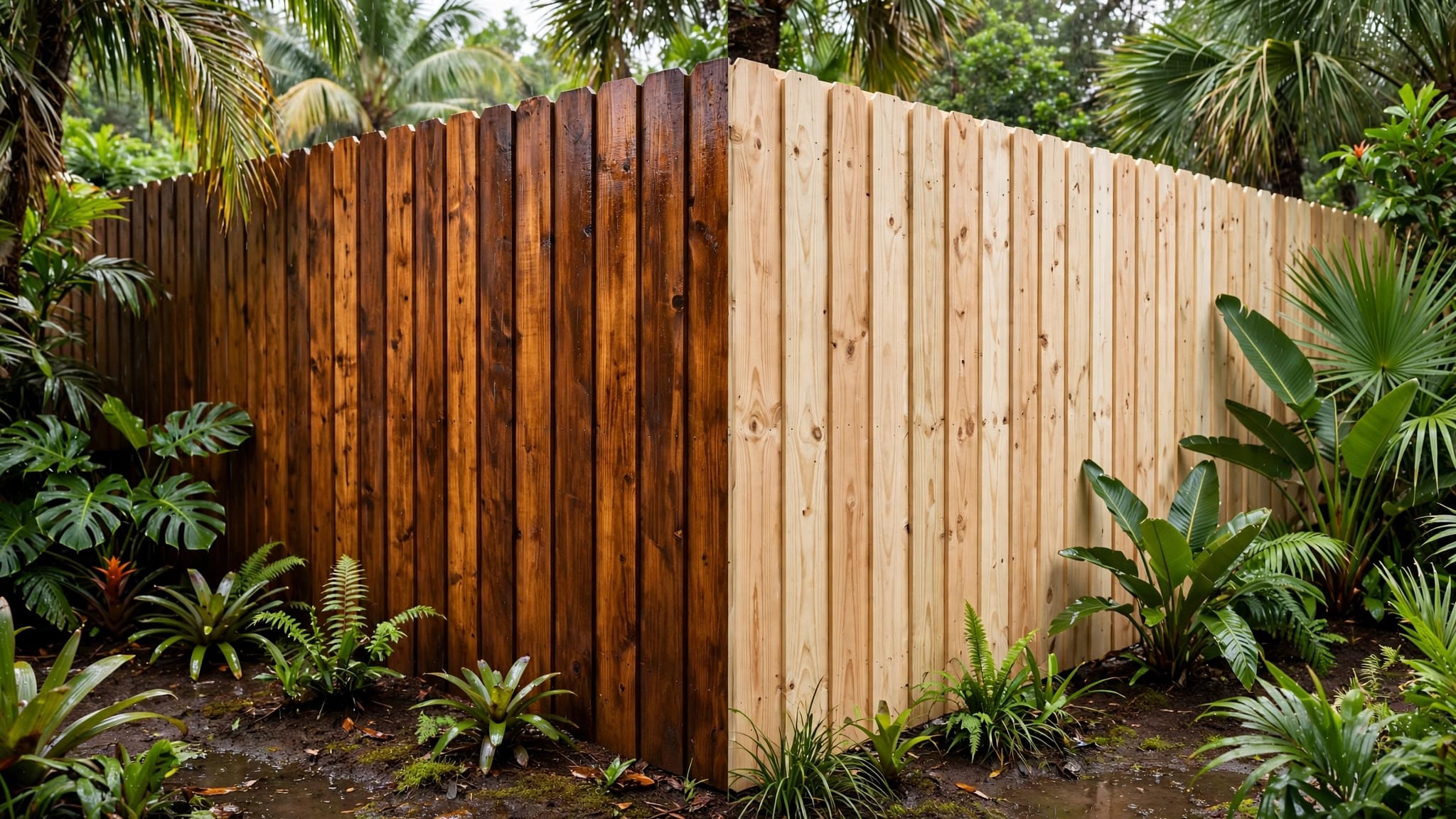
Not all composites equal up. Entry-level boards lack caps. They soak water and fade fast.
Mid-grade adds UV inhibitors. Colors stay true longer. Capped versions seal edges. They shed dirt and resist scratches.
Top brands use recycled plastic with strong binders. Boards flex without cracking in heat. Look for 90% plastic content. It handles expansion better.
Compare to neighbors. Wood lasts 8 to 15 years here. Vinyl pushes 20 to 30. See vinyl fence lifespan in Southwest Florida for details. Composites sit between if you pick right.
Test boards before buying. Feel weight. Heavier means denser mix. Ask for warranties over 25 years. They signal confidence in local conditions.
Installation Quality Seals the Deal
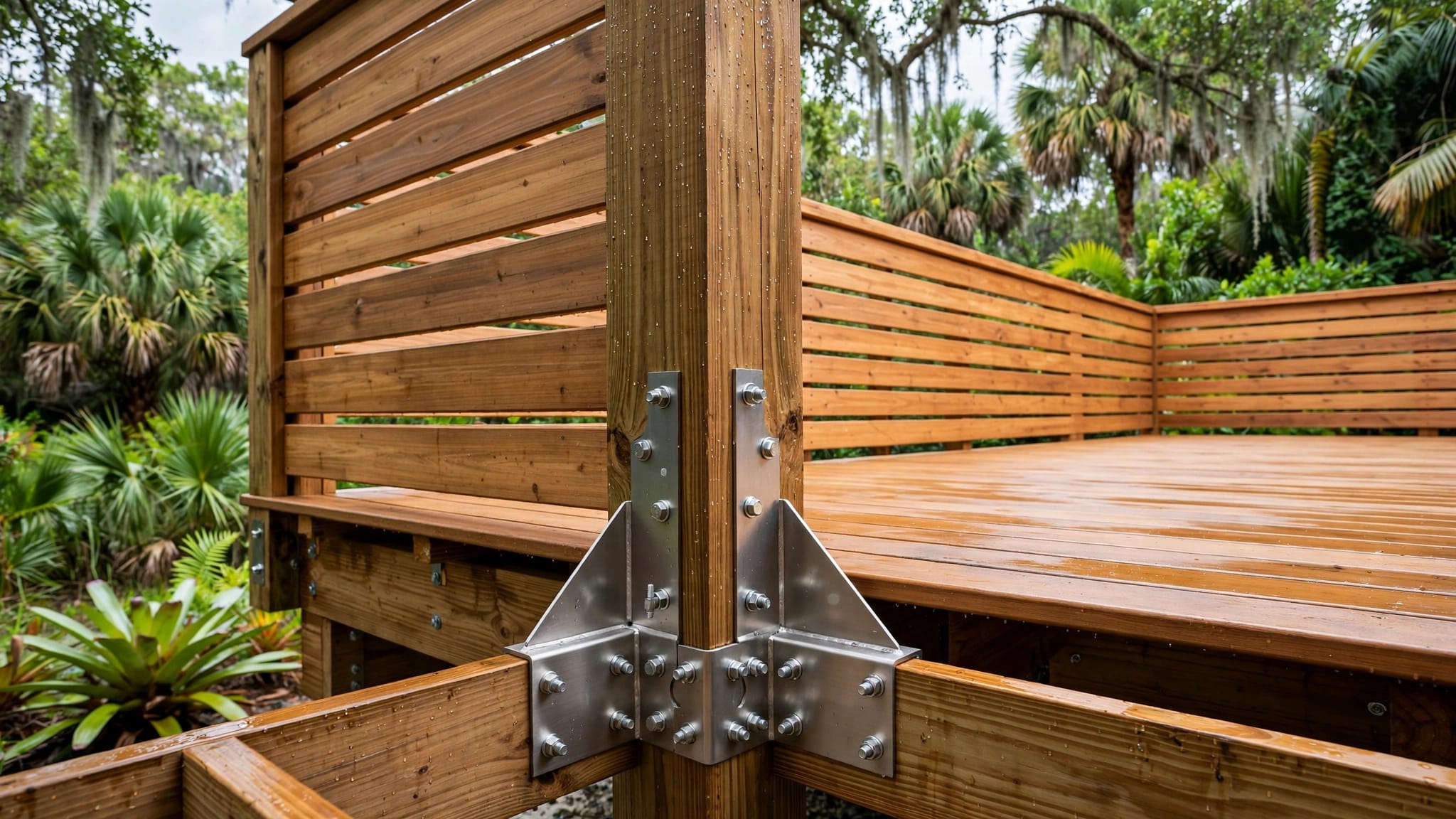
Even premium composite fails with bad work. Posts need 42-inch depth in sand. Concrete footings lock them tight.
Leave expansion gaps. Heat swells boards half an inch per 100 feet. Tight fits bow rails in summer.
Gates demand bracing. Daily swings stress hinges. Use stainless hardware near salt.
Straight lines matter. Uneven ground hides poor plumb. Wind catches crooked runs first.
Hire locals who know soil. They space for storms. A solid job doubles effective life.
Everyday Maintenance Adds Years
Composite asks little. Still, habits pay off.
Rinse quarterly. Hose removes pollen, salt, mildew. Mild soap tackles stains. Avoid pressure washers; they gouge.
Trim plants back. Vines trap moisture. Mulch stays 6 inches away.
Inspect after storms. Tighten loose screws. Watch for cracks near posts.
For snowbirds, quick checks before leaving help. Pair with low-maintenance fences for snowbirds in Southwest Florida. Composites fit well.
Annual touch-up hides fades. Manufacturers sell matching stains.
Smart Buying Tips for Southwest Florida Homes
Budget for grade, not square foot price. Cheapest up front costs more later.
Verify marine-grade hardware. Salt eats standard stuff.
Read reviews from local installs. Cape Coral pros face real tests.
Get multiple quotes. Ask about warranties and storm prep.
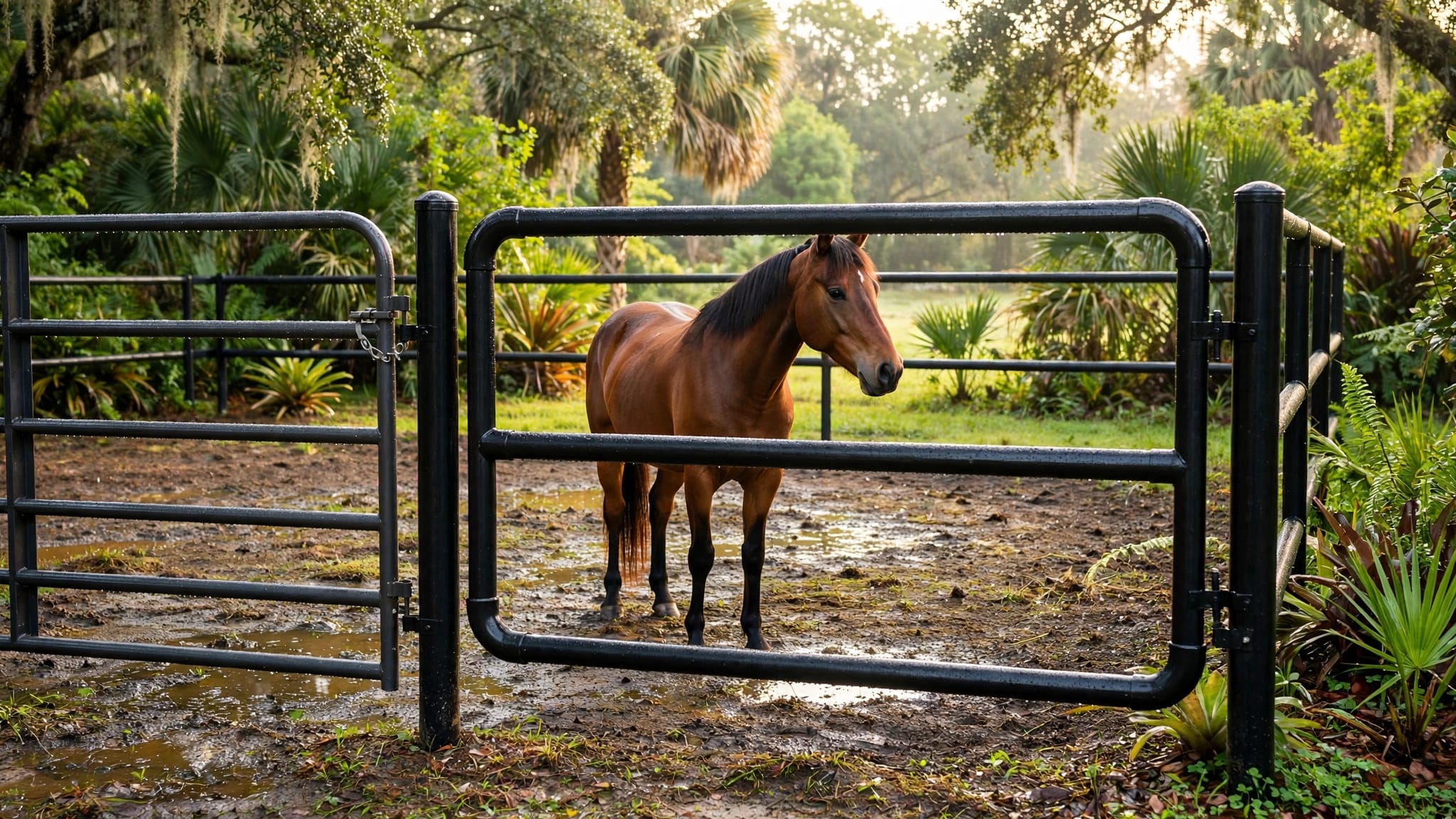
Match style to needs. Privacy boards need strong posts. Picket styles suit views.
Compare to aluminum too. Check aluminum fence lifespan in Southwest Florida. It often outpaces composite in salt air.
Your yard sets the pace. Test samples in sun. Pick what thrives here.
Composite fences deliver 20 to 35 years in Southwest Florida when you choose wisely. Weather challenges fade, heat, salt, and wind test every setup. Grade, install, and rinses tip the scales toward longer life.
Start with your exposure. Inland shade helps. Coastal salt demands extras. Solid choices now mean fewer headaches later. Your fence can stand strong through seasons ahead.