Best Dog Fences for Climbers in Southwest Florida
Your energetic Lab mixes backyard zoomies with fence-scaling attempts. In Southwest Florida, salt air and storms make it worse. A weak fence fails fast here.
Climbing dogs turn simple yards into escape zones. You need sturdy options that match coastal weather. These picks focus on height, smooth designs, and storm toughness.
Let's break down what works best for your pet.
Why Southwest Florida Climbs Demand Tougher Fences
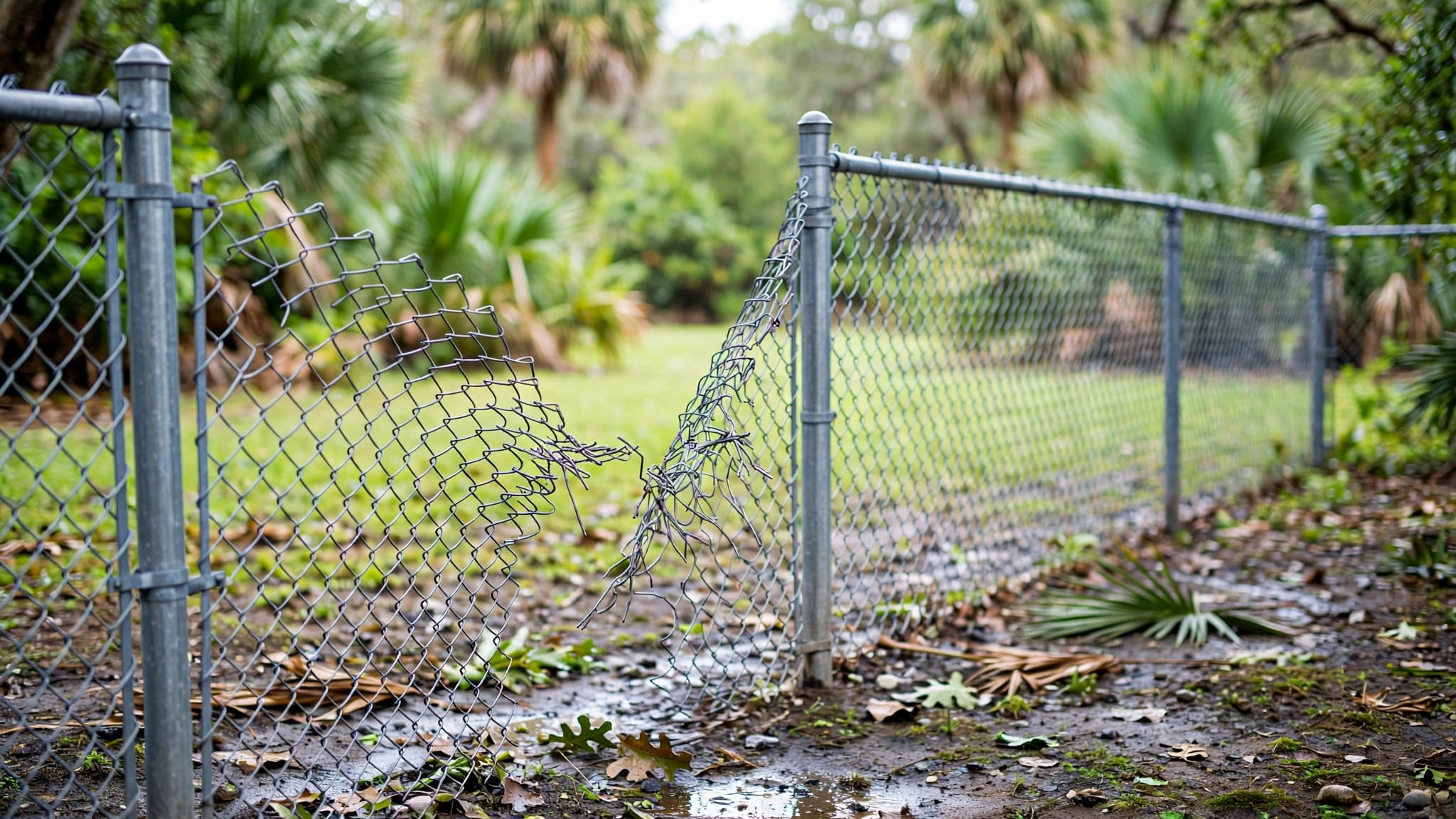
Sandy soil shifts under posts during rains. Salt from the Gulf corrodes cheap metal quick. Add hurricane winds, and standard fences lean or snap.
Climbers grab any grip. Horizontal rails or wide gaps invite trouble. Local yards also face high humidity. That warps wood and rusts chain link without coatings.
Most importantly, safety comes first. A good fence keeps dogs in and gators out. It also cuts noise from busy streets in Cape Coral or Fort Myers.
For full pet setups, check best fences for digging dogs in Florida sand. Digging pairs with climbing often.
Strong Materials That Block Climbs
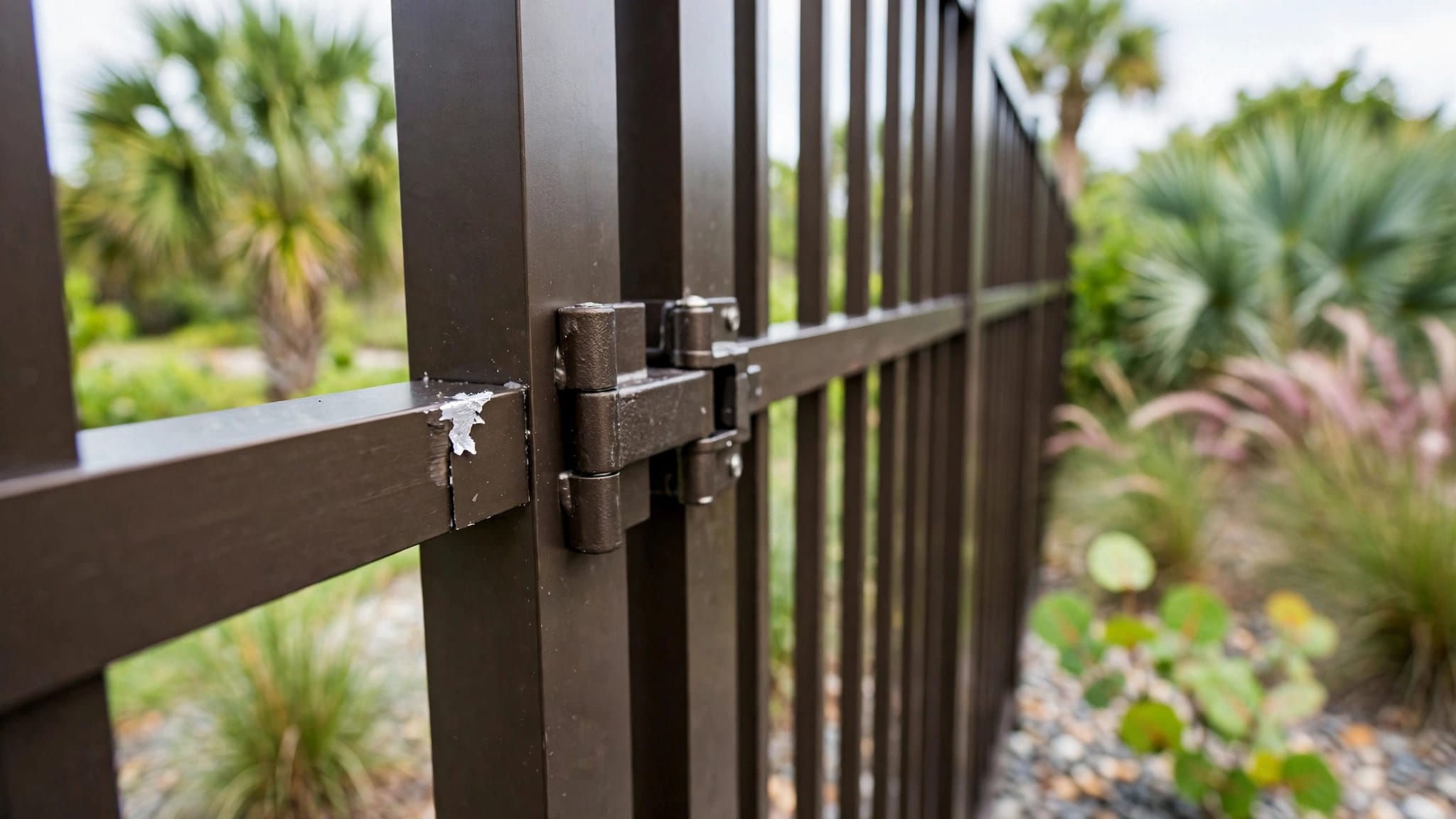
Aluminum tops the list for coastal homes. Powder-coated versions resist rust. Vertical pickets offer no footholds. They handle 130-mph winds too.
Chain link works well with vinyl coating. Black or green hides better than silver. Small mesh, like 2-inch by 2-inch, stops paw grips. See black vs galvanized chain link for dogs SWFL for local picks.
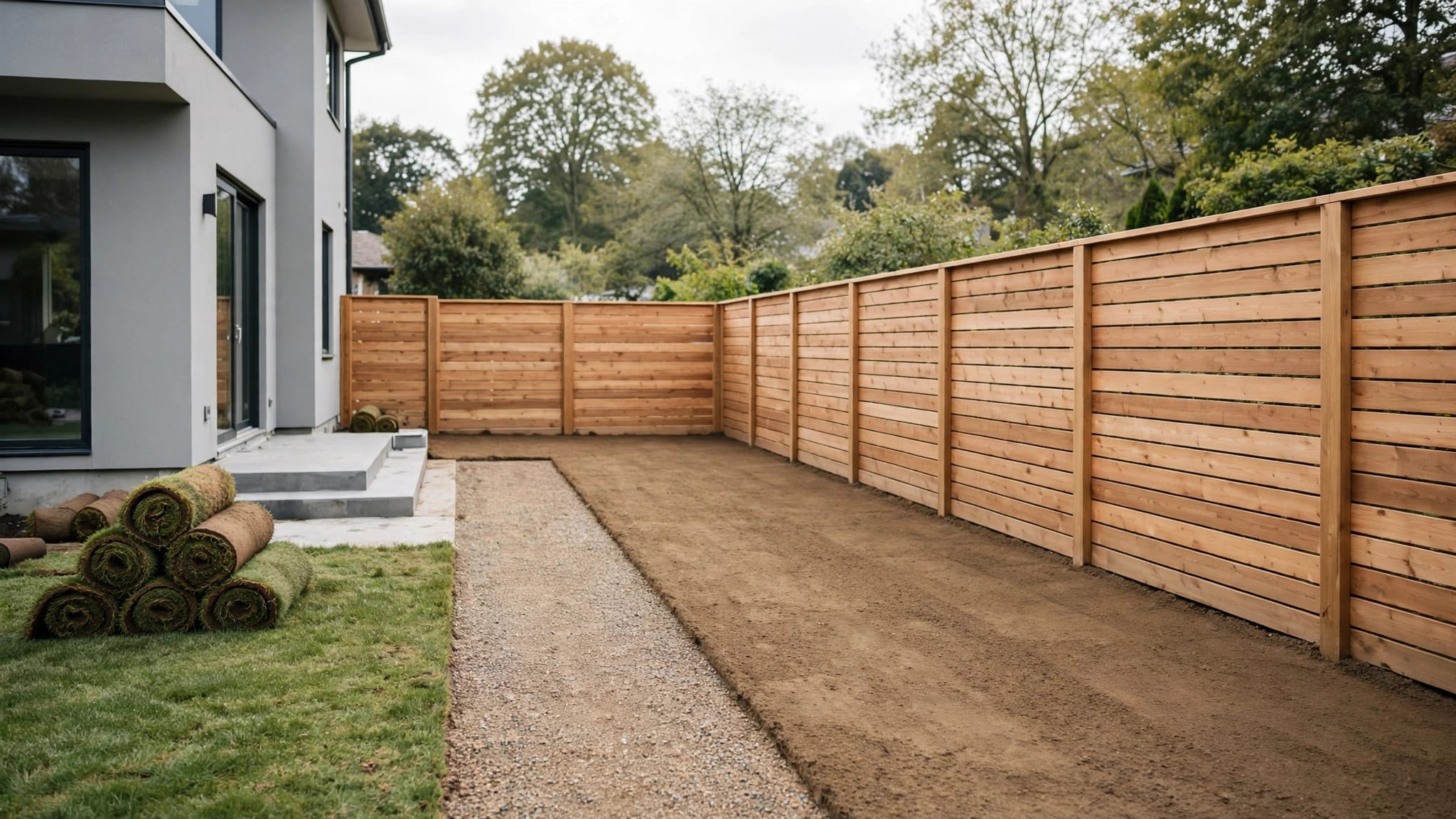
Vinyl privacy suits quiet yards. Smooth panels prevent claws from digging in. It won't rot in humid air. However, pick open styles near water to shed wind.
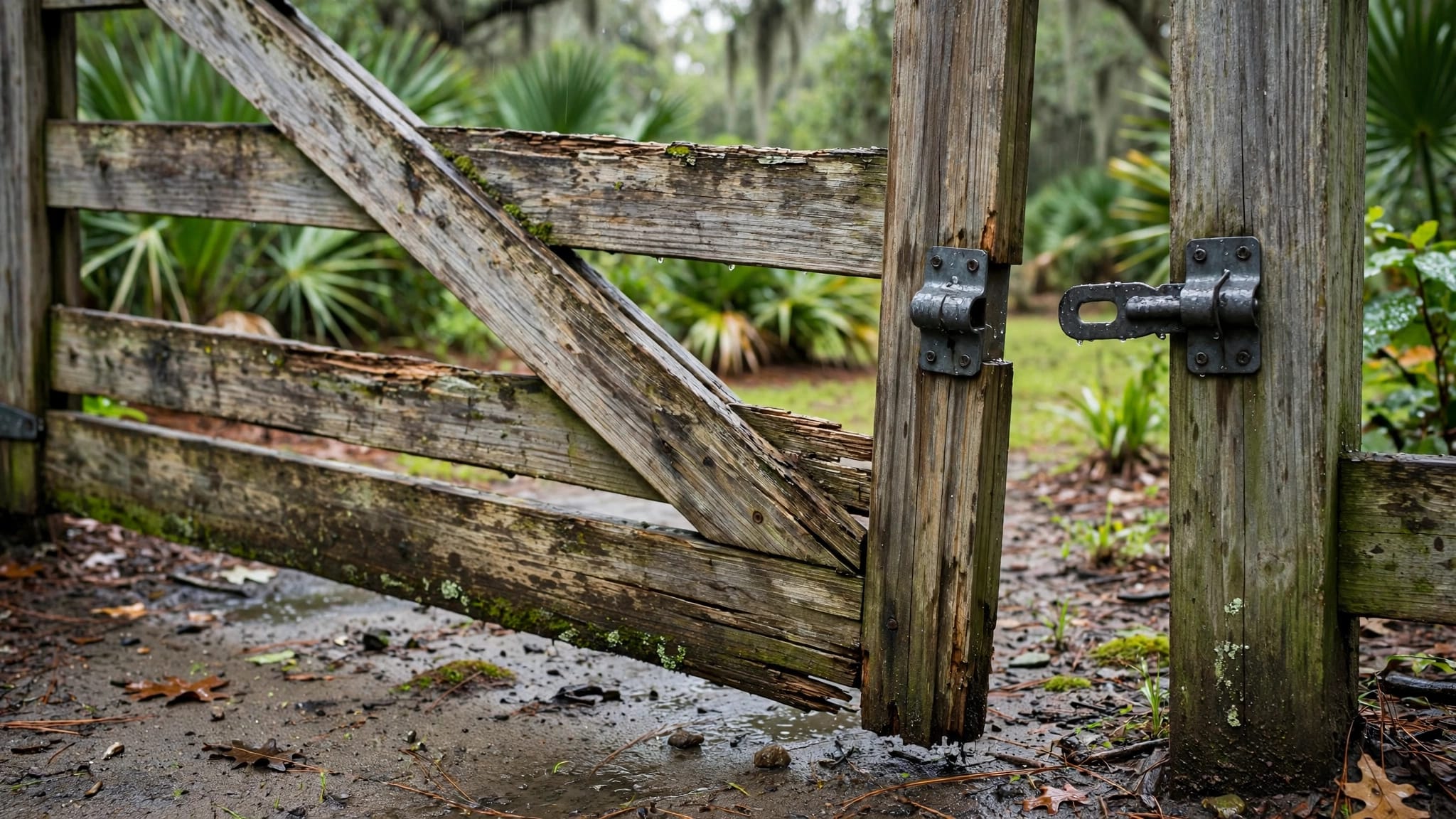
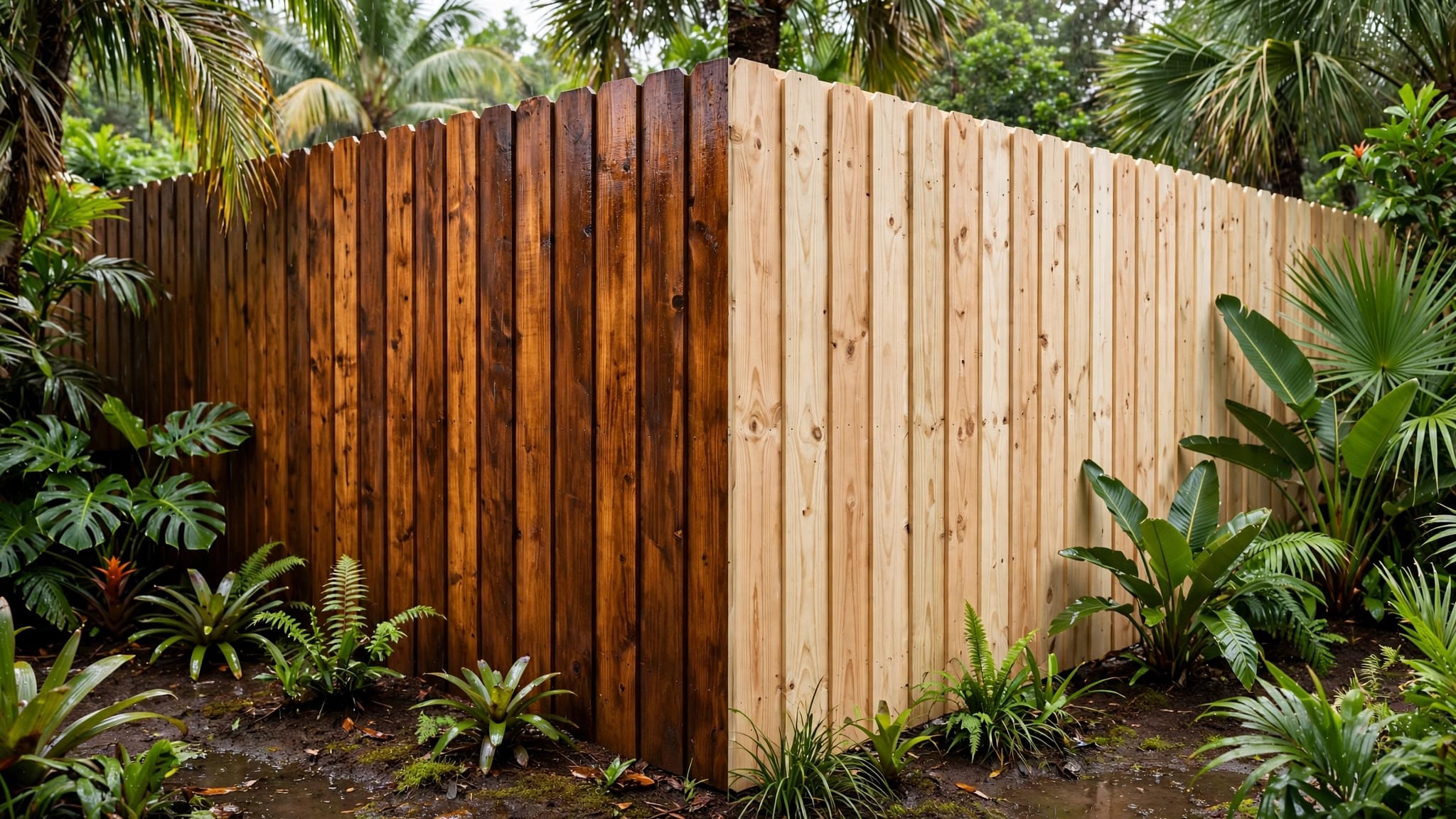
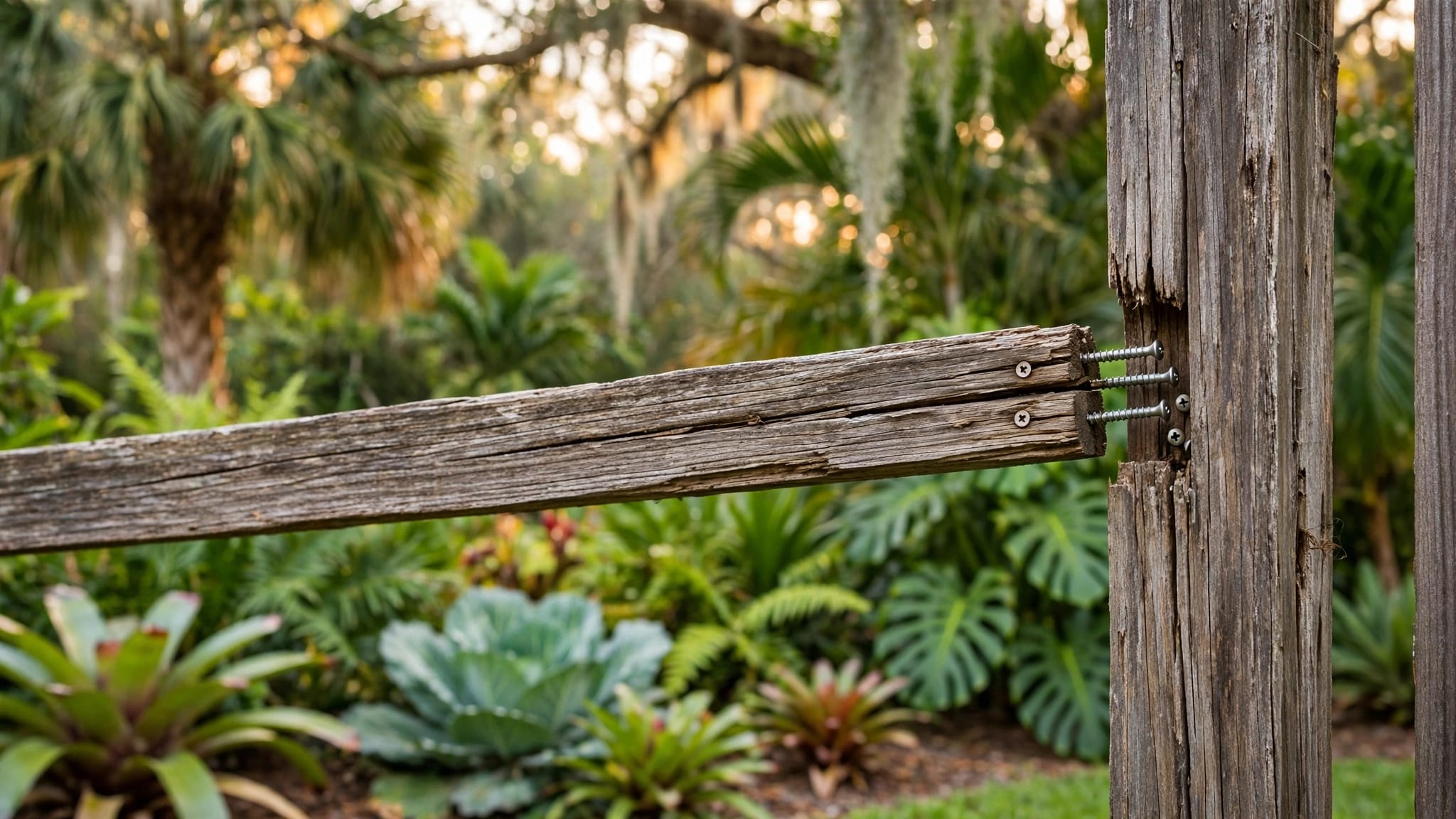
Avoid wood. Termites and wet seasons demand constant seals. Hog wire panels shine as an alternative. Thick 6-gauge steel bends little under pressure.
| Material | Climb Resistance | Storm Rating | Maintenance |
|---|---|---|---|
| Aluminum | High (vertical bars) | Excellent | Rinse yearly |
| Vinyl-coated chain link | Good (tight mesh) | Very good | Low |
| Vinyl privacy | High (smooth face) | Good | Hose off |
| Hog wire | Excellent (small grid) | High | Minimal |
Aluminum leads for longevity. Chain link saves cash upfront.
Essential Anti-Climb Features for Local Yards
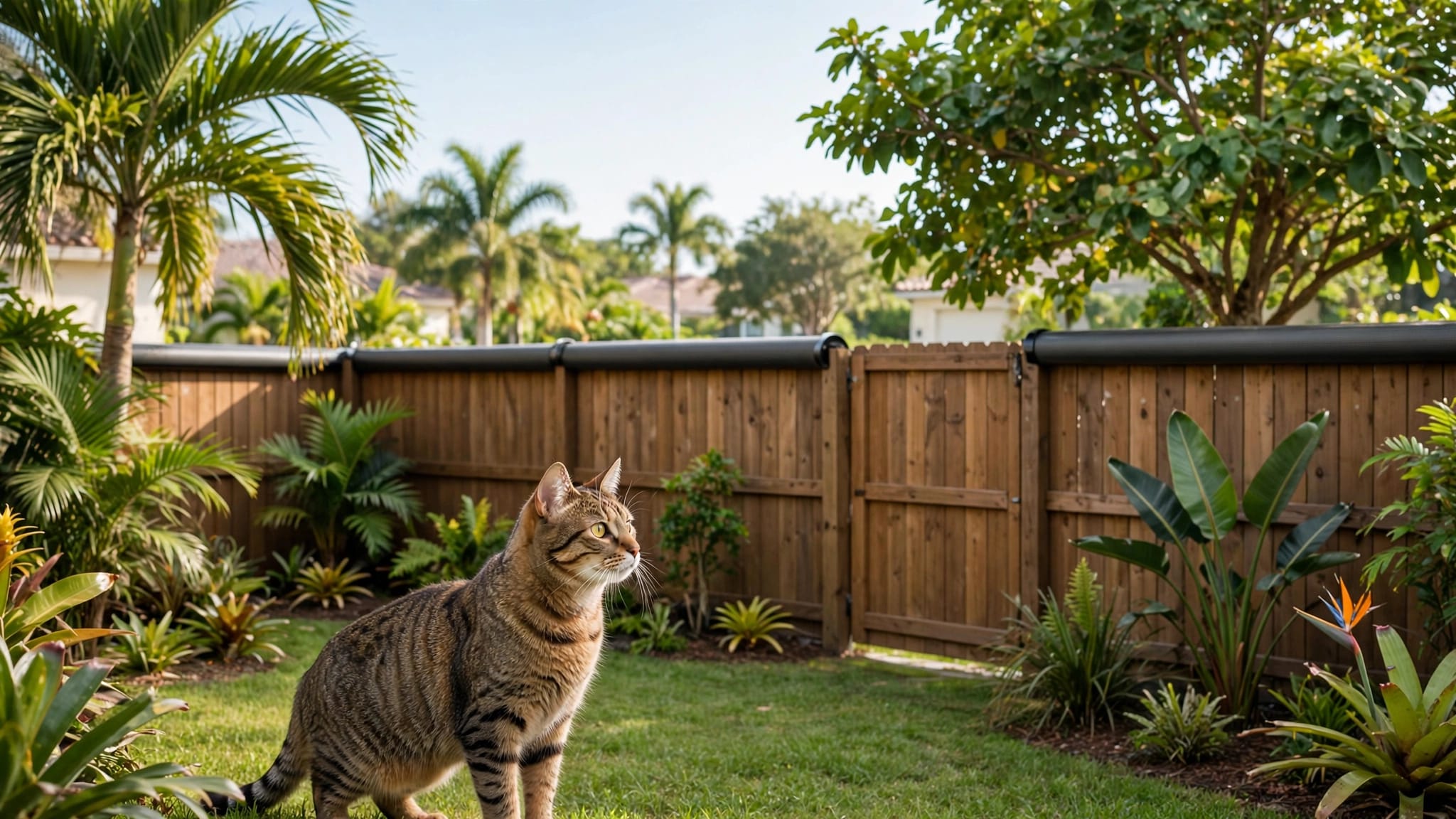
Coyote rollers top every tall fence. They spin if paws touch, so dogs slide off. Add them at 6 feet for Labs or Huskies.
Inward extensions at the top curve back 12 inches. Climbers reach the edge but can't hook over. Smooth tops beat jagged wires.
Reduce footholds with vertical designs only. No crossbars below 4 feet. Gates need self-latching hardware. Double bolts prevent nose pushes.
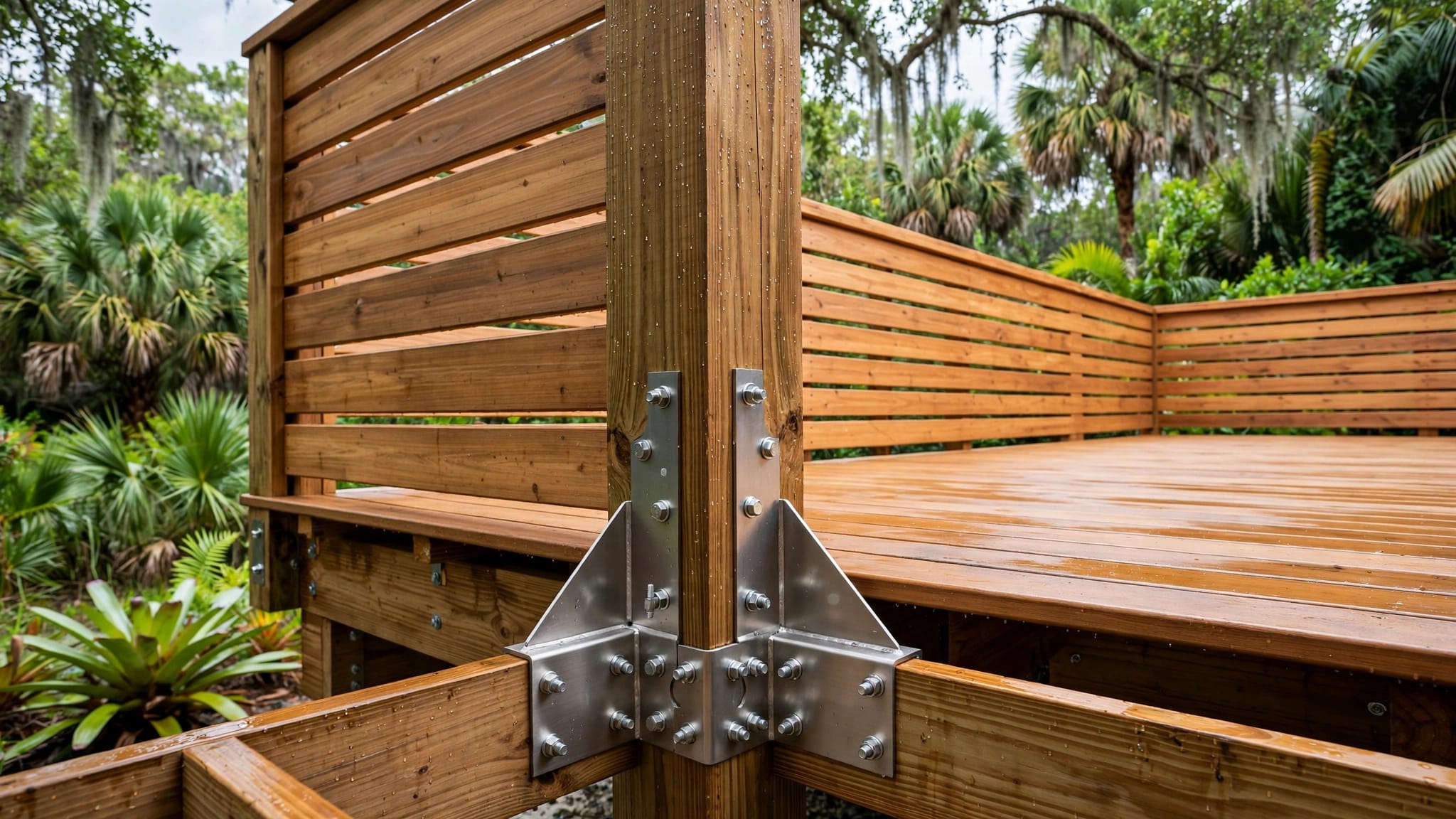
For sandy spots, bury L-footers 12 inches deep. They stop under-climbs during digs. Concrete footings anchor posts against storm surges.
Pool areas demand extras. Self-closing gates meet 2026 codes. Learn more in Cape Coral pool fences for pet safety.
These features turn escapes into fails.
Right Heights by Dog Size and Yard Type
Small breeds like Jack Russells need 5 feet minimum. Add rollers for jumpers. Medium dogs, such as Border Collies, require 6 feet with tight mesh.
Large climbers like Great Pyrenees demand 7 to 8 feet. Full vertical aluminum fits sloped lots. See racked vs stepped fences for dogs on uneven terrain.
Flat canal yards suit open chain link. It keeps views while blocking climbs. Flood-prone spots pick elevated posts. Check flood-resistant dog fences in SW Florida.
Yard size matters. Small lots use vinyl for privacy. Big ones go chain link for cost.
Match height to your dog's drive. Test with a ladder if unsure.
Storm-Ready Choices That Last
Hurricanes hit hard here. Vinyl-coated chain link passes wind codes. Open design lets gusts flow through.
Aluminum with thick rails survives salt spray. No rust means fewer fixes after Ian-like storms.
Vinyl holds up but needs strong posts. Space them 8 feet max. Hog wire panels flex less than expected.
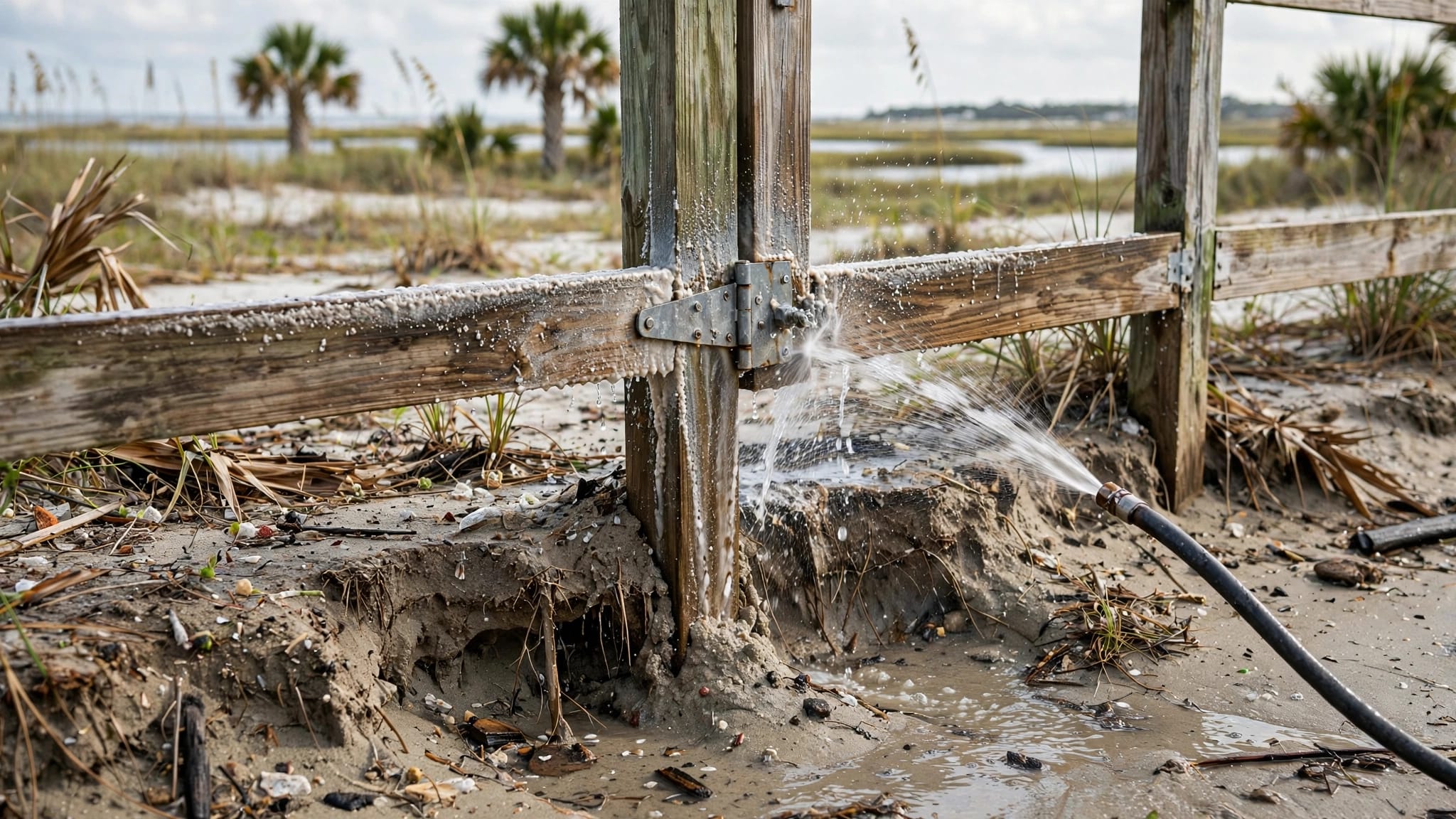
All need deep concrete. 36 inches fights sandy washouts. Rinse salt monthly for longevity.
Low upkeep saves time. No painting or staining beats Florida sun.
Secure Gates and Extras for Peace of Mind
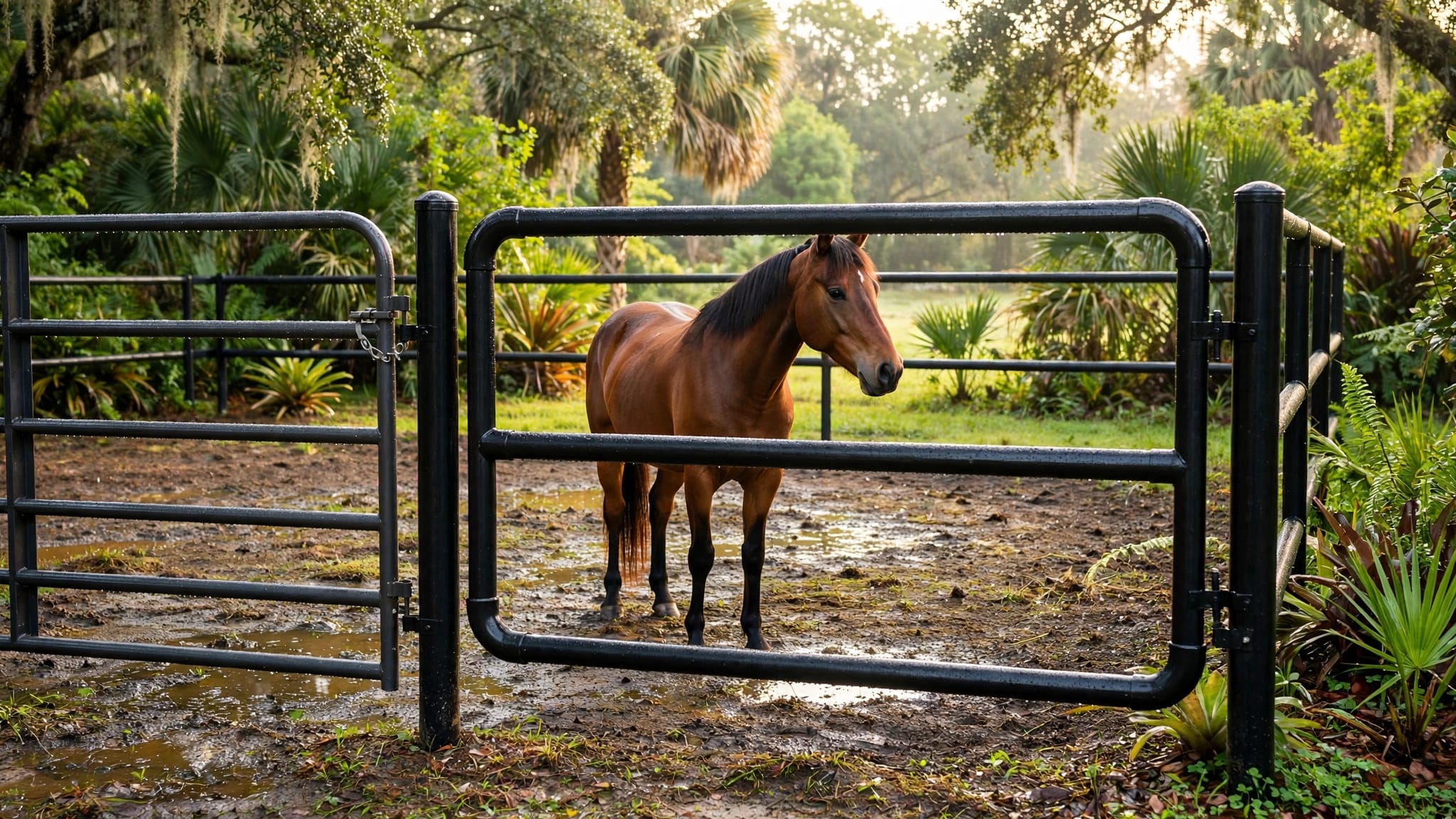
Gates fail first. Pick heavy-duty latches at 4 feet high. Self-closing springs work in wind.
Double gates for driveways need drop rods. Kids can't lift them.
Add lean-ins at bases. Dogs push but hit resistance.
For ultimate security, pair with training. Reward stays inside boundaries.
Vinyl gates shine for smooth climbs. See vinyl privacy pet fences Cape Coral.
Strong gates seal the deal.
Solid dog fences in Southwest Florida mix height, smooth materials, and local smarts. Aluminum or coated chain link stop climbers best. Add rollers and latches for wins.
Your yard stays safe through storms. Pick based on size and budget. A pro install ensures it lasts.