Can You Build a Fence on a Vacant Lot in Florida?
A vacant lot can look like the easiest place for a fence until the first permit question pops up. In Florida, you can often build one, but the real answer depends on the lot's zoning, the property lines, and local rules.
County, city, and HOA requirements often control fence height, location, materials, and permitting. This is general information, not legal advice. Before you buy posts or panels, make sure the lot can actually support the fence you want.
The short answer for Florida lot owners
Yes, you can often build a fence on a vacant lot in Florida if you own the land and the zoning allows it. The catch is that a vacant parcel has no house to use as a guide, so the plan needs to start with the survey, not a guess.
That matters because the fence has to stay on your side of the line. It also has to fit local setback rules, right-of-way limits, and permit requirements. A lot that looks empty can still carry a drainage easement, utility access corridor, or visibility restriction.
If you're searching for fence vacant lot Florida rules, the biggest surprise is usually how local the answer is. State law sets the background, but the city or county often decides whether the fence is allowed, how tall it can be, and where it can sit.
HOA rules can add another layer too. Some associations care about style, color, and even the timing of the install on an undeveloped parcel. In that case, the city may say yes while the HOA says no until you clear its process.
If you're in Cape Coral, a Cape Coral fence permit checklist can help you gather the right paperwork before the first post hole is dug.
Why statewide rules are only part of the answer
Florida does not use one fence code for every lot. The city, county, and HOA rules do the heavy lifting, and they often decide whether the fence is allowed at all.
Here is a quick look at where the real decisions usually come from.
| Rule source | What it usually controls | What it means for a vacant lot |
|---|---|---|
| Statewide Florida law | General property and land-use rights | It does not set one fence height for every parcel |
| City or county code | Height, materials, setback, permit needs | This is usually the rule you must follow first |
| HOA or deed restrictions | Style, color, approval steps | It can be stricter than the local code |
| Easements and right-of-way records | Where you can place the fence | A fence in the wrong spot may need to move |
Many Florida cities use limits around 4 feet in front yards and 6 feet in side or rear yards, but those numbers are not fixed statewide. Corner lots, commercial zoning, and historic districts can change the rules fast. In some places, fences near a street or driveway also need clear sight lines.
A fence that looks harmless on paper can turn into a boundary problem on the ground.
For unincorporated parts of Lee County, a Lee County fence permit guide is a helpful way to compare your plan with local requirements before you spend on materials.
Vacant lot problems that cause delays
A vacant lot brings a few extra headaches that developed properties usually do not have. The land may be open, but the paperwork is often more complicated.
Property lines need proof
On a vacant lot, the corners are easy to misread. Missing pins, overgrown edges, or old survey marks can make the line seem obvious when it isn't. A current survey gives you a paper trail, which matters if a neighbor questions the fence later.
If the lot has changed hands, been replatted, or sits near a shared access road, don't rely on a tax map alone. Tax maps help with general location, but they are not the same as a boundary survey.
A lot owner can also run into a simple but costly mistake. The fence may look centered from the road, but the actual property line may sit several feet away. Once posts go in, moving the line gets expensive fast.
Easements and utility access matter
Vacant lots often have more open space than developed ones, but that does not mean every part is buildable. Drainage easements, power lines, water mains, and other utility paths may cut across the parcel. A fence in those areas can block access or violate the permit plan.
That is why utility records matter before the first hole is dug. Call 811 before you dig, then confirm the fence line against the survey and the site plan. If the lot sits inside a drainage area or utility corridor, the local office may require changes before approval.
The safest approach is simple. Match the survey, the easement records, and the permit plan before you buy materials. If one of those pieces does not line up, stop and get it cleared first.
Setbacks and sight lines before you dig
Setbacks matter because a fence can be legal on your lot and still be too close to a road, sidewalk, or drainage swale. Corner lots need extra care, since a tall or solid fence can block driver sight lines near intersections and driveways.
That is where a lot of owners get surprised. The fence itself may seem small, but local staff often look at the whole site. They want to know if the fence will affect traffic, drainage, access, or neighboring lots.
Before you start, check these points:
- Front-yard height limits, because many local rules treat front yards differently.
- Side and rear yard height limits, since those are often allowed to be taller.
- Corner-lot sight triangles, which keep drivers from losing view at intersections.
- Setbacks from streets, sidewalks, and drainage areas.
- Material limits, including rules on solid panels, chain link, or decorative metal.
- Gate placement, if the lot will later have a driveway or access path.
These details matter most on vacant land because there is no house or landscaping to hide a mistake. A fence that sits a few feet off can change the whole permit review. It can also force you to shorten a line, move posts, or redo a gate before the job is finished.
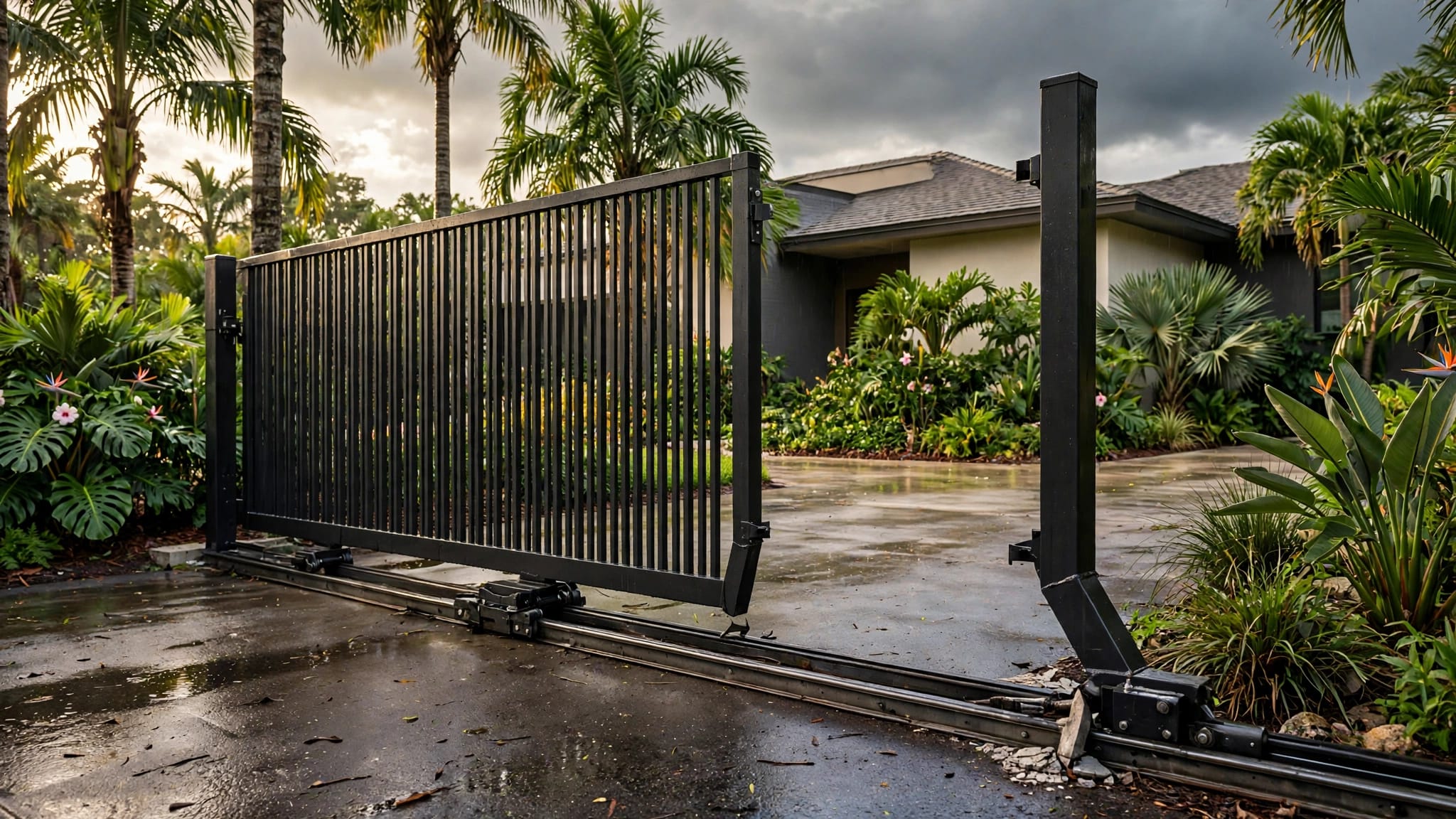
Material choice also matters. A solid privacy fence may work on one lot and fail on another. A more open style, such as aluminum or chain link, may fit better where visibility is a concern. The right choice depends on the local code, the lot's shape, and how the property will be used later.
How a fence contractor helps before the first post goes in
A good fence contractor does more than build panels. On a vacant lot, the first job is reading the land correctly. That means checking the survey, matching the permit rules, and spotting issues before anyone starts digging.
That step saves time because vacant lots often hide small problems. The grade may slope more than expected. A drainage swale may cut across the back line. Old stakes may be missing, and a neighbor may believe the line sits somewhere else. A contractor who handles fences every day knows how these issues affect the layout.
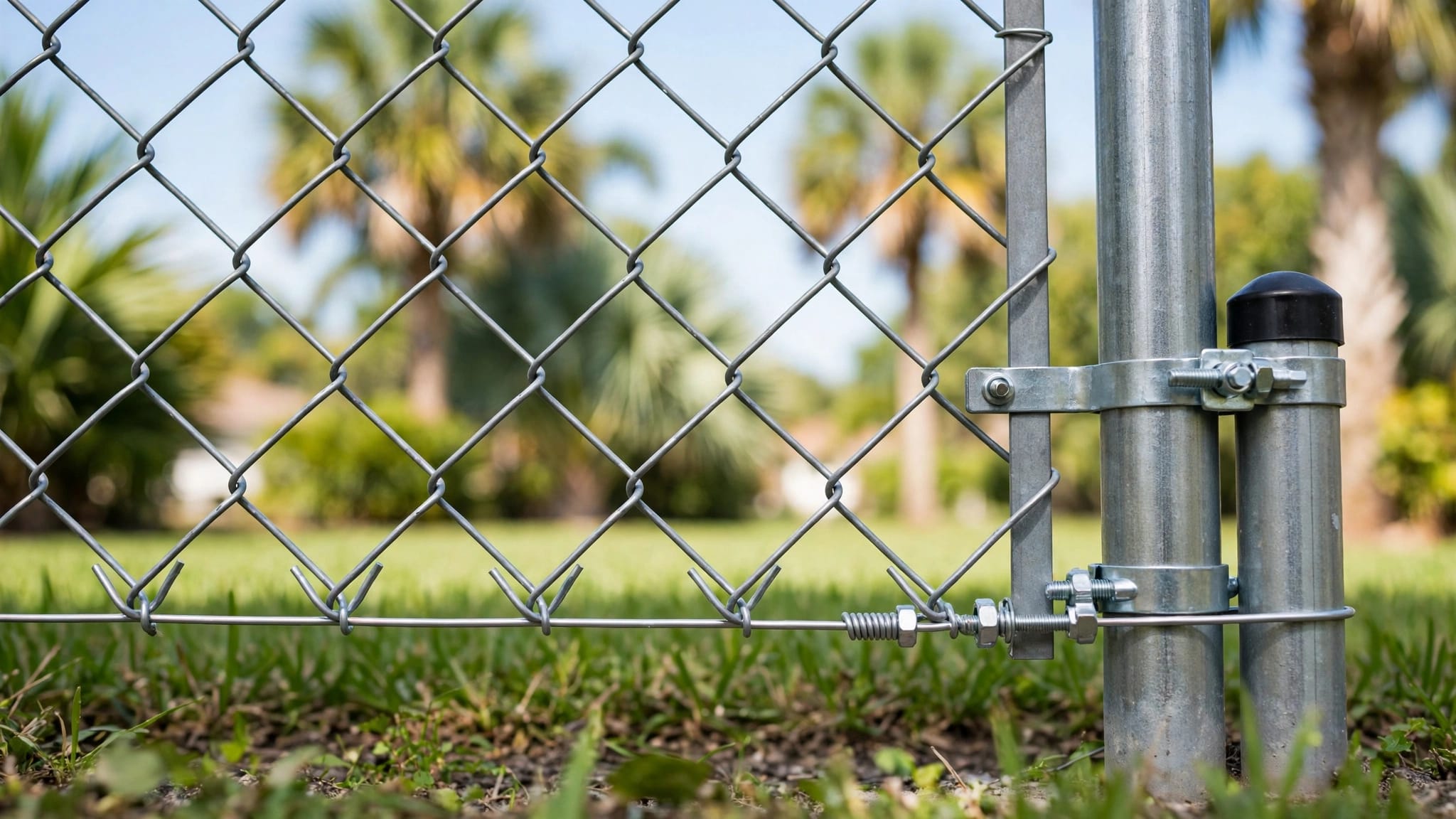
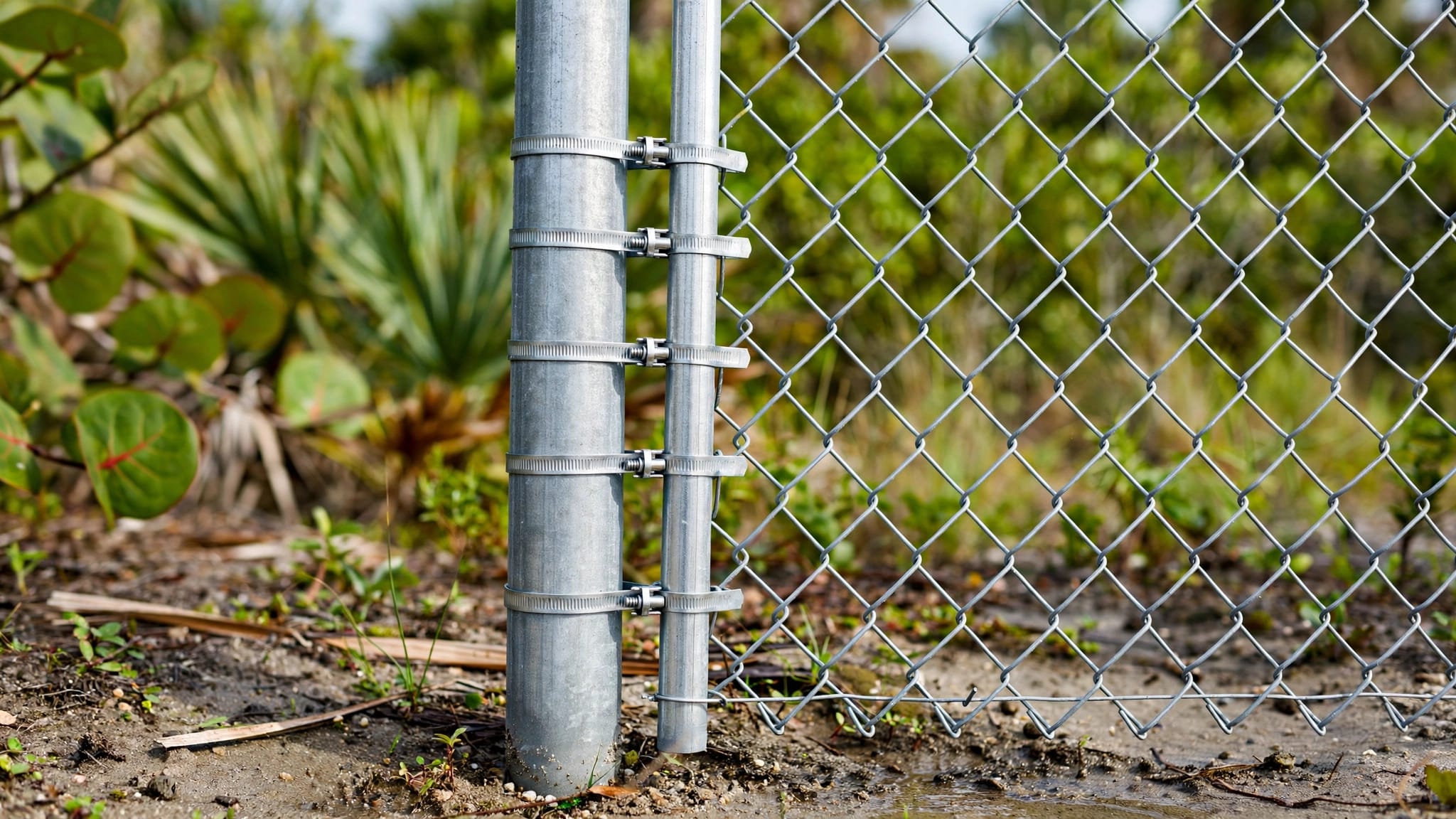
A contractor can also help you choose the right fence type for the lot. A chain link fence may make sense for temporary security. Aluminum may work better near a street when visibility matters. Vinyl or wood may fit a future homesite, but only if the local rules allow the height and style.
For Southwest Florida owners, that local knowledge matters. In Cape Coral, Lee County, Charlotte County, and nearby areas, permit rules can shift from one jurisdiction to the next. Even if two lots sit close together, they may follow different fence rules.
If you're comparing local requirements with your plan, use the same documents the permit office will expect. The survey, the site plan, and the HOA approval, if there is one, should all tell the same story. When they do, the permit process usually goes smoother and the install goes faster.
What to do before you spend money on materials
A vacant lot fence should start with facts, not guesswork. Confirm the property line, check for easements, and review the city or county fence rules before you order panels or posts.
If the lot is in an HOA, get that approval early. If it sits on a corner or near a road, check sight-line and setback rules before you set the layout. If the paperwork is unclear, ask the local permit office before digging.
That extra step is what keeps a simple fence project from turning into a redo. On a vacant lot, the ground may be empty, but the rules are not.
Conclusion
A fence on a vacant lot in Florida is often possible, but the answer lives in the local code, not just state law. County, city, and HOA requirements often decide height, placement, materials, and permit needs.
The biggest risks are usually simple ones, like a shaky boundary, an ignored easement, or a sight-line rule near the road. Get those pieces right first, and the fence has a much better chance of staying where you put it.