Estero Fence Permit Guide for 2026 Homeowners
A fence can look like a simple yard upgrade, right up until someone asks for a survey, a site plan, and an approval number. Then it feels less like a weekend project and more like a paperwork trap.
For 2026, the safe approach is to treat an Estero fence permit as part of the job from day one. That doesn't mean every project gets handled the same way. In Estero, you need to sort out three separate layers first: Village rules, Lee County issues, and your HOA's private rules.
Start with the big question, who actually controls your fence?
Estero sits inside Lee County, but that doesn't mean Lee County handles every fence permit in town. Current Lee County permit information says projects inside incorporated places like Estero may need to go through the local jurisdiction instead. In plain English, your mailing address can say one thing while your permit path says another.
This quick breakdown helps keep the roles straight:
| Layer | What it controls | Who to contact first |
|---|---|---|
| Village of Estero | Zoning, permit review, local fence and wall approval for properties in the Village | Village of Estero Building Department and Permitting Services |
| Lee County | County rules for unincorporated parcels, permit guidance outside Village limits, easement and record issues | Lee County Permit Center or Community Development |
| HOA or condo association | Style, color, placement rules, community approval forms, gate design | Your manager, board, or ARC committee |
The takeaway is simple. Zoning tells you what can go where. Permitting checks the paperwork and inspections. HOA rules can still block a fence that the Village would otherwise allow.
If your home sits outside Village limits, start with these 2026 Lee County fence rules for residential areas. That city-versus-county split trips up homeowners all over Southwest Florida, and it also shows up in nearby markets, as this look at fence permits in Fort Myers vs Lee County makes clear.
What the Village of Estero usually wants with a fence permit application
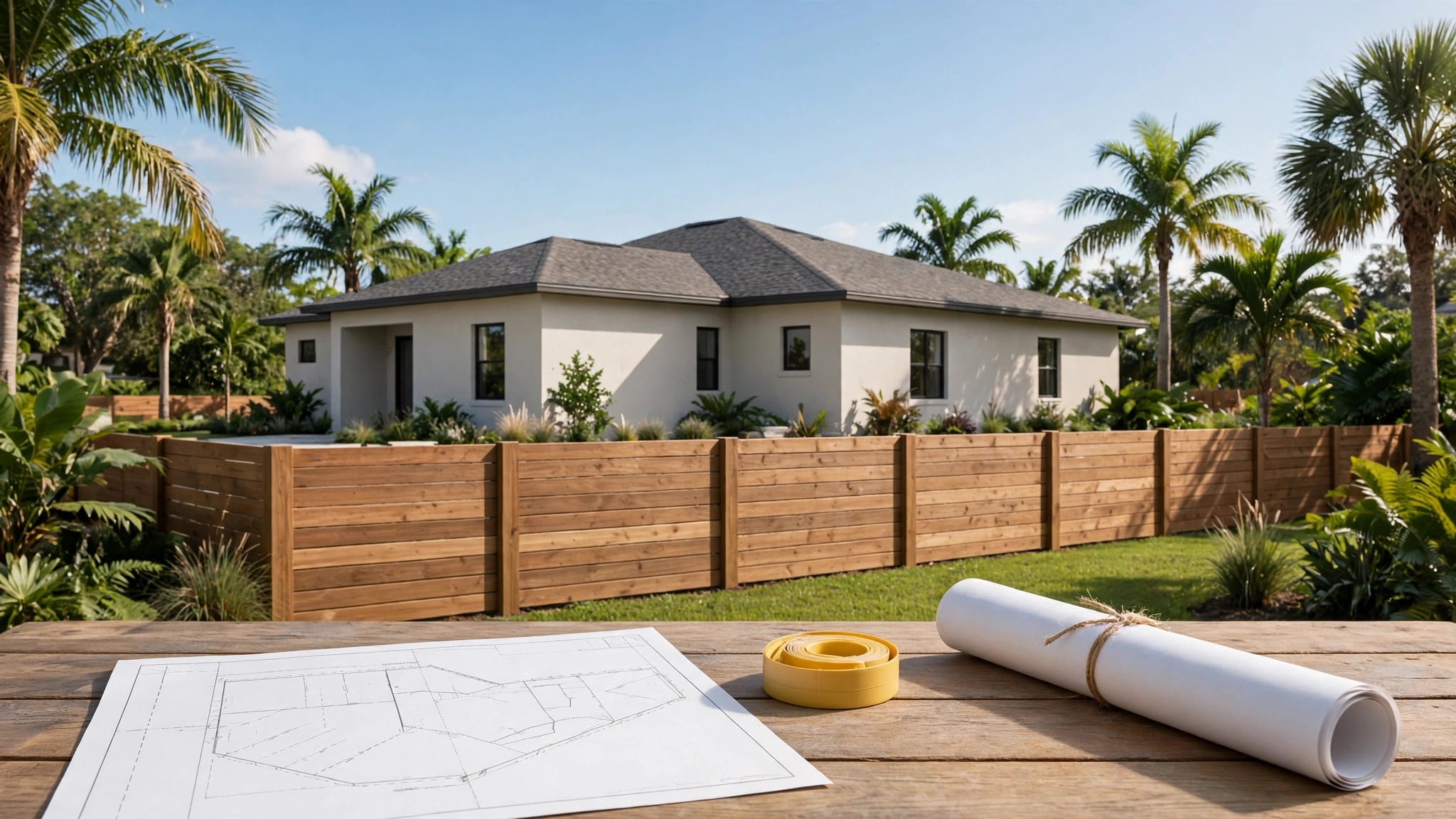
Current 2026 information points homeowners to the Village's Residential Fence/Wall Application process. The Village guidance available now indicates that most fence projects need a permit, while some front-yard fences at 4 feet or under may be exempt. Even then, zoning still applies, so don't treat that as a blanket green light.
For a standard residential fence, expect to gather:
- A plot plan or survey showing all property lines and the proposed fence location
- Fence details, including height, material, and where gates will go
- Extra construction details for taller walls or special designs
- Pool barrier information, if the fence also serves as a pool safety barrier
If you're planning a wall over 6 feet tall, current Village guidance says you should expect signed and sealed plans from a Florida registered architect or engineer. That's one of the clearest lines in the process. Height changes paperwork fast.
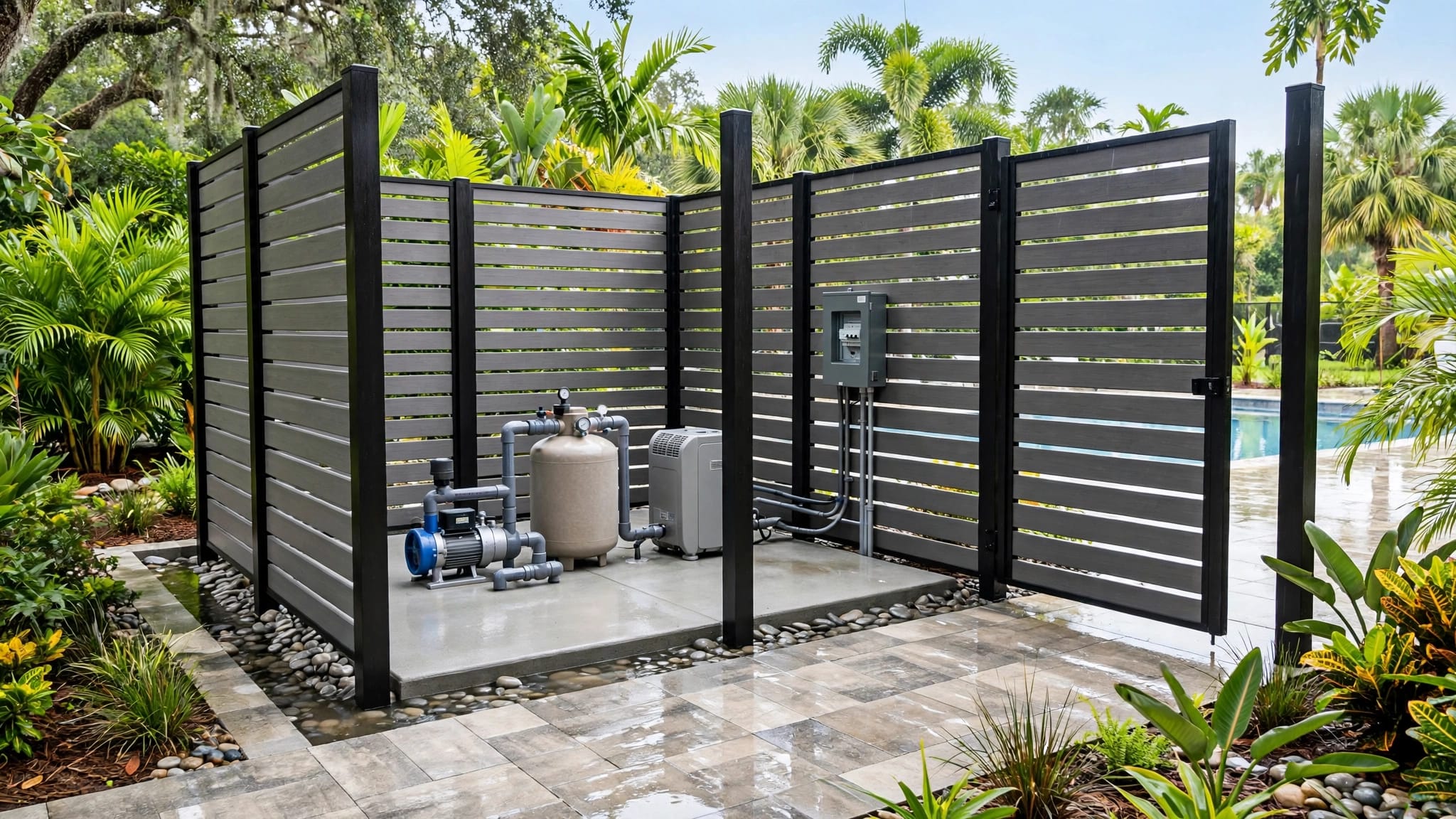
Pool fences need extra care too. Once a fence acts as a pool barrier, life-safety rules come into play. That often means gate and latch details matter just as much as the panel style.
Don't order custom materials too early. A permit comment about setbacks, easements, or gate swing can change your whole layout.
Fees and turnaround times are less clear. Public 2026 material reviewed for Estero does not confirm one fixed fee or one standard review time for every fence permit. Call the Village before you buy materials if cost or timing affects your plan.
One more detail matters: current Village information says a permit can become void if the first inspection doesn't happen within six months of issuance, or if six months pass after a prior inspection with no new activity. That rule catches homeowners who pull a permit early and then let the project sit.
Zoning problems that slow down Estero fence projects
Most fence delays don't happen because of the material. They happen because of location. A vinyl, aluminum, chain-link, or wood fence can all run into the same trouble if the layout ignores zoning.
Front-yard fences deserve the most attention. Current Estero information indicates that a front-yard fence at 4 feet or under may not need a permit in some cases, but it still has to meet zoning rules. Height, openness, and placement near the street can all change the answer.
Setbacks are the next pressure point. Public 2026 information does not clearly confirm one universal Estero setback rule for every zoning district, so don't guess. Ask the Village to verify the setback for your parcel, especially if your lot is on a corner, backs up to a roadway, or has an odd shape.
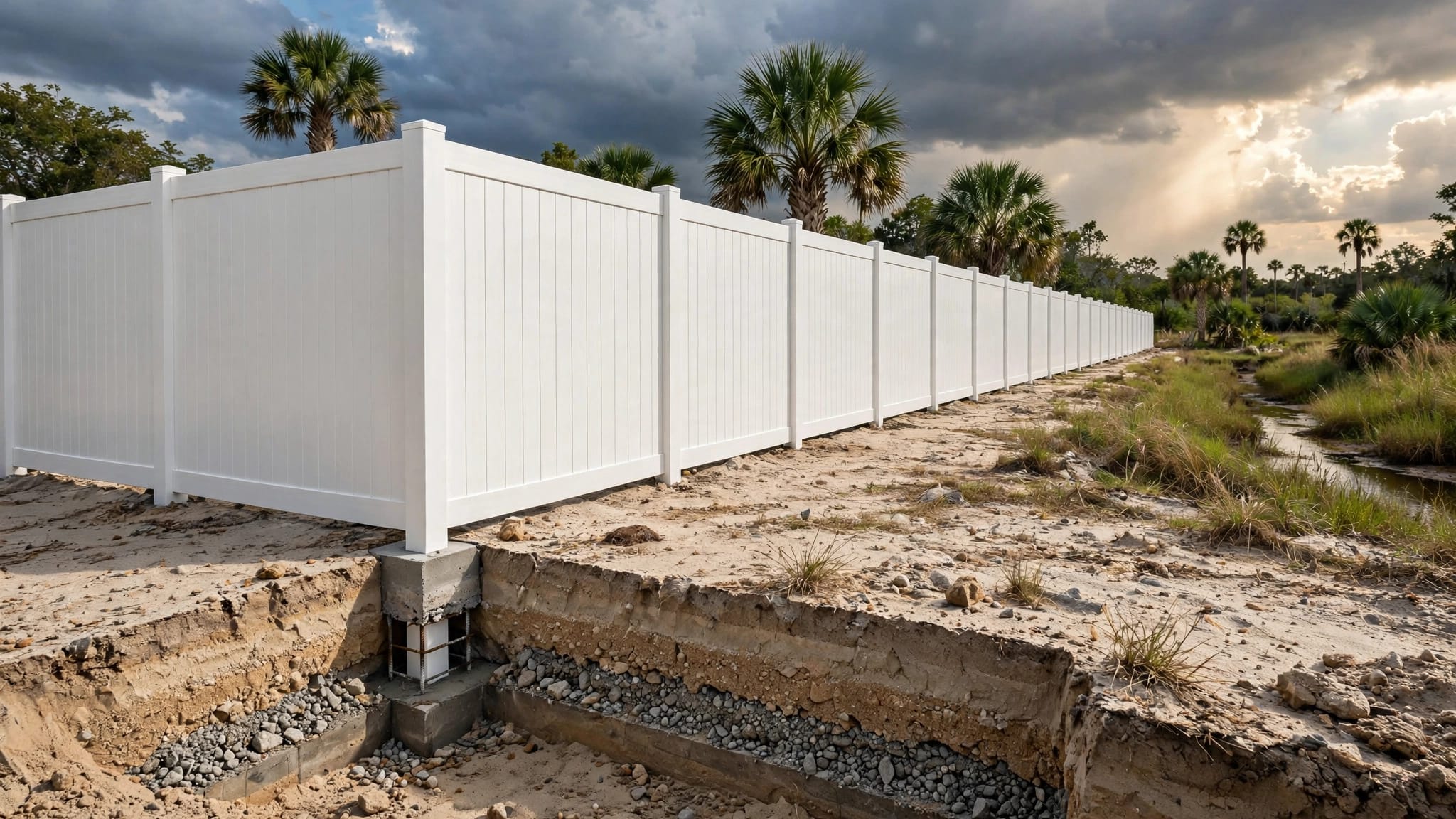
Then there are the invisible problems, easements and rights-of-way. That strip of grass near the road may look like part of your yard, but it may not be buildable. The same goes for utility or drainage easements along the side or rear line. If your survey is old, faded, or missing markers, get help before posts go in.
Private communities add another layer. An HOA can be stricter than the Village. For example, the Village may allow a fence type in principle, while your HOA may limit the color, style, height, or which side faces out. Get that approval in writing, not in a hallway conversation.
A step-by-step Estero fence permit checklist
Treat the process like packing for a flight. If one item is missing, the trip stalls.
- Confirm your jurisdiction. Call the Village of Estero first. If the property may be outside Village limits, check with Lee County too.
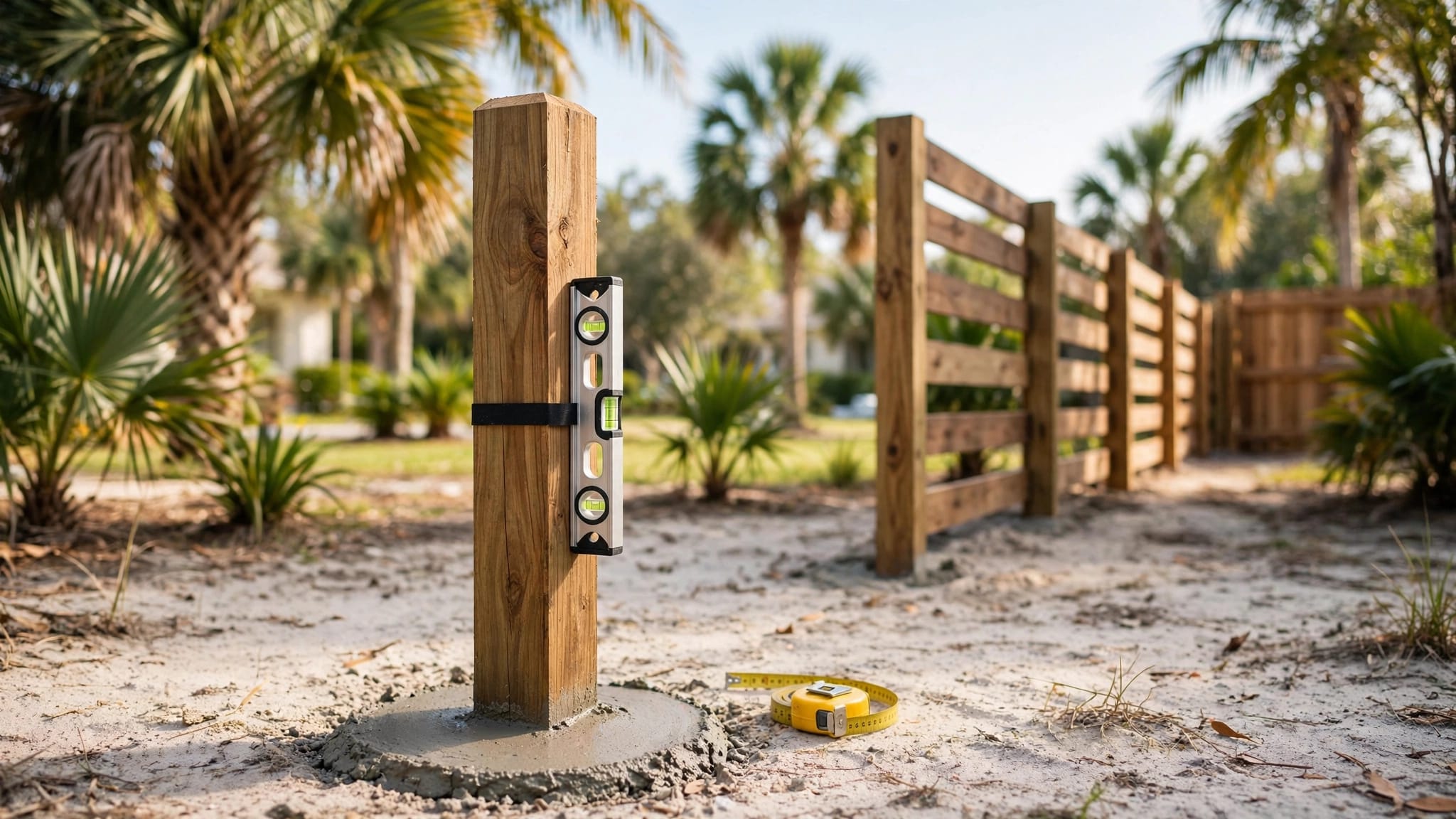
- Pull your survey or plot plan. Mark property lines, easements, right-of-way areas, gates, and the full fence route.
- Check your zoning before design. Ask the Village about front-yard limits, corner visibility, and any parcel-specific setbacks.
- Get HOA or condo approval. If your neighborhood has review rules, finish that step before permit submittal or material orders.
- Call 811 before digging. Florida 811 locates underground utilities and helps you avoid expensive damage.
- Submit, wait for approval, then build to plan. Don't move the fence line in the field unless the permit reviewer approves the change.
- Schedule inspections on time. Keep the permit active and close it out properly when the work is done.
If you're hiring a contractor, ask one direct question early: who is pulling the permit? A licensed, insured fence contractor should give you a clear answer. Also ask who handles revisions if the Village asks for a corrected plan.
This article is for general information, not legal advice. Rules, forms, and review steps can change, so confirm current requirements with the Village of Estero, Lee County when county issues apply, and your HOA before work starts.
In the end, a smooth fence project comes down to order. Check the jurisdiction, confirm the zoning, get the approvals, then dig. Confirm first, build second , and your fence is far more likely to add privacy instead of problems.