Fence Lighting for Side Yards: Placement and Wiring Basics
A narrow side yard needs light where people walk, open gates, and handle bins, without shining into a neighbor's windows. Good fence lighting starts with the layout: choose fixtures for the task, keep wiring clear of posts and gates, and separate low-voltage work from 120-volt electrical work.
Southwest Florida adds practical concerns, including heavy rain, salt exposure, drainage, and buried utilities. A lighting plan should fit the fence and the property, while electrical and permit requirements depend on the system and local jurisdiction.
Key Takeaways
- Light entrances, steps, and changes in direction before adding fixtures along the full fence.
- Keep cables out of post holes, gate hardware, and areas where yard tools can damage them.
- For low-voltage systems, use listed outdoor equipment and cable rated for direct burial when buried.
- Florida's plug-in landscape-lighting licensing exemption is narrow. It does not cover work that modifies a structure's electrical wiring.
- Pool-adjacent lighting has separate electrical safety requirements.
Plan Fence Lighting Around the Side Yard
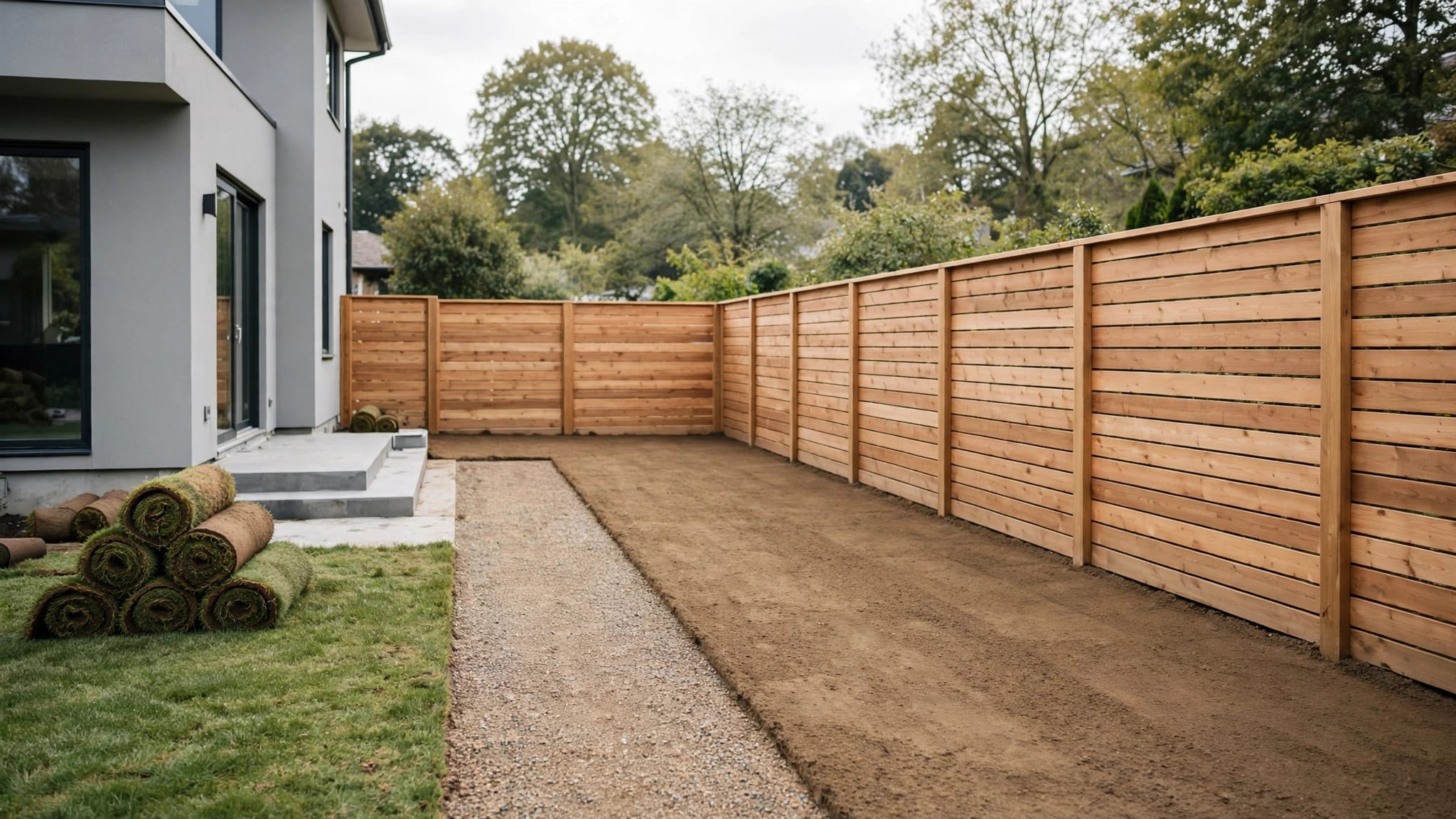
Start by mapping how people use the space. Mark the gate, path, steps, hose bib, air-conditioning equipment, and any place where the yard narrows. These points need to remain accessible and well lit. Keep fixtures and cables clear of gate swings and routine maintenance areas.
Before digging, identify the fence line and underground services. A survey can help distinguish the property boundary from an old fence location. Call Sunshine 811 before excavation, and remember that private irrigation or landscape-lighting lines may need separate locating. Never plan cable runs through post centers or footings.
Account for street, corner, and waterfront conditions
A side yard beside a driveway or street may be subject to visibility rules. Avoid lighting mounts or fence features that create an obstruction near a sightline. Corner and double-frontage lots can have more than one street-facing area, so a side-facing fence may not be treated as an ordinary side yard.
Canal and waterfront properties can have added setbacks, drainage access, or limits on fence design. Those conditions affect where lighting can go, too. Florida fence rules vary by location and lot, and Florida fence permit requirements are a separate issue from electrical requirements.
Leave room for access and upkeep
A fixture should not block gate operation, fence cleaning, or access to equipment. Keep shrubs and stored items from covering lights or creating a hidden corner beside an entrance. Leave enough space to replace a fixture or inspect a cable without dismantling fence panels.
Place Fixtures for Useful Light, Not Glare
In a narrow passage, a few well-positioned fixtures can work better than a continuous row. Prioritize the gate, walking route, steps, and any turn where someone could miss a change in level. Aim light downward and toward the path. A bright beam aimed across the yard can bother neighbors and make shadows more pronounced.
Match fixture style to the task
Downlights mounted on a fence post or rail can illuminate the path below. Low-level path lights may work better where the fence cannot support a fixture or where downward light would leave the ground too dark. At a gate, place light where it reaches the latch and the area just inside and outside the opening.
Use outdoor-rated fixtures and connectors suited to their actual exposure. Rain, irrigation spray, and standing water can affect equipment choice. Follow the fixture's installation instructions, including mounting method and the location rating.
Space fixtures by beam pattern
Fixture spacing depends on output, beam angle, mounting height, and the distance to the walking surface. Rather than copying a fixed spacing, position lights so their coverage overlaps enough to avoid dark gaps without creating bright pools. Test the layout after dark before committing to permanent mounting, where the system allows.
Avoid placing a fixture directly at eye level along the path. Shielded or downward-facing options reduce glare, especially when a fence runs close to a bedroom window or patio.
Adapt the Mounting Plan to Fence Material
The fence determines how fixtures attach and how cables can be routed. A lighting plan should not weaken the fence or interfere with its intended use.
Vinyl and wood fences
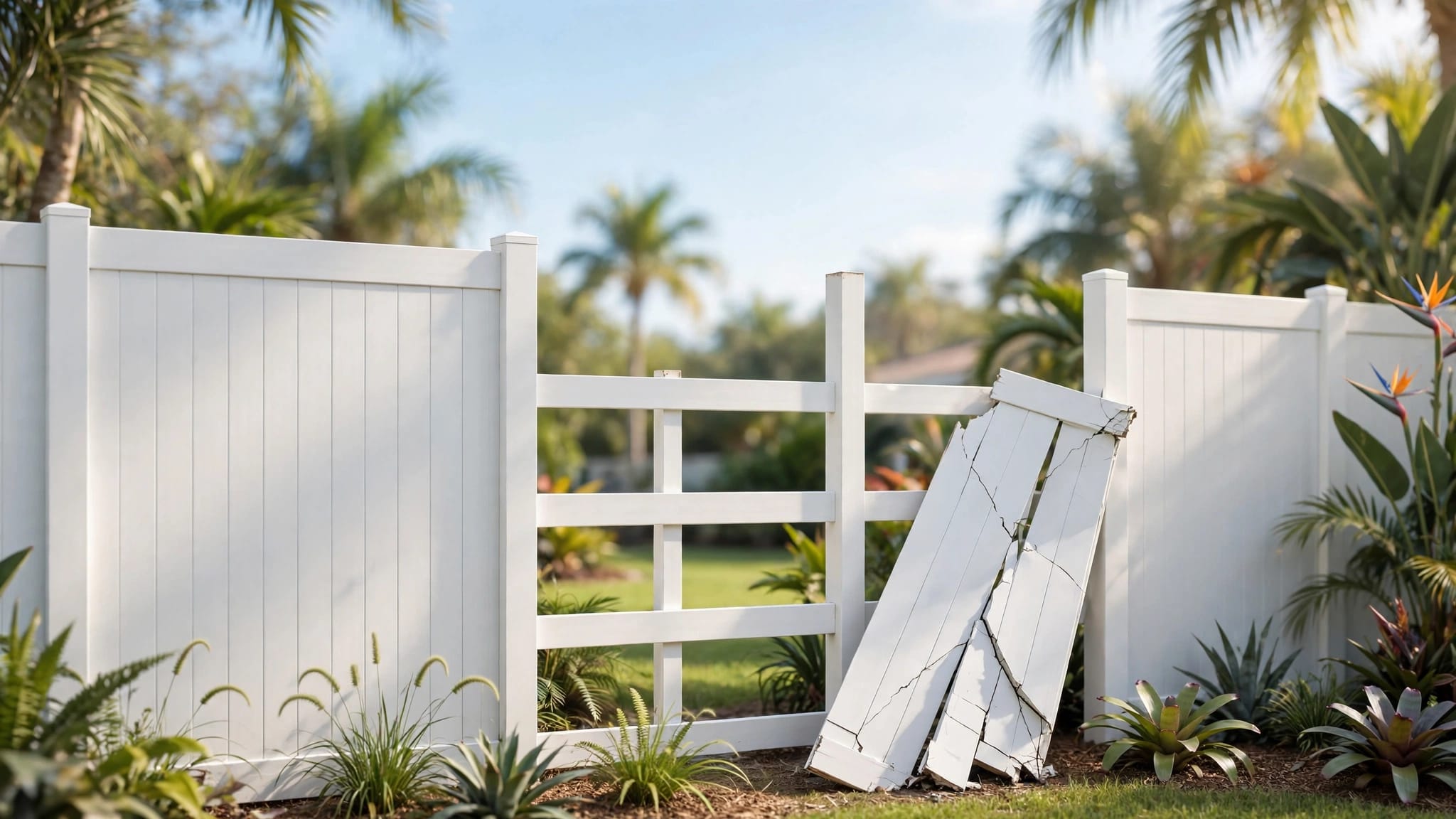
Vinyl panels are often hollow or made with thin walls. Avoid fastening a fixture through a panel unless the fence system allows that attachment. A post or a manufacturer-compatible bracket is usually a better mounting point. Keep holes and fasteners from interfering with rails or panel movement.
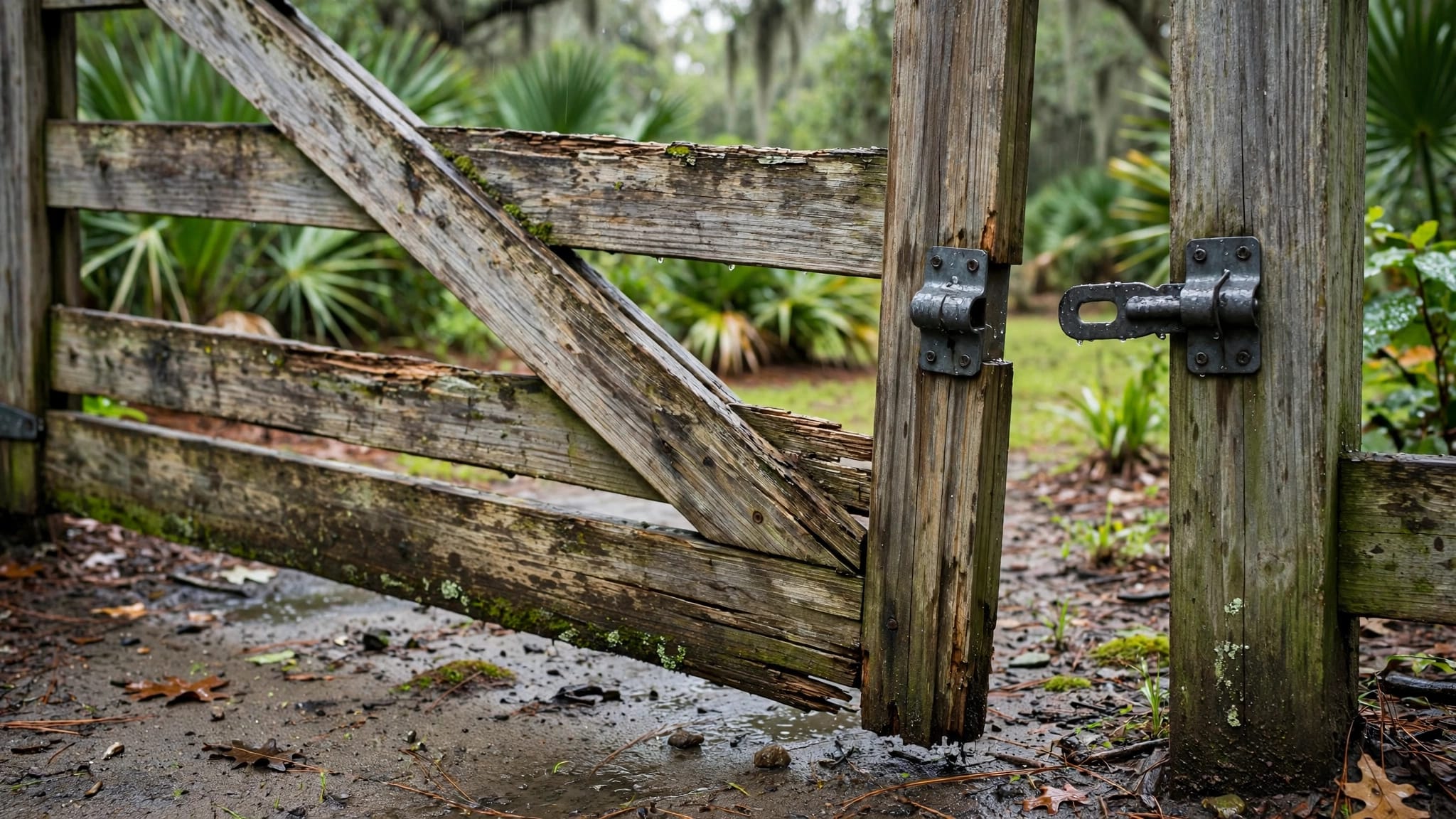
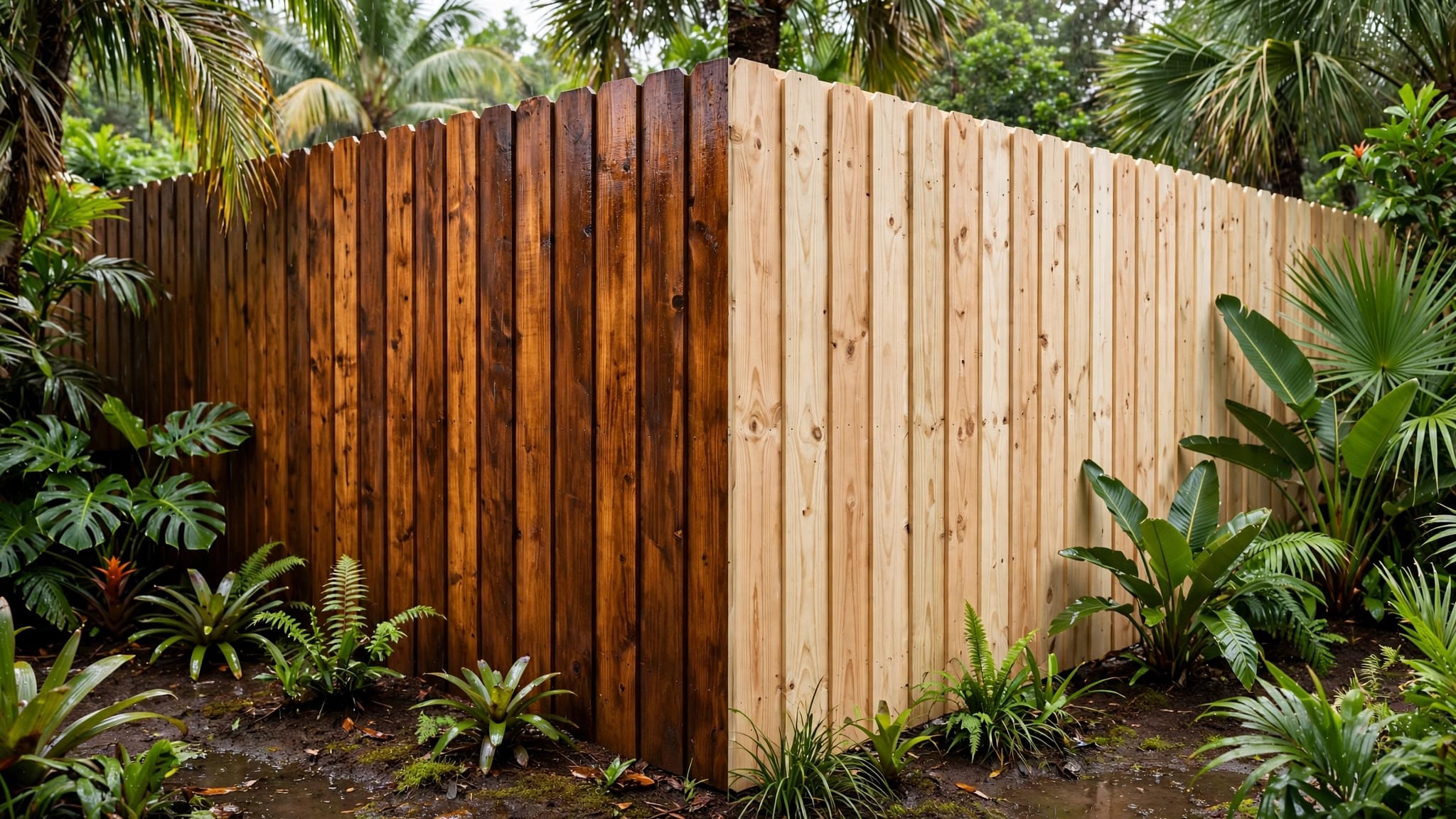
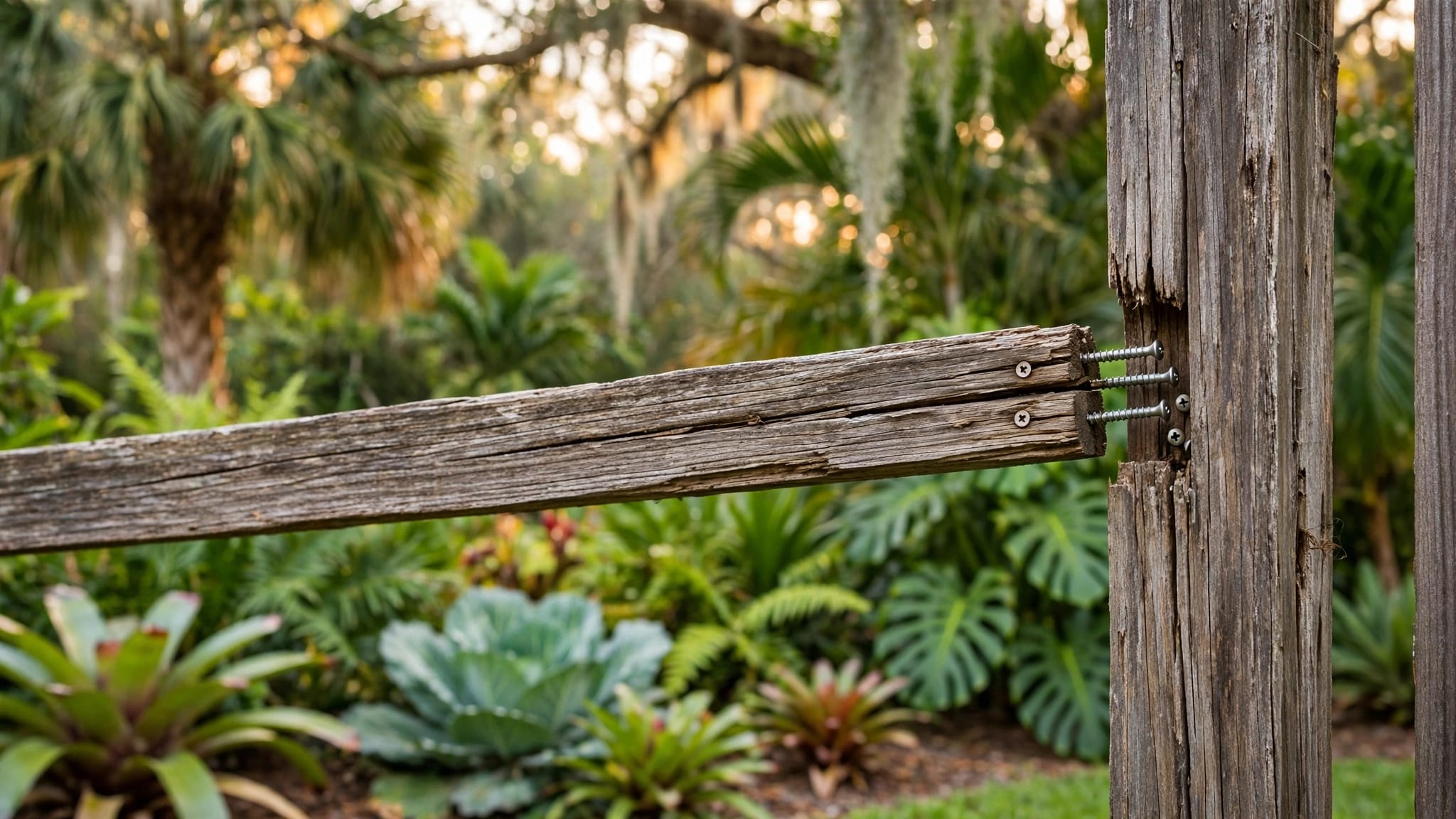
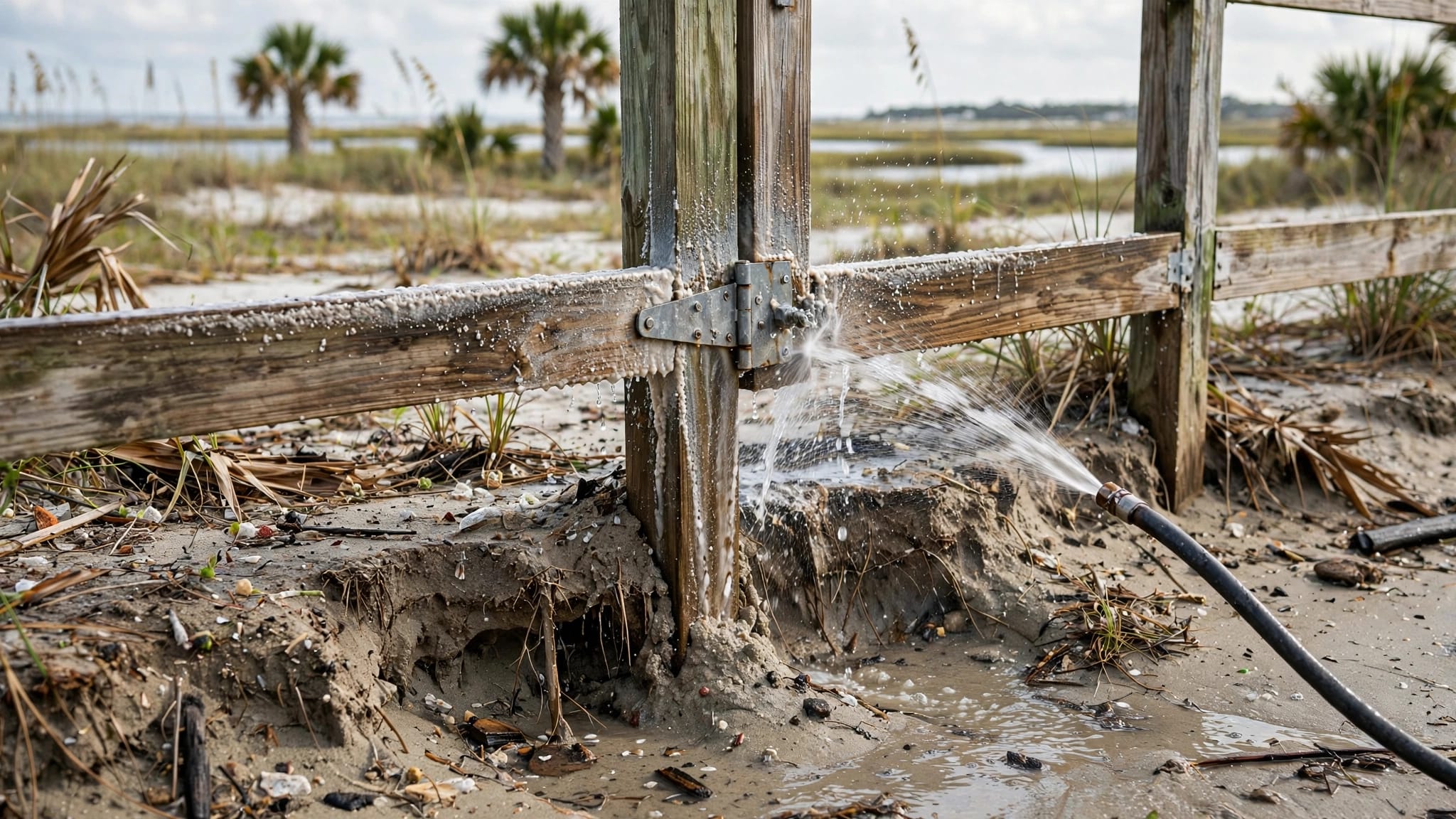
Wood gives more options for mounting, but fixtures still need secure fasteners. In coastal areas, use corrosion-appropriate hardware and avoid a mounting setup that traps water against the board. Keep cables protected from sharp edges and out of places where routine washing or trimming can snag them.
Aluminum and chain-link fences
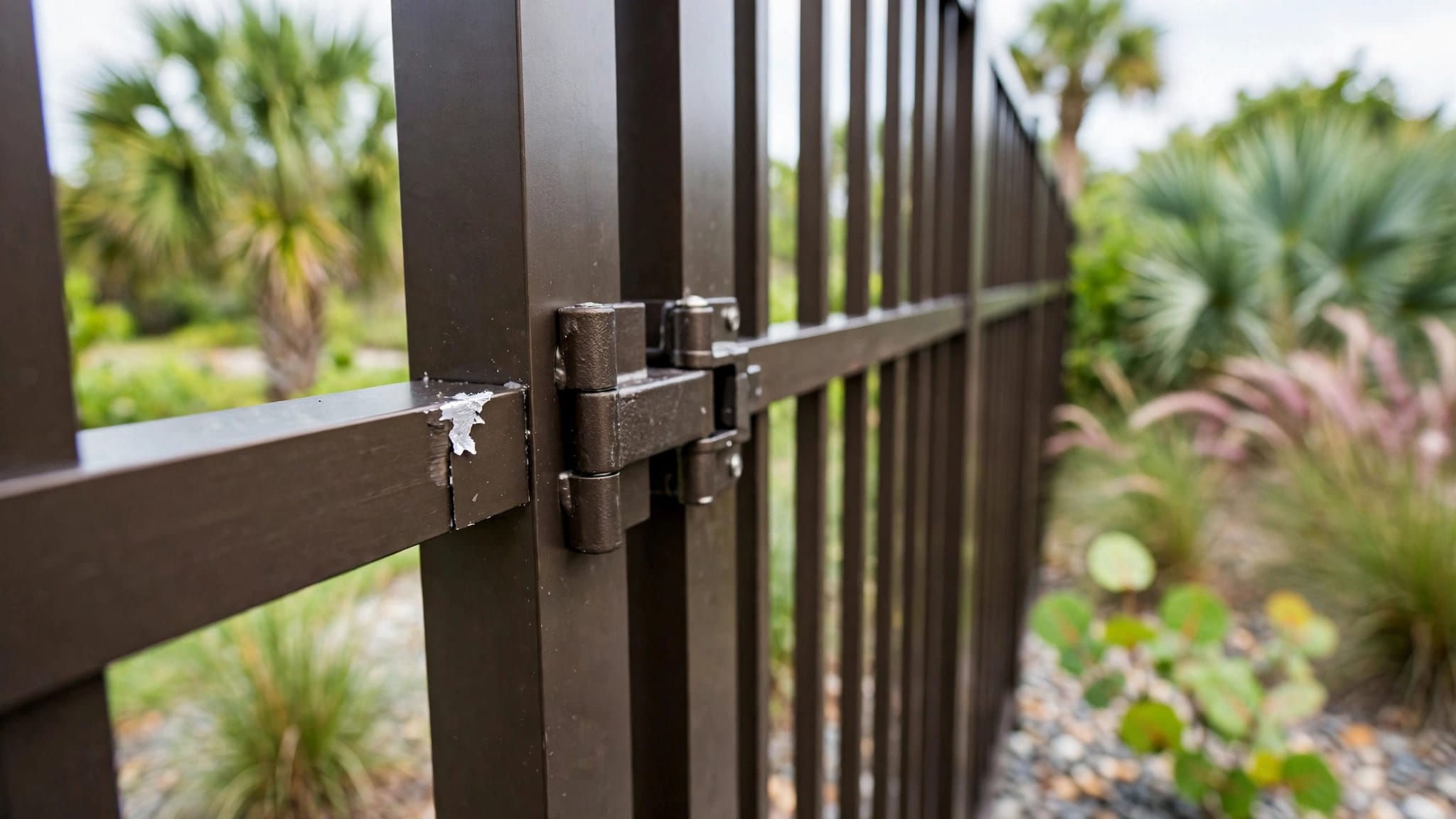
Aluminum fence pickets and rails may need clamps or brackets designed for the profile. Drilling without accounting for the fence construction can damage the finish or compromise a component. If you are comparing fence materials for a side yard, our aluminum fence installation options in Cape Coral explain where an open design may suit a property.
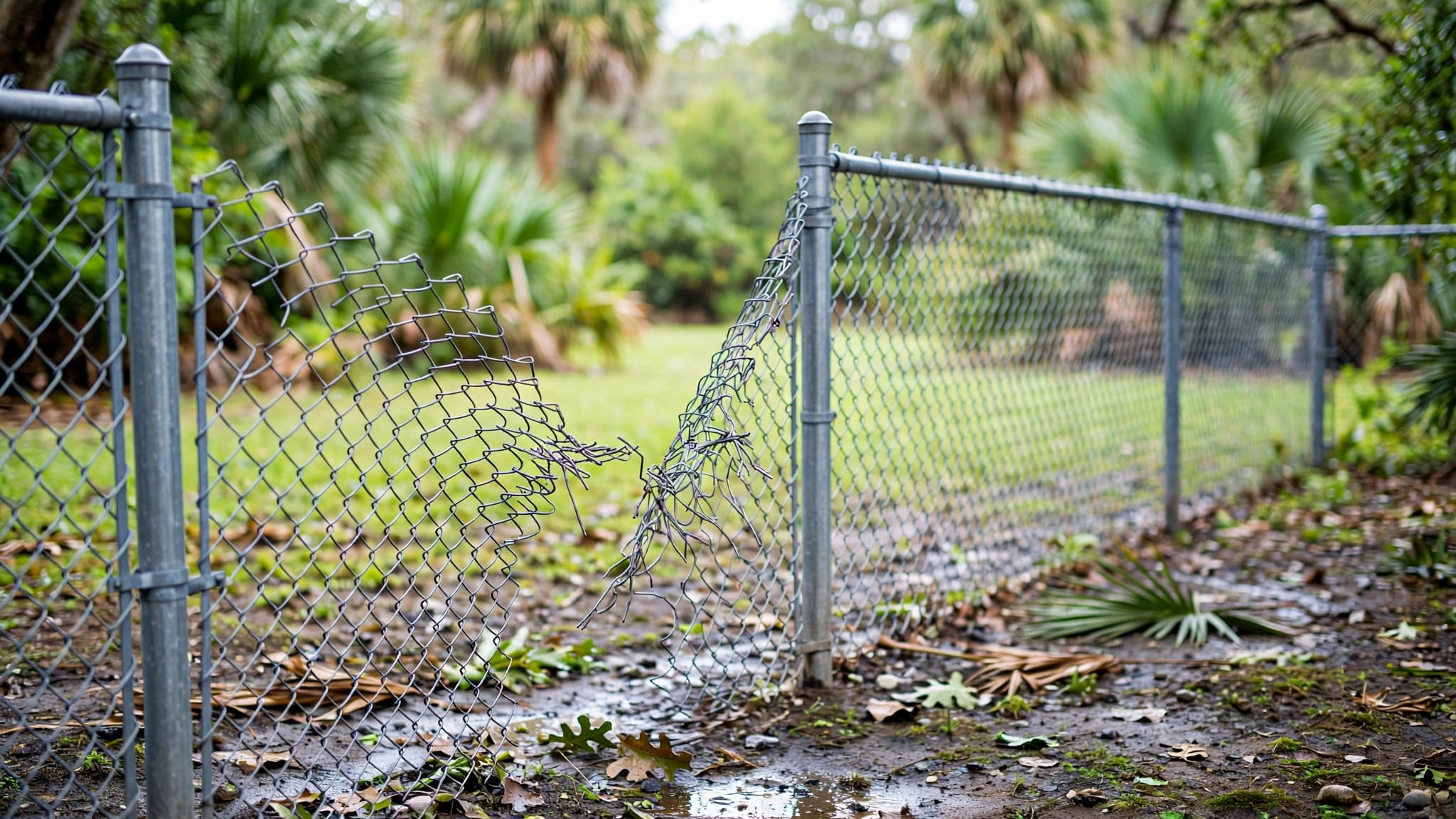
Chain-link fabric can accept compatible clips, but it offers little protection for exposed cable. Route wiring along a protected structure or in an approved buried path instead of leaving it loose against the mesh.
Choose a Low-Voltage System and Transformer
Many residential landscape-lighting systems use 12- or 24-volt output. NEC Article 411 covers lighting systems operating at 30 volts AC or less, or 60 volts DC or less. Low voltage reduces some shock risks, but it does not make damaged cable, poor connections, or unsuitable fixtures safe.
Match fixtures, cable, and power supply
Use fixtures and connectors listed for outdoor use and compatible with the system's voltage. Add up the connected fixture loads and select a listed transformer that can supply them within its rating. Long cable runs can cause voltage drop, so follow the manufacturer's guidance for cable gauge and maximum run length.
Place the transformer where it stays accessible, protected from standing water, and within the conditions in its installation instructions. There is no general electrical-code distance between an ordinary fence and a landscape-lighting transformer or fixture. The equipment listing, mounting instructions, fence construction, and site conditions determine a suitable location.
Know what the plug-in exception covers
Florida Statutes §489.503(24) provides a narrow licensing exemption for a person installing low-voltage landscape lighting with a factory-installed cord and plug, only when the work does not require installation, wiring, or other modification to a structure's electrical wiring. That exception is not a blanket permit exemption.
A plug-in transformer still depends on a suitable outdoor receptacle. Applicable outdoor receptacle rules include GFCI protection under NEC 210.8. The statewide framework is the 8th Edition Florida Building Code (2023), which adopts the 2020 NEC with Florida amendments. Local permitting requirements can differ.
Route Low-Voltage Cable Safely
Plan the cable path before fastening lights. Keep it away from gate hinges, post holes, sharp metal edges, and places where edging, aeration, or digging could cut it. Use cable marked for direct burial when it will be buried, and protect exposed sections from damage.
Follow the correct burial requirement
NEC Table 300.5 lists a minimum of 6 inches of cover for circuits controlling irrigation and landscape lighting at 30 volts or less. Cover is measured from the top of the cable or raceway to finished grade. This figure applies to that low-voltage category, not to a transformer's 120-volt supply wiring.
The line-voltage side has different requirements based on wiring method and location. Do not assume the low-voltage burial depth applies to it. Crossings at driveways, gate posts, and areas prone to impact may also need a wiring method or physical protection beyond a basic shallow cable run.
Keep connections accessible and protected
Use connectors intended for the cable and outdoor conditions. Keep joints out of locations where water collects, and avoid burying a connection unless its product instructions allow it. Leave enough slack at fixtures for service, but secure the cable so it cannot snag on tools or moving parts.
If a run passes through a fence opening or near a gate, route it away from the swing and latch. Where the cable could be hit or pinched, use an approved protective method rather than relying on its low voltage.
Separate Low-Voltage Work from 120-Volt Work
Connecting compatible low-voltage fixtures to a listed plug-in transformer differs from installing a new branch circuit. The transformer's primary side may use 120 volts, even though the fixtures receive low-voltage power.
Installing a receptacle, hardwiring a transformer, adding a breaker, or altering panel wiring is line-voltage electrical work. Florida's plug-in landscape-lighting exemption does not cover modifications to a structure's wiring. Work outside the exemption requires the applicable electrical or limited-energy specialty license, and local permit requirements depend on the authority having jurisdiction.
A licensed electrician is the right choice for new 120-volt wiring or changes to existing circuits. This is especially important when outdoor wiring shares space with pool equipment, irrigation controls, or other electrical systems.
Account for Southwest Florida Conditions
Outdoor fixtures and fence hardware face rain, irrigation, heat, and, in coastal areas, salt exposure. Choose equipment rated for its location and use corrosion-appropriate mounting hardware. Keep fixtures away from regular sprinkler spray where practical, and avoid placing cable where water routinely pools.
Drainage matters along a side yard. Do not position a fixture, cable route, or mounting detail in a way that blocks a swale or makes water collect against a fence post. After major storms, inspect visible fixtures, connections, and exposed cable for movement or damage.
Pool, spa, and fountain areas require additional review under NEC Article 680. Ordinary landscape-lighting guidance may not apply near water, so a standard fixture should not be assumed suitable for a pool-adjacent fence. A qualified electrician can assess the specific system and location.
Frequently Asked Questions
Is low-voltage fence lighting safe to install yourself?
Some plug-in systems allow homeowners to connect listed low-voltage fixtures without modifying the home's electrical wiring. Florida's licensing exemption is limited to that situation. New receptacles, hardwired transformers, and panel work are different tasks and need applicable licensed electrical work.
How deep should low-voltage lighting cable be buried?
NEC Table 300.5 specifies 6 inches of cover for circuits controlling irrigation and landscape lighting at 30 volts or less. The requirement is measured from the cable's top to finished grade. Other wiring types and locations have different requirements.
Can lights be attached directly to any fence?
No. Mounting depends on the fence design and fixture instructions. Hollow vinyl panels, narrow aluminum members, and chain-link fabric may need a compatible bracket or a different mounting location. Avoid attachments that damage the fence or leave cable exposed to impact.
Make the Side Yard Safer Without Complicating the Fence
A practical plan puts light where people enter and walk, protects wiring from damage, and respects the fence's structure. Low-voltage systems can simplify fixture connections, but their transformer supply and any new 120-volt work still have separate rules.
In Southwest Florida, account for rain, salt, drainage, utilities, and pool proximity before installation. When lighting and fence work are planned together, access stays clear and the finished side yard is easier to use and maintain.